
The Cultural Impact of NFT Gaming: Reshaping Perceptions of Digital Ownership and Value

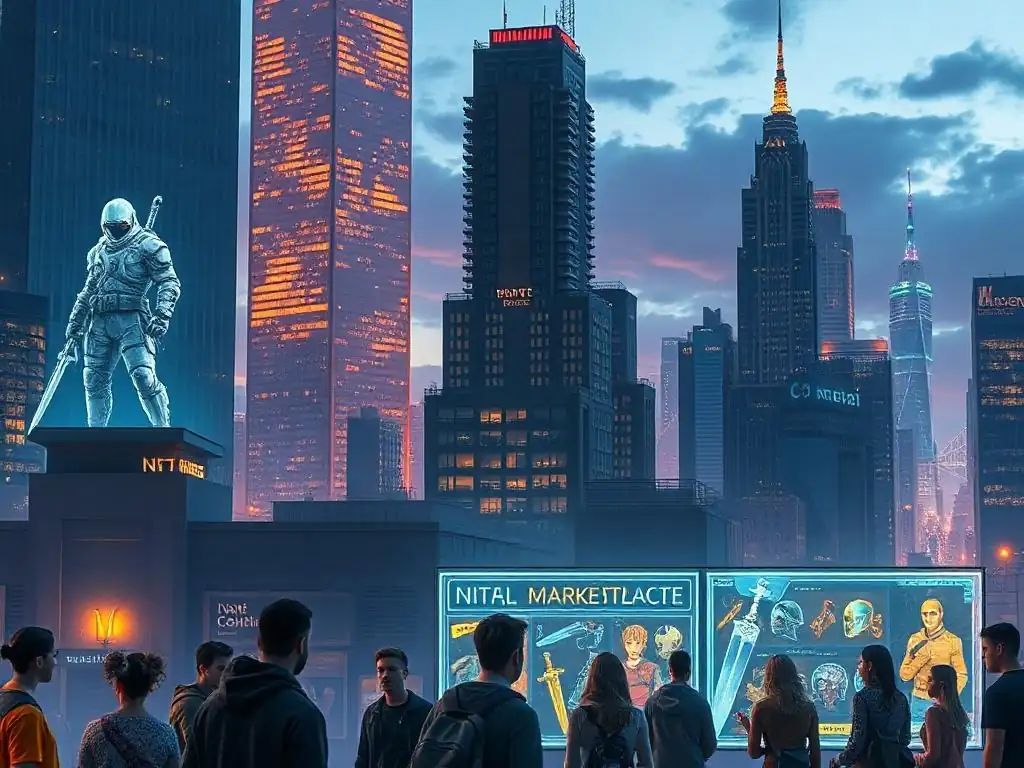
Welcome to Blockchain Trends, your compass navigating the ever-evolving landscape of decentralized technology. Beyond the buzz of cryptocurrencies, we delve into the real-world applications and transformative power of blockchain. Curious about how digital ownership is being redefined? Our main article explores the fascinating cultural impact of NFT gaming, examining how it's reshaping perceptions of value and ownership in the digital realm. Prepare to discover the profound changes underway, and how they're impacting not just gaming, but culture itself.
- The Cultural Impact of NFT Gaming: Reshaping Perceptions of Digital Ownership and Value
- Understanding the Foundations: NFTs, Blockchain, and Gaming
- Reshaping Perceptions of Digital Ownership
- NFT Gaming's Influence on Value Perception
- The Cultural Shift: NFT Gaming Communities and Ecosystems
- Positive Cultural Impacts of NFT Gaming
- Negative Cultural Impacts and Challenges of NFT Gaming
- Case Studies: NFT Games and Their Cultural Impact
- The Future of NFT Gaming: Cultural Trends and Predictions
- Conclusion: NFT Gaming's Lasting Cultural Legacy
-
Frequently Asked Questions
- What is the cultural impact of NFT gaming?
- How does NFT gaming change how we perceive digital ownership?
- How is NFT gaming influencing the broader art and collectibles market?
- What are some of the potential downsides or ethical concerns related to NFT gaming's cultural impact?
- How might regulation impact the future of NFT gaming and its cultural influence?
- Final Reflection: The Dawn of Digital Ownership
- Unleash the Power of Play: Dive Deeper into the NFT Gaming Revolution!
The Cultural Impact of NFT Gaming: Reshaping Perceptions of Digital Ownership and Value
Introduction: NFT Gaming and its Growing Cultural Significance
The intersection of Non-Fungible Tokens (NFTs) and the gaming industry has sparked a revolution that extends far beyond mere technological advancement. NFT gaming is rapidly evolving from a niche concept into a significant cultural phenomenon, reshaping how players perceive digital ownership, value, and community within virtual worlds.
This transformation is not just about incorporating blockchain into games; it represents a fundamental shift in the relationship between players, game developers, and the digital assets that populate these interactive environments. As NFT gaming gains traction, its cultural impact is becoming increasingly undeniable, influencing player behavior, in-game economies, and even the broader perception of digital property rights in the burgeoning metaverse.
The cultural significance of NFT gaming lies in its potential to democratize the gaming experience and empower players in unprecedented ways. Traditional gaming models often confine players to the role of consumers, acquiring in-game items that hold no real-world value or ownership rights. NFT gaming disrupts this paradigm by introducing verifiable scarcity and true ownership of digital assets.
This shift is fostering a new generation of gamers who are not just playing for entertainment but are also actively participating in digital economies, contributing to game ecosystems, and shaping the very culture of online gaming communities. The burgeoning interest in NFT gaming reflects a broader societal trend toward decentralization and digital ownership, making it a crucial area of study for understanding the evolving dynamics of the digital age.
Understanding the Foundations: NFTs, Blockchain, and Gaming
What are NFTs and How Do They Work?
Non-Fungible Tokens, or NFTs, are cryptographic assets on a blockchain that possess unique identification codes and metadata distinguishing them from each other. Unlike cryptocurrencies like Bitcoin or Ethereum, which are fungible (interchangeable), each NFT is unique and irreplaceable, making them ideal for representing ownership of unique digital items. Think of them as digital certificates of authenticity. An NFT's uniqueness is verified and secured by the blockchain, a distributed ledger that records transactions publicly and transparently. This immutability and traceability are fundamental to the value proposition of NFTs, especially within the context of digital collectibles and in-game assets.
The functionality of NFTs hinges on smart contracts, self-executing agreements written in code and stored on the blockchain. When an NFT is created, or "minted," a smart contract is deployed, defining its properties and governing its transfer and ownership. For example, a smart contract associated with an NFT game character could specify attributes like rarity, abilities, and even usage rights within the game.
When a player purchases or trades an NFT, the smart contract automatically updates the ownership record on the blockchain. This automated and transparent process ensures verifiable scarcity and provenance, which are crucial for establishing trust and value in digital assets. The technology underpinning NFTs, therefore, is not just about creating digital tokens but about establishing a new paradigm for digital ownership and interaction.
The Role of Blockchain Technology in NFT Gaming
Blockchain technology serves as the bedrock for NFT gaming, providing the essential infrastructure for secure, transparent, and decentralized management of in-game assets. The decentralized nature of blockchain is paramount, as it removes the control of in-game economies and asset ownership from centralized game developers. In traditional gaming, developers hold absolute authority over in-game items, with the power to alter, remove, or duplicate them at will.
Blockchain, in contrast, distributes the ledger of ownership across a network of computers, making it virtually tamper-proof and resistant to single points of failure. This decentralization empowers players by granting them true ownership and control over their digital assets.
Furthermore, blockchain's transparency is crucial for fostering trust and fairness within NFT gaming ecosystems. All transactions, including the minting, trading, and ownership transfer of NFTs, are recorded publicly on the blockchain ledger. This open record allows players to verify the scarcity and authenticity of their assets, ensuring that in-game items are genuinely unique and not arbitrarily created or duplicated by developers.
For instance, a player can independently verify the limited supply of a rare in-game sword by examining the blockchain record. This level of transparency is unprecedented in traditional gaming and contributes significantly to the perceived value and desirability of NFT game assets. The use of blockchain in NFT gaming is therefore not just a technological upgrade but a fundamental shift towards greater player empowerment and trust in digital economies.
Exploring the Intersection of Gaming and Non-Fungible Tokens
The convergence of gaming and NFTs has created a paradigm shift, transforming digital assets from mere in-game commodities into tradable, ownable, and potentially valuable digital property. In traditional gaming models, players invest time and resources acquiring in-game items that are ultimately controlled by the game developers and confined to the game's ecosystem. NFTs fundamentally alter this dynamic by representing in-game items – characters, weapons, land, collectibles – as unique digital assets on a blockchain. This transforms them from intangible digital goods into verifiable and tradable digital assets that players can truly own.
This intersection has unlocked new possibilities for player engagement and economic models within games. NFTs enable players to not only enjoy gameplay but also to potentially earn from their gaming activities. The concept of "play-to-earn" (P2E) has emerged, where players can earn cryptocurrency or valuable NFTs by participating in gameplay, completing tasks, or contributing to the game ecosystem.
For example, in games like Axie Infinity, players earn tokens by battling, breeding, and trading NFT creatures called Axies. This P2E model is a direct consequence of the NFT gaming intersection and represents a significant departure from traditional gaming, where players are primarily consumers. The integration of NFTs into gaming is therefore not just about adding blockchain technology; it's about creating new forms of digital ownership, player empowerment, and evolving the very nature of gaming itself.
Reshaping Perceptions of Digital Ownership
NFT Gaming and the Concept of True Digital Ownership
NFT gaming is at the forefront of redefining digital ownership, challenging the conventional understanding of what it means to own something in the digital realm. Traditionally, digital assets within games, whether skins, weapons, or virtual currency, are licensed, not owned. Players purchase the right to use these assets within the game's confines, but the ultimate control and ownership reside with the game developers.
NFT gaming disrupts this model by granting players verifiable and transferable ownership of in-game assets. When a player acquires an NFT in a game, they are recorded as the owner on the blockchain, a public and immutable ledger. This ownership is not just recognized within the game but extends beyond it, representing a fundamental shift towards true digital ownership.
This concept of true digital ownership has profound cultural implications. It empowers players with rights that were previously unimaginable in the gaming world. Players can now truly own their in-game achievements, investments of time and resources, and unique digital creations.
This ownership extends beyond mere usage rights; it encompasses the ability to sell, trade, or even utilize these assets across different platforms or metaverses, depending on the game's design and interoperability. For instance, a player who earns a rare NFT sword in one game might be able to sell it on an open marketplace or, in the future, potentially use it in another compatible game. This paradigm shift from licensed usage to verifiable ownership is a core cultural impact of NFT gaming, fundamentally altering the player-asset relationship.
How NFTs Empower Players with Asset Control
NFTs empower players with unprecedented control over their in-game assets, moving away from a developer-centric model to a player-centric one. In traditional gaming, players are essentially tenants in a digital space controlled by game companies. Developers can alter in-game economies, remove items, or shut down games entirely, leaving players with no recourse for their invested time and resources. NFTs, secured by blockchain technology, shift this power dynamic by granting players autonomous control over their digital assets. Once a player owns an NFT, they have the freedom to manage it independently of the game developer's direct control.
This control manifests in several ways. Players can freely trade, sell, or gift their NFTs on open marketplaces, realizing the value of their in-game achievements and investments. They can also choose to hold onto their NFTs as digital collectibles, appreciating their rarity and uniqueness.
Furthermore, the decentralized nature of NFTs means that even if a game shuts down, players retain ownership of their assets, which could potentially be utilized in other compatible games or metaverse environments. For example, if a player owns a piece of virtual land as an NFT in a metaverse game, they retain ownership of that land even if the specific game becomes less popular or ceases to exist. This player empowerment through asset control is a significant cultural shift driven by NFT gaming, fostering a sense of agency and investment in the digital world.
Breaking Down Traditional Gaming Ownership Models
NFT gaming fundamentally disrupts traditional gaming ownership models, which are characterized by centralized control and limited player rights. In traditional models, players purchase licenses to access games and in-game content, but they do not own the digital assets they acquire within those games. Game developers retain full control, dictating the rules, economics, and lifespan of these assets.
This centralized model often leads to situations where players' investments in time and money are vulnerable to developer decisions, such as server shutdowns or changes in game mechanics that devalue in-game items. The lack of true ownership in traditional gaming has been a long-standing issue, limiting player autonomy and fostering a sense of disposability of digital assets.
NFT gaming directly addresses these limitations by introducing a decentralized ownership model. By representing in-game assets as NFTs on a blockchain, players gain verifiable and transferable ownership, independent of the game developer's direct control. This shift breaks down the traditional walled garden approach of gaming, where assets are confined to a single game ecosystem.
NFTs enable a more open and interconnected gaming landscape, where players can potentially move their assets across different games and platforms, contributing to a more persistent and player-driven metaverse. For example, imagine a future where a sword NFT earned in one RPG could be used, traded, or even displayed in a different metaverse social platform. This breakdown of traditional ownership models, driven by NFT gaming, is paving the way for a more player-centric and interconnected digital gaming future.
NFT Gaming's Influence on Value Perception
Defining Value in the Digital Realm: Before and After NFTs
Before the advent of NFTs, defining value in the digital realm, particularly within gaming, was largely subjective and often tied to in-game utility or developer-controlled marketplaces. In traditional gaming, in-game items derived their value primarily from their functionality within the game itself – a powerful weapon might be valuable because it enhanced gameplay. Trading, if allowed, often occurred in grey markets outside of official channels, lacking security and transparency.
Game developers could manipulate in-game economies, and the perceived value of digital assets was inherently fragile, dependent on the game's continued popularity and developer support. Digital assets, in essence, lacked tangible real-world value and verifiable scarcity.
NFTs have profoundly altered this landscape, introducing verifiable scarcity, provenance, and true ownership, thereby reshaping the definition of value in the digital realm. NFTs imbue digital assets with characteristics previously absent, such as provable uniqueness and limited supply, factors that are fundamental to value in traditional asset classes. The blockchain provides an immutable record of ownership and transaction history, enhancing trust and legitimacy.
This has led to the emergence of robust and transparent NFT marketplaces, where digital assets can be bought, sold, and traded with real-world value attached. For example, digital art NFTs have sold for millions of dollars, and in-game NFTs are increasingly being valued based on their rarity, utility, and provenance. NFT gaming, therefore, is not just about playing games; it's about participating in digital economies where digital assets possess tangible and tradable value, fundamentally changing how we perceive and ascribe worth in the digital world.
The Scarcity and Uniqueness Factors Driving NFT Value in Games
Scarcity and uniqueness are pivotal factors driving the value of NFTs within gaming environments, mirroring their importance in the valuation of physical collectibles and art. In traditional digital gaming, in-game items are often infinitely reproducible, diminishing their perceived value and exclusivity. NFTs, by their very nature, introduce verifiable scarcity. Game developers can issue a limited number of NFTs for specific in-game items, ensuring that they are genuinely rare and collectible. This scarcity is not just a marketing tactic; it's cryptographically enforced by the blockchain, making it transparent and verifiable for players.
Uniqueness further enhances the value proposition of NFT game assets. Each NFT is distinct, possessing unique metadata and identification codes. This allows for the creation of one-of-a-kind in-game items, characters, or virtual land plots, fostering a sense of exclusivity and desirability.
For instance, a game might issue a limited edition NFT sword with unique visual characteristics or gameplay attributes, making it highly sought after by collectors and players alike. The combination of verifiable scarcity and inherent uniqueness, provided by NFT technology, is a primary driver of value in NFT gaming, creating digital assets that are not just fun to use but also potentially valuable stores of digital wealth and status symbols within gaming communities.
The Impact of NFT Gaming on In-Game Economies
NFT gaming is significantly impacting in-game economies, moving away from developer-controlled, centralized systems towards more player-driven, decentralized models. Traditional in-game economies are often managed by game developers, who control the supply of in-game currency and items, and regulate marketplaces. This centralized control can lead to imbalances, inflation, and a lack of player agency in shaping the economic landscape. NFT gaming introduces a paradigm shift by decentralizing aspects of in-game economies and empowering players to participate more actively in value creation and exchange.
NFTs enable the creation of player-driven marketplaces where players can freely trade their owned in-game assets, establishing market-determined prices based on supply and demand. This decentralization reduces reliance on developer-imposed economic controls and fosters a more dynamic and organic in-game economy. Furthermore, the play-to-earn model inherent in many NFT games incentivizes player participation and contribution to the economy.
Players can earn cryptocurrency or valuable NFTs by engaging in gameplay, creating content, or providing services within the game ecosystem. This economic empowerment can lead to more robust and sustainable in-game economies, where players are not just consumers but also active participants in value creation and distribution. The impact of NFT gaming on in-game economies is therefore not just about introducing new technologies but about fundamentally reshaping the relationship between players and the economic systems within virtual worlds.
The Cultural Shift: NFT Gaming Communities and Ecosystems
Building and Fostering NFT Gaming Communities
NFT gaming is fostering a distinct cultural shift in how gaming communities are built and nurtured, moving towards more player-centric, collaborative, and economically engaged ecosystems. Traditional gaming communities often revolve around shared gameplay experiences, game lore, and social interaction within the game environment. NFT gaming communities retain these aspects but are further enriched by the element of digital ownership and economic participation. NFT ownership creates a shared sense of investment and collective interest in the game's success, leading to stronger community bonds and a more participatory culture.
The economic aspect of NFT gaming encourages players to actively contribute to the community and ecosystem. Players are not just consumers but can become stakeholders, contributing to the game's development, economy, and overall direction. This shared ownership mentality fosters a more collaborative and supportive community environment.
NFT gaming communities often extend beyond the game itself, encompassing online forums, social media groups, and decentralized autonomous organizations (DAOs) that govern aspects of the game or its ecosystem. These communities are not just about playing a game together; they are about building and participating in a shared digital economy and culture, driven by the principles of decentralization and player empowerment. The cultural shift in community building within NFT gaming is towards more engaged, collaborative, and economically intertwined player ecosystems.
The Rise of Play-to-Earn (P2E) and its Cultural Implications
The rise of Play-to-Earn (P2E) gaming, enabled by NFTs, is a significant cultural phenomenon with profound implications for how we view work, leisure, and digital economies. P2E fundamentally challenges the traditional notion of gaming as purely a leisure activity by integrating economic incentives directly into gameplay. Players can earn real-world value by playing NFT games, blurring the lines between entertainment and income generation. This concept has gained particular traction in developing countries, where P2E gaming has provided new economic opportunities and income streams for individuals.
Culturally, P2E is reshaping perceptions of work and value creation in the digital age. It demonstrates that engaging in virtual worlds can be a legitimate form of work, contributing to digital economies and generating tangible financial rewards. This shift is particularly relevant in the context of the evolving metaverse, where virtual experiences are becoming increasingly integrated with our daily lives.
P2E is also influencing gaming culture by attracting a new demographic of players who are not just seeking entertainment but also economic opportunity. This has led to the emergence of new gaming communities focused on maximizing earnings and optimizing gameplay strategies for economic gain. The cultural implications of P2E are far-reaching, extending beyond gaming to broader societal discussions about the future of work, digital economies, and the value of virtual experiences.
Exploring the Collaborative Nature of NFT Game Development
NFT gaming is fostering a more collaborative and decentralized approach to game development, moving away from traditional top-down models towards community-driven and co-creation processes. Traditional game development is typically a centralized process, controlled by game studios and publishers, with limited player input beyond playtesting and feedback. NFT gaming, however, is opening up new avenues for player participation and co-creation in game development. The principles of decentralization and community ownership inherent in NFT technology are being applied to the game development process itself.
NFTs can be used to represent ownership in game assets, intellectual property, or even governance rights within a game's ecosystem. This allows for more community-driven game development models, where players can contribute to game design, content creation, or even funding, and be rewarded for their contributions through NFTs or cryptocurrency. Decentralized Autonomous Organizations (DAOs) are also emerging as governance structures for NFT games, allowing communities to collectively make decisions about game development, updates, and economic policies.
For example, a DAO could vote on new game features, balance changes, or the allocation of development funds. This collaborative nature of NFT game development is not only empowering players but also potentially leading to more innovative and community-aligned game experiences. The cultural shift in game development is towards greater transparency, player participation, and a more democratized creation process.
Positive Cultural Impacts of NFT Gaming

Democratizing Access to Gaming Assets
NFT gaming is democratizing access to gaming assets, breaking down traditional barriers and creating more inclusive and equitable gaming experiences. In traditional gaming, access to valuable in-game items is often gated by pay-to-win mechanics, requiring significant financial investment or extensive playtime, often favoring players with more resources. NFT gaming, while not eliminating all economic barriers, can offer alternative pathways to asset acquisition and ownership, potentially democratizing access to valuable digital resources.
Play-to-earn models, prevalent in NFT gaming, allow players to earn valuable in-game assets through skill, effort, and community contribution, rather than solely through financial investment. This creates opportunities for players from diverse backgrounds to participate in digital economies and acquire valuable assets, regardless of their initial financial capacity. Furthermore, the open and transparent nature of NFT marketplaces allows for greater accessibility to trading and asset ownership.
Players can buy, sell, and trade NFTs on decentralized marketplaces, potentially bypassing traditional gatekeepers and creating a more level playing field. For example, in some developing countries, P2E NFT games have provided individuals with access to income-generating opportunities and digital assets that were previously inaccessible. The democratization of access to gaming assets is a significant positive cultural impact of NFT gaming, fostering greater inclusivity and economic opportunity within virtual worlds.
Empowering Creators and Artists in the Gaming Space
NFT gaming is empowering creators and artists within the gaming space, providing new avenues for monetization, recognition, and control over their digital creations. In traditional gaming, artists and creators often work under the umbrella of large game studios, with limited direct ownership or control over their work, and revenue sharing models that may not fully reflect their contributions. NFTs are changing this dynamic by enabling creators to directly monetize their digital art, in-game items, and virtual experiences, and retain greater control over their intellectual property.
NFTs allow artists to create and sell unique digital assets directly to players and collectors, bypassing traditional intermediaries. They can set their own prices, control the scarcity of their creations, and even program in royalty mechanisms that ensure they receive a percentage of future sales on secondary markets. This direct-to-consumer model empowers artists to build their own brands, connect directly with their audience, and benefit more directly from the value of their work.
Furthermore, NFTs are fostering new forms of digital art and collectibles within gaming, expanding the creative possibilities and attracting a wider range of artists and creators to the gaming space. The empowerment of creators and artists is a significant positive cultural impact of NFT gaming, fostering greater artistic innovation, economic sustainability, and creator autonomy within the digital realm.
Fostering Innovation and Experimentation in Game Design
NFT gaming is driving innovation and experimentation in game design, pushing the boundaries of traditional gaming mechanics and business models. The integration of NFTs and blockchain technology is prompting developers to explore new forms of gameplay, economic systems, and player interactions. The play-to-earn model, for instance, is a direct result of NFT gaming, fundamentally altering the relationship between players and games and creating new economic incentives for engagement.
NFTs are also enabling new types of in-game assets and functionalities. Dynamic NFTs, for example, can evolve and change based on in-game events or player actions, creating more interactive and engaging digital assets. Interoperable NFTs, designed to be used across multiple games or metaverse platforms, are also being explored, potentially leading to more interconnected and persistent digital worlds.
Furthermore, the decentralized and community-driven nature of NFT gaming is fostering experimentation with new governance models, economic systems, and community engagement strategies. This drive for innovation and experimentation is a positive cultural impact of NFT gaming, pushing the gaming industry forward and potentially leading to more diverse, engaging, and player-centric gaming experiences in the future.
Negative Cultural Impacts and Challenges of NFT Gaming
Environmental Concerns Regarding NFT Gaming
Environmental concerns surrounding certain blockchain technologies, particularly Proof-of-Work (PoW) systems like the original Ethereum blockchain, are a significant negative cultural impact and challenge associated with NFT gaming. PoW blockchains require substantial computational power, leading to high energy consumption and a significant carbon footprint. NFT gaming projects built on these PoW blockchains inherit these environmental concerns, raising ethical questions about the sustainability of this technology. Critics argue that the environmental cost of some NFT gaming projects outweighs their benefits, particularly in a climate-conscious world.
While the environmental impact is a valid concern, it is important to note that not all NFT gaming is environmentally detrimental. Many newer NFT gaming projects are being built on more energy-efficient blockchain technologies, such as Proof-of-Stake (PoS) blockchains like newer versions of Ethereum, Solana, or Polygon. PoS blockchains require significantly less energy to operate and have a much smaller carbon footprint compared to PoW systems.
Furthermore, there is ongoing innovation in blockchain technology aimed at further reducing energy consumption and promoting sustainability. Addressing environmental concerns is crucial for the long-term cultural acceptance and sustainability of NFT gaming, and the industry is increasingly moving towards more eco-friendly blockchain solutions. Educating players and developers about the environmental impact of different blockchain technologies and promoting the adoption of sustainable alternatives is essential to mitigate this negative cultural impact.
The Potential for Exploitation and Scams in the NFT Gaming Market
The nascent and rapidly evolving NFT gaming market is susceptible to exploitation and scams, posing a significant challenge and negative cultural impact. The hype and speculative nature surrounding NFTs can attract fraudulent projects and malicious actors seeking to exploit players and investors. Rug pulls, where developers abandon a project after raising funds, leaving NFT holders with worthless assets, are a prevalent concern. Furthermore, the lack of regulation and consumer protection in the NFT space increases the risk of scams and fraudulent activities.
Players, particularly newcomers to the NFT gaming space, can be vulnerable to scams and misinformation. Fake NFT marketplaces, phishing attacks, and misleading marketing tactics are common challenges. The complexity of blockchain technology and NFTs can also make it difficult for players to fully understand the risks involved and to distinguish legitimate projects from scams.
Addressing the potential for exploitation and scams is crucial for building trust and ensuring the long-term cultural viability of NFT gaming. Increased education, stricter due diligence practices, and potentially regulatory oversight are needed to mitigate these risks and protect players from exploitation in the NFT gaming market. Promoting responsible gaming practices and fostering a culture of skepticism and critical evaluation within the NFT gaming community are also essential steps.
Addressing Accessibility and Affordability Issues
Accessibility and affordability issues pose significant challenges to the widespread cultural adoption of NFT gaming, potentially creating a digital divide and excluding players from lower socioeconomic backgrounds. While NFT gaming aims to democratize access to digital assets, the initial cost of entry, particularly for popular or high-demand NFT games, can be substantial. Purchasing NFTs required to play some games can be expensive, creating a barrier to entry for players who cannot afford these upfront costs. This financial barrier can undermine the goal of inclusivity and potentially create a pay-to-play environment that favors wealthier players.
Furthermore, the complexity of blockchain technology and cryptocurrency transactions can be a barrier for less tech-savvy players, further limiting accessibility. Setting up cryptocurrency wallets, understanding gas fees, and navigating NFT marketplaces can be daunting for players unfamiliar with these technologies. Addressing accessibility and affordability issues is crucial for ensuring that NFT gaming becomes truly inclusive and culturally impactful across diverse player demographics.
Game developers and the NFT gaming industry need to explore solutions such as scholarship programs, free-to-play entry points with NFT earning opportunities, and user-friendly interfaces to lower barriers to entry and make NFT gaming accessible to a wider audience. Promoting digital literacy and providing educational resources about blockchain and NFTs are also essential steps to address these challenges.
Case Studies: NFT Games and Their Cultural Impact
Axie Infinity: Revolutionizing Play-to-Earn in Developing Countries
Axie Infinity stands as a landmark case study in NFT gaming's cultural impact, particularly its revolutionary effect on play-to-earn (P2E) models, especially in developing countries like the Philippines and Venezuela. Axie Infinity, a Pokémon-inspired game built on the Ethereum blockchain, allows players to earn cryptocurrency (Smooth Love Potion - SLP) and NFTs (Axies) through gameplay.
The game gained immense popularity during the COVID-19 pandemic, becoming a significant source of income for individuals in regions facing economic hardship. In the Philippines, for instance, many players were able to earn more income playing Axie Infinity than from traditional jobs, demonstrating the transformative economic potential of P2E gaming.
The cultural impact of Axie Infinity extends beyond just income generation. It has fostered a new culture of digital entrepreneurship and financial literacy within gaming communities. Players have learned about cryptocurrency, NFTs, and decentralized finance (DeFi) through their engagement with the game. Axie Infinity also created strong online communities, particularly in developing countries, fostering social connections and support networks around P2E gaming.
However, Axie Infinity also highlights the volatility and risks associated with P2E economies. Fluctuations in token prices and changes in game mechanics can significantly impact player earnings, demonstrating the need for sustainable and balanced P2E models. Despite these challenges, Axie Infinity remains a crucial case study showcasing the profound cultural and economic impact of NFT gaming, particularly its potential to empower players in developing economies.
Decentraland: Shaping Virtual Land Ownership and Digital Identity
Decentraland provides a compelling case study of NFT gaming's cultural impact on virtual land ownership and the construction of digital identity within metaverse environments. Decentraland is a decentralized virtual world built on the Ethereum blockchain, where users can purchase, develop, and trade virtual land parcels represented as NFTs (LAND). Decentraland exemplifies the concept of true digital ownership, allowing users to own and control virtual real estate within a metaverse, fostering a sense of digital property rights and creative freedom.
The cultural impact of Decentraland is evident in the diverse virtual experiences and communities that have emerged within its metaverse. Users have created virtual businesses, art galleries, casinos, music venues, and social hubs on their LAND parcels, showcasing the potential for user-generated content and decentralized metaverse economies. Decentraland also highlights the role of virtual land ownership in shaping digital identity.
Users express their identity and creativity through their virtual land holdings and the experiences they create within Decentraland. Virtual land in Decentraland has also become a speculative asset, with prices fluctuating based on location, demand, and metaverse trends, reflecting the emerging digital real estate market. Decentraland serves as a significant case study demonstrating the cultural impact of NFT gaming in shaping virtual land ownership, digital identity, and the development of user-generated metaverse experiences.
CryptoKitties: Pioneering NFT Collectibles and Community Building
CryptoKitties, launched in 2017, is a foundational case study in NFT gaming, pioneering the concept of NFT collectibles and demonstrating the power of community building around digital scarcity. CryptoKitties is a blockchain game built on the Ethereum network that allows players to collect, breed, and trade unique digital cats represented as NFTs. CryptoKitties is credited with popularizing NFTs beyond cryptocurrency enthusiasts, introducing the concept of digital collectibles to a wider audience and showcasing the potential of NFTs for creating engaging and community-driven experiences.
The cultural impact of CryptoKitties lies in its demonstration of the appeal of digital scarcity and the power of community around NFT collectibles. The game's success highlighted the desire for digital ownership and the value that can be assigned to unique and scarce digital assets. CryptoKitties fostered a vibrant online community of collectors, breeders, and traders, demonstrating the social and cultural aspects of NFT ownership.
The game also experienced periods of high network congestion on the Ethereum blockchain, highlighting the scalability challenges of early NFT projects and contributing to the development of layer-2 scaling solutions. CryptoKitties remains a seminal case study demonstrating the cultural impact of NFT gaming in popularizing NFT collectibles, fostering community engagement, and paving the way for the broader NFT gaming ecosystem.
The Future of NFT Gaming: Cultural Trends and Predictions
Emerging Trends in NFT Gaming Culture
Several emerging trends are shaping the future of NFT gaming culture, indicating a continued evolution and expansion of this space. One prominent trend is the increasing focus on interoperability and metaverse integration. NFT gaming projects are increasingly exploring ways to make NFTs usable across multiple games and metaverse platforms, creating more persistent and interconnected digital worlds. This trend is driven by the desire to unlock greater utility for NFTs and to foster a more seamless and player-owned metaverse experience.
Another emerging trend is the growth of decentralized autonomous organizations (DAOs) within NFT gaming. DAOs are being used to govern game economies, development decisions, and community initiatives, further decentralizing control and empowering players. This trend reflects a broader cultural shift towards community ownership and governance in digital spaces.
Furthermore, there is a growing emphasis on sustainable and ethical NFT gaming practices. Projects are increasingly adopting eco-friendly blockchain solutions and addressing concerns about exploitation and scams, reflecting a growing awareness of the social and environmental responsibilities of the NFT gaming industry. These emerging trends suggest a future of NFT gaming that is more interoperable, community-governed, and ethically conscious, further solidifying its cultural impact and long-term viability.
Potential Challenges and Opportunities for the Future
The future of NFT gaming presents both significant potential challenges and exciting opportunities that will shape its cultural trajectory. One key challenge is addressing scalability and infrastructure limitations. As NFT gaming adoption grows, blockchain networks need to scale to handle increased transaction volumes and user activity without compromising speed or cost. Scalability solutions and infrastructure improvements will be crucial for the mass adoption of NFT gaming. Another challenge is navigating regulatory uncertainty. The legal and regulatory landscape surrounding NFTs and blockchain gaming is still evolving, and clear and consistent regulations will be needed to foster innovation and protect players.
However, the future also holds immense opportunities for NFT gaming. The continued development of metaverse technologies and interoperable NFTs will unlock new possibilities for immersive and interconnected gaming experiences. The growth of play-to-earn models and decentralized economies will create new economic opportunities and empower players globally. Furthermore, the increasing integration of NFTs with other cultural domains, such as art, music, and fashion, could lead to cross-cultural collaborations and new forms of digital expression. Navigating the challenges and capitalizing on these opportunities will determine the future cultural impact of NFT gaming and its role in shaping the digital landscape.
The Long-Term Impact of NFT Gaming on the Gaming Industry and Beyond
The long-term impact of NFT gaming is poised to be transformative, not only on the gaming industry itself but also on broader perceptions of digital ownership, value, and the future of the internet. Within the gaming industry, NFT gaming is likely to lead to a shift towards more player-centric and decentralized models, empowering players with greater ownership and control over their in-game assets and gaming experiences. The play-to-earn model could become increasingly prevalent, reshaping the economics of gaming and creating new forms of digital work and entertainment.
Beyond gaming, NFT gaming is contributing to a broader cultural shift towards digital ownership and the metaverse. It is educating a wider audience about blockchain technology, NFTs, and decentralized systems, fostering a greater understanding and acceptance of these technologies.
The concepts of digital scarcity, verifiable ownership, and decentralized economies, popularized by NFT gaming, are likely to have a lasting impact on how we perceive and interact with the digital world. NFT gaming is, therefore, not just a gaming trend; it is a cultural force shaping the future of digital ownership, online communities, and the evolving metaverse, with implications that extend far beyond the realm of entertainment.
Conclusion: NFT Gaming's Lasting Cultural Legacy
Summarizing the key cultural impacts of NFT gaming
NFT gaming's cultural impact is multifaceted and profound, fundamentally reshaping perceptions of digital ownership, value, and community within the gaming world and beyond. Key cultural impacts include the paradigm shift from licensed usage to true digital ownership of in-game assets, empowering players with unprecedented control and economic agency. NFT gaming has redefined value in the digital realm by introducing verifiable scarcity and uniqueness, creating robust and player-driven in-game economies.
It has fostered new forms of gaming communities, characterized by collaboration, economic participation, and a shared sense of ownership. The rise of play-to-earn models is blurring the lines between work and leisure, creating new economic opportunities and reshaping perceptions of digital labor. Furthermore, NFT gaming is democratizing access to gaming assets, empowering creators, and driving innovation in game design.
However, alongside these positive impacts, NFT gaming also faces challenges, including environmental concerns, the potential for exploitation and scams, and accessibility issues. Addressing these challenges is crucial for ensuring the long-term sustainability and positive cultural legacy of NFT gaming. Despite these challenges, the cultural influence of NFT gaming is undeniable, marking a significant turning point in the evolution of gaming and the broader digital landscape.
The Evolving Landscape of Digital Ownership and Value in the Age of NFTs
The age of NFTs is ushering in an evolving landscape of digital ownership and value, with NFT gaming playing a pivotal role in shaping this transformation. NFTs are challenging traditional notions of digital property rights, establishing a new paradigm of verifiable ownership and control in the digital realm. This shift is empowering individuals to own and monetize their digital creations, investments, and virtual identities in ways previously unimaginable. The concept of digital scarcity, once considered oxymoronic, is now a driving force in digital economies, influencing the valuation of digital art, collectibles, and in-game assets.
NFT gaming, as a prominent application of NFT technology, is at the forefront of this cultural evolution. It is demonstrating the practical implications of digital ownership, showcasing the potential of decentralized economies, and fostering new forms of digital communities.
As the metaverse continues to develop and virtual experiences become increasingly integrated with our lives, the principles of digital ownership and value, pioneered by NFT gaming, will likely become even more central to our digital interactions and cultural landscape. The lasting cultural legacy of NFT gaming will be its contribution to this evolving landscape of digital ownership and value, paving the way for a more player-centric, decentralized, and economically empowered digital future.
Frequently Asked Questions
What is the cultural impact of NFT gaming?
The cultural impact is significant, reshaping perceptions of digital ownership and value. It's creating new communities and exploring the intersection of gaming and digital art. This leads to questions about the long-term value of virtual assets.
How does NFT gaming change how we perceive digital ownership?
NFT gaming introduces provable scarcity and true ownership of in-game assets. Unlike traditional games, players can potentially trade, sell, or use their NFTs across different platforms. This fosters a sense of digital property rights.
How is NFT gaming influencing the broader art and collectibles market?
NFT gaming is bridging the gap between gaming and the art world. It's introducing new audiences to NFTs and creating a demand for unique, in-game digital collectibles. This influences the value and perception of digital art as an asset.
Concerns include the environmental impact of blockchain technology, potential for scams and fraud, and the creation of a pay-to-win gaming environment. These issues raise questions about accessibility and equity.
How might regulation impact the future of NFT gaming and its cultural influence?
Regulation could either foster innovation or stifle growth, depending on its approach. Clear guidelines on digital asset ownership, taxation, and consumer protection are crucial. This will shape the long-term sustainability and acceptance of NFT gaming.
Final Reflection: The Dawn of Digital Ownership
The rise of NFT gaming isn't just a technological novelty; it's a seismic shift in how we perceive and interact with digital assets. The cultural impact of NFT gaming is now undeniably reshaping our understanding of ownership and value in the digital realm, moving beyond mere entertainment to create new economic models and artistic expressions. This transformation is happening in real-time, influencing everything from art collecting to community building.
This burgeoning ecosystem has profoundly impacted the cultural landscape, forcing us to reconsider traditional notions of property and creativity. The ability to truly own and trade in-game assets has unlocked a new level of engagement and investment, fostering communities built around shared ownership and collaborative experiences. The metaverse is coming, and it's going to change everything. NFT gaming is just the tip of the iceberg.
This quote encapsulates the sentiment that we are witnessing the genesis of a new digital frontier, one where ownership and value are redefined by blockchain technology.
As we stand at the precipice of this digital revolution, let us reflect on the potential of NFT gaming to empower creators, reward players, and build more equitable digital economies. Consider how you can participate in shaping this future, whether as a player, creator, or simply an informed observer. Embrace the possibilities, question the limitations, and contribute to a future where digital ownership truly empowers us all.
Unleash the Power of Play: Dive Deeper into the NFT Gaming Revolution!
Thank you for exploring the cultural shift happening within NFT gaming and understanding its impact on digital ownership. Now that you've grasped the basics, it's time to get hands-on and truly experience the revolution.
Here are a few ways you can elevate your understanding:
- Explore an NFT game yourself. Engaging directly with the gameplay will help you better understand the concepts discussed.
- Join the conversation! Share this article with friends and colleagues on social media and tag us @BlockchainTrendsOrg. Let’s ignite a broader discussion about the future of digital ownership.
- Expand your knowledge by researching NFT art, music, and digital assets to see how tokenization is transforming various creative industries.
What NFT game or digital asset has most captured your interest, and why? Share your thoughts in the comments below!
Leave a Reply