
The Educational Potential of NFT Games: Learning Through Play and Digital Ownership

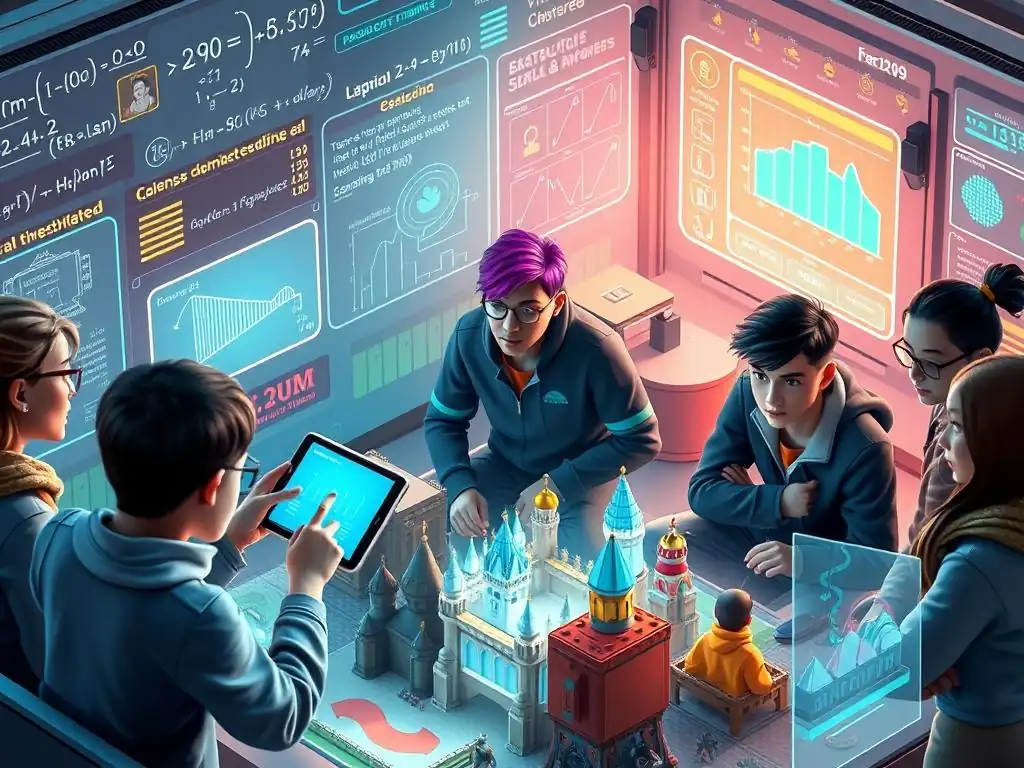
Welcome to Blockchain Trends, your guide to navigating the revolutionary world of decentralized technologies. Delve beyond the hype as we uncover the real-world applications of blockchain, from DeFi innovations to enterprise solutions. Are you ready to discover how digital ownership is reshaping education? Explore our latest article and unlock the surprising educational benefits of NFT games - a fascinating intersection of play, technology, and future learning. What if gaming could actually improve your understanding of blockchain and economics? Read on to find out!
- The Educational Potential of NFT Games: Learning Through Play and Digital Ownership
- Exploring the Educational Benefits of NFT Games
- NFT Games as Platforms for Skill-Based Learning
- NFT Games and Enhanced Engagement in Education
- Real-World Applications of NFT Game Educational Benefits
- Overcoming Challenges in Implementing NFT Games for Education
- The Future of Education: NFT Games as Learning Tools
- Conclusion: Harnessing the Educational Power of NFT Games
-
Frequently Asked Questions
- What are NFT games and how do they differ from traditional video games?
- How can NFT games contribute to education?
- What specific skills can players develop through playing NFT games?
- Are there any potential downsides to using NFT games for educational purposes?
- How might the educational benefits of NFT games evolve in the future?
- Final Reflection: Embracing Playful Learning in the Digital Age
- Unveil Your Gaming-Fueled Learning Journey!
The Educational Potential of NFT Games: Learning Through Play and Digital Ownership
Introduction: NFT Games and the Future of Education
The intersection of gaming and education is not new, but the advent of Non-Fungible Tokens (NFTs) is injecting a revolutionary dynamic. NFT games, leveraging blockchain technology, are transforming the landscape of digital interaction and ownership. These games are not just entertainment; they represent a burgeoning frontier in education, offering immersive, engaging, and potentially lucrative learning experiences.
As traditional educational models evolve to meet the demands of a digital-native generation, NFT games are emerging as compelling tools to foster critical skills and knowledge in a captivating manner. The integration of play, digital ownership, and real-world value within these games sets the stage for a paradigm shift in how we approach learning and skill development, potentially making education more accessible, enjoyable, and effective.
The appeal of NFT games lies in their ability to blend entertainment with tangible rewards and ownership. Unlike traditional games where in-game assets hold no real-world value, NFTs provide verifiable digital ownership, often tradable and valuable outside the game environment. This fundamental difference is crucial in understanding their educational potential.
By engaging with NFT games, learners are not just passively consuming information but actively participating in economies, strategizing for asset acquisition, and developing skills applicable beyond the virtual realm. This active engagement, coupled with the allure of digital ownership and potential financial gains, creates a powerful motivational framework for learning and skill development, paving the way for a future where education is seamlessly interwoven with the immersive world of gaming.
Understanding NFT Games: A New Paradigm for Learning
NFT games are video games that incorporate blockchain technology to represent in-game assets as Non-Fungible Tokens (NFTs). Unlike cryptocurrencies like Bitcoin or Ethereum, which are fungible and interchangeable, NFTs are unique digital assets representing ownership of a specific item, be it a digital artwork, a virtual land plot, or in-game characters and items.
In the context of gaming, this means players can truly own and control their in-game assets, unlike traditional games where these assets are typically owned and controlled by the game developers. This paradigm shift from centralized ownership to player-centric ownership is a core element that underpins the educational potential of NFT games.
This concept of digital ownership fundamentally alters the learning experience. In traditional educational games, progress and rewards are often confined within the game itself. However, in NFT games, achievements and acquired assets can hold real-world value, creating a tangible link between in-game actions and external outcomes.
For example, a student mastering strategic gameplay in an NFT trading card game might earn valuable NFTs that can be traded for cryptocurrency, which in turn can be converted to fiat currency. This direct connection between effort, skill, and tangible reward fosters a deeper level of engagement and motivation compared to purely virtual rewards. This new paradigm transforms learning from a potentially abstract and sometimes disconnected activity to one that is intrinsically linked to real-world economic principles and digital asset management, thus offering a more relevant and engaging learning experience.
Exploring the Educational Benefits of NFT Games
Cognitive Skill Development Through NFT Gameplay
NFT games, by their very nature, necessitate the development and application of a range of cognitive skills. Gameplay often involves strategic planning, resource management, and quick decision-making, all of which contribute to enhanced cognitive function. For instance, in strategy-based NFT games like Axie Infinity, players must meticulously plan their team compositions, understand opponent strategies, and adapt their tactics in real-time to achieve victory. This constant engagement with strategic and tactical thinking directly translates to improved problem-solving abilities and cognitive flexibility, skills highly valued in academic and professional settings.
Furthermore, many NFT games incorporate complex economic systems. Players need to understand market dynamics, supply and demand, and risk assessment to effectively participate in these in-game economies. Consider games where players can breed, trade, or rent out NFT assets.
Successfully navigating these systems requires analytical skills, the ability to interpret data, and strategic financial planning. For example, a player in a virtual pet NFT game might need to analyze market trends to determine the optimal time to breed and sell their digital pets for maximum profit. This active participation in simulated economies fosters critical thinking, analytical reasoning, and the ability to make informed decisions under uncertainty, all crucial cognitive skills that are transferable to various real-world scenarios, including financial management and economic understanding.
Financial Literacy and NFT Ownership in Games
One of the most significant educational benefits of NFT games is their capacity to impart financial literacy in a practical and engaging manner. These games often mirror real-world economic principles, offering players firsthand experience with concepts such as supply and demand, asset valuation, and investment strategies.
Through interacting with in-game marketplaces, trading NFTs, and participating in play-to-earn economies, players gain practical insights into financial mechanics that are often abstract in traditional educational settings. For example, a player in a land ownership NFT game like The Sandbox might learn about property valuation, land development, and rental income by managing their virtual land assets, mirroring real-world real estate investment principles.
The inherent nature of NFTs as digital assets with real-world value provides a tangible context for learning about digital finance and ownership. Players directly experience the implications of owning and trading digital assets, understanding concepts like scarcity, digital scarcity, and the importance of secure digital asset management. Consider the case of a player earning NFTs through gameplay in a play-to-earn game.
They must understand how to manage their digital wallet, assess the value of their NFTs in the market, and potentially trade them for other cryptocurrencies or even fiat currency. This hands-on experience with managing digital assets, understanding market fluctuations, and navigating the digital economy provides invaluable financial literacy skills that are increasingly relevant in a world rapidly embracing digital finance and blockchain technology.
Problem-Solving and Strategic Thinking in NFT Gaming Ecosystems
NFT gaming ecosystems are inherently complex and dynamic environments, fostering the development of robust problem-solving and strategic thinking skills. Players are constantly faced with challenges that require analytical thinking, creative solutions, and adaptability. From optimizing gameplay strategies to navigating complex in-game economies and responding to evolving game mechanics, NFT games provide a fertile ground for honing these crucial skills. For example, in a massively multiplayer online role-playing game (MMORPG) incorporating NFTs, players might need to collaborate with others to overcome challenges, strategize raid compositions, and adapt to unexpected in-game events, demanding both individual problem-solving and collaborative strategic thinking.
Furthermore, the decentralized nature of many NFT gaming ecosystems introduces an additional layer of complexity that necessitates strategic thinking. Players often operate within player-driven economies and communities, requiring them to understand social dynamics, negotiation, and collaborative problem-solving. Consider a decentralized autonomous organization (DAO) within an NFT game where players collectively govern aspects of the game's ecosystem.
Participating in such a system requires understanding decentralized governance, contributing to community decision-making, and strategically influencing the game's direction. This engagement with decentralized systems and player-driven economies provides a unique opportunity to develop advanced problem-solving and strategic thinking skills applicable to complex real-world systems and collaborative environments, preparing learners for the challenges of a decentralized future.
NFT Games as Platforms for Skill-Based Learning
Coding and Development Skills in NFT Game Creation [Axie Infinity]
The burgeoning NFT gaming space presents significant opportunities for learning coding and development skills, particularly within ecosystems like Axie Infinity. While playing Axie Infinity can teach strategic thinking and financial literacy, the ecosystem extends beyond gameplay, offering avenues for aspiring developers to contribute and learn. The Axie Infinity ecosystem, for instance, encourages community development, providing tools and APIs that allow developers to build on top of the existing game infrastructure.
This includes creating mini-games, tools for data analysis, and even entirely new experiences within the Axie Infinity universe. Engaging with these tools and APIs offers a practical and motivating pathway for individuals to learn coding and blockchain development skills in a real-world context.
Moreover, the open-source nature of many blockchain projects and the availability of development resources for platforms like Ethereum (upon which Axie Infinity is built) provide ample learning materials and communities for aspiring NFT game developers. Learning to develop for NFT games often involves mastering languages like Solidity (for smart contracts), JavaScript (for front-end and game logic), and understanding blockchain architecture.
The demand for skilled developers in the NFT gaming space is rapidly increasing, making this a potentially lucrative and future-proof skill set to acquire. By actively participating in the development community around games like Axie Infinity, learners can gain practical experience, build a portfolio of projects, and potentially contribute to the growth of the NFT gaming industry while simultaneously acquiring valuable coding and blockchain development skills.
Design and Art Skills Through NFT Asset Creation [Gods Unchained]
NFT games are not only fostering coding skills but also providing a fertile ground for developing design and art skills, particularly in the realm of NFT asset creation, exemplified by games like Gods Unchained. Games like Gods Unchained, a trading card game where each card is an NFT, rely heavily on visually appealing and engaging card designs.
Creating these digital assets requires a diverse set of artistic skills, including digital painting, graphic design, 3D modeling, and animation. Aspiring artists can leverage NFT game platforms to practice and showcase their skills by designing and creating in-game assets that can be traded, sold, or used within the game.
Furthermore, the demand for unique and high-quality NFT assets is constantly growing within the NFT gaming space. Games like Gods Unchained often feature creator programs and marketplaces that allow artists to monetize their creations. This provides a direct incentive for individuals to hone their digital art skills and learn about NFT creation processes, including minting, listing, and marketing digital assets.
Learning to create NFT art for games involves mastering digital art tools like Adobe Photoshop, Blender, or Procreate, as well as understanding the technical aspects of NFT standards and blockchain integration. By engaging in NFT asset creation for games, learners can develop valuable design and art skills, build a digital portfolio, and potentially earn income from their creative work in a rapidly expanding digital art market.
Community Building and Collaboration in NFT Gaming [The Sandbox]
NFT games, especially metaverse platforms like The Sandbox, are inherently social and collaborative environments, fostering crucial community building and collaboration skills. The Sandbox, a virtual world where users can create, own, and monetize their gaming experiences using NFTs, thrives on user-generated content and community interaction. Players are encouraged to collaborate on building virtual experiences, creating games, and participating in community events within The Sandbox metaverse. This collaborative environment provides a practical setting for learners to develop teamwork, communication, and community engagement skills, all highly valuable in both online and offline contexts.
Moreover, many NFT gaming communities are decentralized and player-driven, requiring participants to actively contribute to community governance and development. Games like The Sandbox often incorporate DAOs or community governance mechanisms, allowing players to participate in decision-making processes that shape the game's evolution.
Engaging in these decentralized communities requires effective communication, negotiation, conflict resolution, and collaborative problem-solving skills. By actively participating in NFT gaming communities, learners can develop essential social skills, learn about decentralized governance models, and gain experience in building and maintaining thriving online communities, skills that are increasingly important in a digitally interconnected world and for future careers in community management, online collaboration, and decentralized organizations.
NFT Games and Enhanced Engagement in Education
Increased Motivation and Learning Retention with NFT Rewards
The integration of NFT rewards into educational games can significantly enhance motivation and learning retention. Traditional educational games often rely on points, badges, or virtual currency that hold no real-world value. NFTs, on the other hand, offer tangible digital ownership and potential financial value, creating a more compelling incentive for learners.
Earning an NFT as a reward for completing a learning module or mastering a skill can tap into intrinsic motivation by providing a sense of achievement and ownership, while also offering extrinsic motivation through the potential resale value of the NFT. This dual motivational approach can significantly increase learner engagement and persistence compared to traditional reward systems.
The sense of ownership associated with NFTs also contributes to improved learning retention. When learners own a digital asset that represents their achievement or knowledge acquisition, it creates a stronger psychological connection to the learned material. This tangible representation of their learning journey, in the form of an NFT, can serve as a constant reminder of their progress and accomplishments, reinforcing learned concepts and improving long-term retention.
Imagine a language learning app that rewards users with unique NFT badges for completing language modules. These badges, representing their language proficiency, could be displayed, traded, or even used within other educational platforms, creating a lasting and valuable record of their learning achievements and enhancing both motivation and retention.
Personalized Learning Experiences Through NFT Customization
NFTs offer exciting possibilities for creating personalized learning experiences through customization and ownership. In traditional educational settings, learning materials and pathways are often standardized and less adaptable to individual learner needs. NFTs can be used to create dynamic and personalized learning paths, rewards, and even avatars that reflect individual progress and preferences.
For example, a math learning platform could issue NFTs that evolve in appearance and functionality as a student progresses through different levels of mathematical concepts. These NFTs could unlock access to more advanced learning modules, personalized challenges, or even virtual tutoring sessions, creating a customized learning journey tailored to the individual student's needs and pace.
Furthermore, NFTs can represent unique learner profiles and achievements, allowing for greater personalization and recognition within educational ecosystems. Imagine a platform where students can create personalized avatars represented as NFTs. These avatars could visually reflect their learning styles, interests, and academic achievements, creating a unique digital identity within the educational environment. These personalized NFT avatars could also unlock access to specific learning resources, communities, or even personalized feedback from educators, creating a highly customized and engaging learning experience that caters to individual learner differences and preferences, moving beyond one-size-fits-all educational models.
Gamification and the Role of NFTs in Making Learning Fun
NFTs amplify the power of gamification in education, making learning more engaging and enjoyable. Gamification, the application of game-design elements and game principles in non-game contexts, has proven effective in enhancing motivation and engagement in education. NFTs take gamification to the next level by adding a layer of real-world value and digital ownership to in-game rewards and achievements. This integration of NFTs transforms learning from a potentially passive and sometimes tedious activity into an active, rewarding, and fun experience.
The scarcity and collectibility of NFTs inherent in many games add an element of excitement and challenge to the learning process. Imagine a history learning game where students collect historical figure NFTs by completing quizzes and assignments. Rare historical figure NFTs could be more challenging to acquire, creating a sense of competition and driving deeper engagement with the learning material.
The ability to trade, sell, or showcase these NFT collections further enhances the game-like experience and adds a layer of social interaction and community building. By integrating NFTs into gamified learning experiences, educators can tap into the inherent appeal of games and the allure of digital ownership to create more engaging, motivating, and ultimately more effective learning environments.
Real-World Applications of NFT Game Educational Benefits
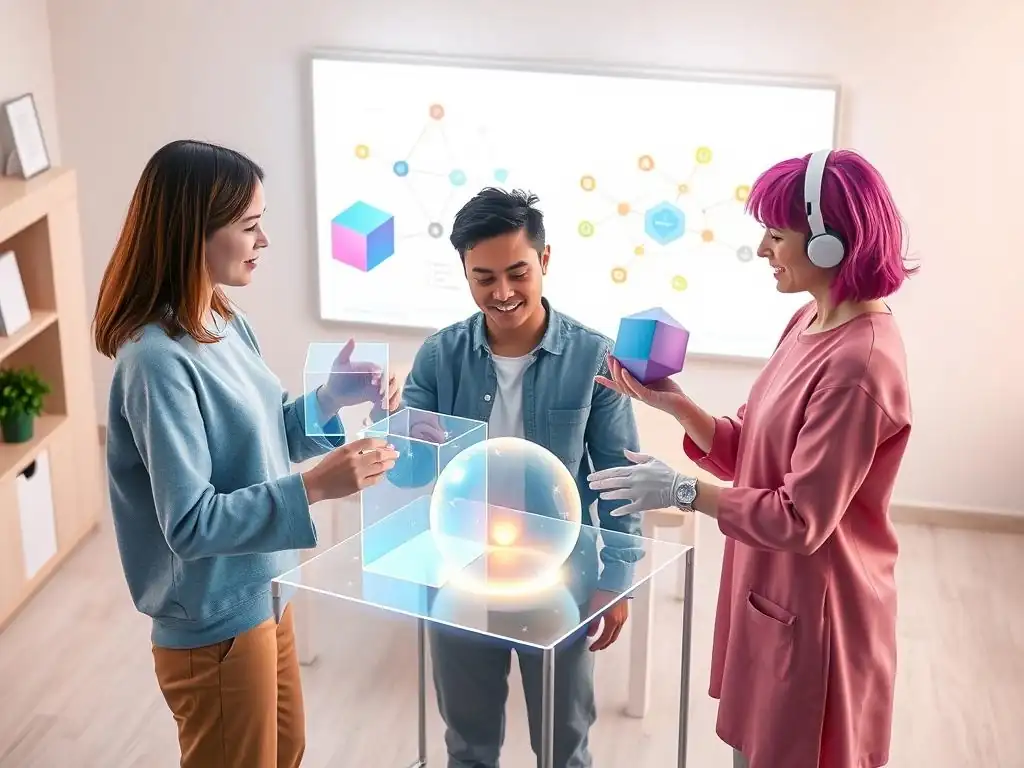
Case Study: [CryptoKitties] and its Impact on [Understanding Blockchain Concepts]
CryptoKitties, while not explicitly designed as an educational game, serves as a compelling case study demonstrating the potential of NFT games to educate a broad audience about blockchain concepts. Launched in 2017, CryptoKitties was one of the first mainstream applications of NFTs, allowing players to collect, breed, and trade unique digital cats on the Ethereum blockchain.
Despite its simple gameplay, CryptoKitties inadvertently became a powerful educational tool, introducing millions to the concepts of NFTs, digital scarcity, and blockchain technology in a fun and accessible manner. The game's popularity, even causing temporary congestion on the Ethereum network, highlighted the real-world implications of blockchain and digital asset ownership for a non-technical audience.
The success of CryptoKitties lies in its ability to demystify complex technological concepts through playful interaction. Players, often without prior knowledge of blockchain, were compelled to learn about digital wallets, transaction fees (gas), and the concept of immutability to participate in the game. The act of buying, selling, and breeding CryptoKitties NFTs provided a hands-on, experiential learning opportunity about how blockchain technology works in practice.
The game's viral nature and media attention further amplified its educational reach, sparking broader conversations about NFTs and their potential applications beyond digital collectibles. CryptoKitties, despite its entertainment focus, inadvertently paved the way for understanding how NFT games can serve as effective educational tools for complex and emerging technologies.
Integrating NFT Games into School Curricula [Economics and Digital Art Curriculum]
NFT games offer practical opportunities for integration into existing school curricula, particularly in subjects like economics and digital art. For economics classes, NFT games with in-game economies can serve as dynamic simulations of real-world market principles. Students can actively participate in these virtual economies, experiencing firsthand concepts like supply and demand, inflation, deflation, and investment strategies. For example, a game simulating a virtual marketplace where students manage businesses, trade resources represented as NFTs, and compete in a simulated economy can provide a more engaging and practical understanding of economic principles than traditional textbook learning.
In digital art curricula, NFT games provide a contemporary and relevant context for teaching digital art skills and exploring new digital art forms. Students can learn to create digital art assets, such as characters, items, or virtual environments, specifically designed as NFTs for use in games or metaverse platforms.
This can involve learning digital painting, 3D modeling, animation, and understanding the technical aspects of NFT creation and blockchain integration. By creating NFT art for games, students not only develop valuable artistic skills but also gain insights into the emerging digital art market and the potential for artists in the NFT space, bridging the gap between artistic creation and real-world applications and career paths in the digital economy.
Bridging the Gap Between Gaming and Traditional Education
NFT games possess the unique potential to bridge the often-perceived gap between gaming and traditional education. For many students, gaming is a significant part of their lives, often viewed as separate from and sometimes even conflicting with their educational pursuits.
NFT games, by integrating educational content and skill development within engaging gameplay, can blur these lines, making learning more relevant, enjoyable, and aligned with students' interests and digital native lifestyles. This integration can help reframe education as not just a separate activity but as something that can be seamlessly interwoven with leisure and entertainment, making learning more appealing and accessible to digital-native generations.
Furthermore, NFT games can leverage the inherent motivational power of games to address challenges in traditional education, such as student disengagement and lack of real-world application. By providing tangible rewards, personalized learning paths, and opportunities for skill development relevant to the digital economy, NFT games can increase student motivation and make learning feel more purposeful and connected to their future aspirations.
This bridge between gaming and education has the potential to transform the learning experience, making it more engaging, relevant, and effective in preparing students for the challenges and opportunities of the 21st century, leveraging the power of play to enhance learning and skill acquisition.
Overcoming Challenges in Implementing NFT Games for Education
Addressing Concerns About Cost and Accessibility
Implementing NFT games in education faces challenges, particularly regarding cost and accessibility. NFTs often require initial investment, and transaction fees on blockchains (gas fees) can add to the overall cost, potentially creating barriers to access for students from low-income backgrounds or schools with limited budgets. The perceived cost of NFTs and the technological infrastructure required to participate in NFT games can be a significant hurdle to widespread adoption in educational settings. Addressing these concerns requires exploring cost-effective solutions and ensuring equitable access for all learners, regardless of their socioeconomic background.
Potential solutions to mitigate cost barriers include exploring layer-2 scaling solutions for blockchains to reduce transaction fees, developing educational NFT games on more affordable blockchains, or creating subsidized NFT programs for schools and students in need. Furthermore, designing NFT games with low entry barriers, such as offering free-to-play options or providing initial NFT assets to students, can improve accessibility.
Focusing on the educational value proposition and demonstrating the long-term benefits of NFT games in terms of skill development and future opportunities is crucial to justify the investment and overcome concerns about cost and accessibility, ensuring that the educational benefits of NFT games are available to all learners, not just those with financial means.
Ensuring Responsible Gaming and Preventing Addiction
As with any form of gaming, responsible gaming and addiction prevention are crucial considerations when implementing NFT games in education. The engaging nature of games, coupled with the potential for financial rewards in play-to-earn NFT games, can lead to excessive gaming and potential addiction if not managed responsibly. Educators and parents need to be aware of the potential risks and implement strategies to promote healthy gaming habits and prevent addictive behaviors when using NFT games for educational purposes. This requires establishing clear guidelines, promoting balanced screen time, and educating students about responsible gaming practices.
Strategies for ensuring responsible gaming in educational NFT game implementation include setting time limits for gameplay, integrating breaks and offline activities, and educating students about the importance of balancing gaming with other aspects of their lives, such as schoolwork, social interactions, and physical activity. Furthermore, fostering a learning environment that emphasizes the educational value of the games rather than solely focusing on the potential financial rewards can help prevent an unhealthy obsession with play-to-earn mechanics.
Open communication between educators, parents, and students about responsible gaming and potential risks is essential to harness the educational benefits of NFT games while mitigating the potential negative impacts of excessive gaming and addiction.
The regulatory landscape surrounding NFTs and NFT games is still evolving, creating uncertainty and challenges for their implementation in education. Regulations regarding digital assets, cryptocurrencies, and online gaming vary across jurisdictions, and the legal status of NFTs and play-to-earn mechanics is still being defined in many regions. Navigating this evolving regulatory landscape requires careful consideration of legal compliance, data privacy, and intellectual property rights when integrating NFT games into educational programs. Educators and institutions need to stay informed about relevant regulations and ensure that their use of NFT games is compliant with applicable laws and guidelines.
Furthermore, issues related to taxation, child protection, and consumer protection in the context of NFT games need to be addressed to ensure responsible and ethical implementation in educational settings. Clarity and guidance from regulatory bodies are needed to provide a stable and predictable framework for the educational use of NFT games.
Collaboration between educators, game developers, and policymakers is crucial to develop best practices and guidelines for the ethical and legally sound integration of NFT games into education, ensuring that these innovative tools are used responsibly and effectively to enhance learning while protecting the interests of students and educational institutions within the evolving regulatory environment of digital assets and online gaming.
The Future of Education: NFT Games as Learning Tools
Predictions for the Growth of Educational NFT Games
The future of educational NFT games appears promising, with predictions pointing towards significant growth and adoption in the coming years. As blockchain technology matures and becomes more accessible, and as the understanding of NFTs and their potential expands, the integration of NFT games into educational settings is likely to increase substantially.
The inherent advantages of NFT games in terms of engagement, motivation, and skill development, coupled with the growing recognition of the importance of digital literacy and blockchain technology, are driving forces behind this predicted growth. Market analysts predict a significant expansion of the NFT gaming market overall, and a portion of this growth is expected to be driven by the educational sector as educators and institutions recognize the potential of these tools.
Factors contributing to the growth of educational NFT games include the increasing demand for personalized and gamified learning experiences, the growing awareness of the educational benefits of blockchain technology, and the decreasing barriers to entry for creating and accessing NFT games. Advancements in blockchain technology, such as layer-2 scaling solutions and more user-friendly platforms, will further reduce costs and improve accessibility, making NFT games more viable for widespread educational use.
The development of more sophisticated and educationally focused NFT game platforms and content is also expected to accelerate adoption, as educators gain access to tools specifically designed for integrating NFT games into their curricula and learning objectives.
The Role of Blockchain in Revolutionizing Education
Blockchain technology, beyond just NFT games, has the potential to revolutionize various aspects of education. Blockchain's inherent properties of transparency, security, and decentralization offer solutions to challenges in traditional education systems, ranging from secure digital credentials and verifiable learning records to decentralized learning platforms and enhanced data privacy. NFT games are just one facet of blockchain's transformative potential in education, and the broader application of blockchain technology is likely to reshape the educational landscape in profound ways.
Blockchain can be used to create tamper-proof digital diplomas and certificates, eliminating the risk of fraud and enhancing the credibility of educational qualifications. Decentralized learning platforms built on blockchain can empower learners with greater control over their learning data and provide more personalized and flexible learning pathways. Smart contracts on blockchain can automate administrative tasks, streamline educational processes, and facilitate secure and transparent transactions within educational ecosystems.
The transparency and immutability of blockchain can also enhance accountability and trust in education, creating more equitable and efficient learning environments. While NFT games offer immediate engagement and motivational benefits, the broader application of blockchain technology holds the key to a more fundamental and systemic transformation of education in the long term.
NFT Games: A New Era of Learning Through Play
NFT games represent a significant step towards a new era of learning through play, where education is not just about passive information consumption but active engagement, skill development, and enjoyable experiences. By harnessing the power of gamification, digital ownership, and blockchain technology, NFT games are redefining the boundaries of education, making learning more engaging, relevant, and accessible to a wider audience. This new paradigm shifts the focus from traditional, often rote learning methods to more interactive, experiential, and learner-centered approaches, aligning education with the preferences and learning styles of digital-native generations.
The combination of play, ownership, and real-world value inherent in NFT games creates a powerful motivational framework for learning. By making learning fun, rewarding, and relevant to the digital economy, NFT games can unlock the full potential of learners, fostering critical thinking, problem-solving, and digital literacy skills essential for success in the 21st century.
As NFT games continue to evolve and become more sophisticated, their role in education is likely to expand, transforming how we approach learning, skill development, and the future of education itself, ushering in a new era where learning is seamlessly integrated with play and digital ownership, making education more effective, engaging, and enjoyable for all.
Conclusion: Harnessing the Educational Power of NFT Games
NFT games are not merely a fleeting trend in the gaming world; they represent a significant evolution in the intersection of entertainment and education. Their capacity to foster cognitive skills, enhance financial literacy, and provide platforms for skill-based learning positions them as powerful tools in the educational arsenal. By leveraging the motivational aspects of gamification and the tangible value of NFTs, these games offer a unique avenue to increase learner engagement and improve learning retention. While challenges related to cost, responsible gaming, and regulation exist, the potential benefits of integrating NFT games into education are undeniable.
As technology advances and the digital economy expands, the skills and knowledge gained through interacting with NFT games become increasingly relevant. From coding and design to community building and financial literacy, these games offer practical learning experiences that prepare students for the future workforce and a digitally driven world.
By addressing the existing challenges and embracing the innovative potential of NFT games, educators and institutions can harness their educational power to create more engaging, effective, and future-proof learning environments. The journey of integrating NFT games into education is just beginning, but the direction is clear: learning through play, empowered by digital ownership, is poised to play a transformative role in shaping the future of education and empowering learners for the digital age.
Frequently Asked Questions
What are NFT games and how do they differ from traditional video games?
NFT games incorporate non-fungible tokens (NFTs), unique digital assets, offering players true ownership of in-game items. Traditional games typically keep ownership within the game developer's control.
How can NFT games contribute to education?
NFT games can educate players about blockchain technology, digital economics, and asset management in an interactive and engaging way. This hands-on experience makes learning more effective.
What specific skills can players develop through playing NFT games?
Players can develop skills in financial literacy, strategic thinking, and problem-solving by managing in-game assets and participating in the game's economy. They also learn about digital security.
Are there any potential downsides to using NFT games for educational purposes?
Potential downsides include the risk of scams, the volatility of NFT markets, and the potential for addiction. Careful monitoring and guidance are essential.
How might the educational benefits of NFT games evolve in the future?
As the technology matures, we can expect more sophisticated educational applications focusing on complex economic models, decentralized governance, and real-world asset integration.
Final Reflection: Embracing Playful Learning in the Digital Age
The exploration of NFT games and their educational benefits reveals a powerful truth: learning can be intrinsically linked to play and ownership. In a world increasingly shaped by digital interactions, recognizing the potential of these games to foster critical thinking, problem-solving, and creativity is not just innovative, it's essential for preparing future generations.
The impact of this shift towards gamified learning is already being felt, transforming classrooms and empowering individuals to take control of their educational journey. The ability to own and trade digital assets within a game fosters a sense of responsibility and financial literacy often absent in traditional educational settings. Play is the highest form of research.
- Albert Einstein. This quote perfectly encapsulates the spirit of NFT games, where experimentation and exploration lead to profound learning experiences.
As we stand at the cusp of this educational revolution, let us embrace the potential of NFT games to unlock new avenues of learning. Consider how you can integrate these innovative tools into your own life, whether as an educator, a parent, or a lifelong learner. Explore the possibilities, experiment with different platforms, and champion the idea that education can be both engaging and empowering. The future of learning is here, and it's time to play.
Unveil Your Gaming-Fueled Learning Journey!
Thank you for exploring the exciting intersection of NFT games and education! We hope this article has sparked your imagination about the potential for learning through play and digital ownership. Ready to take the next step?
Here's how you can dive deeper:
- Actually PLAY an NFT game designed with educational elements! This is the best way to truly understand the potential and limitations firsthand. Search for titles that align with your interests or desired learning outcomes.
- Explore the concept of digital ownership further. Research the history of property rights, the different types of NFT licenses, and the ethical considerations surrounding digital assets in education.
- Join the conversation! Share your thoughts, experiences, and even game recommendations in the comments section below. Let's build a community of learners exploring the future of education.
What subject do you think could benefit most from being taught through an NFT game, and why?
Leave a Reply