
Exploring Different Blockchain Networks for NFT Gaming: Ethereum, Polygon, and Beyond

Welcome to Blockchain Trends, your compass in the rapidly evolving world of decentralized technology! Dive deep with us as we explore the transformative power of blockchain beyond cryptocurrencies.
Ever wondered which blockchain networks are truly powering the future of gaming? Our in-depth article, " Exploring Different Blockchain Networks for NFT Gaming: Ethereum, Polygon, and Beyond," unpacks the players, the potential, and the pitfalls. Prepare to discover the innovative platforms shaping the landscape of NFT gaming blockchain networks and unlock the secrets to a decentralized future. Ready to level up your knowledge?
Exploring Blockchain Networks for NFT Gaming: Ethereum, Polygon, Solana, and Immutable X
- NFT Gaming Blockchain Networks: An Introduction
-
Frequently Asked Questions
- What are the most popular blockchain networks used for NFT gaming?
- Why are blockchain networks important for NFT gaming?
- What are the key differences between Ethereum and Polygon for NFT gaming?
- What are some of the emerging blockchain networks offering unique features for NFT gaming?
- How does regulation impact NFT gaming blockchain networks?
- Final Reflection: The Evolving Landscape of NFT Gaming
- Unleash Your Inner Gamer: Level Up Your NFT Experience!
NFT Gaming Blockchain Networks: An Introduction
Understanding the Rise of NFT Gaming
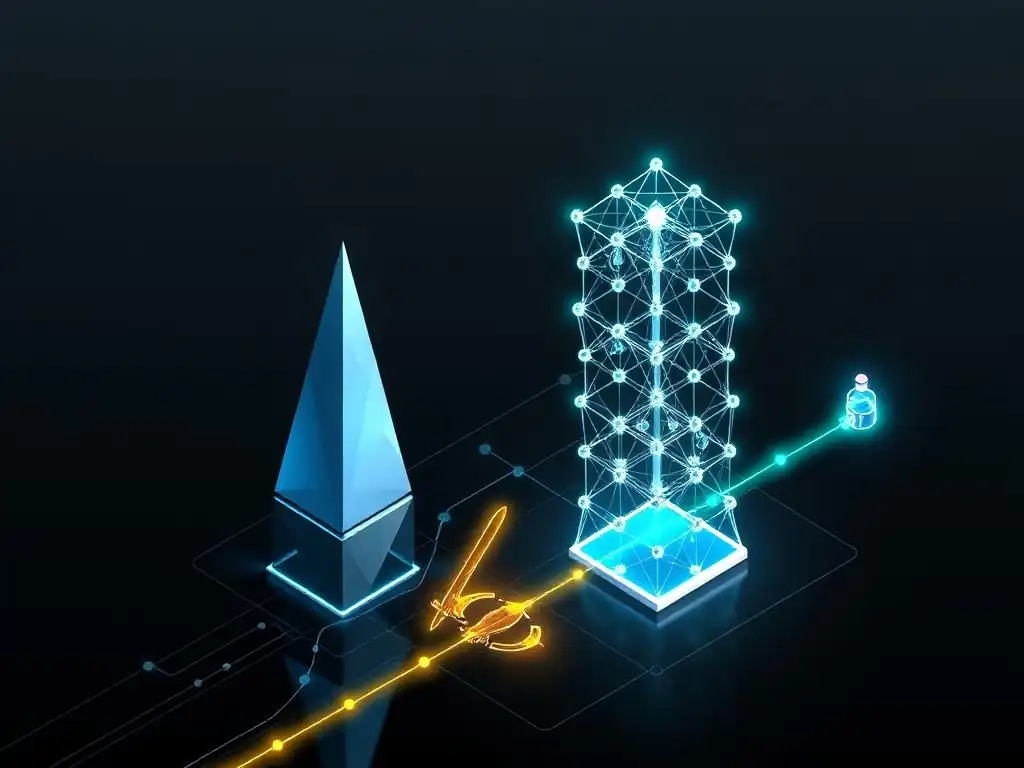
The integration of Non-Fungible Tokens (NFTs) into the gaming industry has marked a significant shift, transforming how players interact with in-game assets and economies. Initially, digital ownership in games was largely centralized, controlled by game developers. Players invested time and resources into acquiring virtual items, but these items lacked true ownership and portability outside the game's ecosystem.
NFTs, powered by blockchain technology, have disrupted this paradigm by enabling players to own digital assets in a verifiable and decentralized manner. This ownership extends beyond the game itself, allowing for trading, selling, and utilization of these assets across different platforms and metaverses.
The rise of NFT gaming is fueled by several factors, including the increasing demand for digital ownership and the potential for play-to-earn models. Games like Axie Infinity, launched in 2018, demonstrated the potential of NFT gaming by allowing players to earn cryptocurrency through gameplay and trading in-game NFTs. This model resonated strongly, particularly in regions where traditional income opportunities were limited, showcasing the economic empowerment that NFT gaming can offer. Furthermore, the inherent transparency and security of blockchain technology build trust and legitimacy around digital asset ownership, attracting both gamers and investors to the NFT gaming space.
The Importance of Choosing the Right Blockchain for NFT Games
Selecting the appropriate blockchain network is a critical decision for developers venturing into NFT gaming. The underlying blockchain infrastructure directly impacts the game's performance, user experience, and economic model. Different blockchains offer varying features in terms of transaction speed, gas fees, scalability, security, and developer tools. A poorly chosen blockchain can lead to high transaction costs, slow gameplay, and ultimately, a negative user experience that hinders adoption and player retention.
For instance, a game built on a blockchain with high gas fees might deter players from frequent trading or in-game transactions, especially for lower-value NFTs. Conversely, a blockchain with limited scalability could struggle to handle a large player base or a high volume of transactions, leading to network congestion and performance issues.
Therefore, developers must carefully evaluate the specific requirements of their game, considering factors such as the complexity of in-game transactions, the expected player base, and the desired level of decentralization, before deciding on the most suitable NFT gaming blockchain network. This strategic choice will lay the foundation for a successful and thriving NFT gaming ecosystem.
Frequently Asked Questions
What are the most popular blockchain networks used for NFT gaming?
The most popular networks currently include Ethereum, known for its wide adoption, and Polygon, favored for its scalability and lower fees. Many new networks are emerging to address specific needs.
Why are blockchain networks important for NFT gaming?
Blockchain networks provide the secure and transparent infrastructure needed for verifying ownership and facilitating in-game asset trading using NFTs. This builds trust and allows for true digital scarcity.
What are the key differences between Ethereum and Polygon for NFT gaming?
Ethereum offers high security and a large ecosystem, but suffers from higher transaction fees and slower speeds. Polygon offers faster transactions and lower fees due to its layer-2 scaling solution.
What are some of the emerging blockchain networks offering unique features for NFT gaming?
Emerging networks often focus on specific game genres, offering features like built-in governance tokens or optimized performance for complex game mechanics. They aim to improve the gaming experience.
How does regulation impact NFT gaming blockchain networks?
Regulatory uncertainty surrounding NFTs and cryptocurrencies can affect the adoption and development of NFT gaming blockchain networks. Clarity and compliance are crucial for long-term growth and stability.
Okay, here's a final reflection you can use for your article, "Exploring Different Blockchain Networks for NFT Gaming: Ethereum, Polygon, and Beyond," designed to rank for the keyword "NFT gaming blockchain networks."
Final Reflection: The Evolving Landscape of NFT Gaming
The journey through Ethereum, Polygon, and the burgeoning landscape of alternative blockchains reveals a crucial truth: the future of NFT gaming hinges on choosing the right foundation. The strengths and weaknesses of each network, from Ethereum's established security to Polygon's scalability, directly impact the player experience, developer adoption, and ultimately, the long-term viability of this exciting new frontier. Understanding these nuances is no longer optional, but essential for anyone seeking to navigate the complexities of this rapidly evolving space.
The impact of these blockchain choices extends far beyond mere technical specifications. The selection of a particular network shapes the accessibility, affordability, and overall inclusivity of NFT gaming. It influences who can participate, what kind of games can be built, and the very culture that emerges around these digital worlds. As the industry matures, this responsibility becomes increasingly significant. The best way to predict the future is to create it.
- Peter Drucker. This quote reminds us that the choices we make today regarding NFT gaming blockchain networks will directly shape the future of this industry.
Ultimately, the exploration of NFT gaming blockchain networks is an invitation to participate in a revolution. It's a call to developers, players, and investors alike to consider the long-term implications of their choices. So, as you venture into the metaverse, armed with this knowledge, ask yourself: what kind of future do you want to build? What values will guide your decisions? The power to shape the next generation of gaming is in your hands. Embrace it, and let's build a future that is both innovative and inclusive.
Unleash Your Inner Gamer: Level Up Your NFT Experience!
Thank you for exploring the world of NFT gaming with us. We hope you’ve gained valuable insights into the exciting opportunities offered by various blockchain networks. Now, it’s time to take action and become a pioneer in this rapidly evolving space.
Here’s how you can get started:
- Begin your first NFT gaming adventure by trying out a game on a blockchain that offers faster transactions and lower fees.
- Share this article with friends and fellow enthusiasts to inspire discussions about the best blockchain platforms for NFT gaming.
- Experiment with transferring NFTs between different networks to understand the benefits and challenges of interoperability.
Are you ready to join the revolution and shape the future of NFT gaming? Which blockchain will you explore first, and what game will you play? Share your thoughts in the comments below!
Leave a Reply