
The Future of Game Distribution: The Role of Blockchain Technology

Welcome to Blockchain Trends, your guide to navigating the revolutionary world of blockchain technology! Delve beyond the hype and discover its transformative potential across diverse industries. In this article, we explore the exciting intersection of blockchain and gaming, uncovering the surprising and significant blockchain gaming distribution benefits that are reshaping the industry. Curious how decentralized systems can revolutionize game ownership and accessibility? Keep reading to find out!
The Future of Game Distribution: The Role of Blockchain Technology
- Introduction: Revolutionizing Game Distribution with Blockchain
- Blockchain Gaming Distribution Benefits: A Deep Dive
- Decentralized Game Distribution Platforms: The Key Players
- How Blockchain Enables New Gaming Experiences
- Addressing the Challenges of Blockchain Game Distribution
- The Future of Blockchain in Game Distribution: Predictions and Trends
- Case Study: Axie Infinity
- Blockchain Gaming Distribution vs. Traditional Methods: A Comparison
- Conclusion: The Transformative Potential of Blockchain for Game Distribution
-
Frequently Asked Questions
- How does blockchain technology improve game distribution for developers?
- What are the key Blockchain gaming distribution benefits for players?
- How does blockchain address the issue of piracy in game distribution?
- What role does DeFi (Decentralized Finance) play in blockchain game distribution?
- What are the regulatory challenges facing the adoption of blockchain in game distribution?
- Final Reflection: Embracing Decentralized Gaming Futures
- Reimagine Gaming: Your Next Move Awaits!
Introduction: Revolutionizing Game Distribution with Blockchain
The gaming industry, a behemoth of entertainment, is on the cusp of a significant transformation. For decades, game distribution has been dominated by centralized platforms, acting as gatekeepers between developers and players. These platforms, while efficient in many ways, also present challenges related to control, revenue sharing, and transparency. However, a new paradigm is emerging, fueled by the innovative capabilities of blockchain technology. This article will delve into how blockchain is poised to revolutionize game distribution, exploring its benefits, challenges, and the exciting future it promises for developers and gamers alike.
Blockchain, originally conceived as the foundation for cryptocurrencies, offers a decentralized and transparent ledger system. Its inherent characteristics of immutability, security, and distributed consensus are incredibly relevant to the gaming industry. By leveraging blockchain, game distribution can move away from centralized control towards a more equitable and open ecosystem. This shift has the potential to empower developers, enhance player ownership, and foster new forms of community engagement within the gaming world.
Understanding the Current Challenges in Traditional Game Distribution
Traditional game distribution models, largely controlled by platforms like Steam, Epic Games Store, and console marketplaces, present several inherent challenges. One of the most significant concerns is the high commission fees charged by these platforms, often ranging from 30% or more of game sales. This substantial cut can significantly impact the profitability of game developers, especially independent studios and smaller teams. Furthermore, developers have limited control over pricing, marketing, and direct engagement with their player base, as these aspects are often mediated by the distribution platform.
Another challenge lies in the lack of transparency in sales data and revenue reporting. Developers often rely on platform-provided analytics, which may not always be fully transparent or granular. This lack of clarity can hinder informed decision-making regarding game development, marketing strategies, and financial planning. Moreover, the centralized nature of these platforms creates a single point of failure, making them vulnerable to security breaches, censorship, and platform-specific policy changes that can negatively impact game availability and developer revenue.
The Promise of Blockchain Technology for Gaming
Blockchain technology offers a compelling alternative to these traditional models by introducing decentralization, transparency, and enhanced security. Imagine a game distribution system where developers have greater control over their games, retain a larger share of their revenue, and can directly engage with their player communities. This is the promise of blockchain in gaming. By leveraging blockchain, developers can potentially bypass centralized gatekeepers, reduce distribution costs, and foster a more direct and rewarding relationship with their players.
Moreover, blockchain's inherent transparency and security features can address many of the challenges associated with traditional distribution. Immutable records of game ownership, sales, and in-game asset transactions can enhance trust and accountability within the gaming ecosystem. Smart contracts, self-executing agreements coded on the blockchain, can automate revenue sharing, royalty payments, and other complex processes, ensuring fairness and efficiency. The potential of blockchain to create a more equitable, transparent, and developer-centric game distribution model is immense, paving the way for significant innovation and growth in the gaming industry.
Blockchain Gaming Distribution Benefits: A Deep Dive
Enhanced Security and Transparency in Game Distribution
One of the most compelling advantages of blockchain in game distribution is the enhanced security and transparency it offers. Traditional distribution platforms, being centralized, are susceptible to hacking, data breaches, and manipulation of sales figures. In contrast, blockchain's decentralized and distributed ledger system makes it inherently more secure. Every transaction, from game purchases to in-game asset ownership, is recorded on the blockchain and verified by a network of nodes, making it virtually tamper-proof. This immutability and transparency build trust between developers, publishers, and players.
Furthermore, blockchain enables transparent tracking of game sales and revenue. Developers can gain real-time insights into their game's performance, with verifiable data on sales volume, player activity, and revenue streams. This level of transparency is a significant improvement over traditional systems where developers often rely on platform-provided reports, which may lack granularity or be subject to interpretation. The open and auditable nature of blockchain ensures that revenue sharing agreements are accurately executed and that all stakeholders have access to verifiable data, fostering a more equitable and trustworthy distribution environment.
Reduced Costs for Developers and Publishers
Traditional game distribution platforms often levy substantial commission fees, sometimes as high as 30% or more, on game sales. These fees can significantly eat into the profits of developers and publishers, particularly for smaller studios and independent creators. Blockchain-based distribution models have the potential to drastically reduce these costs. By eliminating intermediaries and leveraging decentralized networks, developers can bypass the hefty fees associated with centralized platforms.
For instance, decentralized game distribution platforms built on blockchain can operate with significantly lower overhead costs. Smart contracts can automate revenue splits and royalty payments, reducing the need for complex administrative processes and associated expenses. Some blockchain-based platforms are exploring alternative revenue models, such as tokenized ecosystems or community-driven governance, which can further minimize distribution costs and maximize the revenue share for game developers. These cost savings can be reinvested in game development, marketing, or passed on to players in the form of lower game prices, fostering a more sustainable and vibrant gaming ecosystem.
Improved Revenue Sharing Models for Creators
Blockchain technology facilitates the implementation of more innovative and equitable revenue sharing models for game creators. Traditional distribution models typically follow a fixed percentage revenue split, often favoring the platform over the developer. Blockchain enables the creation of dynamic and customizable revenue sharing agreements through smart contracts. For example, developers can program smart contracts to automatically distribute revenue based on various parameters, such as player engagement, in-game asset sales, or even community contributions.
Furthermore, blockchain can facilitate microtransactions and fractional ownership of in-game assets, opening up new revenue streams for creators. Non-Fungible Tokens (NFTs) allow developers to tokenize in-game items, characters, or even game worlds, enabling players to own, trade, and monetize these assets. Creators can earn royalties on secondary market sales of their NFTs, creating a perpetual revenue stream beyond the initial game sale. These innovative revenue sharing models, powered by blockchain, can empower creators, incentivize innovation, and foster a more sustainable and rewarding gaming industry.
Decentralized Game Distribution Platforms: The Key Players
Exploring Existing Blockchain-Based Game Stores
The emergence of blockchain technology has spurred the development of several decentralized game distribution platforms aiming to disrupt the traditional landscape. Platforms like Ultra, for example, are building blockchain-based ecosystems that offer game distribution, NFT marketplaces, and community features. They aim to provide developers with lower fees, direct player engagement tools, and greater control over their games. Another notable platform is Gala Games, which focuses on play-to-earn blockchain games and provides a marketplace for NFTs and a decentralized game launcher.
These early platforms are experimenting with various approaches to decentralized game distribution. Some prioritize lower transaction fees and developer revenue share, while others focus on creating robust NFT marketplaces and play-to-earn economies. Although still in their early stages, these platforms represent a significant step towards realizing the potential of blockchain in game distribution. They are actively building communities, onboarding developers, and refining their platforms to offer viable alternatives to established centralized stores.
The Rise of NFT Marketplaces for In-Game Assets
Beyond dedicated game distribution platforms, NFT marketplaces are playing a crucial role in the blockchain gaming ecosystem. Platforms like OpenSea, Magic Eden, and Rarible have become hubs for trading in-game NFTs from various blockchain games. These marketplaces allow players to buy, sell, and trade digital assets, fostering player ownership and creating secondary markets for in-game items. The volume of NFT trading on these platforms highlights the growing demand for digital ownership and the increasing integration of blockchain into gaming.
These NFT marketplaces are not only facilitating the trading of in-game assets but also influencing game distribution models. Developers are increasingly launching their games or in-game assets directly through these marketplaces, leveraging their existing user base and trading infrastructure. The integration of NFT marketplaces into the gaming ecosystem is blurring the lines between game distribution and asset trading, creating new opportunities for developers to monetize their games and for players to own and control their digital assets.
Steam, Epic Games Store, and Itch.io: Adapting to Blockchain Integration
Established game distribution platforms like Steam, Epic Games Store, and Itch.io are also beginning to acknowledge and explore the potential of blockchain technology. While Steam has initially taken a cautious stance, banning blockchain games and NFTs for a period, they have since shown signs of openness to Web3 games. Epic Games Store has been more receptive, allowing some blockchain games and NFT projects on its platform, signaling a willingness to adapt to the evolving landscape. Itch.io, known for its support of independent developers, has also shown openness to blockchain games.
The integration of blockchain into these major platforms is likely to be gradual and nuanced. Concerns around regulation, user understanding, and the environmental impact of certain blockchains need to be addressed. However, the potential benefits of blockchain, such as enhanced player ownership, new revenue streams, and community engagement, are becoming increasingly difficult to ignore. As blockchain technology matures and regulatory clarity emerges, it is anticipated that these established platforms will further integrate blockchain elements into their offerings, albeit cautiously and strategically.
How Blockchain Enables New Gaming Experiences
Play-to-Earn (P2E) and its Impact on Game Distribution
Play-to-Earn (P2E) gaming is a revolutionary model enabled by blockchain technology that is significantly impacting game distribution. Unlike traditional games where players spend money to play, P2E games offer players the opportunity to earn cryptocurrency or NFTs through gameplay. This earning potential incentivizes participation and creates new economic models within games. Blockchain technology underpins P2E by providing the infrastructure for secure and transparent in-game economies, allowing players to truly own and trade their earned assets.
The rise of P2E has influenced game distribution by attracting a new wave of players who are not only interested in entertainment but also in the economic opportunities presented by these games. P2E games often rely on decentralized distribution models to align with their ethos of player empowerment and decentralized economies. This has led to the growth of blockchain-based game launchers and NFT marketplaces as primary distribution channels for P2E games, moving away from traditional centralized platforms that may not fully support or understand the P2E model.
Ownership and Control of In-Game Assets via NFTs
Non-Fungible Tokens (NFTs) are a cornerstone of blockchain gaming and a key driver of its impact on game distribution. NFTs provide verifiable digital ownership of unique in-game assets, such as characters, items, and virtual land. This is a fundamental shift from traditional gaming, where players typically purchase licenses to use in-game items that are ultimately controlled by the game developer or publisher. With NFTs, players truly own their assets, granting them control and the ability to trade, sell, or even use these assets across different games or platforms (if interoperability is supported).
This ownership aspect fundamentally alters the relationship between players and game developers. Players become stakeholders in the game ecosystem, with a vested interest in its success. NFTs also influence game distribution by enabling new monetization models for developers and creators. Developers can sell NFTs directly to players, earn royalties on secondary market sales, and create limited-edition or exclusive assets to drive demand. The concept of true digital ownership, enabled by NFTs and blockchain, is a major draw for players and a key differentiator for blockchain-based game distribution.
Decentralized Autonomous Organizations (DAOs) and Community-Driven Game Development
Decentralized Autonomous Organizations (DAOs) are emerging as a powerful force in blockchain gaming, influencing not only game development but also distribution and governance. DAOs are community-led organizations governed by rules encoded on a blockchain, allowing for transparent and democratic decision-making. In gaming, DAOs can be used to empower players and communities to participate in game development, governance, and even game distribution decisions.
DAOs can impact game distribution by enabling community-owned and operated game stores or marketplaces. Imagine a game distribution platform governed by a DAO, where developers and players collectively decide on platform policies, revenue sharing models, and game curation. This level of community involvement can lead to a more equitable and transparent distribution ecosystem, aligning the interests of developers, players, and the platform itself. Furthermore, DAOs can facilitate community-driven game development, where players can contribute to game design, content creation, and even marketing, fostering a stronger sense of ownership and engagement within the gaming community.
Addressing the Challenges of Blockchain Game Distribution
Scalability Issues and Potential Solutions
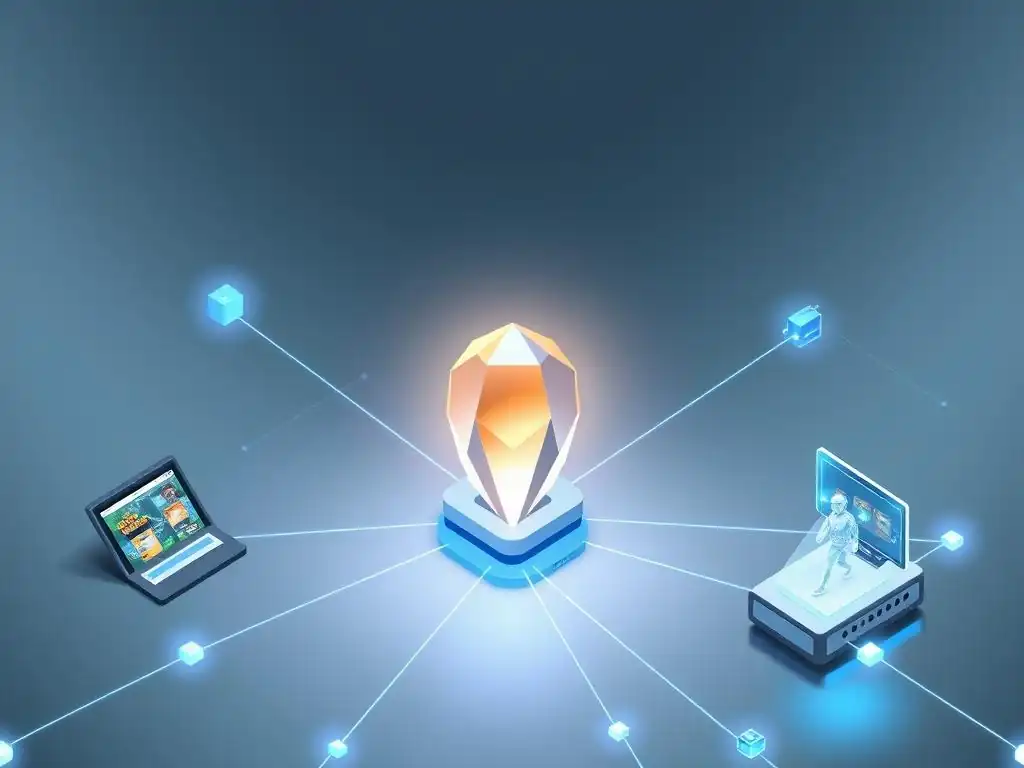
One of the significant challenges facing blockchain game distribution is scalability. Many existing blockchains, particularly those used for NFTs and gaming, can struggle to handle the high transaction volumes and low latency requirements of mainstream gaming. Transaction speeds can be slow, and gas fees (transaction costs) can be high, potentially hindering user adoption and the seamless experience expected by gamers.
However, various scaling solutions are being developed and implemented to address these issues. Layer-2 scaling solutions, such as sidechains and rollups, are designed to process transactions off the main blockchain, significantly increasing throughput and reducing fees. Sharding, another scaling technique, involves dividing the blockchain into smaller, manageable segments to improve transaction processing speed. As these scaling solutions mature and are more widely adopted, the scalability challenges of blockchain game distribution are expected to be mitigated, paving the way for broader adoption.
Regulatory Uncertainty and Compliance Considerations
Regulatory uncertainty surrounding blockchain technology and cryptocurrencies poses another significant challenge for blockchain game distribution. Regulations vary widely across jurisdictions, and the legal status of NFTs, cryptocurrencies, and blockchain-based gaming platforms is still evolving. This lack of clarity creates compliance complexities for developers and platforms operating in the blockchain gaming space.
Navigating these regulatory uncertainties requires careful legal consideration and proactive compliance strategies. Blockchain game distribution platforms need to stay informed about evolving regulations in different jurisdictions and implement measures to ensure compliance. This may involve KYC/AML (Know Your Customer/Anti-Money Laundering) procedures, user verification, and adherence to data privacy regulations. As regulatory frameworks become clearer and more harmonized, the compliance burden for blockchain game distribution is expected to ease, fostering greater confidence and adoption within the industry.
User Adoption and Education Barriers
Despite the potential benefits of blockchain game distribution, user adoption faces challenges related to education and familiarity. Many gamers are still unfamiliar with blockchain technology, cryptocurrencies, and NFTs. The concepts of digital wallets, gas fees, and blockchain transactions can be confusing or intimidating for mainstream gamers. This lack of understanding can create a barrier to entry and hinder widespread adoption of blockchain games and distribution platforms.
Overcoming these user adoption barriers requires a focus on user-friendly design, clear communication, and educational initiatives. Blockchain game platforms need to prioritize intuitive user interfaces and simplify the onboarding process. Providing clear and accessible educational resources, such as tutorials, guides, and FAQs, can help demystify blockchain concepts and empower gamers to engage with blockchain gaming. As user education and awareness improve, the adoption of blockchain game distribution is expected to accelerate, driven by the growing understanding of its benefits and the increasing accessibility of blockchain technology.
The Future of Blockchain in Game Distribution: Predictions and Trends
The Integration of Blockchain with Metaverse Platforms
The convergence of blockchain technology and metaverse platforms is poised to significantly shape the future of game distribution. Metaverses, persistent shared virtual worlds, are increasingly incorporating blockchain elements to enable digital ownership, interoperability, and decentralized economies. Blockchain provides the infrastructure for users to own and control their digital identities, avatars, assets, and virtual land within these metaverse environments.
As metaverses evolve, blockchain-based game distribution is likely to become increasingly integrated into these platforms. Imagine accessing decentralized game stores and launching blockchain games directly from within a metaverse environment. Players could seamlessly transfer their in-game assets and identities between different metaverse experiences and games, fostering a more interconnected and interoperable gaming ecosystem. The integration of blockchain with metaverses has the potential to create immersive and decentralized gaming worlds where players have true ownership and agency.
The Evolution of Gaming Economies Driven by Blockchain
Blockchain technology is driving the evolution of gaming economies towards more player-centric and decentralized models. Traditional gaming economies are often closed and controlled by game developers or publishers. Blockchain enables the creation of open and player-driven economies where players can earn, trade, and monetize their in-game assets and contributions. Play-to-Earn models, NFT marketplaces, and decentralized autonomous organizations are all contributing to this shift towards more participatory and rewarding gaming economies.
In the future, gaming economies are expected to become increasingly integrated with the broader digital economy, blurring the lines between gaming and other online activities. Players may be able to earn cryptocurrency or NFTs through gameplay and use these digital assets in other metaverse experiences, online marketplaces, or even in the real world. Blockchain-based game distribution is a key enabler of this evolution, providing the infrastructure for secure, transparent, and interoperable gaming economies that empower players and creators alike.
Increased Adoption of DAOs for Game Development and Distribution
Decentralized Autonomous Organizations (DAOs) are predicted to play an increasingly significant role in game development and distribution in the future. DAOs offer a new paradigm for community governance and collective decision-making, empowering players and developers to participate in shaping the direction of games and gaming platforms. As DAOs mature and become more sophisticated, their adoption in the gaming industry is expected to increase.
In game distribution, DAOs could be used to govern decentralized game stores, NFT marketplaces, and even entire gaming ecosystems. Community-owned and operated distribution platforms, governed by DAOs, could offer more equitable revenue sharing models, transparent governance processes, and greater alignment with the interests of developers and players. Furthermore, DAOs can facilitate community-driven game development, enabling players to contribute to game design, content creation, and marketing, fostering a stronger sense of ownership and engagement within the gaming community and influencing how games are distributed and experienced.
Case Study: Axie Infinity
Analyzing the Game's Distribution Model
Axie Infinity, a prominent play-to-earn blockchain game, provides a compelling case study in decentralized game distribution. Unlike traditional games distributed through centralized platforms, Axie Infinity primarily relies on its own website and community channels for game distribution. Players typically download the game directly from the Axie Infinity website or through community-created guides and links. While it's not distributed through major platforms like Steam or Epic Games Store, Axie Infinity has achieved massive popularity and a substantial player base.
Axie Infinity's distribution model is intrinsically linked to its blockchain-based nature and play-to-earn mechanics. The game's core gameplay revolves around collecting, breeding, and battling NFT-based creatures called Axies. These Axies, along with other in-game assets, are traded on decentralized marketplaces, forming a player-driven economy. The game's distribution model is therefore intertwined with its NFT ecosystem and its reliance on decentralized exchanges for asset trading, showcasing a departure from traditional centralized game distribution methods.
Examining the Impact of Blockchain on its Success
Blockchain technology has been instrumental to Axie Infinity's success. The game's play-to-earn model, enabled by blockchain and NFTs, has attracted millions of players worldwide, particularly in developing countries where the earning potential has provided significant economic opportunities. The true ownership of in-game assets, facilitated by NFTs, has resonated with players and created a sense of investment and agency within the game. The transparent and decentralized nature of blockchain has also fostered trust and community engagement within the Axie Infinity ecosystem.
Furthermore, blockchain has enabled Axie Infinity to build a robust player-driven economy. The game's native cryptocurrency, $AXS, and its in-game currency, $SLP, are traded on cryptocurrency exchanges, creating real-world value for in-game assets and activities. This economic ecosystem, underpinned by blockchain, has been a key driver of Axie Infinity's growth and popularity, demonstrating the transformative impact of blockchain on game distribution and player engagement.
Lessons Learned and Best Practices
Axie Infinity's success offers valuable lessons for blockchain game distribution and development. One key takeaway is the importance of a strong play-to-earn model that incentivizes player participation and creates real economic value within the game ecosystem. True digital ownership of in-game assets, enabled by NFTs, is another crucial factor in attracting and retaining players. Building a strong and engaged community is also essential for the success of blockchain games, as community participation is often integral to decentralized game economies and governance.
Best practices derived from Axie Infinity's experience include prioritizing user-friendly onboarding and education for players new to blockchain technology. Clear and transparent communication about game mechanics, play-to-earn opportunities, and NFT ownership is vital for building trust and fostering adoption. Furthermore, sustainable economic design and careful balancing of in-game economies are crucial for long-term success and preventing inflationary pressures. Axie Infinity's journey provides valuable insights for developers and platforms venturing into blockchain game distribution, highlighting the potential and the challenges of this emerging paradigm.
Blockchain Gaming Distribution vs. Traditional Methods: A Comparison
Control and Ownership: Blockchain vs. Traditional
In traditional game distribution, control and ownership are largely centralized with the distribution platforms. Platforms dictate terms of service, revenue sharing models, and have significant control over game visibility and discoverability. Developers have limited control over pricing, marketing, and direct communication with their player base. Players purchase licenses to play games and use in-game items, but do not truly own these digital assets.
Blockchain game distribution offers a contrasting model where control and ownership are more decentralized and distributed. Developers have greater control over their games, pricing, and revenue models. Blockchain enables direct player engagement and community building, fostering a more direct relationship between developers and their audience. Players can achieve true ownership of in-game assets through NFTs, gaining control and agency over their digital possessions within the gaming ecosystem. This shift in control and ownership is a fundamental difference between blockchain and traditional game distribution methods.
Security and Transparency: A Comparative Analysis
Traditional game distribution platforms, being centralized, are vulnerable to security breaches, data manipulation, and lack transparency in operations and revenue reporting. Security relies on the platform's infrastructure, which can be a single point of failure. Transparency is often limited, with developers relying on platform-provided data that may lack granularity or be subject to interpretation.
Blockchain game distribution offers enhanced security and transparency due to its decentralized and distributed ledger system. Immutability of blockchain records ensures tamper-proof game ownership and transaction history. Transparency is inherent, with all transactions recorded on a public ledger, offering verifiable data on sales, revenue, and in-game asset ownership. This comparative analysis highlights the significant advantages of blockchain in terms of security and transparency over traditional centralized methods, fostering greater trust and accountability within the gaming ecosystem.
Revenue Generation: Comparing Distribution Models
Traditional game distribution primarily relies on commission-based revenue models, where platforms take a percentage of game sales. While efficient, these models can be costly for developers, especially smaller studios, limiting their profit margins. Revenue sharing is often fixed and platform-centric, potentially disincentivizing innovation and creator empowerment.
Blockchain game distribution enables diverse and potentially more lucrative revenue generation models for creators. Reduced platform fees, direct-to-player sales, NFT marketplaces, and play-to-earn mechanics offer alternative revenue streams. Smart contracts can automate revenue splits and royalty payments, ensuring fairness and efficiency. Blockchain fosters innovative revenue models like fractional ownership of in-game assets and community-driven economies, potentially leading to higher revenue retention for developers and new earning opportunities for players, contrasting with the more restrictive revenue models of traditional distribution.
Conclusion: The Transformative Potential of Blockchain for Game Distribution
Summarizing the Key Benefits and Challenges
Blockchain technology holds transformative potential for the future of game distribution. Key benefits include enhanced security and transparency, reduced costs for developers, improved revenue sharing models, and true digital ownership for players through NFTs. Blockchain enables new gaming experiences like Play-to-Earn and community-driven game development through DAOs, fostering more engaging and equitable gaming ecosystems.
However, challenges remain. Scalability issues, regulatory uncertainty, and user adoption barriers need to be addressed for widespread adoption. Scalability solutions are evolving, and regulatory frameworks are gradually becoming clearer. User education and intuitive design are crucial to overcome adoption hurdles. Despite these challenges, the benefits of blockchain are compelling and point towards a significant shift in the game distribution landscape.
The Long-Term Vision for a Decentralized Gaming Ecosystem
The long-term vision for a decentralized gaming ecosystem, powered by blockchain, is one of greater equity, transparency, and player empowerment. Imagine a future where developers have direct access to their audience, retain a larger share of their revenue, and can build stronger communities around their games. Players truly own their in-game assets, can participate in game governance, and even earn real-world value through gameplay.
This decentralized gaming ecosystem envisions interconnected metaverses, interoperable in-game assets, and player-driven economies. Blockchain-based game distribution is a crucial element in realizing this vision, paving the way for a more open, fair, and innovative gaming industry. While the transition may be gradual, the transformative potential of blockchain to revolutionize game distribution and gaming as a whole is undeniable, promising a future where gaming is more accessible, rewarding, and community-centric.
Frequently Asked Questions
How does blockchain technology improve game distribution for developers?
Blockchain provides enhanced transparency and control over the distribution process, reducing reliance on centralized platforms. It also offers new revenue streams through in-game asset ownership and trading.
What are the key Blockchain gaming distribution benefits for players?
Players gain true ownership of their in-game assets, which can be traded or used across different games. This fosters a more engaging and rewarding gaming experience, moving beyond traditional models.
How does blockchain address the issue of piracy in game distribution?
Blockchain's immutable ledger and digital signatures make it harder to distribute unauthorized copies of games. This helps ensure fair compensation for developers and protects their intellectual property.
What role does DeFi (Decentralized Finance) play in blockchain game distribution?
DeFi enables new financial models within games, such as yield farming with in-game assets or decentralized marketplaces. It also provides alternative funding mechanisms for game development.
What are the regulatory challenges facing the adoption of blockchain in game distribution?
The evolving regulatory landscape surrounding digital assets and blockchain technology poses a challenge. Establishing clear legal frameworks is crucial for widespread adoption and innovation.
Final Reflection: Embracing Decentralized Gaming Futures
The exploration of blockchain technology's role in game distribution reveals a landscape ripe with potential, and its relevance today is undeniable. The promise of enhanced security, transparency, and direct creator-to-player relationships positions blockchain as a disruptive force poised to reshape the gaming industry. This isn't just about technological advancement; it's about empowering both developers and players in a way previously unimaginable.
The impact of blockchain on gaming distribution extends far beyond mere efficiency; it fosters a sense of ownership and community that traditional models often lack. The shift towards decentralized platforms signifies a fundamental change in how we perceive digital assets and the value we place on in-game items. The blockchain is more than just a technology; it's a philosophy of decentralization and empowerment that can revolutionize industries, including gaming.
This philosophy resonates deeply, suggesting a future where players are not just consumers, but active participants in the game's ecosystem.
As we stand on the cusp of this new era, it's crucial to consider the implications of these advancements and how we can contribute to a more equitable and engaging gaming landscape. Let us embrace the potential of blockchain gaming distribution benefits, not just as a technological innovation, but as an opportunity to build a future where creativity is rewarded, ownership is respected, and the gaming community thrives. Consider how you can support developers embracing these technologies and contribute to a future where gaming is truly decentralized and player-centric.
Reimagine Gaming: Your Next Move Awaits!
Thank you for exploring how blockchain is transforming game distribution. Now that you’re familiar with the concepts, you can take an active role in shaping the future of gaming. Here are some ways to get involved:
- Try out at least one blockchain-based game platform or marketplace to experience the technology firsthand and see its possibilities.
- Share this article with friends and fellow gamers to start a conversation about the future of game ownership and digital assets.
- Consider supporting an independent game developer who uses blockchain technology for distribution; even a small contribution can have a meaningful impact.
What excites you most about blockchain’s potential to change gaming, and what challenges do you think might arise? Share your thoughts in the comments below!
Leave a Reply