
The Future of Storytelling in Decentralized Gaming Experiences

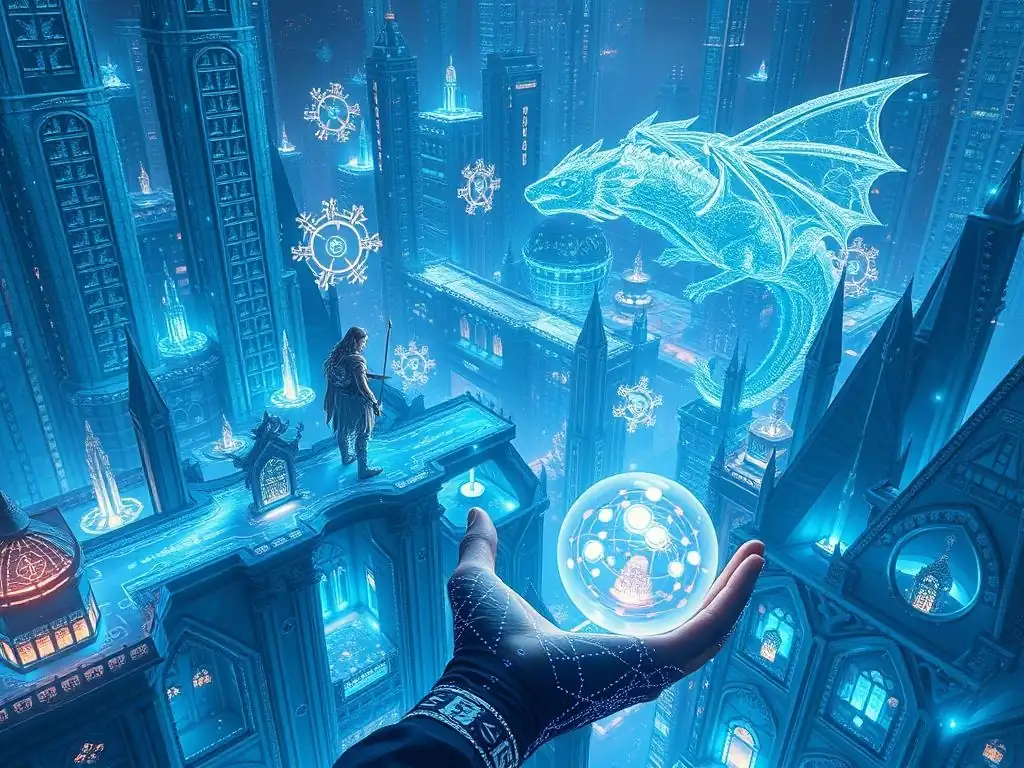
Welcome to Blockchain Trends, your guide to understanding the revolutionary power of blockchain beyond the hype.
Imagine a world where gaming narratives are shaped not by developers alone, but by the players themselves. Today, we delve into the captivating intersection of Decentralized gaming blockchain storytelling, exploring how this innovative approach is reshaping the creative landscape. Curious to see how blockchain is unlocking new possibilities for player agency and narrative depth? Read on to discover the future of immersive gaming experiences.
The Future of Storytelling in Decentralized Gaming Experiences
- Introduction: Decentralized Gaming and the Evolution of Narrative
- Understanding Decentralized Gaming Platforms
- The Current State of Storytelling in Blockchain Games
- How Blockchain Enhances Storytelling in Games
- Exploring New Narrative Models for Decentralized Games
- The Benefits of Decentralized Storytelling for Players and Developers
- Case Studies: Innovative Storytelling in Decentralized Games
- The Challenges and Limitations of Decentralized Storytelling
- The Future of Decentralized Gaming Blockchain Storytelling
- Conclusion: Embracing the Transformative Power of Decentralized Narratives
-
Frequently Asked Questions
- How can blockchain technology enhance storytelling in games?
- What role do NFTs play in decentralized gaming storytelling?
- How does "Decentralized gaming blockchain storytelling" differ from traditional game narratives?
- What are the potential challenges of implementing blockchain in game storytelling?
- What does the future hold for storytelling in decentralized gaming?
- Final Reflection: Weaving Worlds Anew
- Unleash Your Inner Storyteller: Join the Decentralized Gaming Revolution!
Introduction: Decentralized Gaming and the Evolution of Narrative
The Intersection of Blockchain, Gaming, and Storytelling
The convergence of blockchain technology, gaming, and storytelling marks a significant shift in how interactive narratives are created and experienced. Traditionally, game narratives have been centrally controlled, with developers holding complete authority over storylines, character development, and world lore. Blockchain technology disrupts this paradigm by introducing decentralization, offering new avenues for player participation and ownership within the narrative fabric of games. This intersection opens up possibilities for more dynamic, player-driven stories, leveraging the transparency and security of blockchain to redefine the relationship between creators and audiences in gaming.
The integration of blockchain into gaming extends beyond mere cryptocurrency transactions. It provides the infrastructure for verifiable digital ownership, enabling players to truly own in-game assets and participate in decentralized economies. When combined with storytelling, this ownership model can revolutionize how narratives unfold. Imagine scenarios where player actions directly influence the game world’s lore, where character progression is recorded on a public ledger, and where rare in-game items with narrative significance are verifiably scarce and tradable. This synergy between blockchain, gaming, and storytelling promises to create more immersive, engaging, and ultimately, more rewarding gaming experiences.
Why Decentralization Matters for Game Narratives
Decentralization fundamentally alters the power dynamics within game narratives. In centralized systems, the story is dictated by the game studio, leaving players as consumers of a pre-determined narrative. Decentralized gaming, however, empowers players by granting them a degree of ownership and agency over the story itself. This shift is crucial because it transforms players from passive recipients to active participants in the narrative creation process. Decentralization facilitates the development of game worlds that are more responsive to player actions, fostering a sense of shared authorship and investment in the game's lore.
Moreover, decentralization enhances the longevity and persistence of game narratives. Traditional online games are susceptible to being shut down, leading to the loss of player progress and the game world itself. Blockchain-based games, through their decentralized nature, can mitigate this risk. The game's data and assets can be distributed across a network, making it more resilient and less dependent on a single entity. This ensures that the narratives built within these decentralized gaming ecosystems have the potential to endure, evolving organically with the community over time, rather than being confined by the lifespan of a centralized server.
Storytelling in Traditional Gaming vs. Decentralized Gaming: A Comparative Overview
Traditional gaming narratives are often linear or branching storylines crafted by developers, offering players choices within a pre-defined framework. Games like "The Witcher 3: Wild Hunt" or "Red Dead Redemption 2" exemplify this, providing rich, branching narratives where player choices impact the immediate story but ultimately adhere to the developer's authored arc. In contrast, decentralized gaming presents a paradigm shift towards emergent narratives. Games like "EVE Online," while not blockchain-based, showcase early forms of emergent storytelling where player actions, alliances, and conflicts organically shape the game world's history and ongoing narrative.
Decentralized gaming aims to amplify this emergent storytelling potential through blockchain technology. Imagine a decentralized game where player guilds, represented as DAOs, contribute to the game's lore by establishing territories, initiating conflicts, or uncovering ancient secrets, all recorded transparently on the blockchain. In traditional gaming, such events are often server-specific and lack verifiable permanence. Decentralized systems, on the other hand, can enshrine these player-driven narratives, making them a permanent part of the game's history, accessible and verifiable by all participants. This contrast highlights the move from developer-centric, authored stories to player-centric, emergent narratives enabled by decentralized gaming blockchain storytelling.
Understanding Decentralized Gaming Platforms
Core Principles of Decentralized Gaming
Decentralized gaming operates on several core principles that distinguish it from traditional gaming models. Firstly, player ownership is paramount. Blockchain enables true digital ownership of in-game assets, often represented as NFTs. Unlike traditional in-game items that are tied to a game company's servers, NFTs exist independently and can be traded, sold, or used across different compatible platforms, granting players greater control and economic autonomy. Secondly, transparency and verifiability are fundamental. Blockchain's immutable ledger ensures that game rules, asset ownership, and transaction history are publicly auditable, fostering trust and accountability within the gaming ecosystem.
Thirdly, community governance is a crucial principle. Decentralized Autonomous Organizations (DAOs) can be integrated into games, allowing players to participate in decision-making processes related to game development, rule changes, or even narrative direction. This collaborative approach empowers players to shape the game's evolution, moving away from the top-down control of traditional game studios.
Lastly, interoperability is a key aspiration. The potential for assets and identities to be portable across different decentralized gaming platforms promises a more interconnected and open metaverse, where players are not locked into a single game's ecosystem. These core principles collectively aim to create a more player-centric, transparent, and resilient gaming landscape.
Blockchain Technology in Game Development
Blockchain technology provides a suite of tools and functionalities that are being integrated into various aspects of game development. Smart contracts are a cornerstone, automating game logic, reward distribution, and asset trading in a trustless and verifiable manner. They ensure that game rules are consistently applied and that players receive their earned rewards fairly and transparently. Non-Fungible Tokens (NFTs) are revolutionizing in-game asset ownership. NFTs can represent characters, items, land, or even pieces of lore, providing provable scarcity and ownership. This allows for the creation of unique and collectible in-game assets that players can truly own and trade.
Beyond NFTs and smart contracts, blockchain also facilitates decentralized marketplaces for in-game assets. These marketplaces operate outside the control of game developers, fostering player-driven economies and enabling peer-to-peer trading. Furthermore, blockchain can enhance security and prevent cheating in games. By recording game data on a distributed ledger, it becomes more difficult to tamper with game states or introduce unauthorized modifications. Finally, blockchain offers potential for cross-game compatibility. Standardized NFT formats and interoperability protocols could allow players to use their assets and identities across different blockchain-based games, creating a more interconnected and versatile gaming experience.
Key Features of Decentralized Gaming Ecosystems
Decentralized gaming ecosystems are characterized by several key features that contribute to their unique nature. Play-to-Earn (P2E) mechanics are a prominent feature, incentivizing player engagement by rewarding them with cryptocurrency or valuable NFTs for their in-game contributions. This model shifts the traditional gaming paradigm from solely entertainment to potentially generating income, particularly in regions where traditional economic opportunities are limited. Decentralized Autonomous Organizations (DAOs) enable community governance, allowing players to participate in decision-making processes related to the game's future development and direction. This fosters a sense of ownership and collective responsibility among players.
Decentralized Finance (DeFi) integration is another emerging feature. DeFi protocols can be incorporated into games to provide financial services such as staking, lending, and borrowing using in-game assets. This can create more complex and dynamic in-game economies and offer players opportunities to earn passive income from their gaming activities. Metaverse integration is also a significant aspect.
Decentralized gaming platforms are often envisioned as integral parts of broader metaverses, where players can seamlessly move between different virtual worlds and experiences, carrying their assets and identities with them. Finally, open and permissionless access is a core tenet. Decentralized gaming platforms aim to be accessible to anyone with an internet connection and a crypto wallet, fostering inclusivity and reducing barriers to entry compared to traditional gaming platforms that may be geographically or economically restrictive.
The Current State of Storytelling in Blockchain Games
Examples of Existing Decentralized Game Narratives
Several blockchain games are beginning to explore decentralized storytelling, albeit in varying degrees of sophistication. "Axie Infinity," while primarily known for its P2E mechanics, incorporates lore about the Axie creatures and their world, Lunacia. Although the narrative is currently relatively basic, it provides a foundation for future expansions and community-driven storytelling. "The Sandbox" empowers users to create and own virtual land and assets, fostering user-generated content and narratives within its metaverse. Players can build their own experiences and stories on their LAND, contributing to the overall narrative tapestry of The Sandbox.
"Decentraland" is another example of a metaverse platform with emergent narrative potential. Users can own virtual land and create experiences, from art galleries to virtual concerts, contributing to the platform's evolving culture and lore. "Guild of Guardians," a mobile RPG, is developing a richer narrative background and intends to integrate player guilds into the storytelling process, potentially allowing guilds to influence in-game events and lore developments.
"Star Atlas" presents a more ambitious narrative with a detailed sci-fi setting, political factions, and a vast universe to explore. While still in development, Star Atlas aims to weave a complex narrative that is influenced by player actions and factional conflicts within its persistent universe. These examples demonstrate the nascent but growing exploration of decentralized storytelling in blockchain gaming.
Strengths and Weaknesses of Current Approaches to Storytelling
Current approaches to storytelling in decentralized gaming exhibit both strengths and weaknesses. A key strength is player agency and ownership. Games like The Sandbox and Decentraland empower players to create and own narrative content, fostering a sense of creative contribution and investment. Emergent narratives are also a strength, as player interactions and community-driven events can organically shape the game world's lore, leading to unexpected and engaging storylines. Furthermore, NFTs as narrative devices are being explored, with unique in-game items carrying lore significance and becoming collectible artifacts that contribute to the game's history.
However, weaknesses are also apparent. Narrative depth and complexity often lag behind traditional AAA games. Many blockchain games currently prioritize gameplay mechanics and P2E aspects over intricate storytelling. Community coordination challenges can arise in fully decentralized storytelling models, as ensuring narrative coherence and avoiding conflicting storylines requires effective community governance and tools. Technical limitations of blockchain, such as transaction speeds and gas fees, can also hinder real-time narrative interactions and dynamic world updates. Finally, accessibility and onboarding for players unfamiliar with blockchain technology can be a barrier to entry, limiting the audience for decentralized storytelling experiences.
Challenges in Implementing Compelling Narratives on the Blockchain
Implementing compelling narratives on the blockchain presents several unique challenges. Scalability is a major hurdle. Blockchain networks often face limitations in transaction throughput and speed, which can impact real-time narrative updates and dynamic world changes required for immersive storytelling. Gas fees on some blockchains can also be a deterrent for frequent on-chain interactions, potentially limiting player actions that contribute to the narrative. Data storage limitations on blockchains can restrict the amount of narrative content that can be stored directly on-chain, potentially requiring reliance on off-chain solutions for larger text or multimedia elements.
Security vulnerabilities in smart contracts and blockchain platforms pose a risk to narrative integrity. Exploits or hacks could potentially disrupt game narratives or compromise valuable narrative assets represented as NFTs. User experience (UX) and user interface (UI) challenges are significant. Making blockchain interactions user-friendly and intuitive for a mainstream gaming audience is crucial.
Players need to be able to engage with decentralized narrative elements without needing deep technical knowledge of blockchain. Finally, balancing decentralization with narrative control is a complex challenge. While decentralization empowers players, completely relinquishing narrative control can lead to incoherent or unengaging storylines. Finding the right balance between player agency and developer guidance is crucial for successful decentralized gaming blockchain storytelling.
How Blockchain Enhances Storytelling in Games
Ownership and Player Agency in Narrative Creation
Blockchain technology fundamentally enhances storytelling in games by granting players unprecedented ownership and agency in narrative creation. With NFTs representing in-game characters, items, or even pieces of lore, players move beyond simply consuming a pre-written story. They become stakeholders in the narrative universe, possessing assets with verifiable scarcity and unique narrative significance. This ownership empowers players to contribute actively to the game's unfolding story, knowing their actions and contributions are recorded and validated on the blockchain.
This enhanced agency manifests in various forms. Players can directly influence the game world through their actions, with consequences permanently recorded and potentially shaping future narrative events. Imagine a player discovering a rare artifact NFT with hidden lore that unlocks a new questline for the entire community.
Or consider a scenario where player guilds, owning land NFTs, collectively decide the political landscape of a game world, impacting faction narratives and alliances. This level of player agency, enabled by blockchain, transforms storytelling from a top-down, developer-driven process to a collaborative, community-driven endeavor, making decentralized gaming blockchain storytelling a truly interactive and participatory experience.
Decentralized gaming fosters shared worldbuilding and lore creation, moving away from singular authorial control to a collaborative approach. Blockchain provides the tools to enable communities to contribute to and shape the narrative universe of a game. Imagine a game where players can submit lore entries, character backstories, or even design in-game items with narrative significance, all vetted and potentially integrated into the official game lore through community voting mechanisms facilitated by DAOs. This shared authorship creates a richer, more diverse, and organically evolving game world.
Furthermore, blockchain can be used to track and verify contributions to the game's lore. Player-submitted content, once approved by the community or developers, can be recorded on-chain, establishing provenance and ensuring that contributors receive recognition for their creative input. This fosters a sense of collective ownership and encourages players to actively participate in expanding the game's narrative universe. Decentralized gaming blockchain storytelling, therefore, facilitates a dynamic and ever-expanding lore, built collaboratively by the community, making the game world feel more alive and responsive to player actions and creativity.
The Role of NFTs in Character Development and Story Arcs
NFTs are poised to revolutionize character development and story arcs in decentralized games. Instead of static, pre-defined characters, NFTs can represent dynamic, evolving characters whose traits, skills, and even narrative arcs are influenced by player actions and in-game events, all recorded on the blockchain. Imagine a character NFT that evolves based on player choices, acquiring new skills or personality traits depending on the quests undertaken or the alliances formed. This creates a sense of personalized character progression that is truly unique and owned by the player.
NFTs can also be used to represent character backstories and lore. Unique character NFTs could come with embedded narrative fragments, revealing pieces of their past or motivations. As players progress and interact with the game world, they might unlock further narrative layers associated with their character NFTs, deepening their connection to their avatars and the overall game story.
Furthermore, rare or legendary character NFTs could carry significant narrative weight within the game world, becoming sought-after figures with unique roles to play in unfolding events. This integration of NFTs into character development allows for more dynamic, personalized, and narratively rich player experiences within decentralized games.
Tokenized Storytelling: Incentivizing Player Engagement
Tokenized storytelling leverages cryptocurrency and blockchain-based tokens to incentivize player engagement and participation in narrative creation. Play-to-Earn (P2E) models can be integrated with narrative elements, rewarding players for contributing to the game's lore, completing narrative-driven quests, or participating in community storytelling events. Imagine earning tokens for discovering hidden lore fragments, writing compelling character backstories, or successfully completing challenging narrative arcs. This incentivizes players to actively engage with the game's story beyond just gameplay mechanics.
Furthermore, tokens can be used to reward players for contributing to community-driven storytelling initiatives, such as voting on lore submissions, participating in worldbuilding workshops, or creating user-generated narrative content. This creates a virtuous cycle where player engagement in storytelling is directly rewarded, fostering a more active and creatively vibrant community. Tokenized storytelling, therefore, not only enhances player motivation but also creates new economic models for game developers to support and expand their narrative universes, making decentralized gaming blockchain storytelling a sustainable and engaging ecosystem for both creators and players.
Exploring New Narrative Models for Decentralized Games
Procedural Generation and Dynamic Storylines
Procedural generation offers exciting possibilities for creating dynamic and replayable storylines in decentralized games. By algorithmically generating narrative content, such as quests, character interactions, and world events, games can offer unique experiences each time a player engages. Imagine a decentralized RPG where quest objectives, NPC dialogues, and even plot twists are procedurally generated based on player choices, game world state, and community-driven data, ensuring a constantly evolving and unpredictable narrative landscape.
Combining procedural generation with blockchain's immutability allows for the creation of persistent, dynamic storylines that are verifiably unique. Each playthrough could generate a unique narrative fingerprint, recorded on-chain, making it a collectible and verifiable experience. Furthermore, procedural generation can be used to create vast and explorable game worlds with dynamically generated lore and history, ensuring that there are always new stories to discover and uncover. This approach to decentralized gaming blockchain storytelling moves beyond pre-scripted narratives, offering players truly unique and emergent storytelling experiences.
Community-Driven Storytelling and Worldbuilding
Community-driven storytelling and worldbuilding represent a radical departure from traditional, developer-centric narrative creation. Decentralized platforms can empower players to collectively shape the game's universe, lore, and ongoing storylines. Imagine a decentralized game with a built-in lore wiki editable by the community, where players can contribute articles, character biographies, and historical accounts, all moderated and curated through community voting or DAO governance. This creates a living, breathing game world whose narrative is constantly evolving based on player contributions and collective creativity.
Blockchain can provide the infrastructure for transparent and verifiable community governance of narrative elements. DAOs can be used to manage lore submissions, vote on canon events, or even decide the direction of future storylines, ensuring that the community has a meaningful voice in shaping the game's narrative. This decentralized approach to worldbuilding not only fosters a stronger sense of ownership and investment among players but also allows for the creation of richer, more diverse, and organically evolving game universes, pushing the boundaries of decentralized gaming blockchain storytelling.
Integrating AI and Machine Learning for Personalized Narratives
Integrating Artificial Intelligence (AI) and Machine Learning (ML) offers the potential to create highly personalized and adaptive narratives in decentralized games. AI algorithms can analyze player behavior, preferences, and choices to dynamically tailor storylines, character interactions, and game world events to individual players. Imagine a decentralized RPG where the narrative adapts to your playstyle, character choices, and even emotional responses, creating a truly personalized and immersive storytelling experience.
ML can be used to generate dynamic NPC dialogues, personalize quest objectives, and even create branching narratives that respond in real-time to player actions. Furthermore, AI can analyze community-generated content and lore submissions to identify emerging narrative trends and integrate them into the game world, ensuring that the narrative remains relevant and engaging for the community. By combining the power of AI and ML with the transparency and decentralization of blockchain, games can offer unprecedented levels of narrative personalization and adaptability, pushing the frontiers of decentralized gaming blockchain storytelling and creating truly unique and immersive experiences for every player.
The Benefits of Decentralized Storytelling for Players and Developers
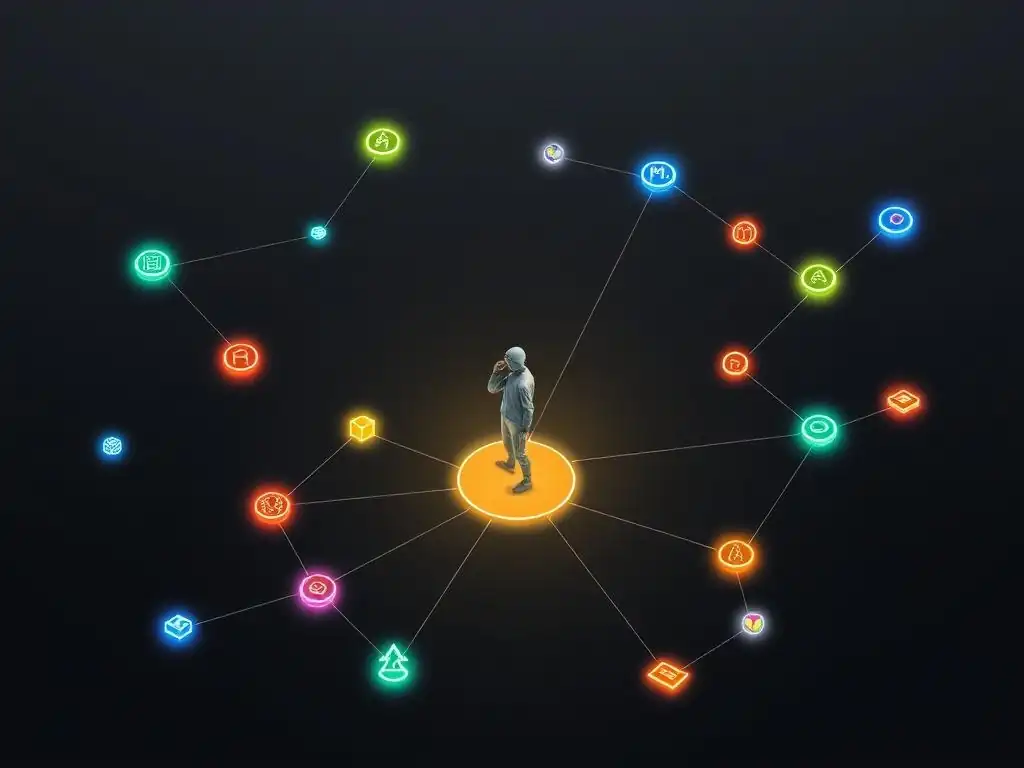
Greater Creative Control and Ownership for Players
Decentralized storytelling grants players significantly greater creative control and ownership compared to traditional gaming models. By owning in-game assets as NFTs, players possess tangible digital property with inherent narrative value. This ownership extends beyond mere asset possession; it empowers players to actively participate in shaping the game's narrative, contributing to worldbuilding, character development, and even plot progression. Players are no longer passive consumers of pre-determined stories, but active co-creators of the narrative universe.
This increased creative control manifests in various ways. Players can create and own user-generated content, such as lore entries, character backstories, or even in-game items with narrative significance. They can participate in community governance mechanisms, influencing narrative direction and canon events. Furthermore, the ability to trade and sell narrative assets as NFTs provides players with economic agency and the potential to monetize their creative contributions. This paradigm shift towards player-centric narrative creation fosters a stronger sense of community, engagement, and investment in decentralized gaming blockchain storytelling experiences.
Enhanced Engagement and Immersion in Game Worlds
Decentralized storytelling fosters enhanced engagement and immersion in game worlds by making players active participants in the narrative. When players have a stake in the story, through asset ownership and creative contributions, they become more invested in the game world and its unfolding events. The knowledge that their actions and choices have lasting consequences, recorded on the blockchain, further deepens their immersion and sense of agency within the game narrative.
The dynamic and emergent nature of decentralized storylines, often shaped by community interactions and player-driven events, creates a more unpredictable and exciting gaming experience. Players are not simply following a pre-determined path but are actively shaping the narrative landscape around them. Furthermore, the potential for personalized narratives, tailored to individual player choices and preferences through AI integration, enhances immersion by creating a story that feels uniquely relevant and engaging to each player. This combination of player agency, emergent storylines, and personalized experiences significantly elevates engagement and immersion in decentralized gaming blockchain storytelling.
New Revenue Streams for Developers Through Innovative Narrative Design
Decentralized storytelling opens up new and innovative revenue streams for game developers, moving beyond traditional game sales and in-app purchases. NFTs, representing narrative assets such as characters, lore fragments, or unique storyline access, can be sold directly to players, creating a new revenue stream for developers. Furthermore, developers can earn royalties on secondary market NFT sales, benefiting from the ongoing trading activity of their narrative assets within the player community.
Play-to-Earn (P2E) models, integrated with narrative engagement, can also create sustainable revenue streams. By rewarding players with tokens for contributing to the game's lore or participating in narrative-driven quests, developers can foster a more active and engaged player base, which can translate into increased player retention and further revenue opportunities.
Moreover, decentralized gaming platforms can facilitate the creation of player-driven economies around narrative assets and services, allowing developers to tap into a vibrant ecosystem of player-generated content and economic activity. These innovative revenue models, enabled by decentralized gaming blockchain storytelling, offer developers new pathways to monetize their creative work and build sustainable gaming ecosystems.
Case Studies: Innovative Storytelling in Decentralized Games
Case Study: "Illuvium" - Lore, NFTs, and Worldbuilding
"Illuvium" is an upcoming decentralized, open-world exploration, NFT creature collector and auto battler game built on the Ethereum blockchain. Its narrative is deeply woven into its gameplay and NFT ecosystem. Illuvium features a rich science-fantasy lore, detailing a shattered world and the enigmatic Illuvials, powerful creatures players can capture and battle with. The game's lore is revealed through cinematic trailers, in-game discoveries, and collectible lore NFTs, creating a layered and engaging narrative experience.
NFTs in Illuvium are not just cosmetic; they are integral to the game's narrative and progression. Each Illuvial NFT possesses unique attributes, rarities, and narrative backgrounds, contributing to their collectibility and strategic value in battles. The game's worldbuilding is extensive, with detailed environments, factions, and a history that players uncover as they explore. Illuvium leverages NFTs and blockchain to create a narrative-driven gaming experience where player ownership, strategic gameplay, and lore discovery are tightly intertwined, showcasing innovative decentralized gaming blockchain storytelling.
Case Study: "Star Atlas" - Political Intrigue and Factions
"Star Atlas" is a massively multiplayer online metaverse set in a grand strategy game of space exploration, territorial conquest, and political domination. Built on the Solana blockchain, Star Atlas emphasizes a complex and evolving narrative driven by player actions and factional conflicts. The game features three dominant factions – MUD, ONI, and Ustur – each with distinct ideologies, technologies, and narrative backgrounds, creating a rich tapestry of political intrigue and interstellar conflict.
Star Atlas's narrative is deeply intertwined with its gameplay mechanics, particularly its economic and political systems. Players align with factions, engage in resource gathering, space battles, and political maneuvering, all of which contribute to the dynamic unfolding of the game's narrative. Factional warfare, alliances, and betrayals are central to the Star Atlas experience, creating emergent narratives driven by player interactions. The game utilizes NFTs to represent spaceships, land, and resources, providing players with ownership and economic agency within this complex political and narrative landscape, exemplifying decentralized gaming blockchain storytelling focused on emergent narratives and player-driven political dynamics.
Comparing and Contrasting Narrative Strategies in "Illuvium" and "Star Atlas"
While both "Illuvium" and "Star Atlas" utilize decentralized gaming blockchain storytelling, they employ distinct narrative strategies. "Illuvium" leans towards a more lore-driven, creature-collecting narrative, emphasizing individual player exploration and discovery of a rich, pre-defined world. Its narrative is revealed through cinematic elements, collectible lore NFTs, and in-game environmental storytelling, creating a sense of individual immersion within a meticulously crafted world. The focus is on unraveling the mysteries of Illuvium and its creatures.
"Star Atlas," conversely, emphasizes emergent, player-driven political narratives within a vast, faction-based metaverse. Its narrative is less about pre-defined lore discovery and more about the dynamic interplay of player actions, factional conflicts, and political maneuvering. The focus is on player agency in shaping the game's political landscape and contributing to an ever-evolving narrative through collective action and strategic decision-making. While "Illuvium" prioritizes individual immersion and lore exploration, "Star Atlas" emphasizes community-driven emergent narratives and political intrigue, showcasing the diverse approaches to decentralized gaming blockchain storytelling.
The Challenges and Limitations of Decentralized Storytelling
Scalability and Performance Issues on Blockchain
Scalability and performance issues on blockchain networks present significant challenges for decentralized storytelling in games. Many blockchains currently face limitations in transaction throughput and processing speed, which can impact real-time narrative updates and dynamic world changes crucial for immersive storytelling. High transaction latency can hinder seamless interactions with narrative elements, particularly in fast-paced or real-time gaming environments.
Gas fees, especially on blockchains like Ethereum, can also be a major obstacle. Frequent on-chain transactions, necessary for dynamic narrative updates or player interactions that directly influence the story, can become prohibitively expensive, limiting the feasibility of certain decentralized storytelling mechanics. Furthermore, the computational limitations of some blockchains can restrict the complexity of on-chain game logic and narrative processing, potentially requiring reliance on off-chain solutions for computationally intensive narrative elements. Addressing these scalability and performance limitations is crucial for realizing the full potential of decentralized gaming blockchain storytelling in creating truly dynamic and immersive narrative experiences.
Security Concerns and Vulnerabilities
Security concerns and vulnerabilities inherent in blockchain technology pose risks to the integrity and stability of decentralized storytelling in games. Smart contracts, which automate game logic and narrative rules, are susceptible to exploits and vulnerabilities if not rigorously audited and secured. Exploits in smart contracts could potentially disrupt game narratives, corrupt in-game assets with narrative significance, or even lead to the loss of player-owned narrative NFTs.
Blockchain platforms themselves can be targets of attacks, such as 51% attacks, which could compromise the integrity of the game's ledger and potentially alter or erase narrative events recorded on-chain. Furthermore, phishing scams and social engineering attacks targeting players' crypto wallets and NFT assets can undermine trust and security within decentralized gaming ecosystems. Robust security measures, thorough smart contract audits, and ongoing vigilance are essential to mitigate these risks and ensure the long-term security and reliability of decentralized gaming blockchain storytelling.
The Need for User-Friendly Tools and Interfaces
The complexity of blockchain technology and cryptocurrency management presents a significant barrier to mainstream adoption of decentralized gaming blockchain storytelling. User-friendly tools and interfaces are crucial for bridging the gap between blockchain technology and a broader gaming audience. Many current blockchain games require players to have a basic understanding of crypto wallets, gas fees, and NFT marketplaces, which can be daunting for players unfamiliar with these concepts.
Simplified wallet integration, intuitive user interfaces for interacting with blockchain elements within games, and clear explanations of blockchain mechanics are essential for improving user experience. Abstracting away the technical complexities of blockchain and presenting decentralized gaming experiences in a user-friendly and accessible manner is crucial for attracting a wider player base and enabling the widespread adoption of decentralized gaming blockchain storytelling. Developing user-friendly tools and interfaces will be key to unlocking the mainstream potential of this innovative approach to gaming narratives.
The Future of Decentralized Gaming Blockchain Storytelling
Predictions for the Evolution of Narrative in Blockchain Games
The future of narrative in blockchain games points towards increasingly dynamic, personalized, and community-driven experiences. We can expect to see more sophisticated integration of AI and machine learning to create adaptive narratives that respond to individual player choices and preferences in real-time. Procedural generation will likely play a larger role in creating vast, explorable game worlds with dynamically generated lore and storylines, offering endless replayability and unique narrative experiences for each player.
Community-driven storytelling will become more prevalent, with players actively participating in worldbuilding, lore creation, and even shaping the direction of ongoing narratives through DAOs and other decentralized governance mechanisms. NFTs will evolve beyond simple collectibles, becoming integral narrative devices, representing dynamic characters, evolving storylines, and unique narrative fragments that players can own and trade. The evolution of decentralized gaming blockchain storytelling will be characterized by greater player agency, more dynamic and personalized narratives, and deeper community involvement in shaping the game world and its stories.
The Impact of Metaverse Integration on Storytelling
Metaverse integration will significantly amplify the potential of decentralized gaming blockchain storytelling. As metaverses become more interconnected and interoperable, decentralized games will become integral parts of larger virtual worlds, allowing for seamless transitions between different narrative experiences and the portability of narrative assets and identities across various platforms. Imagine a metaverse where your character NFT, with its unique backstory and narrative progression, can be used in multiple games and virtual worlds, creating a persistent and evolving narrative identity.
Metaverse environments will also enable new forms of immersive storytelling, such as interactive live events, virtual performances, and collaborative narrative experiences that transcend the boundaries of individual games. Decentralized gaming blockchain storytelling within metaverses will foster richer, more interconnected, and more persistent narrative universes, blurring the lines between games, social experiences, and virtual worlds, creating truly immersive and engaging narrative landscapes.
The Potential for New Forms of Interactive Entertainment
Decentralized gaming blockchain storytelling has the potential to unlock entirely new forms of interactive entertainment that go beyond traditional gaming paradigms. Imagine interactive narratives that are not confined to a single game, but unfold across multiple platforms and virtual worlds, creating persistent and evolving storylines that span the metaverse. Decentralized storytelling could also facilitate new forms of collaborative storytelling, where players collectively create and shape narratives in real-time, blurring the lines between creator and audience.
The integration of decentralized gaming with other forms of entertainment, such as virtual reality (VR), augmented reality (AR), and live streaming, could lead to immersive and interactive narrative experiences that are unlike anything we have seen before. Decentralized gaming blockchain storytelling has the potential to revolutionize not just gaming, but the broader landscape of interactive entertainment, creating new forms of engagement, creativity, and social interaction within virtual worlds.
Conclusion: Embracing the Transformative Power of Decentralized Narratives
Decentralized Gaming: A New Frontier for Storytellers
Decentralized gaming represents a new frontier for storytellers, offering unprecedented opportunities to create dynamic, engaging, and player-centric narratives. Blockchain technology provides the tools to empower players with ownership, agency, and creative control, transforming them from passive consumers to active participants in the narrative creation process. This shift towards decentralized gaming blockchain storytelling opens up exciting possibilities for more immersive, personalized, and community-driven narrative experiences.
The emergent and collaborative nature of decentralized narratives allows for the creation of game worlds that are more alive, responsive, and organically evolving than ever before. Storytellers in the decentralized gaming space have the opportunity to experiment with new narrative models, leveraging blockchain, AI, and community-driven content creation to push the boundaries of interactive entertainment and create truly transformative narrative experiences.
The Importance of Innovation and Collaboration
Innovation and collaboration are paramount for the continued growth and evolution of decentralized gaming blockchain storytelling. Developers, storytellers, and blockchain technologists need to collaborate to overcome the technical challenges, develop user-friendly tools, and explore new narrative models that leverage the unique capabilities of decentralized platforms. Innovation in areas such as scalability, security, user experience, and narrative design is crucial for unlocking the full potential of decentralized storytelling.
Furthermore, fostering a collaborative ecosystem, where developers share best practices, communities contribute to worldbuilding, and players actively participate in shaping narratives, is essential for building vibrant and sustainable decentralized gaming ecosystems. Embracing innovation and fostering collaboration will be key to driving the future of decentralized gaming blockchain storytelling and creating truly groundbreaking interactive entertainment experiences.
Concluding Thoughts on the Future of Blockchain-Based Gaming Narratives
The future of blockchain-based gaming narratives is bright with potential. Decentralized gaming blockchain storytelling is poised to revolutionize the way we experience interactive narratives, offering greater player agency, more dynamic and personalized stories, and deeper community engagement. While challenges remain in terms of scalability, security, and user experience, the ongoing innovation and development in the blockchain space, coupled with the creative vision of game developers and storytellers, promise to overcome these hurdles.
As decentralized gaming ecosystems mature and metaverses become more interconnected, blockchain-based gaming narratives will likely become a dominant force in interactive entertainment, shaping the future of how we play, interact, and experience stories in virtual worlds. Embracing the transformative power of decentralized narratives will unlock a new era of immersive, engaging, and player-centric gaming experiences, forever changing the landscape of interactive entertainment.
Frequently Asked Questions
How can blockchain technology enhance storytelling in games?
Blockchain allows for verifiable ownership of in-game assets, enabling players to directly influence the narrative and its outcomes. This creates a more immersive and personalized experience, as player actions can have lasting consequences within the game world.
What role do NFTs play in decentralized gaming storytelling?
NFTs can represent unique characters, items, or story elements, granting players ownership and control over these assets. This fosters a player-driven narrative, where individuals actively contribute to the unfolding story through their actions and interactions.
How does "Decentralized gaming blockchain storytelling" differ from traditional game narratives?
Traditional game narratives are often linear and controlled by developers. "Decentralized gaming blockchain storytelling" offers greater player agency and control, resulting in a more dynamic and unpredictable narrative shaped by the community.
What are the potential challenges of implementing blockchain in game storytelling?
Challenges include scalability issues with blockchain networks, the complexity of integrating blockchain technology into existing game engines, and the potential for regulatory uncertainty surrounding blockchain-based games.
What does the future hold for storytelling in decentralized gaming?
The future likely involves more sophisticated decentralized storytelling tools, allowing players to create and share their own narratives within game worlds. We can also expect greater integration of blockchain with AI, leading to more dynamic and personalized gaming experiences.
Final Reflection: Weaving Worlds Anew
The exploration of decentralized gaming and blockchain storytelling reveals a potent convergence, where player agency redefines narrative creation. No longer are stories dictated solely from above; instead, they emerge organically from the collective actions and choices within these evolving digital landscapes. This shift represents not just a technological advancement, but a fundamental reimagining of how we engage with and participate in the stories that shape our world.
The influence of this paradigm shift is already rippling through the cultural landscape. The potential for truly immersive and collaborative narratives, owned and shaped by the players themselves, is profoundly exciting. It promises a future where the lines between creator and consumer blur, fostering a deeper sense of connection and investment in the stories we experience. Storytelling is the most powerful way to put ideas into the world today.
- Robert McKee
As we stand on the cusp of this new era, let us embrace the possibilities that decentralized gaming and blockchain storytelling offer. Let us consider how we can contribute to building worlds that are not only engaging and entertaining but also empowering and meaningful. What role will you play in shaping the narratives of tomorrow? The future of storytelling is not just being written; it's being played.
Unleash Your Inner Storyteller: Join the Decentralized Gaming Revolution!
Thank you for diving into the exciting world of decentralized gaming and its innovative storytelling potential. We hope you've gained a valuable glimpse into the future of interactive narratives! Now, it's time to be a part of that future.
- Dive into the heart of the revolution: Explore decentralized gaming platforms and discover how you can contribute to creating truly immersive and player-driven stories.: This is your chance to shape the future of gaming!
- Share this article with your gamer friends and spark a conversation about the potential of blockchain in storytelling!
- Brainstorm your own unique decentralized game concept and imagine the possibilities. What kind of stories could you tell?
Ready to start building the future of decentralized gaming, one story at a time?
Leave a Reply