
The Importance of Community in Building Successful Decentralized Games

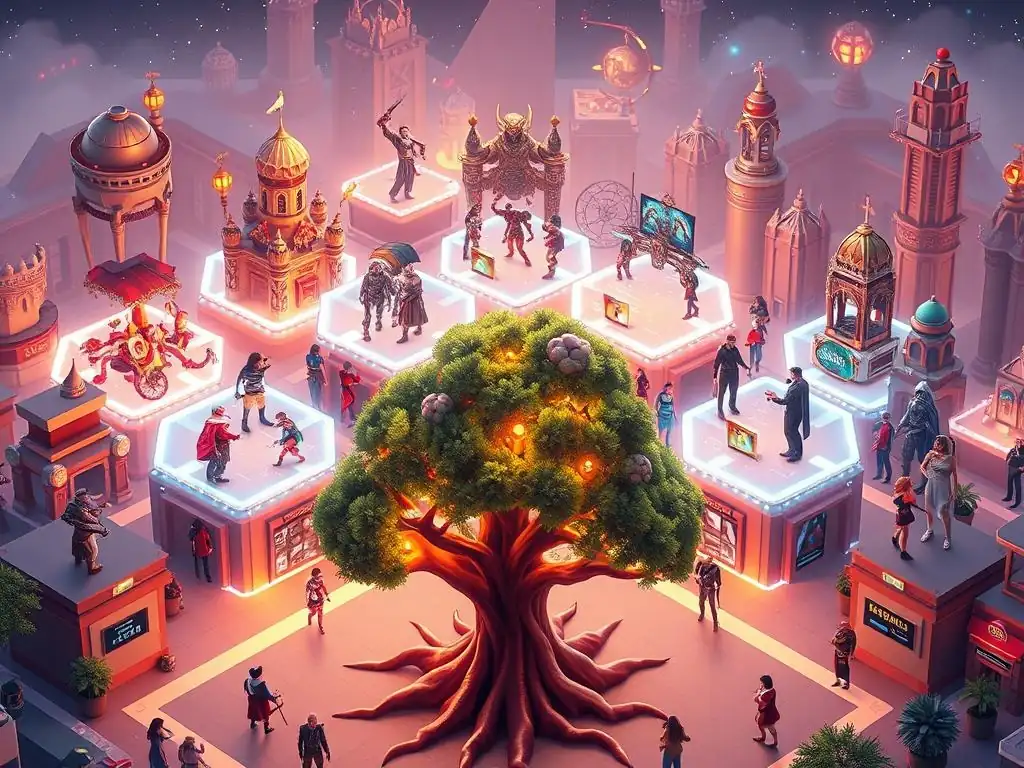
Welcome to Blockchain Trends, your compass in the rapidly evolving world of decentralized technology!
Are you ready to unlock the secrets behind thriving decentralized gaming ecosystems? Dive into our exploration of Decentralized games community building and discover how passionate communities are the cornerstone of success in this exciting new frontier. Uncover the strategies, challenges, and opportunities that await as we delve into the heart of blockchain gaming's social revolution. What makes or breaks a decentralized game community? Let's find out!
- The Importance of Community in Building Successful Decentralized Games
- Why Community is Key to Decentralized Game Success
-
Building a Thriving Decentralized Games Community: Core Strategies
- Fostering a Sense of Ownership and Shared Purpose
- Effective Communication Channels for Decentralized Game Communities: Discord, Telegram, Reddit
- Incentivizing Community Participation and Contributions: Token Rewards, NFTs, Early Access
- Community-Driven Development: Integrating Player Feedback in Game Design
- Decentralized Governance and Community Decision-Making in Games
- Overcoming Challenges in Managing a Decentralized Game Community
- Case Studies: Successful Decentralized Games and Their Communities
- The Future of Decentralized Games: Community-Centric Development
- Decentralized games community building: A final thought
-
Frequently Asked Questions
- How does community building contribute to the success of decentralized games?
- What are the key strategies for fostering a thriving decentralized games community?
- How does blockchain technology facilitate community ownership in decentralized games?
- What are the potential challenges in building a decentralized games community?
- How can decentralized games communities benefit from Decentralized Autonomous Organizations (DAOs)?
- Final Reflection: The Enduring Power of Shared Worlds
- Ignite Your Game Dev Journey: Join the Decentralized Revolution!
The Importance of Community in Building Successful Decentralized Games
Blockchain Trends: Exploring Play-to-Earn & Metaverse Integration
The rise of blockchain technology has spurred innovation across numerous sectors, and gaming is no exception. Decentralized games, built on blockchain networks, are rapidly evolving from niche experiments to potentially mainstream entertainment experiences. Two prominent trends driving this evolution are Play-to-Earn (P2E) mechanics and Metaverse integration. Play-to-Earn fundamentally shifts the gaming paradigm by rewarding players with cryptocurrency or NFTs for their in-game contributions and achievements, creating new economic models centered around player participation.
Furthermore, the burgeoning Metaverse concept, envisioning persistent, shared virtual worlds, finds a natural synergy with decentralized gaming. Blockchain provides the infrastructure for true digital ownership within these metaverses, enabling players to own, trade, and utilize in-game assets across different virtual environments. These trends are not merely technological advancements; they are catalysts for fundamentally reshaping the relationship between game developers and players, placing community at the forefront of game success.
These emerging trends are intrinsically linked to the importance of community. Play-to-Earn models, for example, are heavily reliant on a vibrant and active player base to sustain the in-game economy. Without a strong community participating in the game's ecosystem, the value of in-game assets and the P2E mechanisms themselves can falter.
Similarly, metaverses are inherently social spaces, and their success hinges on fostering thriving communities within these virtual worlds. Decentralized games, positioned at the intersection of P2E and metaverse concepts, therefore require a robust community not just for gameplay, but as a foundational element for their economic sustainability and long-term viability. The focus is shifting from simply attracting players to actively building and nurturing a community that is deeply invested in the game's success and future.
Why Community is Key to Decentralized Game Success
The Unique Role of Community in Blockchain Gaming
Community in blockchain gaming transcends the traditional role of simply being an audience for a game. In decentralized gaming, the community often becomes an active participant in the game's ecosystem, economy, and even governance. This is a fundamental shift from traditional gaming models where players are primarily consumers of a product created by a centralized entity.
Blockchain technology empowers players with digital ownership through NFTs and cryptocurrencies, fostering a sense of investment and shared stake in the game's success. This ownership model intrinsically links the community's well-being to the game's prosperity, creating a symbiotic relationship rarely seen in conventional gaming.
Moreover, the decentralized nature of these games means that the community often plays a crucial role in validating transactions, securing the network, and even contributing to game development. For instance, in many decentralized games, players can earn tokens by participating in network validation through staking mechanisms, or by contributing content, art, or code to the game's ecosystem. This level of active participation transforms the community from passive consumers to active contributors and stakeholders.
The success of a decentralized game is therefore directly correlated with the strength, engagement, and active participation of its community. This unique dynamic necessitates a paradigm shift in how game developers approach community building, moving beyond marketing and player acquisition to fostering genuine ownership and shared governance.
Moving Beyond Traditional Gaming: Community Ownership and Engagement
Traditional gaming often operates under a centralized model where developers retain complete control over the game, its assets, and its future. Players are consumers who purchase the game and its content, but have limited influence on its direction. Decentralized gaming disrupts this model by introducing community ownership and significantly enhanced engagement. Through blockchain technology, players can own in-game assets as NFTs, granting them verifiable digital property rights. This ownership extends beyond mere cosmetic items; it can encompass land, characters, and even in-game currencies, all existing as unique, tradable assets on the blockchain.
This shift to community ownership fosters a deeper level of engagement and investment. When players own a part of the game world, their incentives become aligned with the game's long-term success. They are not just playing for entertainment; they are also participating in an economy and potentially influencing the game's development.
This sense of ownership fosters stronger community bonds and encourages players to become active advocates for the game. In contrast to traditional gaming communities that might primarily revolve around gameplay strategies and social interaction, decentralized game communities are often deeply involved in economic discussions, governance proposals, and contributing to the game's ecosystem, creating a far more dynamic and participatory environment.
Building a Thriving Decentralized Games Community: Core Strategies
Building a thriving decentralized games community begins with cultivating a strong sense of ownership and shared purpose among players. This goes beyond simply stating that players own assets; it requires actively demonstrating and reinforcing this ownership through game mechanics and community initiatives. One key strategy is to design game economies and reward systems that genuinely empower players.
For instance, implementing robust Play-to-Earn mechanisms that allow players to earn meaningful rewards for their time and effort directly links their success to the game's ecosystem. Furthermore, clearly articulating the game's vision and roadmap, and involving the community in shaping its future, fosters a sense of shared direction and collective purpose.
Creating opportunities for players to actively contribute to the game's ecosystem is also crucial. This can include enabling player-generated content, allowing community members to contribute to game lore, or even involving them in testing and feedback cycles. For example, some decentralized games allow players to design and sell in-game items, directly benefiting from their creative contributions.
By fostering a sense of co-creation and shared success, developers can transform players from passive consumers into active stakeholders, deeply invested in the game's growth and longevity. This feeling of shared purpose and tangible ownership is a cornerstone for building a loyal and engaged decentralized game community.
Effective Communication Channels for Decentralized Game Communities: Discord, Telegram, Reddit
Effective communication is paramount for building and maintaining a thriving decentralized game community. Given the inherently online nature of these games and their global player base, choosing the right communication channels is crucial. Discord has emerged as a dominant platform for gaming communities, offering features like voice and text channels, roles-based access, and robust moderation tools.
Many successful decentralized games, like Axie Infinity and The Sandbox, utilize Discord as their primary community hub, fostering real-time interaction and facilitating direct communication between developers and players. Discord's structure allows for organized discussions, dedicated channels for different game aspects, and efficient dissemination of announcements and updates.
Telegram, with its focus on privacy and large group capabilities, is another popular platform, particularly for announcements and broader community updates. While perhaps less structured than Discord for in-depth discussions, Telegram excels at broadcasting information to a wide audience and facilitating quick updates. Reddit, with its forum-style structure, provides a platform for more asynchronous discussions and long-form content sharing.
Subreddits dedicated to specific decentralized games can serve as valuable repositories of information, player guides, and community-driven discussions. Choosing a combination of these platforms, tailored to the specific needs and communication styles of the community, is essential for fostering open dialogue, transparency, and a strong sense of community connection.
Incentivizing Community Participation and Contributions: Token Rewards, NFTs, Early Access
Incentivizing community participation and contributions is vital for fostering a dynamic and engaged decentralized game community. Given the blockchain-based nature of these games, token rewards and NFTs are powerful tools for recognizing and rewarding valuable community contributions. Token rewards, often in the form of the game's native cryptocurrency, can be distributed for various activities, such as participating in community events, creating helpful content, testing new features, or providing valuable feedback. This direct financial incentive aligns community efforts with the game's success and encourages active participation.
NFTs offer another compelling form of incentivization, providing unique digital assets that can represent in-game items, community roles, or even access to exclusive content. NFTs can be awarded to early adopters, active community members, or those who contribute significantly to the game's ecosystem. The scarcity and tradability of NFTs add an element of prestige and value to these rewards, further motivating community participation.
Offering early access to new game features or content to dedicated community members is another effective strategy. This not only rewards loyal players but also provides valuable feedback during development and strengthens the bond between developers and the community. By strategically leveraging token rewards, NFTs, and early access, developers can cultivate a highly motivated and actively contributing decentralized game community.
Community-Driven Development: Integrating Player Feedback in Game Design
Decentralized games, by their nature, lend themselves to community-driven development. Integrating player feedback into game design is not just a best practice, but a core principle for many successful decentralized gaming projects. Establishing clear channels for feedback collection, such as dedicated forums, surveys, or in-game feedback mechanisms, is the first step. Actively soliciting player input on proposed game features, balance changes, and even narrative elements demonstrates a commitment to community involvement and empowers players to shape the game's direction.
Beyond simply collecting feedback, it's crucial to demonstrate that player input is being actively considered and implemented. Regularly communicating development updates, highlighting how community feedback has influenced design decisions, and showcasing player suggestions in patch notes builds trust and reinforces the value of community participation.
Some decentralized games even go further, involving the community in voting on proposed game changes or allowing players to directly contribute to game content, such as designing in-game items or quests. This level of community-driven development not only leads to a game that better reflects player desires but also fosters a stronger sense of ownership and shared creation, solidifying the community's bond with the game.
Decentralized Governance and Community Decision-Making in Games
Empowering Players Through DAOs: Decentralized Autonomous Organizations
Decentralized Autonomous Organizations (DAOs) represent a revolutionary approach to governance in decentralized games, offering a mechanism to truly empower players and distribute decision-making power. A DAO is essentially a community-led entity with rules encoded on a blockchain, automating decision-making processes and ensuring transparency and immutability.
In the context of decentralized games, DAOs can be used to govern various aspects of the game, from treasury management and resource allocation to game rule changes and future development priorities. By participating in a DAO, players gain a direct voice in shaping the game's trajectory, moving beyond simply providing feedback to actively participating in governance.
DAOs empower players by distributing voting rights, typically based on token holdings or community contributions. Proposals for game changes or treasury decisions are submitted to the DAO, and token holders can vote to approve or reject these proposals. This decentralized governance model ensures that decisions are made collectively by the community, rather than unilaterally by the game developers.
DAOs foster a sense of shared ownership and responsibility, encouraging players to actively engage in the game's long-term sustainability and development. Examples of DAOs in gaming are still emerging, but the potential for player empowerment and decentralized governance is significant, representing a paradigm shift in game management and community involvement.
Voting Mechanisms and Community Proposals: Shaping the Game's Future
Effective voting mechanisms and a clear process for community proposals are essential for a functional and impactful decentralized governance system within a game. Various voting mechanisms can be employed, each with its own advantages and considerations. Token-weighted voting, where voting power is proportional to token holdings, is a common approach, aligning voting influence with economic stake in the game. However, mechanisms to prevent whale dominance and ensure broader community representation are crucial. Quadratic voting, for example, can mitigate the influence of large token holders by making votes progressively more expensive, giving more weight to broader community consensus.
A well-defined process for submitting and discussing community proposals is equally important. This typically involves a proposal submission phase, followed by a community discussion period on forums or dedicated channels, and culminating in a voting period. Clear guidelines on proposal formatting, eligibility criteria, and voting procedures are necessary to ensure transparency and fairness.
Furthermore, mechanisms for community members to easily submit proposals and track their progress are vital for encouraging active participation in governance. By implementing robust voting mechanisms and a streamlined proposal process, decentralized games can effectively harness the collective intelligence and vision of their community to shape the game's future.
Transparency and Accountability in Community Governance
Transparency and accountability are foundational principles for successful decentralized governance in gaming. Given that DAOs operate on blockchains, transactions and voting records are inherently transparent and auditable. However, ensuring transparency extends beyond just on-chain data. Clear and accessible communication from the development team regarding governance decisions, treasury spending, and development roadmaps is crucial for building trust and maintaining community confidence. Regular reports on DAO activities, voting outcomes, and the implementation of community proposals should be readily available to all players.
Accountability in decentralized governance means that decisions made through the DAO are binding and consistently implemented. Smart contracts, which automate DAO operations, play a key role in ensuring accountability by enforcing voting outcomes and treasury rules programmatically. Furthermore, mechanisms for addressing disputes or conflicts within the DAO should be established, ensuring that governance processes are not only transparent but also fair and accountable. By prioritizing transparency and accountability in all aspects of community governance, decentralized games can foster a trustworthy and participatory environment, where players feel confident in the legitimacy and effectiveness of their collective decision-making power.
Overcoming Challenges in Managing a Decentralized Game Community
Moderation and Conflict Resolution in a Decentralized Environment
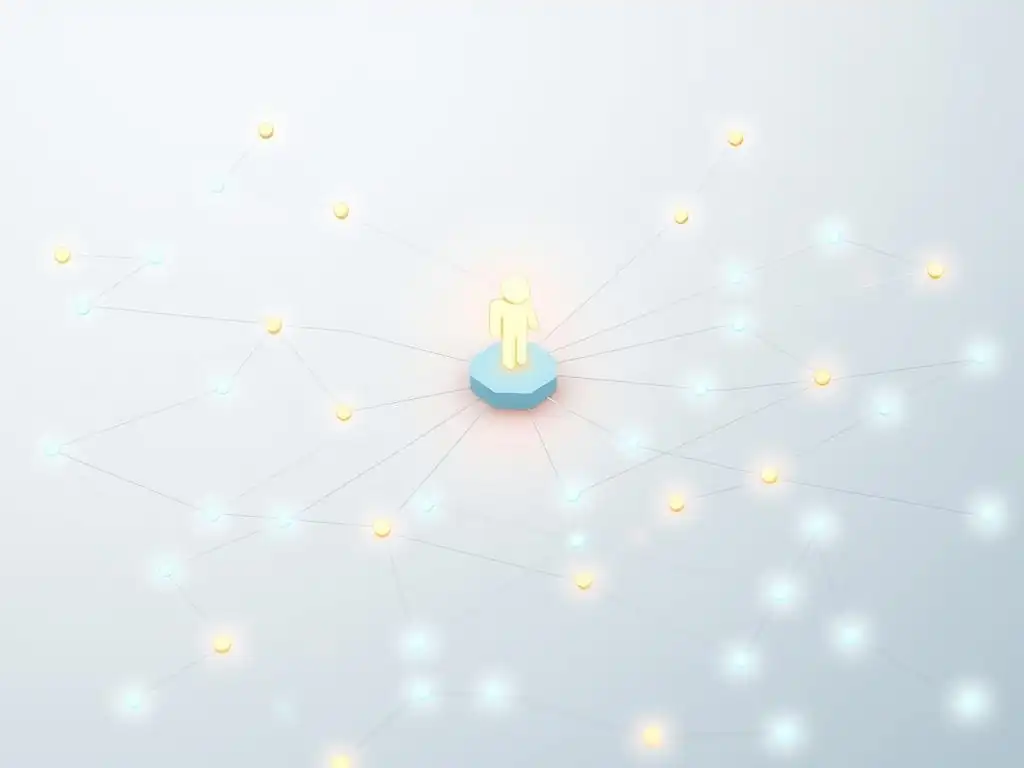
Managing a decentralized game community presents unique moderation and conflict resolution challenges compared to traditional centralized gaming environments. While decentralization aims to empower the community, it can also complicate moderation efforts. Relying solely on centralized moderation can contradict the principles of decentralization. Therefore, finding a balance between community-driven moderation and necessary interventions is crucial. Implementing community moderation systems, where trusted community members are empowered to moderate discussions and enforce community guidelines, can be effective. These systems often utilize voting or reputation mechanisms to select and oversee moderators, distributing moderation responsibilities and fostering community ownership of online spaces.
Conflict resolution in decentralized environments also requires nuanced approaches. Traditional hierarchical moderation structures may be less effective, and relying on community-based dispute resolution mechanisms can be more aligned with decentralized ethos. Establishing clear community guidelines, outlining acceptable behavior and consequences for violations, is essential. Furthermore, providing channels for players to report issues and seek mediation, potentially involving community moderators or even on-chain dispute resolution mechanisms, can facilitate conflict resolution in a transparent and decentralized manner. Balancing community autonomy with the need for effective moderation and conflict resolution is a key challenge in managing decentralized game communities.
Preventing Sybil Attacks and Maintaining Community Integrity
Sybil attacks, where a single entity creates multiple fake identities to gain disproportionate influence in a decentralized system, pose a significant threat to the integrity of decentralized game communities. In the context of governance, Sybil attacks can be used to manipulate voting outcomes or gain unfair advantages in resource allocation. Preventing Sybil attacks is therefore crucial for maintaining fair and equitable community participation. Various techniques can be employed to mitigate Sybil attacks, including identity verification mechanisms, social graph analysis, and proof-of-personhood protocols.
Identity verification methods, such as linking accounts to verified social media profiles or using decentralized identity solutions, can reduce the likelihood of Sybil accounts. Social graph analysis examines network connections and interactions to detect clusters of accounts that may be controlled by a single entity. Proof-of-personhood protocols aim to establish that each participant is a unique, real individual, often using biometric verification or social proof mechanisms. Implementing a combination of these techniques, tailored to the specific game and community context, is essential for robust Sybil resistance and maintaining the integrity of decentralized game communities and their governance systems.
Balancing Community Input with Developer Vision
Balancing community input with the developer's original vision is a delicate but crucial aspect of managing decentralized game development. While community-driven development is a core principle of many decentralized games, completely relinquishing developer vision can lead to a fragmented or unfocused game experience. The developer team initially sets the game's foundation, core mechanics, and overall vision. Community input should ideally enhance and refine this vision, rather than fundamentally altering its core identity. Establishing clear communication channels and processes for integrating community feedback, while also transparently communicating the developer's perspective and limitations, is essential.
Finding the right balance often involves prioritizing community input on aspects that directly impact player experience and community governance, such as game balance, content updates, and governance mechanisms. However, developers may retain more control over core game design elements, narrative direction, or technical infrastructure, where specialized expertise is required.
Openly communicating the areas where community input is most impactful and the areas where developer vision takes precedence is crucial for managing expectations and fostering a collaborative, yet focused, development process. Successfully navigating this balance ensures that the game evolves in a community-centric manner while maintaining a cohesive and compelling overall vision.
Case Studies: Successful Decentralized Games and Their Communities
Axie Infinity: How Community Building Led to Game Adoption
Axie Infinity stands as a prime example of how effective community building can drive game adoption and success in the decentralized gaming space. From its early stages, Axie Infinity prioritized community engagement, fostering a vibrant and active player base through various initiatives. The game's Play-to-Earn mechanics were central to its community growth, incentivizing players to participate in the game and build thriving economies around Axie breeding, battling, and trading. This economic model inherently relied on a strong community to sustain the in-game marketplace and drive demand for Axie NFTs.
Axie Infinity actively nurtured its community through dedicated Discord channels, regular community events, and developer interactions. The team consistently engaged with players, addressed feedback, and incorporated community suggestions into game updates. Scholarship programs, facilitated by the community, further expanded accessibility to the game, allowing new players to participate and earn even without significant upfront investment.
This focus on community building, combined with its innovative Play-to-Earn model, propelled Axie Infinity to become one of the most successful decentralized games, demonstrating the power of community as a driving force for adoption and growth. At its peak in late 2021, Axie Infinity boasted millions of daily active users, a testament to its thriving community.
Decentraland: Lessons Learned from a Thriving Decentralized Community
Decentraland, a decentralized virtual world, offers valuable lessons in building and sustaining a thriving decentralized community within a metaverse environment. Decentraland's community is characterized by its diverse range of creators, landowners, and users who actively contribute to the virtual world's content and experiences. The platform's open and decentralized nature empowers users to build, own, and monetize their virtual land and creations, fostering a sense of ownership and creative freedom. This inherent decentralization attracted a community of innovators and early adopters who were drawn to the vision of a user-owned metaverse.
Decentraland's community thrives on self-organization and emergent behavior. While the Decentraland Foundation provides core infrastructure and governance mechanisms, the community largely drives content creation, event organization, and social interactions within the virtual world. The platform's DAO plays a crucial role in community governance, allowing LAND owners to vote on proposals and shape the metaverse's future.
Decentraland's success highlights the importance of providing users with tools and freedoms to create, interact, and govern within a decentralized virtual space, fostering a community-driven ecosystem that is constantly evolving and expanding. Land sales in Decentraland have reached millions of dollars, indicating the strong economic activity and community investment within the platform.
Analyzing Community Engagement Metrics: Daily Active Users, Retention Rates, Community Growth
Analyzing community engagement metrics is essential for understanding the health and growth of a decentralized game community. Key metrics such as Daily Active Users (DAU) provide a snapshot of the game's active player base and overall popularity. Tracking DAU trends over time can reveal periods of growth, decline, or stagnation, indicating the game's ability to attract and retain players.
Retention rates, measuring the percentage of players who return to the game over time (e.g., daily, weekly, monthly retention), are crucial for assessing long-term community engagement and game sustainability. High retention rates indicate that players are finding the game engaging and are likely to remain active members of the community.
Community growth metrics, such as the rate of new user sign-ups, social media followers, and Discord or Telegram community member growth, provide insights into the game's ability to attract new players and expand its community. Monitoring these metrics helps developers understand the effectiveness of their marketing and community building efforts.
Furthermore, analyzing in-game activity metrics, such as transaction volume, social interactions within the game, and participation in community events, offers a deeper understanding of community engagement patterns and player behavior. By consistently tracking and analyzing these metrics, decentralized game developers can gain valuable insights into community health, identify areas for improvement, and make data-driven decisions to foster a thriving and engaged player base.
The Future of Decentralized Games: Community-Centric Development
The Evolving Role of Community in Metaverse Gaming Experiences
The evolving metaverse concept is poised to further amplify the role of community in decentralized gaming experiences. Metaverses, envisioned as persistent, shared virtual worlds, inherently rely on strong communities to populate and enrich these digital realms. In metaverse gaming, the community becomes not just players, but also co-creators, landowners, and active participants in shaping the virtual world's narrative and experiences. Decentralized games, integrated within metaverses, will likely see an even greater emphasis on community-driven content, social interactions, and shared virtual economies.
As metaverses mature, the lines between games and social platforms will blur further. Decentralized games within metaverses will increasingly function as social hubs, where communities gather not just for gameplay, but also for social interaction, entertainment, and even economic activities beyond gaming. The success of metaverse gaming experiences will heavily depend on fostering vibrant and inclusive communities that actively contribute to the metaverse's evolution and create compelling shared experiences. The future of decentralized games is inextricably linked to the growth and dynamism of their communities within these emerging metaverse environments.
Decentralized games are increasingly evolving into more than just entertainment platforms; they are becoming social hubs, fostering connection and collaboration among players worldwide. The community-centric nature of these games, coupled with their online and often persistent virtual worlds, creates opportunities for players to forge meaningful relationships, collaborate on shared goals, and build lasting communities. Play-to-Earn mechanics, while primarily focused on economic incentives, also contribute to social interaction and collaboration, as players often team up, form guilds, or participate in community-driven economies.
Decentralized games can facilitate social connections through various in-game features, such as social spaces, guild systems, and community events. Furthermore, the shared ownership and governance aspects of decentralized games foster a sense of collective identity and purpose, strengthening community bonds. As decentralized games evolve, their potential to serve as virtual social spaces, facilitating connection, collaboration, and community building, will become increasingly significant. This social dimension of decentralized gaming adds another layer of value beyond pure entertainment, attracting players seeking not only gameplay but also meaningful social interactions and community belonging.
Community as a Competitive Advantage in the Decentralized Gaming Landscape
In the increasingly competitive decentralized gaming landscape, a strong and engaged community is emerging as a significant competitive advantage. While game mechanics, graphics, and tokenomics are crucial factors, a thriving community can be the differentiator that propels a decentralized game to long-term success. A strong community provides organic marketing and word-of-mouth promotion, attracting new players and expanding the game's reach. An engaged community provides valuable feedback, contributing to game improvement and fostering a sense of shared ownership. A loyal community is more likely to weather market fluctuations and support the game through its lifecycle.
In a decentralized environment where players have more choices and ownership, community becomes a powerful network effect. Games with vibrant and welcoming communities are more likely to attract and retain players compared to those with weak or disengaged communities. Therefore, decentralized game developers who prioritize community building, invest in community engagement strategies, and foster a strong sense of ownership will be best positioned to succeed in the long run. In the future of decentralized gaming, community will not just be an audience; it will be a core asset and a key competitive differentiator.
Decentralized games community building: A final thought
Decentralized games community building is not merely an ancillary aspect of game development; it is the cornerstone upon which successful and sustainable decentralized gaming ecosystems are built. The shift towards player ownership, decentralized governance, and community-driven development fundamentally alters the dynamics of game creation and player engagement. By prioritizing community, fostering a sense of shared purpose, and empowering players to actively participate in the game's ecosystem and governance, developers can unlock the true potential of decentralized gaming and create experiences that are not only entertaining but also deeply engaging and community-owned. The future of decentralized games is inextricably linked to the strength, vibrancy, and active participation of their communities, making community building a paramount imperative for success in this evolving landscape.
Frequently Asked Questions
How does community building contribute to the success of decentralized games?
Community building is crucial for adoption and provides valuable feedback for game development. A strong community also fosters loyalty and long-term engagement.
What are the key strategies for fostering a thriving decentralized games community?
Focus on open communication, inclusive governance, and rewarding active participation. Hosting events and creating opportunities for collaboration are also vital.
How does blockchain technology facilitate community ownership in decentralized games?
Blockchain enables tokenized governance, allowing community members to directly influence game development and share in its success. This fosters a sense of ownership.
What are the potential challenges in building a decentralized games community?
Challenges include managing diverse opinions, preventing toxic behavior, and ensuring fair resource distribution. Scalability and security are also important considerations.
How can decentralized games communities benefit from Decentralized Autonomous Organizations (DAOs)?
DAOs provide a framework for decentralized governance, enabling the community to collectively manage the game's resources and make important decisions. This ensures transparency and fairness.
The exploration of decentralized games and their community building has revealed a fundamental truth: human connection remains the cornerstone of any successful endeavor, even in the digital realm. While blockchain technology offers unprecedented opportunities for ownership and innovation, it is the vibrant, engaged community that breathes life into these virtual worlds, transforming code into compelling experiences.
The impact of a thriving decentralized games community extends far beyond mere gameplay. It fosters a sense of belonging, empowers players to shape the game's evolution, and cultivates a shared identity that transcends geographical boundaries. This collaborative spirit is not just a nice-to-have; it's the very foundation upon which these games are built, ensuring their longevity and relevance. The strength of the pack is the wolf, and the strength of the wolf is the pack.
- Rudyard Kipling, perfectly encapsulating the symbiotic relationship between a decentralized game and its community.
As we stand at the cusp of a new era in gaming, let us remember that technology is merely a tool. It is the human element – the passion, creativity, and collective spirit of the community – that truly unlocks the potential of decentralized games. Consider how you can contribute to building and nurturing these communities, fostering environments where collaboration thrives, and shared experiences create lasting memories. Let us all strive to be architects of these vibrant digital worlds, ensuring that the future of gaming is not just decentralized, but deeply human.
Ignite Your Game Dev Journey: Join the Decentralized Revolution!
Thank you for exploring the world of decentralized gaming and recognizing the essential role community plays in shaping its future. Now, it's time to turn that understanding into action and become an active participant in this exciting movement!
Here's how you can get involved:
- Share your game idea on our community forum to receive valuable feedback from fellow developers, gamers, and blockchain enthusiasts.
- Follow Blockchain Trends on social media to stay updated with the latest industry news, developer stories, and upcoming community events.
- Consider contributing to an open-source decentralized gaming project to gain practical experience and make a meaningful impact.
In your opinion, what aspect of community engagement is most vital for the success of a decentralized game? Share your thoughts below!
Leave a Reply