
The Intersection of NFTs and Gaming: Unlocking New Revenue Streams

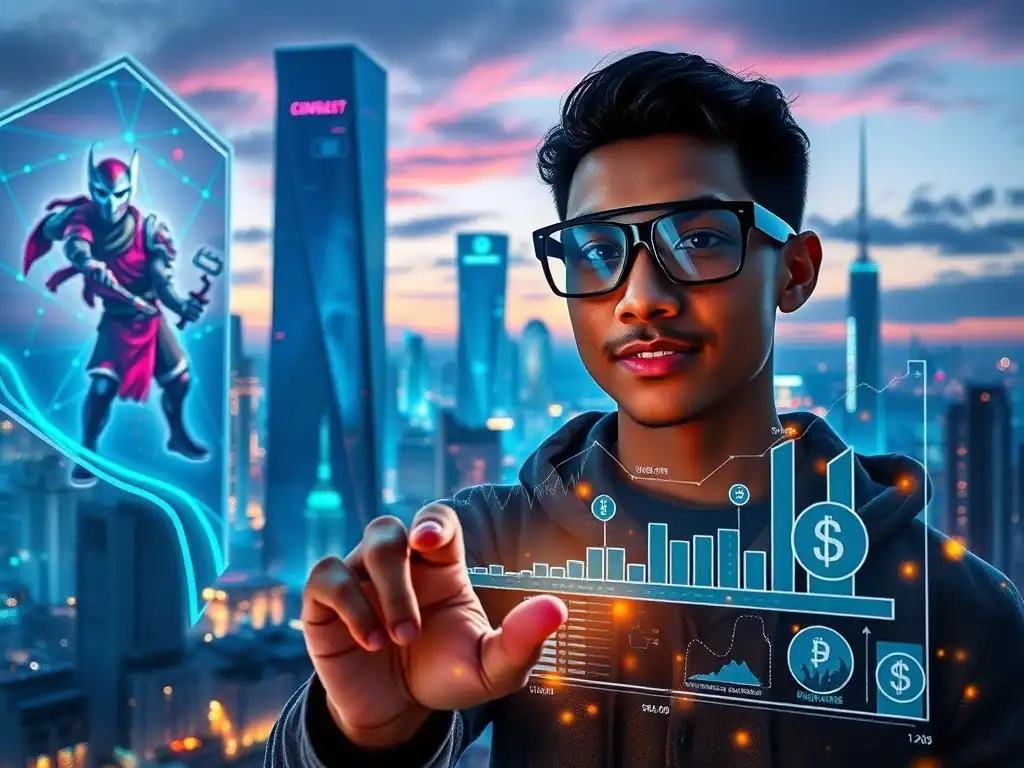
Welcome to Blockchain Trends, your compass in the rapidly evolving world of decentralized innovation! Dive into our latest exploration of how blockchain is reshaping industries beyond just cryptocurrency. Today, we're unlocking a fascinating topic: NFTs gaming revenue streams. Curious about how non-fungible tokens are revolutionizing the gaming landscape and creating entirely new economic models? Join us as we delve into the mechanics, the opportunities, and the future of this exciting intersection. Let's begin!
The Intersection of NFTs and Gaming: Unlocking New Revenue Streams
- Introduction: NFTs and the Evolution of Gaming Revenue
- Understanding NFTs and Their Application in Games
- The Potential of NFTs for Increased Gaming Revenue Streams
- Case Studies: Successful Implementations of NFTs in Gaming
- Exploring Different Types of NFTs Gaming Revenue Streams
- Overcoming Challenges and Addressing Concerns in NFT Gaming
- The Future of NFTs and Gaming: Trends and Predictions
- Maximizing NFT Gaming Revenue: Strategies for Developers and Players
- Conclusion: NFTs - Revolutionizing Gaming's Economic Landscape
-
Frequently Asked Questions
- What are NFTs and how are they relevant to gaming?
- How do NFTs create new revenue streams for game developers?
- What are some examples of how NFTs are used in games to generate revenue?
- What are the potential downsides or risks associated with using NFTs in gaming?
- How might regulations impact the use of NFTs in gaming and the generation of gaming revenue streams?
- Final Reflection: Reimagining Gaming's Economic Landscape
- Dive Deeper: Revolutionize Your Gaming Experience!
Introduction: NFTs and the Evolution of Gaming Revenue
The Rise of NFTs in Digital Ownership
The concept of digital ownership has long been nebulous in the gaming world. Traditionally, players purchase in-game items, but these items are ultimately controlled by the game developers. NFTs, or Non-Fungible Tokens, are changing this paradigm by introducing verifiable digital scarcity and true ownership. Leveraging blockchain technology, NFTs provide a unique and immutable record of ownership for digital assets. This shift towards digital ownership is resonating deeply with gamers who are increasingly seeking more control over their in-game investments and digital identities.
This rise in digital ownership is not just a philosophical shift; it's a practical one with significant economic implications. Players are no longer simply consumers of in-game content; they are becoming stakeholders. NFTs are enabling a new level of player agency, allowing them to truly own, trade, and potentially profit from their in-game achievements and digital assets. This fundamental change is paving the way for innovative revenue streams within the gaming industry, moving beyond traditional models of game sales and in-app purchases.
Gaming's Transition to Blockchain: A New Era
The gaming industry is undergoing a significant transformation, driven by the integration of blockchain technology. For decades, the industry has relied on centralized models where game developers controlled all aspects of the game economy. Blockchain, and specifically NFTs, is decentralizing this model, empowering players and creating new economic opportunities. This transition is not happening overnight, but the momentum is undeniable as more game developers and players recognize the potential benefits.
This new era of blockchain gaming is characterized by increased transparency, player empowerment, and novel revenue models. Blockchain provides a transparent and auditable ledger of transactions, fostering trust and accountability within game ecosystems. Furthermore, the integration of NFTs facilitates the creation of player-owned economies where in-game assets hold real-world value. This shift towards decentralized gaming is not just about technology; it's about reshaping the relationship between game developers and players, creating a more collaborative and economically vibrant gaming landscape.
Understanding NFTs and Their Application in Games
What are Non-Fungible Tokens (NFTs)? A Concise Explanation
Non-Fungible Tokens (NFTs) are unique digital assets that represent ownership of a specific item or piece of content on a blockchain. Unlike cryptocurrencies like Bitcoin, which are fungible (interchangeable), each NFT is distinct and cannot be replaced by another. Think of them as digital collectibles or certificates of authenticity for digital items. This uniqueness is verified and secured by the underlying blockchain technology, making NFTs tamper-proof and traceable.
NFTs are built using smart contracts, which are self-executing agreements written in code and stored on the blockchain. These smart contracts define the properties of the NFT, including its uniqueness, ownership history, and any associated metadata. This technology allows for the creation of truly scarce digital items, which can range from digital art and music to virtual real estate and in-game assets. The non-fungible nature of these tokens is crucial for establishing verifiable digital ownership and scarcity in the digital realm.
In-Game Assets as NFTs: Transforming Ownership and Trade
The application of NFTs to in-game assets is revolutionizing how players interact with and value digital items. Traditionally, in-game items purchased or earned within a game are confined to that specific game and controlled by the game developer. NFTs break down these silos by allowing in-game assets to exist independently on a blockchain, giving players true ownership. This means players can trade, sell, or even potentially use their NFTs across different compatible platforms or games, depending on the developer's implementation.
This transformation of in-game assets into NFTs creates a secondary market for digital items, fostering player-driven economies. Players can now earn NFTs through gameplay and then trade them with other players on NFT marketplaces, potentially generating real-world value from their gaming efforts. This shift from developer-controlled in-game economies to player-owned economies is a fundamental change in the gaming landscape, creating new opportunities for both players and game developers to generate and share revenue.
Exploring Different NFT Use Cases in Gaming: Digital Collectibles, Virtual Land Ownership, Customizable Avatars
The versatility of NFTs in gaming extends far beyond simply representing in-game items. Digital collectibles are a prominent use case, mirroring the real-world market for trading cards or figurines. Games are creating limited edition NFTs of characters, weapons, or items, driving scarcity and collectability. Virtual land ownership is another emerging trend, particularly in metaverse games, where players can purchase, develop, and trade virtual land parcels represented as NFTs. This allows for player-driven world-building and virtual real estate economies.
Customizable avatars are also gaining traction as NFT use cases. Players can own unique avatar skins, accessories, and emotes as NFTs, allowing for greater personalization and self-expression within games and virtual worlds. These NFTs can represent not just cosmetic items but also in-game abilities or status symbols. Beyond these examples, NFTs are also being used for in-game currency, access keys to exclusive content, and even governance tokens within decentralized gaming platforms, showcasing the wide range of applications and potential for NFTs to enhance the gaming experience and generate diverse NFTs gaming revenue streams.
The Potential of NFTs for Increased Gaming Revenue Streams
Empowering Players: Ownership and Monetization Opportunities
NFTs empower players by granting them genuine ownership of in-game assets, moving away from the traditional model where players merely license digital items. This ownership is not just symbolic; it translates into real monetization opportunities. Players can actively participate in the game economy by earning NFTs through gameplay, and then selling or trading these NFTs on open marketplaces. This creates a direct link between player skill, engagement, and potential earnings, transforming gaming from a purely leisure activity into a potentially lucrative one for some.
Furthermore, NFTs facilitate the creation of player-driven economies within games. When players own and trade assets, they become active participants in the game's economic ecosystem. This can lead to increased player engagement and retention, as players are more invested in games where their efforts can translate into tangible value. The ability to monetize in-game assets through NFTs is a powerful motivator for players and a key driver for the growth of NFTs gaming revenue streams.
New Revenue Models for Game Developers: Beyond Traditional Sales
For game developers, NFTs present a significant opportunity to diversify and enhance their revenue models beyond traditional game sales and in-app purchases. While initial game sales and DLCs remain important, NFTs introduce new avenues for revenue generation. Developers can earn revenue through initial NFT sales, selling limited edition in-game assets directly to players. More significantly, they can implement royalty fees on secondary market NFT transactions, earning a percentage every time an NFT is traded between players. This creates a recurring revenue stream that is directly tied to the vibrancy of the player-driven economy.
This royalty model is particularly transformative as it aligns developer incentives with the long-term success of the game and its player base. Instead of relying solely on initial sales, developers can benefit from a thriving secondary market and continued player engagement. NFTs also enable developers to experiment with innovative monetization strategies such as play-to-earn mechanics, where players are directly rewarded with NFTs for their in-game achievements, further expanding the potential NFTs gaming revenue streams for both developers and players.
NFT Marketplaces and Trading: Creating Liquidity for In-Game Assets
NFT marketplaces are essential infrastructure for the NFTs gaming ecosystem, providing platforms for players to buy, sell, and trade their in-game NFT assets. These marketplaces, often decentralized and operating on blockchain networks, create liquidity for in-game items that was previously absent in traditional gaming models. Platforms like OpenSea, Magic Eden, and Rarible are examples of general NFT marketplaces that host a wide range of gaming NFTs, while some games are also developing their own dedicated marketplaces.
The existence of these marketplaces is crucial for establishing the value and tradability of in-game NFTs. They provide price discovery mechanisms, allowing players to understand the market value of their assets and facilitating efficient trading. This liquidity is a key factor in attracting players to NFT games, as it provides assurance that their in-game investments can be converted back into other assets or currencies. The robust and growing NFT marketplace ecosystem is therefore a vital component for unlocking the full potential of NFTs gaming revenue streams.
Case Studies: Successful Implementations of NFTs in Gaming
Case Study 1: Axie Infinity - Driving Player Engagement with NFTs
Axie Infinity stands as a prominent example of a game that has successfully integrated NFTs to drive player engagement and create a thriving play-to-earn ecosystem. In Axie Infinity, players collect, breed, and battle creatures called Axies, which are represented as NFTs. These Axie NFTs can be bought, sold, and traded on marketplaces, creating a player-driven economy. The game's native token, Smooth Love Potion (SLP), also earned through gameplay, further fuels the economic ecosystem and can be exchanged for cryptocurrency.
Axie Infinity's success can be attributed to its effective implementation of play-to-earn mechanics centered around NFTs. Players are incentivized to engage with the game not only for entertainment but also for the potential to earn income through SLP and NFT trading. At its peak, Axie Infinity boasted millions of daily active users and a vibrant NFT marketplace with significant trading volume. While the game has faced economic fluctuations, it remains a landmark case study showcasing the potential of NFTs to create engaging and economically rewarding gaming experiences, demonstrating the power of NFTs gaming revenue streams.
Case Study 2: Decentraland - Generating Revenue Through NFT Sales and Royalties
Decentraland is a virtual world built on the Ethereum blockchain where users can purchase, develop, and monetize virtual land parcels represented as NFTs. These LAND NFTs are the foundation of the Decentraland metaverse, allowing users to own and control virtual spaces. Decentraland generates revenue through the initial sale of LAND NFTs and through royalties collected on secondary market LAND transactions. This model incentivizes the platform to foster a thriving virtual world and attract users, as increased activity and demand for LAND directly translates to increased revenue through royalties.
Decentraland exemplifies how NFTs can be used to create virtual real estate economies and generate sustainable revenue streams for metaverse platforms. Brands and individuals are increasingly purchasing LAND in Decentraland to establish virtual storefronts, host events, and engage with users in the metaverse. The ongoing trading of LAND NFTs and the royalty fees collected on these transactions are key components of Decentraland's revenue model, demonstrating the long-term potential of NFTs to drive economic activity within virtual worlds and generate significant NFTs gaming revenue streams for platform developers and LAND owners alike.
Analyzing Key Success Factors: What Makes an NFT Gaming Implementation Work?
Several key factors contribute to the successful implementation of NFTs in gaming and the generation of sustainable NFTs gaming revenue streams. Firstly, engaging gameplay is paramount. NFTs alone are not enough to guarantee success; the game must be fun and compelling to play. Secondly, a well-designed in-game economy is crucial. The game's tokenomics and NFT distribution mechanisms need to be carefully balanced to prevent inflation and maintain the value of in-game assets. Thirdly, user-friendliness and accessibility are important. Onboarding players to blockchain technology and NFT concepts should be seamless and intuitive.
Furthermore, community building and engagement play a vital role. A strong and active community is essential for driving demand for NFTs and fostering a vibrant marketplace. Transparency and trust are also critical. Players need to trust the game developers and the underlying blockchain technology. Finally, long-term sustainability should be a key consideration. The game's economic model should be designed to be resilient and adaptable to changing market conditions. Games that successfully address these factors are more likely to achieve sustainable growth and generate significant NFTs gaming revenue streams.
Exploring Different Types of NFTs Gaming Revenue Streams
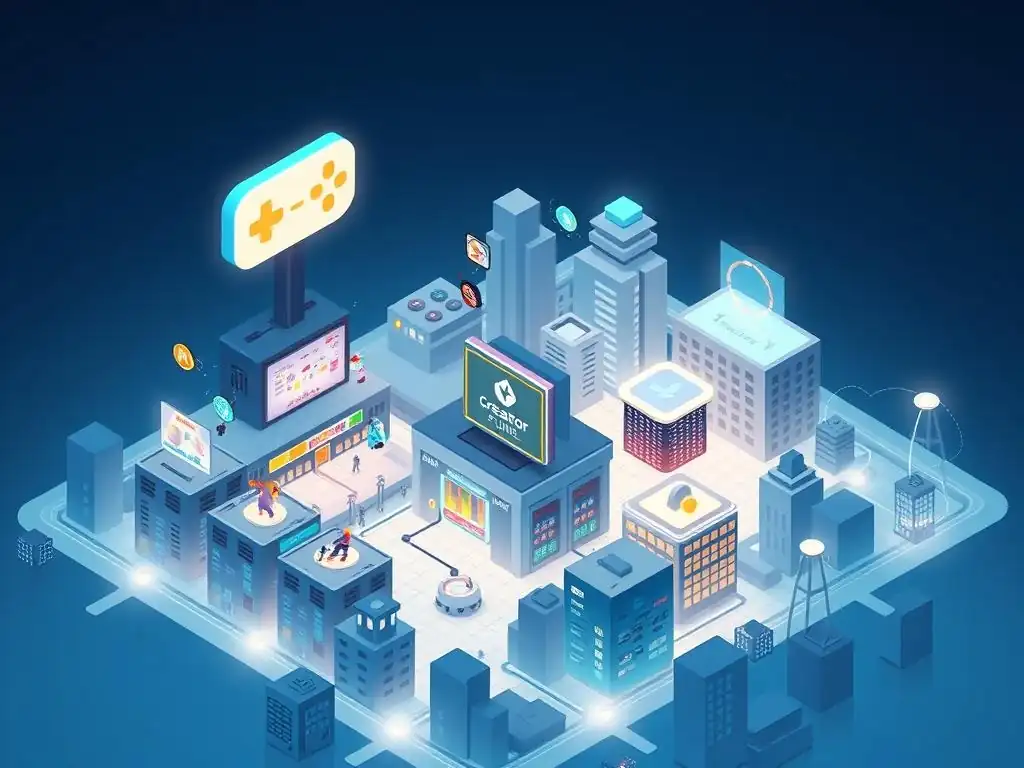
In-Game NFT Sales: Character Skins, Weapons, and More
One of the most direct NFTs gaming revenue streams comes from the sale of in-game NFTs directly to players. This can encompass a wide variety of digital assets, including character skins, weapons, armor, vehicles, and other cosmetic or functional items. Game developers can create limited edition or exclusive NFTs that are highly sought after by players, driving demand and generating revenue through initial sales. These NFTs can be sold through in-game stores, dedicated NFT marketplaces, or through special events and promotions.
The appeal of in-game NFT sales lies in the combination of scarcity, ownership, and customization. Players are often willing to pay for unique and visually appealing items that enhance their gaming experience and allow them to express their individuality within the game world. Furthermore, the knowledge that these items are truly owned and can potentially be resold adds to their perceived value. In-game NFT sales provide a significant and readily accessible revenue stream for game developers, leveraging the desire for digital ownership and customization within gaming communities to generate NFTs gaming revenue streams.
NFT Staking and Yield Farming in Games
NFT staking and yield farming are emerging DeFi (Decentralized Finance) mechanisms being integrated into blockchain games to create additional NFTs gaming revenue streams and incentivize player engagement. NFT staking involves locking up NFT assets within the game's ecosystem to earn rewards, typically in the form of the game's native token or additional NFTs. Yield farming takes this a step further, involving more complex strategies to maximize returns by providing liquidity or participating in other DeFi protocols within the game's ecosystem.
These mechanisms offer players the opportunity to passively earn rewards from their NFT holdings while simultaneously contributing to the game's economy. For game developers, NFT staking and yield farming can help to bootstrap liquidity, incentivize long-term NFT holding, and create new avenues for player participation. While still relatively nascent in the gaming space, NFT staking and yield farming represent innovative approaches to generating NFTs gaming revenue streams and enhancing the economic depth of blockchain games.
Play-to-Earn (P2E) Mechanics and NFT Rewards
Play-to-earn (P2E) mechanics are a core driver of NFTs gaming revenue streams and a defining feature of many blockchain games. P2E models reward players with NFTs and cryptocurrency tokens for their in-game activities, effectively allowing them to earn income through gameplay. These rewards can be earned through various means, such as completing quests, winning battles, participating in tournaments, or contributing to the game's ecosystem. The NFTs and tokens earned can then be traded on marketplaces or used within the game, creating a circular economy.
P2E mechanics fundamentally shift the traditional gaming paradigm by blurring the lines between playing and earning. This model has attracted a significant number of players, particularly in regions where traditional income opportunities are limited. While the sustainability of P2E models is still being debated and refined, they have undeniably demonstrated the potential of NFTs to create economically viable gaming ecosystems and generate NFTs gaming revenue streams for both players and developers, by aligning incentives and rewarding player participation.
NFT-Based Tournaments and Competitions
NFT-based tournaments and competitions are another avenue for generating NFTs gaming revenue streams and enhancing player engagement. These events leverage NFTs as prizes and entry fees, creating exciting and high-stakes competitive experiences. Entry fees for tournaments can be paid in NFTs or cryptocurrency, and the prize pools often consist of rare and valuable NFTs, attracting skilled players and spectators alike. NFT-based tournaments can also incorporate NFT-based rewards for participation and achievements beyond the top prizes.
The use of NFTs in tournaments adds a layer of prestige and value to the competitive gaming scene. Winning a tournament and earning a rare NFT prize can be a significant achievement and a valuable asset for players. For game developers, NFT-based tournaments provide a way to generate revenue through entry fees and increase demand for in-game NFTs. They also create engaging content and spectator experiences, further driving interest in the game and its NFTs gaming revenue streams.
Overcoming Challenges and Addressing Concerns in NFT Gaming
Environmental Impact of NFTs: Exploring Sustainable Solutions
A significant concern surrounding NFTs, including those used in gaming, is their environmental impact, particularly for NFTs minted on proof-of-work blockchains like Ethereum. The energy consumption associated with these blockchains has raised concerns about their carbon footprint. However, the NFT gaming space is actively exploring and adopting sustainable solutions to mitigate this impact. One key solution is the transition to more energy-efficient blockchain technologies, such as proof-of-stake blockchains like Polygon, Solana, and Flow, which require significantly less energy to operate.
Furthermore, developers are implementing strategies like layer-2 scaling solutions on Ethereum, which reduce the energy consumption associated with NFT transactions. Another approach is carbon offsetting, where projects invest in environmental initiatives to compensate for their carbon emissions. The NFT gaming community is increasingly aware of environmental concerns and is actively working towards more sustainable practices, recognizing that long-term growth requires environmentally responsible solutions and the adoption of greener NFTs gaming revenue streams.
Regulatory Considerations for NFT Gaming Platforms
The regulatory landscape for NFTs and blockchain gaming is still evolving and varies across jurisdictions. Governments and regulatory bodies are grappling with how to classify and regulate NFTs, particularly in relation to securities laws, gambling regulations, and consumer protection. NFT gaming platforms need to navigate these complex and evolving regulations to ensure compliance and avoid legal risks. This includes understanding KYC (Know Your Customer) and AML (Anti-Money Laundering) requirements, as well as regulations related to virtual assets and digital currencies in different regions.
The lack of clear and consistent global regulations poses a challenge for NFT gaming platforms operating internationally. Platforms need to stay informed about regulatory developments in different jurisdictions and adapt their operations accordingly. Engaging with legal experts and industry associations is crucial for navigating this evolving regulatory landscape. Clear and proactive engagement with regulators can help shape a more favorable regulatory environment for NFTs gaming revenue streams and the broader blockchain gaming industry.
Security Risks and Mitigation Strategies: Protecting Players and Assets
Security is a paramount concern in the NFT gaming space, as players are dealing with valuable digital assets that can be targets for theft and fraud. Smart contract vulnerabilities, phishing scams, and marketplace exploits are among the security risks that players and platforms need to be aware of and mitigate. Robust security measures are essential to protect players' assets and maintain trust in the NFT gaming ecosystem. This includes thorough smart contract audits, secure wallet practices, and user education on identifying and avoiding scams.
NFT gaming platforms should implement multi-factor authentication, secure storage solutions for NFTs, and robust monitoring systems to detect and prevent fraudulent activities. Regular security audits and penetration testing are crucial for identifying and addressing potential vulnerabilities. Furthermore, educating players about security best practices, such as using strong passwords, being cautious of suspicious links, and understanding the risks of interacting with unverified smart contracts, is vital for fostering a secure and trustworthy environment for NFTs gaming revenue streams and the broader blockchain gaming community.
The Future of NFTs and Gaming: Trends and Predictions
The Metaverse and NFT Integration: A Seamless Gaming Experience
The metaverse and NFTs are increasingly intertwined, with NFTs playing a crucial role in establishing ownership and interoperability within metaverse environments. Gaming is poised to be a major driver of metaverse adoption, and NFTs are expected to be integral to creating seamless and immersive gaming experiences within these virtual worlds. Imagine avatars, in-game items, and virtual land ownership all represented as NFTs, allowing players to carry their digital identities and assets across different metaverse platforms and gaming experiences.
This integration of NFTs into the metaverse will unlock new levels of player agency and economic opportunities. Players will have true ownership of their metaverse assets and the ability to monetize their virtual experiences. The metaverse and NFTs together are expected to create a more interconnected and user-centric gaming landscape, blurring the lines between games and virtual worlds and fostering new forms of NFTs gaming revenue streams and immersive digital experiences.
The Evolution of Play-to-Earn Models
Play-to-earn (P2E) models are expected to evolve beyond their initial iterations, addressing concerns about sustainability and economic imbalances. Future P2E models are likely to focus on more balanced economies, incorporating elements of play-and-earn and play-to-own, to create more engaging and sustainable gaming experiences. This evolution may involve more sophisticated tokenomics, dynamic reward systems, and a greater emphasis on skill-based gameplay rather than purely time-based earning.
We may see the rise of "play-and-earn" models that prioritize fun and engaging gameplay, with earning opportunities being a secondary, but still attractive, element. "Play-to-own" models could also become more prominent, focusing on granting players true ownership and control over in-game assets, with monetization being a potential, but not primary, focus. The evolution of P2E models will be crucial for ensuring the long-term viability and broader adoption of blockchain gaming and the sustainable generation of NFTs gaming revenue streams.
Potential for Cross-Game NFT Interoperability
Cross-game NFT interoperability is a highly anticipated development in the NFT gaming space, with the potential to revolutionize digital ownership and create a more interconnected gaming ecosystem. Imagine being able to use your character skin NFT from one game in another compatible game, or trading your weapon NFT across different gaming platforms. While still technically challenging to implement at scale, the potential benefits of NFT interoperability are significant.
Cross-game interoperability would enhance the utility and value of NFTs, as they would no longer be confined to a single game. It would also foster a more open and player-centric gaming ecosystem, where players have greater control over their digital assets and can move freely between different gaming experiences. Achieving widespread NFT interoperability would require industry-wide collaboration and the development of common standards, but it represents a significant step towards realizing the full potential of NFTs and creating a more unified and valuable NFTs gaming revenue streams ecosystem.
Maximizing NFT Gaming Revenue: Strategies for Developers and Players
For Developers: Designing Engaging NFT Integration
For game developers looking to maximize NFTs gaming revenue streams, designing engaging NFT integration is paramount. The integration of NFTs should enhance the gameplay experience and not feel forced or purely transactional. Focusing on creating NFTs with real utility and value within the game world, rather than just cosmetic items, can drive greater player interest and demand. This utility could be in the form of in-game abilities, access to exclusive content, or governance rights within the game's ecosystem.
Developers should also carefully consider the scarcity and distribution mechanisms for NFTs. Creating limited edition NFTs or implementing dynamic rarity systems can drive collectability and value. Furthermore, designing robust in-game economies and reward systems that integrate NFTs seamlessly into the gameplay loop is crucial for fostering player engagement and driving sustainable revenue generation. Transparent communication with the community about the benefits and mechanics of NFT integration is also essential for building trust and adoption.
For Players: Investing Wisely in NFT Assets
For players looking to participate in NFTs gaming revenue streams, investing wisely in NFT assets is key. Conduct thorough research before investing in any NFT game or asset. Understand the game's mechanics, tokenomics, and the utility of the NFTs. Assess the game's community, developer team, and long-term roadmap. Don't invest more than you can afford to lose, as the NFT market can be volatile.
Diversify your NFT portfolio across different games and asset types to mitigate risk. Focus on acquiring NFTs that have genuine utility within the game and are likely to retain or increase in value over time. Actively participate in the game community and stay informed about game updates and market trends. Consider the long-term potential of the game and its NFTs, rather than solely focusing on short-term gains. Wise and informed participation in the NFT gaming market can potentially lead to rewarding NFTs gaming revenue streams.
Conclusion: NFTs - Revolutionizing Gaming's Economic Landscape
The Long-Term Impact of NFTs on Gaming Revenue Generation
NFTs are poised to have a profound and long-lasting impact on gaming revenue generation. They are shifting the power dynamic from developers to players, creating player-owned economies and new monetization opportunities for both parties. NFTs are enabling new revenue models beyond traditional game sales and in-app purchases, such as royalties on secondary market transactions and play-to-earn mechanics. This is diversifying revenue streams and creating more sustainable economic models for game developers.
The long-term impact of NFTs will be to create more engaging, economically vibrant, and player-centric gaming ecosystems. As the technology matures and adoption grows, NFTs are expected to become increasingly integral to the gaming landscape, driving innovation and creating new forms of NFTs gaming revenue streams and player experiences. The revolution in gaming's economic landscape driven by NFTs is just beginning, and its full potential is yet to be realized.
Embracing the Future of Decentralized Gaming
Embracing the future of decentralized gaming, powered by NFTs and blockchain technology, is crucial for both game developers and players. For developers, this means exploring new revenue models, empowering players with ownership, and fostering community-driven game economies. For players, it means embracing new forms of digital ownership, participating in player-owned economies, and potentially earning from their gaming experiences.
The shift towards decentralized gaming is not just a technological trend; it's a fundamental shift in the relationship between games and players, creating a more collaborative, transparent, and economically rewarding gaming future. The future of gaming is increasingly decentralized, and NFTs are a key enabler of this transformative evolution, unlocking exciting new NFTs gaming revenue streams and experiences.
Frequently Asked Questions
What are NFTs and how are they relevant to gaming?
NFTs, or Non-Fungible Tokens, are unique digital assets representing ownership of in-game items. They allow players to own verifiable digital scarcity, enabling new forms of gameplay and revenue.
How do NFTs create new revenue streams for game developers?
NFTs allow developers to generate revenue through initial sales of in-game assets, secondary market royalties on trades, and innovative game mechanics that utilize NFT scarcity.
What are some examples of how NFTs are used in games to generate revenue?
Examples include selling unique character skins as NFTs, offering exclusive access to game content through NFT ownership, and creating play-to-earn models where players earn NFTs.
What are the potential downsides or risks associated with using NFTs in gaming?
Concerns include environmental impact from certain blockchains, price volatility of NFTs, and the potential for speculative bubbles that can harm player experiences.
How might regulations impact the use of NFTs in gaming and the generation of gaming revenue streams?
Regulations surrounding digital assets and securities laws could significantly impact how NFTs are sold, traded, and used in games, potentially limiting or altering revenue models.
Final Reflection: Reimagining Gaming's Economic Landscape
The exploration of NFTs and their impact on gaming revenue streams reveals a paradigm shift that is no longer a distant possibility, but a tangible reality reshaping the industry. The potential for players to truly own in-game assets, participate in decentralized economies, and generate real-world value from their gaming experiences is not just a theoretical concept; it's actively being implemented and refined, promising a future where gamers are more than just consumers, but active stakeholders.
This intersection of NFTs and gaming has profoundly influenced, and continues to influence, the cultural and social landscape of both industries. The shift towards player ownership and decentralized economies is not just about money; it's about empowering players and fostering a deeper connection with the games they love. The future of gaming is not just about playing, it's about owning, creating, and participating in a shared digital economy.
This represents a fundamental change in how we perceive value and ownership in the digital realm, extending far beyond the confines of the gaming world.
As we stand at the cusp of this new era, I invite you to reflect on the implications of this evolving landscape. How can you, as a gamer, developer, or investor, embrace the opportunities presented by NFTs and contribute to a more equitable and engaging gaming ecosystem? Consider how you can leverage these new revenue streams to not only enhance your own experience but also to support the creators and communities that make gaming so vibrant and rewarding. The future of gaming is being written now, and your participation can help shape a future where everyone benefits.
Dive Deeper: Revolutionize Your Gaming Experience!
Thank you for exploring the exciting world where NFTs meet gaming. You now understand the potential for unlocking new revenue streams and enhancing player ownership. Let's put this knowledge into action!
Here's how you can take the next step:
- Start exploring marketplaces dedicated to gaming assets. Find a game you enjoy and browse the available NFTs. Consider acquiring a small, affordable NFT to experience ownership firsthand. This is your primary action!
- Research the latest blockchain-based games. Many innovative projects are launching regularly, offering unique NFT integration. Look for games that align with your interests and investment goals.
- Share this article with your gamer friends and discuss the future of NFTs in gaming. Spark a conversation and help others discover the potential of this transformative technology!
What's the first game asset you're going to research, and why does it intrigue you? Share your thoughts in the comments below!
Leave a Reply