
The Metaverse Beckons: NFTs as Keys to Interoperable Gaming Worlds

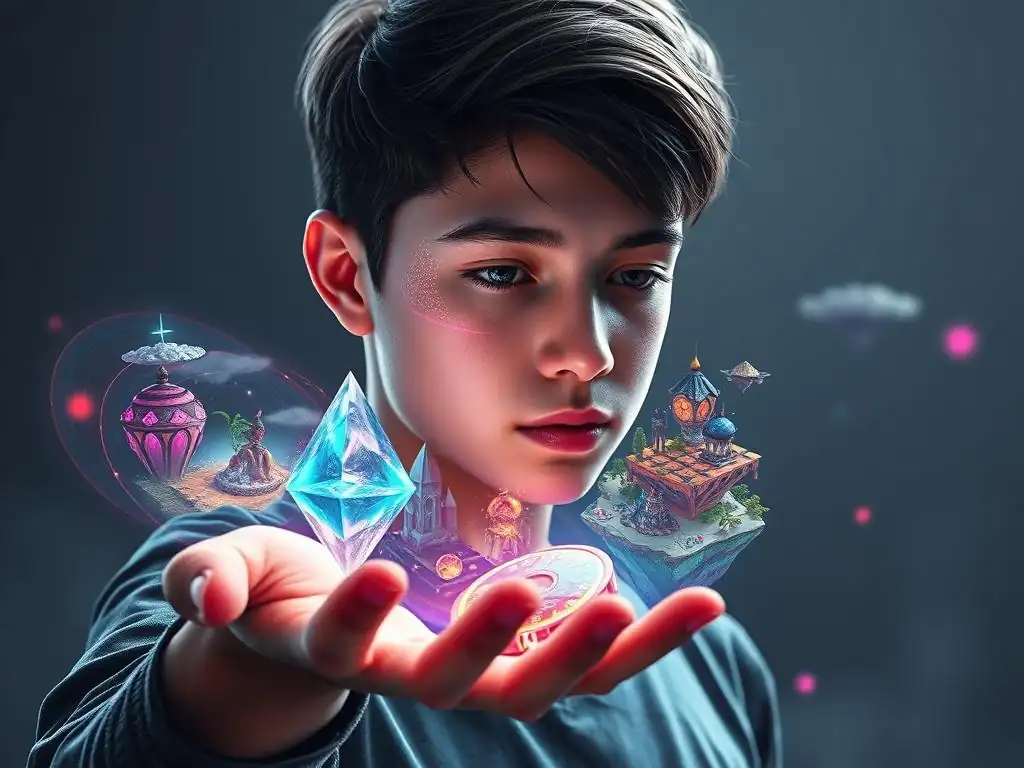
Welcome to Blockchain Trends, your portal to understanding the revolutionary impact of blockchain technology. Are you ready to dive into a world where digital assets truly empower players? This week, we're exploring how NFTs unlock metaverse gaming, offering unprecedented interoperability and ownership within immersive virtual worlds. Discover how these unique digital tokens are transforming the gaming landscape and paving the way for a truly decentralized future. What possibilities await when your in-game items transcend individual games? Read on to find out!
Digital Collectibles: Enabling Interoperable Gaming Worlds
- Introduction: Digital Collectibles Transforming Gaming Experiences
- Understanding Digital Collectibles and Their Role in Gaming
- The Promise of Interoperable Gaming Worlds
- Digital Collectibles Unlock Metaverse Gaming: Use Cases and Examples
- Challenges and Opportunities in Digital Collectibles-Driven Metaverse Gaming
- Case Study: Decentraland - A Model for Interoperable Gaming
- Building the Interoperable Gaming Metaverse: The Role of Developers
- The Impact of Digital Collectibles on the Gaming Industry
- Conclusion: Digital Collectibles Paving the Way for a Unified Metaverse Gaming Future
-
Frequently Asked Questions
- How do NFTs facilitate interoperability in metaverse gaming?
- What are the primary benefits of using NFTs in metaverse gaming for players?
- Beyond interoperability, what other advantages do NFTs bring to metaverse gaming?
- What are some potential challenges or concerns regarding the widespread adoption of NFTs in metaverse gaming?
- How is the regulatory landscape evolving concerning NFTs and metaverse gaming?
- Final Reflection: Unlocking the Metaverse Potential
- Unlock Your Metaverse Adventure Today!
Introduction: Digital Collectibles Transforming Gaming Experiences
Exploring the Intersection of Digital Collectibles and the Metaverse
The metaverse, a persistent, shared, 3D virtual world, is rapidly evolving from a futuristic concept to a tangible reality. At its core, the promise of the metaverse lies in seamless interoperability – the ability for users, assets, and experiences to move fluidly across different virtual environments. Digital collectibles, particularly Non-Fungible Tokens (NFTs), are emerging as a pivotal technology to realize this vision, especially within the gaming sector. They offer a unique mechanism to establish true ownership of digital assets, bridging the gap between disparate gaming worlds and fostering a more connected and user-centric metaverse experience.
The convergence of digital collectibles and the metaverse represents a paradigm shift in gaming. Traditionally, in-game assets are confined to the specific game in which they are acquired, lacking portability or real-world value outside of that ecosystem. Digital collectibles, secured by blockchain technology, transcend these limitations. They offer verifiable scarcity and ownership, allowing gamers to truly own their in-game items and potentially use them across various compatible metaverse gaming platforms. This unlocks new possibilities for player empowerment, cross-game economies, and a more unified and engaging gaming experience.
Why Digital Collectibles are Crucial for Interoperable Gaming Worlds
Interoperability within the metaverse, especially in gaming, faces significant challenges. Different game developers utilize proprietary systems, asset formats, and economies, creating walled gardens where in-game items and progress are locked. Digital collectibles, functioning as NFTs, provide a standardized and decentralized solution to break down these barriers. By representing in-game assets as unique, verifiable tokens on a blockchain, they create a common language that different gaming platforms can understand and interact with.
The crucial aspect of digital collectibles for interoperability is their inherent property of ownership and transferability. When a player owns an in-game asset represented by an NFT, that ownership is recorded on a public blockchain, independent of any single game developer. This allows for the potential for these assets to be recognized and utilized in other games or metaverse experiences that support the same NFT standards. This fundamental shift from platform-centric asset control to player-centric ownership is what makes digital collectibles the key to unlocking interoperable gaming worlds.
Understanding Digital Collectibles and Their Role in Gaming
What are Digital Collectibles? A Primer
Digital collectibles, in the context of blockchain and gaming, are essentially unique digital assets represented as Non-Fungible Tokens (NFTs). Unlike cryptocurrencies like Bitcoin, which are fungible (one Bitcoin is identical to another), NFTs are unique and indivisible. Each NFT represents a distinct digital item, whether it's a piece of art, a virtual land parcel, or an in-game character. This uniqueness is cryptographically secured on a blockchain, ensuring authenticity and verifiable ownership.
The technology underpinning digital collectibles relies on blockchain networks, primarily Ethereum, but also increasingly other blockchains like Polygon, Solana, and Flow, each offering different trade-offs in terms of transaction speed, cost, and scalability. NFTs store metadata that describes the digital asset they represent, and this metadata can point to files containing the visual or functional properties of the collectible. This combination of blockchain-based ownership and unique asset representation forms the foundation of digital collectibles and their burgeoning role in gaming and the metaverse.
How Digital Collectibles Enable True Digital Ownership in Games
Traditional gaming models often provide players with licenses to use in-game assets, but not true ownership. Game developers retain ultimate control and can modify, remove, or shut down games, potentially rendering players' investments and achievements worthless. Digital collectibles, through NFTs, fundamentally change this dynamic by granting players verifiable and immutable ownership of their in-game assets. Once an NFT is transferred to a player's wallet, it is theirs to control, trade, or use as they see fit, within the bounds of the NFT's utility and the platforms that recognize it.
This true digital ownership extends beyond mere possession. Because NFTs reside on a blockchain, their provenance and transaction history are transparent and auditable. This builds trust and security in the digital asset ecosystem, making it possible for players to confidently invest time and resources into acquiring and developing their digital collectible portfolios within games. This shift towards player-owned assets is a cornerstone of the decentralized gaming revolution, powered by digital collectibles.
The Benefits of Digital Collectibles-Based In-Game Assets
Digital collectibles offer a multitude of benefits for both players and game developers. For players, the primary advantage is true ownership, as previously discussed. This ownership translates into potential economic opportunities through trading, renting, or utilizing their assets across different platforms. For instance, a rare weapon acquired in one game, represented as a digital collectible, could potentially be sold on a secondary market or used in another compatible game, creating tangible value for the player's time and effort.
Game developers also stand to gain significantly. Digital collectibles can create new revenue streams through initial NFT sales and transaction fees on secondary marketplaces. They can also foster stronger player engagement and loyalty by empowering players and building more robust in-game economies. Furthermore, the interoperable nature of digital collectibles can attract a wider player base and create network effects, as players are incentivized to participate in ecosystems where their assets retain value and utility across multiple experiences.
The Promise of Interoperable Gaming Worlds
Defining Interoperability in the Metaverse
Interoperability in the metaverse, particularly in gaming, refers to the seamless exchange of data, assets, and experiences between different virtual worlds and platforms. Imagine a scenario where a player can use their avatar, purchased in one game, in another game, retaining its appearance and potentially even some of its functionalities. This level of interconnectedness is the core promise of an interoperable metaverse. It's about breaking down the silos between different virtual environments and creating a more unified and cohesive digital experience.
True interoperability goes beyond just visual representation. It encompasses the ability to transfer value, progress, and social connections across platforms. In a fully interoperable gaming metaverse, in-game currencies, items, and achievements earned in one game could potentially be recognized and utilized in others. This would foster a more persistent and rewarding metaverse experience, where players' efforts and investments are not confined to a single game or platform, but contribute to their overall metaverse identity and portfolio.
Why Interoperability is Essential for Metaverse Growth
Interoperability is not just a desirable feature for the metaverse; it is arguably essential for its long-term growth and mass adoption. Without interoperability, the metaverse risks becoming fragmented into isolated platforms, hindering its potential to become a truly interconnected and immersive digital realm. Imagine the internet if websites couldn't link to each other – its utility and appeal would be drastically diminished. Similarly, a non-interoperable metaverse would lack the network effects and seamless experiences necessary to attract and retain a large user base.
Interoperability fosters innovation and competition. When assets and users can move more freely between platforms, developers are incentivized to create higher-quality and more engaging experiences to attract and retain them. It also empowers users by giving them more choice and control over their digital assets and experiences. Ultimately, interoperability is crucial for creating a vibrant, dynamic, and truly open metaverse that benefits both users and creators alike.
Overcoming Silos: Digital Collectibles as Universal Gaming Assets
Digital collectibles, specifically NFTs, offer a powerful mechanism to overcome the siloed nature of current gaming platforms and move towards a more interoperable metaverse. By representing in-game assets as NFTs, developers can create assets that are no longer tied to a single game's ecosystem. These NFTs can exist independently on a blockchain, making them potentially portable and usable across different platforms that adhere to common NFT standards.
The key to realizing this vision lies in establishing open standards and protocols for digital collectibles. Initiatives like ERC-721 and ERC-1155 on Ethereum are examples of such standards, providing frameworks for creating and managing NFTs that are widely recognized and supported within the blockchain space. As more game developers adopt these standards and build interoperability into their platforms, digital collectibles will increasingly function as universal gaming assets, bridging the gaps between different metaverse experiences and creating a more unified and interconnected gaming landscape.
Digital Collectibles Unlock Metaverse Gaming: Use Cases and Examples
Digital Collectibles-Based Characters and Avatars: CryptoKitties and Axie Infinity
One of the earliest and most prominent use cases for digital collectibles in gaming is in the realm of characters and avatars. CryptoKitties, launched in 2017, demonstrated the potential of NFTs to represent unique digital cats that could be collected, bred, and traded. Each CryptoKitty was a unique NFT with distinct attributes, showcasing the concept of digital scarcity and ownership within a game. Although simple in gameplay, CryptoKitties highlighted the appeal of owning unique digital collectibles.
Axie Infinity, a more complex play-to-earn game, built upon this foundation. Axies, the game's creatures, are also NFTs, each with unique traits and battle capabilities. Players collect, breed, and battle Axies, earning cryptocurrency tokens in the process. Axie Infinity exemplifies how digital collectibles can form the core of a game's mechanics and economy, creating engaging gameplay loops centered around collecting, upgrading, and utilizing NFT-based characters. Both CryptoKitties and Axie Infinity demonstrate how NFTs unlock metaverse gaming by allowing players to truly own and trade their in-game characters.
In-Game Items and Equipment as Digital Collectibles: Trading and Utility
Beyond characters, digital collectibles are transforming the way in-game items and equipment are handled. Traditionally, virtual swords, armor, and potions are confined to the game they are acquired in. NFTs offer the potential to represent these items as unique digital collectibles that players can truly own and trade. This opens up new possibilities for player-driven economies and secondary markets for in-game assets.
Games like Gods Unchained, a trading card game, utilize NFTs to represent individual cards. Players can buy, sell, and trade these NFT cards on open marketplaces, creating a player-driven economy where the value of cards is determined by supply, demand, and in-game utility. This model extends beyond trading card games; MMORPGs and other game genres are exploring the use of NFTs for weapons, armor, resources, and other in-game items, allowing players to trade and potentially utilize these assets across different compatible metaverse games, further showcasing how NFTs unlock metaverse gaming economies.
Land Ownership and Virtual Real Estate in Metaverse Games
Virtual land ownership is another significant use case for digital collectibles in metaverse gaming. Platforms like Decentraland and The Sandbox utilize NFTs to represent parcels of virtual land within their metaverse worlds. These land NFTs grant owners control over their virtual space, allowing them to build experiences, host events, or even rent out their land to other users. This creates a digital real estate market within the metaverse, where land ownership is verifiable, tradable, and potentially valuable.
The scarcity of virtual land, ensured by the NFT representation, drives demand and creates economic opportunities. Landowners in Decentraland, for example, can monetize their land by creating and hosting games, art galleries, virtual shops, or social experiences. The value of these land NFTs can fluctuate based on location, utility, and overall metaverse activity. Virtual land ownership through digital collectibles is a crucial element in building persistent and player-driven metaverse worlds, highlighting how NFTs unlock metaverse gaming infrastructure and ownership.
Digital Collectibles-Enabled Game Economies: Play-to-Earn and Beyond
Digital collectibles are at the heart of the burgeoning play-to-earn gaming model. Games like Axie Infinity have demonstrated the potential for players to earn real-world income by playing games and participating in in-game economies centered around NFTs. By owning and trading digital collectibles, players can actively participate in the game's economy and potentially earn cryptocurrency tokens that can be exchanged for fiat currency.
This play-to-earn model is a significant departure from traditional gaming, where players primarily spend money on games. Digital collectibles create a circular economy where players can both invest and earn within the game ecosystem. Furthermore, the interoperable potential of digital collectibles could extend play-to-earn opportunities across multiple metaverse games. Imagine earning a rare resource in one game and being able to sell it or use it in another game to further progress or generate income. This interconnected economy, enabled by digital collectibles, is a key aspect of how NFTs unlock metaverse gaming and new economic models.
Challenges and Opportunities in Digital Collectibles-Driven Metaverse Gaming
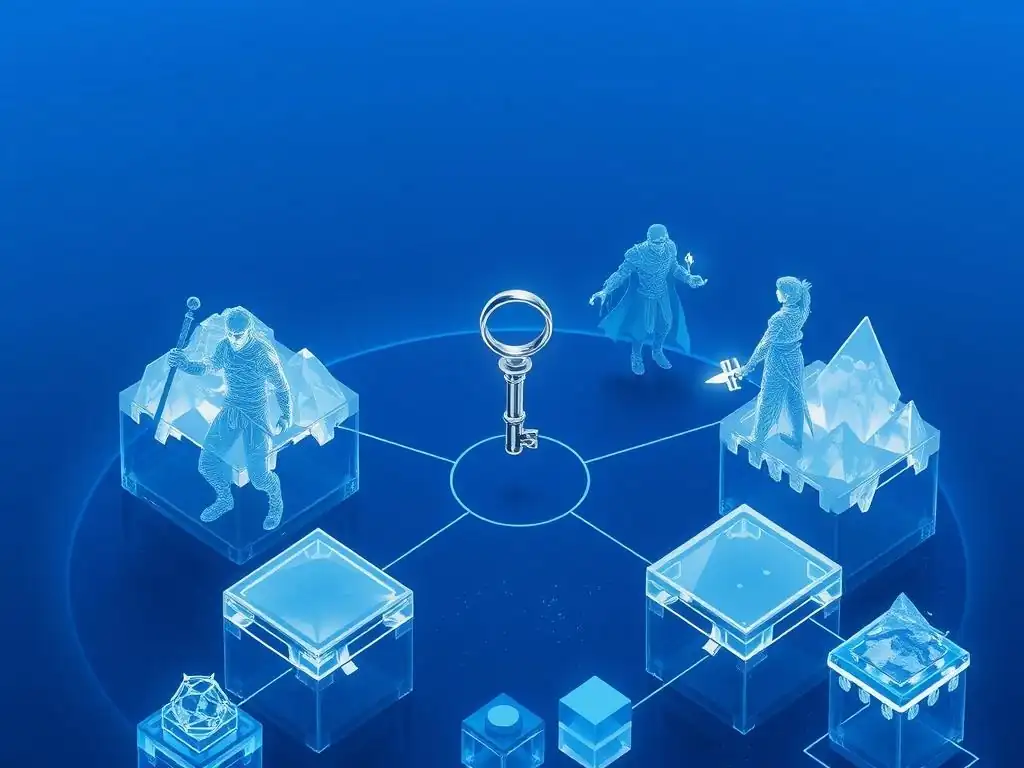
Scalability Issues and Blockchain Limitations
While digital collectibles offer immense potential, there are challenges to overcome, particularly concerning scalability and blockchain limitations. Many popular blockchains, like Ethereum, have faced congestion and high transaction fees, especially during periods of high demand. This can impact the usability and affordability of digital collectibles-based games, particularly for microtransactions and high-volume trading.
Layer-2 scaling solutions, such as Polygon and Optimism, are emerging to address these scalability issues. These solutions aim to increase transaction throughput and reduce fees while maintaining the security of the underlying blockchain. Furthermore, newer blockchains like Solana and Flow are designed with scalability in mind from the outset. Overcoming these scalability limitations is crucial for the widespread adoption of digital collectibles in metaverse gaming and ensuring a smooth and affordable user experience as NFTs unlock metaverse gaming potential.
Security Concerns and Digital Collectible Fraud Prevention
Security is a paramount concern in the digital collectible space. NFTs, while secure in their blockchain representation, are still vulnerable to phishing scams, wallet hacks, and marketplace vulnerabilities. Users need to be vigilant about securing their private keys and interacting with reputable platforms. Furthermore, issues of fraud, such as counterfeit NFTs or intellectual property infringement, need to be addressed to maintain trust and legitimacy within the digital collectible ecosystem.
Ongoing efforts are focused on improving security protocols, educating users about best practices, and developing tools to detect and prevent fraudulent activities. Marketplaces are implementing stricter verification processes, and blockchain technology itself is constantly evolving to enhance security. Addressing these security concerns is essential for fostering a safe and trustworthy environment for digital collectibles in metaverse gaming and ensuring that NFTs unlock metaverse gaming securely.
Regulatory Uncertainty Surrounding Digital Collectibles and Gaming
The regulatory landscape surrounding digital collectibles and blockchain gaming is still evolving and largely uncertain. Governments and regulatory bodies worldwide are grappling with how to classify and regulate NFTs and related activities. Issues such as taxation, securities laws, and consumer protection are being actively debated. This regulatory uncertainty can create challenges for game developers and players alike, potentially impacting the adoption and growth of digital collectibles in gaming.
Clear and well-defined regulations are needed to provide clarity and legitimacy to the digital collectible space. Industry stakeholders are actively engaging with regulators to educate them about the technology and advocate for sensible and innovation-friendly frameworks. Navigating this regulatory uncertainty is crucial for the long-term sustainability and mainstream adoption of digital collectibles in metaverse gaming as regulations shape how NFTs unlock metaverse gaming in the future.
The Future of Digital Collectibles in Metaverse Gaming: Innovations and Trends
Despite the challenges, the future of digital collectibles in metaverse gaming is bright and full of innovation. We are seeing trends like fractional NFTs, allowing shared ownership of high-value collectibles, and dynamic NFTs, which can evolve and change based on in-game events or external data. The utility of NFTs is expanding beyond mere ownership and trading, with functionalities like access passes, governance tokens, and in-game programmable logic being explored.
Cross-chain interoperability is another key trend, with efforts to bridge different blockchains and enable seamless transfer of NFTs across various networks. This will further enhance the interoperability of digital collectibles and their utility within the broader metaverse. As technology evolves and the metaverse matures, digital collectibles are poised to become even more integral to the gaming experience, unlocking new forms of player engagement, ownership, and economic opportunities as NFTs unlock metaverse gaming's next evolution.
Case Study: Decentraland - A Model for Interoperable Gaming
Overview of Decentraland
Decentraland is a pioneering example of a decentralized metaverse platform built on the Ethereum blockchain. It's a virtual world owned by its users, where land, avatars, and wearables are represented as NFTs. Decentraland provides a platform for users to create, experience, and monetize content and applications. It's governed by a Decentralized Autonomous Organization (DAO), giving users a voice in the platform's development and direction.
The platform is characterized by its open and decentralized nature. Users have full ownership of their digital assets and can freely trade them on open marketplaces. Decentraland showcases the potential of blockchain technology and digital collectibles to create user-centric metaverse experiences. It serves as a valuable case study for understanding the practical implications of interoperability and digital ownership in metaverse gaming and how NFTs unlock metaverse gaming experiences.
How Decentraland Leverages Digital Collectibles for Interoperability
Decentraland fundamentally leverages digital collectibles for interoperability within its own ecosystem. Land parcels, avatars, wearables, and even names are all represented as NFTs. This ensures that users have verifiable ownership and control over their digital assets within the Decentraland metaverse. While not directly interoperable with other gaming platforms in the traditional sense yet, Decentraland's internal system demonstrates a functioning model of interoperability based on NFTs.
Users can freely trade their Decentraland NFTs on secondary marketplaces, creating a player-driven economy for virtual assets. The platform also allows for the creation of custom avatars and wearables, which are also represented as NFTs, further enhancing user expression and ownership. Decentraland’s internal interoperability, built upon digital collectibles, provides a blueprint for how NFTs unlock metaverse gaming and create more cohesive virtual worlds.
Lessons Learned and Best Practices from Decentraland
Decentraland offers valuable lessons for developers looking to build interoperable metaverse gaming experiences using digital collectibles. One key lesson is the importance of open standards and decentralized governance. Decentraland's commitment to open standards and its DAO governance model have fostered a thriving community and a user-owned metaverse. Another lesson is the need for robust infrastructure and scalability solutions to support a large number of users and transactions.
Best practices derived from Decentraland include prioritizing user ownership, building transparent and auditable systems, and fostering a strong community around the platform. While Decentraland is still evolving, its experience provides valuable insights into the challenges and opportunities of building interoperable metaverse gaming experiences powered by digital collectibles and how NFTs unlock metaverse gaming in a decentralized manner.
Building the Interoperable Gaming Metaverse: The Role of Developers
Creating Digital Collectible Standards for Cross-Game Compatibility
Game developers play a crucial role in building an interoperable gaming metaverse by adopting and contributing to open digital collectible standards. Currently, different games may use proprietary NFT implementations, hindering cross-game compatibility. Establishing and adhering to common standards, similar to ERC-721 and ERC-1155 but potentially evolving further, is essential for enabling true interoperability.
Developers can collaborate on creating new standards that address specific needs of metaverse gaming, such as standardized metadata formats for game assets, protocols for cross-game asset recognition, and frameworks for interoperable in-game economies. By working together and embracing open standards, developers can pave the way for a more interconnected and user-centric gaming metaverse where NFTs unlock metaverse gaming through shared frameworks.
Integrating Digital Collectibles into Game Development Workflows
Integrating digital collectibles into game development workflows requires a shift in mindset and technical expertise. Developers need to learn how to design games around NFT-based assets, manage blockchain interactions, and implement secure and user-friendly wallet integrations. This involves incorporating blockchain development skills into game development teams and adopting new tools and technologies.
Game engines and development platforms are increasingly providing support for blockchain integration and NFT management. Tools and libraries are emerging to simplify the process of creating, deploying, and managing digital collectibles within games. As these tools become more mature and accessible, integrating digital collectibles into game development workflows will become more streamlined, making it easier for developers to leverage NFTs unlock metaverse gaming experiences.
Fostering Collaboration and Open-Source Initiatives
Collaboration and open-source initiatives are vital for driving the development of an interoperable gaming metaverse based on digital collectibles. Open-source projects can accelerate innovation by allowing developers to share code, knowledge, and best practices. Collaborative efforts, such as industry consortiums and working groups, can help establish common standards, address interoperability challenges, and promote the adoption of digital collectibles across the gaming industry.
By fostering a culture of collaboration and open-source development, the gaming industry can collectively build a more robust and interoperable metaverse ecosystem. Sharing resources, knowledge, and code will accelerate the progress of digital collectible technology and its integration into gaming, ultimately leading to a more open, user-owned, and interconnected gaming future where NFTs unlock metaverse gaming through collective efforts.
The Impact of Digital Collectibles on the Gaming Industry
Shifting Power to Players: Decentralized Gaming Models
Digital collectibles are driving a fundamental shift in power dynamics within the gaming industry, moving from centralized, developer-controlled models to decentralized, player-centric ecosystems. By granting players true ownership of in-game assets, NFTs empower them to participate in game economies, trade their assets, and even influence game development through decentralized governance mechanisms.
This shift towards decentralized gaming models aligns with the broader Web3 movement, which emphasizes user ownership, decentralization, and community governance. Digital collectibles are at the forefront of this revolution in gaming, creating new opportunities for player empowerment, economic participation, and a more equitable distribution of value within the gaming ecosystem as NFTs unlock metaverse gaming for players.
New Revenue Streams for Game Developers
While shifting power to players, digital collectibles also create new and potentially lucrative revenue streams for game developers. Initial NFT sales, secondary market transaction fees, and in-game economies powered by NFTs offer alternative monetization models beyond traditional game sales and in-app purchases. These new revenue streams can incentivize developers to create more engaging and player-centric games that leverage the benefits of digital collectibles.
Furthermore, the interoperable nature of digital collectibles can expand the reach and longevity of game assets. Assets created for one game could potentially retain value and utility across multiple metaverse experiences, creating a more sustainable and long-term revenue model for developers. By embracing digital collectibles, game developers can tap into new economic opportunities and build more resilient and player-driven game ecosystems as NFTs unlock metaverse gaming business models.
Transforming the Gaming Experience: Immersion and Engagement
Digital collectibles are not just about economics; they also have the potential to transform the gaming experience itself, enhancing immersion and engagement. True ownership of in-game assets creates a stronger sense of investment and attachment for players. Knowing that their virtual possessions are truly theirs and can potentially be traded or used across different games can significantly increase player engagement and loyalty.
Furthermore, the unique and collectible nature of NFTs can foster a sense of prestige and community around in-game assets. Rare and valuable digital collectibles can become status symbols and objects of desire within gaming communities, driving social interaction and competition. By enhancing ownership, immersion, and social engagement, digital collectibles are poised to revolutionize the gaming experience and create more compelling and rewarding virtual worlds as NFTs unlock metaverse gaming immersion and community.
Conclusion: Digital Collectibles Paving the Way for a Unified Metaverse Gaming Future
The Potential of Digital Collectibles to Unlock a Truly Interoperable Metaverse
Digital collectibles, particularly NFTs, hold immense potential to unlock a truly interoperable metaverse, especially within the gaming sector. They offer a decentralized and standardized mechanism to represent in-game assets, enabling true digital ownership, cross-game compatibility, and player-driven economies. While challenges remain in terms of scalability, security, and regulation, the progress and innovation in the digital collectible space are undeniable.
As technology evolves, standards mature, and developers embrace interoperability, digital collectibles are poised to become the foundation of a unified metaverse gaming future. They offer a path towards breaking down silos between gaming platforms, empowering players with true ownership, and creating more interconnected and engaging virtual worlds. The journey towards a fully interoperable metaverse is ongoing, but digital collectibles are undoubtedly paving the way as NFTs unlock metaverse gaming's potential.
The Future of Gaming is Decentralized, Player-Owned, and Digital Collectible-Driven
The future of gaming is increasingly looking decentralized, player-owned, and digital collectible-driven. The traditional gaming model is evolving towards a more user-centric paradigm where players have greater control, ownership, and economic participation. Digital collectibles are at the forefront of this transformation, driving innovation in game design, monetization models, and player engagement.
As the metaverse continues to develop and mature, digital collectibles will likely become even more integral to the gaming experience. They represent a fundamental shift towards a more open, equitable, and interconnected gaming ecosystem. The potential of NFTs to unlock metaverse gaming is vast, and the future promises a gaming landscape where players truly own their digital worlds and can seamlessly move between them, carrying their assets and identities with them in a unified and interoperable metaverse.
Frequently Asked Questions
How do NFTs facilitate interoperability in metaverse gaming?
NFTs act as unique, verifiable assets that can be recognized and used across different game worlds. This cross-platform compatibility allows players to seamlessly move their digital possessions between games. Ultimately, it unlocks true digital ownership.
What are the primary benefits of using NFTs in metaverse gaming for players?
Players gain ownership of in-game items, allowing them to trade, sell, or use them in other compatible environments. This creates new economic opportunities and enhances the overall gaming experience with increased player agency.
Beyond interoperability, what other advantages do NFTs bring to metaverse gaming?
NFTs introduce scarcity and provable authenticity to digital assets, enhancing their value and collectibility. They also enable innovative gameplay mechanics, such as play-to-earn models and decentralized governance, and empower new revenue streams for creators.
What are some potential challenges or concerns regarding the widespread adoption of NFTs in metaverse gaming?
Concerns include the environmental impact of certain blockchain technologies, the potential for market volatility and speculation, and the need for clear regulations to protect consumers from fraud and scams.
How is the regulatory landscape evolving concerning NFTs and metaverse gaming?
Regulatory bodies are beginning to address the legal and financial implications of NFTs. Issues like intellectual property rights, taxation, and consumer protection are being actively examined, but clear global standards are still lacking.
Final Reflection: Unlocking the Metaverse Potential
The journey through the evolving landscape of NFTs and their role in shaping metaverse gaming worlds reveals a profound truth: the potential for true interoperability is finally within reach. What was once a fragmented collection of isolated digital experiences is now coalescing into a unified ecosystem, powered by the unique ownership and portability that NFTs provide. This shift isn't just about gaming; it's about redefining digital ownership and identity in a way that transcends individual platforms.
The impact of this technological convergence is already being felt, influencing not only the gaming industry but also the broader cultural and social landscape. The ability to own and transfer digital assets seamlessly between virtual worlds represents a fundamental shift in how we interact with technology and each other. This paradigm shift is beautifully summarized by William Gibson: The future is already here – it's just not evenly distributed.
The metaverse, enabled by NFTs, is striving to distribute that future more equitably, empowering creators and players alike.
As we stand on the cusp of this new era, I invite you to consider the implications of this interconnected digital future. How will you leverage the power of NFTs to shape your own metaverse experience? What role will you play in building a more inclusive and interoperable digital world? The keys are in your hands; now, unlock the possibilities.
Unlock Your Metaverse Adventure Today!
Thank you for exploring the exciting potential of NFTs in shaping the future of interoperable gaming worlds. We hope you've gained valuable insights into how these digital assets are transforming the metaverse. Now, it's time to take action and become part of this innovative movement.
Are you ready to explore the possibilities?
- Mint your first NFT gaming asset! Start small, experiment, and discover the power of owning unique digital items.
- Join the discussion! Connect with other gamers and metaverse enthusiasts to share ideas and learn from one another.
- Explore different metaverse platforms and find games that use NFTs to enhance gameplay and ownership.
What unique gaming experience will you create with your NFTs? Let us know in the comments below!
Leave a Reply