
The Metaverse is Game Over? How Blockchain Gaming Will Reshape Virtual Worlds

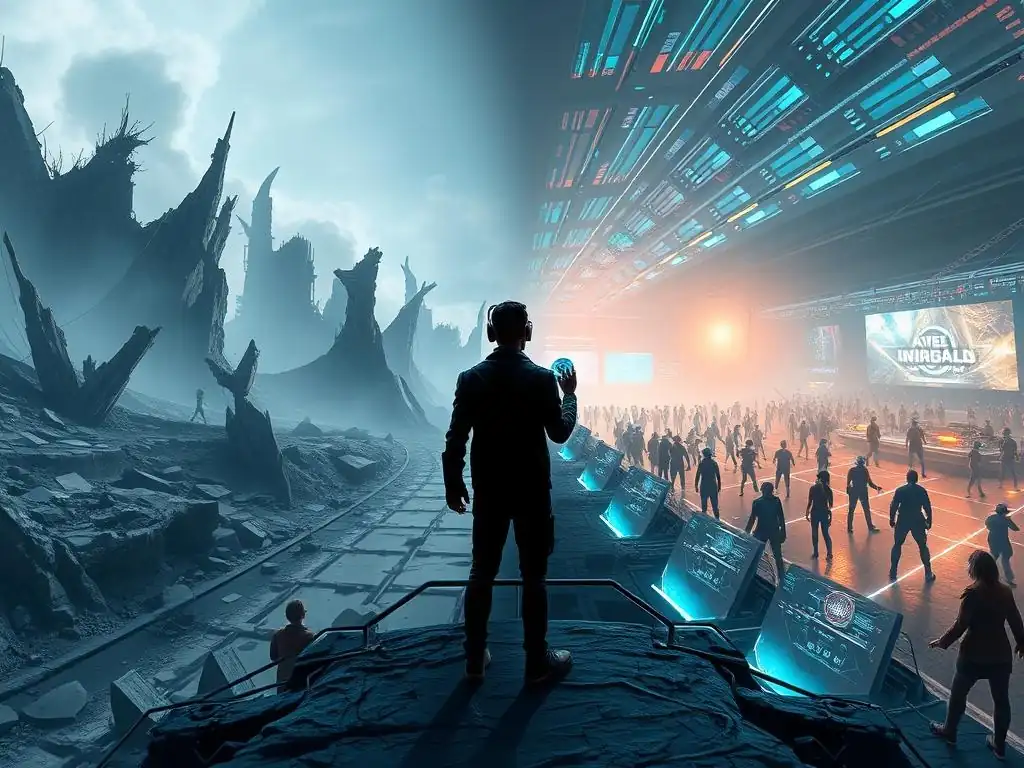
Welcome to Blockchain Trends, your guide to navigating the ever-evolving world of blockchain technology. Forget just cryptocurrencies – we're diving deep into DeFi, enterprise solutions, and the future of decentralized systems.
Intrigued by how blockchain is changing the gaming landscape? Then you're in the right place. Our latest article explores the blockchain gaming metaverse evolution, asking the big question: Can blockchain truly reshape virtual worlds, or is the metaverse already game over? Discover the potential, the challenges, and what's next. Read on to unlock the future of gaming!
The Metaverse: Reshaping Virtual Worlds Through Blockchain Gaming
- Introduction: The Evolution of the Metaverse and Blockchain Gaming
-
Frequently Asked Questions
- What is the main focus of the article "The Metaverse is Game Over? How Blockchain Gaming Will Reshape Virtual Worlds"?
- How does blockchain technology enhance the gaming experience within the metaverse?
- What are some potential enterprise applications of blockchain technology within the metaverse, beyond gaming?
- What are the key regulatory considerations surrounding blockchain gaming and the metaverse?
- How is the "Blockchain Gaming Metaverse Evolution" expected to impact the future of decentralized systems?
- Final Reflection: Embracing the Blockchain Gaming Metaverse Evolution
- Unleash Your Metaverse Mastery!
Introduction: The Evolution of the Metaverse and Blockchain Gaming
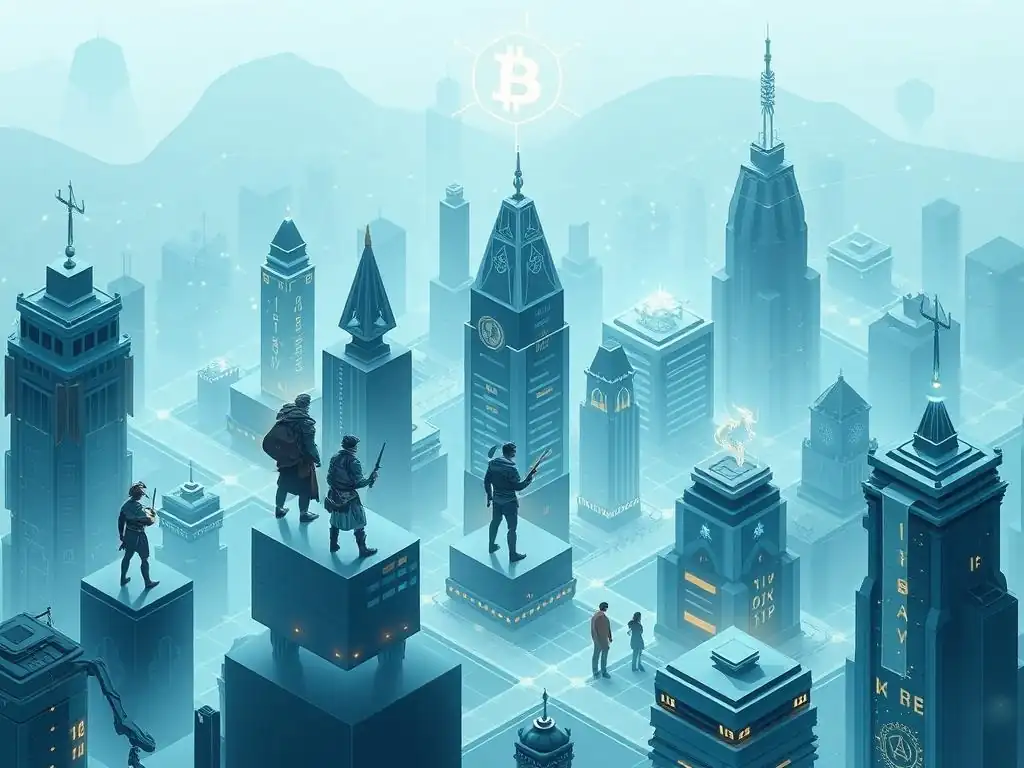
Metaverse Hype vs. Reality: Addressing the Disconnect
The concept of the metaverse, a persistent, shared, 3D virtual world, has captured the imagination of tech enthusiasts and investors alike. Fueled by significant investments from major tech companies and a surge in interest during the pandemic, the metaverse was initially presented as the next iteration of the internet, a seamless digital realm for work, social interaction, and entertainment. However, the initial hype surrounding the metaverse has encountered a reality check.
Many early metaverse platforms have struggled to achieve widespread adoption and sustained user engagement. Initial promises of immersive experiences have often fallen short, with fragmented platforms, limited interoperability, and a lack of compelling use cases beyond gaming contributing to a sense of disconnect between the envisioned future and the current reality.
This disconnect stems partly from the technological limitations of current metaverse iterations. Graphics can be underwhelming, virtual interactions can feel clunky, and the promised seamless transitions between experiences are often absent. Furthermore, the centralized nature of many metaverse platforms, controlled by single corporations, raises concerns about data privacy, user control, and the potential for monopolistic practices.
The initial vision of a decentralized and open metaverse, where users truly own their digital identities and assets, is often overshadowed by walled gardens controlled by proprietary interests. This gap between the initial promise and the current state necessitates a re-evaluation of the metaverse and a search for technologies that can truly unlock its potential.
Blockchain Gaming's Potential to Enhance Metaverse Experiences
Blockchain gaming emerges as a crucial element in bridging the gap between metaverse hype and reality. By integrating blockchain technology, particularly NFTs (Non-Fungible Tokens) and decentralized mechanisms, blockchain gaming offers solutions to many of the shortcomings plaguing traditional metaverse platforms. Unlike conventional gaming and metaverse experiences where digital assets are centrally controlled and lack real-world value, blockchain gaming empowers players with true ownership of their in-game items and currencies. This fundamental shift in ownership dynamics has the potential to revolutionize user engagement and create more robust and player-centric virtual economies within the metaverse.
Moreover, blockchain technology facilitates the creation of interoperable and decentralized metaverse experiences. NFTs can represent unique digital assets that are not confined to a single game or platform, enabling players to carry their avatars, items, and achievements across different virtual worlds. Decentralized governance models, often implemented through Decentralized Autonomous Organizations (DAOs), can empower communities to participate in the decision-making processes that shape metaverse platforms, fostering a sense of ownership and shared responsibility. By addressing issues of centralization, ownership, and interoperability, blockchain gaming is poised to inject new life and purpose into the metaverse concept.
Exploring the Evolution of Blockchain Gaming in the Metaverse
The evolution of blockchain gaming within the metaverse is a dynamic process, marked by experimentation and rapid innovation. Early blockchain games, often characterized by simple graphics and rudimentary gameplay, served as proof-of-concept for the potential of NFTs and play-to-earn mechanics. Games like CryptoKitties, while not strictly metaverse platforms, demonstrated the appeal of digital scarcity and collectible NFTs, paving the way for more complex blockchain gaming experiences. As technology matured, more sophisticated blockchain games began to emerge, incorporating richer gameplay, immersive worlds, and more intricate economic models.
The integration of blockchain gaming into the metaverse represents a significant step in this evolution. It's moving beyond simple collectible games to creating persistent, interactive virtual worlds where gaming is not just an activity but a core component of the metaverse experience.
Projects are now focusing on building metaverse platforms that are fundamentally underpinned by blockchain, allowing for user-owned digital assets to be seamlessly integrated into virtual environments, social interactions, and economic activities. This evolution is not merely about adding blockchain to existing gaming models; it's about fundamentally reshaping the metaverse into a more open, equitable, and user-driven space through the principles and technologies pioneered by blockchain gaming.
Frequently Asked Questions
What is the main focus of the article "The Metaverse is Game Over? How Blockchain Gaming Will Reshape Virtual Worlds"?
The article primarily focuses on how blockchain gaming is poised to reshape the metaverse, moving beyond current limitations and offering new possibilities. It explores the transformative potential of integrating blockchain technology into virtual worlds.
How does blockchain technology enhance the gaming experience within the metaverse?
Blockchain introduces decentralized ownership of in-game assets, allowing players to truly own their items. This fosters a more player-driven economy and enhances the value proposition of engaging with the metaverse.
What are some potential enterprise applications of blockchain technology within the metaverse, beyond gaming?
Beyond gaming, blockchain can facilitate secure digital identities, verifiable credentials, and streamlined supply chains within the metaverse. This offers new avenues for businesses to engage with customers in immersive virtual environments.
What are the key regulatory considerations surrounding blockchain gaming and the metaverse?
Regulatory bodies are grappling with issues like asset ownership, data privacy, and the prevention of illicit activities within blockchain-based virtual worlds. Clear and consistent regulations are crucial for sustainable growth and adoption.
How is the "Blockchain Gaming Metaverse Evolution" expected to impact the future of decentralized systems?
The evolution is expected to drive innovation in decentralized finance (DeFi), decentralized autonomous organizations (DAOs), and overall governance models. It will also showcase the potential of blockchain to create more equitable and transparent digital ecosystems.
Final Reflection: Embracing the Blockchain Gaming Metaverse Evolution
The journey we've explored through the evolving landscape of the metaverse and blockchain gaming culminates in a pivotal moment. The convergence of these technologies is not just a trend, but a fundamental shift in how we interact with virtual worlds, own digital assets, and participate in online communities. The potential for true ownership, decentralized governance, and player-driven economies within the metaverse is no longer a distant dream, but a rapidly approaching reality.
This evolution has profoundly impacted the cultural and social landscape, moving us closer to a future where digital experiences are more immersive, engaging, and empowering. The ability to truly own and control our digital identities and assets within these virtual worlds is a paradigm shift that will reshape how we perceive value and interact with each other online. The metaverse is coming, and it will touch every product, service, and industry.
- Mark Zuckerberg. This quote, while from a traditional tech perspective, underscores the undeniable momentum behind this evolution, even as blockchain gaming offers a fundamentally different, and arguably more empowering, vision.
As we stand on the cusp of this new era, I invite you to reflect on the possibilities that lie ahead. Consider how you can participate in shaping the blockchain gaming metaverse evolution, not just as a consumer, but as a creator, a builder, and a member of a decentralized community. Embrace the potential for innovation, collaboration, and empowerment that blockchain gaming offers, and let us collectively build a future where virtual worlds are truly owned and governed by their inhabitants.
Unleash Your Metaverse Mastery!
Thank you for exploring the future of blockchain gaming and its potential to transform virtual worlds. We hope you've gained valuable insights into how blockchain technology can redefine the metaverse experience. Now, it's time to take the next step and help shape that future.
Are you ready to elevate your involvement?
- Start playing a blockchain-based game and earn real-world rewards! This is the most direct way to experience the revolution in virtual worlds.
- Dive into the whitepapers of new blockchain gaming projects—you might just discover the next big innovation!
- Share this article with your gaming friends and ignite a conversation about the future of virtual worlds.
Which blockchain gaming projects are you most excited about? Share your thoughts in the comments below!
Leave a Reply