
The Metaverse is Not Just Gaming: Exploring Broader Applications of Blockchain in Virtual Worlds


Welcome to Blockchain Trends, your guide to navigating the ever-evolving world of decentralized technologies. Dive into our latest exploration of the transformative potential of blockchain, moving beyond cryptocurrency to uncover the exciting possibilities within the metaverse. Are you ready to discover the blockchain metaverse applications future trends that are reshaping virtual worlds and beyond? Let's unlock the future, together.
- Introduction: Beyond Play - Unveiling the Diverse Future of Blockchain in the Metaverse
- Blockchain Metaverse Applications: Beyond Entertainment
- Future Trends in Blockchain Metaverse Applications
- Conclusion: The Transformative Potential of Blockchain in Shaping the Metaverse's Future
-
Frequently Asked Questions
- What are some key applications of blockchain technology in the metaverse beyond gaming?
- How does blockchain contribute to creating a more secure and verifiable metaverse?
- What is the role of DeFi (Decentralized Finance) in the metaverse ecosystem?
- What are some of the regulatory challenges associated with blockchain-based metaverse applications?
- What are some future trends to watch in the realm of blockchain metaverse applications?
- Final Reflection: Embracing the Blockchain Metaverse
- Ignite Your Metaverse Journey!
Introduction: Beyond Play - Unveiling the Diverse Future of Blockchain in the Metaverse
The metaverse, once largely confined to the realm of science fiction and online gaming, is rapidly evolving into a multifaceted digital frontier. While initial conceptions often centered around immersive gaming experiences, the true potential of the metaverse extends far beyond entertainment.
At the heart of this expansion lies blockchain technology, acting as a foundational layer to enable a more secure, transparent, and user-centric virtual world. This article delves into the burgeoning landscape of blockchain metaverse applications, exploring how this revolutionary technology is poised to redefine digital interactions, commerce, identity, and governance in virtual environments, venturing far beyond the familiar territories of play.
The Metaverse Evolution: From Gaming Focus to a Wider Ecosystem
The initial allure of the metaverse was undeniably fueled by the gaming industry. Platforms like Second Life and massively multiplayer online role-playing games (MMORPGs) offered early glimpses into persistent virtual worlds, primarily focused on entertainment and social interaction within game-centric environments. However, the concept of the metaverse has matured significantly.
Today, the vision encompasses a far broader digital ecosystem, incorporating virtual and augmented reality, social media, e-commerce, and even enterprise solutions. This evolution is driven by advancements in technologies like virtual reality (VR), augmented reality (AR), and crucially, blockchain, which together are creating more immersive, interactive, and economically viable virtual spaces.
This shift from a gaming-centric focus to a wider ecosystem is being propelled by real-world demands and emerging trends. Businesses are exploring virtual spaces for remote collaboration, training simulations, and virtual storefronts. Social interactions are extending beyond simple gaming communities to encompass virtual events, concerts, and social gatherings.
Furthermore, the rise of digital ownership and creator economies, facilitated by blockchain, is empowering users to participate more actively in the metaverse's economic fabric. Industry analysts at companies like Gartner predict that by 2026, 25% of people will spend at least one hour a day in the metaverse for work, shopping, education, social media and/or entertainment, demonstrating a clear move beyond purely gaming applications.
Why Blockchain is Key to the Metaverse's Expansion: Security, Ownership, and Interoperability
Blockchain technology is not merely a supplementary feature of the metaverse; it is a critical enabler for its sustainable and decentralized growth. Its inherent characteristics of security, ownership, and interoperability are essential to address key challenges and unlock the full potential of virtual worlds. Traditional centralized metaverse platforms often suffer from issues related to data security breaches, lack of user control over digital assets, and limited interoperability between different virtual environments. Blockchain offers solutions to these problems, fostering a more robust and user-empowering metaverse experience.
Firstly, blockchain's cryptographic security provides a robust foundation for protecting user data and digital assets within the metaverse. By decentralizing data storage and transaction verification, blockchain minimizes the risks associated with centralized points of failure, making virtual environments more resistant to hacking and data manipulation. Secondly, blockchain's ability to establish verifiable digital ownership through NFTs (Non-Fungible Tokens) is revolutionizing the concept of digital assets in the metaverse.
Users can truly own their virtual land, avatars, and in-world items, fostering a creator economy and empowering individuals within virtual spaces. Finally, the promise of blockchain-based interoperability is crucial for creating a truly interconnected metaverse. By establishing open standards and protocols, blockchain can facilitate the seamless transfer of digital assets and identities between different virtual worlds, breaking down the silos that currently characterize many metaverse platforms and paving the way for a more unified and accessible metaverse experience.
Blockchain Metaverse Applications: Beyond Entertainment
Decentralized Commerce and E-commerce in Virtual Worlds
The metaverse is rapidly becoming a new frontier for commerce and e-commerce, extending beyond the traditional boundaries of physical storefronts and online marketplaces. Blockchain technology is playing a pivotal role in shaping this decentralized virtual economy, providing the infrastructure for secure transactions, verifiable ownership, and innovative business models within virtual worlds. This includes the emergence of NFT marketplaces within metaverses, virtual storefronts accepting cryptocurrency payments, and entirely new forms of digital asset exchange.
Secure Transactions with Blockchain: NFT-Based Ownership and Marketplace Integration
Blockchain's inherent security features are paramount for establishing trust and facilitating secure transactions in the metaverse's burgeoning digital economy. NFTs, underpinned by blockchain technology, are at the forefront of this revolution. They provide a unique and verifiable way to represent ownership of digital assets, ranging from virtual land and avatars to in-game items and digital art.
Metaverse marketplaces are increasingly integrating NFT technology to enable users to buy, sell, and trade these digital assets with confidence, knowing that ownership is securely recorded and verifiable on the blockchain. For example, platforms like Decentraland and The Sandbox utilize NFTs for land ownership, allowing users to purchase and develop virtual plots of land that are verifiably theirs, secured by the blockchain. This integration of blockchain-secured NFTs into metaverse marketplaces is fostering a more transparent and secure environment for virtual commerce.
The Rise of Metaverse Real Estate: Blockchain-Powered Land Ownership and Management
Virtual real estate within the metaverse is emerging as a significant asset class, attracting considerable investment and attention. Blockchain technology, particularly through NFTs, is fundamental to the concept of metaverse land ownership. NFTs provide a secure and transparent mechanism for representing and transferring ownership of virtual land parcels.
This allows users to buy, sell, and lease virtual land in a manner analogous to physical real estate, but with the added benefits of blockchain's immutability and transparency. Platforms like Cryptovoxels and Somnium Space are built upon this principle, offering limited parcels of virtual land represented as NFTs.
The value of these virtual land parcels is driven by factors such as location within the metaverse, proximity to popular areas, and potential for development. The blockchain-powered system ensures verifiable scarcity and ownership, contributing to the perceived value and investment potential of metaverse real estate, with sales of virtual land reaching millions of dollars in platforms like The Sandbox and Decentraland in 2021 and 2022.
Blockchain and Digital Identity Management in the Metaverse
Digital identity within the metaverse presents unique challenges and opportunities compared to traditional online identity systems. In immersive virtual worlds, users need to establish persistent and portable identities that can be used across different platforms and applications while maintaining privacy and security. Blockchain technology offers robust solutions for decentralized digital identity management in the metaverse, enabling verifiable credentials, secure data storage, and enhanced user control.
Verifiable Credentials and Secure Data Storage: Building Trust in Virtual Environments
Blockchain's decentralized and immutable nature makes it ideal for issuing and managing verifiable credentials within the metaverse. Users can obtain digital credentials, such as proof of skills, qualifications, or even reputation, which are securely stored on the blockchain and can be verified by third parties without relying on central authorities. This system enhances trust and transparency in virtual environments, allowing users to confidently interact and transact with each other based on verifiable information.
For instance, a user's educational qualifications or professional certifications could be issued as blockchain-based verifiable credentials, allowing them to seamlessly demonstrate their expertise in virtual work or educational settings within the metaverse. This reduces reliance on centralized identity providers and empowers users with greater control over their personal data.
Avatars and Identity Authentication: Blockchain's Role in User Verification
Avatars are central to identity representation in the metaverse. Blockchain can play a crucial role in securing avatar identity and enhancing user authentication processes. By associating avatars with blockchain-based identities, users can establish a persistent and verifiable presence across different metaverse platforms.
Furthermore, blockchain can be used to implement secure authentication mechanisms, such as cryptographic key pairs linked to avatars, to prevent identity theft and ensure that users are genuinely who they claim to be in virtual environments. Projects are emerging that explore the use of self-sovereign identity (SSI) solutions based on blockchain to give users complete control over their avatar identities and personal data within the metaverse. This includes the ability to selectively share verified attributes associated with their avatars while maintaining privacy and security, fostering a more trustworthy and user-centric metaverse identity system.
Blockchain-Enabled Governance and DAOs in Metaverse Platforms
Governance in metaverse platforms is a critical aspect of shaping their future development and ensuring fairness and equity for users. Traditional centralized governance models in virtual worlds often lack transparency and user participation. Blockchain technology, particularly through Decentralized Autonomous Organizations (DAOs), offers a pathway towards more decentralized and community-driven governance in the metaverse.
Decentralized Decision-Making: Shaping the Future of Virtual Worlds Through Community
DAOs, powered by blockchain smart contracts, enable decentralized decision-making processes within metaverse platforms. These organizations operate based on rules encoded in smart contracts, allowing community members to propose and vote on key decisions related to platform development, resource allocation, and policy changes. This empowers metaverse users to actively participate in shaping the future of the virtual worlds they inhabit, moving away from top-down, centralized control.
Platforms like Decentraland are experimenting with DAO governance, allowing LAND owners to vote on proposals related to platform upgrades and community initiatives. This shift towards decentralized decision-making fosters a sense of ownership and collective responsibility among metaverse users, leading to more community-driven and responsive virtual environments.
Transparency and Accountability: Ensuring Fair and Equitable Governance with Blockchain
Blockchain's inherent transparency and immutability are crucial for ensuring fair and equitable governance within metaverse platforms. All transactions and decisions made by a DAO are recorded on the blockchain, providing a publicly auditable and transparent record of governance processes. This enhances accountability and reduces the potential for manipulation or biased decision-making.
Furthermore, smart contract-based DAOs ensure that governance rules are consistently and automatically enforced, eliminating the need for intermediaries and reducing the risk of human error or corruption. The transparency and accountability offered by blockchain-enabled governance models are essential for building trust and fostering a sense of fairness within metaverse communities, promoting long-term sustainability and user engagement in these virtual worlds.
Enterprise Applications of Blockchain in the Metaverse
While the metaverse is often associated with consumer-facing applications, its potential for enterprise use is rapidly gaining recognition. Blockchain technology is enabling a range of enterprise applications within the metaverse, particularly in areas such as virtual collaboration, remote work, and digital asset management. These applications are poised to transform business operations and create new opportunities for productivity and efficiency in virtual environments.
Virtual Collaboration and Remote Work: Enhancing Productivity with Blockchain Tools
The metaverse offers immersive and interactive environments for virtual collaboration and remote work, going beyond traditional video conferencing and screen-sharing tools. Blockchain can enhance these virtual workspaces by providing secure and transparent platforms for team communication, project management, and digital asset sharing. Blockchain-based collaboration tools can ensure data integrity, track project milestones transparently, and facilitate secure communication channels within virtual work environments.
For example, blockchain-secured document sharing and version control systems within a metaverse workspace can enhance collaboration on sensitive projects, ensuring that all team members have access to the latest and verified information. This can lead to improved productivity, enhanced security, and more seamless remote work experiences in virtual environments.
Digital Asset Management for Businesses: Securing and Tracking Virtual Assets
Businesses are increasingly acquiring and managing digital assets, including virtual land, in-world items, and digital intellectual property within the metaverse. Blockchain technology provides robust solutions for securing and tracking these virtual assets, ensuring ownership verification and preventing unauthorized access or duplication. NFTs can be utilized by businesses to represent ownership of virtual assets, providing a tamper-proof record of ownership and provenance on the blockchain.
This is particularly relevant for businesses operating virtual storefronts or offering digital products within the metaverse. Blockchain-based digital asset management systems can enable businesses to securely track and manage their virtual inventory, protect their intellectual property, and ensure the authenticity of their digital offerings in virtual environments, mitigating risks and fostering trust with customers in the metaverse.
Future Trends in Blockchain Metaverse Applications
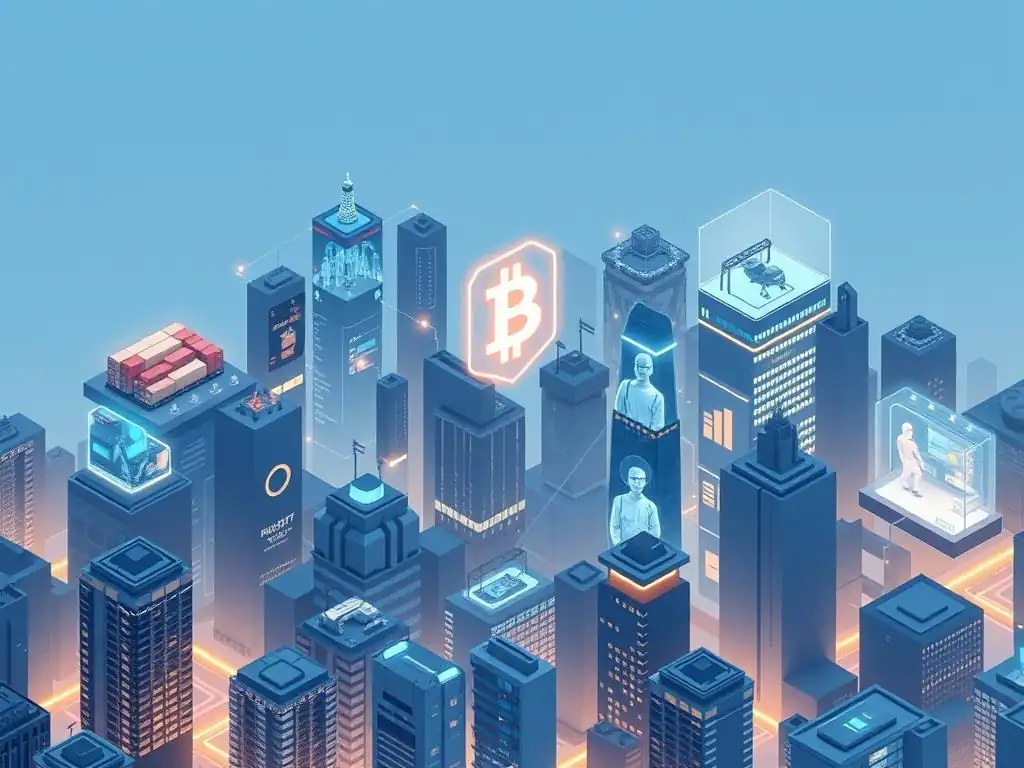
The Convergence of AI and Blockchain in Virtual Worlds
The future of blockchain metaverse applications is intricately linked to the ongoing advancements in Artificial Intelligence (AI). The convergence of AI and blockchain is poised to unlock new levels of intelligence, personalization, and automation within virtual worlds, enhancing user experiences and streamlining metaverse development. This synergy between AI and blockchain will drive innovation across various aspects of the metaverse, from avatar interactions to content creation.
Intelligent Avatars and Personalized Experiences: AI-Powered Blockchain Solutions
AI can empower avatars within the metaverse with enhanced intelligence and responsiveness, creating more engaging and personalized user experiences. AI-powered avatars can learn user preferences, adapt their interactions accordingly, and even provide personalized recommendations and assistance within virtual environments. Blockchain can play a crucial role in securing the data used to train these AI models and ensuring user privacy in the context of personalized avatar experiences.
Furthermore, blockchain-based identity solutions can be integrated with AI-powered avatars to create unique and verifiable digital personas that can seamlessly navigate different metaverse platforms while maintaining user control over their personal data. This convergence of AI and blockchain will lead to more sophisticated and user-centric avatar interactions, enriching the overall metaverse experience.
Automated Content Creation and Management: Streamlining Metaverse Development
Developing and managing content within the metaverse can be a resource-intensive and complex process. AI can automate various aspects of content creation, from generating 3D models and virtual environments to creating dynamic and interactive experiences. Blockchain can streamline the management and distribution of this AI-generated content, ensuring provenance tracking, intellectual property protection, and transparent monetization models.
For example, AI could be used to automatically generate virtual assets for metaverse marketplaces, with blockchain ensuring the authenticity and ownership of these AI-created digital goods. This synergy between AI and blockchain will accelerate metaverse development, reduce content creation costs, and foster a more vibrant and diverse ecosystem of virtual experiences.
Interoperability and Cross-Platform Compatibility: The Future of Seamless Metaverse Experiences
A truly interconnected and seamless metaverse experience hinges on interoperability and cross-platform compatibility. Currently, many metaverse platforms operate in silos, limiting the portability of digital assets and identities between different virtual worlds. Blockchain technology is essential for establishing interoperability standards and protocols that can bridge these gaps and create a more unified and accessible metaverse.
Blockchain-Based Interoperability Standards: Connecting Different Virtual Worlds
Blockchain can facilitate the development of open and decentralized interoperability standards for the metaverse. These standards can define protocols for transferring digital assets, identities, and data between different blockchain-based metaverse platforms. By adopting common interoperability standards, different virtual worlds can become more interconnected, allowing users to seamlessly move their avatars, digital assets, and social connections between various metaverse experiences.
Initiatives are emerging within the blockchain community to develop these interoperability standards, aiming to create a more open and unified metaverse where users are not locked into single platforms and can freely explore and interact across different virtual worlds. This will be crucial for realizing the full potential of the metaverse as a truly interconnected and global digital space.
Bridging the Gap Between Physical and Digital Worlds: Augmented Reality (AR) and Blockchain Integration
The integration of Augmented Reality (AR) with blockchain technology is poised to further blur the lines between the physical and digital worlds, extending the metaverse beyond purely virtual environments. AR overlays digital information and experiences onto the real world, and blockchain can provide the infrastructure for securing and managing digital assets and identities within AR applications.
For example, blockchain-secured NFTs could represent ownership of virtual objects or experiences anchored to specific physical locations, creating new forms of augmented reality commerce and interaction. Furthermore, blockchain-based identity solutions can enable seamless authentication and personalized experiences within AR environments, bridging the gap between the digital and physical realms and expanding the reach and impact of the metaverse into everyday life.
Regulatory Landscape and Challenges for Blockchain Metaverse Applications
As blockchain metaverse applications continue to evolve and gain mainstream adoption, regulatory frameworks and challenges are becoming increasingly important. Policymakers are grappling with issues related to data privacy, security, intellectual property protection, and financial regulations within these virtual worlds. Addressing these regulatory challenges is crucial for fostering responsible innovation and ensuring the long-term sustainability of the blockchain metaverse.
Data Privacy and Security Concerns: Addressing the Risks of Virtual Data Collection
Metaverse platforms collect vast amounts of user data, including personal information, behavioral patterns, and even biometric data in immersive VR/AR environments. Data privacy and security concerns are paramount in this context. Blockchain-based solutions, such as decentralized identity management and privacy-preserving technologies, can help mitigate these risks by empowering users with greater control over their data and enhancing data security within the metaverse.
However, clear regulatory frameworks are needed to define data privacy standards and ensure that metaverse platforms comply with user rights and data protection regulations. This includes addressing issues related to data collection transparency, user consent, and data breach accountability in the unique context of immersive virtual environments.
Intellectual Property Protection in the Metaverse: Enforcing Ownership Rights with Blockchain
Intellectual property (IP) protection in the metaverse is a complex and evolving area. While blockchain-based NFTs can help establish ownership of digital assets, enforcing IP rights and preventing infringement in virtual worlds presents new challenges. Regulatory frameworks are needed to clarify how existing IP laws apply to the metaverse and to establish effective mechanisms for enforcing ownership rights and addressing IP disputes in virtual environments.
This includes considering issues such as copyright protection for virtual creations, trademark enforcement for virtual brands, and patent protection for metaverse-related technologies. Clear legal frameworks and effective enforcement mechanisms are crucial for fostering innovation and protecting creators' rights within the burgeoning blockchain metaverse.
Conclusion: The Transformative Potential of Blockchain in Shaping the Metaverse's Future
Summarizing the Key Blockchain Metaverse Applications and Their Impact
Blockchain technology is undeniably a cornerstone of the evolving metaverse, extending its reach far beyond its initial gaming-centric focus. From decentralized commerce and virtual real estate to secure digital identity management and community-driven governance through DAOs, blockchain applications are fundamentally reshaping the fabric of virtual worlds. These applications are not just incremental improvements; they represent a paradigm shift towards a more user-centric, secure, and transparent metaverse experience. The integration of blockchain is empowering individuals with true digital ownership, fostering creator economies, and enabling new forms of social interaction and economic activity within virtual environments.
The Future of Virtual Worlds: Blockchain as the Foundation for a Decentralized and Open Metaverse
Looking ahead, the future of virtual worlds is inextricably linked to the continued development and adoption of blockchain technology. As AI and blockchain converge, and interoperability standards emerge, we can expect to see even more sophisticated and interconnected metaverse experiences.
Blockchain's inherent properties of security, transparency, and decentralization are not just technological advantages; they are foundational principles for building a more open, equitable, and user-empowering metaverse. By embracing blockchain, the metaverse has the potential to evolve into a truly transformative digital frontier, impacting not only entertainment and social interaction but also commerce, work, education, and governance, ultimately shaping a new era of digital existence built on decentralized foundations.
Frequently Asked Questions
What are some key applications of blockchain technology in the metaverse beyond gaming?
Blockchain in the metaverse extends beyond gaming to include areas like digital asset ownership, decentralized commerce, and identity management. These uses establish a foundation for a more secure and user-centric virtual world.
How does blockchain contribute to creating a more secure and verifiable metaverse?
Blockchain provides immutable records and cryptographic security, ensuring data integrity and verifiable ownership of digital assets within the metaverse. This helps combat fraud and build trust.
What is the role of DeFi (Decentralized Finance) in the metaverse ecosystem?
DeFi protocols enable seamless financial transactions within the metaverse, allowing users to lend, borrow, and trade digital assets without intermediaries. This fosters a vibrant virtual economy.
What are some of the regulatory challenges associated with blockchain-based metaverse applications?
Regulatory bodies are grappling with issues surrounding data privacy, consumer protection, and cross-border transactions in the metaverse. Establishing clear legal frameworks is crucial for responsible innovation.
What are some future trends to watch in the realm of blockchain metaverse applications?
Expect to see advancements in interoperability between virtual worlds, enhanced user experiences through AR/VR integration, and the growing adoption of blockchain-based governance models within metaverse communities.
Final Reflection: Embracing the Blockchain Metaverse
The exploration of blockchain's potential within the metaverse transcends mere technological advancement; it represents a fundamental shift in how we interact, transact, and build communities in digital spaces. The convergence of blockchain and the metaverse is no longer a futuristic fantasy but a rapidly evolving reality, impacting industries from education and healthcare to real estate and entertainment, demanding a proactive understanding of its implications.
This journey into the blockchain metaverse has underscored the transformative power of decentralized technologies in shaping our digital future. Witnessing the burgeoning ecosystems and innovative applications has been both inspiring and humbling, reinforcing the belief that the metaverse, powered by blockchain, holds the key to unlocking unprecedented levels of user autonomy and economic opportunity. The metaverse is coming, and it will affect every product, company, and person that we know.
- Matthew Ball, Metaverse Expert. This quote encapsulates the pervasive influence the blockchain metaverse will have on our lives.
As we stand on the cusp of this digital revolution, I invite you to consider your role in shaping the blockchain metaverse. How can you leverage these emerging technologies to create more equitable, transparent, and engaging experiences? The future of the metaverse is not predetermined; it is being built, brick by digital brick, by each of us. Let us embrace the potential of blockchain to build a metaverse that empowers individuals, fosters innovation, and enriches the human experience.
Ignite Your Metaverse Journey!
Thank you for exploring the exciting possibilities beyond gaming in the metaverse. We hope this article has inspired your imagination and helped you understand how blockchain can shape these virtual worlds. Now, it's time to take the next step!
Here's how you can get involved:
- Start by acquiring a digital asset within a metaverse platform. This hands-on experience will give you valuable insights into ownership and value creation.
- Share this article with your network on social media and encourage others to explore the broader applications of blockchain in the metaverse. Let's foster a larger conversation!
- Review the developer documentation for popular metaverse platforms. Understanding the technology can help you envision and even create future applications.
What blockchain application within the metaverse excites you the most, and how do you see it influencing our lives in the future? Share your thoughts in the comments below!
Leave a Reply