
NFT Gaming for Beginners: Getting Started with PlaytoEarn and Digital Assets

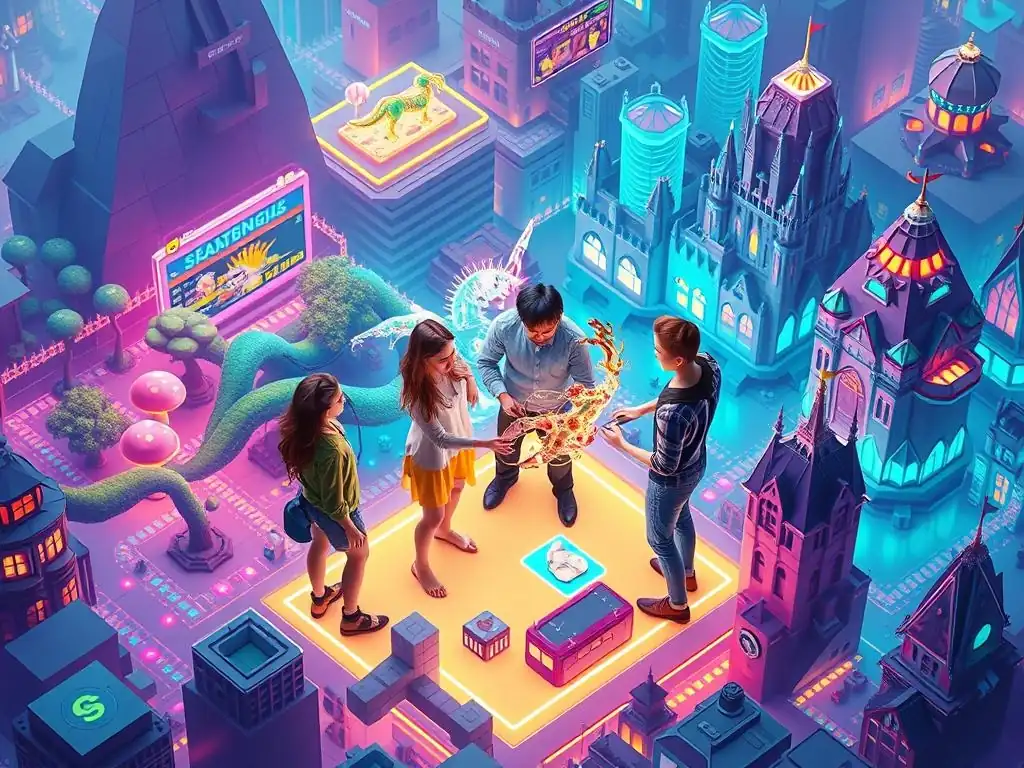
Welcome to Blockchain Trends, your guide to understanding the revolutionary power of blockchain technology.
Intrigued by the possibilities beyond cryptocurrency? Then you've come to the right place. We delve into DeFi, enterprise applications, regulation, and the future of decentralized systems. If you're ready to dive into the world of blockchain and gaming, our NFT gaming beginner’s guide is the perfect starting point. Uncover the secrets of play-to-earn and digital assets, and discover how you can get involved! What are you waiting for?
NFT Gaming for Beginners: Getting Started with Play-to-Earn and Digital Assets
- Introduction to NFT Gaming: A Beginner's Guide to Play-to-Earn
- Essential Concepts for NFT Gaming Beginners
- Getting Started with NFT Games: A Step-by-Step Guide
- Exploring Different Types of NFT Games
- Maximizing Earnings in Play-to-Earn Games
- Risks and Considerations in NFT Gaming
- NFT Gaming Resources for Beginners
- The Future of NFT Gaming: What to Expect
- Conclusion: Embracing NFT Gaming
-
Frequently Asked Questions
- What exactly is NFT gaming, and how does it differ from traditional gaming?
- What are the main benefits of participating in NFT gaming?
- What are some popular NFT games that are beginner-friendly?
- What do I need to get started with NFT gaming, including wallets and marketplaces?
- What are the potential risks involved in NFT gaming, and how can I mitigate them?
- Final Reflection: Embracing the Dawn of Digital Ownership
- Unleash Your Inner Gamer: Dive into the NFT Revolution!
Introduction to NFT Gaming: A Beginner's Guide to Play-to-Earn
What is NFT Gaming and Why is it Gaining Popularity?
NFT gaming represents a revolutionary shift in the video game industry, merging the entertainment of gaming with the principles of blockchain technology and non-fungible tokens (NFTs). In essence, NFT gaming involves video games that incorporate NFTs as in-game assets. These assets can range from characters and weapons to virtual land and cosmetic items.
What distinguishes NFT gaming from traditional gaming is the true ownership it grants to players. Unlike conventional in-game items that reside solely within the game's ecosystem and are controlled by the game developers, NFTs are owned by the players themselves. This ownership is verifiable on the blockchain, providing a transparent and secure record of possession.
The surge in popularity of NFT gaming can be attributed to several factors, primarily the concept of "play-to-earn" (P2E). This model allows players to earn cryptocurrency and NFTs through gameplay, effectively turning their gaming time into a potential source of income.
The allure of earning real-world value while engaging in entertainment has attracted a diverse audience, from traditional gamers seeking new experiences to individuals looking for alternative income streams, particularly in regions where traditional employment opportunities may be limited. Furthermore, the speculative nature of NFTs, where digital assets can appreciate in value, adds another layer of excitement and potential profitability, driving further interest in this burgeoning sector.
The Intersection of Blockchain, NFTs, and Gaming
The synergy between blockchain, NFTs, and gaming is the foundation of this innovative gaming paradigm. Blockchain technology acts as the underlying infrastructure, providing a decentralized and secure ledger for recording transactions and verifying ownership of digital assets. NFTs, built upon this blockchain, are the digital representations of unique in-game items. Their non-fungible nature ensures that each NFT is distinct and irreplaceable, much like a unique piece of art or a collectible trading card. This scarcity and verifiable ownership are crucial for creating a digital economy within games.
Gaming acts as the engaging interface that brings these technologies to life for a wider audience. By embedding blockchain and NFTs within familiar game mechanics, developers are making these complex technologies more accessible and understandable. Players interact with NFTs through gameplay, earning, trading, and utilizing them within the game world.
For example, in a game like Axie Infinity, players use NFT creatures called Axies to battle and earn Smooth Love Potion (SLP) tokens, which are cryptocurrencies. This integration creates a circular economy where in-game actions translate into tangible digital assets and potential financial rewards, blurring the lines between entertainment and investment.
Understanding the Play-to-Earn (P2E) Model
The Play-to-Earn (P2E) model is a fundamental departure from traditional gaming's pay-to-play or free-to-play structures. In traditional models, players might spend money on games or in-game items, but these assets typically hold no value outside the game itself. P2E flips this paradigm by rewarding players for their time and skill investment within the game. Players can earn cryptocurrency tokens and NFTs through various in-game activities such as winning battles, completing quests, breeding and trading digital assets, or contributing to the game's ecosystem.
The value proposition of P2E is compelling. Instead of simply consuming entertainment, players can actively participate in a digital economy and potentially generate income. For instance, players in games like Splinterlands earn DEC (Dark Energy Crystals) tokens by winning ranked battles and completing daily quests.
These DEC tokens can then be traded on cryptocurrency exchanges for other cryptocurrencies or fiat currency. The P2E model incentivizes player engagement and contribution, fostering vibrant in-game economies and communities. However, it's important to note that the sustainability and profitability of P2E models are complex and depend on factors such as game design, tokenomics, and overall market conditions.
Essential Concepts for NFT Gaming Beginners
NFTs (Non-Fungible Tokens) Explained: A Simple Definition
NFTs, or Non-Fungible Tokens, are digital assets designed to represent ownership of unique items. Think of them as certificates of authenticity for digital collectibles. The term "non-fungible" means that each token is unique and not interchangeable. This contrasts with "fungible" tokens, like Bitcoin or Ethereum, where one unit is identical and interchangeable with another. If you trade one Bitcoin for another, you still have the same value and type of asset. However, if you trade one NFT for another, you are exchanging entirely distinct assets with potentially different values and characteristics.
NFTs utilize blockchain technology to record and verify ownership. When an NFT is created, or "minted," it is assigned a unique identifier and its ownership is recorded on the blockchain. This record is immutable and transparent, ensuring that ownership can be easily verified and cannot be tampered with.
In the context of NFT gaming, NFTs represent in-game items like characters, weapons, land, or cosmetic enhancements. Because they are NFTs, players have verifiable ownership of these items, which can be traded, sold, or used across different platforms or games, depending on their interoperability. This true digital ownership is a core concept that distinguishes NFT gaming from traditional gaming.
Blockchain Technology and Its Role in NFT Games
Blockchain technology is the foundational infrastructure that enables NFT gaming. At its core, a blockchain is a distributed, immutable ledger that records transactions across a network of computers. This decentralized nature is key to the security and transparency of NFT gaming.
Instead of relying on a central authority to manage in-game assets, blockchain distributes this responsibility across numerous participants, making it significantly more resistant to fraud and manipulation. Every transaction involving NFTs in a game, such as buying, selling, or transferring them, is recorded as a "block" of data on the blockchain, linked chronologically to previous blocks, forming a "chain."
In NFT games, blockchain serves several crucial functions. Firstly, it ensures the verifiable scarcity and ownership of NFTs, as explained previously. Secondly, it facilitates secure and transparent transactions of NFTs and in-game cryptocurrencies.
When a player buys an NFT on a marketplace, the blockchain records the transaction, transferring ownership from the seller to the buyer in a secure and auditable manner. Thirdly, blockchain can enable interoperability between different games or platforms in the future. Imagine owning an NFT sword in one game and being able to use it in another compatible game – this is the potential that blockchain unlocks for digital asset ownership and utility across the metaverse.
Digital Wallets: Your Gateway to NFT Gaming
Digital wallets are essential tools for anyone venturing into NFT gaming. Think of a digital wallet as your bank account for the crypto world. It allows you to store, manage, and transact with cryptocurrencies and NFTs.
Unlike traditional wallets that hold physical currency, digital wallets store your private keys – cryptographic codes that grant you access to your digital assets on the blockchain. It's crucial to understand that your NFTs and cryptocurrencies are not actually stored in the wallet itself, but rather on the blockchain. The wallet provides the interface and security to interact with your assets on the blockchain.
For NFT gaming, you'll typically need a cryptocurrency wallet that supports the blockchain on which the game is built. Many NFT games are based on the Ethereum blockchain, and a popular wallet for interacting with Ethereum-based NFTs and games is MetaMask. MetaMask is a browser extension and mobile app that allows you to connect to decentralized applications (dApps), including NFT games, and manage your Ethereum-based assets.
Alternatives to MetaMask include Trust Wallet, another mobile wallet supporting multiple blockchains, and Coinbase Wallet, a user-friendly wallet connected to the Coinbase exchange. Setting up a digital wallet is usually the first step in getting started with NFT gaming, as it provides the means to acquire, store, and utilize your in-game NFTs and cryptocurrencies.
Gas fees are a crucial concept to understand when participating in NFT gaming, especially on blockchains like Ethereum. Gas fees are essentially transaction fees paid to the blockchain network to process and validate transactions. These fees are necessary to incentivize miners (or validators in Proof-of-Stake systems) to expend computational resources to include your transaction in a block on the blockchain. Without gas fees, there would be no incentive for network participants to maintain the blockchain, potentially leading to network congestion and slow transaction processing.
Gas fees are typically paid in the native cryptocurrency of the blockchain being used; for Ethereum, gas fees are paid in ETH (Ether). The amount of gas required for a transaction depends on the complexity of the transaction and the current network congestion. During periods of high network activity, such as during popular NFT drops or game launches, gas fees can surge significantly.
For NFT gamers, gas fees are relevant when buying, selling, or transferring NFTs, as well as when performing certain in-game actions that involve blockchain transactions, such as minting new NFTs or claiming rewards. Understanding gas fees is important for budgeting your NFT gaming activities and choosing the optimal times to perform transactions, potentially avoiding peak hours when fees are higher.
Getting Started with NFT Games: A Step-by-Step Guide
Step 1: Choosing an NFT Game: Genre and Investment Level
The first step in your NFT gaming journey is selecting a game that aligns with your interests and risk tolerance. The NFT gaming landscape is diverse, offering games across various genres, from collectible card games and strategy games to virtual world metaverses and role-playing games. Consider your preferred game genres – are you drawn to strategic depth, fast-paced action, or immersive storytelling? Exploring different genres will help you find games you genuinely enjoy playing, which is crucial for long-term engagement and potential earnings.
Beyond genre, assess the investment level required for different NFT games. Some games require a significant upfront investment to purchase initial NFTs needed to play, such as characters or land plots. For example, games like The Sandbox often involve purchasing LAND NFTs to participate fully. Other games might offer more accessible entry points, allowing players to earn starting NFTs through gameplay or offering lower-cost entry-level NFTs.
Consider your budget and how much you are willing to invest initially. Researching the game's ecosystem, tokenomics, and community sentiment can provide valuable insights into its potential and sustainability before committing financially. Look for games with active communities and transparent development teams, as these are often indicators of a healthier and more reliable project.
Step 2: Setting Up a Digital Wallet: MetaMask and Alternatives
Setting up a digital wallet is a fundamental step to participate in NFT gaming. As previously mentioned, MetaMask is a widely used and recommended wallet, particularly for games on the Ethereum blockchain, and increasingly for other blockchains like Polygon and Binance Smart Chain (BSC). To set up MetaMask, you can install the browser extension from the official MetaMask website or download the mobile app.
During the setup process, you will be guided to create a new wallet and will be provided with a "seed phrase" or "recovery phrase." This phrase is extremely important as it is the master key to your wallet. Store it securely offline, as anyone with access to your seed phrase can control your wallet and assets.
Once MetaMask is installed and set up, you'll need to configure it to connect to the correct blockchain network for the game you've chosen. For Ethereum-based games, MetaMask is usually configured to the Ethereum Mainnet by default. If the game is on another blockchain, like Polygon or BSC, you'll need to manually add the network details to MetaMask.
This process typically involves adding the network name, RPC URL, chain ID, and currency symbol in the MetaMask settings. Alternatives to MetaMask, such as Trust Wallet and Coinbase Wallet, offer similar functionalities and may be preferred by some users based on their user interface or blockchain support. Regardless of the wallet you choose, ensure it is compatible with the blockchain and NFTs used by your chosen NFT game.
Step 3: Acquiring NFTs: Buying, Earning, or Minting
Once you have a digital wallet set up, the next step is acquiring the NFTs necessary to play your chosen game. There are primarily three ways to obtain NFTs in NFT games: buying them from marketplaces, earning them through gameplay, or minting them directly. Buying NFTs is the most direct method and involves purchasing them from NFT marketplaces like OpenSea, Magic Eden, or in-game marketplaces. These marketplaces act as platforms for buying and selling NFTs, often using cryptocurrencies like ETH, SOL, or game-specific tokens.
Earning NFTs through gameplay is a core aspect of the P2E model. Many NFT games reward players with NFTs for completing tasks, winning battles, or achieving certain milestones. These earned NFTs can then be used within the game, traded, or sold on marketplaces. Minting NFTs refers to creating new NFTs directly from the game or project.
Some games allow players to mint NFTs using in-game resources or tokens. For example, in some games, you might breed two existing NFT characters to mint a new, unique NFT character. The method of acquiring NFTs will depend on the specific game and its mechanics. Some games might focus more on earning NFTs through gameplay, while others might rely heavily on marketplace purchases for initial NFT acquisition.
Step 4: Understanding Game Economics and Earning Mechanics
Before diving deep into gameplay, it's crucial to understand the game's economics and earning mechanics. Each NFT game has its own unique economic system, often involving one or more in-game cryptocurrencies and a variety of NFTs. Understanding the tokenomics – the supply, distribution, and utility of the game's tokens – is essential for assessing the potential for earning and the sustainability of the game's economy. Games often have utility tokens, used for in-game transactions and rewards, and governance tokens, which may grant holders voting rights in the game's development and direction.
Earning mechanics vary significantly between games. Some games focus on skill-based gameplay, where earnings are primarily derived from winning battles or competitions. Others might emphasize resource management, land ownership, or crafting and trading NFTs. Familiarize yourself with the specific earning methods within your chosen game. This could involve reading the game's whitepaper or documentation, exploring community guides, or watching tutorials. Understanding how to earn effectively and efficiently within the game is key to maximizing your play-to-earn potential. Consider factors like the time investment required to earn, the potential risks involved, and the overall sustainability of the game's economic model.
Step 5: Connecting Your Wallet and Starting Gameplay
The final step before embarking on your NFT gaming adventure is connecting your digital wallet to the game platform and starting gameplay. Most NFT games require you to connect your digital wallet to their website or game application to verify ownership of your NFTs and facilitate in-game transactions. This connection process typically involves visiting the game's website and clicking a "Connect Wallet" button. You will then be prompted to select your wallet provider (e.g., MetaMask) and authorize the connection. Ensure you are connecting to the official game website to avoid phishing scams.
Once your wallet is connected, the game will recognize your NFTs and cryptocurrency balances. You can then start playing the game according to its specific mechanics. This might involve setting up your in-game profile, configuring your NFT characters or assets, and beginning the gameplay tutorial or first missions.
As you play, you'll interact with the game's economy, earn rewards, and potentially acquire more NFTs. Remember to start with smaller investments and gradually increase your involvement as you become more familiar with the game and its ecosystem. Engage with the game's community, participate in discussions, and stay informed about updates and changes to the game's mechanics and economy to enhance your NFT gaming experience.
Exploring Different Types of NFT Games
Collectible NFT Games: Building Digital Collections
Collectible NFT games tap into the inherent human desire to collect rare and valuable items, but in the digital realm. These games often revolve around acquiring, trading, and showcasing collections of unique NFTs, which can be digital cards, characters, artwork, or virtual items. The appeal lies in the scarcity and uniqueness of these digital collectibles, with some NFTs attaining significant value due to their rarity, aesthetic appeal, or in-game utility. Early examples like CryptoKitties, where players collected and bred digital cats, demonstrated the potential of collectible NFT games.
More recent examples include Sorare, a fantasy sports game where players collect digital trading cards of real-world soccer players. These cards are NFTs and can be used to build teams and compete in tournaments, with top-performing players earning rewards. The value of Sorare cards is tied to the real-world performance of the represented players, creating a dynamic and engaging collectible experience.
Another example is Parallel, a sci-fi trading card game where players build decks of NFT cards and battle against each other. Collectible NFT games often feature intricate artwork, lore, and community-driven marketplaces, fostering a vibrant ecosystem for collectors and traders. The focus is often less on complex gameplay mechanics and more on the thrill of discovery, rarity, and the potential appreciation of digital collectibles.
Strategy NFT Games: Mastering Gameplay for Rewards
Strategy NFT games blend strategic gameplay with the principles of play-to-earn, rewarding players for their skill, planning, and tactical decision-making. These games often involve complex economies, resource management, and player-versus-player (PvP) combat, where strategic acumen is key to success and earning rewards. Axie Infinity, one of the pioneers of NFT gaming, exemplifies this genre. Players breed, battle, and trade NFT creatures called Axies, earning Smooth Love Potion (SLP) tokens through gameplay and strategic battles. The game requires strategic team composition and skillful execution in turn-based battles.
Another example is Alien Worlds, a DeFi metaverse where players compete for resources on different planets using NFT tools. The game involves strategic land ownership, mining operations, and governance participation through planetary DAOs (Decentralized Autonomous Organizations). Strategy NFT games often feature intricate economic systems, requiring players to understand market dynamics, resource allocation, and strategic alliances to maximize their earnings.
The gameplay is typically more involved and demanding compared to collectible games, appealing to players who enjoy strategic depth and competitive environments. Success in strategy NFT games is often directly correlated to player skill and strategic prowess, making them appealing to competitive gamers seeking play-to-earn opportunities.
Metaverse NFT Games: Immersing in Virtual Worlds
Metaverse NFT games offer immersive virtual worlds where players can own land, build structures, create experiences, and interact with other players, all within a decentralized, blockchain-based environment. These games leverage NFTs to represent ownership of virtual land, avatars, and in-world items, empowering players to shape and contribute to the metaverse. Decentraland is a prominent example, a decentralized virtual world where users can buy, sell, and develop virtual LAND NFTs. Players can create virtual businesses, host events, showcase digital art, and socialize within Decentraland.
The Sandbox is another popular metaverse NFT game, allowing users to create and monetize voxel-based assets and gaming experiences on virtual LAND NFTs. Players can design games, build virtual storefronts, and create interactive experiences within The Sandbox. Metaverse NFT games often emphasize user-generated content and community-driven economies. The value proposition extends beyond play-to-earn, encompassing digital ownership, creative expression, and participation in virtual societies. These games are evolving into persistent virtual worlds where players can build digital identities, engage in virtual commerce, and explore new forms of social interaction and digital ownership.
Role-Playing (RPG) NFT Games: Embarking on Adventures
Role-Playing (RPG) NFT games combine the immersive storytelling and character progression of traditional RPGs with the play-to-earn mechanics and digital ownership of NFTs. These games often feature rich narratives, character customization, quests, and player-versus-environment (PvE) or PvP combat, where players can earn NFTs and cryptocurrency rewards through their in-game adventures. Ember Sword is an upcoming blockchain-based MMORPG (Massively Multiplayer Online Role-Playing Game) where players can own land, craft items, and participate in a player-driven economy. The game emphasizes skill-based combat and a vast open world to explore.
Another example is Illuvium, an open-world RPG adventure game built on the Ethereum blockchain. Players explore a visually stunning alien world, collect and battle creatures called Illuvials (NFTs), and participate in a player-driven marketplace. RPG NFT games aim to blend engaging gameplay with meaningful digital ownership, allowing players to earn rewards while immersing themselves in rich game worlds and character progression.
The integration of NFTs can enhance the RPG experience by providing true ownership of in-game characters, items, and achievements, fostering deeper player engagement and investment in the game world. As the NFT gaming space matures, RPGs are poised to become a prominent genre, offering both entertainment and play-to-earn opportunities.
Maximizing Earnings in Play-to-Earn Games

Strategies for Earning In-Game Tokens
Maximizing earnings in play-to-earn (P2E) games requires a strategic approach that goes beyond simply playing the game. Understanding the game's earning mechanics is paramount. Identify the most efficient and profitable activities within the game. This might involve focusing on specific quests, game modes, or in-game tasks that offer the highest token rewards per time invested. For example, in Axie Infinity, focusing on completing daily quests and efficiently battling in the Adventure mode can be a consistent source of SLP tokens.
Time management is crucial. P2E games often reward consistent engagement. Establish a regular playing schedule to maximize your daily or weekly earning potential. Some games offer daily quests or rewards that reset, incentivizing regular play. Skill development is also essential.
In skill-based P2E games, improving your gameplay proficiency can directly translate to higher earnings. Practice and master the game's mechanics, strategies, and meta to outperform other players and secure better rewards in competitive modes. Finally, staying updated on game updates and changes is vital. P2E game economies are dynamic, and developers often adjust earning rates, tokenomics, or gameplay mechanics. Adapting to these changes and adjusting your strategies accordingly is crucial for maintaining and maximizing your earning potential.
Trading and Selling NFTs: Understanding Marketplaces
Trading and selling NFTs is a significant avenue for maximizing earnings in NFT gaming. NFT marketplaces, such as OpenSea, Magic Eden, Rarible, and in-game marketplaces, serve as platforms for buying and selling in-game NFTs. Understanding how these marketplaces function and how to effectively trade NFTs is key to profiting from your digital assets. Familiarize yourself with different marketplace features, such as listing NFTs for sale, bidding on auctions, and understanding transaction fees.
Market research is crucial before trading NFTs. Analyze the demand and prices of different NFTs within the game's ecosystem. Identify NFTs that are in high demand or have the potential to appreciate in value. Rarity, utility, and aesthetic appeal often influence NFT prices. Consider the game's meta and how changes in gameplay or updates might affect the value of certain NFTs.
Timing is also important in NFT trading. Market trends can fluctuate rapidly, and understanding market cycles can help you buy low and sell high. Monitor market activity, community sentiment, and upcoming game events that might impact NFT prices. Active participation in the game's community and marketplace can provide valuable insights and opportunities for profitable NFT trading.
Participating in Guilds and Communities
Joining guilds and communities within NFT games can significantly enhance your earning potential and overall gaming experience. Guilds, often referred to as clans or teams, are groups of players who collaborate and support each other within a game. Participating in guilds can unlock access to exclusive game content, cooperative gameplay modes, and shared resources that can boost individual earnings. Many guilds in P2E games pool resources, share knowledge, and strategize collectively to maximize their collective earning potential.
Communities, often found on platforms like Discord, Telegram, and social media, provide valuable information, support, and networking opportunities. Active participation in game communities allows you to stay informed about game updates, strategies, and market trends. You can learn from experienced players, ask questions, and gain insights that can improve your gameplay and earning strategies. Communities also often facilitate NFT trading and lending, creating opportunities to borrow or rent NFTs to enhance your gameplay or generate passive income. Networking within communities can also lead to collaborations, partnerships, and access to exclusive opportunities within the NFT gaming ecosystem.
Understanding Staking and Yield Farming
Staking and yield farming are more advanced strategies within the NFT gaming space that can generate passive income from your digital assets. Staking typically involves locking up your cryptocurrency tokens or NFTs to support the operation of a blockchain network or game ecosystem. In return for staking, you earn rewards, often in the form of additional tokens or NFTs.
Some NFT games allow players to stake their in-game tokens or even NFTs to earn passive income. For example, you might stake your game's governance token to earn a percentage of the game's revenue or stake LAND NFTs in a metaverse to earn rental income.
Yield farming is a more complex strategy that involves lending or depositing your cryptocurrency tokens into decentralized finance (DeFi) platforms to earn interest or rewards. While less directly integrated into all NFT games, yield farming can be used to generate returns on the cryptocurrency tokens you earn from P2E games. By depositing your game tokens into DeFi platforms, you can potentially earn higher yields than simply holding them.
However, staking and yield farming involve risks, including smart contract risks, impermanent loss, and the volatility of cryptocurrency prices. Thoroughly research and understand the risks involved before participating in staking or yield farming activities. These strategies can be powerful tools for maximizing earnings but require a deeper understanding of DeFi principles and risk management.
Risks and Considerations in NFT Gaming
The Volatility of NFT Prices
The NFT market, including NFT gaming assets, is known for its inherent volatility. NFT prices can fluctuate dramatically and rapidly, influenced by factors such as market sentiment, project hype, game popularity, and broader cryptocurrency market trends. The value of NFTs is often speculative, driven by perceived scarcity, utility, and community demand. This speculative nature can lead to significant price swings, both upwards and downwards. An NFT that is highly valuable today could potentially lose significant value tomorrow if market sentiment shifts or the game's popularity declines.
For NFT gamers, this volatility presents both opportunities and risks. While there is potential for significant gains by trading or selling NFTs at opportune times, there is also the risk of incurring losses if NFT prices decline after purchase. The value of in-game tokens earned through P2E games can also be volatile, as cryptocurrency prices are subject to market fluctuations.
It's crucial to approach NFT gaming with an understanding of this volatility and manage your risk accordingly. Avoid investing more than you can afford to lose, and diversify your NFT portfolio across different games and assets to mitigate risk. Conduct thorough research before investing in any NFT game or asset, and be prepared for potential price fluctuations.
Security Risks and Asset Protection
Security is a paramount concern in the NFT gaming space. As digital assets with real-world value, NFTs and cryptocurrency wallets are attractive targets for hackers and scammers. Phishing scams are prevalent, where malicious actors attempt to trick users into revealing their wallet private keys or seed phrases. Always verify the authenticity of websites and links before connecting your wallet or entering sensitive information. Never share your seed phrase with anyone, as it is the master key to your wallet. Store your seed phrase securely offline, ideally in a physical location that is protected from unauthorized access.
Smart contract vulnerabilities are another security risk in NFT gaming. NFTs and game mechanics are often governed by smart contracts – self-executing code on the blockchain. If these smart contracts contain vulnerabilities, they can be exploited by hackers to steal NFTs or cryptocurrency. Choose NFT games from reputable developers with a strong track record of security and audits of their smart contracts.
Wallet security is also crucial. Use strong passwords and consider enabling two-factor authentication for your wallet. Hardware wallets, such as Ledger or Trezor, offer an extra layer of security by storing your private keys offline, making them less susceptible to online attacks. Be vigilant, stay informed about common security threats, and take proactive steps to protect your NFT gaming assets.
Understanding the Regulatory Landscape
The regulatory landscape surrounding NFTs and cryptocurrency, including NFT gaming, is still evolving and varies significantly across jurisdictions. Governments and regulatory bodies worldwide are grappling with how to classify and regulate these emerging technologies. The legal status of NFTs, their tax implications, and the regulatory requirements for NFT gaming platforms are still being defined in many regions. This regulatory uncertainty can create risks and challenges for NFT gamers and developers.
Depending on your jurisdiction, earnings from NFT gaming and trading may be subject to taxation. It's essential to understand the tax regulations in your country regarding cryptocurrency and NFT gains and comply with applicable tax laws. Regulatory actions could potentially impact the NFT gaming industry. Changes in regulations could affect the legality of certain game mechanics, the operation of marketplaces, or the accessibility of NFT games in certain regions.
Stay informed about regulatory developments in your jurisdiction and globally. Follow reputable news sources and legal experts in the cryptocurrency and NFT space to stay abreast of regulatory changes that could impact NFT gaming. Be aware that the regulatory landscape is dynamic, and it's crucial to adapt to evolving regulations.
Identifying and Avoiding Scam Projects
The rapid growth and hype surrounding NFT gaming have unfortunately attracted scam projects and malicious actors seeking to exploit unsuspecting users. Identifying and avoiding scam projects is crucial to protecting your investments and ensuring a safe NFT gaming experience. Red flags to watch out for include projects with anonymous or poorly documented teams, unrealistic promises of high returns, and aggressive marketing tactics that create a sense of urgency. Lack of transparency regarding the game's development, tokenomics, and roadmap is also a warning sign.
Conduct thorough due diligence before investing in any NFT game project. Research the team behind the project, their experience, and their track record. Look for projects with transparent and publicly known teams. Examine the game's whitepaper, tokenomics, and roadmap. Assess the game's design, gameplay mechanics, and long-term sustainability.
Check for community engagement and sentiment. A healthy and active community is often a positive indicator. Be wary of projects that solely rely on hype and speculation without demonstrating genuine game development or utility. Seek opinions from trusted sources and experienced NFT gamers before investing in new projects. Remember that "if it sounds too good to be true, it probably is" applies strongly to the NFT gaming space.
NFT Gaming Resources for Beginners
NFT Gaming Marketplaces: OpenSea and Alternatives
NFT gaming marketplaces are essential platforms for buying, selling, and trading in-game NFTs. OpenSea is the largest and most well-known NFT marketplace, supporting a vast range of NFTs across various blockchains, including Ethereum, Polygon, and Solana. OpenSea offers a comprehensive platform with a wide selection of NFT games and assets. It features robust search filters, analytics, and tools for managing your NFT portfolio. However, OpenSea is not the only option, and several alternatives cater to specific blockchains or game ecosystems.
Magic Eden is a popular marketplace, particularly for Solana-based NFTs, including a growing number of Solana NFT games. Magic Eden is known for its user-friendly interface and lower transaction fees compared to Ethereum-based marketplaces. Rarible is another established NFT marketplace that supports multiple blockchains and focuses on creator empowerment. Rarible allows creators to customize their NFT minting and sales processes.
In addition to these general marketplaces, many NFT games also have their own dedicated in-game marketplaces, often offering a more curated selection of game-specific NFTs. Exploring different marketplaces and understanding their features and fees can help you find the best platforms for your NFT gaming needs. Consider factors such as blockchain support, transaction fees, user interface, and NFT selection when choosing a marketplace.
Essential Tools for Tracking NFT Portfolios
Managing and tracking your NFT gaming portfolio can become complex as you acquire more NFTs across different games and marketplaces. NFT portfolio tracking tools help you organize, monitor, and analyze your NFT holdings in one place. These tools typically connect to your digital wallet and provide a consolidated view of your NFT assets, their current market value, and transaction history. Zerion is a popular portfolio tracker that supports multiple blockchains and provides comprehensive portfolio analytics for both NFTs and cryptocurrency holdings. Zerion allows you to track your portfolio performance, view NFT floor prices, and monitor market trends.
Nansen is a more advanced analytics platform that offers detailed NFT market data, whale tracking, and smart money insights. While Nansen is a paid service, it provides valuable data for serious NFT traders and investors. DappRadar is another useful platform for tracking NFT collections and game rankings. DappRadar provides data on NFT sales volume, market capitalization, and active users for various NFT projects and games.
Simpler portfolio trackers, often offered by wallet providers like MetaMask or Trust Wallet, provide basic portfolio overview within the wallet interface. Choosing the right NFT portfolio tracking tool depends on your needs and level of involvement in NFT gaming and trading. For beginners, free tools like Zerion or wallet-integrated trackers can be sufficient, while more advanced users might benefit from the detailed analytics offered by platforms like Nansen.
Following Key Influencers and Communities
Staying informed in the rapidly evolving NFT gaming space is crucial, and following key influencers and communities can be a valuable resource. NFT gaming influencers on platforms like Twitter, YouTube, and Twitch provide insights, reviews, and analysis of new games, trends, and market opportunities. These influencers often share their gameplay experiences, strategies, and opinions on different NFT games, helping you discover new projects and learn from experienced players. Identify reputable and knowledgeable influencers who provide unbiased and informative content. Be cautious of influencers who solely promote specific projects without critical analysis.
Joining NFT gaming communities on platforms like Discord, Telegram, and Reddit is equally important. These communities are hubs for discussions, information sharing, and networking with other NFT gamers. Participating in communities allows you to ask questions, share your experiences, and learn from the collective knowledge of the community.
Game-specific communities are particularly valuable for getting game-specific tips, strategies, and updates directly from developers and other players. General NFT gaming communities provide broader market insights and discussions on industry trends. Engaging with communities helps you stay connected to the pulse of the NFT gaming space, identify emerging trends, and make more informed decisions in your NFT gaming journey.
The Future of NFT Gaming: What to Expect
The Evolution of Play-to-Earn Models
The Play-to-Earn (P2E) model in NFT gaming is constantly evolving, and we can expect to see further refinements and innovations in the future. Early P2E models have faced criticism regarding sustainability and potential for exploitation, with some games experiencing token inflation and economic imbalances. Future P2E models are likely to focus on more balanced and sustainable tokenomics, incorporating mechanisms to control inflation, incentivize long-term player engagement, and reward skilled gameplay over simply time investment.
We may see a shift towards "Play-and-Earn" or "Play-to-Own" models, emphasizing enjoyable gameplay as the primary driver, with earning opportunities integrated more organically and sustainably. These models might prioritize rewarding skill, creativity, and community contribution, rather than solely relying on time-based rewards. Expect to see more diverse earning mechanics beyond simple gameplay rewards, such as content creation incentives, governance participation rewards, and opportunities to earn from contributing to the game's ecosystem. The evolution of P2E models will likely focus on creating more robust and player-centric economies that are both engaging and sustainable in the long term.
The Integration of NFTs into Traditional Gaming
The integration of NFTs into traditional gaming is a significant trend to watch. While initially met with mixed reactions from traditional gamers, the potential benefits of NFTs, such as true digital ownership and player-driven economies, are becoming increasingly recognized by game developers. We can expect to see more traditional gaming studios exploring ways to incorporate NFTs into their games, potentially in ways that enhance player experience without disrupting established gameplay models. This integration might initially focus on cosmetic items, collectibles, or player-generated content, gradually expanding to more core gameplay elements as acceptance grows.
The potential for interoperability of NFTs across different games and platforms could also bridge the gap between NFT gaming and traditional gaming. Imagine owning a rare skin or weapon NFT that you can use across multiple games – this interoperability could create new value propositions for digital assets and incentivize wider adoption of NFTs in gaming. The integration of NFTs into traditional gaming is likely to be a gradual process, but it has the potential to reshape the gaming landscape and create new opportunities for both players and developers.
The Impact of NFT Gaming on Blockchain
NFT gaming is poised to have a significant impact on the broader blockchain ecosystem. As one of the most engaging and consumer-facing applications of blockchain technology, NFT gaming has the potential to drive mainstream adoption of blockchain and cryptocurrencies. The accessibility and entertainment value of games can onboard a wider audience to blockchain technology, beyond purely financial use cases. The success of NFT games can increase awareness, understanding, and acceptance of blockchain among the general public.
NFT gaming also drives innovation and development within the blockchain space. The demands of NFT games, such as scalability, low transaction fees, and user-friendly interfaces, push the boundaries of blockchain technology and incentivize the development of more efficient and accessible blockchain solutions. The growth of NFT gaming can also attract more developers, investors, and entrepreneurs to the blockchain ecosystem, fostering further innovation and growth. As NFT gaming continues to evolve and mature, it is likely to play a crucial role in shaping the future of blockchain technology and its broader adoption across various industries.
Conclusion: Embracing NFT Gaming
Recap of Key Concepts and Steps
NFT gaming represents a paradigm shift in the gaming industry, empowering players with true digital ownership and play-to-earn opportunities. For beginners, understanding core concepts like NFTs, blockchain technology, digital wallets, and gas fees is essential. Getting started involves choosing a game that aligns with your interests and risk tolerance, setting up a digital wallet, acquiring initial NFTs, understanding the game's economics, and connecting your wallet to begin gameplay. Exploring different types of NFT games, from collectible and strategy games to metaverse and RPG experiences, allows you to find genres that suit your preferences.
Maximizing earnings in P2E games requires strategic gameplay, NFT trading, community participation, and potentially exploring advanced strategies like staking and yield farming. However, it's crucial to be aware of the risks associated with NFT gaming, including NFT price volatility, security threats, regulatory uncertainty, and scam projects. Utilizing available resources, such as NFT marketplaces, portfolio trackers, and community channels, can enhance your NFT gaming journey. The future of NFT gaming is promising, with evolving P2E models, integration into traditional gaming, and a significant impact on blockchain adoption.
Final Thoughts on Potential and Challenges
NFT gaming holds immense potential to revolutionize the gaming industry and create new opportunities for players and developers alike. The promise of true digital ownership, player-driven economies, and play-to-earn models is compelling and has the potential to transform how we interact with and value digital assets. However, the NFT gaming space is still nascent and faces challenges. Sustainability of P2E economies, security risks, regulatory uncertainties, and the need for more user-friendly experiences are ongoing challenges that the industry must address.
For beginners, approaching NFT gaming with a balanced perspective is crucial. Start with research, understand the risks involved, and invest responsibly. Focus on games you genuinely enjoy playing, and view play-to-earn as a potential benefit rather than the sole driver. Engage with communities, stay informed, and adapt to the evolving landscape of NFT gaming. Despite the challenges, the potential of NFT gaming to create more engaging, rewarding, and player-centric gaming experiences is undeniable, making it an exciting and transformative space to watch and participate in.
Frequently Asked Questions
What exactly is NFT gaming, and how does it differ from traditional gaming?
NFT gaming involves using non-fungible tokens (NFTs) within a game. Unlike traditional games, NFT games allow players to truly own their in-game assets, which can be traded or sold.
What are the main benefits of participating in NFT gaming?
The primary benefit is the potential to earn real money through play-to-earn mechanics. Additionally, players gain ownership of unique digital assets, increasing their value and control.
What are some popular NFT games that are beginner-friendly?
Games like Axie Infinity (though requiring initial investment) and Splinterlands offer relatively accessible entry points. Researching low-cost entry games is crucial for beginners.
What do I need to get started with NFT gaming, including wallets and marketplaces?
You'll need a crypto wallet compatible with the game's blockchain (e.g., MetaMask). Familiarize yourself with NFT marketplaces like OpenSea or the game's dedicated marketplace.
What are the potential risks involved in NFT gaming, and how can I mitigate them?
Risks include market volatility, scams, and game instability. Protect yourself by doing thorough research, using strong passwords, and never investing more than you can afford to lose.
Final Reflection: Embracing the Dawn of Digital Ownership
The exploration of NFT gaming, as outlined in this beginner's guide, reveals more than just a new entertainment avenue; it highlights the fundamental shift in how we perceive and interact with digital ownership. The potential for play-to-earn models to empower players and redefine the gaming landscape is no longer a distant dream, but a rapidly approaching reality.
The rise of NFT gaming has not only introduced innovative gameplay mechanics but has also sparked a broader conversation about the value of digital assets and the future of work. Witnessing this evolution firsthand underscores the importance of understanding and engaging with these technologies responsibly. The future is already here – it's just not evenly distributed.
- William Gibson. This quote resonates deeply as we consider the transformative power of NFT gaming and its potential to reshape economies and communities.
Now, as you embark on your NFT gaming journey, remember that this is more than just playing games. It's about participating in a new era of digital ownership and contributing to a community that values creativity, innovation, and shared prosperity. Embrace the learning process, explore the possibilities, and help shape the future of NFT gaming for the better.
Here's a CTA for the end of a web article titled "NFT Gaming for Beginners: Getting Started with PlaytoEarn and Digital Assets" for the website "Blockchain Trends" (blockchaintrends.org), following the specifications:
Unleash Your Inner Gamer: Dive into the NFT Revolution!
Thank you for exploring the exciting world of NFT gaming with us! We hope you now have a clearer understanding of play-to-earn and how to get started. Now, it’s time to put that knowledge into action!
Here's how you can begin your journey:
- Start playing! Choose one NFT game that excites you and create an account. This is the best way to truly understand the mechanics and potential.
- Explore the Blockchain Trends community:Share your favorite NFT game or platform with other enthusiasts in our comments section!
- Delve Deeper: Research different NFT marketplaces and learn how to securely manage your digital assets.
What's the first NFT game you're excited to try, and why? Let's discuss in the comments!
Leave a Reply