
NFT Gaming and the Music Industry: Integrating Music NFTs into PlaytoEarn Games

Welcome to Blockchain Trends, your guide to the revolutionary world of decentralized technology!
Ever wondered how blockchain is reshaping industries beyond just cryptocurrencies? Dive into our latest exploration of how Music NFTs PlaytoEarn games are blurring the lines between entertainment and ownership. Discover how artists are leveraging blockchain to connect with fans in innovative ways and how play-to-earn models are transforming the music industry. Intrigued? The future of music and gaming is being written now, and we're here to decode it. Read on to unlock the potential of this exciting intersection.
NFT Gaming and the Music Industry: Integrating Music NFTs into PlaytoEarn Games
- Introduction: The Convergence of Music, NFTs, and PlaytoEarn
- Understanding Music NFTs: A Deep Dive
- PlaytoEarn Games: How They Work and Why They're Popular
- Integrating Music NFTs into PlaytoEarn Games: A New Paradigm
- Benefits of Integrating Music NFTs into PlaytoEarn Games
- Challenges and Considerations for Music NFT Integration
- Examples of Music NFTs in PlaytoEarn Games
- The Future of Music NFTs and PlaytoEarn Gaming
- Conclusion: The Transformative Potential of Music NFTs in PlaytoEarn
-
Frequently Asked Questions
- What are Music NFTs and how do they differ from regular NFTs?
- How can Music NFTs be integrated into PlaytoEarn games?
- What are the potential benefits of integrating Music NFTs into PlaytoEarn games for artists?
- What are some challenges associated with integrating Music NFTs into PlaytoEarn games?
- How might regulation affect the future of Music NFTs and PlaytoEarn games?
- Final Reflection: Harmonizing Music and Gaming's Future
- Reimagine Your Music Experience Now!
Introduction: The Convergence of Music, NFTs, and PlaytoEarn
Exploring the Synergies Between Music NFTs and PlaytoEarn Gaming
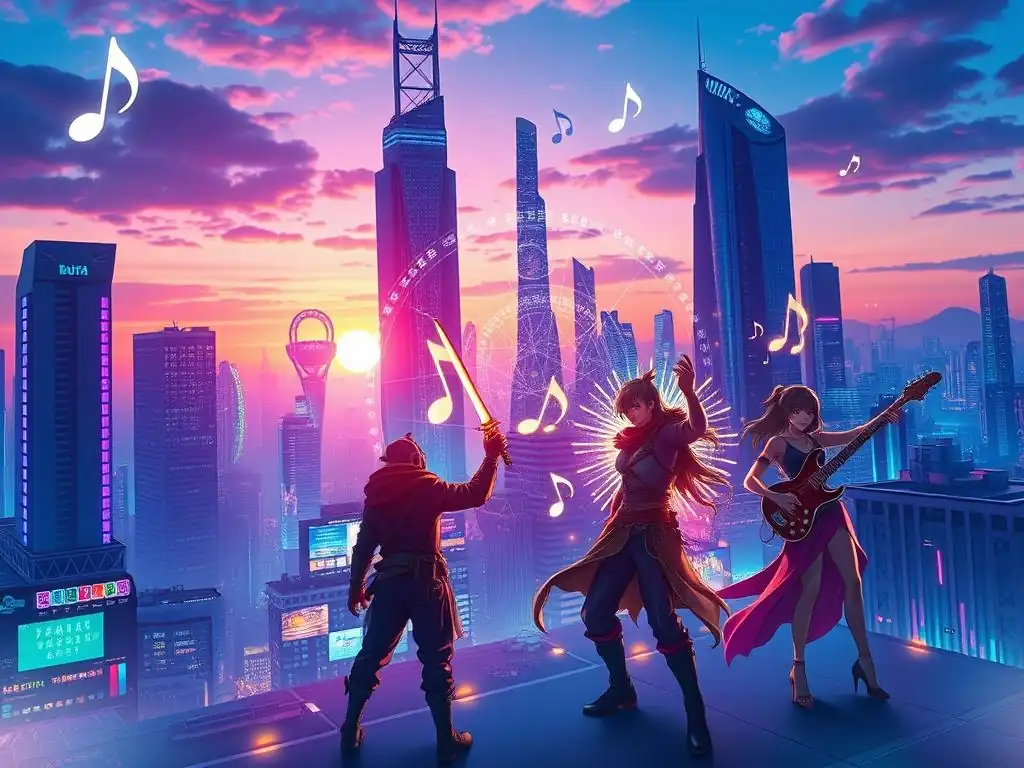
The intersection of music, Non-Fungible Tokens (NFTs), and PlaytoEarn (P2E) gaming is rapidly emerging as a dynamic and potentially transformative space within the blockchain ecosystem. Music NFTs offer artists new avenues for monetization and creative expression, while P2E games are revolutionizing the gaming industry by allowing players to earn cryptocurrency and NFTs through gameplay. The fusion of these two trends presents exciting opportunities to create immersive and rewarding experiences for both musicians and gamers, fostering a new era of digital entertainment.
This convergence is driven by the shared principles of decentralization and ownership inherent in blockchain technology. Just as NFTs empower digital artists to own and monetize their creations, P2E games are shifting the paradigm of game ownership, rewarding players for their time and engagement. By integrating Music NFTs into P2E games, developers can create unique ecosystems where players can collect, trade, and utilize music-based digital assets, further blurring the lines between entertainment and the burgeoning digital economy. This synergy not only benefits creators and players but also contributes to the broader adoption and evolution of blockchain technology.
The Growth of Music NFTs: A New Frontier for Musicians
Music NFTs have emerged as a groundbreaking innovation for musicians, offering a direct pathway to connect with fans and monetize their work in the digital age. Traditional music industry models often involve intermediaries, such as record labels and streaming platforms, which can significantly reduce artists' earnings. Music NFTs, leveraging blockchain technology, enable artists to bypass these traditional gatekeepers and sell their music directly to fans as unique digital assets. This direct-to-fan approach fosters greater transparency and control for artists over their creations and revenue streams.
The market for Music NFTs has witnessed significant growth, with platforms like Catalog and Sound.xyz facilitating sales of music collectibles ranging from individual tracks and albums to exclusive access and experiences. In 2021, Music NFT sales volume reached tens of millions of dollars, demonstrating a clear appetite from collectors and fans for digital music ownership. This burgeoning market is not just limited to established artists; it also empowers independent and emerging musicians to build communities and generate income outside the conventional music industry framework, creating a more equitable and sustainable ecosystem for music creation and consumption.
PlaytoEarn Games: Revolutionizing the Gaming Landscape
PlaytoEarn (P2E) games are fundamentally changing the dynamics of the gaming industry by introducing the concept of tangible rewards for players' time and skill. Unlike traditional gaming models where in-game assets are often centralized and lack real-world value, P2E games utilize blockchain technology to issue cryptocurrencies and NFTs that players can earn, trade, and even sell for fiat currency. This shift towards player ownership and economic participation has resonated strongly with gamers globally, particularly in regions where P2E earnings can represent a significant income source.
The P2E gaming market has experienced explosive growth, with games like Axie Infinity and Splinterlands gaining millions of players and generating billions of dollars in trading volume. These games demonstrate the viability of the P2E model, attracting players not only for entertainment but also for the potential to earn a living or supplement their income. This revolutionary approach to gaming is attracting significant investment and innovation, with new P2E games and platforms constantly emerging, further expanding the possibilities of blockchain-based entertainment and digital asset ownership.
Understanding Music NFTs: A Deep Dive
What are Music NFTs? Defining Non-Fungible Tokens for Music
Music NFTs, at their core, are unique digital assets that represent ownership of a piece of music or music-related content on a blockchain. Just like any other NFT, they are non-fungible, meaning each token is unique and cannot be replicated, ensuring verifiable scarcity and authenticity. This contrasts with traditional digital music files, which are easily copied and distributed without inherent proof of ownership. Music NFTs leverage blockchain's immutable ledger to record ownership history, making it transparent and secure.
Think of a Music NFT as a digital certificate of authenticity for a song, album, or even a piece of music memorabilia. This certificate can be traded, collected, and used in various applications, including, crucially, within PlaytoEarn games. The underlying technology ensures that the artist retains control over the distribution and monetization of their music, and fans can directly support their favorite musicians while owning a unique piece of their artistic output. The cryptographic nature of NFTs provides a level of security and provenance that is absent in traditional digital music distribution methods.
Types of Music NFTs: Songs, Albums, Royalties, and More
The versatility of Music NFTs extends beyond simply representing ownership of a song. Various types of Music NFTs are emerging, each offering unique functionalities and benefits for artists and collectors. Single song NFTs, for example, can represent ownership of a specific track, often accompanied by exclusive content like stems, instrumental versions, or behind-the-scenes footage. Album NFTs can offer a more comprehensive collection, potentially including bonus tracks, artwork, and even physical merchandise bundled with the digital asset.
Beyond song and album ownership, Music NFTs can also represent fractional ownership of music royalties. This innovative approach allows artists to share future earnings from their music with fans and investors, creating a more collaborative and community-driven model for music financing. Furthermore, NFTs can be used to represent access to exclusive experiences, such as backstage passes, virtual concerts, or personalized messages from artists. This diverse range of Music NFT types demonstrates the creative potential and adaptability of this technology to various aspects of the music industry and fan engagement.
Benefits of Music NFTs for Artists and Fans
Music NFTs offer a compelling array of benefits for both artists and fans, transforming the traditional music ecosystem. For artists, Music NFTs provide new revenue streams beyond streaming royalties and traditional record deals. By selling NFTs directly to fans, artists can retain a larger portion of their earnings and establish more direct and meaningful relationships with their audience. NFTs also empower artists to experiment with new forms of creative expression and distribution, bypassing the limitations of centralized platforms.
For fans, Music NFTs offer a unique way to support their favorite artists and own a piece of music history. Collecting Music NFTs can be seen as a form of digital patronage, allowing fans to directly invest in artists they believe in and potentially benefit from the appreciation in value of rare or limited-edition NFTs. Furthermore, Music NFTs can unlock exclusive content, experiences, and community access, fostering a deeper connection between artists and their fanbase and creating a more engaging and rewarding music consumption experience.
PlaytoEarn Games: How They Work and Why They're Popular
The PlaytoEarn Model: Earning Crypto and NFTs Through Gameplay
The PlaytoEarn (P2E) model is a revolutionary concept in gaming that rewards players for their time, skills, and contributions to the game ecosystem. Unlike traditional games where players spend money on in-game items with no real-world value, P2E games integrate blockchain technology to allow players to earn cryptocurrency and NFTs through various in-game activities. These activities can range from completing quests and winning battles to participating in the game's economy and contributing to its development.
Players in P2E games can earn cryptocurrency tokens that are native to the game's ecosystem or more established cryptocurrencies like ETH or BTC. They can also earn NFTs representing in-game assets such as characters, items, land, or, in the context of this article, music.
These earned crypto and NFTs can then be traded on secondary marketplaces, exchanged for other cryptocurrencies, or even converted to fiat currency, effectively allowing players to monetize their gaming efforts. This fundamental shift in the gaming paradigm is attracting a new wave of players who see gaming not just as entertainment but also as a potential source of income.
The Appeal of PlaytoEarn: Ownership, Community, and Financial Incentives
The popularity of PlaytoEarn games stems from a combination of factors, primarily centered around player ownership, community engagement, and financial incentives. The concept of true ownership of in-game assets is a major draw, as players are no longer simply renting or licensing digital items within a centralized game environment. With P2E, players genuinely own their earned NFTs and cryptocurrencies, giving them control and agency over their in-game investments.
P2E games often foster strong communities centered around shared economic interests and collaborative gameplay. Players are incentivized to contribute to the game ecosystem, support each other, and participate in governance decisions. This sense of community ownership and shared purpose enhances the gaming experience and creates a more engaging and rewarding environment. Furthermore, the financial incentives offered by P2E games, especially in regions with lower average incomes, can be a significant motivator, turning gaming into a viable alternative or supplementary income stream.
Examples of Successful PlaytoEarn Games
Several PlaytoEarn games have demonstrated the viability and popularity of this model, achieving significant success in terms of player base, transaction volume, and market capitalization. Axie Infinity, a monster-battling game, is perhaps the most well-known example, having reached millions of daily active users and generating billions of dollars in NFT trading volume. Splinterlands, a collectible card game, has also amassed a large and active player base, showcasing the appeal of P2E within the trading card genre.
The Sandbox and Decentraland are metaverse-based P2E games that allow players to own virtual land and create interactive experiences, demonstrating the potential of P2E in virtual world environments. These games, along with others like Alien Worlds and Illuvium, illustrate the diversity and growing maturity of the P2E gaming landscape, attracting both gamers and investors and paving the way for further innovation and adoption of blockchain-based gaming models.
Integrating Music NFTs into PlaytoEarn Games: A New Paradigm
Creating Unique In-Game Experiences with Music NFTs
Integrating Music NFTs into PlaytoEarn games opens up a vast array of possibilities for creating unique and engaging in-game experiences. Imagine games where players can collect Music NFTs of their favorite artists and use them to customize their in-game avatars, environments, or even gameplay itself. Music NFTs can become integral parts of the game's narrative, lore, and reward system, adding a layer of personalization and artistic expression that is currently absent in most traditional games.
Beyond mere customization, Music NFTs can be designed to interact dynamically with gameplay. For example, a Music NFT could provide in-game buffs or abilities, change the game's soundtrack based on the player's collection, or unlock exclusive areas or quests. This integration goes beyond visual skins or cosmetic items, embedding music deeply into the game's mechanics and offering players tangible benefits for owning and engaging with Music NFTs. This innovative approach can create a more immersive and rewarding gaming experience, blurring the lines between music consumption and gameplay.
Use Cases: Music NFTs as In-Game Assets, Soundtracks, and Collectibles
The use cases for Music NFTs within PlaytoEarn games are diverse and imaginative. Music NFTs can serve as in-game assets that players can collect, trade, and utilize. These could be virtual instruments, musical scores, or even digital avatars of musicians that players can use within the game world. Imagine a rhythm-based P2E game where collecting rare Music NFTs unlocks new songs and challenges, or a metaverse game where players can build virtual music venues and curate their own playlists using their Music NFT collection.
Furthermore, Music NFTs can revolutionize in-game soundtracks. Instead of generic background music, games can feature dynamic soundtracks composed of Music NFTs owned by players or acquired through gameplay. This allows for personalized and evolving in-game audio experiences, rewarding players for their engagement with the game's music ecosystem. Music NFTs can also function as collectible items within P2E games, adding a layer of scarcity and value to digital music ownership and fostering a vibrant in-game economy around music assets.
How Music NFTs Enhance Player Engagement and Retention
Integrating Music NFTs into PlaytoEarn games has the potential to significantly enhance player engagement and retention. The emotional connection players have with music can be leveraged to create a more immersive and personally resonant gaming experience. Collecting Music NFTs of favorite artists or genres can become a strong motivator for players to engage with the game, driving participation and fostering a sense of ownership and investment in the game world.
The collectible nature of Music NFTs, combined with the PlaytoEarn model, can create a powerful retention loop. Players are incentivized to continue playing to earn more Music NFTs, expand their collection, and potentially profit from trading or utilizing these assets within the game. The integration of music also broadens the appeal of P2E games, attracting not only traditional gamers but also music enthusiasts and collectors, expanding the potential player base and creating a more diverse and vibrant game community.
Benefits of Integrating Music NFTs into PlaytoEarn Games
Increased Revenue Streams for Artists and Game Developers
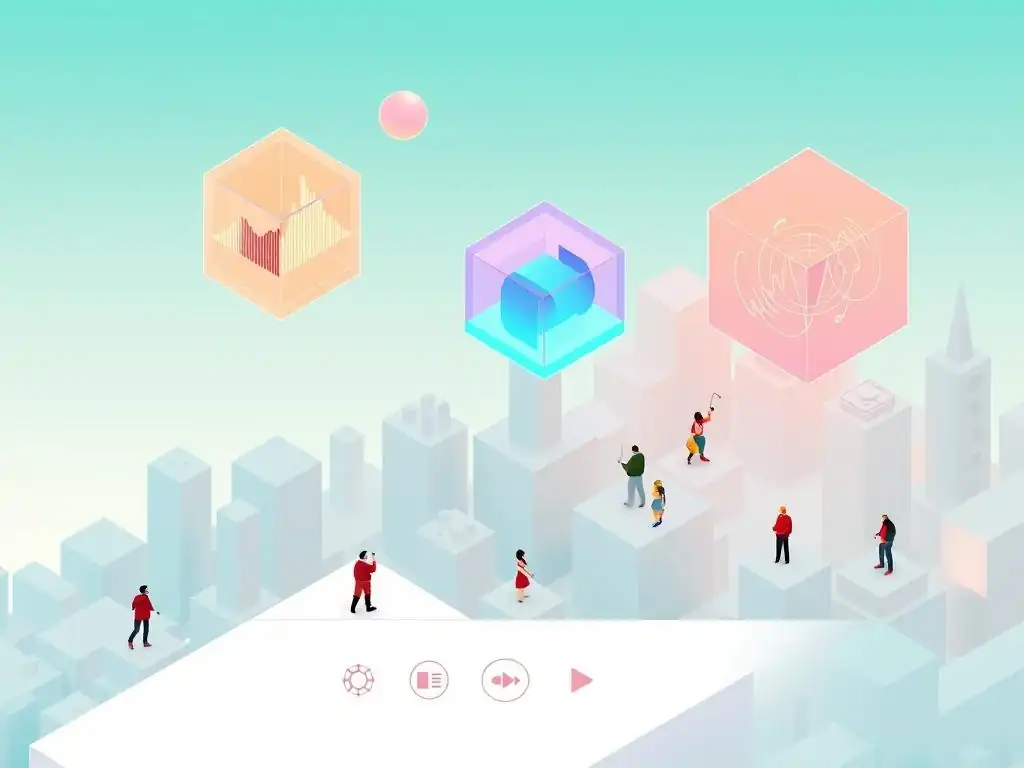
The integration of Music NFTs into PlaytoEarn games presents significant opportunities for increased revenue streams for both artists and game developers. For artists, P2E games offer a new platform to distribute and monetize their music, reaching a potentially vast audience of gamers and crypto enthusiasts. By collaborating with game developers to create in-game Music NFTs, artists can tap into new revenue streams through NFT sales, royalties from secondary market transactions, and potentially even in-game performances or virtual concerts.
For game developers, Music NFTs can enhance the monetization potential of their games. By incorporating Music NFTs as in-game assets or rewards, developers can create new revenue streams through NFT sales and marketplace fees. The integration of popular music can also attract a wider player base and increase player engagement, leading to higher retention rates and ultimately greater profitability. This symbiotic relationship between artists and game developers can create a mutually beneficial ecosystem where both parties can thrive.
Enhanced Player Ownership and Customization
Music NFTs in PlaytoEarn games significantly enhance player ownership and customization options. Players are not just passively consuming music within the game; they actively own and control music assets that have real-world value and utility within the game world. This sense of ownership empowers players and fosters a deeper connection with the game and its ecosystem. Players can curate their own in-game music experiences, personalize their avatars and environments with Music NFTs, and truly express their individual style and musical taste within the game world.
The customization possibilities offered by Music NFTs extend beyond mere aesthetics. As mentioned earlier, Music NFTs can be designed to influence gameplay mechanics, unlock exclusive content, or provide in-game advantages. This level of customization allows players to tailor their gaming experience to their preferences and create truly unique and personalized gameplay journeys, further enhancing engagement and satisfaction.
Fostering a Stronger Connection Between Artists, Gamers, and Fans
Integrating Music NFTs into PlaytoEarn games can foster a stronger and more direct connection between artists, gamers, and fans. P2E games provide a new interactive platform for artists to engage with their audience beyond traditional music consumption channels. Artists can participate in virtual events within games, collaborate on in-game music content, and directly interact with fans who own their Music NFTs.
For gamers and fans, Music NFTs create a more tangible and meaningful way to support their favorite artists and connect with their music. Owning a Music NFT is not just about collecting a digital asset; it's about directly supporting the artist, becoming part of a community of like-minded fans, and potentially gaining access to exclusive content and experiences. This enhanced connection fosters a more loyal and engaged fanbase, benefiting both artists and the game ecosystem as a whole.
Challenges and Considerations for Music NFT Integration
Copyright and Licensing Issues with Music NFTs in Games
Integrating Music NFTs into PlaytoEarn games presents several challenges, particularly concerning copyright and licensing. Music copyright is complex, involving various rights holders, including songwriters, composers, performers, and publishers. Game developers need to navigate these complexities to ensure they have the necessary licenses to use music in their games and issue Music NFTs legally. Failure to secure proper licensing can lead to copyright infringement lawsuits and legal complications.
Furthermore, the decentralized nature of NFTs and blockchain technology raises questions about royalty distribution and artist compensation. Traditional music licensing frameworks may not be fully equipped to handle the nuances of Music NFTs and P2E game ecosystems. Establishing clear and transparent licensing agreements and royalty distribution mechanisms is crucial for ensuring fair compensation for artists and protecting the legal rights of all stakeholders in the Music NFT gaming space.
Technical Challenges of Implementing Music NFTs in Game Environments
Implementing Music NFTs into game environments also presents technical challenges. Integrating blockchain technology and NFT functionality into existing game engines and architectures can be complex and require specialized expertise. Game developers need to ensure seamless integration of NFT wallets, marketplaces, and blockchain transactions within the game's user interface and gameplay loop. Performance optimization is also critical, as blockchain interactions can sometimes introduce latency and impact the gaming experience.
Furthermore, the interoperability of Music NFTs across different games and platforms is still an evolving area. Developing standards and protocols for Music NFT compatibility across various game ecosystems would enhance their utility and value. Addressing these technical challenges is essential for creating a smooth and user-friendly experience for players interacting with Music NFTs within PlaytoEarn games.
Ensuring Fair Compensation for Artists in PlaytoEarn Ecosystems
Ensuring fair compensation for artists within Music NFT PlaytoEarn ecosystems is a critical ethical and practical consideration. While Music NFTs offer artists new revenue streams, it's essential to establish equitable models that ensure artists receive a fair share of the value generated by their music within these games. This includes transparent royalty structures for NFT sales, secondary market transactions, and in-game usage of music.
Smart contracts and decentralized autonomous organizations (DAOs) can play a role in automating royalty distribution and ensuring transparency in compensation mechanisms. However, the legal and regulatory frameworks surrounding NFTs and DAOs are still developing, and industry-wide best practices and standards are needed to protect artists' rights and ensure fair compensation in the evolving Music NFT gaming landscape. Open dialogue and collaboration between artists, game developers, and blockchain platforms are essential to address these challenges and build sustainable and equitable ecosystems.
Examples of Music NFTs in PlaytoEarn Games
Ember Sword: A Case Study of Music NFT Integration
Ember Sword, an upcoming free-to-play MMORPG, offers a compelling case study in Music NFT integration within a PlaytoEarn game. While still in development, Ember Sword has announced plans to incorporate Music NFTs as in-game assets, allowing players to collect and utilize music-related NFTs within the game world. Details are still emerging, but the project aims to leverage Music NFTs to enhance player customization and potentially create unique in-game experiences linked to music ownership.
Ember Sword's approach highlights the potential of Music NFTs to move beyond purely cosmetic items and become integral parts of the game's ecosystem. The integration of Music NFTs in a large-scale MMORPG like Ember Sword could demonstrate the viability and appeal of this concept to a broad gaming audience. As the game develops further, it will be crucial to observe how effectively Music NFTs are implemented and how they impact player engagement and the overall game economy.
Audius: Exploring Different Approaches to Music NFT Implementation
Audius, a decentralized music streaming platform, while not strictly a PlaytoEarn game, is actively exploring the integration of NFTs and blockchain technology in ways that could inform Music NFT implementation in games. Audius allows artists to tokenize their music and interact directly with fans, utilizing NFTs for various purposes, including exclusive content access and community engagement.
Audius's platform demonstrates the potential of blockchain to empower artists and create new models for music distribution and monetization. While Audius primarily focuses on music streaming and artist empowerment, its experiences with Music NFTs and decentralized technologies offer valuable insights for game developers looking to integrate Music NFTs into PlaytoEarn games. The platform showcases various approaches to Music NFT functionality and artist-fan interaction that can be adapted and applied within gaming environments.
Analyzing the Success and Challenges of Existing Integrations
While the integration of Music NFTs into PlaytoEarn games is still in its early stages, analyzing existing examples, even in adjacent fields like music platforms and metaverse experiences, provides valuable lessons. Early attempts at incorporating NFTs into music-related games have faced challenges related to user adoption, technical implementation, and copyright complexities. However, these early examples also highlight the potential for Music NFTs to create engaging and novel experiences for players.
Analyzing both the successes and challenges of these initial integrations is crucial for informing future development and best practices in the Music NFT gaming space. Understanding what resonates with players, addressing technical hurdles effectively, and navigating the legal landscape are key to realizing the full potential of Music NFTs in PlaytoEarn games and creating sustainable and thriving ecosystems.
The Future of Music NFTs and PlaytoEarn Gaming
Predictions for the Growth of Music NFT Gaming
The future of Music NFT gaming appears bright, with strong potential for significant growth and innovation in the coming years. As both the NFT market and the PlaytoEarn gaming industry continue to mature, the convergence of these two trends is likely to accelerate. Predictions suggest a substantial increase in the number of PlaytoEarn games incorporating Music NFTs, driven by both artist interest and gamer demand for unique and engaging experiences.
Analysts project that the Music NFT market will continue to expand, with gaming becoming a key application area. The immersive and interactive nature of games provides a compelling use case for Music NFTs, offering functionalities and engagement opportunities that go beyond simple digital collectibles. This growth is expected to be fueled by increasing awareness of NFTs and PlaytoEarn gaming, as well as advancements in blockchain technology and game development tools that simplify Music NFT integration.
Emerging Trends: Metaverse Concerts, Virtual Music Festivals, and More
Several emerging trends are shaping the future of Music NFT gaming, pointing towards exciting new possibilities. Metaverse concerts and virtual music festivals within PlaytoEarn game environments are gaining traction, offering artists new ways to perform and connect with fans in immersive digital spaces. Music NFTs can play a crucial role in these virtual events, serving as tickets, exclusive merchandise, and access passes to VIP experiences.
The development of virtual instruments and music creation tools within P2E games is another emerging trend. Imagine games where players can compose music using virtual instruments represented by Music NFTs, collaborate with other players on musical projects, and even earn cryptocurrency for their musical creations within the game world. These trends suggest a future where Music NFTs are not just collectibles but also tools for creative expression and social interaction within gaming environments.
The Long-Term Impact on the Music and Gaming Industries
The long-term impact of Music NFTs in PlaytoEarn gaming has the potential to be transformative for both the music and gaming industries. For the music industry, Music NFTs offer a new paradigm for artist monetization, fan engagement, and creative expression. P2E games can become a significant distribution channel for music, reaching new audiences and generating new revenue streams for artists outside of traditional music industry models.
For the gaming industry, Music NFTs can enhance gameplay, player engagement, and monetization strategies. The integration of music adds a new layer of depth and emotional resonance to games, attracting both music lovers and traditional gamers. Furthermore, Music NFTs can contribute to the development of more decentralized and player-owned gaming ecosystems, shifting the power balance towards players and creators and fostering a more equitable and sustainable future for gaming.
Conclusion: The Transformative Potential of Music NFTs in PlaytoEarn
Recap of Key Benefits and Challenges
Integrating Music NFTs into PlaytoEarn games offers a compelling array of benefits, including increased revenue streams for artists and developers, enhanced player ownership and customization, and a stronger connection between artists, gamers, and fans. Music NFTs can create unique in-game experiences, revolutionize in-game soundtracks, and enhance player engagement and retention.
However, challenges remain, particularly concerning copyright and licensing complexities, technical implementation hurdles, and ensuring fair compensation for artists. Navigating these challenges requires collaboration, innovation, and the development of industry best practices and standards. Addressing these considerations is crucial for realizing the full potential of Music NFTs in PlaytoEarn gaming and creating sustainable and equitable ecosystems.
The Future of Music and Gaming: A Decentralized and Collaborative Ecosystem
The future of music and gaming is increasingly intertwined, with blockchain technology and NFTs playing a central role in shaping a more decentralized and collaborative ecosystem. Music NFTs in PlaytoEarn games represent a powerful convergence of these trends, offering a glimpse into a future where artists and gamers can directly interact, create, and benefit from shared digital experiences.
This decentralized and collaborative ecosystem has the potential to empower creators, reward players, and foster stronger communities around music and gaming. By embracing innovation, addressing challenges proactively, and prioritizing the needs of both artists and gamers, the Music NFT gaming space can unlock transformative potential and usher in a new era of digital entertainment.
Call to Action: Exploring Music NFTs and PlaytoEarn Opportunities
The integration of Music NFTs into PlaytoEarn games is a rapidly evolving field with immense potential. Artists, game developers, and music enthusiasts are encouraged to explore the opportunities presented by this convergence. Experiment with Music NFT creation, explore potential game integrations, and engage with the growing community to contribute to the development of this exciting new frontier.
By actively participating in and shaping the Music NFT gaming space, individuals and organizations can play a role in building a more decentralized, equitable, and engaging future for both music and gaming. The time to explore Music NFTs and PlaytoEarn opportunities is now, as this innovative intersection continues to unfold and redefine the landscape of digital entertainment.
Frequently Asked Questions
What are Music NFTs and how do they differ from regular NFTs?
Music NFTs are unique, verifiable digital assets representing ownership of a song, album, or other musical creation. Unlike regular NFTs, they are specifically tied to audio content and associated rights.
How can Music NFTs be integrated into PlaytoEarn games?
Music NFTs can be integrated by rewarding players with them for in-game achievements, creating musical-themed games where ownership unlocks features, or allowing NFTs to impact the game's soundtrack.
What are the potential benefits of integrating Music NFTs into PlaytoEarn games for artists?
Integrating Music NFTs provides artists with new revenue streams, direct engagement with fans through gaming, and greater control over their intellectual property and its distribution.
What are some challenges associated with integrating Music NFTs into PlaytoEarn games?
Challenges include copyright complexities, ensuring fair compensation for artists, addressing scalability issues within the game's ecosystem, and navigating regulatory uncertainties around NFTs.
How might regulation affect the future of Music NFTs and PlaytoEarn games?
Regulation could impact how Music NFTs are bought, sold, and used within games, potentially affecting their accessibility and value. Clear regulatory frameworks are needed to foster innovation while protecting users and artists.
Final Reflection: Harmonizing Music and Gaming's Future
The exploration of Music NFTs within PlaytoEarn games reveals a potent synergy, far beyond a simple trend. This fusion represents a fundamental shift in how artists connect with their audience and how gamers experience digital ownership. The potential for artists to directly monetize their creations within immersive gaming environments, and for players to actively participate in the music ecosystem, is not just innovative; it's transformative.
This convergence of music and gaming is not merely a technological advancement; it's a cultural evolution. The ability to own and trade unique musical assets within a game world fosters a deeper connection between artists and fans, blurring the lines between creator and consumer. Music gives a soul to the universe, wings to the mind, flight to the imagination and life to everything.
- Plato. This quote resonates deeply as we witness music finding new life and purpose within the dynamic realm of PlaytoEarn games, enriching the digital experience for all involved.
Now, as you consider the possibilities presented by Music NFTs in PlaytoEarn games, I invite you to reflect on your own role in shaping this future. How can you, as an artist, gamer, or simply a curious observer, contribute to the responsible and creative development of this exciting space? Embrace the potential, explore the opportunities, and let your imagination guide you towards a future where music and gaming harmonize to create a richer, more rewarding digital world for everyone.
Okay, here's a CTA draft for the end of a web article titled "NFT Gaming and the Music Industry: Integrating Music NFTs into PlaytoEarn Games" for Blockchain Trends (blockchaintrends.org):
Reimagine Your Music Experience Now!
Thank you for exploring the exciting intersection of music and gaming with us. We hope you've gained valuable insights into how Music NFTs are revolutionizing the Play-to-Earn world. Ready to dive deeper and shape the future of music in games?
Here's how you can get started:
- Start collecting Music NFTs of your favorite artists and explore games that integrate them. Be an early adopter in this revolutionary trend!
- Join the Blockchain Trends community forums to share your favorite Music NFTs and discuss the latest gaming integrations.
- Challenge yourself: Try composing a short musical score suitable for a game and mint it as an NFT – you might be surprised at the possibilities!
What exciting new ways do you envision Music NFTs being used in Play-to-Earn games, and which artists would you love to see embrace this technology? Share your thoughts below!
Leave a Reply