
NFT Gaming and Player Retention: How Blockchain Assets Enhance LongTerm Engagement

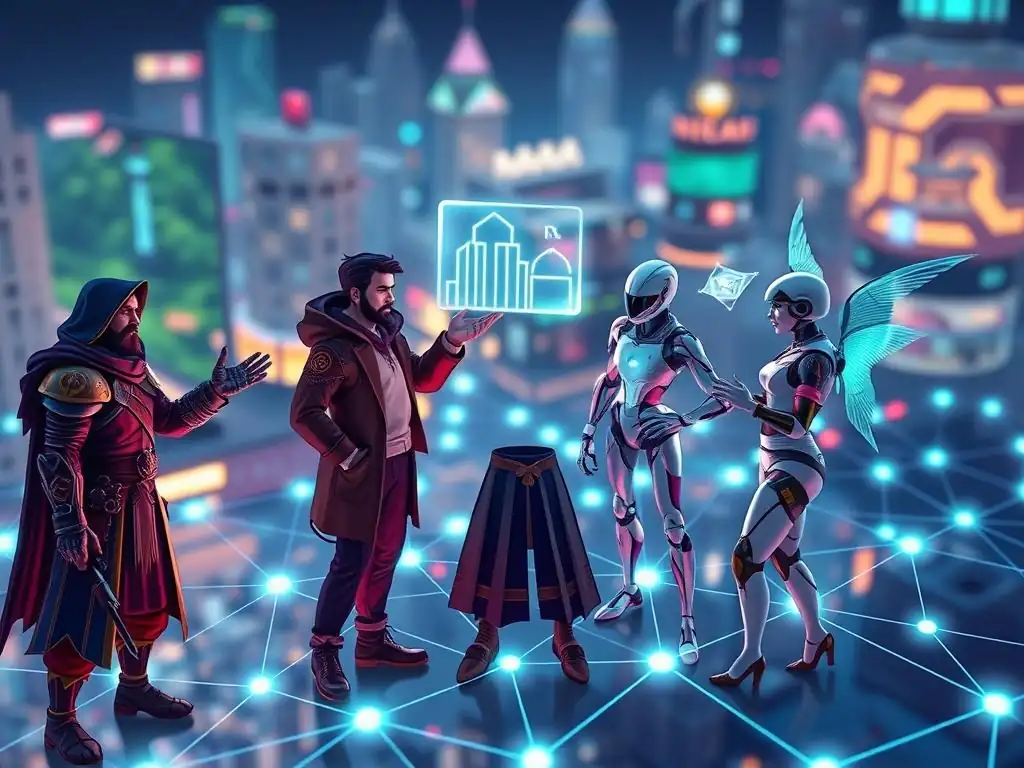
Welcome to Blockchain Trends, your go-to source for understanding the real-world applications of blockchain technology. Forget the hype and dive into the substance. Ever wondered how blockchain can revolutionize industries beyond just cryptocurrency?
This week, we're tackling a burning question in the burgeoning world of digital entertainment: How can NFT gaming truly retain its players? Discover the innovative strategies and emerging trends shaping the future of NFT gaming player retention, and unlock the secrets to building engaging, long-lasting blockchain-based games. Intrigued? Let's explore the potential of NFTs to transform the gaming landscape.
- Introduction: The Evolution of Player Retention in Gaming with NFTs
- Understanding NFT Gaming's Impact on Player Retention
-
Key Strategies for Enhancing Player Retention Through NFT Integration
- Ownership and Scarcity: Fostering a Sense of Value
- Play-to-Earn Mechanics: Rewarding Long-Term Commitment
- Community Building: Creating a Shared Ecosystem Around NFTs
- Interoperability and Cross-Game Utility: Expanding the Value Proposition of NFTs
- Personalized Gaming Experiences with NFT Customization
- Case Studies: Successful NFT Gaming Implementations and Player Retention
- Overcoming Challenges in NFT Gaming and Player Retention
- The Future of NFT Gaming and Long-Term Player Engagement
- Conclusion: NFT Gaming as a Catalyst for Sustainable Player Engagement
-
Frequently Asked Questions
- What are NFTs and how do they relate to player retention in gaming?
- How can NFT gaming improve player retention compared to traditional gaming models?
- What are some specific examples of how NFT gaming utilizes player retention?
- What are the potential regulatory challenges facing NFT gaming and how might these affect player retention?
- What is the future outlook for NFT gaming player retention?
- Final Reflection: The Enduring Power of Ownership
- Ignite Your Game: Dive Deeper into NFT Gaming!
Introduction: The Evolution of Player Retention in Gaming with NFTs
Defining NFT Gaming and Its Growing Popularity
NFT gaming, also known as play-to-earn or blockchain gaming, represents a paradigm shift in the gaming industry by integrating Non-Fungible Tokens (NFTs) into gameplay mechanics. Unlike traditional gaming models where in-game assets are solely owned by the game developers, NFT gaming empowers players with true ownership of their digital assets. These assets, represented as unique NFTs on a blockchain, can range from in-game characters and items to virtual land and collectibles. The immutable and transparent nature of blockchain technology ensures verifiable scarcity and ownership, fundamentally changing how players interact with and perceive value in games.
The popularity of NFT gaming has surged in recent years, driven by several factors. Firstly, the promise of 'play-to-earn' attracts a significant player base, particularly in regions where earning potential through gaming offers a viable income stream. Secondly, the allure of digital ownership and the potential for asset appreciation resonate strongly with both gamers and investors alike.
Early successes of games like Axie Infinity, which at its peak boasted millions of daily active users and facilitated billions in NFT trading volume, demonstrated the immense potential of this model. This growth is further fueled by advancements in blockchain technology, making transactions faster and more affordable, and by increasing mainstream awareness and acceptance of cryptocurrencies and NFTs.
The Challenge of Player Retention in Traditional Gaming Models
Player retention has always been a critical metric for the success of any game. Traditional gaming models often rely on various strategies to keep players engaged, including content updates, competitive ladders, social features, and reward systems. However, these methods often face inherent limitations. Content updates, while effective initially, require constant development and investment, and can sometimes alienate existing players if not well-received.
Competitive ladders can create a highly engaged core player base but may exclude or frustrate more casual players, leading to churn. Social features, while important, are often dependent on external platforms and can be difficult to integrate seamlessly within the game itself. Furthermore, the sense of ownership in traditional games is often illusory. Players invest time and potentially money into acquiring in-game items, but these assets remain within the game's ecosystem and cannot be truly owned or traded outside of it.
This lack of true ownership contributes significantly to player attrition in traditional games. When players decide to move on to new games or when games eventually shut down, their invested time and resources are often lost. This creates a sense of impermanence and a lack of long-term investment value.
Moreover, the purely consumption-based nature of traditional gaming can lead to burnout and a decline in player engagement over time. Players may feel that their efforts are not truly rewarded beyond entertainment, leading to a search for games that offer more tangible benefits or a stronger sense of accomplishment and ownership.
How NFTs are Revolutionizing Player Engagement Strategies
NFTs are revolutionizing player engagement strategies by addressing the core limitations of traditional gaming models. By granting players true ownership of in-game assets, NFTs introduce a new dimension of investment and engagement. Players are no longer just consumers but become stakeholders in the game's ecosystem. This shift fundamentally alters the player-game relationship, fostering a stronger sense of loyalty and long-term commitment.
NFTs facilitate the creation of player-driven economies within games. Players can earn, trade, and sell their NFT assets, creating real economic value from their in-game activities. This play-to-earn model provides tangible incentives for continued engagement beyond mere entertainment.
Furthermore, the scarcity and uniqueness of NFTs create a sense of value and exclusivity, encouraging players to collect and trade rare items. The ability to transfer NFTs across different platforms and potentially games (interoperability) further enhances their value proposition and long-term utility. By integrating NFTs, game developers can foster a more sustainable and engaging gaming ecosystem where players are not just playing for fun but also for potential economic benefit and long-term asset accumulation, leading to enhanced player retention.
Understanding NFT Gaming's Impact on Player Retention
The Core Principles of NFT-Based Game Design
NFT-based game design is built upon several core principles that differentiate it from traditional game development. Firstly, player ownership is paramount. Games are designed to empower players with verifiable ownership of in-game assets through NFTs. This ownership extends beyond mere usage rights; players can freely trade, sell, or transfer their NFTs outside the game environment, granting them economic agency and control over their digital possessions.
Secondly, scarcity and uniqueness are central to the value proposition of NFTs. Game assets are often designed with limited supply and unique attributes, driving demand and creating collectible value. Thirdly, decentralization and transparency are inherent characteristics of blockchain technology leveraged in NFT gaming. Game economies and asset ownership are recorded on a public ledger, promoting trust and accountability.
Another crucial principle is the integration of play-to-earn mechanics. NFT games are often designed to reward players for their time and skill with in-game cryptocurrency or valuable NFTs. This creates a direct economic incentive for players to engage with the game and contribute to its ecosystem.
Furthermore, community-driven governance is becoming increasingly prevalent in NFT gaming. Decentralized Autonomous Organizations (DAOs) are being utilized to allow players to participate in game development decisions, shaping the future of the game and its economy. Finally, interoperability is a growing focus, aiming to create NFTs that can be used across multiple games or metaverse platforms, further enhancing their utility and long-term value.
Analyzing the Benefits of Blockchain Assets for Gamers
Blockchain assets, particularly NFTs, offer a plethora of benefits for gamers, significantly contributing to enhanced player retention. Foremost among these benefits is true ownership. Unlike traditional in-game items that are locked within a game's ecosystem, NFTs grant players verifiable and transferable ownership. This empowers players and provides a sense of investment and control over their digital assets. Secondly, NFTs introduce economic opportunities through play-to-earn mechanics. Gamers can earn cryptocurrency or valuable NFTs by playing games, creating a tangible return on their time and effort. This is especially significant in regions where play-to-earn provides a viable income source.
Furthermore, NFTs enhance asset scarcity and value. Limited edition and unique NFTs can become highly sought after collectibles, appreciating in value over time. This creates a dynamic and engaging in-game economy where players can participate in trading and speculation. Interoperability is another key benefit.
While still in its early stages, the potential for NFTs to be used across multiple games and metaverse platforms greatly increases their utility and long-term value. Finally, NFTs foster community building and engagement. Owning and trading NFTs creates a shared sense of identity and belonging among players, strengthening game communities and promoting social interaction. These combined benefits create a more rewarding and engaging gaming experience, leading to improved player retention.
Examining the Economic Incentives Driving NFT Gaming Adoption
The economic incentives driving NFT gaming adoption are multifaceted and appeal to both players and game developers. For players, the primary incentive is the potential to earn real money through gameplay. Play-to-earn mechanics offer an alternative income stream, particularly attractive in developing economies. The ability to own and trade valuable digital assets also provides a strong economic incentive.
Players are motivated by the potential for their NFT assets to appreciate in value and to profit from trading them on secondary marketplaces. The scarcity and collectibility of NFTs create a sense of digital ownership and investment, further driving adoption. Early adopters who acquire rare NFTs may see significant returns as the game and its ecosystem grow.
For game developers, NFT gaming offers new revenue streams and business models. Initial NFT sales, transaction fees from secondary marketplaces, and in-game economies built around NFTs can generate substantial revenue. NFTs can also facilitate decentralized game economies, reducing reliance on centralized control and potentially lowering operational costs.
Moreover, NFT integration can enhance player engagement and retention, leading to longer game lifecycles and increased profitability in the long run. The hype and excitement surrounding NFTs and blockchain technology also contribute to adoption, attracting both players and investors to the NFT gaming space. The promise of creating more sustainable and player-centric gaming ecosystems is a significant driving force behind the growing adoption of NFT gaming.
Key Strategies for Enhancing Player Retention Through NFT Integration
Ownership and Scarcity: Fostering a Sense of Value
Ownership and scarcity are foundational pillars for fostering a sense of value in NFT gaming, directly impacting player retention. When players truly own in-game assets as NFTs, it transcends the traditional consumer-producer dynamic. This ownership creates a psychological shift; players are no longer merely renting or borrowing digital items but are custodians of valuable digital property.
This sense of ownership encourages a deeper emotional connection with the game and its assets, leading to increased engagement and loyalty. For example, owning a rare piece of virtual land in Decentraland, represented as an NFT, provides a sense of prestige and accomplishment, motivating players to further invest in and participate within the Decentraland ecosystem.
Scarcity, inherent to the nature of NFTs, further amplifies this sense of value. By limiting the supply of certain in-game assets, developers can create digital scarcity, mirroring real-world collectibles. This scarcity drives demand and can lead to appreciation in value, turning NFTs into potentially lucrative investments.
Games like CryptoKitties famously demonstrated this principle, with some rare digital cats selling for hundreds of thousands of dollars due to their scarcity and unique attributes. This combination of ownership and scarcity creates a powerful incentive for players to not only engage with the game but also to actively participate in its economy, collect valuable NFTs, and remain invested in the long-term success of the game, thus bolstering player retention.
Play-to-Earn Mechanics: Rewarding Long-Term Commitment
Play-to-earn (P2E) mechanics are a cornerstone of NFT gaming, effectively rewarding long-term player commitment and significantly enhancing retention. Unlike traditional games where players primarily invest time and resources for entertainment alone, P2E models incentivize gameplay by offering tangible financial rewards. Players can earn cryptocurrency or valuable NFTs by participating in various in-game activities, such as completing quests, winning battles, or contributing to the game's ecosystem. This creates a direct link between gameplay and economic gain, transforming gaming from a purely leisure activity into a potentially profitable endeavor.
Axie Infinity, a prominent example of a successful P2E game, demonstrated the power of this mechanic. Players earn Smooth Love Potion (SLP) tokens by playing the game, which can then be sold on cryptocurrency exchanges or used to breed new Axies (NFT creatures).
This created a vibrant in-game economy and attracted millions of players globally, particularly in regions where P2E earnings could supplement or even replace traditional income. The prospect of earning real-world value through gameplay provides a strong motivation for players to remain engaged with the game over extended periods, master its mechanics, and invest time in building their in-game assets, leading to significantly improved player retention rates compared to traditional gaming models.
Community building is crucial for long-term player retention in NFT gaming, and NFTs themselves play a significant role in fostering a shared ecosystem. NFTs act as a unifying element, creating a sense of shared ownership and identity among players. Owning the same or related NFTs can forge connections and encourage social interaction within the game and beyond. For instance, players who own land NFTs in the same virtual neighborhood in Decentraland may naturally form communities, collaborate on projects, and participate in shared events, strengthening their ties to the game and each other.
NFTs also facilitate decentralized governance and community ownership. DAOs can be integrated into NFT games, allowing NFT holders to vote on game development decisions, economic policies, and the overall direction of the game. This empowers players and gives them a direct voice in shaping the game's future, fostering a stronger sense of belonging and investment.
Furthermore, NFTs can be used to reward community contributions and incentivize active participation. Games can distribute NFTs as rewards for community events, content creation, or helping new players, further strengthening community bonds and fostering a vibrant and engaged player base. A strong and active community, built around shared NFT ownership and participatory governance, significantly contributes to long-term player retention by creating a social and collaborative gaming environment.
Interoperability and Cross-Game Utility: Expanding the Value Proposition of NFTs
Interoperability and cross-game utility represent a frontier in NFT gaming that holds immense potential for expanding the value proposition of NFTs and enhancing player retention. The concept of interoperability refers to the ability of NFTs to be used across different games or metaverse platforms. Currently, most NFTs are confined to the specific game in which they were created.
However, the vision of interoperable NFTs is to allow players to use their owned assets across multiple virtual worlds, unlocking new levels of utility and value. Imagine owning a unique sword NFT that can be used in multiple RPG games, or a character skin NFT that can be displayed in various metaverse environments.
This cross-game utility significantly enhances the long-term value of NFTs. Instead of assets being confined to a single game that might eventually decline in popularity or shut down, interoperable NFTs retain value and utility across a broader ecosystem. This increased utility translates to greater player investment and retention.
Players are more likely to invest in acquiring and holding NFTs if they know these assets have value beyond a single game. Projects like Enjin are actively working on developing infrastructure and standards to enable NFT interoperability. While still in its early stages, the realization of cross-game utility for NFTs promises to revolutionize player ownership, asset value, and long-term engagement in the blockchain gaming space.
Personalized Gaming Experiences with NFT Customization
Personalized gaming experiences, enabled by NFT customization, offer another powerful strategy for enhancing player retention. NFTs allow for unprecedented levels of customization and personalization of in-game avatars, items, and environments. Players can acquire and utilize unique NFT skins, accessories, and modifications to personalize their in-game identities and express their individuality. This level of personalization goes beyond simple cosmetic changes; NFTs can represent unique skills, abilities, or attributes that directly impact gameplay, allowing for truly customized characters and playstyles.
For instance, a player might acquire a rare NFT sword with unique stats and visual effects, or a set of NFT armor that provides specific gameplay advantages and a distinct appearance. This level of customization creates a deeper sense of ownership and attachment to in-game assets. Players are more invested in characters and items that are uniquely their own and reflect their personal style and preferences.
Furthermore, personalized NFTs can become status symbols within the game community, further driving demand and engagement. The ability to personalize and customize their gaming experience through NFTs empowers players, fosters a stronger emotional connection with the game, and ultimately contributes to improved player retention by creating a more engaging and individualized gaming environment.
Case Studies: Successful NFT Gaming Implementations and Player Retention
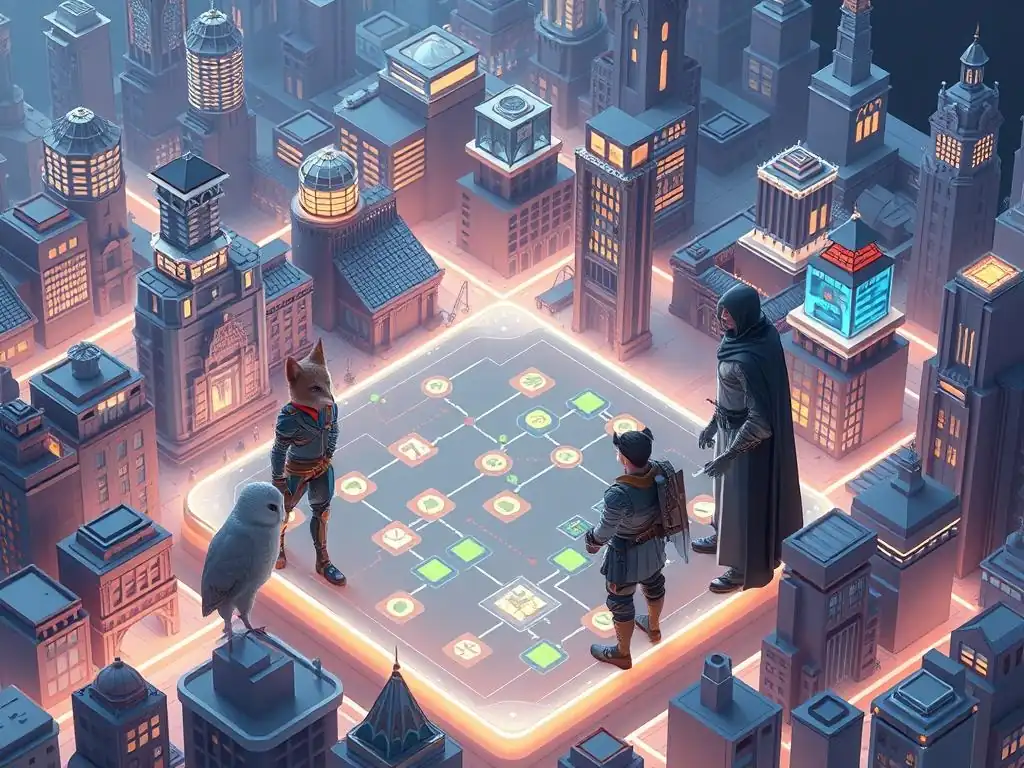
Case Study 1: Axie Infinity - Analyzing their NFT strategy for player retention
Axie Infinity, developed by Sky Mavis, stands as a prominent case study in successful NFT gaming implementation and player retention. The game revolves around collecting, breeding, and battling digital creatures called Axies, which are represented as NFTs on the Ethereum blockchain. Axie Infinity's NFT strategy is deeply integrated into its core gameplay loop and economic model.
Players need to acquire at least three Axies to start playing, creating an initial barrier to entry that also establishes a foundational level of investment and commitment. The game's play-to-earn mechanics, primarily through earning Smooth Love Potion (SLP) tokens and occasionally AXS tokens (the governance token), reward players for engaging in daily quests, arena battles, and participating in the game's ecosystem.
The scarcity and unique attributes of Axies, driven by their NFT nature, fuel a robust in-game economy. Players breed Axies to create new and potentially more valuable offspring, utilizing SLP and AXS tokens in the process. The Axie marketplace facilitates the trading of Axies, land plots, and other in-game NFTs, creating a dynamic and player-driven economy.
This combination of play-to-earn mechanics, NFT ownership, and a thriving marketplace created a powerful incentive for player retention. At its peak, Axie Infinity boasted millions of daily active users, demonstrating the effectiveness of its NFT-centric approach in driving engagement and long-term participation. The game's success, however, also highlights the importance of a balanced economy and the challenges of sustaining such a model in the long run, as evidenced by the fluctuations in SLP and AXS token values and adjustments to the game's earning mechanics over time.
Key takeaways from Axie Infinity's approach
Several key takeaways emerge from Axie Infinity's approach to NFT gaming and player retention. Firstly, integrating NFTs deeply into the core gameplay loop is crucial. Axies are not just cosmetic items; they are essential for playing the game and earning rewards. This intrinsic utility drives demand and engagement.
Secondly, play-to-earn mechanics are a powerful retention tool, particularly when coupled with a well-designed in-game economy. The prospect of earning real-world value incentivizes players to invest time and effort in the game. Thirdly, building a robust and player-driven marketplace for NFTs is essential for creating a dynamic and engaging ecosystem. The Axie marketplace facilitated trading and price discovery, contributing significantly to the game's economy and player engagement.
Furthermore, community building is vital. Axie Infinity fostered a strong community through social media, Discord, and in-game social features, creating a sense of belonging and shared purpose among players. However, it's also crucial to recognize the challenges of maintaining economic stability in P2E models. Axie Infinity's experience highlights the need for careful economic balancing, ongoing adjustments to earning mechanics, and strategies to mitigate the risks associated with cryptocurrency volatility.
Finally, onboarding and accessibility are important considerations. While Axie Infinity achieved massive scale, the initial investment required to purchase Axies could be a barrier for some players. Future NFT games need to address accessibility and ensure that the barrier to entry is not prohibitively high to attract a wider audience and sustain long-term growth.
Case Study 2: Decentraland - Examining their use of NFTs for community building
Decentraland, a decentralized virtual world built on the Ethereum blockchain, provides a compelling case study in utilizing NFTs for community building and fostering long-term engagement. Decentraland is fundamentally built around NFTs, with LAND parcels, wearables, and unique names all represented as NFTs. LAND NFTs are the cornerstone of Decentraland, representing ownership of virtual real estate within the metaverse. These LAND NFTs are not just digital plots; they are the foundation for building experiences, hosting events, and creating communities within Decentraland. The scarcity and ownership of LAND NFTs foster a sense of investment and long-term commitment among landowners.
Decentraland utilizes NFTs to empower its community and promote decentralized governance. LAND holders have voting rights within the Decentraland DAO, allowing them to participate in decisions regarding platform policies, content moderation, and the allocation of funds. This decentralized governance model gives the community a direct stake in shaping the future of Decentraland, fostering a sense of ownership and responsibility.
Furthermore, Decentraland actively encourages community-created content and experiences on LAND parcels. Users can build games, art galleries, social hubs, and businesses on their LAND, creating a diverse and vibrant metaverse driven by user-generated content. The ownership of LAND NFTs, coupled with decentralized governance and support for user-generated content, has cultivated a strong and engaged community within Decentraland, contributing to its long-term viability and player retention.
Key takeaways from Decentraland's approach
Decentraland's approach offers valuable insights into leveraging NFTs for community building and sustained engagement. Firstly, NFTs can serve as foundational building blocks for virtual worlds and communities. LAND NFTs in Decentraland are not just assets; they are the basis for ownership, development, and community interaction within the metaverse. Secondly, decentralized governance models, enabled by NFTs, empower communities and foster a sense of ownership and participation.
The Decentraland DAO gives LAND holders a direct voice in shaping the platform's future, strengthening community bonds and long-term commitment. Thirdly, supporting user-generated content and experiences is crucial for creating a vibrant and engaging metaverse. Decentraland's open and permissionless nature encourages creativity and innovation from its community, driving content creation and attracting new users.
Moreover, scarcity and digital ownership of virtual land create a sense of value and investment. LAND NFTs are limited in supply, driving demand and creating a market for virtual real estate within Decentraland. However, accessibility and usability are important considerations for metaverse platforms like Decentraland. Navigating and building within a virtual world can be technically challenging for some users.
Improving user interface, onboarding processes, and providing accessible tools for content creation are crucial for broader adoption and community growth. Finally, long-term sustainability and economic models for virtual worlds are still evolving. Decentraland's experience highlights the need for ongoing development, community engagement, and adaptable economic strategies to ensure the long-term success and growth of NFT-based metaverse platforms.
Overcoming Challenges in NFT Gaming and Player Retention
Addressing Concerns about Scalability and Transaction Fees
Scalability and transaction fees pose significant challenges to the widespread adoption and long-term viability of NFT gaming. Many early NFT games were built on blockchains like Ethereum, which, while secure and decentralized, have historically faced limitations in transaction throughput and high gas fees, especially during periods of network congestion. High gas fees can make frequent NFT transactions within games prohibitively expensive, hindering gameplay and impacting player experience, particularly for microtransactions or in-game trading. Scalability issues can also lead to slow transaction confirmation times and potential network congestion, disrupting gameplay and creating frustration for players.
To address these challenges, several solutions are being explored and implemented. Layer-2 scaling solutions for Ethereum, such as Polygon, Arbitrum, and Optimism, offer significantly lower transaction fees and faster confirmation times while still leveraging the security of the Ethereum mainnet. Many new NFT games are being built on these Layer-2 solutions to mitigate scalability and fee concerns. Alternative blockchains with inherently higher throughput and lower fees, such as Solana, Flow, and Wax, are also gaining traction in the NFT gaming space.
These blockchains offer a more scalable and cost-effective infrastructure for NFT transactions. Furthermore, game developers are optimizing game design to minimize the number of on-chain transactions required for gameplay. Techniques like batching transactions and utilizing off-chain solutions for certain in-game actions can help reduce reliance on costly on-chain transactions, improving scalability and player experience.
Mitigating Risks Associated with NFT Volatility
NFT volatility presents a considerable risk in NFT gaming and can negatively impact player retention. The value of NFTs, particularly in the nascent and speculative NFT gaming market, can be highly volatile and subject to rapid price swings. This volatility can be driven by market sentiment, hype cycles, project-specific news, and broader cryptocurrency market fluctuations. Sudden drops in NFT prices can lead to player losses, erode confidence in the game's economy, and contribute to player churn. Conversely, rapid price increases might create unsustainable bubbles and make games inaccessible to new players due to high initial NFT costs.
Mitigating NFT volatility requires a multi-faceted approach. Game developers need to design robust and balanced in-game economies that are less susceptible to speculative bubbles and price manipulation. This includes carefully managing NFT supply, implementing mechanisms to control inflation, and designing gameplay loops that provide intrinsic value beyond purely speculative trading. Educating players about the risks associated with NFT volatility and promoting responsible investment practices is also crucial.
Games should provide clear information about NFT risks and encourage players to approach NFT gaming with a long-term perspective rather than solely focusing on short-term price speculation. Introducing stablecoin-based economies or hedging mechanisms within games could help reduce exposure to cryptocurrency volatility. Furthermore, building strong communities and focusing on gameplay quality can help create more resilient and less volatile NFT ecosystems, as player engagement becomes less reliant on purely speculative asset appreciation.
Ensuring Fair and Balanced Game Economies
Ensuring fair and balanced game economies is paramount for the long-term success and player retention in NFT gaming. Imbalances in game economies can lead to various negative consequences, including inflation, unfair advantages for certain players, and ultimately, player attrition. Poorly designed tokenomics, excessive NFT supply, or unbalanced play-to-earn mechanics can lead to inflation, devaluing in-game assets and eroding player earnings. Unfair advantages granted by certain NFTs or pay-to-win mechanics can create an uneven playing field, discouraging players who feel disadvantaged and undermining the competitive integrity of the game.
To ensure fair and balanced game economies, game developers need to prioritize careful economic design and ongoing monitoring. Thorough tokenomic modeling and testing before launch are essential to anticipate potential imbalances and design mechanisms to mitigate them. Regular monitoring of in-game economic metrics, such as token prices, NFT trading volume, and player earnings, is crucial for identifying and addressing imbalances proactively. Implementing dynamic balancing mechanisms, such as adjusting reward rates, NFT supply, or in-game prices based on economic conditions, can help maintain equilibrium.
Fair and transparent rules and mechanics are essential to ensure a level playing field for all players. Avoiding pay-to-win elements and ensuring that skill and strategy are primary determinants of success are crucial for fostering a fair and engaging gaming environment. Community feedback and participation in economic governance can also contribute to creating fairer and more balanced game economies.
Combating Potential for Exploitation and Fraud in NFT Gaming
The nascent and often unregulated nature of NFT gaming makes it susceptible to exploitation and fraud, posing risks to players and potentially hindering long-term player retention. Scams and rug pulls are prevalent risks in the NFT space, where fraudulent projects may attract investment and then disappear, leaving players with worthless NFTs. Market manipulation and wash trading can artificially inflate NFT prices, creating misleading perceptions of value and potentially trapping unwary buyers.
Account hacking and theft of NFTs are also concerns, as players need to secure their wallets and private keys to protect their digital assets. Exploitation of game mechanics and vulnerabilities, such as botting and cheating, can disrupt game economies and create unfair advantages, undermining fair play and player trust.
Combating exploitation and fraud requires a collaborative effort from game developers, players, and the broader NFT gaming community. Due diligence and research are crucial for players before investing in NFT games. Players should thoroughly investigate projects, teams, and tokenomics before purchasing NFTs.
Game developers should implement security measures to protect player accounts and assets, such as multi-factor authentication and robust smart contract audits. Transparent communication and community engagement are essential for building trust and addressing player concerns. Developing industry standards and best practices for NFT gaming can help mitigate risks and promote responsible development and player protection.
Furthermore, regulatory frameworks for NFTs and blockchain gaming are evolving, and increased regulatory oversight may play a role in combating fraud and exploitation in the future. Promoting player education, enhancing security measures, and fostering a culture of transparency and accountability are crucial steps in mitigating risks and building a safer and more trustworthy NFT gaming ecosystem.
The Future of NFT Gaming and Long-Term Player Engagement
Emerging Trends in NFT Gaming Design
Several emerging trends are shaping the future of NFT gaming design and influencing player engagement strategies. Free-to-play NFT games are gaining traction, lowering the barrier to entry and attracting a wider player base. These models often utilize NFTs for cosmetic items, premium features, or play-to-earn opportunities, allowing players to participate without upfront NFT purchases.
Hybrid gaming models that blend traditional gaming mechanics with NFT elements are becoming more common, appealing to both traditional gamers and crypto enthusiasts. These models may incorporate NFTs for specific in-game assets or features while retaining familiar gameplay loops. Metaverse integration is a significant trend, with NFT games increasingly being integrated into broader metaverse platforms, enhancing NFT utility and cross-game experiences.
Focus on gameplay quality and fun is becoming paramount. Early NFT games often prioritized play-to-earn mechanics over core gameplay, sometimes resulting in less engaging experiences. Future NFT games are increasingly emphasizing enjoyable and compelling gameplay loops alongside NFT integration to attract and retain players based on both entertainment value and economic incentives.
Decentralized Autonomous Organizations (DAOs) for game governance are becoming more prevalent, empowering communities and fostering player-driven game development. Mobile-first NFT gaming is also a growing trend, leveraging the accessibility and reach of mobile platforms to expand the NFT gaming audience. These emerging trends indicate a shift towards more accessible, engaging, and player-centric NFT gaming experiences, which will be crucial for long-term player retention and mainstream adoption.
The Role of DAOs in Shaping the Future of NFT Gaming Communities
Decentralized Autonomous Organizations (DAOs) are poised to play a transformative role in shaping the future of NFT gaming communities and enhancing player engagement. DAOs offer a mechanism for decentralized governance, allowing NFT holders to collectively make decisions about game development, economic policies, and community initiatives. This empowers players and gives them a direct voice in shaping the future of the games they participate in, fostering a stronger sense of ownership and community. DAOs can be used to manage game treasuries, allocating funds for development, marketing, community rewards, and other initiatives, transparently and democratically.
Community-driven game development can be facilitated through DAOs, enabling players to propose and vote on new features, content updates, and gameplay changes. This collaborative approach can lead to games that are more aligned with player preferences and desires, enhancing engagement and long-term satisfaction. DAOs can also be used to manage in-game economies, implementing and adjusting tokenomics, NFT distribution, and reward mechanisms based on community consensus.
Conflict resolution and dispute management within game communities can also be addressed through DAO governance, providing a decentralized and transparent mechanism for resolving issues and maintaining community harmony. The increasing adoption of DAOs in NFT gaming signals a shift towards more player-centric and community-governed gaming ecosystems, which are likely to foster stronger player loyalty and long-term engagement.
Predictions for the Evolution of Player Retention Strategies in the Blockchain Gaming Space
Predictions for the evolution of player retention strategies in blockchain gaming point towards a more sophisticated and player-centric approach. Emphasis on intrinsic gameplay value and entertainment will become increasingly important.
While play-to-earn mechanics will remain relevant, future strategies will focus on creating genuinely fun and engaging games that attract and retain players primarily based on their entertainment value, with NFT integration as a value-added component rather than the sole driver of engagement. Personalized and dynamic player experiences will be enhanced through AI and data analytics, tailoring game content, rewards, and challenges to individual player preferences and playstyles, leading to more personalized and engaging experiences.
Social and community-driven features will be further integrated and amplified. Games will focus on building strong communities through in-game social tools, DAO governance, and community events, fostering a sense of belonging and shared purpose among players. Cross-game and metaverse interoperability will become a key retention strategy. As NFT utility expands beyond single games, players will be incentivized to invest in and retain NFTs that have value and utility across multiple virtual worlds, enhancing long-term asset value and player engagement.
Sustainable and balanced in-game economies will be crucial for long-term player retention. Game developers will prioritize careful economic design, dynamic balancing mechanisms, and player education to create stable and rewarding economic ecosystems that incentivize long-term participation. These evolving strategies suggest a future where player retention in blockchain gaming is driven by a combination of engaging gameplay, community ownership, personalized experiences, and sustainable economic models.
The Potential of Metaverse Integration for NFT Gaming
Metaverse integration holds immense potential for NFT gaming, offering new avenues for player engagement and enhancing the value proposition of NFTs. Integrating NFT games into broader metaverse platforms can create seamless cross-game experiences. Players could use their NFT avatars, items, and assets across multiple games and virtual worlds within the metaverse, unlocking new levels of utility and interoperability. Enhanced social interaction and community building within the metaverse can benefit NFT gaming communities. Metaverse platforms provide shared virtual spaces for players to socialize, interact, and participate in community events, fostering stronger bonds and shared experiences.
New economic opportunities can emerge from metaverse integration. NFT games integrated into the metaverse can tap into broader metaverse economies, creating new revenue streams and opportunities for player earnings. Increased NFT utility and value are a key benefit of metaverse integration. NFTs that have utility within multiple metaverse experiences become more valuable and desirable, incentivizing player ownership and long-term retention.
Immersive and persistent gaming experiences can be created within the metaverse. NFT games can become part of a larger, persistent virtual world, offering continuous gameplay and evolving narratives, enhancing player immersion and long-term engagement. The convergence of NFT gaming and the metaverse promises to create richer, more interconnected, and more engaging gaming experiences, driving the next wave of growth and innovation in the blockchain gaming space.
Conclusion: NFT Gaming as a Catalyst for Sustainable Player Engagement
Summarizing the Key Benefits of NFTs for Player Retention
NFTs offer several key benefits for player retention in gaming, fundamentally transforming the player-game relationship. True ownership of in-game assets is a primary benefit, empowering players and fostering a sense of investment and control. Play-to-earn mechanics incentivize gameplay by offering tangible economic rewards, attracting and retaining players seeking financial returns from their gaming activities. Scarcity and uniqueness of NFTs create collectible value and drive demand, fostering engagement in in-game economies and marketplaces. Community building and decentralized governance through DAOs empower players and create a sense of shared ownership and participation in game development.
Interoperability and cross-game utility enhance the long-term value of NFTs, making them valuable assets beyond single games and incentivizing long-term ownership. Personalized gaming experiences through NFT customization allow players to express their individuality and create unique in-game identities, fostering a deeper emotional connection with the game. These combined benefits create a more rewarding, engaging, and player-centric gaming ecosystem, significantly contributing to improved player retention compared to traditional gaming models.
Highlighting the Long-Term Potential of Blockchain Assets in Gaming
Blockchain assets, particularly NFTs, hold immense long-term potential in gaming, poised to reshape the industry and redefine player engagement. NFTs are driving a shift towards player-owned economies and decentralized gaming ecosystems, empowering players and creating new economic opportunities. The interoperability and cross-game utility of NFTs promise to unlock new levels of asset value and create interconnected metaverse experiences. DAO governance models are fostering community-driven game development and empowering players to shape the future of their favorite games. Continued innovation in blockchain technology and NFT gaming design will further enhance player experiences and drive mainstream adoption.
The integration of blockchain assets is fostering a more sustainable and equitable gaming ecosystem, where players are not just consumers but active participants and stakeholders. NFTs are transforming gaming from a purely leisure activity into a potentially profitable and engaging endeavor, attracting a wider audience and creating new opportunities for both players and developers. The long-term potential of blockchain assets in gaming lies in creating more immersive, rewarding, and community-driven gaming experiences that prioritize player ownership, engagement, and long-term value.
Final Thoughts on the Future of NFT Gaming and Player Engagement in the Blockchain Ecosystem
The future of NFT gaming and player engagement within the blockchain ecosystem is bright and full of potential. NFTs are not just a fleeting trend but a fundamental technological innovation that is transforming the gaming industry. As technology matures, and game developers continue to innovate, we can expect to see even more sophisticated and engaging NFT gaming experiences emerge. The focus will likely shift towards creating genuinely fun and high-quality games that leverage NFTs to enhance player ownership, engagement, and economic opportunities, rather than solely relying on play-to-earn mechanics as the primary driver.
Community-driven development, decentralized governance, and metaverse integration will be key factors shaping the future of NFT gaming. The blockchain ecosystem will continue to evolve, addressing scalability and usability challenges, making NFT gaming more accessible and mainstream. Ultimately, NFT gaming has the potential to create a more player-centric, equitable, and sustainable gaming industry, where players are truly empowered, rewarded for their engagement, and actively participate in shaping the future of their favorite virtual worlds. The journey is still in its early stages, but the transformative potential of NFT gaming for player engagement and the broader blockchain ecosystem is undeniable.
Frequently Asked Questions
What are NFTs and how do they relate to player retention in gaming?
NFTs (Non-Fungible Tokens) are unique digital assets that can be owned and traded on a blockchain. In gaming, they allow players to own in-game items, potentially increasing player investment and long-term engagement.
How can NFT gaming improve player retention compared to traditional gaming models?
NFTs offer players true ownership of their assets, creating a stronger sense of investment and attachment. This contrasts with traditional games where in-game items are usually tied to the game and cannot be traded or sold outside of it, directly boosting player retention.
What are some specific examples of how NFT gaming utilizes player retention?
Examples include rewarding active players with exclusive NFTs, allowing players to earn NFTs through gameplay, or enabling players to trade their NFTs with others, creating a more dynamic and rewarding experience that builds on player retention.
What are the potential regulatory challenges facing NFT gaming and how might these affect player retention?
Regulatory concerns around NFTs, such as security classifications and tax implications, could impact the accessibility and appeal of NFT games. Uncertainty in these areas can discourage players from investing in NFT assets, ultimately affecting player retention.
What is the future outlook for NFT gaming player retention?
The future of NFT gaming hinges on addressing regulatory concerns, improving user experience, and creating truly engaging gameplay mechanics. The focus is on creating sustainable economies that incentivize player retention and foster a thriving community.
Final Reflection: The Enduring Power of Ownership
The exploration of NFT gaming and its impact on player retention reveals a fundamental truth: ownership transforms engagement. What began as a niche concept is rapidly evolving into a core element of the gaming experience, demonstrating that players are not just consumers, but active participants in the value creation process. This shift has profound implications for the future of digital entertainment.
The allure of truly owning in-game assets, being able to trade them, and even earn from them, has undeniably reshaped the cultural landscape of gaming. This paradigm shift, where players are empowered with agency and economic opportunity, is not just a trend, but a fundamental evolution in how we interact with digital worlds. The future of gaming is not just about playing games, it's about owning a piece of the game.
- Anonymous Game Developer
As we stand at the cusp of this new era, let us not only marvel at the technological advancements but also reflect on the deeper implications of ownership and community. Consider how you can embrace this evolving landscape, not just as a player or developer, but as a participant in shaping a future where digital experiences are more rewarding, engaging, and ultimately, more meaningful for everyone involved.
Ignite Your Game: Dive Deeper into NFT Gaming!
Thank you for exploring how NFTs are transforming player engagement in the gaming industry. We hope you've gained valuable insights into using blockchain assets to foster long-term interest. Now, it's time to take action!
Here are some steps to help you further explore the world of NFT gaming:
- Start exploring existing NFT games. Download a digital wallet, browse marketplaces, and try out games that catch your interest. Experiencing the gameplay firsthand is the best way to understand its potential.
- Research upcoming NFT gaming projects. Discover innovative indie titles that are pushing the boundaries of the industry.
- Share this article with fellow gamers and blockchain enthusiasts. Spark conversations and help spread awareness about how NFTs are revolutionizing gaming.
Which NFT game are you most excited to try, and what aspects of its potential intrigue you the most? Share your thoughts in the comments below!
Leave a Reply