
NFT Gaming and UserGenerated Content: Empowering Players to Shape Game Worlds

Welcome to Blockchain Trends, your compass in the ever-evolving world of decentralized innovation. Beyond the hype surrounding cryptocurrencies, blockchain's true potential lies in its transformative applications across industries.
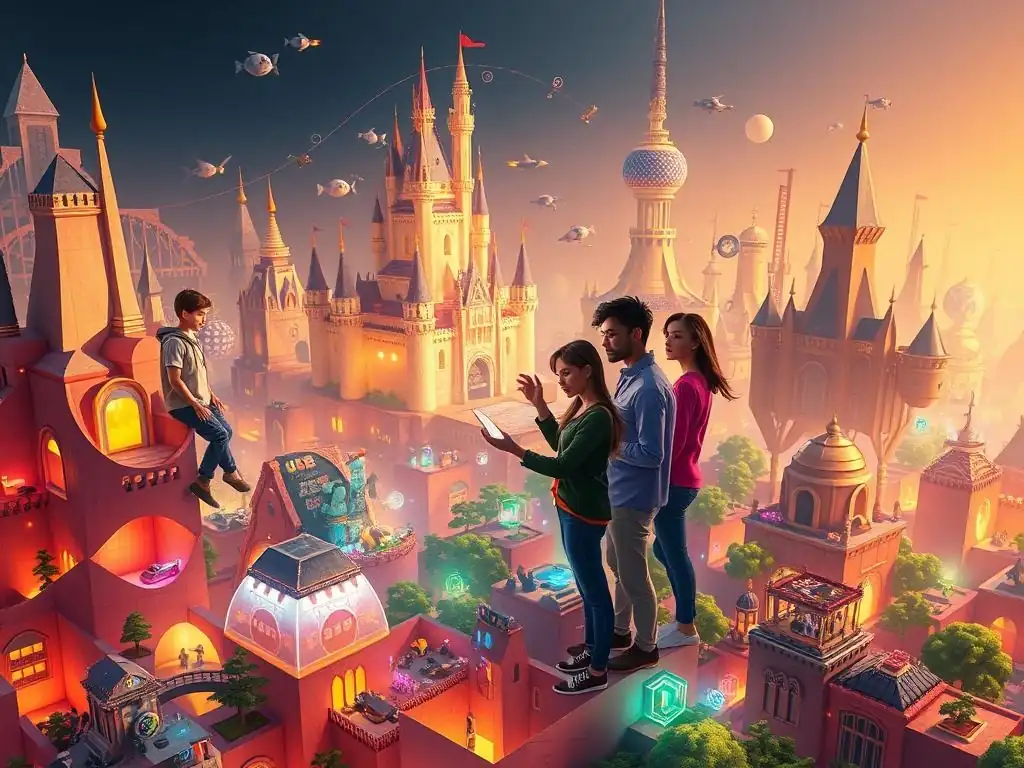
Are you ready to discover how blockchain is revolutionizing the gaming landscape? Dive into our latest article and explore the burgeoning world of NFT gaming user generated content, where players are not just consumers, but creators, shaping the very fabric of the games they love. What possibilities await when digital ownership meets boundless imagination? Let's find out...
- NFT Gaming and User-Generated Content: Empowering Players to Shape Game Worlds
- The Rise of NFT Gaming: A New Era of Ownership
- User-Generated Content (UGC) in Gaming: A Brief History
- NFT Gaming User-Generated Content: A Powerful Combination
- Key Features of NFT Gaming Platforms Supporting UGC
- The Benefits of NFT Gaming User-Generated Content for Developers
- Challenges and Considerations for NFT Gaming and UGC
- The Future of NFT Gaming and User-Generated Content
- Overcoming the Challenges: Building a Sustainable Ecosystem for NFT Gaming UGC
- Conclusion: The Transformative Power of Player-Driven Game Worlds
-
Frequently Asked Questions
- How does NFT gaming empower players beyond traditional gaming models?
- What role does User-Generated Content (UGC) play in NFT gaming?
- How does blockchain technology secure and authenticate User-Generated Content in NFT games?
- What are the potential regulatory challenges associated with NFT gaming and UGC?
- What is the future outlook for NFT gaming and the integration of User-Generated Content?
- Final Reflection: The Dawn of Player-Owned Worlds
- Unleash Your Inner Creator: Start Building Your Game World Today!
NFT Gaming and User-Generated Content: Empowering Players to Shape Game Worlds
Exploring the Intersection of NFTs, Gaming, and User Creativity
The convergence of Non-Fungible Tokens (NFTs), gaming, and user-generated content (UGC) represents a significant evolution in the digital entertainment landscape. Traditionally, game developers held exclusive control over in-game assets and content creation. However, the advent of blockchain technology and NFTs has ushered in a new paradigm where players can actively participate in shaping game worlds and economies. This intersection empowers gamers to become creators, owners, and even stakeholders in the virtual environments they inhabit, fostering a more immersive and engaging gaming experience.
This transformative shift is driven by the unique properties of NFTs, which provide verifiable digital ownership of in-game items, characters, and even virtual land. Coupled with UGC platforms, NFTs allow players to not only create content within games but also to truly own and monetize their creations. This paradigm shift has the potential to revolutionize the gaming industry, moving away from centralized control towards more decentralized, player-centric models where creativity and contribution are directly rewarded.
The Rise of NFT Gaming: A New Era of Ownership
Understanding Non-Fungible Tokens (NFTs) in Gaming
Non-Fungible Tokens (NFTs) are cryptographic assets on a blockchain that represent unique digital items. Unlike cryptocurrencies like Bitcoin or Ethereum, which are fungible (interchangeable), each NFT is distinct and carries unique identifying information. In the context of gaming, NFTs can represent a wide range of in-game assets, from cosmetic items like skins and avatars to functional elements such as weapons, virtual land, or even characters themselves. This digital scarcity and provable ownership are key characteristics that differentiate NFTs from traditional in-game items.
The technology underpinning NFTs, typically blockchain networks like Ethereum, Polygon, or Solana, ensures the immutability and transparency of ownership records. When a gamer acquires an NFT, the transaction is recorded on the blockchain, creating a permanent and verifiable record of ownership. This eliminates the ambiguity and lack of true ownership that characterized traditional in-game digital assets, which were essentially licenses granted by game developers, revocable at their discretion. NFTs, in contrast, offer gamers genuine digital property rights within the virtual realm.
Benefits of NFTs for Gamers: True Digital Ownership
The primary benefit of NFTs for gamers is the concept of true digital ownership. For years, players have invested time and money in acquiring in-game items, but these assets were ultimately controlled by game companies. If a game shut down or a player's account was banned, these digital possessions could be lost. NFTs fundamentally change this dynamic by granting players verifiable ownership of their digital assets. This ownership extends beyond a specific game, potentially allowing for interoperability of assets across different games and metaverses in the future.
Beyond ownership, NFTs also unlock new possibilities for utility and value creation within games. NFTs can represent unique and rare items, creating scarcity and collectibility. This scarcity, coupled with player demand, can drive the value of NFTs in secondary marketplaces. Furthermore, NFTs can be designed to have specific functionalities within games, such as granting access to exclusive areas, unlocking special abilities, or providing governance rights within a game's ecosystem. This utility and potential for value appreciation add a new dimension to the gaming experience, transforming in-game items from mere cosmetic enhancements to potentially valuable digital assets.
How NFTs are Transforming Game Economies
NFTs are fundamentally reshaping game economies by introducing player-driven markets and decentralized ownership models. Traditional game economies are often centralized, with developers controlling the creation, distribution, and value of in-game assets. NFTs, however, empower players to participate in the game economy as owners, traders, and even creators. NFT marketplaces allow players to buy, sell, and trade their in-game assets directly with each other, creating decentralized secondary markets outside of the game developer's direct control.
This shift towards player-driven economies has several significant implications. Firstly, it can create more sustainable and rewarding game ecosystems, where players can earn real value from their in-game efforts and contributions. Secondly, it fosters greater player agency and engagement, as players have a direct stake in the game's economy and its success. Thirdly, it opens up new revenue streams for both players and developers. Players can earn by trading NFTs or creating and selling user-generated content, while developers can benefit from transaction fees on NFT marketplaces and the increased player engagement driven by these new economic opportunities.
User-Generated Content (UGC) in Gaming: A Brief History
From Modding Communities to Integrated UGC Platforms
User-Generated Content (UGC) in gaming is not a new phenomenon. It has roots in the early days of gaming, evolving from informal modding communities to sophisticated, integrated platforms. Initially, UGC emerged organically through game modding, where players would modify game files to create custom content, levels, and experiences. Games like Doom and Quake in the 1990s fostered vibrant modding communities, showcasing the creativity and potential of player contributions. These early mods were often distributed through online forums and websites, demonstrating a grassroots movement of player-driven content creation.
Over time, game developers began to recognize the value of UGC and started to integrate modding tools and UGC platforms directly into games. Games like Minecraft, Roblox, and Fortnite Creative exemplify this evolution. These platforms provide users with intuitive tools to create and share their own levels, games, and experiences within the game's ecosystem. This shift from external modding to integrated UGC platforms has democratized game content creation, making it accessible to a wider audience and further amplifying the impact of player creativity on game development.
The Growing Importance of UGC for Game Longevity
User-Generated Content has become increasingly crucial for game longevity and player retention. In today's competitive gaming market, games need to constantly evolve and offer fresh content to keep players engaged. UGC provides a continuous stream of new experiences, levels, and gameplay variations, extending the lifespan of games far beyond their initial release cycle. By empowering players to create and share content, developers tap into a virtually limitless source of creativity and innovation.
The dynamic nature of UGC also fosters a stronger sense of community around games. Players become active participants in the game's development, contributing to its evolution and shaping its future. This sense of ownership and participation increases player loyalty and encourages long-term engagement. Furthermore, UGC can cater to diverse player tastes and preferences, creating niche communities and experiences within a game that might not have been possible through developer-created content alone. This adaptability and community-driven evolution are key factors in the enduring success of many UGC-driven games.
Examples of Successful UGC Implementations in Traditional Games
Traditional games have seen remarkable success with UGC implementations, demonstrating its power to enhance player engagement and game longevity. Minecraft, for example, is a quintessential example of a UGC-driven game. Its block-based building system and intuitive tools have empowered millions of players to create everything from simple structures to complex virtual worlds. The vast library of player-created content is a major factor in Minecraft's enduring popularity, even years after its initial release.
Roblox is another standout example, functioning as a platform for user-created games and experiences. Millions of creators on Roblox have built and published games, attracting a massive player base. Roblox's success highlights the potential of UGC platforms to become thriving ecosystems where players are both creators and consumers of content.
Fortnite Creative also showcases the power of UGC within a AAA game. Its creative mode allows players to design their own islands and game modes, significantly expanding the gameplay possibilities and contributing to Fortnite's continued relevance in the gaming landscape. These examples illustrate the transformative impact of UGC on traditional gaming and pave the way for even more innovative applications in the emerging NFT gaming space.
NFT Gaming User-Generated Content: A Powerful Combination
How NFTs Empower Players to Own and Monetize Their Creations
The fusion of NFT gaming and user-generated content creates a powerful synergy, fundamentally altering the relationship between players and game developers. NFTs provide the crucial missing piece in the UGC puzzle: true ownership and monetization opportunities for player creations. In traditional UGC models, while players can create and share content, they typically do not own it in a verifiable sense, nor can they easily monetize it outside of the game's internal systems, if at all. NFTs change this by allowing players to tokenize their UGC creations as unique digital assets.
When players create in-game items, levels, or characters and mint them as NFTs, they gain verifiable ownership recorded on the blockchain. This ownership empowers them to freely trade, sell, or even use their creations across different compatible platforms, fostering a more open and player-centric ecosystem. Furthermore, NFT marketplaces provide platforms for players to monetize their UGC by selling their creations to other players, earning cryptocurrency or other digital assets in return. This direct monetization potential incentivizes creativity and contribution, transforming players from passive consumers to active participants in the game economy.
The Evolution of Game Worlds Through Player Contributions
NFT gaming user-generated content is driving a significant evolution in how game worlds are developed and sustained. Traditionally, game worlds are designed and populated primarily by developers. However, with NFT-powered UGC, game worlds become more dynamic and player-driven, evolving organically through the collective contributions of the community. Players are not just consumers of content; they become active co-creators, shaping the game world through their creations and interactions.
This player-driven evolution can lead to more diverse and engaging game worlds that better reflect the interests and creativity of the player community. Developers can provide the core framework and tools, while players populate the world with their unique content, creating a constantly evolving and personalized gaming experience. This collaborative approach to game development can foster stronger community bonds and lead to more innovative and engaging game worlds that are truly shaped by the players themselves.
Real-World Examples of NFT Gaming User-Generated Content
Axie Infinity: Land Ownership and Customization
Axie Infinity, a popular play-to-earn NFT game, provides a compelling early example of NFT gaming user-generated content. Within Axie Infinity, players can own virtual land plots called "Lunacia". These land plots are NFTs, granting players true ownership and control over their virtual real estate. Players can customize their land plots with various structures, decorations, and resources, creating unique and personalized spaces within the Axie Infinity metaverse.
Furthermore, Axie Infinity has explored the potential for UGC within its land gameplay. While still in development, plans include allowing players to host battles, create mini-games, and even develop their own experiences on their land plots. This vision for Lunacia positions player-owned land as a platform for UGC, where players can not only own digital real estate but also actively contribute to the game world by creating and sharing their own content and experiences within it.
The Sandbox: VoxEdit and Marketplace for ASSETS
The Sandbox is a metaverse platform built on blockchain that heavily emphasizes user-generated content and NFT ownership. It provides players with powerful tools like VoxEdit and the Game Maker to create their own voxel-based ASSETS (in-game items) and experiences. VoxEdit is a user-friendly 3D editor that allows players to create and animate voxel models, which can then be minted as NFTs and used within The Sandbox metaverse.
The Sandbox Marketplace serves as a vibrant hub for players to buy, sell, and trade their ASSETS. Creators can monetize their voxel creations by selling them to other players, who can then use these ASSETS to build their own games and experiences within The Sandbox. This ecosystem empowers players to become creators and entrepreneurs within the metaverse, fostering a thriving economy around user-generated content and NFT ownership. The Sandbox exemplifies a platform where UGC and NFTs are deeply intertwined, creating a player-driven metaverse where creativity and ownership are central to the experience.
Key Features of NFT Gaming Platforms Supporting UGC
In-Game Editing Tools and Creation Suites
NFT gaming platforms that embrace user-generated content typically provide robust in-game editing tools and creation suites. These tools are essential for empowering players to easily create and modify in-game assets and experiences without requiring advanced technical skills. These suites often include intuitive interfaces, drag-and-drop functionality, and pre-built assets to simplify the creation process. The accessibility of these tools is crucial for attracting a broad range of creators and fostering a vibrant UGC ecosystem.
Examples of such tools include voxel editors like VoxEdit used in The Sandbox, level editors integrated into games like Minecraft, or creative modes like Fortnite Creative. These tools often allow players to create 3D models, design game levels, script interactions, and customize characters or items. The sophistication and user-friendliness of these creation suites directly impact the quality and diversity of user-generated content within NFT gaming platforms.
NFT Minting and Marketplace Integration
Seamless NFT minting and marketplace integration are critical features for NFT gaming platforms supporting UGC. The ability for players to easily mint their creations as NFTs directly within the game environment streamlines the process of tokenizing UGC. This integration often involves simple interfaces within the creation tools that allow players to convert their designs into NFTs with a few clicks. This removes technical barriers and makes NFT creation accessible to a wider audience of gamers.
Furthermore, direct integration with NFT marketplaces, either in-game marketplaces or connections to external platforms like OpenSea, is essential for enabling players to easily trade and monetize their UGC creations. This integration facilitates the flow of NFTs within the game ecosystem and allows players to participate in the player-driven economy. Efficient minting and marketplace integration are key to unlocking the full potential of NFT gaming user-generated content and empowering player ownership.
Governance and Community Moderation Mechanisms
Governance and community moderation mechanisms are vital for ensuring the long-term sustainability and health of NFT gaming platforms with UGC. As player-generated content becomes a core part of the game experience, establishing clear guidelines for content creation, ownership, and acceptable use is crucial. Governance mechanisms can involve community voting on proposed changes, content moderation policies, or even the allocation of resources within the game ecosystem.
Effective community moderation is also essential to maintain a positive and inclusive environment and to address issues such as copyright infringement, inappropriate content, or malicious behavior. This can involve a combination of automated moderation tools, community moderation teams, and developer oversight. Striking the right balance between empowering player creativity and ensuring a safe and respectful environment is a key challenge for NFT gaming platforms with UGC, and robust governance and moderation mechanisms are essential for navigating this complexity.
The Benefits of NFT Gaming User-Generated Content for Developers
Increased Player Engagement and Retention
NFT gaming user-generated content offers significant benefits for game developers, primarily through increased player engagement and retention. By empowering players to create and contribute to the game world, developers tap into a vast reservoir of creativity and innovation. UGC provides a continuous stream of fresh content, levels, and experiences, keeping the game dynamic and engaging for players over extended periods. This constant influx of new content combats content fatigue and significantly extends the lifespan of the game.
Furthermore, the act of creating and sharing UGC fosters a deeper sense of ownership and community among players. Players become more invested in the game's success when they are active participants in its development. This increased engagement translates into higher player retention rates, as players are more likely to remain active and invested in a game they are actively shaping and contributing to. NFTs further amplify this effect by providing players with a tangible stake in the game's ecosystem through ownership of their creations.
Reduced Content Creation Costs
Implementing NFT gaming user-generated content can also lead to reduced content creation costs for game developers. Traditionally, game developers bear the full burden of content creation, requiring significant investment in development teams, resources, and time. By leveraging UGC, developers can effectively crowdsource content creation from their player base. Players become unpaid or incentivized content creators, generating a vast amount of content at a fraction of the cost for developers.
While developers still need to provide the tools and infrastructure for UGC, the cost of creating the content itself is significantly reduced. This allows developers to focus resources on core game development, infrastructure improvements, and community support, while players contribute to the ongoing content pipeline. This shift towards player-driven content creation can make game development more efficient and sustainable, particularly for metaverse platforms and games with long-term ambitions.
New Revenue Streams Through NFT Sales and Royalties
NFT gaming user-generated content opens up new revenue streams for developers through NFT sales and royalties. While players directly benefit from selling their UGC creations on marketplaces, developers can also participate in this economy. Developers can charge fees on NFT transactions within their in-game marketplaces or collect royalties on secondary market sales of player-generated NFTs. These revenue streams can provide a sustainable financial model for UGC-driven NFT games.
Furthermore, developers can also create and sell their own NFTs, such as starter packs, creation tools, or exclusive assets, to support the UGC ecosystem. By fostering a thriving player-driven economy around NFTs and UGC, developers can create new and diversified revenue streams that are aligned with player incentives. This model moves away from solely relying on traditional game monetization methods like in-app purchases and subscriptions, towards a more collaborative and value-sharing approach.
Challenges and Considerations for NFT Gaming and UGC
Intellectual Property Rights and Ownership Disputes
Despite the benefits, NFT gaming user-generated content also presents challenges, particularly concerning intellectual property rights and ownership disputes. While NFTs are designed to establish ownership, the legal framework surrounding digital asset ownership and UGC in gaming is still evolving. Questions can arise about who owns the intellectual property of user-generated content, especially when it incorporates elements of the original game or other copyrighted material.
Disputes can also occur regarding ownership of NFTs, particularly in cases of plagiarism, unauthorized copying, or disputes over the original creator of a piece of UGC. Clear terms of service, content guidelines, and dispute resolution mechanisms are crucial for mitigating these challenges and ensuring a fair and transparent ecosystem for NFT gaming UGC. Developers need to carefully consider the legal and ethical implications of UGC and NFT ownership to protect both creators and the platform itself.
Content Moderation and Ethical Concerns
Content moderation is a significant challenge for NFT gaming platforms supporting user-generated content. As platforms become more decentralized and player-driven, ensuring that UGC is appropriate, ethical, and complies with community guidelines becomes complex. Moderating vast amounts of player-generated content, ranging from in-game items to entire virtual worlds, requires robust moderation systems and community involvement.
Ethical concerns also arise regarding the potential for exploitation, harmful content, or the creation of divisive or offensive material within UGC platforms. Striking a balance between freedom of expression and responsible content creation is crucial. Effective content moderation strategies, clear community guidelines, and mechanisms for reporting and addressing inappropriate content are essential for maintaining a positive and inclusive environment within NFT gaming UGC ecosystems.
Scalability and Performance Issues
Scalability and performance issues can pose significant challenges for NFT gaming platforms supporting large-scale user-generated content. Handling vast amounts of UGC, especially in graphically intensive metaverse environments, requires robust infrastructure and optimized game engines. The blockchain component of NFT gaming also introduces scalability considerations, as blockchain networks need to handle a potentially high volume of NFT transactions and interactions within the game world.
Performance issues can arise from rendering complex user-generated environments, managing a large number of active players interacting with UGC, and ensuring smooth gameplay within player-created spaces. Optimizing game performance, implementing efficient content loading and streaming techniques, and leveraging scalable blockchain solutions are crucial for addressing these challenges and ensuring a seamless user experience in NFT gaming UGC platforms.
The Future of NFT Gaming and User-Generated Content
The Metaverse and Interoperability of NFT Assets
The future of NFT gaming and user-generated content is inextricably linked to the development of the metaverse and the interoperability of NFT assets. As metaverses evolve into interconnected virtual worlds, NFTs have the potential to become portable digital assets that can be used across different games and platforms. This interoperability would unlock a new level of utility and value for NFT gaming UGC. Players could potentially use their avatars, items, and creations across multiple metaverse experiences, creating a more persistent and interconnected digital identity.
Imagine creating a unique sword in one NFT game and being able to wield it in another, or building a virtual house in one metaverse and transporting it to another. This vision of NFT interoperability is a key driver for the future of NFT gaming and UGC, promising to break down silos between games and create a more open and interconnected metaverse ecosystem.
AI-Powered UGC Creation Tools
Artificial intelligence (AI) is poised to revolutionize user-generated content creation in NFT gaming. AI-powered tools can significantly simplify and enhance the UGC creation process, making it more accessible and empowering players to create even more sophisticated and diverse content. AI can assist with tasks such as 3D modeling, texture generation, animation, and even game logic scripting, reducing the technical barriers to entry for UGC creation.
Imagine AI tools that can generate 3D models based on text prompts, automatically texture in-game assets, or even assist in designing complex game mechanics within a UGC platform. AI-powered UGC creation tools have the potential to democratize game development further, enabling a wider range of players to become creators and unleashing a new wave of innovation and creativity within NFT gaming and the metaverse.
The Potential for Fully Decentralized Game Development
NFT gaming and user-generated content are paving the way for the potential of fully decentralized game development. Blockchain technology and NFTs enable new models of game ownership, governance, and funding that can distribute control and decision-making away from centralized game studios and towards the player community. Decentralized Autonomous Organizations (DAOs) can be used to govern game development, manage in-game economies, and even distribute revenue among contributors.
Imagine a future where games are developed and maintained by a community of players, creators, and developers, all coordinated through a DAO and incentivized through NFTs. This vision of decentralized game development could lead to more transparent, community-driven, and sustainable gaming ecosystems, where players have a direct stake in the game's success and can actively participate in shaping its future. NFT gaming UGC is a crucial stepping stone towards this more decentralized and player-centric future of game development.
Overcoming the Challenges: Building a Sustainable Ecosystem for NFT Gaming UGC
Establishing Clear Guidelines for Content Creation and Ownership
To build a sustainable ecosystem for NFT gaming UGC, establishing clear guidelines for content creation and ownership is paramount. These guidelines should address intellectual property rights, acceptable use policies, and the terms of service for UGC platforms. Clear and transparent rules are essential for fostering trust and fairness within the community and for mitigating potential disputes or legal challenges.
These guidelines should clearly define what types of content are permissible, address copyright infringement issues, and outline the ownership rights of both creators and the platform. Providing accessible and understandable documentation of these guidelines is crucial for empowering creators and ensuring a healthy and legally sound ecosystem for NFT gaming UGC.
Implementing Effective Moderation Systems
Implementing effective moderation systems is crucial for maintaining a positive and safe environment within NFT gaming UGC platforms. These systems should combine automated moderation tools with human moderation, involving both platform administrators and community moderators. Proactive moderation strategies are essential to identify and address inappropriate content, malicious behavior, and violations of community guidelines.
Effective moderation systems should also include clear reporting mechanisms for players to flag inappropriate content and transparent processes for reviewing and resolving moderation issues. Striking the right balance between automated and human moderation, and empowering the community to participate in moderation efforts, is key to creating a sustainable and responsible UGC ecosystem within NFT gaming.
Fostering a Positive and Inclusive Community
Fostering a positive and inclusive community is essential for the long-term success of NFT gaming UGC platforms. A thriving UGC ecosystem relies on a vibrant and supportive community of creators and players. Platforms should actively promote community building initiatives, provide tools for communication and collaboration, and celebrate player contributions.
Creating a welcoming and inclusive environment is crucial for attracting a diverse range of creators and players and for fostering a sense of belonging and shared ownership within the game world. Community events, creator spotlights, and feedback mechanisms can all contribute to building a positive and engaged community that drives the growth and evolution of NFT gaming UGC platforms.
Conclusion: The Transformative Power of Player-Driven Game Worlds
NFT Gaming User Generated Content: A Paradigm Shift in Game Development
NFT gaming user-generated content represents a paradigm shift in game development, moving away from centralized, developer-driven models towards more decentralized, player-centric ecosystems. This convergence empowers players to become active participants in shaping game worlds, owning their creations, and contributing to the evolution of virtual environments. NFTs provide the crucial element of true digital ownership, unlocking new monetization opportunities and fostering a more sustainable and rewarding relationship between players and games.
This paradigm shift has profound implications for the future of gaming, promising to create more dynamic, engaging, and community-driven game experiences. By embracing NFT gaming user generated content, developers can tap into the limitless creativity of their player base, reduce content creation costs, and build thriving player-driven economies that redefine the boundaries of digital entertainment.
Embracing the Future of Gaming with Blockchain Technology
Embracing blockchain technology and NFTs is essential for unlocking the full potential of user-generated content in gaming. NFTs provide the foundation for true digital ownership, decentralized economies, and player empowerment within virtual worlds. As the metaverse evolves and interoperability becomes a reality, NFT gaming UGC will play a central role in shaping the future of digital entertainment.
By overcoming the challenges related to intellectual property, content moderation, and scalability, and by fostering positive and inclusive communities, the NFT gaming industry can build sustainable and transformative ecosystems that revolutionize game development and empower players to shape the future of gaming. The journey towards player-driven game worlds is underway, and NFT gaming user-generated content is at the forefront of this exciting evolution.
Frequently Asked Questions
How does NFT gaming empower players beyond traditional gaming models?
NFT gaming allows players to own in-game assets as NFTs, giving them real-world value and the ability to trade them. This shifts the power dynamic, offering financial incentives and greater control.
What role does User-Generated Content (UGC) play in NFT gaming?
UGC in NFT gaming enables players to create and own in-game items, levels, and experiences. These creations can then be monetized through the game's ecosystem, fostering a more vibrant community.
How does blockchain technology secure and authenticate User-Generated Content in NFT games?
Blockchain provides a transparent and immutable ledger to verify the authenticity and ownership of UGC. This helps to prevent plagiarism and fraud, ensuring creators receive proper credit and compensation.
What are the potential regulatory challenges associated with NFT gaming and UGC?
Regulatory concerns include the classification of NFTs as securities, potential issues with intellectual property rights related to UGC, and compliance with anti-money laundering (AML) laws.
What is the future outlook for NFT gaming and the integration of User-Generated Content?
The future looks promising, with increased adoption of NFT gaming and UGC leading to more immersive and player-driven experiences. This could revolutionize the gaming industry by creating new economic models and empowering players like never before.
Final Reflection: The Dawn of Player-Owned Worlds
The convergence of NFT gaming and user-generated content represents a fundamental shift in the gaming landscape, empowering players in unprecedented ways. No longer are we simply consumers of pre-packaged experiences; we are becoming active architects, co-creators, and even owners of the virtual worlds we inhabit. This paradigm shift has profound implications for the future of entertainment and digital ownership.
The ability to truly own and monetize in-game creations through NFTs is not just a technological advancement; it's a cultural revolution. It's about recognizing the value of player creativity and rewarding contributions to the collective gaming experience. The future of gaming is not just about playing games, but about creating them, owning them, and sharing them with the world.
This sentiment perfectly encapsulates the transformative power of NFT gaming and user-generated content, fostering a more participatory and equitable ecosystem.
As we stand on the cusp of this new era, I invite you to consider the possibilities. How can you leverage these tools to express your creativity, build communities, and shape the future of gaming? Embrace the power of ownership, contribute to the worlds you love, and become an active participant in the evolution of digital entertainment. The future of gaming is in your hands.
Unleash Your Inner Creator: Start Building Your Game World Today!
Thank you for exploring the exciting intersection of NFT gaming and user-generated content with us. We hope you've gained a deeper understanding of how players are becoming active architects of their virtual worlds. Now, it's time to get involved!
Here are a few ways you can take your next step:
- Dive into the metaverse and create your first NFT asset for a user-generated gaming platform. This is your chance to become a digital artist and contribute to the evolution of gaming!
- Explore different NFT gaming communities on platforms like Discord and Reddit to connect with fellow creators and stay updated on the latest trends.
- Consider supporting indie game developers who are pioneering user-generated content in the NFT space—your backing can help bring innovative projects to life.
Ready to start building your own piece of the metaverse? What unique game element or asset would you create first if given the opportunity? Share your ideas in the comments below!
Leave a Reply