
NFTs in Gaming: A Beginner's Guide to Digital Assets and Blockchain Integration

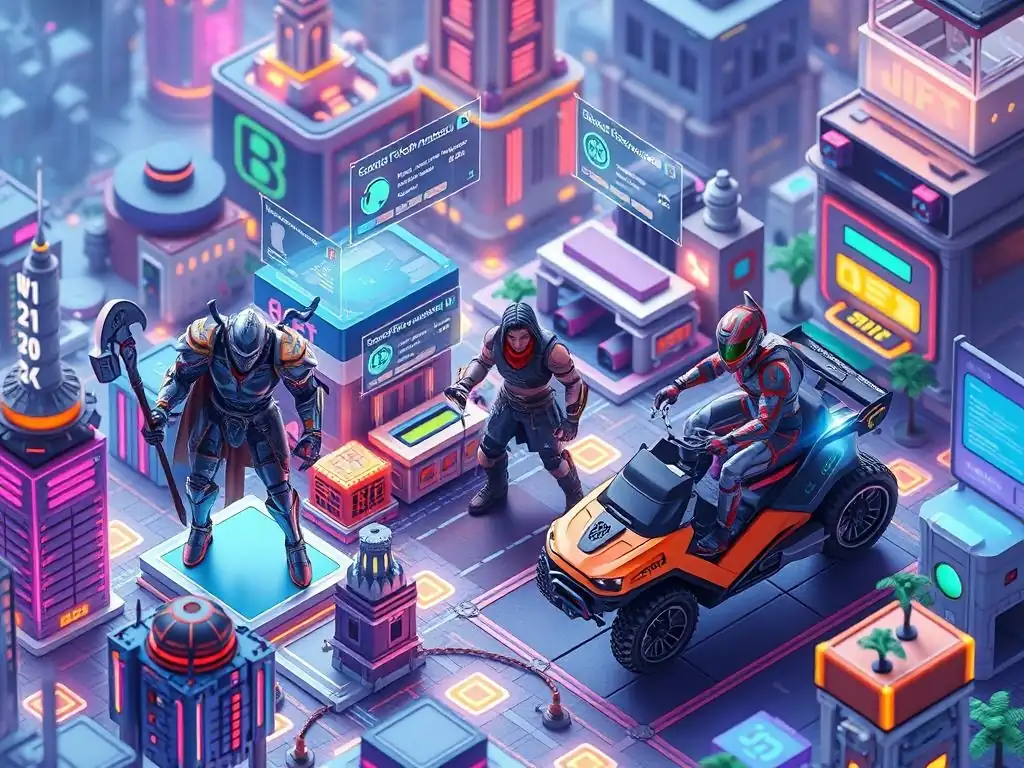
Welcome to Blockchain Trends, your compass in the rapidly evolving world of decentralized technologies. Are you ready to level up your understanding of how blockchain is revolutionizing gaming? Dive into our comprehensive NFTs gaming blockchain integration guide and discover how digital assets are transforming the gaming landscape. Prepare to unlock the potential of NFTs and explore the future of play!
NFTs in Gaming: A Beginner's Guide to Digital Assets and Blockchain Integration
- Introduction to NFTs in Gaming: Revolutionizing the Gaming Industry
- What are NFTs (Non-Fungible Tokens) and How Do They Work?
- The Benefits of NFTs Gaming Blockchain Integration
- Exploring Different Use Cases of NFTs in Gaming
- How to Get Started with NFTs in Gaming: A Step-by-Step Guide
- The Future of NFTs in Gaming: Trends and Predictions
- Common Misconceptions About NFTs and Gaming
- Conclusion: Embracing the Potential of NFTs in Gaming
-
Frequently Asked Questions
- What exactly are NFTs and how do they relate to gaming?
- How does blockchain technology enable NFT integration in games?
- What are the potential benefits of integrating NFTs into gaming experiences?
- What are some of the challenges associated with implementing NFTs in games?
- Where can I learn more about how to integrate NFTs into my own gaming projects?
- Final Reflection: Embracing the Evolving Landscape of Gaming
- Unleash Your Inner Gamer: Dive Deeper into the NFT Revolution!
Introduction to NFTs in Gaming: Revolutionizing the Gaming Industry
Understanding the Core Concepts: NFTs, Blockchain, and Gaming
The intersection of Non-Fungible Tokens (NFTs), blockchain technology, and the gaming industry is forging a revolutionary path, altering how players interact with games and perceive digital ownership. Traditionally, in-game assets – from swords and skins to characters and virtual lands – have been confined within the game's ecosystem, controlled entirely by the game developers. Players invest time and sometimes significant money acquiring these items, yet they lack true ownership outside the game's boundaries.
NFTs, powered by blockchain, are changing this paradigm by introducing provable digital scarcity and ownership to in-game assets. This integration is not just about adding a new feature; it represents a fundamental shift towards player empowerment and the creation of more immersive and economically vibrant gaming experiences.
Blockchain technology serves as the foundational infrastructure for NFTs, providing a secure, transparent, and decentralized ledger to record the ownership and transaction history of these unique digital assets. Gaming, in turn, offers a fertile ground for NFT adoption due to its inherent digital nature and the established market for in-game items.
Integrating NFTs into gaming means players can truly own their in-game assets, trade them freely outside of the game's control, and potentially even utilize them across different games or platforms in the future. This convergence of technologies is creating a new era of gaming, where digital assets possess real-world value and players are more deeply engaged with the games they love.
Why NFTs are Gaining Traction in the Gaming World: A New Paradigm
NFTs are rapidly gaining traction in the gaming world primarily because they introduce a new paradigm centered around player ownership and control. In traditional gaming models, players purchase in-game items but don't truly own them. If a game shuts down, or a player is banned, these assets are lost.
NFTs change this by giving players verifiable and immutable ownership of their digital assets on the blockchain. This ownership extends beyond the game itself, allowing players to trade, sell, or even showcase their NFTs in external marketplaces, essentially turning in-game assets into tradable digital commodities. This shift towards player-owned assets is a major driver of NFT adoption in gaming.
Beyond ownership, NFTs offer game developers innovative avenues for monetization and player engagement. By creating and selling NFTs, developers can generate new revenue streams and foster stronger communities around their games. For example, limited-edition NFT items can create scarcity and drive demand, while NFT-based characters or avatars can enhance player identity and personalization.
Moreover, NFTs can facilitate decentralized game economies where players can earn cryptocurrency or other digital assets through gameplay, incentivizing participation and creating more sustainable gaming ecosystems. The potential for both player empowerment and developer innovation is fueling the rapid growth and interest in NFTs gaming blockchain integration guide applications.
What are NFTs (Non-Fungible Tokens) and How Do They Work?
Demystifying Non-Fungible Tokens: Uniqueness and Scarcity
Non-Fungible Tokens, or NFTs, are cryptographic assets on a blockchain with unique identification codes and metadata that distinguish them from each other. Unlike cryptocurrencies like Bitcoin or Ethereum, which are fungible (meaning one unit is interchangeable with another), NFTs are non-fungible, meaning each token is unique and cannot be replaced by something else. Think of it like comparing a dollar bill (fungible) to a unique piece of art like the Mona Lisa (non-fungible).
Each NFT represents ownership of a specific digital item, which could be anything from digital art and music to virtual real estate and, crucially for this context, in-game items. This inherent uniqueness is what makes NFTs valuable and applicable in gaming, as they can represent rare and collectible in-game assets.
The concept of scarcity is central to the value proposition of NFTs. In the digital world, creating copies of digital items is typically effortless, leading to abundance and diminishing value. NFTs solve this problem by creating verifiable digital scarcity.
Since each NFT is unique and its ownership is recorded on a transparent and immutable blockchain, it becomes possible to create and own genuinely scarce digital items. For instance, a game developer could release a limited edition of 100 unique NFT swords, each verifiably rare and collectible due to its blockchain-backed scarcity. This controlled scarcity, combined with the unique nature of each NFT, drives their desirability and value in the gaming and digital asset markets.
Blockchain Technology: The Foundation of NFT Security and Transparency
Blockchain technology serves as the bedrock for NFTs, providing the essential infrastructure for their security, transparency, and immutability. A blockchain is essentially a decentralized, distributed ledger that records transactions across many computers. This decentralized nature is crucial for NFT integrity because it eliminates single points of failure and control. Instead of relying on a central authority to validate and record transactions, a blockchain uses a network of nodes to achieve consensus, making it incredibly difficult to tamper with or alter the recorded data. This inherent security is vital for ensuring the long-term ownership and authenticity of NFTs.
Transparency is another key benefit of blockchain technology for NFTs. All transactions and ownership records related to an NFT are publicly auditable on the blockchain. Anyone can verify the provenance of an NFT, trace its ownership history, and confirm its authenticity.
This transparency builds trust and reduces the risk of fraud or counterfeiting, particularly important in the digital asset space. For example, in gaming, players can confidently verify the legitimacy of a rare NFT weapon or skin they are purchasing because its entire history, from its creation to its current ownership, is transparently recorded on the blockchain. This combination of security and transparency makes blockchain the ideal technology for supporting the NFT ecosystem in gaming and beyond.
Smart Contracts: Automating NFT Ownership and Transactions
Smart contracts are self-executing contracts with the terms of the agreement directly written into code. They reside on the blockchain and automatically execute when predefined conditions are met. In the context of NFTs, smart contracts are instrumental in automating the processes of NFT creation, ownership transfer, and transactions. When an NFT is created, a smart contract is deployed on the blockchain that defines the NFT's properties, including its uniqueness, metadata, and rules for transfer. This contract essentially governs the entire lifecycle of the NFT, ensuring that transactions are executed according to pre-set rules and without the need for intermediaries.
Smart contracts streamline NFT transactions and enhance their functionality in gaming. For example, when a player purchases an NFT in-game item, a smart contract automatically transfers ownership of the NFT to the player's crypto wallet upon successful payment. Similarly, smart contracts can automate royalty payments to NFT creators whenever their NFTs are resold in secondary marketplaces.
This automation reduces transaction costs, increases efficiency, and fosters trust in NFT marketplaces. In gaming, smart contracts can also be used to implement complex game mechanics related to NFT assets, such as defining the attributes of NFT characters or governing the rules for using NFT items within the game world. The use of smart contracts is a key enabler for the seamless integration of NFTs into gaming ecosystems, making them a core component of the NFTs gaming blockchain integration guide.
The Benefits of NFTs Gaming Blockchain Integration
True Ownership of In-Game Assets: Rare Weapon Skins
One of the most significant benefits of NFTs gaming blockchain integration is the concept of true ownership of in-game assets. In traditional gaming, players might spend hundreds of dollars on virtual items, but these items are essentially licenses within the game's ecosystem, controlled by the game developers. If the game servers shut down or the player's account is banned, these assets are lost.
NFTs fundamentally alter this dynamic by granting players verifiable and immutable ownership of their digital assets on the blockchain. When a player acquires an NFT in-game item, they possess a unique token on the blockchain that proves their ownership, independent of the game developer's control.
Consider the example of rare weapon skins. In games like Counter-Strike: Global Offensive or Fortnite, weapon skins are highly sought after and can be traded within the game's marketplace. However, these skins are not NFTs; players don't truly own them outside of the game. With NFTs, a limited-edition weapon skin could be issued as an NFT.
If a player obtains this NFT skin, they truly own it. They can trade it on NFT marketplaces like OpenSea, sell it for cryptocurrency, or even potentially use it in other games or metaverse environments in the future (if interoperability standards evolve). This true ownership empowers players and transforms in-game assets from mere digital licenses into potentially valuable digital property, marking a significant shift in the gaming landscape.
Enhanced Player Experience: Personalized Avatars and Customization
NFTs can significantly enhance the player experience by enabling greater personalization and customization options within games. Traditional game avatars and customization options are often limited and centrally controlled by game developers. NFTs offer the potential for players to own unique and personalized digital avatars and cosmetic items that are verifiably scarce and truly belong to them. This ownership can foster a stronger sense of identity and investment in the game world, as players can express themselves with unique digital assets that are not just in-game skins but also valuable digital collectibles.
Imagine a player owning a unique NFT avatar that is not just visually distinct but also carries a history of achievements and accomplishments within the game, all recorded on the blockchain. This avatar could become a symbol of status and prestige within the game community. Furthermore, NFTs can enable cross-game interoperability of avatars and customization items (as technology and standards evolve).
A player might be able to use their NFT avatar across multiple metaverse platforms or games, creating a consistent digital identity across different virtual worlds. This level of personalization and interoperability, driven by NFTs, can lead to a more immersive and engaging player experience, making the digital assets they acquire more meaningful and valuable.
New Revenue Streams for Game Developers: In-Game Asset Marketplaces
NFTs offer game developers exciting new revenue streams beyond traditional game sales and in-app purchases. By creating and selling NFTs representing in-game assets, developers can tap into secondary marketplaces and generate ongoing revenue through royalties. When an NFT is initially sold by the game developer, they receive the primary sale revenue. However, NFTs can also be programmed to automatically pay a royalty to the original creator each time the NFT is resold on a secondary marketplace like OpenSea or Rarible. This royalty mechanism creates a continuous revenue stream for developers, incentivizing them to create valuable and desirable NFT assets.
In-game asset marketplaces built around NFTs can become thriving economies, benefiting both developers and players. Developers can earn not only from the initial sale of NFTs but also from the ongoing trading activity in the secondary market. This model can be particularly lucrative for games with strong communities and collectible in-game items.
For example, a game developer could release limited-edition NFT characters or items, sell them initially, and then continue to earn a percentage of every subsequent sale on the open market. This creates a win-win situation: developers gain new revenue streams, and players can actively participate in the game's economy by trading and investing in valuable digital assets. The emergence of these NFT-based marketplaces is transforming the economics of game development and providing a more sustainable model for creators.
Interoperability Between Games: Cross-Game Avatar Usage
The potential for interoperability between games is another compelling benefit of NFTs gaming blockchain integration, albeit still in its early stages of development. Currently, in-game assets are typically locked within a single game environment. NFTs, however, hold the promise of enabling players to use their digital assets, particularly avatars and cosmetic items, across different games and virtual platforms. While technical standards and industry-wide adoption are still evolving, the underlying technology of NFTs and blockchain makes cross-game interoperability a feasible future possibility.
Imagine owning an NFT avatar that you could use not just in one specific game but across multiple metaverse platforms, virtual worlds, and different game titles. This would create a persistent digital identity for players and increase the utility and value of their NFT assets. For example, a player could use their rare NFT sword in a fantasy RPG, then switch to a futuristic shooter game and use the same avatar (or a related cosmetic item from the same NFT collection).
Achieving true interoperability requires collaboration between game developers and the establishment of common standards for NFT metadata and game engine compatibility. However, the vision of a more interconnected gaming metaverse, where players can carry their digital possessions across different virtual experiences, is a powerful driver for the adoption and development of NFT-based gaming ecosystems.
Exploring Different Use Cases of NFTs in Gaming
In-Game Items: Weapons, Skins, and Collectibles
The most prevalent use case for NFTs in gaming currently revolves around in-game items, including weapons, skins, and collectibles. NFTs are ideally suited to represent unique and scarce digital items within games, providing verifiable ownership and tradability. Game developers are increasingly issuing limited-edition weapons, armor sets, character skins, and other cosmetic items as NFTs. These NFTs can be sold in in-game marketplaces or on external NFT platforms like OpenSea. Players can acquire these NFTs to enhance their gameplay experience, express their individuality, and potentially profit by trading or selling them to other players.
Collectible NFTs are also gaining popularity in gaming. These could be digital trading cards, virtual figurines, or other unique digital collectibles with varying degrees of rarity. For example, games like Sorare have successfully implemented NFT-based digital trading cards for football players, creating a thriving market for these collectibles.
The scarcity and verifiable ownership of NFT in-game items and collectibles drive their value and desirability, creating new economies within games and fostering deeper player engagement. The market for NFT in-game items is projected to grow significantly as more game developers integrate blockchain technology and explore the potential of digital asset ownership.
Virtual Land Ownership: Metaverse Real Estate
Virtual land ownership within metaverse games is another compelling use case for NFTs. Metaverse platforms often feature virtual worlds where users can purchase, develop, and trade virtual land parcels. These virtual land parcels are typically represented as NFTs, providing verifiable ownership and scarcity within the digital realm. Players can purchase NFT land to build virtual homes, create businesses, host events, or simply speculate on the value of virtual real estate. Examples of metaverse platforms utilizing NFT land include Decentraland and The Sandbox, where virtual land parcels have seen significant price appreciation.
The concept of digital scarcity is particularly relevant to virtual land NFTs. The total supply of land in these metaverse worlds is often limited, creating artificial scarcity that can drive up demand and value. Just like real-world real estate, virtual land NFTs can be traded, leased, and developed, creating complex virtual economies. Businesses are also starting to explore virtual land ownership in the metaverse for marketing, virtual storefronts, and immersive brand experiences. The market for virtual land NFTs is still evolving, but it represents a significant and growing use case within the broader NFT gaming and metaverse ecosystem.
Play-to-Earn (P2E) Gaming: Earning Crypto While Playing
Play-to-Earn (P2E) gaming is a revolutionary model enabled by NFTs and blockchain, where players can earn cryptocurrency and other digital assets through gameplay. Traditional gaming often involves players spending money on games and in-game items without any direct financial return. P2E games flip this model by rewarding players for their time and skills with tradable digital assets.
These rewards can come in the form of in-game cryptocurrency tokens, NFT items earned through gameplay, or a combination of both. Players can then trade or sell these earned assets on cryptocurrency exchanges or NFT marketplaces, effectively earning real-world value by playing games.
Axie Infinity is a prominent example of a successful P2E game. Players in Axie Infinity earn cryptocurrency tokens (AXS and SLP) by playing the game, battling creatures, and participating in the game's economy. These tokens can be exchanged for other cryptocurrencies or fiat currency.
P2E gaming has gained significant traction, particularly in developing countries, where it has provided new income opportunities for players. While the sustainability and long-term economic models of P2E games are still being explored, the concept of earning crypto while playing games represents a major shift in the gaming industry and a key use case for NFTs gaming blockchain integration guide applications.
Decentralized Game Development: Community-Funded Game Projects
NFTs and blockchain technology are also facilitating decentralized game development, where communities can contribute to and even govern game projects. Traditional game development is typically centralized, with game studios controlling all aspects of game creation and operation. Decentralized game development aims to shift some of this control to the community, allowing players and developers to collaborate more directly and transparently. NFTs can play a role in this by enabling community funding of game projects through NFT sales and by providing mechanisms for community governance through decentralized autonomous organizations (DAOs).
For example, a game developer could launch a crowdfunding campaign by selling NFTs representing early access passes, unique in-game items, or even ownership stakes in the game project itself. The funds raised through these NFT sales can be used to finance game development. Furthermore, NFTs can be integrated into decentralized governance models, where NFT holders can vote on game development decisions, propose new features, or participate in shaping the game's future.
This decentralized approach can lead to more community-driven and player-centric games, fostering stronger engagement and ownership among players. While decentralized game development is still in its early stages, it represents a promising trend and another innovative use case for NFTs in gaming.
How to Get Started with NFTs in Gaming: A Step-by-Step Guide
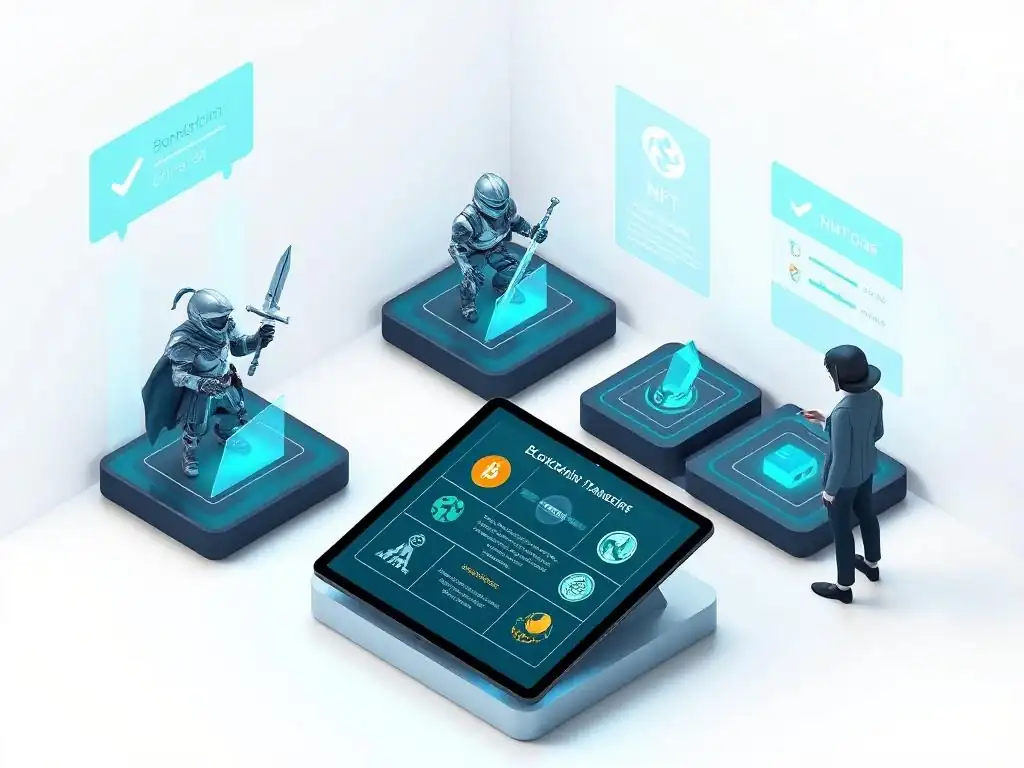
Setting up a Crypto Wallet: MetaMask and Trust Wallet
To get started with NFTs in gaming, the first essential step is setting up a cryptocurrency wallet. A crypto wallet is a digital wallet that allows you to store, send, and receive cryptocurrencies and NFTs. For interacting with NFT marketplaces and blockchain games, two popular and user-friendly wallet options are MetaMask and Trust Wallet. MetaMask is a browser extension and mobile app primarily used for Ethereum-based NFTs and decentralized applications (dApps). Trust Wallet is a mobile-only wallet that supports multiple blockchains, including Ethereum, Binance Smart Chain, and others, making it versatile for various NFT gaming ecosystems.
Setting up either MetaMask or Trust Wallet involves downloading the wallet application or browser extension, creating a new wallet, and securely storing your seed phrase (a set of recovery words). It's crucial to write down your seed phrase and keep it in a safe and offline location, as it is the only way to recover your wallet if you lose access. Once your wallet is set up, you will have a wallet address, which is a unique identifier for your wallet on the blockchain.
This address will be used to receive NFTs and cryptocurrencies and to connect to NFT marketplaces and blockchain games. Funding your wallet with some cryptocurrency, typically ETH or other tokens depending on the blockchain, will be necessary to purchase NFTs and pay for transaction fees.
Buying and Selling NFTs: OpenSea and Rarible for Game Assets
Once you have a crypto wallet set up and funded, you can start exploring NFT marketplaces to buy and sell game assets. OpenSea and Rarible are two of the largest and most popular NFT marketplaces that host a wide variety of NFTs, including game items, virtual land, and digital collectibles. OpenSea is a broad marketplace with a vast selection of NFTs across different categories, while Rarible is known for its focus on art and collectibles and its community-driven approach. Both platforms allow you to connect your crypto wallet and browse, buy, and sell NFTs.
To buy an NFT on OpenSea or Rarible, you typically need to connect your MetaMask or Trust Wallet to the platform, browse the available NFTs, and select an NFT you want to purchase. You can then either make an offer or buy the NFT at the listed price using cryptocurrency from your wallet. To sell an NFT you own, you would also connect your wallet, select the NFT you want to sell, set a price, and list it for sale on the marketplace.
Both platforms charge transaction fees, known as "gas fees" on Ethereum, for buying and selling NFTs. Familiarizing yourself with these marketplaces and understanding how to navigate them is key to engaging with NFTs in gaming.
Understanding Gas Fees and Transaction Costs: Optimizing Transaction Timing
Gas fees are transaction fees paid to the blockchain network (primarily Ethereum) to process and validate transactions, including NFT purchases and sales. Gas fees fluctuate based on network congestion; when the network is busy, gas fees tend to be higher, and when it's less congested, they are lower. Understanding gas fees is crucial for optimizing transaction costs when buying and selling NFTs, especially on the Ethereum blockchain, where gas fees can sometimes be significant. High gas fees can make small NFT transactions less economical.
To optimize transaction timing and potentially reduce gas fees, it's advisable to monitor gas prices before initiating transactions. Websites like Etherscan provide real-time gas price estimations. You can choose to transact when gas prices are lower, typically during off-peak hours or days when network activity is less intense.
Some wallets and marketplaces also offer options to adjust gas fees, allowing you to choose between faster transaction processing (higher gas fees) or slower processing (lower gas fees). For beginners, it's important to be aware of gas fees and factor them into the overall cost of buying and selling NFTs to avoid unexpected expenses. Exploring blockchains with lower transaction fees, like Polygon or Solana, which are increasingly being adopted by NFT gaming projects, is another strategy to mitigate gas fee concerns.
Security Best Practices: Protecting Your NFT Assets
Security is paramount when dealing with NFTs and cryptocurrencies. Protecting your NFT assets requires adopting strong security practices to prevent theft, scams, and loss of funds. The most critical security measure is to safeguard your seed phrase (recovery phrase) for your crypto wallet. Never share your seed phrase with anyone, and store it offline in a secure location. Treat your seed phrase like the master key to your digital assets. Avoid storing your seed phrase digitally on your computer or phone, as these devices can be compromised.
Be cautious of phishing scams and fake websites that try to steal your wallet credentials or seed phrase. Always verify the website address before connecting your wallet or entering sensitive information. Use strong, unique passwords for your crypto wallet accounts and enable two-factor authentication (2FA) whenever possible. Consider using a hardware wallet (like Ledger or Trezor) for enhanced security, especially if you hold a significant amount of NFT assets.
Hardware wallets store your private keys offline, making them more resistant to online attacks. Regularly review your wallet activity and be vigilant for any suspicious transactions. Staying informed about common NFT scams and security threats is essential for protecting your digital assets in the evolving NFT landscape.
The Future of NFTs in Gaming: Trends and Predictions
Increased Adoption of Blockchain Gaming: Mainstream Game Integration
The future of NFTs in gaming points towards increased adoption and mainstream game integration. While NFTs are still relatively niche within the broader gaming industry, there is growing momentum and interest from both game developers and players. Major game studios are beginning to explore blockchain gaming and NFT integration, signaling a potential shift towards wider adoption. As blockchain technology becomes more user-friendly and scalable, and as players become more familiar with the concept of digital asset ownership, we can expect to see more mainstream games incorporating NFTs and blockchain features.
This increased adoption will likely involve a spectrum of integration approaches. Some games may fully embrace P2E models and decentralized economies, while others might integrate NFTs more selectively, focusing on cosmetic items, collectibles, or specific in-game functionalities. The success of early blockchain games and the growing awareness of NFTs' potential in gaming are paving the way for more widespread adoption. As the technology matures and user experiences improve, the integration of NFTs into mainstream gaming is likely to become more commonplace, transforming how games are developed, played, and monetized.
Evolution of Play-to-Earn Models: Sustainable Economic Systems
Play-to-Earn (P2E) gaming models are expected to evolve significantly in the future, focusing on creating more sustainable and balanced economic systems. Early P2E games, while demonstrating the potential of this model, have sometimes faced challenges related to tokenomics, inflation, and player retention. The next generation of P2E games will likely prioritize creating more robust and balanced in-game economies that can sustain long-term player engagement and reward both early adopters and new players. This evolution may involve more sophisticated token distribution mechanisms, dynamic reward systems, and mechanisms to manage inflation and token supply.
Future P2E models may also incorporate elements of "Play-and-Earn" or "Play-to-Own," emphasizing both earning potential and the intrinsic enjoyment of gameplay. The focus may shift from purely financial incentives to creating engaging and fun game experiences that also offer opportunities to earn digital assets. Sustainability will be key, and developers will need to carefully design game economies that are not solely reliant on new player influx and that can maintain value and reward players over the long term. The evolution of P2E models will be crucial for the long-term success and widespread adoption of blockchain gaming.
Integration with the Metaverse: Virtual World Interconnectivity
The integration of NFTs in gaming is closely intertwined with the development of the metaverse and virtual world interconnectivity. As metaverse platforms and virtual worlds expand, NFTs are poised to play a central role in representing digital assets, identities, and experiences within these interconnected environments. NFT avatars, virtual land, in-game items, and other digital collectibles can become portable and interoperable across different metaverse platforms, creating a more seamless and unified digital experience for users. The vision of a metaverse where users can carry their digital possessions and identities across various virtual worlds is a powerful driver for NFT adoption.
Gaming is likely to be a key entry point into the metaverse, and NFTs will bridge the gap between gaming experiences and broader metaverse applications. NFT-based game assets could potentially be used not only within games but also in social metaverse platforms, virtual events, and other digital experiences. This integration will require the development of interoperability standards and collaboration between metaverse platforms and game developers. However, the convergence of NFTs, gaming, and the metaverse is expected to create new opportunities for digital ownership, virtual economies, and immersive digital experiences.
Regulatory Considerations for NFTs in Gaming: Legal Frameworks and Compliance
Regulatory considerations for NFTs in gaming are becoming increasingly important as the industry grows and gains mainstream attention. The legal and regulatory frameworks surrounding NFTs are still evolving globally, and there is ongoing debate about how NFTs should be classified and regulated. Governments and regulatory bodies are starting to examine NFTs in areas such as securities law, consumer protection, and anti-money laundering (AML) compliance. The gaming industry, particularly blockchain gaming projects, will need to navigate this evolving regulatory landscape and ensure compliance with applicable laws and regulations.
Issues such as NFT taxation, intellectual property rights, and the legal status of in-game assets are likely to come under increased scrutiny. Game developers and NFT marketplaces will need to adopt best practices for compliance and transparency to mitigate regulatory risks. Clarity in regulatory frameworks will be essential for fostering responsible innovation and sustainable growth in the NFT gaming space. Industry collaboration and dialogue with regulators will be crucial to shape a regulatory environment that supports the development of blockchain gaming while protecting consumers and addressing potential risks.
Common Misconceptions About NFTs and Gaming
Addressing Concerns about Environmental Impact: Proof-of-Stake Alternatives
One common misconception about NFTs and gaming is their environmental impact, particularly related to the energy consumption of some blockchain networks. Early blockchain technologies, like Bitcoin, used a Proof-of-Work (PoW) consensus mechanism, which requires significant computational power and energy consumption. However, many newer blockchain platforms, including those increasingly used for NFTs and gaming, are adopting more energy-efficient consensus mechanisms, such as Proof-of-Stake (PoS). Proof-of-Stake blockchains require significantly less energy compared to Proof-of-Work, addressing many of the environmental concerns associated with earlier blockchain technologies.
Ethereum, the most prominent blockchain for NFTs, is in the process of transitioning to Proof-of-Stake (with "The Merge"), which is expected to drastically reduce its energy consumption. Furthermore, many NFT gaming projects are being built on or migrating to PoS blockchains like Polygon, Solana, or Flow, which are designed to be more environmentally friendly.
While environmental concerns were valid for some older blockchain implementations, the shift towards Proof-of-Stake and other energy-efficient alternatives is significantly mitigating the environmental footprint of NFTs and blockchain gaming. It's important to differentiate between different blockchain technologies and recognize the advancements being made in sustainability within the NFT space.
Debunking Myths about NFT Value and Scams: Identifying Red Flags
Another common misconception is that all NFTs are inherently valuable or that the NFT market is rife with scams. While some NFTs have indeed sold for high prices, the value of an NFT is ultimately determined by supply and demand, just like any other asset. Not all NFTs are created equal, and many NFTs may not hold significant value or appreciation potential.
It's crucial to approach NFT investments with caution and conduct thorough research before purchasing any NFT, particularly in the gaming context. Be wary of hype-driven projects and focus on NFTs from reputable game developers or projects with clear utility and community support.
Scams and fraudulent projects are present in the NFT space, as in any emerging market. Red flags to watch out for include projects with unrealistic promises, anonymous teams, lack of transparency, and aggressive marketing tactics. "Rug pulls," where project creators abandon a project after raising funds, are a known risk in the NFT world.
To mitigate scam risks, research the project team, community sentiment, and project roadmap. Use reputable NFT marketplaces and wallets, and be skeptical of unsolicited offers or promises of guaranteed returns. Educating yourself about common NFT scams and practicing due diligence is essential for navigating the NFT market safely.
Understanding the Risks Involved in NFT Investments: Volatility and Liquidity
Understanding the risks involved in NFT investments, particularly volatility and liquidity, is crucial for anyone considering acquiring NFTs in gaming or any other context. The NFT market, like the broader cryptocurrency market, can be highly volatile. The prices of NFTs can fluctuate significantly and rapidly, and there is no guarantee that an NFT purchased at a certain price will retain or increase in value. NFT values are influenced by factors such as market sentiment, project hype, utility, and scarcity, which can be unpredictable. Investing in NFTs carries a risk of potential financial loss due to price volatility.
Liquidity is another important risk factor. NFTs can be less liquid than fungible cryptocurrencies or traditional financial assets. Selling an NFT quickly at a desired price may not always be possible, especially for less popular or niche NFTs.
The liquidity of an NFT depends on the demand for that specific NFT and the overall market conditions. Before investing in NFTs, particularly expensive ones, consider your risk tolerance and ensure you understand the potential for price volatility and illiquidity. NFT investments should be approached with a long-term perspective and as part of a diversified investment portfolio, rather than as a get-rich-quick scheme.
Conclusion: Embracing the Potential of NFTs in Gaming
The Transformative Power of Blockchain in the Gaming Ecosystem
Blockchain technology possesses transformative power within the gaming ecosystem, and NFTs are a key manifestation of this potential. Blockchain's decentralized, transparent, and secure nature provides a foundation for new gaming paradigms centered around player ownership, digital scarcity, and decentralized economies. By integrating blockchain, the gaming industry is moving beyond traditional models of centralized control and limited player agency towards more open, player-centric, and economically vibrant gaming experiences. This shift is not just about adding new features; it represents a fundamental reimagining of the relationship between players, game developers, and digital assets.
The transformative power of blockchain extends beyond NFTs to areas like decentralized game development, community governance, and cross-game interoperability. Blockchain technology is enabling new forms of game creation, funding, and player participation, fostering innovation and empowering both developers and players. As blockchain technology matures and becomes more accessible, its impact on the gaming industry is expected to deepen and broaden, leading to a more diverse and dynamic gaming landscape. Embracing blockchain in gaming is about embracing a future where digital ownership is real, player communities are stronger, and gaming experiences are more immersive and rewarding.
NFTs: A Catalyst for Innovation and Player Empowerment
NFTs are proving to be a powerful catalyst for innovation and player empowerment within the gaming industry. They are driving innovation by enabling new business models for game developers, fostering the creation of new types of games, and opening up new revenue streams. NFTs empower players by granting them true ownership of in-game assets, allowing them to participate in game economies, and providing them with greater control over their digital possessions. This empowerment is a key driver of the growing interest and adoption of NFTs in gaming.
The innovation spurred by NFTs is evident in the emergence of P2E gaming, NFT-based in-game item marketplaces, and decentralized game development models. NFTs are pushing the boundaries of what's possible in gaming and creating new opportunities for both creators and players. Player empowerment is reflected in the growing demand for digital ownership, the increasing participation in NFT trading and collecting, and the emergence of player-driven game communities. NFTs are not just a trend; they represent a fundamental shift towards a more player-centric and innovative gaming future.
Looking Ahead: The Future of Gaming with NFTs
Looking ahead, the future of gaming with NFTs is bright and full of potential. While still in its early stages, NFT gaming is poised for significant growth and evolution. Increased mainstream adoption, the development of more sustainable P2E models, deeper integration with the metaverse, and evolving regulatory frameworks are all shaping the future trajectory of NFTs in gaming. The industry is expected to see more sophisticated and engaging blockchain games, wider integration of NFTs into traditional gaming titles, and the emergence of new use cases and applications for NFTs in virtual worlds and digital experiences.
The future of gaming with NFTs is not just about technology; it's also about community, ownership, and player agency. NFTs are fostering stronger game communities, empowering players to become active participants in game economies, and creating new forms of digital identity and expression. As the technology and ecosystem mature, we can expect to see a more seamless and integrated experience for players, with NFTs becoming a natural and integral part of the gaming landscape. The journey of NFTs in gaming is just beginning, and the potential for innovation and transformation is vast.
Frequently Asked Questions
What exactly are NFTs and how do they relate to gaming?
NFTs, or Non-Fungible Tokens, are unique digital assets representing ownership of items. In gaming, they can represent in-game items like characters, weapons, or land, making them truly owned by the player.
How does blockchain technology enable NFT integration in games?
Blockchain provides a secure and transparent ledger for tracking ownership of NFTs. This allows for the verifiable scarcity and tradeability of in-game assets, fostering player economies.
What are the potential benefits of integrating NFTs into gaming experiences?
NFTs can create new revenue streams for developers and players through trading and selling. They also enhance player ownership and engagement, fostering a more immersive and rewarding gaming experience.
What are some of the challenges associated with implementing NFTs in games?
Concerns exist around environmental impact due to blockchain energy consumption, as well as regulatory uncertainties and potential for scams within the NFT space. Careful planning and execution are crucial.
Where can I learn more about how to integrate NFTs into my own gaming projects?
Numerous resources are available online, including blockchain development tutorials, NFT marketplace APIs, and communities of developers experimenting with NFT gaming blockchain integration.
Okay, here's a final reflection you can use for your article "NFTs in Gaming: A Beginner's Guide to Digital Assets and Blockchain Integration," designed to rank for the keyword "NFTs gaming blockchain integration guide."
Final Reflection: Embracing the Evolving Landscape of Gaming
The journey into the world of NFTs, gaming, and blockchain integration is just beginning, and its impact is already being felt across the industry. What started as a niche concept is rapidly transforming how we perceive ownership, value, and interaction within virtual worlds. This guide has aimed to demystify the complexities, but the true potential lies in the hands of developers, players, and innovators who dare to explore the possibilities.
The integration of NFTs into gaming represents more than just a technological advancement; it signifies a fundamental shift in power dynamics, giving players a stake in the games they love. Witnessing this evolution firsthand has been both exciting and humbling, reminding us that the future of gaming is not just about playing, but about owning, trading, and truly participating in the digital economies we inhabit. The future of gaming is not just about playing, it's about owning.
- Anonymous Game Developer. This quote encapsulates the essence of the change we are experiencing.
As you navigate this evolving landscape, remember that knowledge is your greatest asset. Embrace the learning process, experiment with different platforms, and contribute to the conversation. The future of NFTs in gaming is being written now, and your understanding and engagement will shape its trajectory. Consider how you can leverage this knowledge to become an active participant in this revolution, whether as a player, creator, or investor. The possibilities are limitless, and the time to explore them is now.
Unleash Your Inner Gamer: Dive Deeper into the NFT Revolution!
Thank you for exploring the exciting world of NFTs and their integration into gaming! We hope you now have a solid understanding of the potential and possibilities. Are you ready to take your newfound knowledge to the next level?
Here are some actionable steps you can take right now:
- Start building your own digital asset collection! Explore affordable NFTs in games you already love.
- Join the conversation! Participate in forums, Discord channels, or online communities dedicated to blockchain gaming and share your thoughts and experiences.
- Discover other applications of NFTs in digital ownership beyond gaming, such as music, art, or virtual land.
Which NFT-powered game are you most excited to explore first, and what features or aspects excite you the most? Share your thoughts in the comments below!
Leave a Reply