
Are NFTs Making Games PaytoWin? Addressing Concerns and Designing Fair Economies


Welcome to Blockchain Trends, your compass in the ever-evolving landscape of decentralized innovation. Beyond the buzz of cryptocurrencies, blockchain is reshaping industries, and gaming is no exception. In this article, we delve into a critical question that's shaping the future of play: Are NFTs Making Games PaytoWin? Explore the challenges of designing fair and engaging economies, and discover how innovative developers are striving to create balanced experiences for all players. Uncover the potential pitfalls and exciting possibilities as we navigate the complex intersection of NFTs, gaming, and sustainable design.
Are NFTs Making Games Pay-to-Win? Addressing Concerns and Designing Fair Economies
- Introduction: The Rise of NFTs in Gaming and the Pay-to-Win Debate
- Understanding the Concerns: How NFTs Can Lead to Pay-to-Win Mechanics
- Counterarguments: The Potential for Balanced NFT Game Economies
-
Designing Fair NFT Game Economies: Strategies and Solutions
- Capped NFT Power: Limiting the impact of NFTs on gameplay
- Dynamic NFT Attributes: Balancing and adjusting NFT stats over time
- Play-to-Earn Mechanics: Rewarding skill and engagement, not just NFT ownership
- Decentralized Governance: Allowing players to influence game balance and NFT mechanics
- Renting and Scholarship Systems: Making NFTs accessible to a wider player base
- Anti-Whale Mechanisms: Implementing systems to reduce the impact of high-value NFT holders
- Case Studies: Games Successfully Integrating NFTs Without Pay-to-Win
- The Future of NFTs in Gaming: Towards Sustainable and Equitable Economies
- Conclusion: Reimagining NFT Gaming Beyond Pay-to-Win
-
Frequently Asked Questions
- What are NFTs and how are they being integrated into gaming?
- What does "pay-to-win" mean in the context of gaming and how do NFTs contribute to this concern?
- How can game developers design NFT economies that are fair and balanced?
- What are the potential benefits of using NFTs in gaming beyond just revenue generation for developers?
- What are some of the regulatory challenges surrounding NFTs in gaming, and how might these challenges impact the future of the industry?
- Final Reflection: Navigating the Future of Fair Play in Gaming
- Shape the Future: Join the Fair Gaming Revolution!
Introduction: The Rise of NFTs in Gaming and the Pay-to-Win Debate
Exploring the Intersection of NFTs and Game Design
The integration of Non-Fungible Tokens (NFTs) into video games represents a significant paradigm shift in the gaming industry. Traditionally, in-game assets have been confined to the game's ecosystem, offering players no real-world ownership or value beyond the game itself. NFTs, leveraging blockchain technology, introduce the concept of true digital ownership.
Players can now own unique in-game items, characters, or land as NFTs, which can be traded, sold, or held outside the game environment, often on open marketplaces. This innovation promises to revolutionize player engagement, create new economic models for games, and potentially empower players with greater control over their digital assets.
However, this integration is not without its challenges and controversies. One of the most prominent concerns revolves around the potential for NFTs to exacerbate "pay-to-win" mechanics within games. The ability to purchase and own in-game assets as NFTs raises questions about fairness, competitive balance, and the overall player experience. As NFTs become more prevalent in gaming, understanding their impact on game design and the economic balance of virtual worlds is crucial for ensuring a positive and sustainable future for blockchain gaming.
Why are NFTs sparking pay-to-win concerns in the gaming community?
The apprehension within the gaming community regarding NFTs and pay-to-win (P2W) stems from the inherent nature of NFTs as tradable and often scarce digital assets. In traditional gaming, players might purchase in-game items or advantages, but these purchases are typically confined to the game's internal economy and are often controlled by the game developers. NFTs, on the other hand, introduce an external market and a layer of real-world financial investment. This external market dynamic can amplify the perceived unfairness of pay-to-win mechanics.
Players fear that NFTs will create a system where those with greater financial resources can simply buy their way to victory or significant in-game advantages, undermining skill-based gameplay and creating an uneven playing field. The potential for expensive NFTs to grant substantial power boosts or exclusive access to game content raises concerns that games will become dominated by "whales" – players who invest heavily in NFTs – while others are left behind or forced to pay to compete.
This fear is further fueled by the speculative nature of the NFT market, where the perceived value of digital assets can fluctuate wildly, adding another layer of complexity and potential risk to the gaming experience.
Defining "Pay-to-Win" in the Context of Blockchain Gaming
"Pay-to-win" (P2W) in gaming generally refers to game mechanics where players can gain a significant advantage over others by spending real money. This advantage can manifest in various forms, including increased character stats, access to powerful items, faster progression, or exclusive content that directly impacts gameplay outcomes. In the context of blockchain gaming and NFTs, the definition of P2W needs to be nuanced. It’s not just about spending money; it's about whether owning or purchasing NFTs fundamentally skews the game balance in favor of those who invest more financially, rather than those who invest more time and skill.
The crucial distinction lies in the degree and nature of the advantage conferred by NFTs. If NFTs primarily offer cosmetic enhancements or collectible value without impacting core gameplay mechanics, they are less likely to be perceived as P2W. However, if NFTs provide direct, tangible advantages that significantly improve a player's ability to win, progress, or dominate within the game, then the P2W label becomes justified. Therefore, evaluating whether NFTs in gaming lead to P2W requires a careful examination of how these digital assets are integrated into the game's mechanics and economy, and whether they create an unfair competitive environment.
Understanding the Concerns: How NFTs Can Lead to Pay-to-Win Mechanics
Direct Advantages: NFTs granting stat boosts or exclusive abilities
One of the most straightforward ways NFTs can introduce pay-to-win mechanics is by directly granting players gameplay advantages. This can take the form of NFTs that provide stat boosts to characters, weapons, or vehicles. For instance, an NFT sword might offer significantly higher damage output compared to non-NFT swords, or an NFT character skin could come with inherent stat bonuses like increased speed or health. Similarly, NFTs could grant exclusive abilities or skills not available through regular gameplay, giving NFT holders a distinct edge in combat or resource gathering.
Consider a hypothetical scenario in a racing game where NFT cars possess superior engine power or handling compared to standard cars. Players who purchase these NFT cars would have a clear competitive advantage in races, regardless of their driving skill. This direct translation of financial investment into in-game power is a primary driver of pay-to-win concerns. While some might argue that these advantages are simply part of the game's economy, the inherent scarcity and external market value of NFTs amplify the perception of unfairness, especially when these advantages are significant and directly impact the competitive balance.
Economic Imbalance: NFTs creating an unfair advantage in resource acquisition
Beyond direct stat boosts, NFTs can also create pay-to-win scenarios by providing an unfair advantage in resource acquisition and economic progression within a game. NFTs representing land, buildings, or resource-generating assets can allow players to accumulate in-game currency, resources, or items at a much faster rate than those who do not own these NFTs. This economic advantage can then be leveraged to further enhance their gameplay, purchase better equipment, or progress through the game more rapidly, effectively creating a pay-to-win loop.
Imagine a metaverse game where owning NFT land grants players exclusive access to high-yield resource nodes or allows them to build structures that generate passive income. Players who invest in these NFT land plots would gain a significant economic advantage over those who do not, allowing them to acquire resources and progress much faster.
This disparity can create a two-tiered economy within the game, where NFT holders thrive while non-NFT holders struggle to keep pace. This economic imbalance, driven by NFT ownership, can be just as detrimental to fair gameplay as direct stat boosts, as it fundamentally skews the game's progression and economic systems in favor of paying players.
The Problem of Whales: How High-Value NFTs Skew Gameplay
The concept of "whales" – players who invest substantial amounts of money in games – is not new to gaming. However, NFTs can exacerbate the whale problem and its impact on game balance. High-value NFTs, often due to their rarity, utility, or perceived prestige, can become status symbols and sources of immense in-game power. When these high-value NFTs grant disproportionate advantages, they can create a gameplay environment dominated by whales, where the experience for average players is significantly diminished.
Consider a strategic game where owning a rare NFT hero grants access to powerful armies and strategic advantages. If these NFT heroes are extremely expensive and provide a game-breaking advantage, a small number of whales possessing these heroes could dominate the game's meta, making it difficult or impossible for other players to compete effectively.
This concentration of power in the hands of a few, driven by high-value NFT ownership, can lead to a sense of powerlessness and frustration among the broader player base. The speculative nature of the NFT market can further amplify this issue, as the perceived value and desirability of these high-value NFTs can drive prices even higher, further entrenching the pay-to-win dynamic.
Examples of NFT Games Facing Pay-to-Win Accusations
Several NFT games have faced accusations of implementing pay-to-win mechanics, highlighting the real-world challenges of balancing NFTs with fair gameplay. Axie Infinity, while popular for its play-to-earn model, has been criticized for the high initial investment required to purchase Axie NFTs to even begin playing competitively. While skill is involved, owning stronger and rarer Axies can significantly impact win rates in battles, leading to accusations of pay-to-win. The high cost of entry can also create a barrier for players who cannot afford to invest upfront, limiting accessibility.
Another example can be seen in some metaverse land ownership models. Games offering NFT land sales, like The Sandbox or Decentraland, while not inherently pay-to-win, can create economic disparities if land ownership grants significant advantages in resource generation or in-game opportunities.
While these platforms aim for user-generated content and experiences, the underlying land ownership structure can potentially lead to situations where early adopters or those with greater financial resources gain a disproportionate advantage. These examples illustrate that even with play-to-earn models and decentralized ecosystems, careful design considerations are crucial to mitigate pay-to-win concerns and ensure fair and balanced gameplay within NFT games.
Counterarguments: The Potential for Balanced NFT Game Economies
NFT Ownership vs. Pay-to-Win: Differentiating ownership from gameplay advantage
It's important to differentiate between NFT ownership and pay-to-win mechanics. While NFTs can facilitate pay-to-win systems, they do not inherently cause them. NFTs are fundamentally about digital ownership and the ability to trade and manage digital assets. The pay-to-win issue arises from how game developers choose to integrate NFTs into their game mechanics. A well-designed NFT game can leverage the benefits of digital ownership without creating an unfair pay-to-win environment.
The core value proposition of NFTs – true digital ownership – can actually be separated from gameplay advantages. NFTs can represent cosmetic items, collectibles, or even access keys to exclusive content without directly impacting competitive balance. For example, a game could offer NFT skins or emotes that are purely aesthetic and do not provide any gameplay advantages.
Similarly, NFTs could represent virtual land or in-game businesses that generate income but do not grant direct combat advantages. The key is to design NFT utility in a way that aligns with player ownership and economic participation without skewing the core gameplay in favor of paying players.
Skill-Based Gameplay: Emphasizing skill over NFT investment
To mitigate pay-to-win concerns, NFT games can and should prioritize skill-based gameplay over NFT investment. Game mechanics should be designed to reward player skill, strategy, and engagement, rather than simply rewarding those who own the most expensive or powerful NFTs. This can be achieved through various game design strategies that emphasize player agency and skill over purely numerical advantages derived from NFTs.
Competitive matchmaking systems, for instance, can pair players based on skill level rather than NFT collection size or value. Game modes can be designed to reward strategic thinking, tactical execution, and teamwork, minimizing the impact of minor stat differences granted by NFTs. Leaderboards and competitive rankings should primarily reflect player skill and performance, rather than NFT holdings. By focusing on skill-based mechanics and competitive balance, developers can create NFT games where players feel that their skill and effort are the primary determinants of success, rather than their financial investment in NFTs.
Designing for Fairness: Implementing mechanics to mitigate pay-to-win risks
Game developers have a crucial role in designing fair NFT game economies that mitigate pay-to-win risks. This requires careful consideration of how NFTs are integrated into gameplay mechanics and economic systems. Several strategies can be employed to ensure a more balanced and equitable gaming experience for all players, regardless of their NFT investment.
These strategies range from capping NFT power to implementing dynamic balancing and fostering decentralized governance. By proactively addressing potential pay-to-win issues in the design phase, developers can create NFT games that are both engaging and fair, attracting a wider player base and fostering a more sustainable gaming ecosystem.
Designing Fair NFT Game Economies: Strategies and Solutions
Capped NFT Power: Limiting the impact of NFTs on gameplay
One effective strategy to prevent pay-to-win is to cap the power or impact of NFTs on gameplay. This means setting limits on the stat boosts, abilities, or advantages that NFTs can provide. By imposing these caps, developers can ensure that NFTs offer benefits without becoming game-breaking or creating an insurmountable advantage for NFT holders. This approach aims to strike a balance between rewarding NFT ownership and maintaining competitive integrity.
For example, in a role-playing game, NFT weapons could have a maximum stat bonus that is only marginally better than the best non-NFT weapons obtainable through gameplay. Similarly, in a strategy game, NFT units could have slightly enhanced stats, but not to the extent that they completely overpower non-NFT units. Capping NFT power ensures that skill and strategic gameplay remain the primary determinants of success, while NFTs offer a supplementary, but not dominant, advantage. This approach helps to preserve the competitive balance and prevent the game from becoming purely pay-to-win.
Dynamic NFT Attributes: Balancing and adjusting NFT stats over time
Dynamic NFT attributes offer a more sophisticated approach to balancing NFT power and mitigating pay-to-win concerns. Instead of fixed stats, NFT attributes can be dynamically adjusted over time based on game balance needs, player feedback, or evolving game meta. This allows developers to proactively respond to imbalances and prevent specific NFTs from becoming overly dominant or underpowered. Dynamic balancing ensures that the game remains fair and engaging over the long term.
For instance, if a particular NFT weapon becomes too powerful and starts to dominate the game meta, developers can subtly adjust its stats downwards to bring it back in line with other weapons. Conversely, if an NFT becomes underutilized, its attributes can be slightly buffed to make it more appealing. This dynamic approach requires careful monitoring of game data and player feedback, but it offers a powerful tool for maintaining long-term game balance and preventing NFTs from creating persistent pay-to-win scenarios. It also demonstrates a commitment to fairness and responsiveness to the player community.
Play-to-Earn Mechanics: Rewarding skill and engagement, not just NFT ownership
Play-to-earn (P2E) mechanics, when designed thoughtfully, can actually mitigate pay-to-win issues by shifting the focus from simply buying advantages to earning rewards through skill and engagement. In a well-designed P2E system, players can earn in-game currency, NFTs, or other valuable assets by actively participating in the game, completing challenges, and demonstrating skill, regardless of their initial NFT investment. This approach democratizes access to rewards and incentivizes skilled gameplay over simply paying to win.
For example, a P2E game could reward players with NFTs for achieving high rankings in competitive ladders, completing challenging quests, or contributing to the game's ecosystem. These earned NFTs can then be traded, sold, or used to enhance gameplay, creating a virtuous cycle where skill and engagement are directly rewarded. By prioritizing P2E mechanics that reward skill and effort, developers can create NFT games that are both economically engaging and competitively fair, attracting a wider player base beyond just those willing to pay for advantages.
Decentralized Governance: Allowing players to influence game balance and NFT mechanics
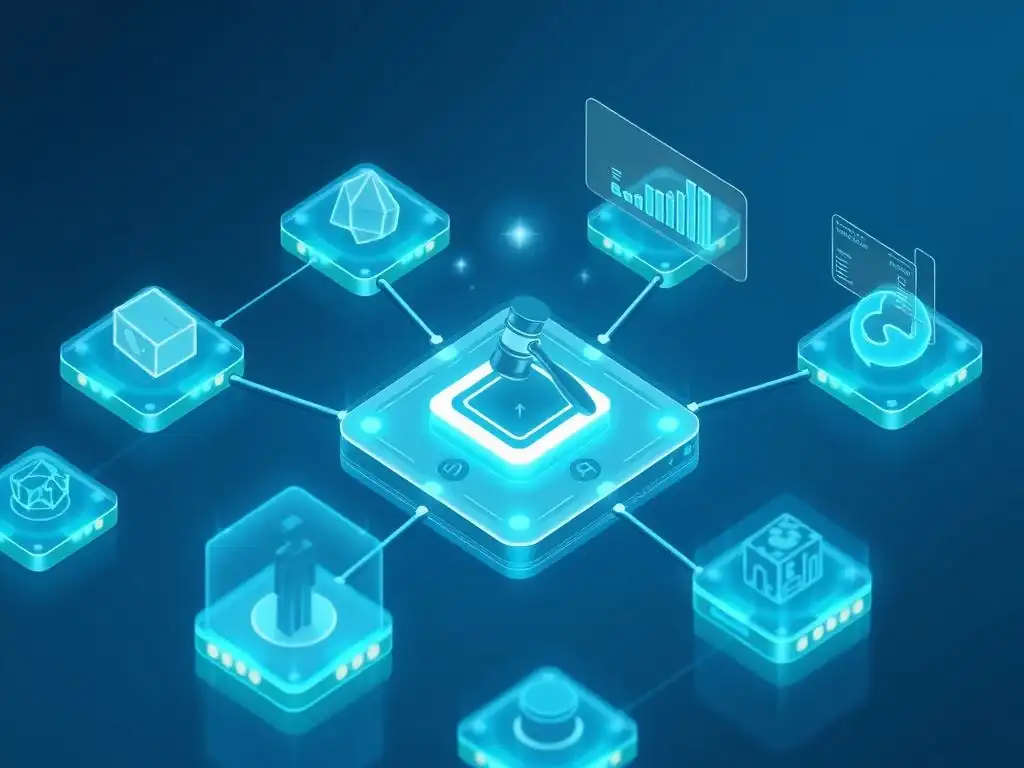
Decentralized governance, often facilitated through DAOs (Decentralized Autonomous Organizations), can empower players to have a direct say in game balance and NFT mechanics. By giving players a voice in decision-making processes, developers can foster a more community-driven approach to game development and ensure that game balance and NFT integration align with player expectations and fairness principles. Decentralized governance can be a powerful tool for preventing pay-to-win and fostering a more equitable gaming ecosystem.
Players holding governance tokens, often earned through gameplay or community contributions, can vote on proposals related to game balance adjustments, NFT attribute changes, or even new feature implementations. This participatory approach ensures that game development is not solely driven by developer decisions but also reflects the collective will of the player community. Decentralized governance mechanisms can increase transparency and trust, as players feel more ownership over the game's direction and are more likely to support game economies that are perceived as fair and balanced.
Renting and Scholarship Systems: Making NFTs accessible to a wider player base
Renting and scholarship systems for NFTs can significantly improve accessibility and mitigate pay-to-win concerns by allowing players to utilize valuable NFTs without needing to purchase them outright. These systems enable NFT owners to lend out their NFTs to other players for a share of the earnings or rewards generated while using the NFT. This creates opportunities for players who may not have the capital to invest in expensive NFTs to still participate competitively and access the benefits of NFT ownership indirectly.
Scholarship programs, popularized in games like Axie Infinity, allow NFT owners to lend their Axies to scholars (players) who play the game and earn rewards, sharing a percentage of the earnings with the owner. Renting systems can be more formalized, allowing players to rent NFTs for a fixed period or fee. These systems democratize access to NFTs, reducing the pay-to-win barrier by allowing skilled players to compete even without significant upfront investment. They also create economic opportunities for NFT owners to generate passive income while contributing to a more vibrant and accessible game ecosystem.
Anti-Whale Mechanisms: Implementing systems to reduce the impact of high-value NFT holders
Anti-whale mechanisms are crucial for preventing high-value NFT holders from disproportionately influencing gameplay and creating pay-to-win scenarios. These mechanisms aim to limit the impact of large NFT collections or extremely powerful NFTs, ensuring that gameplay remains balanced and competitive for all players, regardless of their NFT holdings. Various strategies can be employed to implement anti-whale mechanisms, promoting a more equitable and engaging gaming experience.
One approach is to implement diminishing returns on NFT power. For example, the benefit of each additional NFT owned or the stat boost from higher-tier NFTs could decrease beyond a certain point. Another strategy is to introduce game modes or competitive ladders that limit the number or type of NFTs that can be used, promoting strategic diversity and preventing players from simply overwhelming opponents with sheer NFT power. Anti-whale mechanisms ensure that the game remains skill-based and competitive, even in the presence of high-value NFTs, preserving a fair and enjoyable experience for the broader player base.
Case Studies: Games Successfully Integrating NFTs Without Pay-to-Win
Analyzing its balanced NFT integration
Finding definitive "success stories" entirely free of pay-to-win accusations in the nascent NFT gaming space is challenging, as the field is still evolving and player perceptions vary widely. However, some games are attempting to integrate NFTs in ways that prioritize balance and player experience. One example can be seen in games focusing on cosmetic NFTs or NFTs that provide utility outside of direct combat advantages. These games often emphasize skill-based gameplay and reward player engagement through non-NFT means as well.
For instance, consider a hypothetical racing game where NFTs primarily represent unique car skins, garage customizations, or access to exclusive races, but car performance is primarily determined by in-game progression, tuning, and player skill. In such a model, NFTs enhance personalization and collectibility without directly translating to a significant competitive advantage. Analyzing games that prioritize cosmetic or utility-based NFTs, alongside robust skill-based mechanics, can offer valuable insights into balanced NFT integration.
Examining its approach to fair gameplay
Another approach to fair NFT gameplay involves focusing on strategic depth and player skill as the primary determinants of success. Games that emphasize complex strategic decision-making, tactical execution, and team coordination can naturally mitigate the impact of minor numerical advantages potentially granted by NFTs. In these games, skill and strategic thinking outweigh slight stat boosts, ensuring that victory is earned through player ability rather than simply NFT ownership.
Consider a collectible card game where NFTs represent unique card artwork or limited edition versions, but the card stats and game mechanics are carefully balanced to ensure strategic depth and counterplay. In such a game, a skilled player with a well-crafted deck, even with standard cards, can often outperform a less skilled player with a collection of rare NFT cards. Examining games that prioritize strategic depth and skill-based mechanics, where NFTs play a secondary role in gameplay outcomes, can provide valuable lessons in designing fair NFT game economies.
Lessons Learned: Identifying best practices from successful NFT games
While a perfect, universally accepted example of a "successful" and completely pay-to-win free NFT game remains elusive, we can glean best practices from games attempting to prioritize fair gameplay. One key takeaway is the importance of transparency and communication. Games that openly communicate their NFT integration strategy, listen to player feedback, and actively address pay-to-win concerns are more likely to build trust and foster a positive community.
Another best practice is to diversify NFT utility beyond direct gameplay advantages. Focusing on cosmetic NFTs, collectible NFTs, NFTs that grant access to exclusive content or events, or NFTs that represent ownership of virtual assets within the game world can provide value and utility without directly skewing competitive balance. Furthermore, prioritizing skill-based gameplay mechanics, implementing anti-whale mechanisms, and exploring decentralized governance models are crucial steps towards creating fairer and more sustainable NFT game economies. The ongoing evolution of NFT gaming will undoubtedly yield more refined examples and best practices as developers continue to experiment and learn from player feedback.
The Future of NFTs in Gaming: Towards Sustainable and Equitable Economies
Balancing Scarcity and Accessibility: The key to long-term success
The long-term success of NFTs in gaming hinges on achieving a delicate balance between scarcity and accessibility. NFTs derive value from their scarcity and uniqueness, but excessive scarcity can lead to high prices and limited accessibility, potentially exacerbating pay-to-win concerns and excluding a significant portion of players. Conversely, overly abundant NFTs may lose their perceived value and appeal. Finding the right balance is crucial for creating sustainable and equitable NFT game economies.
Developers need to carefully consider the supply and distribution of NFTs within their games. Strategies like tiered rarity systems, limited edition releases, and mechanisms for earning NFTs through gameplay can help manage scarcity while ensuring some level of accessibility for a broader player base. Renting and scholarship systems also play a vital role in improving accessibility by allowing players to utilize valuable NFTs without requiring outright purchase. Balancing scarcity and accessibility is an ongoing challenge, requiring careful planning and adaptive adjustments based on player behavior and market dynamics.
The Role of Developers: Prioritizing player experience and game balance
Game developers hold the primary responsibility for ensuring that NFTs are integrated into gaming in a way that prioritizes player experience and game balance over purely monetization goals. Developers must actively consider the potential for pay-to-win and proactively implement design strategies to mitigate these risks. This requires a shift in mindset, from simply leveraging NFTs for revenue generation to thoughtfully integrating them to enhance player ownership and engagement without compromising fair gameplay.
Transparency and communication are paramount. Developers should clearly communicate their NFT integration strategy, listen to player feedback, and be willing to make adjustments based on community concerns. Prioritizing long-term game health and player satisfaction over short-term revenue gains is crucial for building sustainable and thriving NFT game ecosystems. Developers who prioritize player experience and game balance will be best positioned to lead the way in shaping a positive future for NFTs in gaming.
Community-Driven Development: Collaborating with players to create fair and engaging NFT games
Community-driven development, empowered by decentralized governance and open communication channels, represents a promising path towards creating fairer and more engaging NFT games. By actively involving players in the game development process, developers can gain valuable insights into player preferences, concerns, and expectations regarding NFT integration and game balance. This collaborative approach can lead to more player-centric designs and foster a stronger sense of ownership and community within NFT gaming ecosystems.
Decentralized Autonomous Organizations (DAOs) can play a crucial role in facilitating community-driven development, allowing players to vote on game proposals, balance adjustments, and NFT mechanics. Open forums, feedback channels, and direct developer-player interactions are also essential for fostering a collaborative environment. By embracing community-driven development, developers can tap into the collective wisdom of their player base and create NFT games that are truly designed for and by the community, leading to more sustainable and equitable gaming experiences.
The evolving landscape of blockchain gaming and NFT design
The landscape of blockchain gaming and NFT design is rapidly evolving. As the technology matures and developers gain more experience, we are likely to see increasingly sophisticated and balanced approaches to NFT integration. Experimentation with new NFT utilities, refined game mechanics, and innovative economic models will continue to shape the future of NFT gaming. The ongoing dialogue between developers, players, and the broader blockchain community will be crucial in guiding this evolution towards sustainable and equitable ecosystems.
We can anticipate seeing more games exploring cosmetic NFTs, utility-based NFTs beyond direct gameplay advantages, and innovative P2E mechanics that reward skill and engagement. Decentralized governance models will likely become more prevalent, empowering players to have a greater say in game development and NFT economies. The future of NFTs in gaming is not predetermined; it is being actively shaped by the choices and innovations of developers and the evolving expectations of players. By embracing ethical design principles and prioritizing player experience, the industry can move towards a future where NFTs enhance gaming without compromising fairness or accessibility.
Conclusion: Reimagining NFT Gaming Beyond Pay-to-Win
NFTs as tools for player ownership and engagement, not pay-to-win mechanics
NFTs, at their core, are tools for enhancing player ownership and engagement within games. They offer the potential to give players true control over their digital assets, participate in game economies in new ways, and contribute to community-driven gaming ecosystems. However, the pay-to-win concerns surrounding NFTs in gaming are valid and must be addressed proactively. The key is to reimagine NFTs not as instruments of pay-to-win, but as mechanisms for fostering deeper player engagement and more equitable gaming experiences.
By shifting the focus from purely monetizing gameplay advantages to leveraging NFTs for cosmetic enhancements, collectible value, utility beyond combat, and community governance, developers can unlock the true potential of NFTs in gaming. NFTs can empower players, create new economic opportunities, and foster more vibrant and engaged gaming communities, but only if they are integrated thoughtfully and ethically, prioritizing player experience and game balance over pay-to-win mechanics.
The importance of ethical game design in the blockchain space
Ethical game design is paramount in the blockchain space, particularly when it comes to integrating NFTs. The potential for financial speculation and pay-to-win mechanics inherent in NFTs necessitates a strong ethical framework guiding game development. Developers must prioritize fairness, transparency, and player well-being, ensuring that NFT integration enhances the gaming experience for all players, not just those who are willing or able to invest heavily.
This ethical approach involves designing game economies that reward skill and engagement, implementing anti-whale mechanisms, fostering decentralized governance, and actively listening to and addressing player concerns. Transparency in NFT mechanics, clear communication about game balance adjustments, and a commitment to fair gameplay are essential for building trust and fostering a positive reputation for NFT gaming. Ethical game design is not just a moral imperative; it is also crucial for the long-term sustainability and success of the blockchain gaming industry.
Shaping the future of NFT gaming through innovation and community collaboration
The future of NFT gaming is being shaped now, through the innovations of developers and the collaborative efforts of the gaming community. By embracing creative game design, exploring new NFT utilities, and fostering open communication and community-driven development, we can collectively steer NFT gaming towards a future that is both engaging and equitable. Innovation in game mechanics, economic models, and governance structures will be crucial for overcoming pay-to-win challenges and unlocking the full potential of NFTs in gaming.
Community collaboration, through feedback, participation in governance, and constructive dialogue, is equally vital. Players have a powerful voice in shaping the future of NFT gaming, and their active engagement is essential for ensuring that developers prioritize fairness and player experience. By working together, developers and players can co-create a future for NFT gaming that is not defined by pay-to-win, but by player ownership, engagement, and sustainable, equitable gaming economies.
Frequently Asked Questions
What are NFTs and how are they being integrated into gaming?
NFTs, or Non-Fungible Tokens, are unique digital assets on a blockchain. They're being integrated into games to represent in-game items, characters, or land, allowing players to own and trade them.
What does "pay-to-win" mean in the context of gaming and how do NFTs contribute to this concern?
"Pay-to-win" refers to games where players can gain a significant advantage by spending real money. NFTs raise concerns because powerful NFT-based items could be purchased, giving players an unfair, monetary-driven advantage.
How can game developers design NFT economies that are fair and balanced?
Developers can design fair NFT economies by focusing on cosmetic NFTs, limiting the power of purchasable items, or implementing skill-based matching systems to prevent unfair advantages.
What are the potential benefits of using NFTs in gaming beyond just revenue generation for developers?
Beyond revenue, NFTs can enable true digital ownership for players, create vibrant in-game economies, and foster stronger community engagement through player-owned assets.
What are some of the regulatory challenges surrounding NFTs in gaming, and how might these challenges impact the future of the industry?
Regulatory challenges include defining NFTs' legal status, addressing consumer protection concerns, and navigating issues like fraud and money laundering, potentially impacting the future adoption of NFTs in gaming.
The exploration of NFTs in gaming, as we've seen, is not merely a technological discussion; it's a crucial conversation about the very soul of fair play and equitable access within the digital realms we inhabit. The potential for NFTs to exacerbate pay-to-win mechanics is undeniable, demanding careful consideration and proactive design strategies to safeguard the integrity of gaming experiences.
The ongoing debate surrounding NFTs and their impact on game economies highlights a fundamental tension between innovation and established principles of fairness. This tension resonates deeply because gaming, at its core, should be about skill, strategy, and community, not financial advantage. The best games are not about who has the most money, but who has the most heart.
This quote, though simple, encapsulates the essence of what we risk losing if we fail to prioritize balanced gameplay and inclusive economies in the NFT gaming space.
As we stand at the cusp of a new era in gaming, let us not forget the values that made these virtual worlds so compelling in the first place. Consider how you, as a player, developer, or investor, can contribute to a future where NFTs enhance, rather than undermine, the spirit of competition and collaboration. Let's strive to build gaming ecosystems where skill triumphs over wallets, and where the joy of play remains accessible to all.
Shape the Future: Join the Fair Gaming Revolution!
Thank you for exploring the complexities of NFTs and their impact on game economies. You now have a solid understanding of the challenges and possibilities for creating fair and engaging blockchain games. Let's turn this knowledge into action!
Here's how you can contribute to a more equitable gaming future:
- Voice Your Opinion: Participate actively in discussions about integrating NFTs into games. Share your concerns and suggestions with developers and fellow gamers on forums, social media, and gaming communities.
- Suggest improvements, features, and systems you would like to see implemented.
- Encourage developers to adopt innovative solutions that prioritize fun and fairness over profits.
Now it's your turn: What specific steps do you believe game developers should take immediately to ensure that NFT integration improves, rather than undermines, the player experience?
Leave a Reply