
From Pixels to Profit: How NFTs are Empowering Players in the Gaming Industry

Welcome to Blockchain Trends, where we delve into the revolutionary world of blockchain technology and its impact far beyond the realm of cryptocurrencies. Ever wondered just how far the applications of blockchain can reach?
Get ready to explore how NFTs are driving unprecedented revenue growth in the gaming industry. Discover how these unique digital assets are not just collectibles, but are fundamentally reshaping the player experience and creating new economic opportunities. Intrigued? Dive in and uncover the future of gaming!
From Pixels to Profit: How NFTs are Empowering Players in the Gaming Industry
- Introduction: The NFT Revolution in Gaming
- The Problems with Traditional Gaming Models
- NFTs as a Solution: Empowering Gamers and Transforming the Industry
- Key Benefits of NFTs for the Gaming Industry
- Exploring Different Use Cases of NFTs in Gaming
- Case Studies: Successful NFT Gaming Projects
- Challenges and Considerations for NFT Gaming Adoption
- The Future of NFTs and the Gaming Industry
- Conclusion: NFTs - A Game Changer for the Gaming Industry
-
Frequently Asked Questions
- What role are NFTs playing in the gaming industry?
- How are NFTs contributing to revenue growth in the gaming industry?
- What are some examples of successful NFT-based games?
- What are the main challenges associated with integrating NFTs into games?
- How might NFTs shape the future of the gaming industry?
- Final Reflection: Reimagining Ownership in the Digital Realm
- Unleash Your Inner Gamerpreneur!
Introduction: The NFT Revolution in Gaming
Understanding the Rise of NFTs in the Gaming Sector
Non-Fungible Tokens, or NFTs, have emerged as a transformative force, rapidly reshaping various industries, and gaming is no exception. Initially recognized for their role in the digital art and collectibles space, NFTs are now being leveraged to revolutionize how players interact with games and the digital assets within them. This surge is propelled by the fundamental shift NFTs introduce: verifiable digital ownership.
Unlike traditional in-game items that reside solely within the game developer's ecosystem, NFTs exist on a blockchain, granting players true and demonstrable ownership of their digital assets. This foundational change is resonating deeply within the gaming community, sparking interest and investment in this nascent yet rapidly evolving sector.
The appeal of NFTs in gaming stems from their potential to address long-standing grievances players have had with traditional gaming models. For years, gamers have invested significant time and resources acquiring in-game items, only to find that these assets hold no value outside of the game itself.
NFTs promise to change this paradigm by allowing players to own, trade, and even potentially earn from their in-game assets in a way that was previously impossible. This shift towards player empowerment is a core driver behind the NFT gaming revolution and is attracting both seasoned gamers and newcomers to the blockchain gaming space.
NFT Gaming Market Growth: An Overview
The NFT gaming market has witnessed explosive growth in recent years, signaling a major shift in the industry. In 2021, the NFT gaming market generated billions of dollars in revenue, with projections indicating continued and substantial expansion. According to a report by DappRadar, in 2021, blockchain games generated over \$2.3 billion in revenue from NFT sales and in-game activities.
This figure represents a significant portion of the overall NFT market and underscores the increasing adoption of NFTs within the gaming sphere. This revenue growth is not just limited to large-scale projects; it encompasses a diverse range of games, from play-to-earn economies to NFT-integrated traditional games.
Looking ahead, analysts predict that the NFTs gaming industry revenue growth trajectory will continue its upward trend. Estimates vary, but some forecasts project the NFT gaming market to reach tens of billions of dollars in the coming years.
Factors driving this growth include the increasing mainstream adoption of blockchain technology, the growing acceptance of digital ownership, and the continuous development of innovative NFT gaming experiences. The influx of investment into NFT gaming startups and established gaming companies exploring NFT integration further fuels this expansion, suggesting that NFTs are not just a passing trend but a fundamental evolution in the gaming landscape.
The Problems with Traditional Gaming Models
Centralized Control and Limited Player Ownership
Traditional gaming models are characterized by centralized control, where game developers and publishers retain complete authority over the game world and its assets. Players, despite investing time and money, are essentially renting access to in-game items and experiences. This centralized structure means players have limited control over their accounts and assets, with the risk of losing everything if the game shuts down or if their accounts are banned. This lack of true ownership creates a power imbalance, leaving players vulnerable to arbitrary decisions made by game companies.
Furthermore, in traditional gaming, in-game assets are typically bound to a specific game and ecosystem. If a player decides to move on to a different game, their accumulated items and progress are often lost or rendered worthless. This walled-garden approach restricts the utility and potential value of in-game assets, preventing players from truly owning and benefiting from their digital investments beyond the confines of a single game. This limitation has been a long-standing point of frustration for many gamers who seek greater control and portability of their digital possessions.
Lack of True Scarcity in Digital Assets
Another significant issue in traditional gaming is the artificial and often unsustainable nature of digital scarcity. While developers may claim that certain in-game items are "rare" or "limited edition," they ultimately retain the power to generate more of these items at will. This ability to manipulate supply undermines the concept of true scarcity and can devalue items that players have invested time or money to acquire. The lack of verifiable scarcity also hinders the development of robust in-game economies, as players lack confidence in the long-term value of their digital assets.
This problem is exacerbated by the prevalence of item duplication exploits and black markets in many online games. These illicit activities further erode the perceived scarcity and value of in-game items, creating an unstable and often unfair environment for players. Without a transparent and verifiable system for tracking digital asset ownership and scarcity, traditional gaming models struggle to establish genuine and sustainable in-game economies that benefit both players and developers in the long run.
Revenue Models Favoring Developers Over Players
Traditional gaming revenue models are primarily designed to maximize profits for developers and publishers, often at the expense of player benefits. Common monetization strategies, such as loot boxes and pay-to-win mechanics, can create predatory systems that pressure players into spending more money. While these models can be lucrative for game companies, they often lead to player dissatisfaction and a perception of unfairness, as success becomes increasingly tied to financial investment rather than skill or engagement.
Moreover, the revenue generated from in-game transactions in traditional gaming models flows almost exclusively back to the game developers. Players who contribute to the game's economy by trading, crafting, or engaging in in-game activities receive little to no direct financial benefit for their contributions. This unidirectional flow of revenue reinforces the power imbalance between developers and players and limits the potential for players to participate in the economic success of the games they enjoy.
NFTs as a Solution: Empowering Gamers and Transforming the Industry
How NFTs Enable True Digital Ownership for Players
NFTs offer a paradigm shift in digital ownership, granting players genuine and verifiable control over their in-game assets. By representing in-game items as NFTs on a blockchain, players gain the ability to prove ownership independently of the game developer. This ownership is recorded on a public and immutable ledger, ensuring transparency and security. Players can hold their NFTs in their own wallets, transfer them to other players, and even potentially use them across different games and platforms, depending on interoperability initiatives.
This true digital ownership empowers players in several ways. It provides them with greater autonomy over their digital assets, allowing them to trade, sell, or gift their NFTs as they see fit. It also creates a sense of investment and long-term value in in-game items, as players understand that they are owning a unique digital asset that has potential value beyond the game itself. This shift towards player ownership is a fundamental aspect of the NFT gaming revolution and is attracting a new generation of gamers who value digital property rights.
Creating Scarcity and Value for In-Game Assets
NFTs inherently address the issue of artificial scarcity in digital assets by providing a mechanism for verifiable and immutable scarcity. Each NFT is unique and its scarcity can be cryptographically enforced through the underlying blockchain technology. This inherent scarcity creates a foundation for value, as limited-edition or rare NFTs become genuinely scarce digital collectibles. Developers can leverage NFTs to create in-game items with provable scarcity, fostering a more robust and reliable in-game economy.
The verifiable scarcity of NFTs enhances the value proposition for players. When players acquire rare or limited-edition NFT in-game items, they can be confident in their scarcity and potential for appreciation in value. This creates a stronger incentive to collect, trade, and engage with in-game economies built around NFTs. The ability to verify scarcity also fosters trust and transparency in the market, reducing the risks associated with artificial scarcity and manipulation that are prevalent in traditional gaming models.
New Revenue Streams for Players: Play-to-Earn and Beyond
NFTs are pioneering new revenue streams for players through play-to-earn (P2E) models and other innovative mechanisms. P2E games reward players with NFTs and cryptocurrencies for their in-game activities, allowing them to earn real-world value through gameplay. This model transforms gaming from a purely entertainment expense into a potential source of income, particularly in regions where earning opportunities are limited. Axie Infinity, for example, demonstrated the potential of P2E, enabling players to earn income by playing the game and trading Axie NFTs.
Beyond P2E, NFTs are also enabling other player-centric revenue models. Players can earn by creating and trading in-game content, participating in decentralized governance of games, and contributing to game ecosystems. NFT marketplaces provide platforms for players to buy, sell, and trade their in-game assets, creating decentralized economies where players can actively participate in value creation and capture. These new revenue streams are empowering players and fundamentally altering the economic dynamics of the gaming industry, shifting towards a more player-centric and rewarding ecosystem.
Key Benefits of NFTs for the Gaming Industry
Increased Player Engagement and Retention through NFTs
NFTs can significantly enhance player engagement and retention in games. The element of true digital ownership provided by NFTs creates a stronger emotional connection between players and their in-game assets. Knowing that they own valuable digital collectibles and can potentially profit from them, players are more invested in the game and more likely to remain engaged over the long term. The play-to-earn aspect further incentivizes player engagement by providing tangible financial rewards for their time and effort.
NFT-based games often incorporate social and community-driven elements that further boost engagement. Players can showcase their NFT collections, trade with each other, and participate in community events related to NFT assets. The scarcity and collectibility of NFTs also drive player engagement, as players strive to acquire rare and valuable items. By fostering a sense of ownership, community, and economic participation, NFTs are proving to be powerful tools for increasing player engagement and retention in the gaming industry.
Enhanced In-Game Economies and NFT Marketplaces
NFTs facilitate the development of more robust, transparent, and player-driven in-game economies. The verifiable ownership and scarcity of NFTs create a solid foundation for economic activity within games. NFT marketplaces, both in-game and third-party, provide platforms for players to trade their NFT assets, creating dynamic and decentralized in-game economies. These marketplaces enable price discovery, liquidity, and accessibility for in-game assets, fostering a more mature and efficient economic ecosystem.
The integration of NFTs into in-game economies can also lead to new economic models and gameplay mechanics. Games can incorporate decentralized finance (DeFi) elements, allowing players to earn yield on their NFT assets or participate in staking and lending activities within the game ecosystem. NFTs can also be used to represent virtual land, allowing players to own and develop virtual properties within game worlds. These enhanced in-game economies create more engaging and rewarding experiences for players and unlock new possibilities for game design and monetization.
Fostering Community-Driven Game Development
NFTs and blockchain technology are fostering a move towards more community-driven game development models. NFTs can be used to grant players governance rights, allowing them to participate in decision-making processes related to game development and direction. Decentralized Autonomous Organizations (DAOs) can be established to manage game ecosystems, empowering players to collectively shape the future of the game. This shift towards community governance can lead to more player-centric games that are responsive to the needs and desires of their communities.
Furthermore, NFTs can facilitate crowdfunding and community investment in game development. Game developers can launch NFT collections to raise funds for their projects, allowing early adopters and community members to directly support game development and potentially benefit from the game's success. This model aligns incentives between developers and players, fostering a stronger sense of ownership and collaboration within the gaming community. Community-driven development models empowered by NFTs can lead to more innovative and sustainable gaming ecosystems.
Attracting New Investment and Driving NFT Gaming Market Growth
The transformative potential of NFTs in gaming is attracting significant investment into the sector, further driving NFT gaming market growth. Venture capital firms, traditional gaming companies, and blockchain-focused investors are increasingly recognizing the opportunities presented by NFT gaming. The influx of investment is fueling the development of new NFT gaming projects, the expansion of existing platforms, and the integration of NFTs into mainstream gaming. This investment is critical for the continued growth and maturation of the NFT gaming market.
The potential for NFTs to unlock new revenue streams and engage a broader audience is a key driver of investment. NFT gaming is attracting not only traditional gamers but also crypto enthusiasts and investors seeking exposure to the metaverse and digital asset markets. The combination of entertainment and economic opportunity makes NFT gaming a compelling investment proposition. As investment continues to flow into the sector, the NFTs gaming industry revenue growth is expected to accelerate, solidifying NFTs as a major force in the future of gaming.
Exploring Different Use Cases of NFTs in Gaming
In-Game Items and Collectibles as NFTs
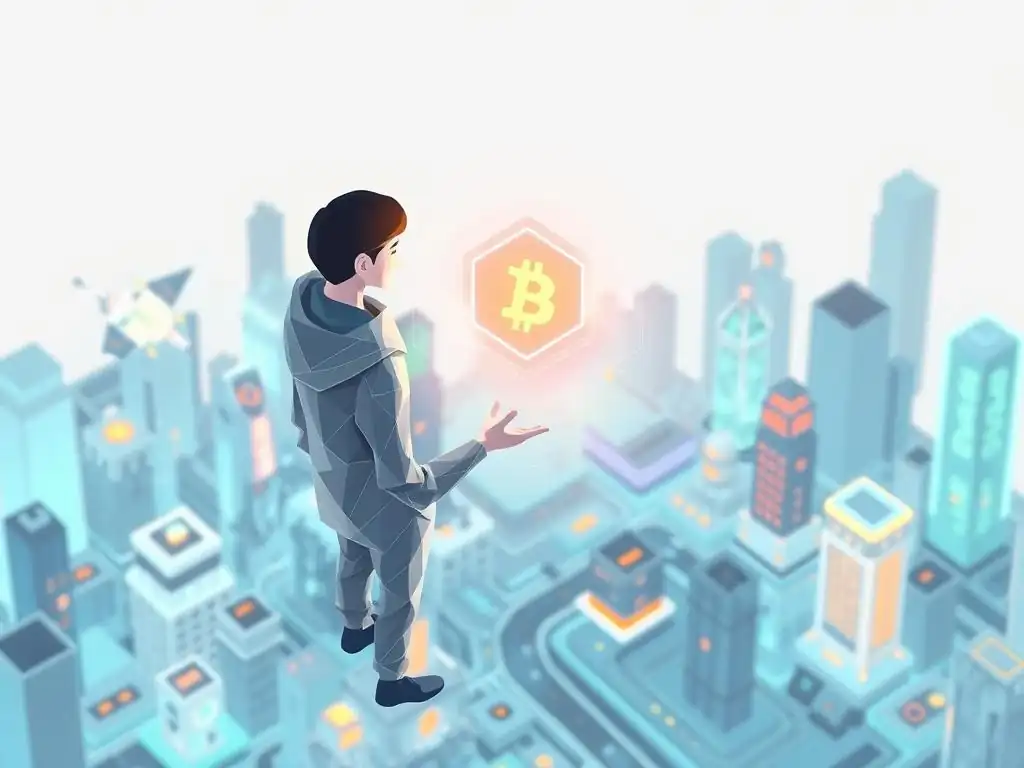
The most prevalent use case of NFTs in gaming is representing in-game items and collectibles. This includes weapons, armor, virtual real estate, character skins, and various other digital assets within game worlds. By tokenizing these items as NFTs, developers grant players true ownership and the ability to trade them on open marketplaces. Examples include weapons in games like Guild of Guardians, virtual land in The Sandbox, and collectible creatures in Axie Infinity. This use case leverages the core benefits of NFTs – verifiable ownership and scarcity – to enhance the value and utility of in-game items.
The use of NFTs for in-game items is transforming how players interact with digital assets. Instead of simply acquiring items for in-game use, players can now view them as potential investments or collectible assets. This creates a new layer of engagement and economic activity within games, as players actively participate in the trading and collection of NFT items. The demand for unique and rare NFT items is driving a significant portion of the NFTs gaming industry revenue growth.
Virtual Land Ownership and Metaverse Integration
NFTs are playing a crucial role in the development of virtual worlds and the metaverse by enabling virtual land ownership. In metaverse platforms like Decentraland and The Sandbox, virtual land parcels are represented as NFTs, allowing users to purchase, own, and develop virtual real estate. This virtual land can be used to create experiences, host events, build virtual businesses, and generate revenue within the metaverse. The concept of owning virtual land as an NFT is attracting significant investment and driving the growth of metaverse platforms.
Virtual land NFTs are not just about digital real estate; they represent ownership within evolving digital economies and communities. Owners of virtual land can participate in the governance of metaverse platforms, shape the development of virtual spaces, and benefit from the growth of the metaverse ecosystem. The integration of NFTs into virtual land ownership is fundamental to the vision of a decentralized and user-owned metaverse, and is a key driver of innovation in the NFT gaming space.
Character Customization and NFT Avatars
NFTs are being utilized for character customization and the creation of unique NFT avatars in games and virtual worlds. Players can purchase NFT avatars or character skins to personalize their in-game identities and express their individuality. These NFT avatars can range from cosmetic enhancements to unique and collectible character designs. Projects like CryptoPunks and Bored Ape Yacht Club, while not initially gaming projects, have demonstrated the demand for unique NFT avatars and their potential for integration into gaming environments.
NFT avatars offer players a way to stand out and express themselves in digital spaces. The scarcity and uniqueness of NFT avatars can create a sense of prestige and exclusivity, driving demand and value. Furthermore, NFT avatars can potentially be interoperable across different games and metaverse platforms, allowing players to carry their digital identities across various virtual experiences. This use case highlights the role of NFTs in creating personalized and portable digital identities within the gaming and metaverse space.
Governance and Voting Rights through NFTs
NFTs are being explored as a mechanism for decentralized governance and voting rights in gaming ecosystems. Certain NFTs can grant holders voting power in decisions related to game development, platform upgrades, or community initiatives. This empowers players to participate in the governance of the games they play and shape the direction of the game ecosystem. Projects like Yield Guild Games utilize NFTs to grant governance rights to their community members.
The use of NFTs for governance aligns with the broader ethos of decentralization and player empowerment within the blockchain gaming space. By distributing governance rights through NFTs, game developers can foster a more democratic and community-driven approach to game development. This model can lead to more sustainable and player-aligned game ecosystems, as decisions are made collectively by the community rather than solely by centralized developers. The integration of NFTs into governance models represents a significant step towards truly decentralized gaming experiences.
Case Studies: Successful NFT Gaming Projects
Axie Infinity - How NFTs Impacted Player Engagement
Axie Infinity stands as a prominent example of how NFTs can dramatically impact player engagement. This play-to-earn game, built around collectible creatures called Axies represented as NFTs, experienced phenomenal growth driven by its NFT-based economy. Players breed, battle, and trade Axies, earning cryptocurrency tokens (SLP and AXS) through gameplay and NFT trading. The game's success is largely attributed to its P2E model and the inherent value associated with Axie NFTs.
The introduction of NFTs in Axie Infinity created a thriving in-game economy and significantly boosted player engagement. Players were not just playing for entertainment; they were actively participating in an economy where their in-game efforts translated into real-world earnings. This economic incentive, coupled with the engaging gameplay and collectible nature of Axie NFTs, led to a surge in player numbers and sustained engagement. Axie Infinity's case demonstrates the power of NFTs to create compelling economic incentives and drive player participation in gaming.
Decentraland - Generating NFT Gaming Market Growth
Decentraland is a virtual world built on the Ethereum blockchain where users can buy, sell, and develop virtual land represented as NFTs. It exemplifies how NFTs are generating NFT gaming market growth by creating entirely new digital economies and metaverse experiences. The platform's economy is driven by the trading of LAND NFTs and other in-world assets, fostering a vibrant ecosystem of creators, developers, and virtual landowners.
Decentraland's success showcases the potential of NFTs to create user-owned and decentralized virtual worlds. The finite supply of LAND NFTs and the freedom to develop and monetize virtual spaces have attracted significant investment and user activity. The platform's open and decentralized nature, powered by NFTs, has positioned it as a leading example of the metaverse and a driver of NFT gaming market growth. Decentraland demonstrates how NFTs can underpin entire virtual economies and ecosystems, fostering innovation and economic opportunity in the digital realm.
The Sandbox - Community Building with NFTs
The Sandbox is another prominent metaverse platform leveraging NFTs to empower creators and build a strong community. Similar to Decentraland, it utilizes NFTs for virtual land ownership (LAND) and in-game assets (ASSETS), but emphasizes user-generated content and creative tools. The Sandbox empowers users to create, share, and monetize their own voxel-based games and experiences using NFTs, fostering a vibrant community of creators and players.
The Sandbox's focus on user-generated content and NFT-based ownership has fostered a strong and active community. Creators are incentivized to build and share their creations using NFTs, while players can explore and participate in a diverse range of user-generated experiences. The platform's community-centric approach, enabled by NFTs, has been a key factor in its growth and success. The Sandbox demonstrates how NFTs can empower creators, foster community building, and drive innovation in the gaming and metaverse space.
Challenges and Considerations for NFT Gaming Adoption
Scalability and Transaction Fees on Blockchain Networks
One of the primary challenges for NFT gaming adoption is the scalability and transaction fees associated with blockchain networks. Many popular blockchains, particularly Ethereum, have faced limitations in transaction throughput and high gas fees, which can hinder the seamless and cost-effective trading of NFTs and in-game activities. High transaction fees can be particularly detrimental to play-to-earn models, potentially eroding player earnings and discouraging participation.
Solutions to scalability and transaction fee issues are being actively developed. Layer-2 scaling solutions, such as Polygon and Immutable X, offer faster and cheaper transactions for NFTs and gaming applications built on Ethereum. Alternative blockchains with higher throughput and lower fees, like Solana and Flow, are also gaining traction in the NFT gaming space. Addressing scalability and transaction fee challenges is crucial for the widespread adoption of NFT gaming and ensuring a smooth and affordable experience for players.
Regulatory Uncertainty and Legal Frameworks for NFTs
Regulatory uncertainty and the lack of clear legal frameworks surrounding NFTs pose a significant challenge to the NFT gaming industry. The legal classification of NFTs, their treatment under securities laws, and the regulations governing NFT marketplaces are still evolving and vary across jurisdictions. This uncertainty can create compliance risks for game developers and platforms, hindering investment and innovation in the sector.
Governments and regulatory bodies are beginning to address the legal and regulatory aspects of NFTs. However, the development of clear and consistent regulations is a complex process that requires careful consideration of various factors, including consumer protection, intellectual property rights, and financial regulations. Establishing clear legal frameworks for NFTs is essential to fostering a stable and predictable environment for the NFT gaming industry and ensuring responsible innovation.
Environmental Concerns and Sustainable NFT Solutions
Environmental concerns related to the energy consumption of certain blockchain networks, particularly proof-of-work blockchains like Ethereum (prior to the Merge), have raised concerns about the sustainability of NFTs. The energy-intensive nature of these blockchains has been criticized for its environmental impact, prompting calls for more sustainable NFT solutions.
The NFT gaming industry is increasingly adopting more environmentally friendly blockchain solutions. Proof-of-stake blockchains, which consume significantly less energy than proof-of-work blockchains, are becoming more prevalent in the NFT space. Layer-2 scaling solutions and other energy-efficient technologies are also contributing to reducing the environmental footprint of NFTs. Furthermore, initiatives focused on carbon offsetting and sustainable NFT practices are emerging to address environmental concerns and promote responsible NFT adoption.
Educating Players About NFTs and Blockchain Technology
A significant hurdle to mainstream NFT gaming adoption is the need to educate players about NFTs and blockchain technology. Many traditional gamers are unfamiliar with these concepts and may be hesitant to embrace new technologies they do not understand. Overcoming this knowledge gap requires effective education and onboarding strategies to make NFT gaming accessible and understandable to a wider audience.
Game developers and platforms are implementing various strategies to educate players about NFTs. This includes in-game tutorials, user-friendly interfaces, simplified onboarding processes, and educational content explaining the benefits and mechanics of NFTs. Focusing on the value proposition of NFTs for players, such as true ownership and play-to-earn opportunities, is crucial in attracting and educating a broader gaming audience. Effective education and user-friendly experiences are key to bridging the knowledge gap and driving mainstream adoption of NFT gaming.
The Future of NFTs and the Gaming Industry
The Metaverse and the Convergence of Gaming and NFTs
The future of NFTs in gaming is inextricably linked to the development of the metaverse. NFTs are poised to become the foundational building blocks of the metaverse, enabling digital ownership, interoperability, and decentralized economies within virtual worlds. Gaming is emerging as a key entry point to the metaverse, and NFTs are playing a crucial role in bridging the gap between traditional gaming and immersive virtual experiences. As the metaverse evolves, NFTs will likely become even more integral to gaming and virtual interactions.
The convergence of gaming and NFTs in the metaverse promises to create new forms of entertainment, social interaction, and economic opportunity. NFT-based virtual worlds will offer players immersive experiences, ownership of digital assets, and the ability to participate in decentralized economies. The metaverse will likely expand the use cases of NFTs in gaming beyond in-game items and collectibles to include virtual identities, social spaces, and metaverse-wide economies. This convergence represents a significant evolution in both gaming and the broader digital landscape.
Continued Innovation in NFT Gaming Mechanics and Models
The NFT gaming space is characterized by rapid innovation in game mechanics and economic models. Developers are constantly experimenting with new ways to integrate NFTs into gameplay, create engaging play-to-earn experiences, and build sustainable in-game economies. We can expect to see continued innovation in areas such as decentralized autonomous organizations (DAOs) for game governance, DeFi integration within games, and new forms of NFT-based gameplay.
Innovation in NFT gaming is driven by both technological advancements and evolving player preferences. As blockchain technology matures and becomes more user-friendly, developers will have more tools to create sophisticated and engaging NFT gaming experiences. Player feedback and community engagement are also playing a crucial role in shaping the evolution of NFT gaming mechanics and models. This continuous innovation will likely lead to the emergence of new genres, gameplay styles, and economic paradigms within the NFT gaming space.
NFT Gaming Market Growth Projections and Market Trends
NFT gaming market growth projections remain highly optimistic, with analysts anticipating continued and substantial expansion in the coming years. Various reports and forecasts predict the NFT gaming market to reach tens or even hundreds of billions of dollars within the next decade. This growth is driven by factors such as increasing mainstream adoption of NFTs, the expansion of the metaverse, and the continuous development of innovative NFT gaming experiences.
Market trends indicate a shift towards more sophisticated and sustainable NFT gaming models. Early NFT games focused primarily on play-to-earn mechanics, but future trends suggest a move towards games that balance entertainment value with economic incentives. We can also expect to see increased integration of NFTs into traditional gaming, as established game companies explore ways to leverage NFTs to enhance player engagement and create new revenue streams. The NFTs gaming industry revenue growth is expected to be fueled by both dedicated NFT games and the integration of NFTs into the broader gaming ecosystem.
Conclusion: NFTs - A Game Changer for the Gaming Industry
The Long-Term Impact of NFTs on Player Empowerment
The long-term impact of NFTs on the gaming industry is poised to be profound, primarily centered around player empowerment. NFTs are fundamentally shifting the balance of power from game developers to players by granting true digital ownership and enabling new economic opportunities. This player empowerment is not just about financial gains; it's about giving players more control over their digital assets, their gaming experiences, and the future of the games they play.
The shift towards player empowerment driven by NFTs has the potential to reshape the entire gaming landscape. Players are no longer just consumers; they are becoming stakeholders in the games they participate in. This increased ownership and participation can lead to more engaged and loyal player communities, fostering a more sustainable and player-centric gaming ecosystem. The long-term impact of NFTs is likely to be a more equitable and rewarding gaming experience for players worldwide.
NFTs: Driving Innovation and Revenue Growth in the Gaming Sector
NFTs are undeniably a game changer for the gaming industry, driving both innovation and revenue growth. They are unlocking new revenue streams for players and developers, fostering the creation of new game genres and gameplay mechanics, and attracting significant investment into the sector. The NFTs gaming industry revenue growth witnessed in recent years is a testament to the transformative potential of this technology.
As NFTs continue to evolve and integrate deeper into the gaming ecosystem, we can expect to see even more innovation and growth. The combination of gaming, NFTs, and the metaverse is creating a new frontier for digital entertainment and economic opportunity. NFTs are not just a passing trend; they represent a fundamental shift in how players interact with games and digital assets, paving the way for a more decentralized, player-centric, and economically vibrant future for the gaming industry.
Frequently Asked Questions
What role are NFTs playing in the gaming industry?
NFTs are enabling new forms of ownership for in-game assets. This allows players to truly own their items and trade them freely, creating new revenue streams.
How are NFTs contributing to revenue growth in the gaming industry?
NFTs are driving revenue growth through in-game asset sales, marketplace transactions, and the creation of play-to-earn models, incentivizing player engagement and investment.
What are some examples of successful NFT-based games?
Games like Axie Infinity and The Sandbox have demonstrated the potential of NFTs. They allow players to earn cryptocurrency and own virtual land, contributing to their popularity.
What are the main challenges associated with integrating NFTs into games?
Challenges include regulatory uncertainty, environmental concerns related to blockchain technology, and the potential for speculative bubbles surrounding NFT assets.
How might NFTs shape the future of the gaming industry?
NFTs could revolutionize gaming by fostering player-owned economies, enabling cross-game compatibility of assets, and creating more immersive and rewarding gaming experiences.
Final Reflection: Reimagining Ownership in the Digital Realm
The journey from simple digital assets to valuable, tradable NFTs has fundamentally reshaped the gaming industry, and the burgeoning revenue growth fueled by NFTs is undeniable. This isn't just about numbers; it's about a paradigm shift where players are no longer passive consumers, but active participants in the economies of the games they love. This transformation is happening now, and its impact will only continue to amplify.
The rise of NFTs in gaming has profoundly influenced the cultural landscape, fostering a sense of ownership and community that was previously absent. Witnessing players directly benefit from their in-game achievements and contributions is truly revolutionary, fostering a deeper connection with the games they play. The future of gaming isn't just about playing; it's about owning, creating, and participating in a shared digital economy.
This sentiment perfectly encapsulates the transformative power of NFTs and their potential to redefine the relationship between developers and players.
As we stand on the cusp of this new era, I urge you to consider the implications of this shift. How can you, as a player, developer, or investor, embrace the potential of NFTs to create more engaging, rewarding, and sustainable gaming experiences? The future of the gaming industry is being written now, and your participation can help shape a future where ownership, creativity, and community thrive.
Unleash Your Inner Gamerpreneur!
Thanks for diving into the world of NFTs and gaming! We hope you've gained valuable insights into how digital assets are revolutionizing player empowerment and creating exciting new opportunities. Now, it's time to level up your own game!
Here's how you can get started:
- Explore a Play-to-Earn Game: Dive into a game that utilizes NFTs! Research and choose one that resonates with your interests, and start earning rewards for your in-game achievements. This is your main quest!
- Discover NFT Marketplaces: Visit platforms like OpenSea or Rarible to understand the NFT marketplace dynamics. Observe trending games and learn how players buy, sell, and trade digital assets.
- Join the Blockchain Trends Community: Share your thoughts and discoveries about NFTs in gaming on our community forum at BlockchainTrends.org. Let's learn and grow together!
Ready to transform your gaming passion into a potential source of income?
Leave a Reply