
From PlaytoEarn to PlayandOwn: The Evolution of Game Economies in the Blockchain Metaverse

Welcome to Blockchain Trends, your guide to navigating the ever-evolving world of blockchain technology. Beyond the headlines about cryptocurrencies, we delve into the real-world applications and transformative potential of this revolutionary technology. Are you ready to explore the exciting intersection of blockchain and gaming? This month, we're unlocking the secrets to success in the digital frontier with a deep dive into Blockchain gaming metaverse evolution strategies. Discover how game economies are shifting from "Play-to-Earn" to a more sustainable "Play-and-Own" model and what this means for the future of immersive gaming experiences. Intrigued? Let's begin!
From PlaytoEarn to PlayandOwn: The Evolution of Game Economies in the Blockchain Metaverse
- Introduction: Understanding the Shifting Sands of Blockchain Gaming Economies
- Key Differences Between Play-to-Earn and Play-and-Own Models
- The Play-and-Own Revolution: Benefits and Advantages for Players and Developers
- Blockchain Technology Enabling the Play-and-Own Model
- Implementing Effective P&O Strategies
- Case Studies: Play-and-Own Success Stories
- Challenges and Considerations for the Play-and-Own Model
- The Future of Blockchain Gaming Economies: Predictions and Trends
- Conclusion: Embracing the Play-and-Own Revolution for a Sustainable, Player-Centric Gaming Future
-
Frequently Asked Questions
- What are the main differences between Play-to-Earn and Play-and-Own game economies?
- How does blockchain technology contribute to the evolution of the gaming metaverse?
- What are some potential enterprise applications for blockchain in the gaming industry beyond simple asset ownership?
- What are the regulatory challenges facing the blockchain gaming metaverse and its evolving economies?
- What strategies can game developers employ to successfully transition from traditional gaming models to Play-and-Own systems within the blockchain gaming metaverse?
- Final Reflection: Embracing Ownership in the Metaverse
- Unveil Your Metaverse Future: Join the PlayandOwn Revolution!
Introduction: Understanding the Shifting Sands of Blockchain Gaming Economies
The Rise of Play-to-Earn (P2E) and Its Initial Impact
The advent of blockchain technology into the gaming world sparked a revolutionary concept: Play-to-Earn (P2E). This model, popularized by games like Axie Infinity, promised players financial rewards for their time and skill invested in virtual worlds. P2E games initially attracted massive attention, particularly in regions with lower average incomes, as they presented an alternative income source.
In 2021, Axie Infinity, at its peak, generated daily revenues exceeding \$17 million, demonstrating the immense economic potential of P2E and drawing millions into the blockchain gaming metaverse. This initial wave showcased the power of tokenized rewards in driving player adoption and engagement, fundamentally altering perceptions of gaming from a purely leisure activity to a potentially lucrative endeavor.
The initial impact of P2E was profound. It democratized access to economic opportunities within gaming, allowing players to earn cryptocurrency by playing games. Early adopters witnessed significant returns on their investments in in-game assets, further fueling the hype. Stories of individuals supplementing or even replacing their traditional income through P2E gaming circulated widely, attracting a new demographic of players interested in the intersection of gaming and finance. This period marked a significant shift in the gaming landscape, highlighting the potential for blockchain to create new economic models and reshape player-game relationships.
Limitations of the P2E Model in Blockchain Gaming
Despite its initial success, the Play-to-Earn model soon revealed inherent limitations that threatened its long-term sustainability. Many P2E games were designed with a heavy emphasis on the "earn" aspect, often at the expense of engaging and enjoyable gameplay. This led to economies that were overly reliant on new player influx to sustain token values and reward existing players.
As new player growth slowed, many P2E economies experienced significant token price crashes, resulting in player attrition and a decline in game activity. For instance, the Smooth Love Potion (SLP) token, crucial to Axie Infinity's ecosystem, saw a dramatic price decrease from its peak, impacting player earnings and highlighting the volatility and fragility of early P2E models.
Furthermore, the focus on earning often overshadowed the core gaming experience. Many players were incentivized to participate primarily for financial gain, leading to a less organically engaged community and a diminished sense of fun. Game design choices were frequently dictated by tokenomics rather than gameplay enjoyment, resulting in repetitive tasks and a lack of depth in the game itself.
This ultimately created a cycle where the game's inherent entertainment value was secondary to its earning potential, making it vulnerable to collapse when the economic incentives weakened. The long-term viability of P2E, therefore, became questionable as it struggled to balance economic rewards with sustainable and engaging gameplay loops.
Introducing Play-and-Own (P&O): A New Paradigm for Game Economies
In response to the challenges faced by the P2E model, a new paradigm has emerged in blockchain gaming: Play-and-Own (P&O). This model prioritizes genuine digital ownership and player empowerment within game ecosystems. P&O shifts the focus from simply earning tokens to owning valuable in-game assets as NFTs, granting players true control and agency over their digital possessions. Instead of just being rewarded for playing, players in P&O games build equity within the game world, accumulating assets that hold intrinsic value and can be freely traded, used across platforms, or even retained outside the game's lifespan.
The Play-and-Own model aims to create more sustainable and player-centric game economies. By emphasizing ownership, P&O fosters a deeper sense of investment and engagement among players. It moves away from the purely speculative nature of some P2E models and towards building long-term value within the game ecosystem itself.
This approach encourages developers to focus on creating compelling gameplay experiences that are inherently rewarding, with ownership acting as an additional layer of player empowerment and economic participation. The evolution from P2E to P&O represents a maturation of blockchain gaming, moving towards models that are both economically viable and genuinely enjoyable for players.
Key Differences Between Play-to-Earn and Play-and-Own Models
Ownership and Control: Empowering Players in the P&O Model
The fundamental distinction between Play-to-Earn and Play-and-Own lies in the concept of digital ownership and player control. In many P2E models, while players might "earn" tokens, they often do not truly own the in-game assets. These assets are typically controlled by the game developers, existing within centralized databases, and players have limited rights over their transferability or use outside the game ecosystem. In contrast, Play-and-Own models leverage blockchain technology, specifically NFTs, to grant players verifiable and immutable ownership of in-game items, characters, land, and other digital assets.
This true ownership in P&O empowers players with unprecedented control. They can freely trade their NFTs on open marketplaces, lend or rent them to other players, or even utilize them in different blockchain-based applications or metaverses, depending on the asset's interoperability. This contrasts sharply with P2E, where assets are often locked within the game and subject to the game developer's terms and conditions.
P&O shifts the power dynamic, placing players at the center of the game economy and giving them the freedom to manage and leverage their digital assets as they see fit. This enhanced ownership fosters a stronger sense of investment and responsibility, contributing to a more robust and player-driven game ecosystem.
Sustainability and Long-Term Value Creation in P&O
Sustainability is a critical differentiator between P2E and P&O models. Many P2E economies are prone to inflationary pressures and rely heavily on continuous new player influx to maintain token value, creating a Ponzi-like structure in some cases. When new player growth plateaus, these economies can become unsustainable, leading to token devaluation and player exodus. Play-and-Own models, on the other hand, are designed to foster long-term value creation through scarcity and utility of owned assets. NFTs, being inherently limited in supply, can appreciate in value based on their rarity, utility within the game, and demand from the player community.
P&O models encourage developers to focus on creating engaging gameplay and valuable digital assets, rather than solely relying on token emissions to incentivize participation. The value of assets in P&O games is derived from their utility within the game world, their aesthetic appeal, and the overall demand driven by a thriving player community. For instance, rare in-game items with unique abilities or cosmetic properties can become highly sought after and retain value over time.
This shift towards asset-backed value, rather than purely token-based rewards, contributes to a more resilient and sustainable game economy, less susceptible to the boom-and-bust cycles often seen in P2E. By focusing on long-term value creation through ownership, P&O aims to build game economies that can thrive for years to come.
Game Design and Mechanics: How P&O Influences Gameplay
The Play-and-Own model profoundly impacts game design and mechanics, steering developers towards creating more engaging and player-centric experiences. In P&E, game design can often be dictated by the need to constantly generate tokens and incentivize earning, potentially leading to repetitive and less enjoyable gameplay loops. P&O, however, allows developers to prioritize fun and engaging mechanics, as the inherent value proposition lies in the ownership and utility of in-game assets rather than just token rewards. This shift enables a focus on creating deep and immersive gameplay experiences that naturally attract and retain players.
P&O encourages the development of games with complex economies where player-owned assets play a central role in gameplay. For example, games might feature player-owned land that generates resources, customizable characters with unique NFT-based equipment, or player-run businesses within the game world. These mechanics create a dynamic and interconnected ecosystem where player ownership directly contributes to the game's richness and depth.
Furthermore, P&O facilitates the integration of player creativity and contribution into the game world. Players can create, customize, and trade their own unique assets, further enriching the game experience and building a strong sense of community ownership. This evolution in game design, driven by the P&O model, promises to deliver more engaging, immersive, and ultimately more enjoyable blockchain gaming experiences.
The Play-and-Own Revolution: Benefits and Advantages for Players and Developers
Enhanced Player Engagement and Retention Through True Ownership
Play-and-Own models are revolutionizing player engagement and retention in blockchain gaming by offering true digital ownership. When players truly own their in-game assets, they develop a stronger sense of attachment and investment in the game world. This ownership transcends mere gameplay rewards; it represents a tangible stake in the game's ecosystem.
Players are more likely to remain engaged and invested in a game where their efforts translate into valuable, tradable assets that they control. This contrasts with traditional gaming models or even some P2E models where in-game progress can feel ephemeral, tied solely to the game platform and easily lost if the game shuts down or accounts are compromised.
The feeling of ownership fosters a deeper connection between players and the game. Players are motivated not just by immediate rewards but by the long-term value appreciation of their assets and the potential to build their digital portfolio. This intrinsic motivation leads to higher player retention rates and a more dedicated community.
Furthermore, the ability to trade and monetize owned assets creates an additional layer of engagement. Players can actively participate in the game's economy, strategize asset management, and potentially earn by trading or utilizing their NFTs. This enhanced engagement, driven by true ownership, creates a more vibrant and sustainable player base, crucial for the long-term success of blockchain games.
Decentralized Governance and Community Participation
Play-and-Own models often incorporate decentralized governance mechanisms, empowering the community to participate in shaping the game's future. This is frequently achieved through Decentralized Autonomous Organizations (DAOs), where token holders can vote on proposals related to game development, economy adjustments, and even the overall direction of the game. This decentralized governance fosters a sense of collective ownership and responsibility within the community. Players are no longer passive consumers but active participants in the game's evolution.
By giving players a voice in governance, P&O models create a more democratic and transparent gaming ecosystem. Decisions are made collaboratively, reflecting the community's collective will rather than being solely dictated by the game developers. This increased participation can lead to more player-centric game design, better alignment of game mechanics with community desires, and a stronger sense of shared ownership and purpose.
Furthermore, decentralized governance can enhance the game's resilience and longevity, as the community becomes invested in its long-term success and actively contributes to its development and evolution. This shift towards community-driven governance is a significant step in the evolution of blockchain gaming, fostering a more collaborative and player-centric approach.
New Revenue Streams for Game Developers
While prioritizing player empowerment, Play-and-Own models also unlock new and sustainable revenue streams for game developers. Traditional game revenue models often rely on upfront game sales, in-app purchases, or subscriptions. P&O introduces new avenues such as NFT sales, marketplace transaction fees, and royalties on secondary market trades of in-game assets. Initial NFT sales can provide developers with significant upfront capital to fund game development and ongoing operations. Furthermore, a percentage of transaction fees from player-to-player trading on marketplaces can create a continuous revenue stream as the game ecosystem grows and asset trading volume increases.
Royalties on secondary market sales of NFTs represent a particularly innovative revenue model. Developers can program smart contracts to automatically receive a small percentage of every subsequent sale of their game's NFTs, ensuring ongoing revenue generation even after the initial sale. This model aligns developer incentives with the long-term success and value appreciation of the game's assets.
As the game becomes more popular and assets become more valuable, developers benefit directly from the thriving ecosystem they have created. These new revenue streams, inherent in the P&O model, can lead to more sustainable and financially viable blockchain game development, allowing developers to continuously invest in and improve their games over time.
Blockchain Technology Enabling the Play-and-Own Model
NFTs (Non-Fungible Tokens) and Digital Asset Ownership
Non-Fungible Tokens (NFTs) are the cornerstone of the Play-and-Own model, providing the technological foundation for true digital asset ownership in blockchain gaming. NFTs are unique cryptographic tokens that represent ownership of a specific digital item, in this case, in-game assets. Unlike fungible tokens like cryptocurrencies, each NFT is distinct and cannot be replicated, making them ideal for representing unique items such as characters, weapons, land, or cosmetic items within a game. The blockchain's immutable ledger ensures that ownership of these NFTs is transparent, verifiable, and secure.
By utilizing NFTs, P&O games empower players to truly own their in-game assets in a way that was never before possible in traditional gaming. Players can verify their ownership on the blockchain, transfer their NFTs to other wallets, and trade them on open marketplaces without relying on the game developer's permission or control.
This fundamental shift in ownership is the core differentiator of the P&O model, granting players unprecedented control and agency over their digital possessions. NFTs not only enable ownership but also facilitate interoperability and cross-game asset utilization in the evolving metaverse, further enhancing their value and utility within the blockchain gaming ecosystem.
Decentralized Autonomous Organizations (DAOs) and Community Governance
Decentralized Autonomous Organizations (DAOs) are instrumental in enabling community governance within Play-and-Own ecosystems. DAOs are blockchain-based organizations governed by rules encoded in smart contracts and executed automatically. In P&O games, DAOs can be used to distribute governance tokens to players, allowing them to vote on proposals related to game development, economy adjustments, and other key decisions. This decentralized governance structure ensures that the game's direction is influenced by the community, fostering a sense of shared ownership and responsibility.
DAOs facilitate transparent and democratic decision-making processes within blockchain games. All proposals and voting records are publicly auditable on the blockchain, ensuring transparency and accountability. Governance token holders can participate in voting, propose changes, and contribute to the game's evolution. This community-driven governance model aligns the interests of players and developers, creating a more collaborative and sustainable game ecosystem. DAOs represent a significant advancement in game governance, shifting away from centralized control and towards a more player-centric and participatory approach, crucial for the success of Play-and-Own models.
Smart Contracts and Automated Reward Distribution
Smart contracts are self-executing contracts with the terms of the agreement directly written into code. They play a vital role in Play-and-Own models by automating various aspects of game economies, particularly reward distribution and asset management. In P&O games, smart contracts can be used to automatically distribute rewards to players based on their in-game achievements, participation, or ownership of certain NFTs. This automated reward distribution ensures fairness, transparency, and efficiency, eliminating the need for manual interventions and reducing the risk of manipulation.
Smart contracts also facilitate secure and transparent asset management within P&O games. They can be used to manage the issuance and distribution of NFTs, enforce game rules, and facilitate decentralized marketplaces for asset trading. The use of smart contracts enhances the trust and security of the game ecosystem, as all transactions and processes are governed by transparent and immutable code.
This automation and transparency are essential for building robust and reliable Play-and-Own economies, ensuring fair rewards for players and efficient operation of game systems. Smart contracts are a fundamental technology underpinning the functionality and trustworthiness of P&O models in blockchain gaming.
Implementing Effective P&O Strategies
Integrating NFTs Seamlessly into Gameplay
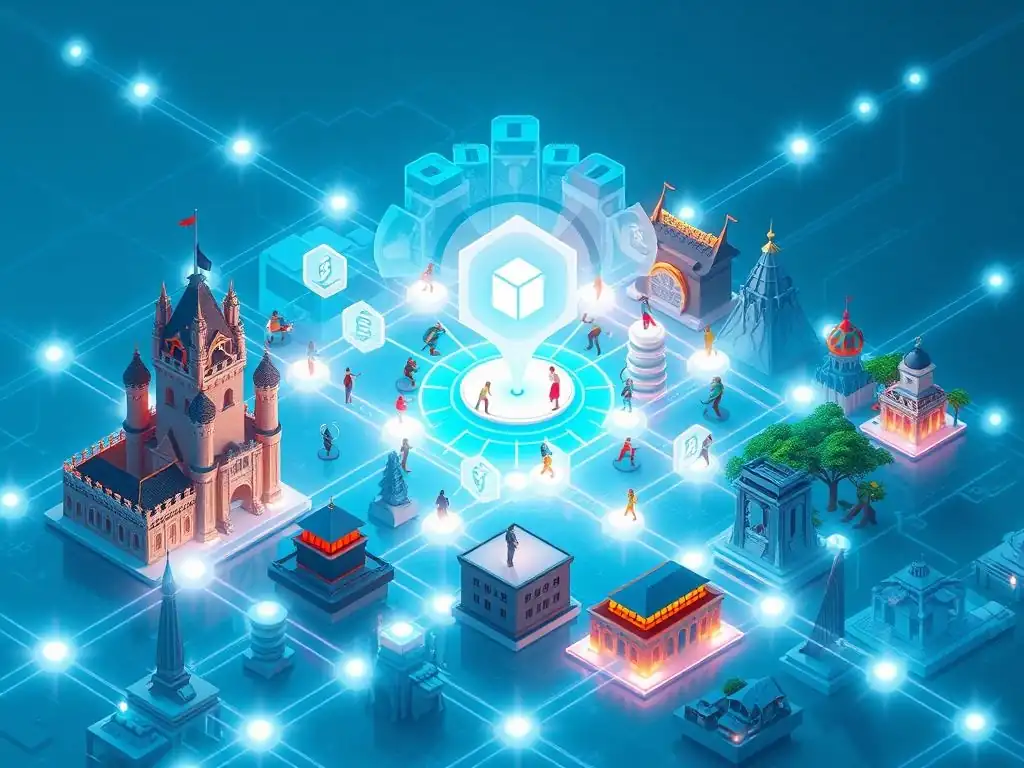
For Play-and-Own models to truly succeed, NFTs must be seamlessly integrated into the core gameplay experience, rather than being a superficial add-on. Effective integration means making NFTs functional and meaningful within the game world, influencing gameplay mechanics and player progression. For example, NFTs could represent playable characters with unique abilities, essential in-game tools, or land that generates resources. The utility and scarcity of these NFTs should directly impact gameplay, creating demand and driving value within the game economy.
Seamless NFT integration requires careful game design that considers how NFTs enhance and enrich the player experience. NFTs should not feel like a barrier to entry or a pay-to-win mechanic, but rather as integral components that add depth and strategic complexity to the game. For instance, a player-owned NFT weapon could have unique stats and visual customizations that enhance combat effectiveness and player identity.
Similarly, NFT land could provide access to exclusive resources or gameplay areas, creating meaningful benefits for owners. By thoughtfully integrating NFTs into gameplay, developers can create compelling Play-and-Own experiences that are both engaging and economically sustainable.
Designing Sustainable Tokenomics for P&O Games
Sustainable tokenomics are crucial for the long-term health and viability of Play-and-Own game economies. Unlike some P2E models that rely heavily on inflationary token emissions, P&O tokenomics should focus on creating a balanced and self-regulating economy. This involves carefully designing token supply, distribution mechanisms, and token utility within the game ecosystem. A key aspect is to ensure that token demand is driven by genuine gameplay activity and asset ownership, rather than purely speculative trading.
Sustainable P&O tokenomics often incorporate deflationary mechanisms to counteract inflation. These mechanisms can include token burning through in-game activities, limited token supply, and staking rewards that reduce circulating supply. Furthermore, token utility should be diverse and integral to the game, such as being required for crafting, upgrading assets, participating in governance, or accessing premium content. By carefully balancing token supply and demand, and designing robust token utility, developers can create resilient P&O economies that are less susceptible to volatility and more sustainable in the long run. Effective tokenomics are a cornerstone of successful Play-and-Own strategies.
Fostering a Strong and Engaged Community
A strong and engaged community is paramount for the success of any Play-and-Own game. Community is the lifeblood of P&O ecosystems, driving player participation, asset trading, and overall game vibrancy. Fostering a thriving community requires proactive efforts from developers, including transparent communication, active community engagement, and providing opportunities for player participation in game development and governance. Regular updates, community events, and feedback mechanisms are essential for building trust and fostering a sense of ownership among players.
Building a strong P&O community also involves creating social spaces and tools for players to connect, collaborate, and interact. In-game social features, forums, Discord servers, and community-led initiatives can all contribute to a vibrant and engaged player base. Recognizing and rewarding community contributions, such as content creation, moderation, and feedback, further strengthens community bonds. A strong community not only enhances the gaming experience but also contributes to the long-term sustainability of the P&O economy by driving demand for assets and fostering a positive and collaborative game environment. Community building is an indispensable element of effective Play-and-Own strategies.
Case Studies: Play-and-Own Success Stories
Axie Infinity: A P&O Model in Action
While initially categorized as Play-to-Earn, Axie Infinity has evolved and incorporated elements that align with the Play-and-Own ethos, demonstrating a practical application of P&O principles. Axie Infinity utilizes NFTs to represent Axies, the game's collectible creatures, and land plots. Players truly own these assets and can trade them on marketplaces. The introduction of Origin Axies, with limited supply and unique traits, further emphasized the ownership aspect and created a market for rare and valuable in-game assets. Axie Infinity's land gameplay, still under development, promises to further integrate player ownership and control into the game's mechanics.
Axie Infinity's success, reaching millions of players and generating significant transaction volume, can be partially attributed to its early adoption of NFT-based ownership. While the game's economy has faced challenges, particularly with token inflation, the underlying principle of asset ownership has remained a key driver of player engagement. Axie Infinity's transition towards more robust tokenomics and enhanced gameplay mechanics reflects an ongoing evolution towards a more sustainable Play-and-Own model. It serves as a valuable case study in the practical implementation and challenges of P&O in a large-scale blockchain game.
Decentraland: Community-Driven Development and Ownership
Decentraland is a prime example of a fully realized Play-and-Own metaverse, built on blockchain technology. In Decentraland, users own LAND NFTs, representing parcels of virtual land within the metaverse. This LAND ownership grants users complete control over their digital real estate, allowing them to build experiences, host events, and monetize their virtual spaces. Decentraland is governed by a DAO, giving LAND owners and MANA token holders voting rights on key decisions related to the metaverse's development and policies.
Decentraland exemplifies community-driven development and ownership in a blockchain metaverse context. The platform's open and decentralized nature encourages user-generated content and experiences, creating a vibrant and evolving virtual world. The success of Decentraland demonstrates the potential of P&O to empower users and foster a thriving ecosystem built on digital ownership and community governance. It serves as a compelling case study for the transformative possibilities of Play-and-Own in shaping the future of the metaverse and digital ownership.
Analyzing the Key Factors Behind Their Success
Analyzing the success of Axie Infinity and Decentraland reveals key factors contributing to the effectiveness of Play-and-Own models. Firstly, true digital ownership through NFTs is fundamental. Granting players verifiable and immutable ownership of valuable in-game assets creates a strong sense of investment and engagement. Secondly, community participation and governance are crucial. Empowering the community through DAOs and decentralized decision-making fosters a sense of shared ownership and drives player loyalty. Thirdly, meaningful utility of owned assets within gameplay is essential. NFTs should not just be collectibles but should have tangible benefits and influence within the game world.
Furthermore, sustainable tokenomics that balance supply and demand and incentivize long-term participation are vital for economic stability. Finally, a strong and engaged community is the bedrock of any successful P&O game. These factors, combined, create a virtuous cycle where player ownership, community participation, and engaging gameplay reinforce each other, leading to thriving and sustainable blockchain gaming metaverse evolution strategies. These case studies provide valuable insights for developers looking to implement effective Play-and-Own models in their own projects.
Challenges and Considerations for the Play-and-Own Model
Scalability and Transaction Costs on Blockchain Networks
Scalability and transaction costs remain significant challenges for Play-and-Own models, particularly as blockchain games grow in popularity and user base. Many blockchain networks, especially Ethereum, have historically faced limitations in transaction throughput and high gas fees, which can hinder the seamless operation of P&O games. High gas fees can make frequent NFT transactions and in-game interactions expensive, impacting player experience and potentially limiting accessibility for players in certain regions. For instance, during periods of high network congestion, simple in-game actions could incur transaction fees of several dollars, making microtransactions impractical.
Addressing scalability requires utilizing more efficient blockchain solutions. Layer-2 scaling solutions like Polygon, Optimism, and Arbitrum offer lower transaction fees and faster processing times, making them increasingly popular choices for blockchain gaming. Furthermore, the development of new, more scalable Layer-1 blockchains is ongoing, promising to further alleviate scalability constraints. Game developers must carefully consider the scalability and transaction cost implications when choosing a blockchain network for their P&O game to ensure a smooth and cost-effective player experience. Optimizing smart contract design and exploring off-chain solutions for certain game functions can also help mitigate these challenges.
Regulatory Uncertainty and Legal Compliance
Regulatory uncertainty surrounding blockchain technology and NFTs poses a significant challenge for the widespread adoption and long-term viability of Play-and-Own models. The legal classification of NFTs and in-game tokens is still evolving in many jurisdictions, creating ambiguity regarding taxation, securities laws, and intellectual property rights. This regulatory uncertainty can create risks for both game developers and players, potentially hindering investment and innovation in the P&O space. Different countries are taking varying approaches to regulating crypto assets, leading to a fragmented and complex legal landscape.
Navigating this regulatory landscape requires proactive legal compliance and careful consideration of jurisdictional differences. Game developers need to stay informed about evolving regulations in their target markets and seek legal counsel to ensure compliance. Transparency and responsible development practices are crucial for building trust with regulators and mitigating potential legal risks. As the blockchain gaming industry matures, it is expected that regulatory clarity will gradually emerge, providing a more stable and predictable environment for Play-and-Own models. However, in the interim, navigating regulatory uncertainty remains a key challenge for developers and players alike.
Security Risks and Vulnerabilities in Blockchain Gaming Platforms
Security risks and vulnerabilities are inherent in any blockchain-based system, and Play-and-Own gaming platforms are no exception. Smart contract vulnerabilities, wallet security breaches, and phishing scams are potential threats that can compromise player assets and undermine trust in P&O games. Exploits of smart contract vulnerabilities have resulted in significant losses in the DeFi and NFT space, highlighting the importance of rigorous security audits and best practices in smart contract development. Player wallets, if not properly secured, can be vulnerable to hacking and theft, leading to the loss of valuable NFTs and tokens.
Mitigating security risks requires a multi-faceted approach. Game developers must prioritize smart contract security, conducting thorough audits by reputable security firms. Educating players about wallet security best practices, such as using hardware wallets and being vigilant against phishing attempts, is crucial. Implementing robust security measures within the game platform itself, including multi-factor authentication and anti-cheat systems, is also essential. The blockchain gaming community must collectively prioritize security to build trust and ensure the long-term sustainability of Play-and-Own models. Continuous vigilance and proactive security measures are necessary to protect players and the integrity of P&O ecosystems.
The Future of Blockchain Gaming Economies: Predictions and Trends
The Convergence of P2E and P&O
The future of blockchain gaming economies likely lies in a convergence of Play-to-Earn and Play-and-Own models. While the pure P2E model has shown limitations, the desire for economic participation in gaming remains a powerful driver. The most successful blockchain games in the future will likely incorporate elements of both models, striking a balance between earning opportunities and genuine digital ownership. This convergence will involve designing game economies that reward skilled gameplay and player contributions while also empowering players with true ownership of valuable in-game assets.
Hybrid models are emerging that integrate P2E mechanics within a broader P&O framework. Players might earn tokens through gameplay, but the primary value proposition will be the ownership and utility of NFTs. These NFTs could appreciate in value based on their rarity, utility, and demand within the game ecosystem, providing long-term economic incentives for players. This convergence aims to address the sustainability issues of pure P2E while retaining the appeal of economic participation and leveraging the benefits of true digital ownership. The future of blockchain gaming economies is likely to be characterized by this nuanced and integrated approach.
The Role of the Metaverse in Shaping Game Economies
The metaverse will play a significant role in shaping the future of blockchain game economies, particularly for Play-and-Own models. Metaverses offer persistent and interconnected virtual worlds where players can utilize their owned assets across different games and experiences. NFTs owned in one P&O game could potentially be interoperable and usable in other metaverse environments, enhancing their utility and value. This interoperability across metaverses could create a more open and interconnected gaming ecosystem, further empowering players with their digital assets.
The metaverse also provides new opportunities for player-driven economies and decentralized commerce within gaming. Players can own virtual land in metaverses, build businesses, and create experiences that generate economic value. Play-and-Own games within metaverses will likely feature complex and interconnected economies where players have greater agency and economic participation. The metaverse will amplify the principles of P&O, creating more immersive, player-centric, and economically vibrant gaming experiences. The synergy between P&O and the metaverse will be a key driver of innovation and growth in blockchain gaming.
Emerging Technologies and Innovations in Blockchain Gaming
Emerging technologies and innovations are continuously shaping the landscape of blockchain gaming and Play-and-Own models. Layer-2 scaling solutions are improving transaction speeds and reducing costs, making blockchain gaming more accessible and user-friendly. Advancements in NFT technology, such as dynamic NFTs and soulbound tokens, are creating new possibilities for asset utility and ownership. Dynamic NFTs can evolve and change based on in-game events or player actions, adding another layer of complexity and engagement. Soulbound tokens, non-transferable NFTs, can represent player reputation or achievements, enhancing player identity and progression within P&O games.
Furthermore, advancements in decentralized identity and interoperability standards are facilitating cross-game asset utilization and player profile portability. Interoperability initiatives are working towards creating standards that allow NFTs and game assets to be seamlessly transferred and used across different blockchain games and metaverses. These emerging technologies and innovations are paving the way for more sophisticated, engaging, and interconnected Play-and-Own experiences, driving the evolution of blockchain gaming metaverse evolution strategies and pushing the boundaries of player empowerment and digital ownership.
Conclusion: Embracing the Play-and-Own Revolution for a Sustainable, Player-Centric Gaming Future
The Long-Term Vision for Blockchain Gaming
The long-term vision for blockchain gaming is one of sustainable, player-centric ecosystems powered by Play-and-Own principles. This vision envisions a future where players are not just consumers of games but active participants and stakeholders in the game worlds they inhabit. True digital ownership, enabled by NFTs, will empower players with unprecedented control over their in-game assets and contributions. Decentralized governance will give communities a voice in shaping the future of their favorite games, fostering a sense of shared ownership and responsibility.
Play-and-Own represents a fundamental shift in the power dynamic between players and game developers, moving towards a more collaborative and equitable model. This revolution promises to unlock new levels of player engagement, creativity, and economic opportunity within gaming. As blockchain technology matures and P&O models evolve, the gaming industry is poised for a transformation towards more sustainable, player-driven, and ultimately more rewarding experiences. The long-term vision is a vibrant and interconnected metaverse of Play-and-Own games, where players are truly empowered and gaming becomes a more fulfilling and economically viable pursuit.
Call to Action: Exploring the Potential of Play-and-Own
The Play-and-Own revolution is underway, and its potential to reshape the gaming industry is immense. For players, it offers the opportunity to truly own their in-game assets, participate in game economies, and contribute to community-driven worlds. For developers, it presents new revenue streams, enhanced player engagement, and the chance to build more sustainable and thriving game ecosystems. Embracing the Play-and-Own model requires exploration, experimentation, and a commitment to building player-centric experiences.
As the blockchain gaming metaverse evolves, both players and developers are called to action: to explore the potential of Play-and-Own, to experiment with new game designs and economic models, and to contribute to the growth of this exciting and transformative space. By embracing the principles of digital ownership, community governance, and sustainable economies, we can collectively build a future for gaming that is more engaging, rewarding, and truly player-owned. The evolution from Play-to-Earn to Play-and-Own is not just a trend, but a fundamental shift towards a more empowered and equitable gaming future.
Frequently Asked Questions
What are the main differences between Play-to-Earn and Play-and-Own game economies?
Play-to-Earn emphasizes earning cryptocurrency through gameplay. Play-and-Own, on the other hand, focuses on true ownership of in-game assets via blockchain technology, allowing players to control and utilize their digital possessions.
How does blockchain technology contribute to the evolution of the gaming metaverse?
Blockchain enables decentralized ownership and verifiable scarcity of in-game items. This fosters more transparent and secure economies, empowering players within the blockchain gaming metaverse evolution.
What are some potential enterprise applications for blockchain in the gaming industry beyond simple asset ownership?
Beyond ownership, blockchain can facilitate secure and transparent in-game transactions, create verifiable digital identities for players, and streamline royalty distribution for game developers.
What are the regulatory challenges facing the blockchain gaming metaverse and its evolving economies?
Regulatory uncertainty surrounding cryptocurrencies and digital assets poses a significant challenge. Clearer guidelines are needed regarding ownership rights, taxation, and the legal status of in-game economies.
What strategies can game developers employ to successfully transition from traditional gaming models to Play-and-Own systems within the blockchain gaming metaverse?
Developers should prioritize player education about blockchain technology and asset ownership. Focusing on compelling gameplay and creating a sustainable, decentralized economy are also crucial evolution strategies.
Final Reflection: Embracing Ownership in the Metaverse
The journey from Play-to-Earn to Play-and-Own signifies more than just a shift in terminology; it represents a fundamental reshaping of power dynamics within the gaming world. This evolution, fueled by blockchain technology, is not merely a trend but a paradigm shift, impacting how we value digital assets and interact within virtual economies. The potential for true ownership and decentralized governance in the blockchain gaming metaverse is now a tangible reality, offering unprecedented opportunities for both developers and players.
This movement towards player empowerment is profoundly influencing the cultural landscape of gaming. The ability to genuinely own and control in-game assets fosters a deeper sense of investment and community, transforming players from passive consumers to active participants in the metaverse's growth. The future of gaming is not just about playing; it's about owning, creating, and participating in a shared digital economy.
This shift necessitates a re-evaluation of traditional gaming models and a willingness to embrace the innovative possibilities offered by blockchain technology.
As we stand on the cusp of this new era, let us consider the implications of true digital ownership. What role will you play in shaping the blockchain gaming metaverse? Will you be a builder, a creator, an investor, or simply an engaged participant? The power to define this future lies within each of us. Embrace the possibilities, explore the potential, and contribute to a gaming landscape where ownership and community reign supreme.
Okay, I'm ready to create a Call to Action (CTA) for the end of the "From PlaytoEarn to PlayandOwn: The Evolution of Game Economies in the Blockchain Metaverse" article on BlockchainTrends.org. Here it is:
Unveil Your Metaverse Future: Join the PlayandOwn Revolution!
Thanks for exploring the evolution of game economies with us! We hope you found value in understanding the shift from PlaytoEarn to the innovative PlayandOwn model. Now it's time to take your newfound knowledge and turn it into action. Let's dive into how you can participate in shaping the future of blockchain gaming:
- Explore emerging PlayandOwn games and identify projects whose philosophies align with your vision of a fair and engaging gaming experience. Start small, test the waters, and find communities that resonate with you!
- Share this article with fellow gamers and crypto enthusiasts who are curious about the changing landscape. Spark conversations and help others discover the PlayandOwn potential!
- Participate in community discussions and directly contribute your ideas to game developers. The PlayandOwn model thrives on collaborative innovation, and your input can help shape the future of these games!
What's one key element you believe will make or break the success of a PlayandOwn game, and how would you like to see developers implement it? Share your thoughts below!
Leave a Reply