
The Power of Scarcity: How NFTs Create Unique and Valuable InGame Items

Welcome to Blockchain Trends, your compass in the rapidly evolving world of decentralized technologies. Beyond the headlines, we delve into the real-world applications of blockchain, from disrupting finance with DeFi to revolutionizing enterprise operations. Curious about how this technology is shaping the future? Let's dive into the exciting intersection of blockchain and gaming, specifically exploring the power of NFTs in game development and how they are creating truly unique and valuable in-game assets. Prepare to uncover the magic behind digital scarcity and its transformative impact on the gaming experience...
The Power of Scarcity: How NFTs Create Unique and Valuable In-Game Items
- Understanding NFTs and Scarcity in Blockchain Gaming
- Transforming Game Development with NFTs: Benefits and Opportunities
- NFTs in Game Development: Use Cases and Examples
- Overcoming Challenges and Considerations for NFTs in Game Design
- The Future of NFTs in Game Development: Trends and Predictions
- Conclusion: The Enduring Appeal of Scarcity and Ownership in Gaming
-
Frequently Asked Questions
- What are NFTs and how do they relate to in-game items?
- How does using NFTs for in-game items create scarcity?
- What are the potential benefits of using NFTs in game development for players?
- What are some of the challenges or concerns surrounding the use of NFTs in games?
- How are NFTs changing the future of decentralized gaming?
- Final Reflection: Embracing Digital Rarity
- Unleash the Value: Start Your NFT Gaming Journey Now!
Understanding NFTs and Scarcity in Blockchain Gaming
What are Non-Fungible Tokens (NFTs)? A Quick Overview
Non-Fungible Tokens, or NFTs, are cryptographic assets on a blockchain that possess unique identification codes and metadata distinguishing them from each other. Unlike cryptocurrencies like Bitcoin or Ethereum, which are fungible (interchangeable), each NFT is unique and irreplaceable. This non-fungibility is crucial to their value proposition. Think of NFTs as digital certificates of authenticity and ownership. They can represent a wide range of unique items, from digital art and collectibles to virtual real estate and, importantly for this discussion, in-game items.
NFTs are essentially digital tokens that prove ownership and authenticity of a specific asset. This is made possible by blockchain technology, which provides a transparent and immutable ledger to record transactions and ownership. When an NFT is created, or "minted," on a blockchain, it is assigned a unique identifier and its ownership is permanently recorded.
This record cannot be altered or counterfeited, making NFTs a powerful tool for establishing verifiable digital scarcity and provenance. The underlying technology ensures that the history and ownership of each NFT are transparent and traceable, adding a layer of trust and security to digital assets.
The Role of Scarcity in Driving Value of Digital Assets
Scarcity is a fundamental economic principle that significantly impacts the value of assets, both in the physical and digital realms. When something is limited in supply and high in demand, its perceived value and market price tend to increase. This principle is readily observable in collectibles like rare stamps, trading cards, and fine art. The limited availability of these items, coupled with their desirability, makes them valuable assets, often appreciating over time. Scarcity creates exclusivity and a sense of prestige, further enhancing the allure and value of rare items.
In the digital world, scarcity has traditionally been more challenging to establish. Digital assets, by their nature, can be easily copied and replicated infinitely. This abundance often diminishes the perceived value of digital items. However, the introduction of blockchain technology and NFTs has changed this paradigm. NFTs provide a mechanism to create verifiable scarcity for digital assets, mimicking the scarcity found in the physical world. By limiting the supply of a particular digital item and ensuring its uniqueness through NFT technology, developers can create digital collectibles with inherent value driven by scarcity and demand, just like their physical counterparts.
How NFTs Introduce Verifiable Scarcity to In-Game Items
NFTs revolutionize the concept of in-game items by introducing verifiable scarcity. In traditional gaming, in-game items are typically controlled by the game developers. They can create an unlimited supply of items, adjust drop rates, and even remove items from the game at will. This centralized control means that players do not truly own their in-game assets; they are essentially renting them from the game company. NFTs change this dynamic by allowing game developers to create truly scarce in-game items that players can verifiably own.
When an in-game item is tokenized as an NFT, its scarcity is defined and enforced by the underlying blockchain. Developers can specify the total number of NFTs for a particular item, and this supply is immutable and transparently verifiable on the blockchain. This means that players can be confident that the rare sword they acquired is genuinely one of a limited number, and its scarcity is not just a marketing claim but a cryptographic reality. This verifiable scarcity, enabled by NFTs, is the cornerstone of creating value for in-game items and fostering player-driven economies within blockchain games.
Transforming Game Development with NFTs: Benefits and Opportunities
Revolutionizing In-Game Economies with NFT Integration
NFT integration is profoundly changing the landscape of in-game economies. Traditionally, in-game economies are closed and controlled entirely by game developers. Players acquire items and currencies within the game but have limited ability to transfer these assets outside the game environment or realize real-world value from them. NFTs break down these barriers, creating open and player-driven in-game economies. By representing in-game items as NFTs, games enable players to truly own their assets and trade them freely on open marketplaces.
This shift fosters the development of vibrant and dynamic in-game economies where value is determined by player demand and scarcity, rather than solely by developer-controlled mechanisms. Players can buy, sell, and trade NFTs representing in-game items with other players, potentially earning real-world value from their gaming activities. This creates new economic opportunities for players and incentivizes participation and investment in the game ecosystem. The integration of NFTs transforms in-game economies from closed systems into interconnected, player-owned marketplaces, fostering a more engaging and rewarding gaming experience.
Empowering Players with True Ownership of Digital Assets
One of the most significant benefits of NFTs in game development is the empowerment of players with true ownership of their digital assets. In traditional games, players invest time and sometimes money to acquire in-game items. However, these items are tied to the game platform and are ultimately controlled by the game company. If the game shuts down, or a player is banned, they lose access to all their acquired items with no recourse. NFTs fundamentally alter this relationship by granting players verifiable ownership of their in-game assets.
When an in-game item is represented as an NFT, the player who holds the NFT in their wallet is the undisputed owner of that asset, recorded on the blockchain. This ownership is independent of the game itself. Even if a game were to cease operation, players retain ownership of their NFTs and can potentially use them in other compatible games or sell them on NFT marketplaces.
This true ownership provides players with greater control, security, and potential long-term value for their in-game investments. It shifts the paradigm from players being renters of digital items to becoming owners of valuable digital assets within the gaming ecosystem.
New Revenue Streams for Game Developers Through NFT Sales
NFTs are not only beneficial for players but also unlock new and potentially lucrative revenue streams for game developers. Traditionally, game developers primarily monetize through initial game sales, in-app purchases of consumable items, and subscriptions. NFTs offer additional avenues for monetization, particularly through primary sales and secondary market royalties. Developers can sell limited edition NFTs representing unique in-game items directly to players, generating initial revenue. This initial sale, or "minting," is a direct revenue stream that can be strategically designed to create hype and demand for valuable NFTs.
Furthermore, many NFT marketplaces allow creators, including game developers, to program royalties into their NFTs. This means that every time an NFT is resold on the secondary market, the original creator automatically receives a percentage of the sale price.
This royalty mechanism provides a continuous revenue stream for developers, even after the initial sale of the NFT. As the value of in-game NFTs appreciates and trading volume increases on secondary markets, these royalties can become a significant and passive source of income for game developers, aligning their incentives with the long-term success and value appreciation of their game and its associated NFT ecosystem.
The Impact of NFTs on Player Engagement and Retention
The integration of NFTs has a demonstrable impact on player engagement and retention in blockchain games. The concept of true ownership and the potential to earn real-world value from in-game assets significantly increases player motivation and investment in the game. Players are more likely to engage deeply with a game when they know that their efforts and investments can translate into tangible value that they truly own and control. This sense of ownership and economic participation fosters a stronger connection between players and the game.
Furthermore, the scarcity and tradability of NFTs create a dynamic and engaging player-driven economy within the game. Players are incentivized to actively participate in the game to acquire valuable NFTs, trade them, and potentially build collections. The potential for financial return from NFT trading and play-to-earn mechanics adds an extra layer of engagement and competition. This enhanced engagement, driven by ownership and economic incentives, contributes to increased player retention and the creation of a more vibrant and long-lasting gaming community around NFT-integrated games.
NFTs in Game Development: Use Cases and Examples
Unique In-Game Items and Collectibles Powered by NFTs
One of the most prominent use cases for NFTs in game development is the creation of unique in-game items and collectibles. NFTs are perfectly suited to represent rare and valuable items such as weapons, armor, skins, vehicles, and other cosmetic enhancements within a game world. By tokenizing these items as NFTs, developers can create digital collectibles with verifiable scarcity and ownership, mimicking the appeal of physical collectibles in the digital realm. These NFTs can range from common to extremely rare, with varying levels of in-game utility or aesthetic appeal, driving player demand and collectibility.
For example, a game developer might release a limited edition set of NFT swords with unique visual designs and enhanced in-game stats. The scarcity of these swords, combined with their in-game benefits and visual appeal, makes them highly desirable collectibles. Players can acquire these NFT swords through in-game activities, purchases, or by trading with other players on NFT marketplaces. The use of NFTs for in-game items not only creates new revenue streams for developers but also enhances the gaming experience by introducing a layer of collectibility and player-driven value to digital assets.
Character Customization and Personalization using NFT Avatars
NFTs are also being utilized to revolutionize character customization and personalization in games through NFT avatars. Traditionally, character customization options are limited to pre-defined sets within a game. NFTs enable a new level of personalization by allowing players to own and utilize unique digital avatars as their in-game persona. These NFT avatars can be designed as unique digital collectibles, each with distinct visual traits, rarities, and potentially even in-game abilities.
Players can purchase, collect, and trade NFT avatars, expressing their individuality and style within the game world. These avatars can range from 2D profile pictures to fully 3D models, depending on the game's design. The use of NFTs for avatars not only provides players with more expressive customization options but also creates a market for unique digital identities within the gaming metaverse. Projects like CryptoPunks and Bored Ape Yacht Club, while not initially designed for gaming, have demonstrated the appeal and value of NFT avatars, paving the way for their integration into game environments.
NFT-Based Land Ownership and Virtual Real Estate
NFTs are transforming the concept of virtual land ownership and real estate within metaverse and blockchain-based games. In these virtual worlds, land is often represented as NFTs, allowing players to purchase, own, and develop digital plots of land. This NFT-based land ownership creates a digital real estate market within the game, where players can buy, sell, and rent virtual land, mirroring real-world property ownership dynamics. The scarcity of land NFTs and the potential for development and monetization drive the value of virtual real estate.
Players can build structures, create experiences, and host events on their virtual land, generating value and attracting other players. This NFT-based land ownership is a core component of many metaverse and blockchain gaming projects, creating decentralized virtual economies and empowering players to become virtual landowners and entrepreneurs. Platforms like Decentraland and The Sandbox are prime examples of games that utilize NFT-based land ownership, allowing players to build, explore, and monetize their virtual territories.
Play-to-Earn (P2E) Gaming and NFT Rewards
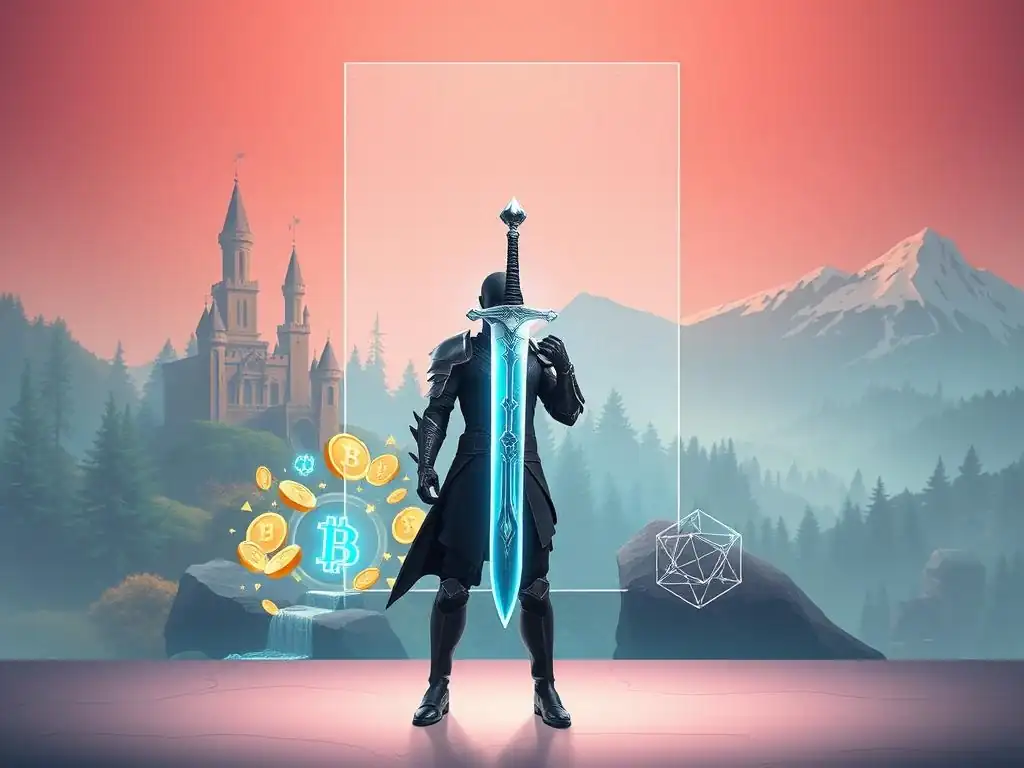
NFTs are central to the rise of Play-to-Earn (P2E) gaming models, where players can earn cryptocurrency and NFTs through gameplay and contributions to the game ecosystem. P2E games leverage NFTs to reward players for their time and skills, creating a system where gaming is not just entertainment but also a potential source of income. These rewards often come in the form of NFTs representing in-game items, characters, or virtual land, which players can then trade on open marketplaces for cryptocurrency or other assets.
The P2E model is built on the principle of rewarding player contributions and engagement. By earning valuable NFTs through gameplay, players are incentivized to invest time and effort into the game, contributing to its growth and ecosystem. This model has gained significant traction, particularly in regions where traditional income opportunities are limited, demonstrating the potential of NFTs to democratize access to economic opportunities within the gaming world. Games like Axie Infinity have popularized the P2E model, showcasing the potential of NFTs to create engaging and economically rewarding gaming experiences.
Axie Infinity - Case Study
Axie Infinity is a prominent example of a successful blockchain game that heavily utilizes NFTs. It is a Play-to-Earn game where players collect, breed, and battle digital creatures called Axies, which are represented as NFTs. Each Axie is a unique NFT with different attributes and abilities, making them collectible and tradable assets. Players earn cryptocurrency tokens, SLP and AXS, by playing the game, which can then be exchanged for other cryptocurrencies or fiat currency.
The game's economy is driven by the trading of Axie NFTs and the earning of in-game tokens. Axie Infinity demonstrates how NFTs can form the core of a Play-to-Earn gaming ecosystem, creating a player-driven economy where participants can earn real-world value through gameplay. The game's popularity and success have highlighted the potential of NFTs to create engaging and economically rewarding gaming experiences, attracting a large player base and showcasing the transformative power of NFTs in the gaming industry.
Decentraland - Case Study
Decentraland is a virtual world built on the Ethereum blockchain where users can buy, sell, and develop virtual land represented as NFTs. Land in Decentraland is divided into parcels, each being a unique NFT that users can own and control. Within their land parcels, users can create and host a wide variety of experiences, from games and art galleries to virtual stores and social gatherings. The scarcity of land NFTs in Decentraland and the potential for development and monetization drive the value of virtual real estate within the platform.
Decentraland exemplifies the use of NFTs for virtual real estate and metaverse development. It showcases how NFTs can enable user-owned virtual worlds where players have true ownership of their digital assets and can participate in a decentralized digital economy. The platform's open and decentralized nature, powered by NFTs, fosters creativity, innovation, and user-generated content, demonstrating the potential of NFTs to build immersive and player-driven metaverse experiences.
Overcoming Challenges and Considerations for NFTs in Game Design
One significant challenge associated with NFTs, particularly in their early days, is the environmental concern related to their minting and transaction validation on certain blockchains. Blockchains that utilize a Proof-of-Work (PoW) consensus mechanism, like the original Ethereum blockchain, require substantial energy consumption for mining and transaction processing. This energy consumption has raised concerns about the carbon footprint of NFTs minted and traded on these PoW blockchains.
However, the blockchain landscape is evolving, and more energy-efficient alternatives are emerging. Many newer blockchains and scaling solutions utilize Proof-of-Stake (PoS) consensus mechanisms, which require significantly less energy compared to PoW. Furthermore, layer-2 scaling solutions built on top of blockchains like Ethereum are designed to reduce transaction costs and energy consumption associated with NFT minting and trading. Game developers are increasingly opting for these more environmentally friendly blockchain solutions to mitigate the environmental impact of NFTs in their games. Choosing energy-efficient blockchains and implementing scaling solutions are crucial steps in addressing the environmental concerns associated with NFT technology.
Combating Scalability Issues in NFT-Based Gaming Ecosystems
Scalability is another key challenge for NFT-based gaming ecosystems. As the popularity of blockchain games grows, the underlying blockchains need to be able to handle a large volume of transactions efficiently and cost-effectively. Early blockchain networks faced scalability limitations, leading to slow transaction times and high gas fees, which can hinder the smooth operation of NFT-based games. High transaction costs, particularly for frequent in-game actions involving NFTs, can negatively impact the player experience and limit the accessibility of blockchain games.
To address scalability issues, various solutions are being developed and implemented. Layer-2 scaling solutions, such as sidechains and rollups, are designed to increase transaction throughput and reduce gas fees on blockchains like Ethereum. These solutions enable faster and cheaper NFT transactions, making blockchain games more scalable and user-friendly. Furthermore, the development of more scalable layer-1 blockchains specifically designed for gaming and decentralized applications is also contributing to overcoming scalability limitations. Adopting these scaling solutions is crucial for ensuring the long-term viability and mass adoption of NFT-based gaming ecosystems.
Ensuring Fair Distribution and Preventing Exploitation of NFT Systems
Fair distribution and prevention of exploitation are critical considerations for designing robust and equitable NFT systems within games. The initial distribution of NFTs, particularly rare and valuable ones, can significantly impact the game's economy and player dynamics. If NFTs are distributed unfairly or concentrated in the hands of a few, it can lead to imbalances and undermine the game's fairness and player trust. Mechanisms for fair NFT distribution, such as randomized drops, whitelisting, and community-based allocation, are important to consider.
Furthermore, preventing exploitation of NFT systems is crucial for maintaining a healthy and balanced game environment. Mechanisms to combat botting, sniping, and other forms of manipulation in NFT marketplaces and in-game economies are necessary. Implementing robust anti-cheat measures and carefully designing game mechanics to prevent economic exploits are essential for ensuring a fair and enjoyable experience for all players in NFT-based games. Transparency in NFT distribution and ongoing monitoring of the game economy are also important aspects of preventing exploitation and maintaining a fair gaming ecosystem.
Regulatory Landscape and Legal Considerations for NFTs in Games
The regulatory landscape surrounding NFTs and blockchain gaming is still evolving and varies across jurisdictions. Legal classifications of NFTs, particularly in-game NFTs, are not yet fully defined in many regions, leading to uncertainties regarding their legal status and regulatory oversight. Issues such as securities regulations, consumer protection laws, and intellectual property rights need to be carefully considered in the context of NFTs in games. Game developers operating in the NFT space need to be aware of and compliant with relevant regulations in their target markets.
Furthermore, the potential for NFTs to be used for illicit activities, such as money laundering or tax evasion, also raises regulatory concerns. Compliance with anti-money laundering (AML) and know-your-customer (KYC) regulations may be necessary for certain NFT platforms and marketplaces operating within regulated jurisdictions. The evolving regulatory landscape necessitates ongoing monitoring and adaptation by game developers and NFT platforms to ensure legal compliance and mitigate potential risks associated with NFTs in gaming. Seeking legal counsel and staying informed about regulatory developments are crucial for navigating the evolving legal landscape of NFTs and blockchain gaming.
The Future of NFTs in Game Development: Trends and Predictions
Increased Adoption of NFTs in Mainstream Gaming
The future of NFTs in game development points towards increased adoption in mainstream gaming. While initially prevalent in niche blockchain games, NFTs are increasingly being explored and integrated by traditional game studios and publishers. As players become more familiar with the concept of digital ownership and the benefits of NFTs, and as the technology becomes more user-friendly and environmentally sustainable, mainstream adoption is expected to accelerate. Major game companies are beginning to experiment with NFTs in various forms, indicating a growing recognition of their potential to enhance player engagement and create new revenue opportunities.
This increased adoption will likely involve a gradual integration of NFTs into existing game genres and mechanics, rather than solely focusing on dedicated blockchain games. We may see NFTs being used for cosmetic items, limited edition collectibles, or even as a mechanism for player-created content within mainstream games. The integration of NFTs in mainstream gaming could revolutionize in-game economies and player ownership, fundamentally altering the relationship between players and game developers.
The Rise of Interoperable NFTs Across Multiple Games
A significant trend in the future of NFTs in gaming is the rise of interoperable NFTs. Currently, most NFTs are tied to a specific game or platform, limiting their utility and value outside of that ecosystem. However, the vision of interoperable NFTs aims to create digital assets that can be used across multiple games and virtual worlds. Imagine owning an NFT sword that can be wielded in various compatible games, or an NFT avatar that can represent your identity across different metaverse platforms.
The development of standards and protocols for NFT interoperability is crucial for realizing this vision. Projects are emerging that are working on creating cross-game NFT standards and marketplaces, enabling players to utilize their NFTs across different gaming ecosystems. Interoperable NFTs would significantly enhance the value and utility of digital assets, fostering a more open and interconnected metaverse and gaming landscape. This trend towards interoperability will unlock new possibilities for player ownership and the portability of digital identities and assets across the gaming universe.
The Evolution of NFT Gaming Experiences and Gameplay Mechanics
NFT gaming experiences and gameplay mechanics are expected to evolve significantly beyond the initial Play-to-Earn models. While P2E has been a driving force in the early adoption of NFT games, the future will likely see a diversification of gameplay experiences and a greater focus on fun and engaging gameplay, rather than solely on economic incentives. Game developers are exploring new ways to integrate NFTs into core gameplay loops, creating innovative and immersive gaming experiences that leverage the unique properties of NFTs.
We may see the emergence of new game genres and mechanics specifically designed around NFTs, such as NFT-based strategy games, collectible card games, and metaverse experiences. The focus will shift towards creating compelling gameplay that is enhanced by NFTs, rather than simply using NFTs as a monetization mechanism. This evolution will lead to more diverse and engaging NFT gaming experiences that appeal to a wider audience beyond crypto-native players.
Exploring New Applications of NFTs in Virtual Worlds and Metaverses
Beyond gaming, NFTs are poised to play a crucial role in the development of virtual worlds and metaverses. NFTs can be used to represent ownership of virtual land, avatars, items, and experiences within these virtual environments. They provide the foundation for building decentralized and user-owned metaverses, where individuals have true ownership and control over their digital assets and identities. NFTs are essential for creating the digital scarcity and verifiable ownership necessary for thriving virtual economies within metaverses.
As metaverses continue to develop and become more immersive and interconnected, NFTs will become increasingly integral to their infrastructure and user experience. From virtual real estate and digital fashion to event tickets and membership passes, NFTs will enable a wide range of applications within virtual worlds, creating new forms of digital ownership, commerce, and social interaction. The exploration of new applications of NFTs in virtual worlds and metaverses will shape the future of digital ownership and the evolution of the internet into a more decentralized and user-centric space.
Conclusion: The Enduring Appeal of Scarcity and Ownership in Gaming
NFTs: A Powerful Tool for Creating Unique and Valuable In-Game Experiences
NFTs have emerged as a powerful tool for game developers to create unique and valuable in-game experiences. By introducing verifiable scarcity and true digital ownership, NFTs address fundamental aspects of human psychology and economics that resonate deeply with gamers. The appeal of collecting rare items, expressing individuality through unique assets, and participating in player-driven economies are all amplified by the properties of NFTs. They offer a way to enhance player engagement, create new revenue streams, and foster more dynamic and rewarding gaming ecosystems.
The ability of NFTs to represent unique in-game items, avatars, virtual land, and other digital assets opens up a vast landscape of possibilities for game design and monetization. From enhancing collectibility and personalization to enabling Play-to-Earn mechanics and building decentralized virtual worlds, NFTs are transforming the way games are designed, played, and experienced. Their capacity to create verifiable scarcity and empower players with true ownership is a game-changer in the digital realm, particularly within the gaming industry.
The Long-Term Potential of NFTs to Reshape the Gaming Industry
The long-term potential of NFTs to reshape the gaming industry is substantial. As adoption increases, technology matures, and new use cases emerge, NFTs are poised to become an integral part of the gaming landscape. They are not just a fleeting trend but rather a fundamental shift towards player empowerment, digital ownership, and decentralized game economies. The integration of NFTs has the potential to create more engaging, rewarding, and sustainable gaming ecosystems that benefit both players and developers.
While challenges and considerations remain, the ongoing development and innovation in the NFT space are addressing these concerns and paving the way for wider adoption and mainstream integration. The future of gaming is increasingly intertwined with blockchain technology and NFTs, promising a more player-centric, economically vibrant, and creatively rich gaming industry. The enduring appeal of scarcity and ownership, amplified by NFTs, ensures their continued relevance and transformative impact on the gaming world and beyond.
Frequently Asked Questions
What are NFTs and how do they relate to in-game items?
NFTs, or Non-Fungible Tokens, are unique digital assets that represent ownership of an item. In game development, NFTs can be used to represent unique in-game items, making them scarce and potentially valuable.
How does using NFTs for in-game items create scarcity?
Unlike traditional in-game items which can be infinitely duplicated, NFTs are unique and limited. This inherent scarcity drives value and creates a digital ownership experience for players.
What are the potential benefits of using NFTs in game development for players?
Players can potentially own and trade their in-game assets, creating a real-world value for their time and effort. This can also lead to new player-driven economies within games.
What are some of the challenges or concerns surrounding the use of NFTs in games?
Concerns include the environmental impact of some blockchain technologies, potential for speculative bubbles, and the need for clear regulatory frameworks.
How are NFTs changing the future of decentralized gaming?
NFTs are paving the way for true digital ownership and decentralized gaming ecosystems. This could lead to more player-centric games where users have more control over their assets and in-game experiences.
Final Reflection: Embracing Digital Rarity
The exploration of NFTs in game development reveals a profound shift in how we perceive value and ownership within virtual worlds. The inherent scarcity of NFTs, meticulously crafted and immutably recorded, is not just a technological novelty, but a fundamental reimagining of in-game economies and player agency. This power to create unique and valuable digital assets is poised to revolutionize the gaming landscape, offering unprecedented opportunities for both developers and players.
The rise of NFTs has undeniably impacted the cultural landscape, blurring the lines between the digital and physical realms. The ability to truly own and trade in-game items fosters a deeper connection between players and the games they love, transforming them from mere consumers into active participants in a vibrant digital economy. The future of gaming is not just about playing games, but about owning a piece of the game itself.
This sentiment encapsulates the transformative potential of NFTs, empowering players and fostering a sense of community ownership.
As we stand at the cusp of this digital revolution, let us reflect on the power of scarcity and its ability to imbue digital creations with meaning and value. Consider how you can embrace this new paradigm, not just as a player or developer, but as a participant in shaping the future of digital ownership. Explore the possibilities, engage in the conversation, and contribute to a world where digital assets are truly yours to own and cherish.
Unleash the Value: Start Your NFT Gaming Journey Now!
Thank you for exploring how NFTs are revolutionizing in-game economies! We hope you've gained a deeper understanding of the power of scarcity and its impact on digital assets. Now it's time to take action and dive into this exciting world.
Here's how you can get involved in the NFT gaming revolution:
- Mint Your First NFT Game Asset: Explore platforms that facilitate creating and selling unique in-game items, and try minting your own.
- Discover Emerging NFT Games: Research new and promising titles beyond the mainstream. You might find the next big hit!
- Join the Conversation: Share this article with your gaming friends and discuss the future of NFT gaming in online communities.
What kind of unique in-game asset would you create with NFT technology, and what game would you build it for? Share your ideas in the comments below!
Leave a Reply