
The Rise of PlaytoEarn: How Blockchain is Redefining Gaming Economies

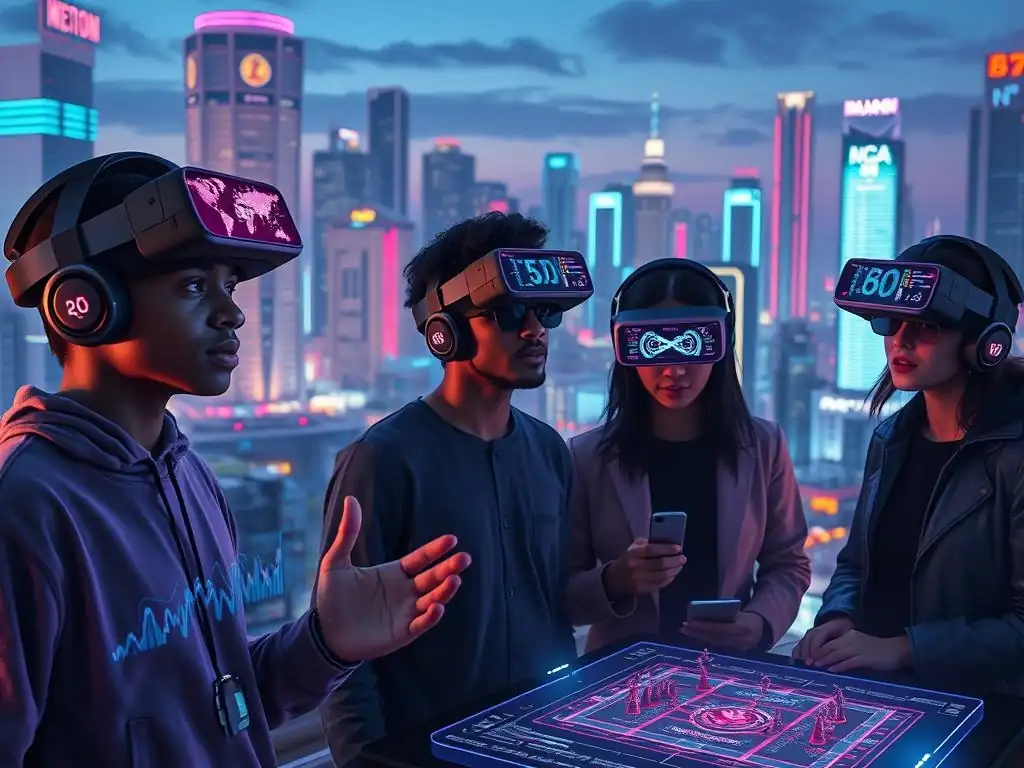
Welcome to Blockchain Trends, your compass in the ever-evolving world of decentralized technologies. Delve into the transformative power of blockchain, extending far beyond cryptocurrencies into realms like DeFi and enterprise solutions. Ever wondered how blockchain is reshaping the gaming industry? Let's explore the fascinating world of PlaytoEarn blockchain gaming revenue and discover how it's redefining gaming economies. This is just the beginning – prepare to unlock the future of decentralized systems!
The Rise of PlaytoEarn: How Blockchain is Redefining Gaming Economies
- Understanding the PlaytoEarn (P2E) Gaming Revolution
- The Economic Impact of PlaytoEarn Blockchain Gaming
- The Evolution of Gaming with Blockchain: From Pay-to-Win to Play-to-Own
- Key PlaytoEarn Blockchain Games Driving Adoption
- Benefits and Challenges of the PlaytoEarn Model
- The Future of PlaytoEarn Blockchain Gaming
- Investing in PlaytoEarn: Opportunities and Risks
- PlaytoEarn Beyond Gaming: Applications in Other Industries
-
Frequently Asked Questions
- How is blockchain technology impacting the gaming industry?
- What is "PlaytoEarn" (P2E) gaming and how does it generate revenue?
- What are some potential benefits of PlaytoEarn blockchain gaming for players?
- What role does regulation play in the future of PlaytoEarn blockchain gaming?
- How is PlaytoEarn blockchain gaming revenue changing the overall gaming landscape?
- Final Reflection: Embracing the Future of Play
- Unlock Your Gaming Potential: Step into the Play-to-Earn Revolution!
Understanding the PlaytoEarn (P2E) Gaming Revolution
Defining PlaytoEarn: A New Era in Gaming
The PlaytoEarn (P2E) model represents a paradigm shift in the gaming industry, moving away from the traditional "pay-to-play" or "pay-to-win" models towards a more equitable system where players can earn real-world value through gameplay. This revolutionary concept leverages blockchain technology to empower players, allowing them to earn cryptocurrency and NFTs (Non-Fungible Tokens) by actively participating in the game ecosystem. Unlike conventional games where in-game assets hold no tangible value outside the game itself, P2E games enable players to convert their skills, time, and effort into tradable digital assets, creating new economic opportunities within the gaming world and beyond.
This new era of gaming is characterized by the integration of decentralized economies into game design. Players are no longer just consumers but become active participants in the game's economy, contributing to its growth and benefiting directly from its success. The PlaytoEarn model aims to redistribute value creation, rewarding players for their engagement and contributions, fostering a sense of ownership and investment in the games they play. This fundamental change is attracting a diverse audience, from traditional gamers seeking new forms of engagement to individuals in developing economies looking for alternative income streams.
How Blockchain Technology Powers P2E Games
Blockchain technology is the bedrock upon which PlaytoEarn gaming is built. Its decentralized and transparent nature provides the necessary infrastructure to establish true digital ownership and secure in-game economies. At its core, blockchain enables the creation of unique, verifiable digital assets in the form of NFTs. These NFTs can represent in-game items like characters, weapons, virtual land, or collectibles, and are owned by the players, not the game developers. This ownership is immutably recorded on the blockchain, ensuring scarcity and authenticity.
Furthermore, blockchain facilitates the use of cryptocurrencies as in-game currencies and rewards. Transactions within the game, such as earning rewards, trading NFTs, or participating in governance, are often conducted using these cryptocurrencies. The transparency of the blockchain ensures that all transactions are publicly auditable, fostering trust and accountability within the game ecosystem.
Smart contracts, self-executing agreements written in code and stored on the blockchain, automate game mechanics, reward distribution, and market operations, reducing the need for intermediaries and increasing efficiency. This combination of NFTs, cryptocurrencies, and smart contracts provides the foundation for a secure, decentralized, and player-centric gaming experience that defines the PlaytoEarn revolution.
The Core Mechanics of PlaytoEarn Ecosystems
The mechanics of PlaytoEarn ecosystems are designed to incentivize player engagement and reward active participation. At the heart of these systems are in-game tokens, often cryptocurrencies, that players can earn through various activities such as winning battles, completing quests, participating in tournaments, or contributing to the game's community. These tokens are not just points; they have real-world value and can be traded on cryptocurrency exchanges. Players accumulate these tokens through gameplay, effectively earning while they play.
NFTs are another crucial component of P2E mechanics. Players can earn, purchase, or create NFTs within the game. These NFTs represent unique in-game assets and can be traded on in-game marketplaces or external NFT marketplaces. The value of these NFTs is determined by their rarity, utility within the game, and market demand.
PlaytoEarn games often incorporate decentralized marketplaces where players can buy, sell, and trade their NFTs and tokens with other players. This player-driven economy is a key differentiator from traditional gaming models. Moreover, some P2E games are integrating Decentralized Autonomous Organizations (DAOs), allowing players to participate in the governance of the game, influencing its development and economic policies, further empowering the player community and solidifying the decentralized nature of these ecosystems.
The Economic Impact of PlaytoEarn Blockchain Gaming
Generating Revenue Through PlaytoEarn: A Breakdown
PlaytoEarn gaming has introduced a novel revenue generation model that benefits both players and developers. For players, revenue is primarily generated through gameplay and participation within the game ecosystem. Players earn cryptocurrency tokens and NFTs by engaging in various in-game activities.
These earned tokens can be exchanged for other cryptocurrencies or fiat currencies on exchanges, providing a direct monetary reward for their time and skill. Furthermore, valuable NFTs acquired or created within the game can be sold on marketplaces for potentially significant sums, depending on their rarity and demand. This ability to convert in-game achievements into real-world income is the core of the PlaytoEarn model.
Developers also benefit from the economic activity within P2E games. While players earn directly, developers generate revenue through various mechanisms such as initial token sales, marketplace transaction fees, and NFT minting fees. Initial token offerings (ITOs) or initial NFT offerings (INOs) can provide substantial funding for game development and marketing.
Marketplace fees, charged on each transaction of NFTs and tokens within the game's ecosystem, create a sustainable revenue stream as the game's economy grows. Additionally, developers may sell in-game assets directly or introduce new NFTs periodically to generate revenue. This symbiotic relationship, where player activity fuels the game's economy and generates revenue for both players and developers, is a key driver of the growth of PlaytoEarn blockchain gaming revenue.
PlaytoEarn Blockchain Gaming Revenue: Current Market Trends and Projections
The PlaytoEarn blockchain gaming market has experienced explosive growth in recent years, reflecting the increasing adoption of blockchain technology and the appeal of earning while playing. In 2021, the PlaytoEarn games market generated an estimated \$2.3 billion in revenue, a figure that underscores the significant economic impact of this emerging sector. Industry analysts project substantial continued growth in the coming years.
Some reports estimate that the PlaytoEarn games market could reach over \$20 billion in revenue by 2025, demonstrating a compound annual growth rate (CAGR) exceeding 50%. This rapid expansion is fueled by increasing player adoption, the introduction of new and innovative P2E games, and growing investment in blockchain gaming infrastructure.
Current market trends indicate a diversification of PlaytoEarn blockchain gaming revenue streams. While initial revenue was largely driven by token sales and NFT trading, increasingly, in-game economic activity, such as marketplace transactions and participation in decentralized finance (DeFi) integrations within games, is contributing significantly to the overall revenue. Furthermore, the rise of metaverse-related gaming experiences is expected to further boost PlaytoEarn blockchain gaming revenue, as virtual land ownership and in-world economic activities become more prevalent.
The Asia-Pacific region is currently a major hub for PlaytoEarn gaming, with countries like the Philippines and Vietnam witnessing widespread adoption. However, growth is expanding globally, with increasing interest and participation from players and developers in North America, Europe, and Latin America, signaling a truly global phenomenon in PlaytoEarn blockchain gaming revenue generation.
Alternative Revenue Streams in P2E Games: NFTs and Tokenomics
Beyond direct gameplay rewards, PlaytoEarn games are innovating with alternative revenue streams centered around NFTs and sophisticated tokenomics. NFTs, representing unique in-game assets, are not just collectibles; they are becoming integral parts of game economies, driving significant PlaytoEarn blockchain gaming revenue. For instance, in games like Axie Infinity, the Axies NFTs themselves are essential for gameplay and have generated millions in trading volume. Players can breed, battle, and trade Axies, creating a dynamic NFT marketplace that forms a core revenue stream for both players and the game developers through marketplace fees.
Tokenomics, the economic models governing in-game tokens, play a crucial role in the sustainability and profitability of P2E games. Well-designed tokenomics ensure a balanced economy where token supply and demand are managed effectively to maintain token value and incentivize player participation. Some games are exploring decentralized finance (DeFi) integrations, allowing players to stake their tokens, earn yield, or participate in liquidity pools within the game ecosystem.
These DeFi elements not only provide additional revenue streams for players but also enhance the overall economic depth and complexity of PlaytoEarn games. Furthermore, innovative token distribution mechanisms, such as rewarding long-term players and contributors, are being implemented to foster community loyalty and long-term game sustainability, creating diverse and robust revenue ecosystems within the PlaytoEarn space beyond simple gameplay rewards.
The Evolution of Gaming with Blockchain: From Pay-to-Win to Play-to-Own
Comparing Traditional Gaming Models with PlaytoEarn
Traditional gaming models, predominantly "pay-to-play" and "pay-to-win," operate on a fundamentally different economic paradigm compared to PlaytoEarn. In pay-to-play games, players purchase the game upfront and may incur further costs through subscriptions or in-game purchases for cosmetic items or gameplay advantages. Pay-to-win models heavily rely on in-game purchases that grant players significant advantages, often disrupting game balance and creating an uneven playing field. In both models, players invest time and money, but in-game assets typically hold no real-world value, remaining solely within the game developer's control. Players are essentially consumers, with limited economic agency within the game ecosystem.
PlaytoEarn fundamentally flips this model to "play-to-own." Blockchain technology empowers players with true digital ownership of in-game assets through NFTs. These assets are not controlled by the game developer but are owned by the players, who can freely trade, sell, or utilize them outside of the game if they choose.
Instead of just consuming content, players actively contribute to the game's economy and are rewarded for their participation. The focus shifts from extracting value from players to creating a shared economy where players and developers mutually benefit. This evolution towards play-to-own represents a significant democratization of gaming economies, distributing value and control to the player base, a stark contrast to the centralized and extractive nature of traditional gaming models.
The Rise of NFT Gaming and its Connection to P2E
The rise of NFT gaming is intrinsically linked to the PlaytoEarn revolution. NFTs are the technological enablers that facilitate true digital ownership and underpin the economic mechanics of P2E games. The initial wave of NFT games demonstrated the potential for digital collectibles and in-game assets to hold real-world value, paving the way for the broader adoption of PlaytoEarn.
Games like CryptoKitties, while not strictly PlaytoEarn in the current sense, showcased the power of NFTs in creating digital scarcity and driving market demand for unique digital assets. This early success sparked interest in leveraging NFTs for more complex gaming experiences and economic models.
As NFT technology matured and blockchain infrastructure developed, more sophisticated PlaytoEarn games emerged, integrating NFTs as core gameplay elements. Games like Axie Infinity and Decentraland demonstrated how NFTs could represent characters, land, and in-game items with real utility and economic value within a gaming ecosystem.
The ability to earn, trade, and own NFTs became a central driver of player engagement and a key component of PlaytoEarn blockchain gaming revenue. NFT gaming provides the tangible digital assets that players can truly own and monetize, making the PlaytoEarn model viable and attractive to a growing player base seeking both entertainment and economic opportunities.
The Concept of Digital Ownership in Blockchain Games
The concept of digital ownership in blockchain games is transformative, fundamentally altering the relationship between players and in-game assets. In traditional games, players may "purchase" in-game items, but they are essentially licensing the use of these assets from the game developer. The developer retains ultimate control and can modify, remove, or even shut down the game, rendering these "purchased" assets worthless. Players do not truly own these digital items. Blockchain changes this paradigm by enabling verifiable and immutable digital ownership through NFTs.
When a player acquires an NFT in a blockchain game, they own it in the same way they own a physical collectible. The ownership is recorded on the blockchain, a public and decentralized ledger, making it transparent and verifiable. This ownership is independent of the game developer.
Even if the game shuts down, the player still retains ownership of the NFT, and it may hold value in other contexts or future iterations of the game or related ecosystems. This true digital ownership empowers players, giving them control over their in-game assets and enabling them to participate in player-driven economies. This fundamental shift from licensing to owning digital assets is a core value proposition of blockchain gaming and a key driver of the PlaytoEarn movement.
Key PlaytoEarn Blockchain Games Driving Adoption
Axie Infinity: A Case Study in P2E Success
Axie Infinity stands as a prominent case study in the success of the PlaytoEarn model, demonstrating the potential for blockchain gaming to create thriving economies and engage millions of players. This Pokémon-inspired game, developed by Sky Mavis, allows players to collect, breed, battle, and trade digital creatures called Axies, which are NFTs.
Axie Infinity's robust PlaytoEarn system has attracted a massive global player base, particularly in developing countries, where it has become a significant source of income for many individuals. At its peak in late 2021, Axie Infinity boasted millions of daily active players and generated substantial PlaytoEarn blockchain gaming revenue for both players and developers.
The game's economic model revolves around two main tokens: AXS (Axie Infinity Shards) and SLP (Smooth Love Potion). Players earn SLP by playing the game and can use it to breed new Axies. AXS is the governance token and can be staked for rewards. The in-game marketplace facilitates the trading of Axies NFTs, creating a vibrant player-driven economy.
Axie Infinity's success can be attributed to its engaging gameplay, well-designed tokenomics, and strong community. However, it also faced challenges related to economic sustainability and token price volatility, highlighting the complexities of managing P2E game economies in the long term. Despite these challenges, Axie Infinity remains a landmark example of the transformative potential of PlaytoEarn gaming.
Decentraland: Virtual Land Ownership and Economic Activity
Decentraland is a decentralized virtual world built on the Ethereum blockchain, showcasing another facet of PlaytoEarn gaming centered around virtual land ownership and economic activity within a metaverse environment. In Decentraland, users can purchase, develop, and monetize virtual land parcels represented as NFTs, known as LAND. This virtual land ownership empowers users to create and control their own experiences and generate PlaytoEarn blockchain gaming revenue through various means. Decentraland functions as a decentralized autonomous organization (DAO), giving LAND owners governance rights and control over the platform's policies and development.
Within Decentraland, users can build virtual structures, host events, create games, and offer services, all within their owned LAND parcels. Economic activity is driven by the LAND marketplace, where users buy and sell LAND NFTs, and by in-world commerce, where users can transact using MANA, Decentraland's native cryptocurrency. Businesses and individuals are establishing virtual presences in Decentraland, creating virtual shops, art galleries, casinos, and entertainment venues, fostering a growing virtual economy. Decentraland exemplifies how blockchain technology can enable the creation of persistent, user-owned virtual worlds with thriving PlaytoEarn economies based on digital real estate and user-generated content.
Splinterlands: A Collectible Card Game with a Thriving Marketplace
Splinterlands is a PlaytoEarn collectible card game built on the Hive blockchain, demonstrating the successful integration of blockchain into traditional gaming genres and creating a robust PlaytoEarn ecosystem. Players in Splinterlands collect, trade, and battle with digital cards represented as NFTs.
The game's core mechanics are based on strategic card battles, and players earn rewards in the form of DEC (Dark Energy Crystals), the game's primary cryptocurrency, and NFT cards through gameplay and participation in tournaments. Splinterlands has cultivated a large and active player base, drawn to its engaging gameplay and the opportunity to earn real-world value through their card collections.
Splinterlands features a thriving in-game marketplace where players can buy, sell, and rent their NFT cards. The scarcity and utility of cards drive their value in the marketplace, creating a dynamic player-driven economy. The game's tokenomics are designed to reward active players and incentivize participation in the marketplace. Splinterlands has demonstrated the viability of PlaytoEarn models in the collectible card game genre, showcasing how blockchain can enhance traditional gaming experiences by adding layers of digital ownership, economic incentives, and player-driven marketplaces, contributing significantly to PlaytoEarn blockchain gaming revenue within the collectible card game niche.
Benefits and Challenges of the PlaytoEarn Model

Advantages of PlaytoEarn for Gamers and Developers
The PlaytoEarn model offers significant advantages for both gamers and developers compared to traditional gaming paradigms. For gamers, the primary benefit is the opportunity to earn real-world value through gameplay. This transforms gaming from a purely leisure activity into a potential source of income, especially appealing in regions with developing economies.
PlaytoEarn empowers gamers with digital ownership of in-game assets, giving them control and agency over their investments of time and effort. This sense of ownership fosters greater engagement and investment in the game ecosystem, as players are directly incentivized to participate and contribute. Furthermore, P2E games often foster strong communities, as players are united by shared economic interests and collaborative gameplay.
Developers also benefit from the PlaytoEarn model. It introduces new revenue streams beyond traditional game sales, such as marketplace fees, token sales, and NFT minting. The player-driven economy can create a more sustainable and robust revenue model in the long term, as the game's success becomes aligned with player success.
PlaytoEarn can attract and retain players more effectively due to the economic incentives, leading to increased player engagement and longer game lifecycles. The decentralized nature of blockchain can also reduce development and operational costs compared to traditional centralized gaming infrastructure. Moreover, PlaytoEarn can foster stronger community ownership and participation in game development and governance, creating a more collaborative and player-centric game ecosystem.
Potential Risks and Challenges in the P2E Space: Scalability and Regulation
Despite its numerous benefits, the PlaytoEarn space faces several potential risks and challenges that need to be addressed for its sustainable growth. Scalability is a significant technical challenge. Blockchain networks, particularly those used by early P2E games, can face limitations in transaction throughput and gas fees, especially during periods of high demand. As P2E games grow in popularity and player base, scaling the underlying blockchain infrastructure is crucial to ensure smooth gameplay and affordable transactions. Solutions like Layer-2 scaling solutions and more efficient blockchain protocols are being developed to address these scalability concerns.
Regulatory uncertainty poses another major challenge. The legal and regulatory landscape surrounding cryptocurrencies, NFTs, and PlaytoEarn gaming is still evolving globally. Governments are grappling with how to classify and regulate these new technologies and economic models.
Lack of clarity and inconsistent regulations across jurisdictions can create uncertainty for both developers and players, potentially hindering the growth and adoption of PlaytoEarn gaming. Developers need to navigate complex legal frameworks related to securities laws, taxation, and consumer protection in different regions. Proactive engagement with regulators and the development of industry best practices are crucial to address regulatory risks and foster a compliant and sustainable PlaytoEarn ecosystem.
Addressing Concerns about Sustainability and Game Design in P2E
Sustainability and game design are critical considerations for the long-term success of PlaytoEarn games. Concerns about the sustainability of P2E economies often arise from the reliance on token issuance and new player influx to maintain token value. If tokenomics are not carefully designed, inflationary pressures and declining token prices can undermine the PlaytoEarn value proposition and lead to economic instability. Balancing token issuance with token burn mechanisms, utility within the game, and demand drivers is crucial for creating sustainable P2E economies. Furthermore, relying solely on financial incentives can detract from the core gameplay experience.
Game design in P2E games needs to strike a balance between "play" and "earn." If the "earn" aspect overshadows the "play," games may become primarily focused on financial speculation rather than entertainment, potentially leading to unsustainable player engagement. Creating engaging and enjoyable gameplay loops that are intrinsically rewarding, even beyond the economic incentives, is essential for long-term player retention and a healthy game ecosystem.
Developers need to prioritize fun and engaging game mechanics while integrating PlaytoEarn elements in a way that enhances, rather than detracts from, the overall gaming experience. Focusing on quality game design and robust tokenomics are key to addressing sustainability concerns and ensuring the long-term viability of PlaytoEarn gaming.
The Future of PlaytoEarn Blockchain Gaming
Emerging Trends in PlaytoEarn: VR/AR Integration and Metaverse Applications
The future of PlaytoEarn blockchain gaming is poised for exciting advancements, with emerging trends like VR/AR integration and metaverse applications set to reshape the gaming landscape. Virtual Reality (VR) and Augmented Reality (AR) technologies offer immersive and interactive gaming experiences that can be significantly enhanced by PlaytoEarn mechanics. Imagine playing a VR role-playing game where you can physically explore a virtual world, interact with other players in real-time, and earn cryptocurrency and NFTs for completing quests and achieving in-game milestones. AR could bring PlaytoEarn elements into the real world, overlaying game mechanics and rewards onto our physical environment.
The convergence of PlaytoEarn with the metaverse concept is particularly transformative. Metaverses, persistent shared virtual worlds, provide fertile ground for PlaytoEarn economies to flourish. Virtual land ownership, in-world commerce, and user-generated content within metaverses are natural extensions of PlaytoEarn principles. Players can not only earn within specific games but also participate in broader metaverse economies, creating and trading digital assets across interconnected virtual worlds. This integration of PlaytoEarn, VR/AR, and metaverse technologies promises to create richer, more immersive, and economically rewarding gaming experiences, driving the next wave of innovation in PlaytoEarn blockchain gaming.
The Role of DAOs in Shaping the Future of P2E Gaming Economies
Decentralized Autonomous Organizations (DAOs) are increasingly playing a crucial role in shaping the future of PlaytoEarn gaming economies, fostering community ownership and decentralized governance. DAOs are online communities governed by code and smart contracts, allowing for transparent and democratic decision-making. In the context of P2E games, DAOs can empower players to participate in the governance of the game, influencing game development, economic policies, and resource allocation. Token holders in a DAO typically have voting rights, allowing them to collectively decide on proposals and shape the game's future direction.
DAOs can be used to manage game treasuries, distribute rewards, and implement community-driven content updates. This decentralized governance model aligns with the core ethos of blockchain technology and PlaytoEarn, shifting power away from centralized game developers and towards the player community. DAOs can enhance transparency, fairness, and community ownership in P2E games, fostering stronger player engagement and long-term sustainability. As PlaytoEarn gaming matures, DAOs are expected to become increasingly prevalent, enabling more decentralized, community-driven, and player-owned gaming ecosystems, further democratizing PlaytoEarn blockchain gaming revenue distribution and game development.
PlaytoEarn and the Democratization of Game Development
PlaytoEarn has the potential to democratize game development, empowering independent developers and creators and shifting away from the dominance of large, centralized game studios. Traditional game development often requires significant upfront investment and resources, creating barriers to entry for smaller studios and individual developers. PlaytoEarn models, particularly those leveraging blockchain and NFTs, can enable new funding mechanisms and revenue models that lower these barriers. Initial NFT offerings (INOs) and token sales can provide crowdfunding opportunities for independent developers to finance their game projects directly from the community.
PlaytoEarn can also foster closer collaboration between developers and players. Community-driven development, enabled by DAOs and open-source blockchain technologies, can allow players to contribute to game design, content creation, and testing, blurring the lines between developers and players.
This democratization of game development can lead to more diverse and innovative games, as independent creators and player communities have greater agency in shaping the gaming landscape. PlaytoEarn models can create a more equitable and accessible ecosystem for game development, fostering innovation and creativity beyond the confines of traditional game industry structures, opening up new avenues for PlaytoEarn blockchain gaming revenue generation for a wider range of creators.
Investing in PlaytoEarn: Opportunities and Risks
Analyzing the Investment Landscape in PlaytoEarn Blockchain Gaming
The investment landscape in PlaytoEarn blockchain gaming is rapidly evolving, presenting both significant opportunities and inherent risks for investors. The market's explosive growth and projected future expansion attract considerable investment interest from venture capital firms, crypto funds, and individual investors. Investing in PlaytoEarn can encompass various avenues, including purchasing in-game tokens, acquiring valuable NFTs, investing in game development studios, or participating in early-stage token sales of promising P2E projects. The potential for high returns is a major draw, as successful P2E games can generate substantial PlaytoEarn blockchain gaming revenue and appreciate in value significantly.
However, the PlaytoEarn investment landscape is also characterized by high volatility and nascent market maturity. The value of in-game tokens and NFTs can fluctuate dramatically, influenced by market sentiment, game popularity, and broader cryptocurrency market trends. The sector is still relatively young, and many P2E projects are experimental and unproven. Thorough due diligence and a cautious approach are essential for navigating the risks and identifying viable investment opportunities in this dynamic and emerging market. Investors should be prepared for volatility and understand the inherent risks associated with investing in early-stage blockchain gaming projects.
Due Diligence for PlaytoEarn Projects: Key Metrics and Considerations
Conducting thorough due diligence is paramount when considering investing in PlaytoEarn projects. Several key metrics and considerations should be evaluated to assess the viability and potential of a P2E game. Tokenomics are crucial; investors should analyze the token distribution, supply, utility within the game, and burn mechanisms to assess the sustainability of the game's economy.
The game's development team and their track record are vital indicators of project execution capability. A strong and experienced team increases the likelihood of successful game development and long-term project management. The quality and engagement level of the game's community are also important, as a thriving and active community is essential for the success of P2E games.
Gameplay and game design should not be overlooked. While PlaytoEarn mechanics are important, the underlying game needs to be engaging and enjoyable to attract and retain players. A well-designed game with fun and rewarding gameplay loops is more likely to achieve long-term success.
The project's roadmap and future development plans should be reviewed to understand the long-term vision and growth potential. Furthermore, understanding the regulatory environment and compliance aspects of the project is crucial to mitigate regulatory risks. By carefully evaluating these key metrics and considerations, investors can make more informed decisions and increase their chances of investing in promising and sustainable PlaytoEarn projects.
Risks of High Volatility and Potential for Rug Pulls, and Mitigation Strategies
Investing in PlaytoEarn blockchain gaming comes with inherent risks, including high volatility and the potential for rug pulls. The cryptocurrency and NFT markets are known for their price volatility, and P2E game tokens and NFTs are no exception. Market sentiment, game updates, and broader macroeconomic factors can significantly impact the value of these assets.
Investors should be prepared for potential price swings and understand that the value of their investments can fluctuate substantially. Rug pulls, where developers abandon a project after raising funds and potentially abscond with investor money, are another significant risk in the crypto space, including PlaytoEarn gaming.
Mitigation strategies are essential to manage these risks. Diversification is a key risk management tool; investors should diversify their portfolio across multiple P2E projects and asset classes to reduce the impact of any single project's failure. Thorough research and due diligence, as outlined previously, are crucial to identify legitimate projects and avoid potential scams.
Investing in projects with transparent and reputable teams, strong communities, and well-audited smart contracts can reduce the risk of rug pulls. Starting with smaller investment amounts and gradually increasing exposure as projects prove their viability is a prudent approach. Staying informed about market trends, project developments, and regulatory changes is also essential for navigating the risks and opportunities in the PlaytoEarn blockchain gaming space.
PlaytoEarn Beyond Gaming: Applications in Other Industries
The PlaytoEarn Model in Education and Training
The PlaytoEarn model's principles of incentivized participation and reward-based systems are finding applications beyond gaming, extending into diverse sectors like education and training. In education, PlaytoEarn can be adapted to create engaging and rewarding learning experiences. Students could earn tokens or NFTs for completing courses, achieving learning milestones, or demonstrating mastery of skills. These rewards could incentivize active participation, improve learning outcomes, and make education more engaging and motivating. Imagine a language learning platform where students earn cryptocurrency for completing lessons, participating in language exchange activities, and achieving fluency milestones.
In corporate training, PlaytoEarn can be used to gamify employee training programs and incentivize skill development. Employees could earn rewards for completing training modules, passing certifications, or demonstrating improved performance. This can enhance employee engagement in training, improve knowledge retention, and foster a culture of continuous learning. PlaytoEarn in education and training can create more effective, engaging, and rewarding learning experiences, leveraging the power of incentives and gamification to improve educational outcomes and skill development across various learning contexts.
PlaytoEarn and its Potential Applications in Healthcare and Wellness
The PlaytoEarn model's principles of incentivizing desired behaviors and rewarding positive actions are also being explored for applications in healthcare and wellness. In healthcare, PlaytoEarn mechanisms could be used to encourage healthy habits and patient adherence to treatment plans. Patients could earn tokens or NFTs for engaging in healthy behaviors, such as exercising regularly, taking medication as prescribed, or attending therapy sessions.
These rewards could incentivize proactive health management, improve patient outcomes, and reduce healthcare costs. Imagine a fitness app that rewards users with cryptocurrency for achieving their fitness goals or a mental wellness platform that rewards users for practicing mindfulness and engaging in self-care activities.
In the wellness industry, PlaytoEarn can be used to incentivize healthy lifestyle choices and promote preventative care. Users could earn rewards for tracking their fitness activities, maintaining healthy diets, or participating in wellness programs. This can encourage healthier lifestyles, reduce the risk of chronic diseases, and promote overall well-being. PlaytoEarn in healthcare and wellness has the potential to transform preventative care and patient engagement, leveraging incentives to promote healthier behaviors and improve health outcomes across diverse populations.
Reimagining Content Creation with the PlaytoEarn Paradigm
The PlaytoEarn paradigm is not limited to gaming and can be extended to reimagine content creation across various digital platforms, empowering creators and rewarding user engagement in new ways. In traditional content creation models, creators often rely on advertising revenue, subscriptions, or platform-dependent monetization methods. PlaytoEarn offers a more direct and potentially more equitable model, where creators can directly reward their audience for engagement, participation, and contribution. Imagine a social media platform where users earn tokens for creating and curating high-quality content, engaging with posts, or contributing to the community.
Content creators could issue their own tokens or NFTs to reward their fans, incentivize content consumption, and build stronger communities around their work. PlaytoEarn models can be applied to various forms of content creation, including writing, music, art, video, and educational materials. This can empower creators, provide new revenue streams, and foster stronger connections with their audience. Reimagining content creation with the PlaytoEarn paradigm has the potential to disrupt traditional content monetization models, creating more equitable and rewarding ecosystems for both creators and consumers, and extending the reach and impact of PlaytoEarn principles beyond the gaming industry.
Frequently Asked Questions
How is blockchain technology impacting the gaming industry?
Blockchain is revolutionizing gaming by introducing true ownership of in-game assets, enabling play-to-earn mechanics, and fostering decentralized gaming economies.
What is "PlaytoEarn" (P2E) gaming and how does it generate revenue?
P2E games allow players to earn real-world value through gameplay. Revenue is generated through in-game asset sales, transaction fees, and potentially, through ad revenue within the gaming ecosystem.
What are some potential benefits of PlaytoEarn blockchain gaming for players?
Players can earn cryptocurrency or NFTs by playing, potentially creating a new income stream. They also gain ownership and control over their in-game assets, unlike traditional gaming.
What role does regulation play in the future of PlaytoEarn blockchain gaming?
Regulation surrounding cryptocurrency and NFTs is crucial. Clear guidelines are needed to ensure fairness, transparency, and security within the P2E ecosystem and prevent fraud.
How is PlaytoEarn blockchain gaming revenue changing the overall gaming landscape?
P2E is shifting the power dynamic, allowing players to participate in the game's economy. This new model is attracting investment and could lead to a more equitable and engaging gaming experience.
Final Reflection: Embracing the Future of Play
The insights shared throughout this exploration of PlaytoEarn gaming reveal a profound shift in the digital landscape. The convergence of blockchain technology and gaming is not merely a trend, but a fundamental reshaping of economic models and player empowerment. The staggering PlaytoEarn blockchain gaming revenue figures we've discussed underscore the undeniable impact this revolution is having on the gaming industry and beyond.
This burgeoning ecosystem has profoundly influenced how we perceive value and ownership in the digital realm. Witnessing the rise of PlaytoEarn has been akin to watching a new form of digital citizenship emerge, where players are not just consumers but active participants in the economies they help create. The future of work is play, and the future of play is work.
This quote, often attributed to various futurists, perfectly encapsulates the blurring lines and the potential for a more equitable distribution of wealth within gaming communities.
As we stand at the cusp of this new era, let us embrace the possibilities that PlaytoEarn offers. Consider how you can leverage these innovative models, not just as a gamer, but as a creator, an investor, or simply an informed citizen. The future of gaming, and indeed the future of digital economies, is being written now. What role will you play in shaping it?
Unlock Your Gaming Potential: Step into the Play-to-Earn Revolution!
Thank you for exploring how blockchain is transforming the gaming landscape. Now that you understand the potential of Play-to-Earn, it's time to take action and help shape the future of gaming.
Here's how you can get involved:
- Try out a Play-to-Earn game. Explore platforms like Axie Infinity, Decentraland, or The Sandbox and experience firsthand how players can earn real value through gameplay.
- Start a conversation: Share this article with your gaming friends and discuss how Play-to-Earn could change the way they approach gaming. Could it become a viable career option for some?
- Research emerging blockchain gaming projects. Look for innovative concepts and consider supporting them through early investments or by joining their communities.
Are you ready to become a pioneer in the Play-to-Earn movement? Which game will you try first?
Leave a Reply