
The Role of Gamers in Shaping the Future of the Metaverse

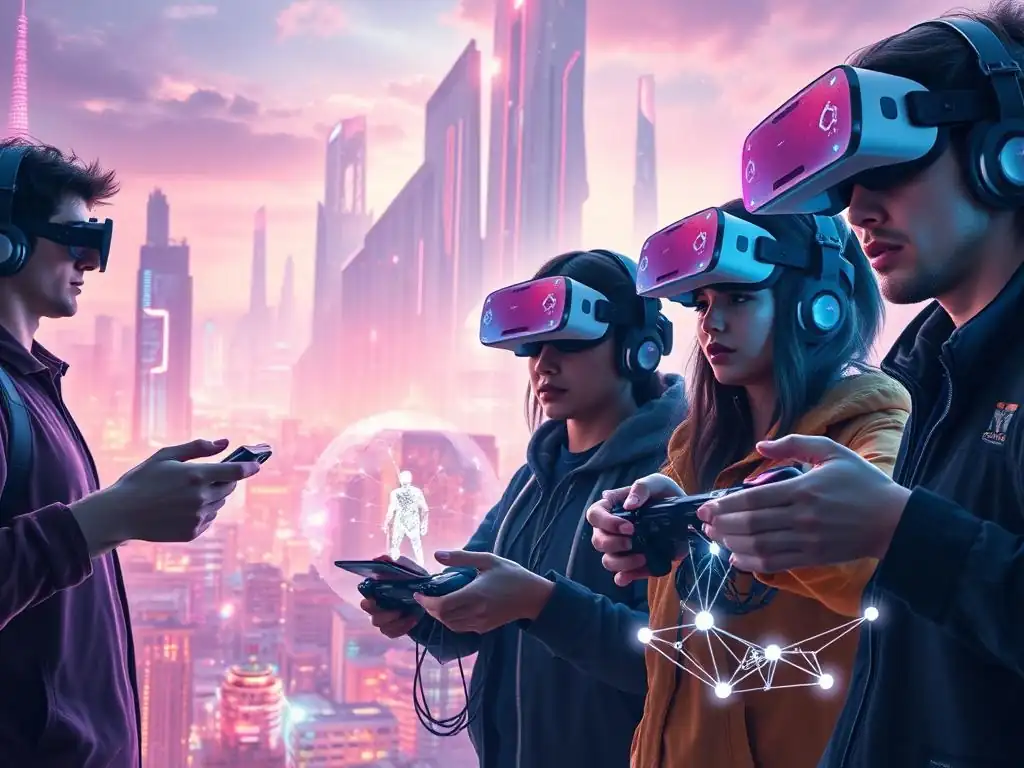
Welcome to Blockchain Trends, your compass in the rapidly evolving world of decentralized technology.
Dive into a realm where blockchain transcends cryptocurrency, unlocking innovations in DeFi, enterprise solutions, and more. But what happens when this transformative technology meets the immersive world of gaming? Explore our latest insights on Metaverse gaming blockchain integration strategy, and discover how gamers are becoming pivotal players in shaping the very fabric of the Metaverse. Ready to level up your understanding?
The Role of Gamers in Shaping the Future of the Metaverse
- Introduction: The Metaverse Gaming Revolution and Blockchain's Influence
- Gamers as Architects of the Metaverse Experience
- Integrating Blockchain for Enhanced Ownership and Economic Models
- The Impact of Blockchain on Metaverse Gaming Economies
- Challenges and Opportunities in Metaverse Gaming Blockchain Integration
- Case Studies: Successful Examples of Metaverse Gaming and Blockchain Integration
- The Future is Decentralized: The Role of Gamers in Building the Next Generation Metaverse
- Conclusion: Empowering Gamers Through Blockchain in the Metaverse
-
Frequently Asked Questions
- How does Metaverse gaming blockchain integration strategy empower gamers?
- What are the key benefits of integrating blockchain technology into Metaverse games?
- How can gamers contribute to the development of Metaverse gaming blockchain integration strategy?
- What are some potential challenges of Metaverse gaming blockchain integration strategy?
- How might regulation impact the future of Metaverse gaming blockchain integration strategy?
- Final Reflection: Embracing the Gamified Metaverse
- Unleash Your Metaverse Potential!
Introduction: The Metaverse Gaming Revolution and Blockchain's Influence
Understanding the Metaverse: A New Frontier for Gamers
The metaverse represents a significant evolution in how we interact with digital spaces, moving beyond passive consumption to immersive, interactive experiences. For gamers, this is not entirely new territory, as they have long been engaging with virtual worlds in games like World of Warcraft, Fortnite, and Minecraft. However, the metaverse promises to be a more persistent and interconnected realm, blurring the lines between games and other aspects of life, such as social interaction, commerce, and even work.
This convergence creates unprecedented opportunities for gamers, who are already adept at navigating virtual environments, building communities, and understanding digital economies. Their skills and experiences are becoming increasingly valuable in shaping the nascent metaverse landscape.
The concept of the metaverse extends beyond just virtual reality or augmented reality; it encompasses a spectrum of interconnected digital experiences accessible through various devices, from smartphones to VR headsets. Imagine a future where your gaming avatar can seamlessly transition from a high-stakes battle arena into a virtual concert or a collaborative workspace, all within the same overarching digital universe.
This interconnectedness is a key differentiator for the metaverse, offering gamers a more expansive and integrated digital life than ever before. As the metaverse evolves, gamers are positioned to be early adopters and influential participants, driving its development and adoption.
The Growing Importance of Blockchain in Metaverse Gaming
Blockchain technology is emerging as a foundational layer for the metaverse, particularly within the gaming sector. Its decentralized nature offers solutions to many challenges inherent in traditional gaming models, such as centralized control over in-game assets, lack of player ownership, and limited cross-game interoperability. By leveraging blockchain, metaverse gaming aims to create more transparent, secure, and player-centric ecosystems. This integration is not merely about adding cryptocurrency to games; it's about fundamentally rethinking game economies and player empowerment.
The promise of blockchain in metaverse gaming lies in its ability to establish verifiable digital scarcity and ownership. Traditional in-game items often exist solely within the confines of a specific game and are controlled by the game developers. Blockchain, through Non-Fungible Tokens (NFTs), allows for the creation of unique digital assets that players can truly own, trade, and potentially utilize across different metaverse experiences. This shift towards player ownership is a paradigm shift that is attracting significant attention and investment, with major gaming companies and blockchain projects exploring various avenues for metaverse gaming blockchain integration strategy.
Integrating Blockchain for Enhanced Ownership and Economic Models
The integration of blockchain into metaverse gaming is not just a technological upgrade; it's a strategic move towards creating more engaging and rewarding experiences for players. By embedding blockchain technology, developers can implement new economic models that empower gamers and creators. This includes facilitating true digital ownership of in-game assets, enabling player-driven economies through decentralized marketplaces, and fostering new forms of governance within virtual worlds. This strategic integration is crucial for the long-term sustainability and growth of the metaverse gaming sector.
Furthermore, blockchain facilitates the creation of transparent and auditable game economies. Smart contracts, self-executing agreements coded on the blockchain, can automate game mechanics, reward distribution, and asset management, reducing the reliance on centralized intermediaries and increasing trust among players. This transparency is vital for building robust and fair metaverse ecosystems where players feel confident in the integrity of the game and the value of their digital assets. The strategic application of blockchain ensures a more equitable and engaging environment for all participants in metaverse gaming.
Gamers as Architects of the Metaverse Experience
Gamers Driving Innovation in Virtual Worlds
Gamers are not just consumers of virtual worlds; they are active participants in shaping them. Their creativity, feedback, and engagement are crucial drivers of innovation in the metaverse. From modding communities that have extended the lifespan of games like Skyrim and Grand Theft Auto V to esports professionals pushing the boundaries of competitive play, gamers have consistently demonstrated their ability to innovate within and around virtual environments. This inherent drive for innovation is now being channeled into the metaverse, where gamers are actively contributing to the design, development, and evolution of these nascent digital realms.
The metaverse is being built by and for its users, and gamers, with their deep understanding of virtual world dynamics, are at the forefront of this construction. Their experience in navigating complex game systems, collaborating in online communities, and mastering virtual skills makes them invaluable contributors to the metaverse ecosystem. Game developers are increasingly recognizing this, actively seeking gamer feedback and incorporating player-driven content into metaverse platforms. This collaborative approach, where gamers are co-creators, is essential for building metaverse experiences that are truly engaging and reflective of user desires.
User-Generated Content (UGC) and the Metaverse Economy
User-Generated Content (UGC) is becoming a cornerstone of the metaverse economy, and gamers are poised to be the primary content creators. Platforms like Roblox and Minecraft have already showcased the immense potential of UGC, with players creating games, experiences, and digital assets within these ecosystems. The metaverse is taking this concept to the next level, integrating blockchain to enable true ownership and monetization of UGC. This empowers gamers not only to create but also to profit from their creations within the metaverse.
The integration of blockchain and NFTs with UGC opens up new economic avenues for gamers. Imagine a player designing a unique virtual outfit or a custom game level, and then being able to mint it as an NFT and sell it on a metaverse marketplace. This direct monetization of creativity empowers gamers and fosters a vibrant creator economy within the metaverse. This shift towards a player-centric economy, driven by UGC and enabled by blockchain, is a defining characteristic of the metaverse gaming revolution.
The Power of Community in Shaping Metaverse Gaming Experiences
Community is the lifeblood of online gaming, and it will be equally, if not more, crucial in the metaverse. Gamers are adept at forming strong online communities, organizing events, and collectively shaping game narratives. This sense of community is essential for creating vibrant and engaging metaverse experiences. Metaverse platforms are being designed with community building in mind, incorporating social features, collaborative tools, and decentralized governance mechanisms to empower player communities.
The power of community in metaverse gaming extends beyond social interaction; it also encompasses governance and decision-making. Decentralized Autonomous Organizations (DAOs) are emerging as a potential model for community governance within the metaverse, allowing players to collectively make decisions about the direction and evolution of virtual worlds. This shift towards community-driven governance empowers gamers and ensures that the metaverse is shaped by the needs and desires of its users, rather than solely by centralized entities.
Integrating Blockchain for Enhanced Ownership and Economic Models
Blockchain Technology Enabling True Digital Ownership in the Metaverse
Blockchain technology is revolutionizing the concept of digital ownership in the metaverse. In traditional gaming, players may acquire in-game items, but they rarely truly own them. These assets are typically tied to a specific game platform and controlled by the game developer. Blockchain changes this paradigm by enabling the creation of NFTs, which are unique digital tokens that represent ownership of a specific asset, whether it be virtual land, in-game items, or digital art. This verifiable ownership is a fundamental shift in the digital landscape, empowering users and creating new economic opportunities.
The immutability and transparency of blockchain ensure that digital ownership is secure and verifiable. Once an NFT is recorded on the blockchain, its ownership history is permanently recorded and publicly accessible. This transparency and security are crucial for building trust and confidence in the metaverse economy. Players can be assured that their digital assets are truly theirs and that their ownership rights are protected by the underlying blockchain technology. This foundational element of true digital ownership is a key driver for metaverse gaming blockchain integration strategy.
NFTs and In-Game Assets: Empowering Gamers and Creators
NFTs are becoming the standard for representing in-game assets in metaverse gaming. They offer a way to tokenize items such as virtual land, characters, weapons, clothing, and collectibles, giving them provable scarcity and ownership. This tokenization empowers gamers to truly own their in-game assets, allowing them to trade, sell, or even lend them to other players outside of the game's traditional ecosystem. For creators, NFTs provide a mechanism to monetize their digital creations directly, bypassing traditional intermediaries and capturing a larger share of the value they generate.
The use of NFTs in metaverse gaming also facilitates interoperability between different metaverse platforms. While true interoperability is still under development, the concept of owning assets as NFTs opens up the possibility of transferring and utilizing these assets across different virtual worlds. Imagine owning a unique sword NFT that you can use in multiple metaverse games, or a piece of virtual land that exists across different virtual platforms. NFTs are a crucial step towards realizing this vision of a more interconnected and open metaverse.
Decentralized Gaming Platforms: A Paradigm Shift
Decentralized gaming platforms built on blockchain are challenging the traditional centralized model of game distribution and control. These platforms aim to give more power to players and developers, fostering more open, transparent, and community-driven gaming ecosystems. By leveraging blockchain, these platforms can offer features such as decentralized marketplaces for in-game assets, player-owned governance mechanisms, and fairer revenue sharing models for game developers. This shift towards decentralization represents a significant paradigm shift in the gaming industry.
Decentralized gaming platforms are often built around the concept of play-to-earn, where players can earn cryptocurrency or NFTs by playing games. This model incentivizes player participation and rewards them for their time and skills. Examples like Axie Infinity and The Sandbox have demonstrated the potential of decentralized gaming platforms to create vibrant player economies and empower gamers. These platforms are at the forefront of metaverse gaming blockchain integration, showcasing the transformative potential of this technology.
The Role of DAOs (Decentralized Autonomous Organizations) in Metaverse Governance
Decentralized Autonomous Organizations (DAOs) are emerging as a novel governance model for metaverse platforms and gaming communities. DAOs are community-led entities that operate based on rules encoded in smart contracts on the blockchain. They allow for collective decision-making, where token holders can vote on proposals related to platform development, game mechanics, and resource allocation. This decentralized governance model empowers players and ensures that the metaverse is shaped by its community, rather than by a centralized authority.
DAOs can be used to manage various aspects of metaverse gaming, from treasury management and resource allocation to content curation and rule enforcement. By giving players a voice in the governance of the metaverse, DAOs foster a sense of ownership and participation, leading to more engaged and loyal communities. The integration of DAOs into metaverse gaming is a significant step towards creating truly decentralized and player-centric virtual worlds.
The Impact of Blockchain on Metaverse Gaming Economies
Play-to-Earn (P2E) Models: Rewarding Gamers for Their Time and Skill
Play-to-Earn (P2E) models are a revolutionary concept in gaming, enabled by blockchain technology. Unlike traditional games where players spend money and time without direct financial return, P2E models allow players to earn cryptocurrency or NFTs by playing games. This can be achieved through various in-game activities, such as completing quests, winning battles, creating content, or participating in the game economy. P2E models are transforming gaming from a purely leisure activity into a potential source of income for players, particularly in regions where traditional earning opportunities are limited.
Axie Infinity, a prominent example of a P2E game, has demonstrated the economic potential of this model. Players in countries like the Philippines have been able to earn a living by playing Axie Infinity, showcasing the real-world impact of P2E gaming. While the sustainability of P2E economies is still being explored, the model has undeniably opened up new economic opportunities for gamers and changed the perception of gaming as a purely consumptive activity. The rise of P2E is a direct consequence of metaverse gaming blockchain integration strategy and its focus on player empowerment.
Creating Sustainable Metaverse Economies with Blockchain
Building sustainable economies within the metaverse is crucial for its long-term success, and blockchain plays a vital role in achieving this. Blockchain enables the creation of transparent, decentralized, and player-driven economies that are less susceptible to inflation and manipulation than traditional in-game economies. By using cryptocurrencies as the native currency of the metaverse and NFTs to represent digital assets, developers can create robust and self-sustaining economic ecosystems.
Sustainable metaverse economies require careful design and management, taking into account factors such as token supply, demand, and in-game utility. Blockchain provides the tools and infrastructure to create these economies, but it is up to game developers and metaverse platforms to design them effectively. Successful metaverse economies will be those that are balanced, rewarding for players, and contribute to the overall growth and vibrancy of the virtual world. The focus on sustainability is a key consideration in any metaverse gaming blockchain integration strategy.
The Potential for New Economic Opportunities for Gamers
The metaverse, powered by blockchain, is unlocking a plethora of new economic opportunities for gamers. Beyond play-to-earn models, gamers can participate in metaverse economies in various ways, such as creating and selling UGC, providing in-game services, participating in decentralized marketplaces, and investing in virtual land or digital assets. This diversification of economic opportunities is making gaming a more viable and attractive career path for many.
The metaverse economy is not just about earning cryptocurrency; it's about creating a new digital ecosystem where gamers can leverage their skills, creativity, and passion to generate income and build careers. From professional esports players to metaverse content creators and virtual land developers, the metaverse is offering a wide range of roles and opportunities for gamers to contribute and thrive. This expansion of economic possibilities is a significant driver of the metaverse gaming revolution and its appeal to a global audience.
Challenges and Opportunities in Metaverse Gaming Blockchain Integration
Scalability Issues and Potential Solutions
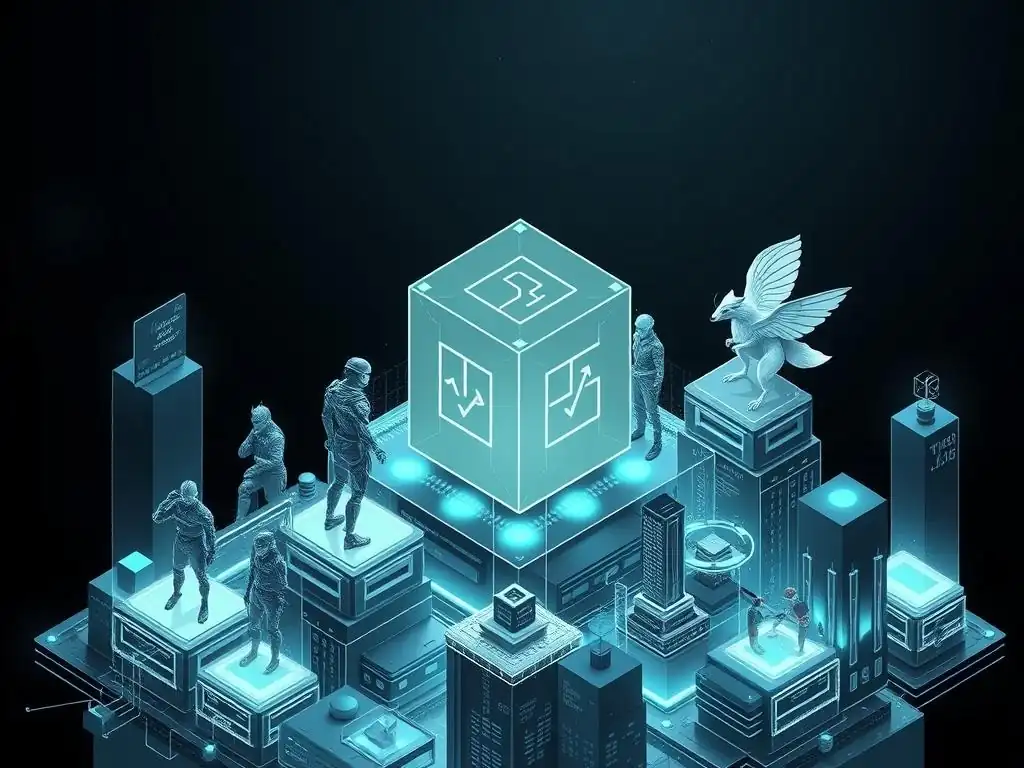
Scalability remains a significant challenge for blockchain technology, and this directly impacts metaverse gaming applications. Traditional blockchains can struggle to handle the high transaction volume and low latency requirements of complex metaverse environments with large numbers of concurrent users. Transactions on blockchains like Ethereum can be slow and expensive, which can hinder the seamless experience expected in fast-paced metaverse games.
However, various scaling solutions are being developed and explored to address these limitations. Layer-2 scaling solutions, such as sidechains and rollups, offer ways to process transactions off-chain and then batch them onto the main blockchain, significantly increasing throughput and reducing transaction costs. Furthermore, newer blockchains designed for high performance and scalability are emerging, offering potential platforms for future metaverse gaming applications. Overcoming scalability challenges is crucial for widespread metaverse gaming blockchain integration strategy success.
Security Concerns and Mitigation Strategies
Security is paramount in the metaverse, especially when dealing with digital assets and financial transactions. Blockchain technology itself is inherently secure, but vulnerabilities can arise in smart contracts, decentralized applications (dApps), and user wallets. Security breaches and exploits can lead to the loss of valuable digital assets and erode trust in metaverse platforms.
Robust security measures are essential to mitigate these risks. This includes rigorous smart contract auditing, implementing secure wallet solutions, educating users about security best practices, and employing decentralized security protocols. Metaverse platforms must prioritize security and continuously monitor and update their systems to protect users and their assets. Addressing security concerns effectively is critical for fostering a safe and trustworthy metaverse gaming environment.
Interoperability Between Different Metaverse Platforms
Interoperability, the ability for different metaverse platforms to seamlessly interact and exchange data and assets, is a major challenge and opportunity. Currently, most metaverse platforms operate in silos, with limited or no interoperability. This lack of interoperability hinders the vision of a truly interconnected metaverse where users can move freely between different virtual worlds and utilize their digital assets across platforms.
Achieving interoperability requires technical standardization, collaboration between metaverse platforms, and the development of open protocols. Projects like the Metaverse Standards Forum are working to promote interoperability and create common standards for the metaverse. Interoperability is not just a technical challenge; it also requires a shift in mindset towards open and collaborative ecosystems. Greater interoperability would unlock the full potential of the metaverse and create a more seamless and user-friendly experience.
The Future of Metaverse Gaming: Predictions and Trends
The future of metaverse gaming is dynamic and rapidly evolving. Several key trends are shaping its trajectory, including the increasing adoption of VR and AR technologies, the growth of play-to-earn gaming, the rise of decentralized metaverse platforms, and the integration of AI and other advanced technologies. Predictions suggest that metaverse gaming will become a significant part of the broader metaverse ecosystem, attracting billions of users and creating a vast digital economy.
The metaverse gaming landscape is expected to become more diverse and immersive, with a wider range of game genres and experiences. We can anticipate the emergence of more sophisticated play-to-earn models, the development of more user-friendly metaverse platforms, and the increasing integration of blockchain into mainstream gaming. The future of metaverse gaming is bright, with immense potential for innovation, economic growth, and user empowerment.
Case Studies: Successful Examples of Metaverse Gaming and Blockchain Integration
Axie Infinity: Pioneering Play-to-Earn Mechanics
Axie Infinity stands out as a pioneering example of successful metaverse gaming blockchain integration, particularly in the play-to-earn space. This monster-battling game, built on the Ethereum blockchain, allows players to earn cryptocurrency (AXS and SLP) by breeding, battling, and trading digital creatures called Axies. Axie Infinity's P2E model has resonated strongly with players globally, especially in developing countries, demonstrating the potential for blockchain gaming to provide real-world economic opportunities.
At its peak in 2021, Axie Infinity boasted millions of daily active users and a thriving in-game economy. The game's success can be attributed to its engaging gameplay, its well-designed P2E mechanics, and its strong community. While the game has faced challenges related to economic sustainability and token price volatility, Axie Infinity remains a landmark case study in the metaverse gaming blockchain integration strategy and its impact on player empowerment and economic inclusion.
Decentraland: Empowering Users Through Virtual Land Ownership
Decentraland is another prominent example of metaverse gaming and blockchain integration, focusing on virtual land ownership and user-created experiences. Built on the Ethereum blockchain, Decentraland is a decentralized virtual world where users can purchase, develop, and monetize virtual land parcels represented as NFTs. This virtual land ownership model empowers users to have true control over their digital real estate and build unique experiences within the metaverse.
Decentraland showcases the potential of blockchain to create decentralized and user-governed virtual worlds. The platform features a vibrant community, user-created content, and a growing metaverse economy. Brands and individuals are increasingly investing in Decentraland virtual land for various purposes, from hosting virtual events and building virtual stores to creating immersive gaming experiences. Decentraland exemplifies the power of blockchain to enable user ownership and drive innovation in the metaverse.
Analyzing Success Factors: Community, Utility, and Innovation
Analyzing the success of projects like Axie Infinity and Decentraland reveals key factors that contribute to successful metaverse gaming blockchain integration. Community is paramount, as these platforms thrive on active and engaged player bases. Utility is also crucial; the in-game assets and tokens must have real value and purpose within the metaverse ecosystem. Innovation is essential to attract and retain users in the rapidly evolving metaverse landscape.
Furthermore, successful metaverse gaming projects often prioritize user empowerment, decentralization, and transparency. Blockchain technology provides the tools to build these principles into the core of metaverse platforms, creating more equitable and engaging experiences for players. By focusing on community, utility, innovation, and user empowerment, metaverse gaming projects can achieve sustainable growth and contribute to the broader evolution of the metaverse.
The Future is Decentralized: The Role of Gamers in Building the Next Generation Metaverse
Gamers as Key Stakeholders in the Development of the Metaverse
Gamers are not just passive consumers in the metaverse; they are key stakeholders in its development. Their experiences, feedback, and participation are crucial for shaping the future of these virtual worlds. As early adopters and active participants, gamers are driving innovation, pushing boundaries, and influencing the direction of metaverse development. Recognizing and empowering gamers as stakeholders is essential for building a metaverse that is truly user-centric and engaging.
Game developers and metaverse platforms are increasingly recognizing the importance of gamer input and community involvement. They are actively seeking feedback from gamers, incorporating user-generated content, and empowering communities through decentralized governance mechanisms. This collaborative approach, where gamers are co-creators and stakeholders, is vital for building a metaverse that meets the needs and desires of its users and fosters a sense of ownership and belonging.
The Importance of User Feedback and Community Involvement
User feedback and community involvement are paramount for the successful development and evolution of the metaverse. Gamers, as the primary users of metaverse platforms, provide invaluable insights into what works, what doesn't, and what features and experiences are most desired. Actively soliciting and incorporating user feedback is crucial for building a metaverse that is user-friendly, engaging, and reflective of community needs.
Community involvement extends beyond feedback; it also encompasses co-creation, governance, and community building. Empowering players to contribute content, participate in governance decisions, and build strong online communities fosters a sense of ownership and loyalty. Metaverse platforms that prioritize user feedback and community involvement are more likely to thrive and build sustainable ecosystems.
Building a More Inclusive and Equitable Metaverse for All Players
The metaverse has the potential to be a more inclusive and equitable digital space for all players, regardless of their background, location, or economic status. Blockchain technology can contribute to this inclusivity by enabling play-to-earn models, fostering decentralized economies, and promoting user ownership. However, building a truly inclusive metaverse requires conscious effort and design choices that prioritize accessibility, diversity, and fairness.
Addressing issues such as digital divide, accessibility for players with disabilities, and representation of diverse communities is crucial for building a metaverse that is welcoming and equitable for all. Metaverse platforms should strive to create inclusive environments that celebrate diversity and provide equal opportunities for all players to participate and thrive. The goal is to build a metaverse that is not just technologically advanced but also socially responsible and equitable.
Conclusion: Empowering Gamers Through Blockchain in the Metaverse
The Transformative Power of Blockchain Integration in Metaverse Gaming
Blockchain integration is transforming metaverse gaming in profound ways. It is enabling true digital ownership, fostering player-driven economies, empowering creators, and facilitating decentralized governance. This transformative power of blockchain is not just about technology; it's about fundamentally rethinking the relationship between gamers, game developers, and virtual worlds. Metaverse gaming blockchain integration strategy is paving the way for a more open, equitable, and engaging future for gaming.
The shift towards blockchain-based metaverse gaming is empowering gamers in unprecedented ways. It is giving them more control over their digital assets, more opportunities to earn and participate in game economies, and more voice in the governance of virtual worlds. This empowerment is driving innovation, attracting new players, and creating a more vibrant and dynamic gaming ecosystem.
Gamers Shaping the Future of the Digital World
Gamers are not just playing games in the metaverse; they are actively shaping the future of the digital world. Their skills, creativity, and engagement are driving the evolution of the metaverse, influencing its design, economy, and culture. As the metaverse expands and becomes more integrated into our lives, the role of gamers will become even more significant. They are the pioneers, builders, and inhabitants of this new digital frontier.
The metaverse is being built by and for its users, and gamers are at the forefront of this construction. Their vision, passion, and participation are essential for realizing the full potential of the metaverse. As key stakeholders in the development of this digital realm, gamers are shaping not only the future of gaming but also the future of how we interact, socialize, and conduct business in the digital age.
The Metaverse: A Future Driven by User Empowerment and Innovation
The metaverse, particularly in its gaming iteration, represents a future driven by user empowerment and innovation. Blockchain technology is a key enabler of this future, providing the tools and infrastructure to create decentralized, player-centric, and community-driven virtual worlds. This focus on user empowerment and innovation is driving the metaverse gaming revolution and shaping the next generation of digital experiences.
The metaverse is not just a technological evolution; it's a cultural and societal shift towards a more open, participatory, and user-driven digital landscape. Gamers are at the heart of this shift, leading the way in exploring the possibilities of the metaverse and building a future where digital experiences are more immersive, engaging, and empowering than ever before. The metaverse is a testament to the power of user innovation and the transformative potential of blockchain technology.
Frequently Asked Questions
How does Metaverse gaming blockchain integration strategy empower gamers?
Blockchain integration allows gamers to have true ownership of in-game assets, leading to new economic opportunities through trading and selling items. This fosters a more decentralized and player-driven gaming experience.
What are the key benefits of integrating blockchain technology into Metaverse games?
Integrating blockchain offers enhanced security and transparency for in-game transactions and digital ownership. It also facilitates the creation of play-to-earn models, incentivizing participation and rewarding players.
How can gamers contribute to the development of Metaverse gaming blockchain integration strategy?
Gamers can provide valuable feedback on game mechanics and user experience, shaping the development of blockchain-based games. Their participation is crucial for testing and improving the overall integration strategy.
What are some potential challenges of Metaverse gaming blockchain integration strategy?
Challenges include scalability issues with blockchain networks, the complexity of integrating blockchain technology into existing game engines, and the need for user-friendly interfaces to encourage adoption.
How might regulation impact the future of Metaverse gaming blockchain integration strategy?
Regulations could significantly impact the legal status of in-game assets and the operation of play-to-earn models. Clear and supportive regulations are needed to foster innovation and growth in this space.
Final Reflection: Embracing the Gamified Metaverse
The journey we've explored, tracing the intersection of gamers, the metaverse, and blockchain technology, culminates in a pivotal moment. The strategies discussed are not mere theoretical exercises; they represent the very blueprint for how the metaverse will evolve, driven by the creativity and demands of its most engaged users: gamers. This is not just about playing games; it's about building worlds, economies, and ultimately, the future of digital interaction.
The influence of gamers on the metaverse is undeniable, and their embrace of blockchain integration is reshaping the digital landscape. This ongoing evolution feels particularly significant, as it represents a shift in power, placing the tools of creation and ownership directly into the hands of the community. The best way to predict the future is to create it.
- Peter Drucker. This quote perfectly encapsulates the spirit of gamers and developers alike, who are actively building the metaverse, brick by digital brick.
Now, consider your own role in this unfolding narrative. How can you, as a gamer, developer, or simply an interested observer, contribute to the responsible and innovative growth of the metaverse? Let us all strive to build a future where gaming is not just entertainment, but a powerful force for connection, creativity, and empowerment. The future of the metaverse is not predetermined; it is being written now, and your actions will help shape its final form.
Unleash Your Metaverse Potential!
Thank you for exploring how gamers are shaping the future of the metaverse. We hope you found inspiration and gained a clearer understanding of the influential role you can play. Now, it's time to turn that knowledge into action.
Here are some ways you can get involved:
- Take the plunge: Create a metaverse avatar and start exploring different platforms. Don’t just read about it—experience it firsthand!:
- Share this article with fellow gamers and blockchain enthusiasts to encourage a broader conversation about the metaverse's possibilities.
- Look into decentralized gaming projects and consider contributing your skills—whether in game design feedback, community engagement, or bug testing.
What unique skills do you bring to the metaverse, and how do you plan to use them to influence its future? Share your thoughts in the comments below!
Leave a Reply