
UserGenerated Content on the Blockchain: Empowering Creators

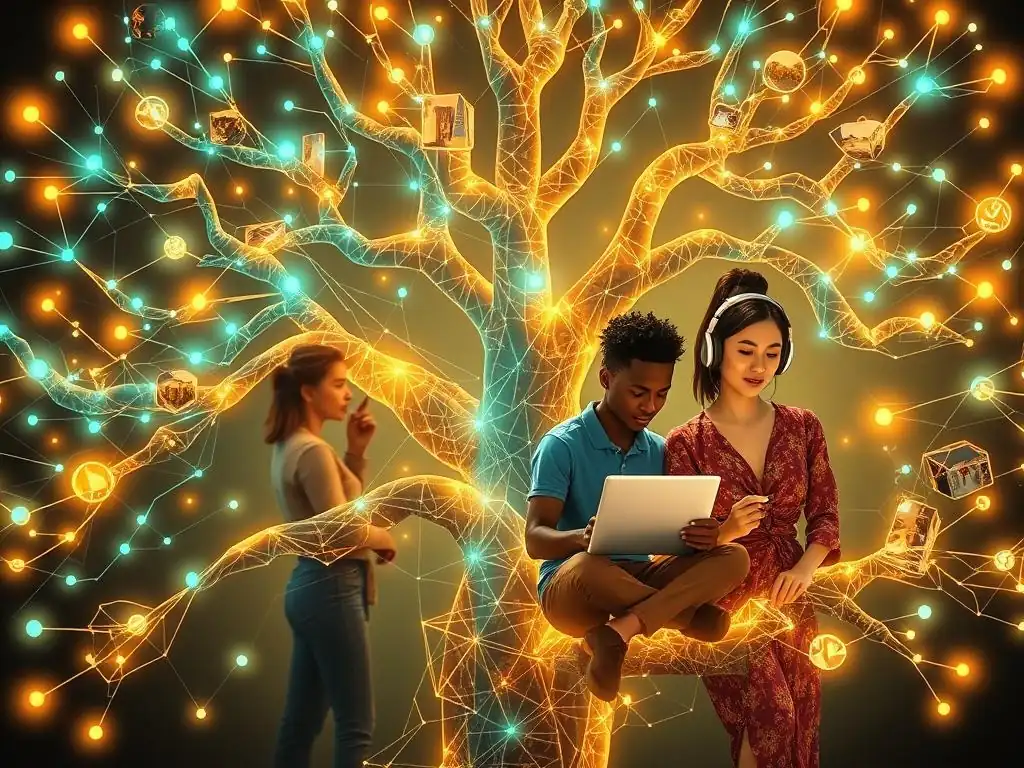
Welcome to Blockchain Trends, your trusted source for in-depth analysis of the revolutionary impact of blockchain technology.
Are you ready to witness a paradigm shift in content creation? Beyond the hype of cryptocurrencies, we delve into the groundbreaking ways blockchain is reshaping industries. This week, we're exploring Blockchain UGC creator empowerment, dissecting how decentralized platforms are putting the power back into the hands of creators. Discover how blockchain's transparent and secure architecture is fostering a new era of fair compensation, ownership, and direct engagement. Intrigued? Read on to unlock the potential of blockchain in the world of user-generated content and its implications for the future of digital creativity!
User-Generated Content on the Blockchain: Empowering Creators
- Introduction: The Rise of Blockchain UGC Creator Empowerment
- Blockchain's Role in Revolutionizing UGC Creation
- Key Benefits of Blockchain-Based UGC Platforms
- Blockchain UGC Applications in Music: A Case Study
- Blockchain UGC Beyond Music: Exploring Wider Applications
- Challenges and Considerations for Blockchain UGC Adoption
- The Future of Blockchain UGC: A Decentralized Creative Landscape
- Conclusion: Blockchain UGC Creator Empowerment - A Transformative Force
-
Frequently Asked Questions
- What does "Blockchain UGC creator empowerment" mean in the context of user-generated content (UGC)?
- How does blockchain technology help empower UGC creators?
- What are some potential benefits of using blockchain for UGC beyond just financial gain?
- What are some of the challenges to widespread adoption of blockchain-based UGC platforms?
- How might regulations impact the future of blockchain-based UGC platforms and the empowerment of creators?
- Final Reflection: The Dawn of Decentralized Creativity
- Unleash Your Creative Power: Join the Blockchain Revolution!
Introduction: The Rise of Blockchain UGC Creator Empowerment
Understanding the Significance of User-Generated Content (UGC)
User-Generated Content (UGC) has become an undeniable force in the digital landscape. From social media posts and blog comments to videos and online reviews, UGC shapes opinions, drives trends, and fuels online communities. The sheer volume of UGC produced daily is staggering.
For example, YouTube users upload over 500 hours of video every minute, while Instagram users share hundreds of millions of photos and stories each day. This content, created by everyday individuals rather than established media outlets, has democratized content creation and provided platforms for diverse voices to be heard. UGC’s influence spans across industries, impacting marketing strategies, customer engagement, and even political discourse, highlighting its critical role in the modern internet ecosystem.
The rise of UGC signifies a fundamental shift in how information is created and consumed. It represents a move away from top-down, centralized media production towards a more participatory and collaborative model. Businesses recognize the power of UGC for building brand trust and authenticity, often finding that consumer-generated content is perceived as more credible than traditional advertising.
Studies show that consumers are heavily influenced by peer reviews and recommendations, making UGC a valuable asset for businesses looking to connect with their target audiences. Furthermore, UGC platforms have empowered individuals to become content creators, fostering creativity, community building, and new forms of online expression.
The Limitations of Traditional UGC Platforms
Despite the immense value and ubiquity of UGC, traditional platforms for hosting and distributing this content face significant limitations, particularly for creators. Centralized platforms, while offering reach and infrastructure, often exert considerable control over content, monetization, and user data. Creators frequently find themselves subject to platform algorithms that dictate visibility and revenue potential, with limited transparency or recourse. For instance, content creators on platforms like YouTube and Twitch often express frustration with fluctuating ad revenue shares and opaque content moderation policies that can lead to sudden demonetization or platform bans, impacting their livelihoods significantly.
Another crucial limitation is the lack of true ownership and control over content. On most platforms, creators grant broad licenses to the platform itself, effectively relinquishing significant rights over their creations. This can hinder creators' ability to repurpose their content, distribute it across different platforms, or even remove it entirely.
Furthermore, the monetization models on traditional platforms often favor the platform itself, taking a substantial cut of creator revenue. For example, typical revenue splits on video sharing platforms can see creators receiving as little as 55% of advertising revenue, with the platform retaining the rest. This imbalance underscores the need for more equitable and creator-centric models for UGC distribution and monetization.
How Blockchain Technology Solves UGC Challenges: A New Paradigm
Blockchain technology offers a compelling solution to the limitations inherent in traditional UGC platforms, paving the way for a new paradigm of creator empowerment. By its decentralized nature, blockchain eliminates the need for intermediaries, allowing creators to connect directly with their audiences and retain greater control over their content and earnings. The technology's inherent transparency and immutability provide a foundation for building trust and accountability within the UGC ecosystem, addressing concerns around content ownership, provenance, and fair compensation. Blockchain's cryptographic security also enhances content protection and reduces the risk of unauthorized use or copyright infringement.
The application of blockchain to UGC introduces the concept of decentralized platforms where creators are not beholden to the rules and algorithms of a central authority. Smart contracts, self-executing agreements encoded on the blockchain, can automate royalty distribution and ensure transparent compensation models.
Non-Fungible Tokens (NFTs) can be used to represent unique digital assets, including UGC, granting creators verifiable ownership and enabling new forms of monetization, such as direct sales and secondary market royalties. This shift towards a blockchain-based UGC ecosystem promises to redistribute power and value back to creators, fostering a more equitable and sustainable environment for online content creation.
Blockchain's Role in Revolutionizing UGC Creation
Decentralized Content Ownership: Giving Power Back to Creators
Decentralized content ownership, facilitated by blockchain, marks a significant departure from the prevailing model where platforms control user-generated content. By leveraging blockchain, creators can establish verifiable and immutable ownership of their digital creations. This is often achieved through the use of NFTs, where each token represents a unique piece of content and its ownership history is permanently recorded on the blockchain. This ownership is not merely symbolic; it grants creators tangible rights, including the ability to control distribution, set usage terms, and monetize their content directly without platform interference.
This newfound ownership empowers creators in several key ways. Firstly, it reduces reliance on centralized platforms that can dictate terms and conditions arbitrarily. Secondly, it enables creators to build their own brands and communities independently, fostering a more direct relationship with their audience.
Thirdly, it unlocks new monetization avenues, such as selling limited edition digital assets or granting exclusive access to content through NFT ownership. For instance, a digital artist can tokenize their artwork as an NFT, selling it directly to collectors and retaining a percentage of future sales in the secondary market, ensuring continued compensation for their creative work. This shift in ownership dynamics fundamentally alters the power balance in the UGC ecosystem, placing creators at the center.
Immutable Content Provenance: Establishing Authenticity and Tracking Usage
Blockchain's immutable ledger provides a powerful mechanism for establishing content provenance and tracking its usage, addressing critical issues of authenticity and copyright in the digital age. Every piece of content registered on a blockchain can be assigned a unique identifier, and its creation history, ownership transfers, and usage permissions are recorded permanently and transparently. This immutable record serves as irrefutable proof of origin and authenticity, making it significantly harder to counterfeit or misattribute content. This is particularly crucial in combating the spread of misinformation and protecting intellectual property rights online.
The ability to track content usage on the blockchain also opens up new possibilities for rights management and licensing. Creators can define specific usage terms for their content, and these terms can be enforced through smart contracts. For example, a photographer could license their images for commercial use through an NFT, automatically receiving royalties whenever the image is used according to the smart contract terms.
This transparent and auditable tracking system simplifies rights management, reduces disputes, and ensures that creators are fairly compensated for the use of their work. Furthermore, it provides consumers with greater confidence in the authenticity and origin of the content they consume, fostering trust in the digital ecosystem.
Transparent Royalty Distribution: Fair Compensation for UGC Creators
Transparent royalty distribution is a core benefit of blockchain-based UGC platforms, addressing the often opaque and inequitable compensation models of traditional platforms. Smart contracts on the blockchain can automate the distribution of royalties based on pre-defined rules, ensuring that creators receive their fair share of revenue directly and transparently. This eliminates the need for intermediaries to manage payments, reducing fees and delays and increasing trust in the compensation process. The transparency of the blockchain ledger allows creators to verify that they are being paid accurately and according to the agreed terms.
This transparent system is particularly beneficial in scenarios involving multiple stakeholders, such as collaborations or content remixes. Smart contracts can be configured to automatically split royalties among collaborators based on their contributions, eliminating the need for manual calculations and potential disputes. For example, in a music collaboration, the smart contract could automatically distribute royalties between the musicians, producers, and songwriters involved, based on their agreed-upon shares. This automation and transparency not only streamline the payment process but also foster greater collaboration and trust within the UGC creator community, encouraging more creators to participate and contribute to the ecosystem.
Key Benefits of Blockchain-Based UGC Platforms
Enhanced Creator Control and Autonomy
Blockchain-based UGC platforms fundamentally enhance creator control and autonomy, empowering individuals to manage their creative work on their own terms. Unlike traditional platforms where algorithms and platform policies often dictate reach and revenue, blockchain platforms prioritize creator agency. Creators gain greater control over content distribution, pricing, and monetization strategies. They can choose how and where their content is shared, set their own prices for access or usage, and directly engage with their audience without platform gatekeepers.
This increased autonomy extends to data ownership and privacy. On many centralized platforms, user data is collected and utilized by the platform itself, often without full transparency or creator consent. Blockchain platforms, particularly those built with privacy in mind, can give creators more control over their data, allowing them to decide what information is shared and with whom. This shift towards creator-centric control fosters a more sustainable and equitable environment where creators are not just content providers but active participants in the ecosystem, shaping its direction and benefiting directly from their contributions.
Improved Content Security and Protection Against Copyright Infringement
Blockchain technology significantly improves content security and protection against copyright infringement in the UGC space. The immutable nature of the blockchain ledger provides a robust record of content ownership and provenance, making it considerably more difficult to steal or misattribute content. Registering content on a blockchain creates a timestamped and verifiable proof of creation, which can be used to resolve copyright disputes and enforce intellectual property rights. This inherent security is a major advantage over traditional systems where proving ownership and tracking infringement can be complex and costly.
Furthermore, blockchain-based platforms can integrate mechanisms for detecting and preventing copyright infringement automatically. Content fingerprinting and matching technologies, combined with blockchain's transparency, can help identify unauthorized uses of copyrighted material and trigger automated takedown requests or royalty payments as defined by smart contracts. This proactive approach to copyright protection reduces the burden on individual creators to police infringement and fosters a more secure and trustworthy environment for digital content creation and distribution, encouraging creators to share their work with greater confidence.
Direct Monetization Opportunities: Cutting Out Intermediaries
Blockchain-based UGC platforms unlock direct monetization opportunities for creators by cutting out intermediaries and reducing platform fees. Traditional platforms often take a significant percentage of creator revenue, acting as intermediaries between creators and their audience or advertisers. Blockchain platforms, leveraging smart contracts and cryptocurrency payments, enable creators to transact directly with their fans and customers, retaining a larger share of their earnings. This direct-to-creator model can significantly improve the financial viability of UGC creation, especially for independent artists and smaller creators.
Various monetization models become accessible through blockchain, including direct sales of content as NFTs, subscription models managed by smart contracts, and microtransactions for accessing specific content or features. Creators can also explore decentralized autonomous organizations (DAOs) to collectively manage and monetize content, sharing revenue and governance rights with their community. These diverse and direct monetization pathways empower creators to diversify their income streams, reduce reliance on platform-dependent advertising revenue, and build more sustainable and independent creative careers.
Fostering Community Engagement and Collaboration in UGC Creation
Blockchain-based UGC platforms can foster stronger community engagement and collaboration among creators and their audiences. Decentralized platforms, often built with community governance mechanisms, empower users to participate in platform development, content curation, and decision-making processes. Tokenized communities can incentivize active participation and reward contributions, creating a more engaged and collaborative ecosystem. This sense of ownership and shared governance can lead to stronger community bonds and a more vibrant and supportive environment for UGC creation.
Blockchain also facilitates new forms of collaborative content creation. Smart contracts can be used to manage shared ownership of content created collaboratively, automatically distributing royalties and decision-making rights among contributors. Decentralized platforms can also provide tools and infrastructure for creators to connect, collaborate on projects, and share resources. This collaborative environment can lead to more innovative and diverse UGC, fostering cross-pollination of ideas and expanding the creative possibilities within the ecosystem.
Increased Transparency and Trust in the UGC Ecosystem
Increased transparency and trust are fundamental benefits of blockchain-based UGC ecosystems. The transparent and auditable nature of the blockchain ledger builds trust among creators, consumers, and platform operators. All transactions, ownership records, and royalty distributions are publicly verifiable, reducing opacity and fostering accountability. This transparency addresses many of the concerns surrounding traditional UGC platforms, such as hidden algorithms, opaque moderation policies, and unfair revenue splits.
This enhanced transparency extends to content moderation and platform governance. Decentralized governance models, often implemented through DAOs, can make content moderation processes more transparent and accountable to the community. Rules and policies are often codified on the blockchain and subject to community review and voting, reducing the risk of arbitrary or biased decisions. This increased transparency and community involvement fosters a more trustworthy and equitable UGC ecosystem, encouraging greater participation and long-term sustainability.
Blockchain UGC Applications in Music: A Case Study

Audius: A Decentralized Music Streaming Platform
Audius stands out as a prominent real-world example of a blockchain-based UGC platform revolutionizing the music industry. It is a decentralized music streaming and sharing platform that directly connects artists with fans, eliminating intermediaries and empowering musicians to control their music and monetize it directly. Built on blockchain technology, Audius utilizes its native token, $AUDIO, to incentivize platform participation, reward artists, and govern the network. Launched in 2018, Audius has rapidly grown, hosting millions of tracks and attracting a large community of artists and listeners.
Audius differentiates itself from traditional music streaming services like Spotify and Apple Music by prioritizing artist ownership and fair compensation. Artists on Audius retain full control over their music rights and distribution, setting their own terms and earning directly from fan engagement and platform rewards. The platform's decentralized infrastructure ensures greater resilience and censorship resistance compared to centralized platforms. Audius serves as a compelling case study demonstrating the practical application of blockchain to empower UGC creators in the music industry and beyond.
How Blockchain UGC Enhances Music Distribution and Artist Compensation
Blockchain UGC, as exemplified by Audius, significantly enhances music distribution and artist compensation by disrupting traditional industry models. By decentralizing music distribution, blockchain platforms bypass traditional intermediaries like record labels and streaming services, giving artists direct access to their audience. This direct connection reduces platform fees and enables artists to retain a larger share of their revenue. Audius, for instance, aims to provide a much more favorable revenue split for artists compared to centralized streaming platforms, where artists often receive a fraction of a cent per stream.
Furthermore, blockchain facilitates new and innovative compensation models for musicians. Beyond traditional streaming royalties, Audius and similar platforms explore mechanisms like direct fan donations, NFT-based music releases, and tokenized community rewards. NFTs allow artists to create limited edition digital collectibles linked to their music, offering fans unique ownership and access while generating new revenue streams for artists. Tokenized ecosystems incentivize fan engagement and platform participation, rewarding both artists and listeners for contributing to the community.
The Impact of Blockchain UGC on the Music Industry
The emergence of blockchain UGC platforms like Audius is beginning to have a tangible impact on the music industry, challenging the dominance of centralized streaming services and empowering independent artists. By providing a viable alternative for music distribution and monetization, blockchain UGC platforms are fostering greater competition and innovation within the industry. They are demonstrating the potential for a more equitable and sustainable music ecosystem where artists are fairly compensated and have greater control over their creative work.
While still in its early stages, the growth of blockchain UGC in music points towards a potential shift in power dynamics within the industry. As more artists and listeners adopt these decentralized platforms, the influence of traditional gatekeepers may diminish, leading to a more democratized and creator-centric music landscape. The success of Audius and other blockchain music projects highlights the transformative potential of blockchain UGC to reshape established industries and empower creators across various sectors.
Blockchain UGC Beyond Music: Exploring Wider Applications
Blockchain UGC in Metaverse Platforms
Beyond music, blockchain UGC is finding exciting applications in metaverse platforms, which are increasingly becoming spaces for user-generated content and experiences. Metaverses, virtual shared spaces, rely heavily on UGC for creating immersive and engaging environments. Blockchain technology is crucial for establishing ownership and interoperability of digital assets within these virtual worlds. Users can create, own, and trade virtual land, avatars, items, and experiences as NFTs, bringing true digital ownership to the metaverse.
Platforms like Decentraland and The Sandbox exemplify blockchain-based metaverses where users can build, own, and monetize virtual creations as NFTs. This empowers users to become active creators and participants in the metaverse economy, rather than just consumers of platform-controlled content. Blockchain UGC in metaverses enables new forms of virtual commerce, social interaction, and creative expression, shaping the future of these immersive digital worlds and driving the growth of the metaverse ecosystem.
Blockchain UGC for Digital Art and Collectibles
Digital art and collectibles have emerged as a prominent use case for blockchain UGC, fueled by the rise of NFTs. NFTs provide a mechanism for artists to tokenize their digital artworks, establishing verifiable ownership and scarcity, which are crucial for valuing digital collectibles. Blockchain platforms like SuperRare and Nifty Gateway have become marketplaces for artists to sell their NFT artworks directly to collectors, bypassing traditional art galleries and auction houses.
This application of blockchain has revolutionized the digital art market, creating new opportunities for digital artists to monetize their work and reach a global audience. NFTs have also enabled new forms of art creation and ownership, such as generative art and fractional ownership of digital artworks. The blockchain-based digital art and collectibles market is rapidly expanding, attracting both established artists and emerging creators, and transforming the way digital art is created, collected, and valued.
Blockchain UGC for Educational Content Creation
Blockchain UGC holds significant potential for transforming educational content creation and distribution. Decentralized platforms can empower educators and subject matter experts to create and share educational materials directly with learners, bypassing traditional publishing houses and educational institutions. Blockchain can facilitate transparent and verifiable credentialing, allowing learners to own and control their educational records and achievements as NFTs.
Platforms are emerging that utilize blockchain to create decentralized learning ecosystems where educators are rewarded for creating high-quality educational content, and learners are incentivized to engage with and contribute to the learning community. This approach can democratize access to education, reduce costs, and foster a more collaborative and learner-centric educational environment. Blockchain UGC in education has the potential to disrupt traditional educational models and create more accessible, affordable, and engaging learning experiences.
Blockchain UGC for Open-Source Software Development
Open-source software development, inherently collaborative and community-driven, can greatly benefit from blockchain UGC principles. Blockchain can provide transparent and verifiable mechanisms for funding open-source projects, rewarding contributors, and governing open-source communities. Decentralized platforms can facilitate the distribution of open-source software and track contributions, ensuring that developers are recognized and compensated for their work.
Tokenized incentives and DAOs can be used to govern open-source projects, empowering community members to participate in decision-making and contribute to the project's direction. Blockchain can also enhance the security and transparency of open-source software supply chains, ensuring the integrity and provenance of code. By applying blockchain UGC principles to open-source development, we can foster more sustainable, transparent, and community-driven open-source ecosystems, accelerating innovation and collaboration in software development.
Challenges and Considerations for Blockchain UGC Adoption
Scalability Issues: Addressing Network Congestion and Transaction Costs
Scalability remains a significant challenge for widespread blockchain UGC adoption. Many existing blockchains, particularly those with high security and decentralization, face limitations in transaction throughput and can experience network congestion during periods of high activity. This can lead to slow transaction times and high transaction fees, making blockchain platforms less user-friendly and potentially cost-prohibitive for everyday UGC creators and consumers.
Addressing scalability requires ongoing technological advancements in blockchain infrastructure. Layer-2 scaling solutions, such as rollups and sidechains, are being developed to increase transaction throughput and reduce fees without compromising security. Sharding, a technique for partitioning blockchain networks, also holds promise for improving scalability. Overcoming scalability limitations is crucial for enabling blockchain UGC platforms to handle the massive volume of content and transactions required for mainstream adoption.
Regulatory uncertainty surrounding blockchain technology and cryptocurrencies poses a challenge for the development and adoption of blockchain UGC platforms. Governments and regulatory bodies around the world are still grappling with how to classify and regulate blockchain-based assets and activities. This lack of clarity creates legal ambiguity and potential compliance risks for blockchain UGC platforms, hindering investment and innovation.
Navigating the regulatory landscape requires proactive engagement with policymakers and regulators to educate them about the benefits and potential risks of blockchain UGC. Developing industry standards and best practices for compliance can also help to address regulatory concerns and foster a more favorable legal environment. Clarity and consistency in regulation are essential for fostering the long-term growth and sustainability of the blockchain UGC ecosystem.
User Adoption and Education: Bridging the Gap for Non-Blockchain Users
User adoption and education are critical hurdles for mainstream blockchain UGC adoption. Blockchain technology can be complex and unfamiliar to many users, creating a barrier to entry for both creators and consumers. Onboarding users to blockchain platforms and educating them about concepts like wallets, NFTs, and cryptocurrencies requires user-friendly interfaces and clear educational resources.
Simplifying the user experience is paramount. Blockchain UGC platforms need to abstract away the technical complexities of blockchain and provide intuitive interfaces that are accessible to non-technical users. Educational initiatives, tutorials, and community support are essential for bridging the knowledge gap and fostering wider user adoption. Making blockchain UGC platforms as easy to use as traditional platforms is key to unlocking their mainstream potential.
Ensuring Data Privacy and Security in Blockchain UGC Systems
Ensuring data privacy and security is paramount in blockchain UGC systems, particularly as these platforms handle sensitive user data and digital assets. While blockchain offers inherent security features, vulnerabilities can still exist in smart contracts, platform infrastructure, and user practices. Protecting user data and preventing security breaches requires robust security protocols, regular audits, and user education on best security practices.
Privacy-preserving technologies, such as zero-knowledge proofs and homomorphic encryption, can be integrated into blockchain UGC platforms to enhance data privacy and control. Decentralized identity solutions can give users greater control over their digital identities and data. Balancing transparency and privacy is crucial in designing responsible and user-centric blockchain UGC systems that protect user data and build trust in the ecosystem.
The Future of Blockchain UGC: A Decentralized Creative Landscape
Predictions for the Growth of Blockchain UGC Platforms
The future of blockchain UGC platforms appears bright, with significant potential for growth and mainstream adoption in the coming years. As blockchain technology matures, scalability solutions improve, and regulatory clarity emerges, blockchain UGC platforms are poised to become increasingly competitive alternatives to traditional centralized platforms. Predictions suggest a substantial increase in the number of creators and users adopting blockchain UGC platforms across various sectors, including music, art, gaming, and education.
The growth of the metaverse and the increasing demand for digital ownership are also driving the adoption of blockchain UGC. As more people spend time in virtual worlds and seek to own and control their digital assets, blockchain-based platforms will become essential infrastructure for the metaverse economy. The convergence of these trends points towards a future where blockchain UGC plays a central role in shaping the digital creative landscape.
The Role of NFTs in Empowering UGC Creators
NFTs are expected to play a pivotal role in empowering UGC creators in the future. As the standard for digital ownership on the blockchain, NFTs will continue to be instrumental in enabling creators to monetize their content, establish provenance, and build direct relationships with their audiences. The utility of NFTs is expanding beyond digital art and collectibles, encompassing music, virtual land, in-game items, and various forms of digital content and experiences.
Innovations in NFT technology, such as dynamic NFTs and fractional NFTs, are further enhancing their capabilities and opening up new possibilities for creator empowerment. NFTs are not just digital collectibles; they are becoming versatile tools for content ownership, access control, community building, and new forms of digital commerce. Their continued evolution will be central to the growth and diversification of the blockchain UGC ecosystem.
The Potential for Interoperable Blockchain UGC Ecosystems
The potential for interoperable blockchain UGC ecosystems is a key aspect of the future decentralized creative landscape. Currently, many blockchain platforms operate in silos, limiting the portability of digital assets and data across different platforms. Interoperability, the ability for different blockchain networks to communicate and interact with each other, is crucial for creating a more seamless and user-friendly UGC ecosystem.
Initiatives focused on blockchain interoperability are gaining momentum, aiming to bridge different blockchain networks and enable the transfer of assets and data across platforms. Interoperable blockchain UGC ecosystems would allow creators to distribute their content across multiple platforms without being locked into a single ecosystem. This would enhance creator freedom, expand audience reach, and foster a more open and collaborative decentralized creative landscape.
Conclusion: Blockchain UGC Creator Empowerment - A Transformative Force
Recap of the Benefits and Opportunities of Blockchain UGC
Blockchain UGC presents a transformative force with the potential to revolutionize the digital creative landscape. It offers numerous benefits and opportunities, including enhanced creator control and autonomy, improved content security and copyright protection, direct monetization opportunities, fostered community engagement, and increased transparency and trust. These advantages address the limitations of traditional centralized UGC platforms and pave the way for a more equitable and sustainable ecosystem for creators.
Blockchain UGC is not just a technological advancement; it represents a paradigm shift in how content is created, distributed, and consumed online. It empowers individuals to take ownership of their creative work, connect directly with their audiences, and build independent and sustainable creative careers. The applications of blockchain UGC are diverse and expanding, spanning music, art, gaming, education, and beyond, demonstrating its broad applicability and transformative potential.
The Importance of Supporting Decentralized Creator Economies
Supporting decentralized creator economies built on blockchain is crucial for fostering a more equitable and innovative digital future. Decentralized platforms empower creators, reduce reliance on intermediaries, and distribute value more fairly within the ecosystem. By supporting blockchain UGC initiatives, we can contribute to the growth of a more democratic and creator-centric internet, where individuals are rewarded for their creativity and contributions.
Investing in blockchain UGC infrastructure, educating creators and users about its benefits, and advocating for favorable regulatory frameworks are essential steps in fostering the adoption of decentralized creator economies. Supporting these initiatives is not just about technology; it is about empowering individuals, fostering creativity, and building a more equitable and sustainable digital future for all.
Call to Action: Exploring and Contributing to the Blockchain UGC Revolution
The blockchain UGC revolution is underway, and there are numerous ways to explore and contribute to this transformative movement. Creators can explore blockchain-based platforms to distribute and monetize their content, experimenting with new forms of digital ownership and community engagement. Users can support blockchain UGC platforms and creators by engaging with their content, participating in tokenized communities, and providing feedback.
Developers and entrepreneurs can contribute by building innovative blockchain UGC platforms, tools, and services that address the challenges and unlock the full potential of this technology. Researchers and policymakers can contribute by studying the impact of blockchain UGC and developing frameworks that foster innovation and responsible adoption. By actively exploring and contributing to the blockchain UGC revolution, we can collectively shape a more decentralized, equitable, and creative digital future.
Frequently Asked Questions
What does "Blockchain UGC creator empowerment" mean in the context of user-generated content (UGC)?
It refers to leveraging blockchain technology to give creators more control and ownership over their content, enabling them to directly monetize their work and bypass traditional intermediaries. This results in fairer compensation and greater autonomy.
How does blockchain technology help empower UGC creators?
Blockchain provides a decentralized and transparent system for managing and distributing content. This allows creators to directly connect with their audience, track usage, and receive payments without relying on centralized platforms. It ensures verifiable ownership and provenance.
What are some potential benefits of using blockchain for UGC beyond just financial gain?
Beyond monetization, blockchain can offer enhanced security against copyright infringement, a more transparent attribution system, and the ability to build stronger communities around their content through tokenized incentives.
What are some of the challenges to widespread adoption of blockchain-based UGC platforms?
Challenges include the complexity of blockchain technology, the need for user-friendly interfaces, and concerns about scalability and gas fees. Overcoming these hurdles is crucial for mainstream adoption.
How might regulations impact the future of blockchain-based UGC platforms and the empowerment of creators?
Regulations concerning data privacy, intellectual property, and cryptocurrency could significantly impact the development and adoption of these platforms. Clear and supportive regulatory frameworks are needed to foster innovation and protect creators' rights.
Okay, here's a final reflection tailored for your article "User-Generated Content on the Blockchain: Empowering Creators," designed to resonate with readers and reinforce the theme of Blockchain UGC creator empowerment:
Final Reflection: The Dawn of Decentralized Creativity
The journey we've explored through the landscape of User-Generated Content on the Blockchain culminates in a powerful realization: creators are no longer beholden to centralized gatekeepers. The potential for true ownership, transparent monetization, and direct connection with audiences is not just a theoretical possibility; it's a rapidly unfolding reality reshaping the digital creative economy.
This shift towards decentralized platforms profoundly impacts the cultural and social fabric of content creation. It's about giving power back to the individuals who pour their hearts and souls into their work, fostering a more equitable and vibrant ecosystem. As creators gain greater control, we can expect to see a surge in authentic, diverse, and innovative content. The future of content creation is not about control; it's about empowerment. It's about giving creators the tools and the freedom to connect directly with their audience and build sustainable livelihoods.
Now, as you step away from this exploration, consider the implications of Blockchain UGC creator empowerment in your own life. How can you support creators embracing this new paradigm? How can you leverage these technologies to share your own unique voice and contribute to a more decentralized and democratic digital world? The power to shape the future of content creation lies within each of us. Embrace it, explore it, and contribute to a future where creativity knows no bounds.
Unleash Your Creative Power: Join the Blockchain Revolution!
Thank you for exploring the exciting world of blockchain-powered user-generated content! You now understand the potential to take back control and truly own your creations. Are you ready to be part of the change?
Here's how you can get started:
- Start minting your digital creations as NFTs on a platform like OpenSea or Rarible. Begin with small projects, experiment, and learn the process! This is your first step toward empowering your artistic journey.
- Share this article with fellow creators who should learn about the benefits of blockchain technology. Together, we can spread awareness!
- Investigate various blockchain platforms dedicated to user-generated content. Which platform aligns best with your artistic vision and values?
What kind of digital art would you create if you could directly benefit from its success, without intermediaries taking a share? Share your ideas in the comments below!
Leave a Reply