
Will Blockchain Gaming Solve the Problems of Centralized Metaverse Platforms?

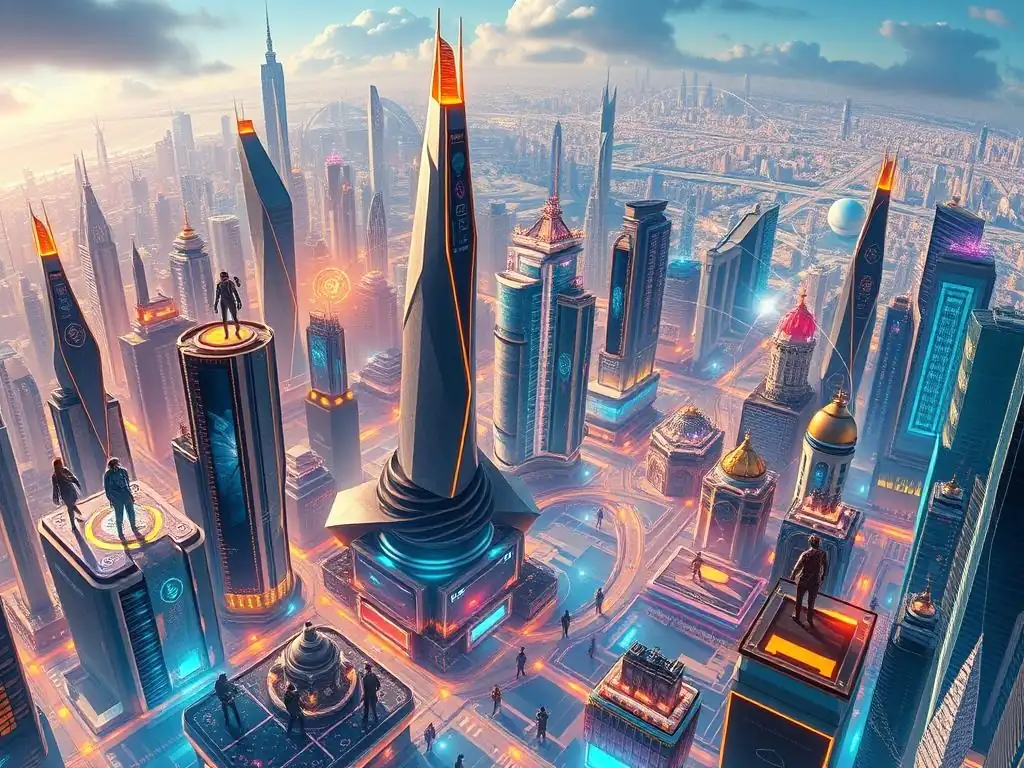
Welcome to Blockchain Trends, where we delve into the revolutionary world of blockchain technology. Beyond the hype surrounding cryptocurrencies, we explore its profound impact on industries far and wide. In this article, we ask a crucial question: Will blockchain gaming truly solve the inherent problems plaguing centralized metaverse platforms? Discover how decentralized technologies are poised to reshape the future of virtual worlds and what this means for you. Intrigued? Let's explore the transformative potential together.
- Introduction: The Promise and Pitfalls of Centralized Metaverses
- Understanding the Problems with Centralized Metaverse Platforms
- How Blockchain Gaming Offers Solutions for Metaverse Challenges
- Blockchain Gaming Use Cases Solving Metaverse Problems
- The Potential Impact of Blockchain Gaming on the Future of the Metaverse
- Overcoming the Hurdles: Challenges to Blockchain Gaming's Metaverse Integration
- The Future of the Metaverse: A Hybrid Approach?
- Conclusion: Blockchain Gaming as a Catalyst for a Decentralized Metaverse
-
Frequently Asked Questions
- How can blockchain gaming address the issue of digital asset ownership within the metaverse?
- What role does decentralization play in mitigating risks associated with centralized metaverse platforms?
- How does blockchain gaming promote interoperability between different metaverse environments?
- In what ways can blockchain technology enhance the security and transparency of metaverse transactions?
- What are some potential challenges to the widespread adoption of blockchain gaming in the metaverse?
- Final Reflection: Embracing Decentralized Futures
- Ignite Your Metaverse Journey: Explore the Decentralized Future!
Introduction: The Promise and Pitfalls of Centralized Metaverses
The Allure of Immersive Digital Worlds: A Metaverse Overview
The metaverse, once a concept confined to science fiction, is rapidly becoming a tangible reality, promising to revolutionize how we interact, socialize, work, and play. At its core, the metaverse envisions persistent, shared, 3D virtual environments that users can access through various devices like virtual reality (VR) headsets, augmented reality (AR) glasses, and traditional computers.
Imagine attending a concert with friends across the globe, collaborating on a project in a virtual office space, or exploring fantastical worlds, all from the comfort of your home. This potential for immersive experiences, coupled with the growing capabilities of technology, fuels the excitement surrounding the metaverse.
Early iterations of metaverse-like platforms have already emerged, showcasing the potential of these digital realms. Games like Fortnite and Roblox, while not fully encompassing the metaverse vision, demonstrate the appeal of persistent virtual worlds where millions gather, interact, and participate in shared experiences. These platforms have successfully built thriving economies and communities, proving that users are eager to embrace immersive digital interactions. The promise of the metaverse extends beyond entertainment, with potential applications in education, healthcare, commerce, and various other sectors, signaling a significant shift in how we engage with the digital world.
Centralized Metaverse Platforms: Current Limitations and Challenges
Despite the alluring vision, current metaverse platforms predominantly operate under a centralized model, controlled by single entities. This centralization, while allowing for streamlined development and management, introduces several limitations and challenges. These platforms often function as walled gardens, where user data, digital assets, and experiences are confined within the platform's ecosystem. This control can stifle innovation, limit user agency, and raise concerns about data privacy and platform governance.
One major drawback of centralized metaverses is the lack of true user ownership. Users invest time and resources in building their digital identities, acquiring virtual assets, and contributing to these platforms, yet they often have limited control over these creations. Platform operators dictate the rules, terms of service, and the fate of user-generated content and digital assets.
This dependency on centralized authorities creates vulnerabilities, such as the risk of account suspensions, content censorship, and changes in platform policies that can negatively impact users. Furthermore, the lack of interoperability between these centralized platforms leads to fragmented metaverse experiences, hindering the seamless flow of users and assets across different virtual worlds.
How Blockchain Gaming Aims to Revolutionize the Metaverse Experience
Blockchain gaming emerges as a potential paradigm shift, offering a decentralized approach to building and experiencing metaverses. By integrating blockchain technology, particularly non-fungible tokens (NFTs) and decentralized governance mechanisms, blockchain gaming aims to address the limitations inherent in centralized metaverse platforms. The core promise of blockchain gaming in the metaverse context is to empower users with genuine digital ownership, enhance security and transparency, foster interoperability, and establish more democratic and community-driven virtual worlds.
Blockchain's decentralized nature inherently challenges the control exerted by single entities in centralized metaverses. By leveraging blockchain, game developers and metaverse builders can create platforms where users truly own their in-game assets as NFTs, giving them the freedom to trade, sell, and utilize these assets across different compatible platforms.
Smart contracts on the blockchain can automate processes, ensuring fair and transparent transactions and interactions within the metaverse. Furthermore, decentralized governance models, often implemented through Decentralized Autonomous Organizations (DAOs), can distribute decision-making power to the community, allowing users to actively participate in shaping the future of the metaverse, contrasting sharply with the top-down control of centralized platforms.
Understanding the Problems with Centralized Metaverse Platforms
Lack of User Ownership and Control in Traditional Metaverses
Centralized metaverse platforms operate on a model where the platform provider retains ultimate ownership and control over the virtual world and its assets. Users, while participating and contributing to these platforms, essentially operate as renters within a digital space owned by someone else. This lack of true ownership manifests in several ways. For instance, in many centralized games, in-game items and currencies are not truly owned by the players. Platform operators can alter the rules governing these assets, change their scarcity, or even remove them entirely, leaving users with little recourse.
Consider the case of digital items purchased within popular online games. While users might spend real money to acquire these items, they are typically bound to the platform's ecosystem. If the game shuts down or a user's account is banned, these digital assets are often lost, representing a significant financial and emotional loss for the user.
This lack of portability and control contrasts sharply with the concept of real-world ownership, where individuals have inherent rights over their possessions. The centralized nature of these platforms means users are at the mercy of the platform provider's decisions, highlighting a fundamental imbalance in power and ownership.
Security and Privacy Concerns in Centralized Virtual Worlds
Centralized metaverse platforms, by their nature, collect and store vast amounts of user data. This data, ranging from user behavior and interactions to personal information, becomes a valuable asset for the platform operator. While data collection can be used to personalize experiences and improve platform functionality, it also raises significant security and privacy concerns. Centralized databases are attractive targets for cyberattacks, and data breaches can expose sensitive user information to malicious actors.
In 2021, Facebook, now Meta, experienced a massive data breach that affected over 533 million users globally. While not directly related to the metaverse, this incident underscores the inherent risks associated with centralized data storage. Metaverse platforms, likely to collect even more intimate and immersive data about users' interactions and preferences, face an even greater responsibility to safeguard user privacy. Furthermore, the centralized control over user data raises concerns about potential misuse or unauthorized access by the platform provider itself, blurring the lines between platform service and potential surveillance.
The Problem of Interoperability: Siloed Metaverse Experiences
The current metaverse landscape is characterized by fragmented, siloed experiences. Centralized platforms operate independently, with limited or no interoperability between them. This lack of interoperability means that users are confined to a single virtual world, unable to seamlessly move their avatars, digital assets, or social connections across different platforms. Imagine having valuable digital items or a unique avatar that you can only use within one specific metaverse platform, rendering them useless elsewhere.
This siloed approach hinders the development of a truly interconnected and expansive metaverse. It restricts user choice and creates friction for users who wish to explore different virtual worlds and experiences. The lack of interoperability also limits the potential for innovation and collaboration across different metaverse platforms. Just as the internet's value is amplified by its open and interconnected nature, the metaverse's full potential hinges on overcoming these interoperability barriers and creating a more unified and accessible digital landscape.
Content Moderation and Censorship Issues in Centralized Environments
Content moderation in centralized metaverse platforms is typically controlled by the platform operator, who sets the rules and guidelines for acceptable content and user behavior. While moderation is necessary to maintain a safe and inclusive environment, the centralized nature of this control can lead to concerns about censorship, bias, and lack of transparency. Platform operators, acting as gatekeepers, have the power to remove content, suspend accounts, and shape the narrative within their virtual worlds.
Cases of content censorship on centralized social media platforms have sparked ongoing debates about freedom of expression and the power of platform operators. In the context of the metaverse, where users will spend more time and potentially conduct more significant activities, concerns about censorship and content moderation become even more critical. The lack of transparency in moderation policies and the potential for arbitrary decisions can erode user trust and create an environment where freedom of expression is constrained by the platform's centralized control.
How Blockchain Gaming Offers Solutions for Metaverse Challenges
Blockchain Gaming and True Digital Ownership: NFTs and Virtual Assets
Blockchain gaming directly addresses the lack of user ownership in centralized metaverses by leveraging Non-Fungible Tokens (NFTs). NFTs are unique digital assets recorded on a blockchain, providing verifiable proof of ownership and authenticity. In blockchain games, in-game items, characters, virtual land, and other digital assets can be represented as NFTs, granting players true ownership of these assets, outside of the game's central control.
For example, in games like Axie Infinity and Decentraland, players own their in-game Axies (NFT creatures) and virtual land parcels as NFTs. These NFTs can be freely traded on open marketplaces, allowing players to realize the economic value of their in-game assets. This contrasts sharply with traditional games where in-game items are typically locked within the game's ecosystem and cannot be traded or sold outside of the platform's control. Blockchain gaming empowers users with digital property rights, transforming virtual assets from mere in-game commodities into genuine digital assets with real-world value.
Enhancing Security and Transparency Through Blockchain Technology
Blockchain technology inherently enhances security and transparency in metaverse environments. The decentralized and distributed nature of blockchain makes it significantly more resistant to censorship and single points of failure compared to centralized systems. Transactions on a blockchain are cryptographically secured and recorded on a public ledger, providing transparency and immutability. This transparency allows users to verify the authenticity and ownership of digital assets and track the history of transactions within the metaverse.
Furthermore, blockchain's cryptographic security features make it more difficult for malicious actors to tamper with data or compromise the system. Smart contracts, self-executing contracts coded on the blockchain, automate processes and ensure that rules are enforced transparently and without the need for intermediaries. For instance, smart contracts can automate the distribution of rewards in play-to-earn games or govern the rules of virtual land ownership, enhancing trust and security within the metaverse ecosystem.
Interoperability and Cross-Platform Compatibility in Blockchain-Based Metaverses
Blockchain technology facilitates interoperability and cross-platform compatibility in the metaverse by providing a shared and open infrastructure for digital assets. NFTs, being blockchain-based assets, can be designed to be interoperable across different metaverse platforms and games that support the same blockchain standards. This allows users to potentially use their avatars, virtual items, and digital identities across various virtual worlds, breaking down the silos of centralized platforms.
Projects like The Sandbox and Decentraland are actively working towards building interoperable metaverse experiences. They utilize NFTs to represent virtual land and in-game assets, and aim to create open standards that allow for the seamless transfer of these assets across different platforms. This vision of an interoperable metaverse contrasts sharply with the fragmented nature of current centralized platforms, promising a more connected and user-centric digital future.
Decentralized Governance and Community-Driven Content Moderation
Blockchain gaming and metaverse projects are increasingly adopting decentralized governance models, often through DAOs. DAOs empower communities with decision-making power over the platform's development, rules, and content moderation policies. Token holders in a DAO can vote on proposals, influencing the direction of the metaverse and ensuring that it aligns with the community's interests, rather than being solely dictated by a central authority.
Decentralized governance can lead to more democratic and community-driven content moderation approaches. Instead of a centralized entity dictating content policies, the community, through DAO mechanisms, can participate in shaping these policies and enforcing them. This approach can lead to more transparent and fair content moderation, reducing the risk of censorship and bias inherent in centralized systems. Projects like Decentraland utilize DAOs to govern virtual land ownership and content moderation, showcasing the potential of decentralized governance in shaping metaverse environments.
Blockchain Gaming Use Cases Solving Metaverse Problems
Play-to-Earn (P2E) Games: Rewarding User Contributions in the Metaverse
Play-to-Earn (P2E) games, a prominent use case in blockchain gaming, directly address the issue of rewarding user contributions in the metaverse. Unlike traditional games where player effort and investment primarily benefit the game developers, P2E games incentivize players to participate and contribute to the game ecosystem by rewarding them with cryptocurrency and NFTs that have real-world value. This model transforms gaming from a purely leisure activity into a potential source of income, particularly in regions where traditional income opportunities are limited.
Axie Infinity, a pioneering P2E game, gained significant traction in countries like the Philippines, where players could earn income by playing the game and trading their in-game NFTs. While the P2E model has faced economic sustainability challenges, it highlights the potential of blockchain gaming to create new economic opportunities within the metaverse. By rewarding user contributions, P2E games foster a more engaged and participatory metaverse ecosystem, where users are not just consumers but also active contributors and stakeholders.
Decentralized Autonomous Organizations (DAOs) Shaping Metaverse Governance
DAOs are emerging as crucial tools for shaping metaverse governance in a decentralized and community-driven manner. DAOs are online communities with shared bank accounts and decision-making power encoded in smart contracts. In the context of the metaverse, DAOs can govern various aspects of virtual worlds, including land ownership, content moderation, treasury management, and platform development. This decentralized governance model contrasts sharply with the top-down control of centralized metaverse platforms.
Decentraland, for example, utilizes a DAO to govern its virtual world. LAND holders in Decentraland can vote on proposals related to platform upgrades, content policies, and allocation of resources from the DAO treasury. This empowers the community to actively participate in shaping the metaverse's future, ensuring that it evolves in a way that reflects the collective interests of its users. DAOs represent a fundamental shift towards more democratic and user-centric governance models in the metaverse.
NFT-Based Avatars and Digital Identities for Seamless Metaverse Experiences
NFT-based avatars and digital identities offer a solution to the problem of fragmented digital identities across different metaverse platforms. By representing avatars as NFTs, users gain true ownership and portability of their digital identities. An NFT avatar can serve as a unified digital representation of a user across various interoperable metaverse platforms, eliminating the need to create separate avatars and digital identities for each virtual world.
Projects like Ready Player Me are building cross-platform avatar systems based on NFTs. Users can create a single avatar that is compatible with multiple metaverse platforms and games that integrate with the Ready Player Me system. This approach streamlines the user experience and promotes interoperability, allowing users to seamlessly carry their digital identity and persona across different virtual worlds. NFT-based avatars contribute to a more unified and coherent metaverse experience, breaking down the barriers between siloed platforms.
Blockchain-Enabled Virtual Land Ownership and Development Opportunities
Blockchain technology, through NFTs, enables verifiable and transparent virtual land ownership within the metaverse. Virtual land represented as NFTs can be bought, sold, and traded as digital real estate. This creates new opportunities for virtual land ownership, development, and monetization within the metaverse, mirroring real-world real estate dynamics in a digital context.
Platforms like The Sandbox and Decentraland offer virtual land as NFTs, allowing users to own, develop, and monetize their digital land parcels. Users can build virtual businesses, create experiences, host events, or rent out their virtual land, generating economic activity within the metaverse. Blockchain-enabled virtual land ownership fosters a more decentralized and user-driven metaverse economy, empowering users to become virtual landowners and developers, contributing to the growth and diversification of virtual worlds.
The Potential Impact of Blockchain Gaming on the Future of the Metaverse
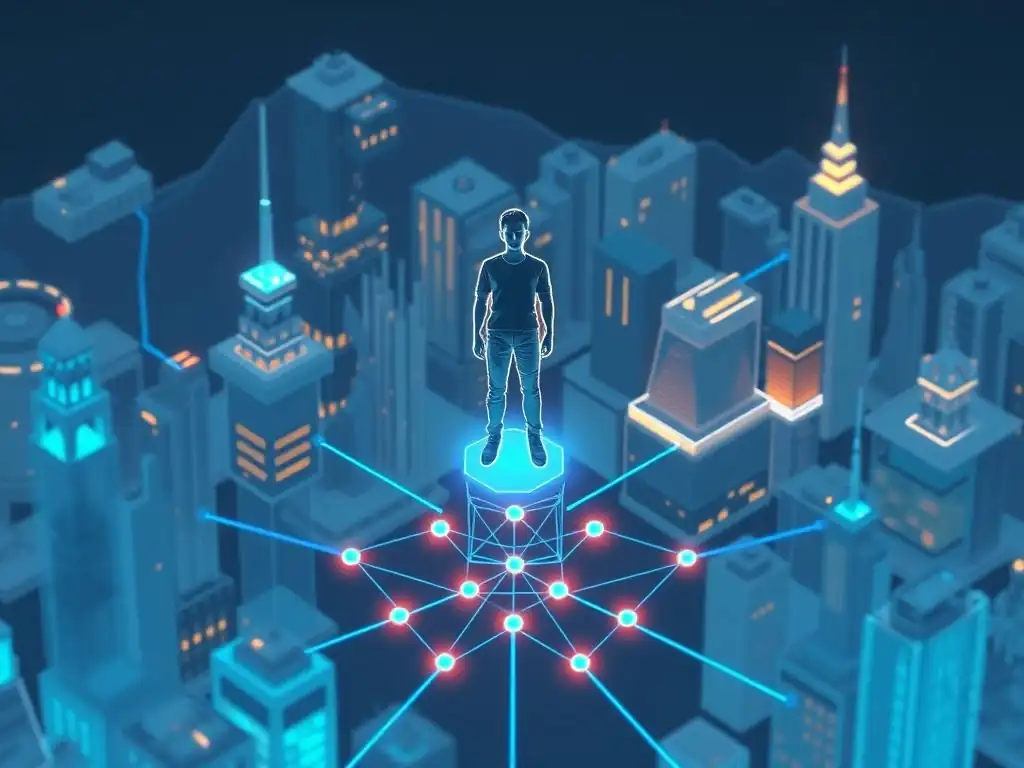
Creating More Engaging and Rewarding Metaverse Experiences
Blockchain gaming has the potential to create significantly more engaging and rewarding metaverse experiences by introducing true digital ownership, player-driven economies, and community governance. The ability to own in-game assets as NFTs and participate in play-to-earn economies incentivizes users to invest more time and effort into metaverse platforms. The prospect of earning real-world value from their in-game activities can transform the metaverse from a passive entertainment space into a more active and economically viable environment.
Furthermore, decentralized governance models, empowered by DAOs, can foster a stronger sense of community ownership and participation. When users have a voice in shaping the metaverse's future, they are more likely to feel invested and engaged in its development. This combination of digital ownership, economic incentives, and community governance can create metaverse experiences that are not only entertaining but also empowering and rewarding for users.
Fostering Innovation and Creativity in Decentralized Virtual Worlds
Decentralized metaverse platforms, powered by blockchain gaming principles, can foster greater innovation and creativity compared to centralized platforms. The open and permissionless nature of blockchain technology allows for more experimentation and development by independent creators and developers. The ability to build on top of existing blockchain infrastructure and utilize open standards can lower barriers to entry and encourage a wider range of metaverse experiences.
The emergence of vibrant NFT marketplaces and decentralized gaming ecosystems demonstrates the innovative potential of blockchain technology. Independent game developers and artists are leveraging NFTs to create new forms of digital art, collectibles, and gaming experiences. This decentralized innovation can lead to a more diverse and dynamic metaverse landscape, driven by the creativity of a global community of developers and users.
Empowering Users and Building a More Equitable Metaverse Ecosystem
Blockchain gaming's emphasis on digital ownership, decentralization, and community governance directly empowers users within the metaverse. By granting users true ownership of their digital assets and a voice in platform governance, blockchain technology shifts the power dynamic away from centralized platform operators towards the user community. This empowerment can lead to a more equitable and user-centric metaverse ecosystem.
The potential of play-to-earn models to create economic opportunities for users, particularly in developing countries, further contributes to a more equitable metaverse. Blockchain gaming can democratize access to digital economies and empower individuals to participate in the metaverse as creators and stakeholders, rather than just consumers. This shift towards user empowerment and equity is a key differentiating factor of blockchain gaming's vision for the metaverse.
Addressing the Scalability Challenges of Blockchain-Based Metaverses
While blockchain gaming offers promising solutions for metaverse challenges, scalability remains a significant hurdle. Current blockchain networks often face limitations in transaction throughput and speed, which can hinder the performance of complex and highly interactive metaverse experiences. High transaction fees, particularly on popular blockchains like Ethereum, can also pose a barrier to widespread adoption and microtransactions within the metaverse.
Solutions to blockchain scalability are actively being developed, including layer-2 scaling solutions like sidechains and rollups, as well as the emergence of more scalable layer-1 blockchains. These technological advancements aim to increase transaction throughput and reduce fees, making blockchain technology more suitable for supporting large-scale metaverse applications. Addressing scalability challenges is crucial for realizing the full potential of blockchain gaming and creating truly immersive and seamless metaverse experiences.
Overcoming the Hurdles: Challenges to Blockchain Gaming's Metaverse Integration
Scalability and Transaction Costs on Blockchain Networks
Scalability and transaction costs remain significant challenges for the widespread integration of blockchain gaming into the metaverse. Many blockchain networks, especially those prioritizing decentralization and security, currently struggle to handle the high volume of transactions and low latency required for seamless metaverse experiences. High gas fees, especially on networks like Ethereum, can make microtransactions and frequent interactions within the metaverse prohibitively expensive for many users.
For example, during periods of high network congestion, transaction fees on Ethereum can spike significantly, making simple actions within a blockchain game costly. This can hinder user adoption and limit the viability of certain metaverse use cases that rely on frequent and low-cost transactions. Overcoming these scalability and cost barriers is essential for blockchain gaming to become a mainstream solution for metaverse development.
Regulatory Uncertainty Surrounding Blockchain Gaming and NFTs
The regulatory landscape surrounding blockchain gaming and NFTs is still evolving and remains uncertain in many jurisdictions. Governments and regulatory bodies are grappling with how to classify and regulate these new technologies, leading to a patchwork of regulations across different countries. This regulatory uncertainty can create challenges for blockchain gaming companies and metaverse projects, impacting their ability to operate and innovate.
For instance, the classification of NFTs as securities or commodities is still under debate in many regions, which can have significant implications for regulatory compliance and taxation. Clarity and consistency in regulations are needed to foster a stable and predictable environment for blockchain gaming and metaverse development, encouraging responsible innovation and protecting users.
User Adoption and the Learning Curve for Blockchain Technology
User adoption of blockchain gaming and metaverse platforms faces a learning curve associated with blockchain technology itself. Concepts like crypto wallets, NFTs, and decentralized governance can be unfamiliar and complex for mainstream users who are accustomed to traditional gaming and internet experiences. This learning curve can act as a barrier to entry and hinder widespread adoption of blockchain-based metaverses.
Educating users about blockchain technology and simplifying the user experience are crucial for overcoming this adoption challenge. Improving wallet usability, creating intuitive interfaces for interacting with NFTs, and providing clear onboarding processes are essential steps to make blockchain gaming and metaverses more accessible to a broader audience. Focusing on user experience and education will be key to driving mainstream adoption of blockchain-powered virtual worlds.
The Need for Improved User Experience and Accessibility in Blockchain Games
While blockchain gaming offers numerous benefits, many current blockchain games still lag behind traditional games in terms of user experience and accessibility. Blockchain games often require users to manage crypto wallets, understand blockchain concepts, and navigate complex interfaces, which can be daunting for non-technical users. Improving the user experience and accessibility of blockchain games is crucial for attracting a wider audience and competing with established centralized platforms.
Focusing on seamless onboarding, intuitive interfaces, and gameplay experiences that are as engaging and polished as traditional games is essential. Abstracting away some of the underlying blockchain complexities and prioritizing user-friendliness will be key to bridging the gap between blockchain gaming and mainstream gaming, driving wider adoption and integration into the metaverse.
The Future of the Metaverse: A Hybrid Approach?
Combining the Strengths of Centralized and Decentralized Systems
The future of the metaverse may not be solely centralized or decentralized, but rather a hybrid approach that combines the strengths of both systems. Centralized platforms can offer advantages in terms of scalability, user experience, and content curation, while decentralized systems excel in user ownership, transparency, and community governance. A hybrid model could leverage the best aspects of both approaches to create a more robust and user-friendly metaverse ecosystem.
For example, a metaverse platform could utilize a centralized infrastructure for core functionalities like rendering and content delivery to ensure scalability and performance, while incorporating blockchain technology for user ownership of digital assets and decentralized governance mechanisms. This hybrid approach could address the limitations of purely centralized or decentralized models, creating a more balanced and adaptable metaverse landscape.
The Role of Interoperability Standards in a Multi-Metaverse World
Interoperability standards are crucial for realizing a truly interconnected and open metaverse. As different metaverse platforms and experiences emerge, the ability for users, assets, and data to seamlessly flow between these virtual worlds will be essential for creating a cohesive and expansive metaverse ecosystem. Establishing and adopting open interoperability standards will be key to breaking down silos and fostering a multi-metaverse world.
Organizations and initiatives are emerging to promote interoperability standards in the metaverse space. These efforts aim to define common protocols and frameworks for avatar compatibility, asset transfer, and data exchange across different platforms. The successful adoption of interoperability standards will be a critical factor in shaping the future of the metaverse, enabling a more open, user-centric, and interconnected digital landscape.
Emerging Trends in Blockchain Gaming and Metaverse Development
Several emerging trends are shaping the future of blockchain gaming and metaverse development. The rise of layer-2 scaling solutions is addressing scalability challenges and making blockchain technology more viable for large-scale metaverse applications. The increasing focus on user experience and accessibility is making blockchain games more user-friendly and appealing to mainstream audiences. The exploration of new governance models, including DAOs and decentralized identity solutions, is empowering users and fostering more community-driven metaverse ecosystems.
Furthermore, the convergence of metaverse technologies with other emerging technologies like AI, AR/VR, and Web3 is creating new possibilities for immersive and interactive digital experiences. These trends suggest a dynamic and rapidly evolving landscape for blockchain gaming and metaverse development, with continuous innovation and experimentation driving the evolution of virtual worlds.
Predicting the Evolution of Virtual Worlds and Digital Ownership
Predicting the precise evolution of virtual worlds and digital ownership is challenging, but certain trends suggest a trajectory towards more decentralized, user-centric, and interoperable metaverse experiences. Blockchain technology is likely to play an increasingly significant role in shaping the future of the metaverse, empowering users with digital ownership, enhancing security and transparency, and fostering community governance.
The concept of digital ownership, enabled by NFTs, is likely to become more mainstream, extending beyond gaming to various aspects of digital life. Virtual worlds are expected to become more immersive, interactive, and integrated with our physical world, blurring the lines between the digital and physical realms. The evolution of virtual worlds and digital ownership is likely to be a continuous and transformative process, shaping the future of how we interact, socialize, work, and play in the digital age.
Conclusion: Blockchain Gaming as a Catalyst for a Decentralized Metaverse
Summarizing the Potential of Blockchain Gaming to Solve Metaverse Problems
Blockchain gaming holds significant potential to address the limitations and challenges inherent in centralized metaverse platforms. By leveraging blockchain technology, particularly NFTs and decentralized governance, blockchain gaming offers solutions for lack of user ownership, security and privacy concerns, interoperability issues, and content moderation challenges in traditional metaverses. Blockchain gaming empowers users with true digital ownership, enhances security and transparency, fosters interoperability and cross-platform compatibility, and promotes decentralized governance and community-driven content moderation.
Through use cases like P2E games, DAOs, NFT-based avatars, and blockchain-enabled virtual land ownership, blockchain gaming demonstrates practical applications of decentralized principles in solving metaverse problems. While challenges remain, particularly in scalability and user adoption, the potential of blockchain gaming to revolutionize the metaverse experience is undeniable.
Emphasizing the Importance of User Empowerment and Decentralization
User empowerment and decentralization are crucial principles for building a more equitable, open, and innovative metaverse ecosystem. Centralized control can stifle innovation, limit user agency, and create vulnerabilities related to data privacy and platform governance. Blockchain gaming, with its emphasis on decentralization and user ownership, offers a compelling alternative, shifting the power dynamic towards the user community and fostering a more democratic and user-centric metaverse.
The future of the metaverse should prioritize user empowerment, ensuring that users have control over their digital assets, identities, and experiences. Decentralization, while presenting challenges, is a key enabler of user empowerment and a more equitable distribution of value within the metaverse ecosystem. Embracing decentralized principles is essential for building a metaverse that truly benefits its users and fosters a more open and inclusive digital future.
Looking Ahead: The Ongoing Evolution of Blockchain Gaming and the Metaverse
The evolution of blockchain gaming and the metaverse is an ongoing and dynamic process. Technological advancements, evolving user expectations, and regulatory developments will continue to shape the trajectory of these emerging fields. Scalability solutions, improved user experience, and clearer regulatory frameworks are crucial for realizing the full potential of blockchain gaming and metaverse integration.
Looking ahead, we can expect to see further innovation in blockchain gaming, with new game genres, economic models, and governance mechanisms emerging. The metaverse is likely to become more immersive, interactive, and integrated with our daily lives, blurring the lines between the physical and digital realms. The ongoing evolution of blockchain gaming and the metaverse promises to transform how we interact with technology and with each other in the digital age, paving the way for a more decentralized, user-centric, and interconnected future.
Frequently Asked Questions
How can blockchain gaming address the issue of digital asset ownership within the metaverse?
Blockchain gaming offers true digital ownership through NFTs (Non-Fungible Tokens). These tokens represent in-game items and assets, giving users complete control and allowing them to trade or sell them outside the game's ecosystem. This contrasts sharply with centralized platforms where assets are typically controlled by the platform itself.
What role does decentralization play in mitigating risks associated with centralized metaverse platforms?
Decentralization in blockchain gaming reduces reliance on a single authority. This minimizes the risk of censorship, sudden platform changes, or the loss of assets due to platform failure. Smart contracts automate key processes, ensuring transparency and trust.
How does blockchain gaming promote interoperability between different metaverse environments?
Blockchain's interoperability allows for seamless transfer of assets between different games and metaverse platforms. This is achieved through standardized NFT formats and protocols, enabling users to use their assets across various virtual worlds, fostering a more unified metaverse experience.
In what ways can blockchain technology enhance the security and transparency of metaverse transactions?
Blockchain's inherent security features, like cryptographic hashing and immutability, ensure the integrity of transactions within the metaverse. All transactions are recorded on a public ledger, providing enhanced transparency and reducing the potential for fraud or manipulation.
What are some potential challenges to the widespread adoption of blockchain gaming in the metaverse?
Challenges include scalability issues with some blockchain networks, the complexity of blockchain technology for mainstream users, and the need for clear regulatory frameworks to govern blockchain-based metaverse environments. Overcoming these hurdles is crucial for widespread adoption.
Final Reflection: Embracing Decentralized Futures
The exploration of blockchain gaming as a solution to the inherent problems of centralized metaverse platforms reveals a crucial turning point in digital ownership and community governance. The promise of true asset ownership and decentralized control is no longer a distant dream, but a tangible possibility shaping the future of online interaction. This shift has profound implications for how we engage with virtual worlds and the value we derive from them.
The ongoing influence of blockchain gaming extends far beyond mere entertainment; it's reshaping the very fabric of digital economies and social structures. The potential for individuals to participate in and benefit from the growth of these platforms is a powerful force for democratization. The future of the metaverse is not about building walled gardens, but about creating interconnected ecosystems where users truly own their data and assets.
This vision underscores the importance of embracing decentralized solutions to ensure a more equitable and empowering digital future.
As we stand on the cusp of this transformative era, let us consider the role we can play in fostering a more decentralized and user-centric metaverse. Embrace the opportunities presented by blockchain gaming, explore the possibilities of true digital ownership, and advocate for platforms that prioritize community governance and individual empowerment. The future of the metaverse is not predetermined; it is being shaped by the choices we make today.
Ignite Your Metaverse Journey: Explore the Decentralized Future!
Thank you for exploring how blockchain gaming can transform the metaverse. Now that you understand the potential, it’s time to turn your knowledge into action. Here are some ways you can participate in this exciting evolution:
- Try out a blockchain-based game to experience the benefits of true ownership and decentralized governance. Start small, experiment, and learn!
- Share this article with your network and spark a conversation about the future of decentralized metaverse platforms. Help spread awareness and encourage adoption!
- Brainstorm and document three innovative use cases where decentralized gaming could revolutionize traditional centralized platforms. Share your ideas with others!
Are you ready to help shape the future of the metaverse through blockchain gaming? What specific problem within the metaverse will you work to solve?
Leave a Reply