
Blockchain for Digital Identity Accountability: Ensuring User Control and Transparency


Welcome to Blockchain Trends, your compass in the rapidly evolving world of decentralized technology. Beyond the hype of cryptocurrencies, lies a transformative force reshaping industries and governance.
Dive into our exploration of Blockchain identity accountability solutions and discover how this groundbreaking technology is paving the way for user control and transparency in the digital age. Curious about how blockchain can empower individuals and reshape digital trust? Read on to uncover the future of decentralized identity.
Blockchain for Supply Chain Accountability: Enhancing Transparency and Trust
- Introduction: The Need for Blockchain in Supply Chain Accountability
- Understanding Blockchain-Based Supply Chain Accountability
- Benefits of Blockchain Supply Chain Accountability Solutions
- Exploring Different Blockchain Approaches for Supply Chain Management
- Implementing Blockchain Supply Chain Accountability: A Step-by-Step Guide
- Real-World Applications and Case Studies of Blockchain Supply Chain Accountability
- Addressing the Challenges and Limitations of Blockchain Supply Chain Accountability
- The Future of Blockchain in Supply Chain: Trends and Predictions
- Conclusion: Embracing Blockchain for a More Accountable and Resilient Supply Chain
-
Frequently Asked Questions
- What are the core benefits of using blockchain for digital identity?
- How does blockchain contribute to accountability in digital identity systems?
- What are some potential enterprise applications of blockchain identity accountability solutions?
- How does blockchain help users maintain control over their digital identity?
- What regulatory considerations are important when implementing blockchain identity solutions?
- Final Reflection: Embracing Decentralized Trust
- Reclaim Your Digital Self: Take Control Now!
Introduction: The Need for Blockchain in Supply Chain Accountability
Current Supply Chain Challenges: Opacity, Inefficiency, and Fraud
Modern supply chains are incredibly complex networks, often spanning multiple countries and involving numerous stakeholders, from raw material providers to manufacturers, distributors, and retailers. This intricate web, while enabling global commerce, also introduces significant challenges related to opacity. Traditionally, tracking goods across this vast network relies on disparate systems and paper-based processes, leading to information silos and a lack of end-to-end visibility.
For example, a product's journey might involve several different logistics providers, each using their own tracking system, making it difficult to get a unified view of the entire supply chain. This opacity breeds inefficiency, as delays and bottlenecks are harder to identify and resolve.
Furthermore, the lack of transparency in supply chains creates fertile ground for fraud and illicit activities. Counterfeit goods, unethical sourcing of materials, and product tampering are significant problems that cost businesses and consumers billions of dollars annually. Consider the food industry, where opaque supply chains have been linked to foodborne illness outbreaks and mislabeling scandals. Without a clear and verifiable record of a product's journey, it becomes challenging to ensure its authenticity, safety, and ethical origin, eroding consumer trust and brand reputation. The need for greater transparency and accountability in supply chains is therefore paramount.
How Blockchain Technology Offers a Solution for Enhanced Accountability
Blockchain technology, with its inherent characteristics of transparency, immutability, and decentralization, presents a compelling solution to address the challenges of supply chain opacity and accountability. At its core, blockchain is a distributed ledger that records transactions in a secure and verifiable manner. In the context of supply chains, this means that every step in a product's journey, from origin to delivery, can be recorded on a blockchain, creating an immutable and auditable record. This shared ledger provides all stakeholders with a single source of truth, eliminating information silos and fostering greater trust.
By leveraging blockchain, supply chains can transition from opaque and fragmented systems to transparent and accountable networks. Imagine a scenario where every product is assigned a unique digital identity on a blockchain. As the product moves through the supply chain, each stakeholder – from the farmer harvesting coffee beans to the logistics company transporting them and the roaster preparing them for sale – can record relevant information on the blockchain.
This could include details like origin, processing dates, temperature logs during transit, and certifications. This level of granular, verifiable data, accessible to authorized participants, dramatically enhances accountability, enabling businesses to track products effectively, verify their authenticity, and ensure ethical and sustainable practices throughout the entire supply chain.
Understanding Blockchain-Based Supply Chain Accountability
Defining Blockchain-Based Supply Chain Tracking
Blockchain-based supply chain tracking refers to the use of blockchain technology to record and monitor the movement of goods, materials, and products as they traverse the supply chain. It's more than just knowing where a product is; it’s about creating a comprehensive and immutable record of what happened to it, when, where, and by whom at each stage of its journey. This tracking leverages the core properties of blockchain—decentralization, transparency, and immutability—to provide a secure and verifiable history of a product's lifecycle.
Unlike traditional tracking systems that often rely on centralized databases and manual data entry, blockchain tracking distributes information across a network of computers. Each transaction or event in the supply chain, such as a shipment arriving at a warehouse or a product undergoing quality control, is recorded as a "block" of data and added to the chain. Cryptographic hashing ensures that once a block is added, it cannot be altered or tampered with, creating an audit trail that is virtually tamper-proof. This inherent security and transparency are crucial for establishing trust and accountability in complex supply chain ecosystems.
Key Principles of Accountability in Supply Chain Systems
Accountability in supply chain systems, especially when enhanced by blockchain, rests on several key principles. Firstly, transparency is paramount. All relevant stakeholders should have access to verifiable information about the product's journey, within pre-defined permissions. This doesn't necessarily mean full public disclosure, but rather controlled and auditable access for authorized parties. Secondly, immutability ensures that once information is recorded, it cannot be changed or deleted, providing a reliable and trustworthy record of events. This is critical for dispute resolution and verification of claims.
Thirdly, traceability is essential, allowing for the end-to-end tracking of products, from origin to consumption. This enables businesses to pinpoint the source of problems, whether it's a quality issue, a delay, or a security breach. Fourthly, auditability ensures that the entire supply chain process can be independently verified.
Blockchain's cryptographic nature and distributed ledger system inherently support auditability, making it easier to confirm the integrity of the data and the processes. Finally, responsibility is a crucial principle. Blockchain can help clearly define and assign responsibility for each step in the supply chain, making it easier to identify who is accountable for specific actions and outcomes.
Core Components of a Blockchain Supply Chain Framework
A robust blockchain supply chain framework typically comprises several core components working in concert to achieve accountability. Data Capture and Input mechanisms are the first critical element. This involves integrating with various data sources, such as IoT sensors that track temperature and humidity, RFID tags for location tracking, and existing Enterprise Resource Planning (ERP) systems for order and inventory data. These systems capture real-time data at each stage of the supply chain and input it onto the blockchain.
The Blockchain Platform itself is the central component. The choice of platform (permissioned or permissionless, public or private) depends on the specific needs and requirements of the supply chain network. This platform provides the distributed ledger, consensus mechanisms, and smart contract capabilities that underpin the system. Smart Contracts are self-executing agreements written in code and stored on the blockchain.
They automate processes and enforce predefined rules and conditions within the supply chain. For example, a smart contract could automatically trigger payment upon confirmation of delivery or alert stakeholders if a shipment deviates from its planned route. Finally, a user-friendly Interface and Application Layer is essential for stakeholders to interact with the blockchain data. This layer provides dashboards, reporting tools, and access controls, allowing users to easily track products, monitor performance, and access relevant supply chain information.
Benefits of Blockchain Supply Chain Accountability Solutions
Enhanced Transparency and Traceability of Goods
One of the most significant benefits of blockchain supply chain accountability solutions is the enhanced transparency and traceability they provide. Traditional supply chains often suffer from information silos, where data is fragmented across different systems and stakeholders. Blockchain breaks down these silos by creating a single, shared ledger that records every transaction and event in the supply chain, accessible to all authorized participants. This end-to-end visibility allows businesses to track products from their origin to the final consumer with unprecedented accuracy.
For instance, consider the journey of coffee beans. With blockchain, consumers could potentially scan a QR code on a coffee bag and access information about the farm where the beans were grown, the date of harvest, the processing methods used, the shipping route, and even certifications related to fair trade or organic practices.
This level of transparency builds consumer trust and allows businesses to differentiate themselves by demonstrating the authenticity and ethical sourcing of their products. Furthermore, in case of product recalls or quality issues, enhanced traceability enables rapid identification of affected batches and their location, minimizing the impact and cost of recalls.
Improved Efficiency and Reduced Costs
Beyond transparency, blockchain supply chain solutions contribute to significant improvements in efficiency and cost reduction. By streamlining processes and automating manual tasks, blockchain can eliminate redundancies and delays that are common in traditional supply chains. For example, smart contracts can automate payments upon delivery confirmation, reducing administrative overhead and speeding up transaction times. The elimination of paper-based processes also contributes to cost savings and reduces the risk of errors and fraud associated with manual data entry.
Moreover, improved visibility and real-time tracking enabled by blockchain can optimize inventory management and logistics. Businesses can better forecast demand, reduce stockouts and overstocking, and optimize shipping routes and schedules. According to a report by McKinsey, improved supply chain visibility and efficiency through digital technologies, including blockchain, can potentially reduce operating costs by up to 20%. This efficiency gain translates to significant cost savings for businesses operating in complex global supply chains.
Increased Trust and Collaboration Among Stakeholders
Blockchain fosters increased trust and collaboration among stakeholders in the supply chain ecosystem. The shared, immutable ledger provides a single source of truth that all participants can rely on, reducing disputes and building confidence in the integrity of the data. This is particularly valuable in complex supply chains involving multiple partners, where trust can be a significant barrier to effective collaboration. By providing a transparent and verifiable record of transactions, blockchain eliminates the need for intermediaries and reduces the risk of information asymmetry.
For example, in the pharmaceutical industry, where counterfeiting is a major concern, blockchain can facilitate trust and collaboration between manufacturers, distributors, and pharmacies. A shared blockchain platform can enable the secure verification of drug authenticity at every stage of the supply chain, ensuring that patients receive genuine medications. This increased trust not only benefits businesses but also enhances consumer safety and confidence in the overall supply chain.
Enhanced Compliance and Reduced Risk of Counterfeiting
Blockchain supply chain accountability solutions significantly enhance compliance and reduce the risk of counterfeiting, particularly in industries dealing with regulated goods or luxury items. The immutable record of product provenance and transactions on the blockchain provides a verifiable audit trail that can be used to demonstrate compliance with regulations and standards. For instance, in the food industry, blockchain can help ensure compliance with food safety regulations and track the origin of ingredients, facilitating faster and more efficient audits and inspections.
Furthermore, blockchain's inherent security and transparency make it an effective tool for combating counterfeiting. By assigning unique digital identities to products and tracking their journey on the blockchain, businesses can enable consumers and authorities to verify the authenticity of goods at any point in the supply chain. This is particularly relevant for luxury goods, pharmaceuticals, and electronics, where counterfeiting is rampant. According to the OECD, international trade in counterfeit and pirated products amounted to as much as USD 464 billion in 2019, highlighting the significant economic and social impact of counterfeiting and the need for robust solutions like blockchain.
Exploring Different Blockchain Approaches for Supply Chain Management
Permissioned vs. Permissionless Blockchains for Supply Chain Tracking
When considering blockchain for supply chain tracking, a key decision is whether to utilize a permissioned or permissionless blockchain. Permissionless blockchains, like Bitcoin or Ethereum, are open to anyone to join and participate in validating transactions. They offer high levels of decentralization and transparency, making them suitable for scenarios where public verifiability is paramount. However, permissionless blockchains can face scalability challenges and may not be ideal for enterprise supply chains requiring specific access controls and data privacy.
Permissioned blockchains, on the other hand, require participants to be authorized to join the network. This controlled access allows for greater privacy, scalability, and efficiency, making them often more suitable for enterprise applications in supply chain management. Examples include Hyperledger Fabric and R3 Corda. Permissioned blockchains can be tailored to meet specific industry requirements and regulatory frameworks, offering a balance between transparency and confidentiality. The choice between permissioned and permissionless depends heavily on the specific use case, the level of trust between participants, and the need for public versus private data management.
Supply Chain Solutions Built on Public Blockchains (e.g., Ethereum)
Public blockchains, such as Ethereum, while originally conceived for cryptocurrencies, are increasingly being explored for supply chain applications, particularly where maximum transparency and public verifiability are desired. Solutions built on public blockchains can leverage the inherent transparency and immutability of these networks to provide a high degree of trust and accountability. For example, projects focused on ethical sourcing and fair trade often utilize public blockchains to allow consumers to directly verify the origin and ethical practices associated with products.
However, using public blockchains for enterprise supply chains also presents challenges. Scalability limitations of some public blockchains can be a concern for high-volume supply chains. Furthermore, data privacy on public blockchains can be a delicate issue, as all transactions are inherently visible to the public. Solutions built on public blockchains often employ techniques like zero-knowledge proofs or data encryption to address privacy concerns while still leveraging the transparency benefits. Despite these challenges, the potential for public blockchains to enhance trust and transparency in specific supply chain scenarios, particularly those focused on consumer-facing accountability, remains significant.
Private and Consortium Blockchains for Enterprise Supply Chain Needs
For enterprise supply chain needs, private and consortium blockchains often emerge as more practical and scalable solutions. Private blockchains are controlled by a single organization, offering maximum control over access and data privacy. They are suitable for internal supply chain optimization and data management within a single company. However, they may lack the external trust and transparency benefits associated with more decentralized approaches.
Consortium blockchains, on the other hand, are governed by a group of organizations or industry participants. This collaborative model offers a balance between control and decentralization, making them well-suited for industry-wide supply chain initiatives. Consortium blockchains can enable information sharing and collaboration among multiple companies while maintaining data privacy and access controls. Examples include blockchain platforms developed for specific industries like logistics, automotive, or pharmaceuticals. These platforms are designed to address the specific needs and regulatory requirements of those industries, offering tailored solutions for enterprise-grade supply chain accountability.
Implementing Blockchain Supply Chain Accountability: A Step-by-Step Guide
Step 1: Defining Accountability Requirements for Your Supply Chain
The first crucial step in implementing blockchain supply chain accountability is clearly defining your specific accountability requirements. This involves identifying the key areas where transparency and traceability are most critical for your business and stakeholders. Consider what information needs to be tracked, who needs access to this information, and what level of detail is required at each stage of the supply chain. For example, in the food industry, accountability requirements might focus on tracking origin, processing dates, temperature logs, and certifications to ensure food safety and regulatory compliance.
Furthermore, it's essential to define the specific goals and objectives of implementing blockchain. Are you primarily aiming to reduce counterfeiting, improve efficiency, enhance brand reputation, or meet regulatory requirements? Clearly defining these goals will help guide the selection of the appropriate blockchain platform, system design, and implementation strategy. Engage with key stakeholders across your supply chain, including suppliers, manufacturers, distributors, retailers, and even consumers, to gather input and ensure that the defined accountability requirements align with the needs and expectations of all parties involved.
Step 2: Selecting the Appropriate Blockchain Platform
Once accountability requirements are defined, the next step is selecting the appropriate blockchain platform. This decision should be based on factors such as the required level of transparency, scalability needs, data privacy considerations, and integration capabilities with existing systems. As discussed earlier, the choice between permissioned and permissionless blockchains is a critical consideration. For enterprise applications, permissioned or consortium blockchains like Hyperledger Fabric, R3 Corda, or Quorum are often preferred due to their scalability, privacy features, and enterprise-grade capabilities.
Evaluate different blockchain platforms based on their features, performance, security, community support, and cost. Consider factors like transaction throughput, consensus mechanisms, smart contract capabilities, and developer tools. It's also important to assess the platform's interoperability with other systems and its ability to integrate with existing IT infrastructure. Some platforms are specifically designed for supply chain applications and offer pre-built modules and functionalities that can accelerate development and deployment. Conduct thorough research and potentially pilot projects with different platforms to determine the best fit for your specific needs and requirements.
Step 3: Designing the Supply Chain Tracking System
Designing the supply chain tracking system involves defining the data model, workflow, and user interface for your blockchain solution. The data model specifies what information will be recorded on the blockchain and how it will be structured. This includes defining the types of events to be tracked, the attributes associated with each event, and the relationships between different data elements. Consider using industry standards and data formats to ensure interoperability and data exchange with other systems.
The workflow defines the sequence of steps and processes involved in tracking products through the supply chain. This includes identifying the key stakeholders at each stage, the actions they need to perform, and the data they need to input into the system. Smart contracts can be used to automate workflows and enforce predefined rules and conditions.
The user interface should be intuitive and user-friendly, allowing stakeholders to easily access and interact with the blockchain data. Design dashboards and reporting tools that provide real-time visibility into the supply chain and facilitate monitoring, analysis, and decision-making. Consider incorporating features like alerts and notifications to proactively address potential issues or deviations.
Step 4: Integrating with Existing Systems (ERP, IoT)
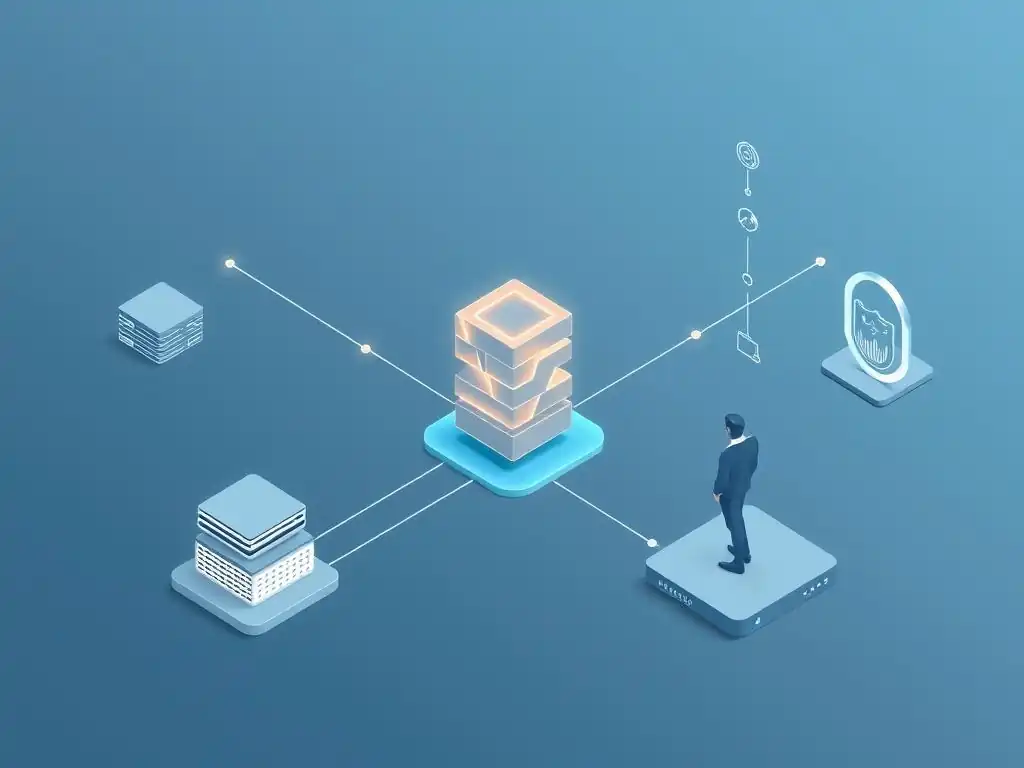
Seamless integration with existing systems, such as Enterprise Resource Planning (ERP) and Internet of Things (IoT) devices, is crucial for successful blockchain supply chain implementation. ERP systems typically manage core business processes like inventory, order management, and finance. Integrating blockchain with ERP allows for the automatic capture and recording of relevant data from ERP systems onto the blockchain, eliminating manual data entry and ensuring data consistency. For example, order information, shipment details, and payment confirmations can be automatically synchronized between ERP and the blockchain.
IoT devices, such as sensors and RFID tags, provide real-time data on product location, condition, and environmental factors. Integrating IoT with blockchain enables the automated capture of this data and its secure recording on the blockchain. For instance, temperature sensors in refrigerated trucks can automatically record temperature logs on the blockchain, ensuring the integrity of temperature-sensitive goods. Integration with existing systems requires careful planning and potentially the development of APIs (Application Programming Interfaces) or middleware to facilitate data exchange and communication between different systems.
Step 5: Testing and Deployment of the Blockchain Supply Chain Solution
Before full-scale deployment, thorough testing of the blockchain supply chain solution is essential. This involves testing all aspects of the system, including data capture, transaction processing, smart contract execution, user interface functionality, and integration with existing systems. Conduct unit testing, integration testing, and user acceptance testing to identify and resolve any bugs or issues. Performance testing is also crucial to ensure that the system can handle the expected transaction volume and data load.
Deployment can be phased, starting with a pilot project or a limited scope implementation. This allows for gradual rollout, risk mitigation, and learning from real-world experience. Begin with a specific product line or a segment of the supply chain and gradually expand the scope as the system proves its effectiveness and scalability. Provide adequate training and support to all stakeholders involved in using the blockchain solution. Continuously monitor the system performance and gather feedback from users to identify areas for improvement and optimization. Iterative development and continuous improvement are key to successful blockchain supply chain implementation and long-term sustainability.
Real-World Applications and Case Studies of Blockchain Supply Chain Accountability
Blockchain for Food Traceability: Tracking Origin and Safety
The food industry is increasingly adopting blockchain for enhanced traceability, focusing on tracking origin and ensuring food safety. Walmart, for example, has implemented a blockchain-based system to track leafy greens. In a pilot project, they found that blockchain enabled them to trace the origin of mangoes in seconds, compared to days using traditional methods. This rapid traceability is critical in the event of a foodborne illness outbreak, allowing for faster identification of contaminated products and more efficient recalls, minimizing consumer risk and economic impact.
Another real-world example is the use of blockchain to track tuna from ocean to plate. Companies are using blockchain to record the journey of tuna, from the fishing vessel to processing facilities, distributors, and retailers. Consumers can scan a QR code on the packaging to verify the origin of the tuna, ensuring it was sustainably sourced and legally caught.
This level of transparency builds consumer trust and supports efforts to combat illegal fishing and promote sustainable seafood practices. These examples highlight the tangible benefits of blockchain in enhancing food traceability and safety, contributing to a more accountable and reliable food supply chain.
Blockchain for Pharmaceutical Supply Chain: Combating Counterfeit Drugs
The pharmaceutical industry faces a significant challenge from counterfeit drugs, which pose serious risks to patient safety and undermine the integrity of the supply chain. Blockchain technology offers a powerful tool to combat counterfeit drugs by providing end-to-end traceability and verification of pharmaceutical products. Companies like IBM and Merck have been exploring blockchain solutions for pharmaceutical supply chains.
A key application is the Drug Supply Chain Security Act (DSCSA) in the United States, which mandates the traceability of prescription drugs throughout the supply chain. Blockchain is being considered as a potential technology to meet DSCSA requirements and create a secure and interoperable system for tracking and tracing pharmaceuticals. By recording each transaction on a blockchain, from manufacturing to dispensing, stakeholders can verify the authenticity of drugs and prevent counterfeit products from entering the legitimate supply chain. This enhanced traceability improves patient safety, protects brand reputation, and ensures the integrity of the pharmaceutical supply chain.
Blockchain for Luxury Goods: Authenticating Products and Preventing Fraud
The luxury goods industry is heavily impacted by counterfeiting, leading to significant financial losses and damage to brand reputation. Blockchain is being deployed to authenticate luxury products and prevent fraud by providing verifiable proof of provenance and ownership. Companies in the luxury fashion and jewelry sectors are using blockchain to track products throughout their lifecycle and issue digital certificates of authenticity.
For example, luxury brands are using blockchain to assign unique digital identities to handbags, watches, and jewelry. These digital identities are recorded on a blockchain and can be used to verify the authenticity of the product at any point in time. Consumers can use mobile apps to scan a product's tag or chip and access its blockchain record, confirming its authenticity and origin.
This technology not only combats counterfeiting but also enhances the customer experience by providing verifiable proof of ownership and provenance, adding value and trust to luxury purchases. The use of blockchain in luxury goods showcases its effectiveness in protecting brands, combating fraud, and building consumer confidence in product authenticity.
Addressing the Challenges and Limitations of Blockchain Supply Chain Accountability
Scalability Issues in Blockchain Supply Chain Systems
While blockchain offers numerous benefits for supply chain accountability, scalability remains a significant challenge. Traditional blockchain platforms, particularly permissionless ones, can struggle to handle the high transaction volumes and data throughput required by large, complex supply chains. For instance, a global retailer processing millions of transactions daily would need a blockchain system capable of handling a similar scale of activity. Early blockchain implementations often faced limitations in transaction processing speed and network congestion, hindering their ability to support large-scale deployments.
However, advancements in blockchain technology are addressing scalability concerns. Layer-2 solutions, such as state channels and sidechains, are being developed to offload transaction processing from the main blockchain, improving throughput and reducing latency. Furthermore, permissioned blockchains are generally more scalable than permissionless ones due to their controlled access and consensus mechanisms. Ongoing research and development efforts are focused on further enhancing the scalability of blockchain platforms to meet the demands of enterprise-grade supply chain applications. Careful platform selection and system design are crucial to address scalability considerations when implementing blockchain supply chain solutions.
Data Privacy and Security Considerations in Supply Chain Tracking
Data privacy and security are paramount considerations in blockchain supply chain tracking. While blockchain offers enhanced security through cryptography and immutability, it's essential to address potential privacy risks and implement appropriate security measures. Supply chain data often includes sensitive information, such as supplier details, pricing, and shipment volumes, which businesses may want to keep confidential. Public blockchains, by their nature, offer limited data privacy as all transactions are visible to the public.
Permissioned blockchains provide greater control over data access and privacy. Access control mechanisms and data encryption techniques can be implemented to ensure that sensitive information is only accessible to authorized participants. Zero-knowledge proofs and other privacy-enhancing technologies are also being explored to further enhance data privacy on blockchain. Furthermore, robust security practices are essential to protect blockchain systems from cyberattacks and vulnerabilities. This includes implementing strong authentication, access control, and intrusion detection systems. Regular security audits and vulnerability assessments are crucial to ensure the ongoing security and privacy of blockchain supply chain solutions.
Interoperability Challenges Between Different Blockchain Platforms
Interoperability between different blockchain platforms is another significant challenge facing the widespread adoption of blockchain in supply chains. Currently, different blockchain platforms often operate in silos, making it difficult to exchange data and interact across different networks. In a complex global supply chain involving multiple stakeholders using different blockchain solutions, interoperability is crucial for seamless data exchange and collaboration. The lack of interoperability can lead to fragmented systems and hinder the full potential of blockchain for supply chain accountability.
Efforts are underway to address interoperability challenges through the development of standards and protocols for blockchain communication. Initiatives like the InterWork Alliance and the Blockchain Interoperability Alliance are working to define common standards and frameworks to enable interoperability between different blockchain platforms. Cross-chain technologies, such as atomic swaps and bridges, are also being developed to facilitate the transfer of assets and data between different blockchains. Achieving interoperability will be crucial for realizing the vision of a truly interconnected and transparent global supply chain ecosystem powered by blockchain.
Cost and Complexity of Implementing Blockchain Solutions
The cost and complexity of implementing blockchain solutions can be a barrier to adoption for some businesses, particularly small and medium-sized enterprises (SMEs). Developing and deploying a blockchain supply chain solution requires specialized expertise in blockchain technology, software development, and system integration. The initial investment costs can be significant, including platform licensing fees, development costs, infrastructure setup, and integration expenses. Furthermore, the ongoing maintenance and operation of a blockchain system require skilled personnel and resources.
However, the long-term benefits of blockchain supply chain accountability, such as improved efficiency, reduced costs, and enhanced trust, can outweigh the initial investment. As blockchain technology matures and becomes more widely adopted, the cost of implementation is expected to decrease. Cloud-based blockchain platforms and pre-built supply chain solutions are also emerging, making blockchain technology more accessible and affordable for businesses of all sizes. A phased implementation approach and careful planning can help mitigate the cost and complexity of blockchain adoption and maximize the return on investment.
The Future of Blockchain in Supply Chain: Trends and Predictions
Integration with IoT and AI for Enhanced Supply Chain Visibility
The future of blockchain in supply chain management is increasingly intertwined with the integration of Internet of Things (IoT) and Artificial Intelligence (AI) technologies. The combination of these technologies promises to create even more intelligent, efficient, and transparent supply chains. IoT devices provide real-time data on product location, condition, and environmental factors, while AI algorithms can analyze this data to optimize processes, predict demand, and detect anomalies. Blockchain provides the secure and transparent infrastructure to record and share this data across the supply chain ecosystem.
Imagine a future supply chain where IoT sensors track goods in real-time, AI algorithms analyze this data to optimize routes and predict potential disruptions, and blockchain securely records every event and transaction, providing end-to-end visibility and accountability. This convergence of technologies will enable proactive supply chain management, predictive maintenance, and automated decision-making, leading to significant improvements in efficiency, resilience, and sustainability. For example, AI-powered predictive analytics combined with blockchain-verified data can enable businesses to anticipate demand fluctuations, optimize inventory levels, and proactively mitigate supply chain risks.
The Role of Blockchain in Sustainable and Ethical Supply Chains
Blockchain is poised to play a crucial role in promoting sustainable and ethical supply chains. Consumers and businesses are increasingly demanding transparency and accountability regarding the environmental and social impact of products. Blockchain can provide the verifiable proof of origin, ethical sourcing, and sustainable practices needed to meet these demands. For example, blockchain can be used to track sustainably sourced materials, verify fair labor practices, and monitor carbon emissions throughout the supply chain.
Consumers can scan QR codes on products to access blockchain-verified information about their ethical and environmental footprint, empowering them to make informed purchasing decisions. Businesses can use blockchain to demonstrate their commitment to sustainability and ethical sourcing, enhancing brand reputation and building consumer trust. Furthermore, blockchain can facilitate collaboration between stakeholders in sustainable supply chains, enabling transparent and verifiable tracking of sustainability metrics and progress towards environmental and social goals. The increasing focus on ESG (Environmental, Social, and Governance) factors will further drive the adoption of blockchain for sustainable and ethical supply chain management.
Emerging Standards and Protocols for Blockchain Supply Chain Management
The development of emerging standards and protocols is crucial for the widespread adoption and interoperability of blockchain in supply chain management. As the technology matures, industry organizations and standards bodies are working to define common standards and frameworks to ensure interoperability, data exchange, and security across different blockchain platforms and supply chain solutions. These standards will address areas such as data formats, communication protocols, security requirements, and governance models.
Initiatives like GS1, ISO, and IEEE are actively involved in developing blockchain standards for supply chain applications. These standards will promote interoperability, reduce fragmentation, and facilitate the seamless integration of blockchain into existing supply chain infrastructure. Furthermore, industry-specific consortia and alliances are developing protocols tailored to the unique needs of different sectors, such as logistics, pharmaceuticals, and food. The emergence of widely adopted standards and protocols will be a key enabler for the mainstream adoption of blockchain in supply chain management, fostering innovation, collaboration, and scalability across the industry.
Conclusion: Embracing Blockchain for a More Accountable and Resilient Supply Chain
Key Takeaways on Blockchain's Role in Supply Chain Management
Blockchain technology offers a transformative approach to enhancing supply chain accountability, transparency, and trust. By providing a shared, immutable ledger for recording transactions and tracking products, blockchain addresses the challenges of opacity, inefficiency, and fraud that plague traditional supply chains. Key benefits include enhanced traceability, improved efficiency, increased trust among stakeholders, and reduced risk of counterfeiting. Blockchain-based supply chain accountability solutions are being implemented across various industries, from food and pharmaceuticals to luxury goods and manufacturing, demonstrating their versatility and effectiveness.
However, challenges such as scalability, data privacy, interoperability, and implementation complexity need to be addressed for widespread adoption. Ongoing advancements in blockchain technology, emerging standards, and increasing industry collaboration are paving the way for overcoming these challenges. The choice of blockchain platform, system design, and implementation strategy should be carefully tailored to the specific needs and requirements of each supply chain and business.
The Potential for Blockchain to Transform Supply Chain Operations
The potential for blockchain to transform supply chain operations is immense. Beyond enhancing accountability, blockchain can streamline processes, automate workflows, and optimize decision-making. Integration with IoT and AI technologies will further amplify the benefits of blockchain, creating intelligent and adaptive supply chains that are more resilient, efficient, and sustainable. Blockchain can empower businesses to build stronger relationships with suppliers and customers, enhance brand reputation, and gain a competitive advantage in an increasingly complex and demanding global marketplace.
As blockchain technology matures and adoption accelerates, we can expect to see even more innovative applications emerge, further transforming supply chain operations across industries. From enabling circular economy models to facilitating decentralized supply chain finance, blockchain has the potential to revolutionize the way goods are produced, distributed, and consumed. The shift towards more transparent, accountable, and resilient supply chains is not just a technological trend but a fundamental evolution in how businesses operate and interact in the global economy.
Call to Action: Exploring and Implementing Blockchain Supply Chain Solutions
The time for businesses to explore and implement blockchain supply chain solutions is now. The benefits of enhanced accountability, transparency, and efficiency are compelling, and the technology is rapidly maturing. Start by identifying specific pain points and opportunities for improvement in your supply chain where blockchain can offer a solution. Conduct pilot projects to test and validate blockchain solutions in a controlled environment. Engage with blockchain experts and solution providers to gain insights and guidance.
Collaborate with your supply chain partners to explore consortium-based blockchain initiatives and industry-wide solutions. Stay informed about emerging standards, best practices, and regulatory developments in the blockchain space. Embracing blockchain technology is not just about adopting a new technology; it's about embracing a new paradigm of transparency, collaboration, and accountability that will shape the future of supply chain management and global commerce. By taking proactive steps to explore and implement blockchain solutions, businesses can position themselves for success in the evolving landscape of supply chain operations and contribute to a more resilient, efficient, and trustworthy global trade ecosystem.
Frequently Asked Questions
What are the core benefits of using blockchain for digital identity?
Blockchain offers enhanced security and transparency in digital identity management. It allows users to maintain control over their data and reduces the risk of identity theft.
How does blockchain contribute to accountability in digital identity systems?
Blockchain creates an immutable audit trail of all identity transactions. This makes it easier to track and verify identity claims, enhancing overall accountability and trust.
What are some potential enterprise applications of blockchain identity accountability solutions?
Supply chain management, healthcare record management, and secure voting systems are a few examples. These applications benefit from improved data integrity and enhanced user authentication provided by blockchain.
How does blockchain help users maintain control over their digital identity?
Users can manage their identity through private keys and grant granular access permissions. This approach empowers individuals to own and control their digital identity data, minimizing reliance on centralized authorities.
What regulatory considerations are important when implementing blockchain identity solutions?
Compliance with data privacy regulations like GDPR and CCPA is crucial. Solutions must also address issues related to data sovereignty and user consent to ensure legal compliance and ethical data handling.
Final Reflection: Embracing Decentralized Trust
The exploration of blockchain identity accountability solutions reveals a critical juncture in our digital evolution. The promise of user control and transparency, once a distant ideal, is now within reach thanks to the transformative power of blockchain technology. This article has illuminated the potential of these solutions to reshape how we interact with the digital world, fostering a more secure and equitable landscape for all.
The ongoing shift towards decentralized identity management is not merely a technological advancement; it's a cultural and social imperative. The ability to own and control our digital identities represents a fundamental step towards reclaiming our autonomy in an increasingly data-driven world. Identity is the new perimeter of security, and blockchain offers a compelling framework for managing and protecting it.
This quote encapsulates the profound impact blockchain identity accountability solutions can have on safeguarding individual rights and fostering trust in online interactions.
As we stand on the cusp of this new era, let us embrace the principles of transparency, accountability, and user empowerment. Consider how you can advocate for and adopt blockchain identity accountability solutions in your own life and community. By actively participating in this digital revolution, we can collectively build a future where individuals are truly in control of their digital destinies, fostering a more just and equitable online world for generations to come.
Reclaim Your Digital Self: Take Control Now!
Thank you for exploring how blockchain technology can transform digital identity by giving users greater control and transparency over their personal data. Now, it's time to put that knowledge into action.
Consider taking these steps:
- Start researching decentralized identity solutions. Explore different platforms and try creating your own digital identity to experience the benefits of self-sovereignty firsthand.
- Share this article with your network to raise awareness about the importance of user-controlled digital identities and how blockchain can help realize this vision.
- Continue reading related articles on blockchain trends to deepen your understanding of blockchain applications and governance models.
What actions will you take today to support a more accountable and user-centric digital identity environment? Share your thoughts in the comments below!
Leave a Reply