
Blockchain for Social Welfare: Ensuring Transparent and Efficient Benefit Distribution


Welcome to Blockchain Trends, your trusted source for understanding the evolving landscape of blockchain technology!
Delve into the transformative potential of blockchain as we move beyond cryptocurrencies and explore its real-world applications. This week, we're taking a closer look at how this innovative technology can be harnessed to revolutionize public services.
Are you ready to discover the Blockchain benefits social welfare and create a more transparent and efficient system for benefit distribution? Read on to learn how!
- Blockchain for Social Welfare: Ensuring Transparent and Efficient Benefit Distribution
- Understanding the Challenges in Current Social Welfare Systems
- How Blockchain Technology Can Revolutionize Social Welfare
- Key Applications of Blockchain in Social Welfare
- Real-World Examples of Blockchain Implementation in Social Welfare
- Benefits of Blockchain Implementation for Social Welfare
- Challenges and Considerations for Blockchain Adoption in Social Welfare
- Future Trends and Opportunities for Blockchain in Social Welfare
- Conclusion: Blockchain's Role in Building a More Equitable and Efficient Social Safety Net
-
Frequently Asked Questions
- How can blockchain technology improve the transparency of social welfare programs?
- What are some ways blockchain can enhance the efficiency of delivering social welfare benefits?
- Can blockchain technology help reduce corruption in social welfare systems?
- What are the potential challenges to implementing blockchain solutions in social welfare programs?
- How can blockchain contribute to building trust in social welfare systems?
- Final Reflection: Embracing Blockchain for a More Equitable Future
- Unlock Social Impact: Become a Blockchain Advocate!
Social welfare systems worldwide face immense pressure to efficiently and equitably distribute aid to vulnerable populations. Traditional methods are often plagued by inefficiencies, lack of transparency, and susceptibility to fraud, hindering their effectiveness in reaching those in need. Blockchain technology, initially recognized for its role in cryptocurrencies, presents a compelling alternative framework.
Its inherent characteristics of transparency, security, and decentralization offer a unique opportunity to revolutionize social welfare programs, making them more accountable, efficient, and ultimately, impactful in improving lives. This article explores the transformative potential of blockchain to address the critical challenges within existing social welfare infrastructures and pave the way for a more robust and equitable system of benefit distribution.
Blockchain's application extends far beyond the financial realm, holding significant promise for enhancing governance and public services. In the context of social welfare, the technology can foster greater trust between governments and citizens by providing an immutable and auditable record of transactions. Imagine a system where every stage of benefit disbursement, from allocation to recipient delivery, is securely recorded and easily verifiable by authorized parties. This level of transparency can drastically reduce corruption, streamline processes, and ensure that aid reaches its intended recipients promptly and effectively, unlocking the true potential of social programs designed to uplift communities.
Lack of Transparency and Accountability in Benefit Distribution
One of the most pervasive issues plaguing current social welfare systems is a distinct lack of transparency. Often, the flow of funds from government agencies to beneficiaries is opaque, making it difficult to track how resources are allocated and utilized. This opacity breeds mistrust and creates opportunities for mismanagement and corruption.
For instance, in many developing nations, a significant portion of allocated funds for social programs can be lost due to leakages and inefficiencies within the bureaucratic layers. Reports from organizations like Transparency International consistently highlight the vulnerability of social welfare systems to corruption, estimating that billions of dollars are diverted annually from intended beneficiaries. This lack of clear oversight makes it challenging to hold responsible parties accountable and hinders efforts to optimize program effectiveness.
Furthermore, accountability mechanisms are often weak or non-existent in traditional social welfare models. Without transparent records and readily accessible data, it becomes exceedingly difficult to monitor the performance of social programs and evaluate their impact. Audits, when conducted, are often retrospective and may not capture real-time discrepancies or inefficiencies.
The absence of real-time monitoring and verifiable data makes it challenging for both government agencies and civil society organizations to effectively assess program outcomes, identify areas for improvement, and ensure that public funds are being used responsibly to achieve the intended social welfare goals. This deficiency in accountability ultimately undermines public trust and reduces the overall effectiveness of social safety nets.
Inefficiencies and Delays in Payment Processing
Traditional social welfare systems frequently rely on cumbersome and outdated payment processing methods. Paper-based systems, manual data entry, and centralized bureaucratic processes contribute to significant delays in benefit delivery. Beneficiaries, often living in precarious situations, may face prolonged waiting periods to receive essential aid, exacerbating their vulnerability. For example, in some regions, the process of verifying eligibility and disbursing payments can take weeks or even months, particularly in remote or underserved areas where access to banking infrastructure is limited. These delays not only undermine the timely provision of support but also increase administrative overhead and operational costs.
Moreover, inefficiencies in payment processing are often compounded by intermediaries and multiple layers of bureaucracy. Each intermediary involved in the payment chain adds complexity, potential delays, and transaction costs. Traditional banking systems, while essential, can also introduce delays, especially for unbanked populations who may need to travel long distances to access physical branches or rely on slow and costly manual transfer methods.
These systemic inefficiencies not only frustrate beneficiaries but also diminish the overall impact of social welfare programs by delaying crucial assistance and increasing the administrative burden on program administrators. Streamlining payment processes is therefore paramount to enhancing the efficiency and effectiveness of social welfare initiatives.
High Administrative Costs and Potential for Fraud
The administrative overhead associated with traditional social welfare programs is often substantial, diverting resources that could otherwise be directly channeled to beneficiaries. Manual processes, extensive paperwork, and complex bureaucratic structures contribute to high operational costs. A study by the World Bank estimated that administrative costs in some social welfare programs in developing countries can consume up to 20-30% of the total budget.
These costs include expenses related to data collection, verification, payment processing, and program monitoring, significantly reducing the funds available for direct assistance to those in need. Reducing these administrative burdens is crucial for maximizing the impact of social welfare spending.
Furthermore, the centralized and often opaque nature of traditional systems makes them vulnerable to fraud and corruption. Lack of transparency in beneficiary enrollment, payment disbursement, and program monitoring creates opportunities for illicit activities. Instances of ghost beneficiaries, inflated claims, and embezzlement are unfortunately not uncommon in social welfare programs globally.
The United Nations Office on Drugs and Crime (UNODC) reports that corruption in public procurement and service delivery, including social welfare, is a major impediment to development and poverty reduction. Fraudulent activities not only drain resources but also erode public trust in government institutions and undermine the legitimacy of social safety nets designed to protect the most vulnerable members of society. Combating fraud and minimizing administrative costs are therefore critical objectives for improving the efficiency and integrity of social welfare systems.
Blockchain technology offers a powerful solution to address the critical issue of transparency in social benefit programs. By leveraging a distributed ledger system, blockchain creates an immutable and auditable record of all transactions and activities within a social welfare program. Every allocation, disbursement, and receipt of benefits can be recorded on the blockchain, providing a clear and verifiable trail of funds.
This inherent transparency drastically reduces opacity and allows stakeholders, including government agencies, NGOs, and even beneficiaries, to track the flow of resources in near real-time. Imagine a public dashboard where authorized users can monitor the distribution of aid, ensuring that funds are reaching their intended destinations and minimizing the potential for diversion or misuse.
The transparent nature of blockchain fosters greater accountability among all stakeholders involved in social welfare programs. With an auditable record of transactions, it becomes easier to identify and address discrepancies or irregularities. Government agencies can use blockchain to demonstrate the responsible use of public funds and build trust with citizens.
Furthermore, NGOs and international organizations can leverage blockchain to enhance donor confidence by providing clear evidence of aid delivery and impact. This enhanced transparency not only deters corruption but also promotes a culture of accountability and responsible governance within social welfare ecosystems, leading to more effective and trustworthy programs. Blockchain benefits social welfare by making programs more visible and accountable to the public.
Improving Efficiency and Speed of Benefit Delivery Using Distributed Ledger Technology (DLT)
Distributed Ledger Technology (DLT), the underlying technology of blockchain, can significantly enhance the efficiency and speed of benefit delivery in social welfare programs. By decentralizing data management and automating processes, blockchain eliminates many of the bottlenecks and delays inherent in traditional systems. Smart contracts, self-executing agreements coded on the blockchain, can automate benefit disbursement based on pre-defined criteria, such as verified eligibility or specific milestones achieved by beneficiaries. This automation reduces manual intervention, minimizes bureaucratic delays, and ensures that aid is delivered promptly and efficiently to those in need.
Furthermore, blockchain can streamline beneficiary identification and verification processes. Digital identities stored on a secure blockchain can eliminate the need for cumbersome paperwork and manual verification, reducing processing times and administrative overhead. For instance, biometric identification linked to a blockchain-based identity system can ensure accurate beneficiary verification and prevent duplicate registrations or fraudulent claims.
By leveraging DLT to automate processes and streamline data management, social welfare programs can significantly reduce delays in benefit delivery, ensuring that aid reaches vulnerable populations quickly and efficiently, particularly in emergency situations or when timely assistance is critical for survival and well-being. This improvement in speed and efficiency directly translates to better outcomes for beneficiaries and more effective utilization of resources.
The immutable nature of blockchain records offers a powerful mechanism to combat fraud and corruption in social welfare programs. Once data is recorded on a blockchain, it cannot be altered or deleted, creating a permanent and tamper-proof audit trail. This immutability makes it extremely difficult for fraudulent actors to manipulate records or conceal illicit activities. For example, attempts to create ghost beneficiaries or divert funds would be easily detectable through blockchain's transparent and immutable ledger. This inherent security feature significantly reduces the opportunities for corruption and enhances the integrity of social welfare systems.
Moreover, blockchain can facilitate real-time monitoring and auditing of social welfare programs. Authorized auditors can access the blockchain ledger to verify transactions and identify anomalies or suspicious patterns. Smart contracts can also be programmed to automatically trigger alerts or flag transactions that deviate from pre-defined parameters, enabling proactive detection and prevention of fraud.
By providing an immutable and auditable record of all activities, blockchain empowers program administrators and oversight bodies to effectively monitor program performance, detect and prevent fraudulent activities, and ensure that social welfare resources are used for their intended purpose – assisting vulnerable populations and building a more equitable society. The reduction in fraud enabled by blockchain directly translates to more resources reaching beneficiaries and greater public trust in social welfare initiatives.
Secure and Transparent Identity Management for Beneficiaries
Blockchain technology provides a robust and secure platform for managing beneficiary identities in social welfare programs. Traditional identity management systems are often fragmented, inefficient, and vulnerable to fraud. Blockchain-based digital identities offer a decentralized and self-sovereign solution, empowering beneficiaries with greater control over their personal data while ensuring secure and verifiable identification.
Each beneficiary can have a unique digital identity stored on the blockchain, linked to their biometric data or other verifiable credentials. This digital identity can be used to access social welfare services, receive benefits, and participate in other government programs, streamlining processes and reducing the risk of identity theft or fraud.
Furthermore, blockchain-based identity management enhances transparency and efficiency in beneficiary enrollment and verification. The immutable nature of blockchain ensures the integrity of identity data, preventing duplicate registrations and fraudulent claims. Verification processes can be streamlined through cryptographic authentication, reducing the need for cumbersome paperwork and manual checks. This not only simplifies enrollment for beneficiaries but also reduces administrative costs and improves the accuracy of beneficiary databases. By providing secure, transparent, and efficient identity management, blockchain lays the foundation for more effective and inclusive social welfare programs, ensuring that aid reaches the intended recipients accurately and securely.
Decentralized Payment Systems for Direct Benefit Transfers (DBT)
Blockchain-based decentralized payment systems offer a transformative approach to Direct Benefit Transfers (DBT) in social welfare. Traditional DBT systems often rely on centralized banking infrastructure, which can be inefficient, costly, and inaccessible to unbanked populations. Blockchain enables the creation of alternative payment rails that bypass intermediaries and facilitate direct and secure transfers of benefits to beneficiaries.
Cryptocurrencies or stablecoins, transacted on a blockchain network, can be used to deliver aid directly to beneficiaries' digital wallets, eliminating the need for traditional bank accounts and reducing transaction fees. This is particularly beneficial in remote or underserved areas where access to banking services is limited.
Moreover, decentralized payment systems enhance transparency and accountability in DBT programs. All transactions are recorded on the blockchain ledger, providing a verifiable audit trail of fund disbursement. Smart contracts can automate payment processing based on pre-defined eligibility criteria, ensuring timely and accurate benefit delivery. The transparency and efficiency of blockchain-based DBT systems reduce the risk of leakage, corruption, and delays, ensuring that social welfare benefits reach beneficiaries directly and effectively, empowering them with greater financial autonomy and control over their resources. Blockchain benefits social welfare by facilitating more efficient and transparent direct benefit transfers.
Smart Contracts for Automated and Conditional Benefit Disbursement
Smart contracts, self-executing agreements coded on the blockchain, offer a powerful tool for automating and conditionalizing benefit disbursement in social welfare programs. These contracts can be programmed to automatically release benefits when specific conditions are met, such as verification of eligibility, completion of training programs, or achievement of pre-defined milestones. This automation reduces manual intervention, minimizes bureaucratic delays, and ensures that benefit disbursement is transparent, consistent, and based on pre-agreed criteria. For example, a smart contract could automatically disburse unemployment benefits to eligible individuals once their job loss is verified and documented on the blockchain.
Furthermore, smart contracts enable conditional benefit disbursement, allowing social welfare programs to incentivize desired behaviors or outcomes. Benefits can be linked to participation in education programs, health check-ups, or community service initiatives, promoting positive social outcomes and empowering beneficiaries to actively engage in their own development. The use of smart contracts enhances the efficiency, transparency, and effectiveness of social welfare programs by automating processes, ensuring conditional benefit disbursement, and promoting accountability. This innovative application of blockchain technology can transform social welfare from a passive handout system to a dynamic and empowering tool for social and economic progress.
Supply Chain Tracking for Food Aid and Essential Resources
Blockchain technology can revolutionize supply chain tracking for food aid and essential resources in social welfare programs, particularly in humanitarian crises and disaster relief efforts. Traditional supply chains are often opaque, inefficient, and vulnerable to fraud and diversion. Blockchain provides a transparent and immutable ledger to track the movement of goods from origin to beneficiary, ensuring accountability and preventing the loss or misappropriation of vital resources.
Each item in the supply chain can be tagged and tracked on the blockchain, recording its origin, destination, and custody changes at each stage. This real-time visibility enables stakeholders to monitor the flow of aid, identify bottlenecks, and ensure that resources reach those in need promptly and efficiently.
Moreover, blockchain-based supply chain tracking enhances transparency and trust in humanitarian aid distribution. Donors and beneficiaries can track the journey of aid supplies, verifying that resources are being delivered as intended. Smart contracts can automate payments to suppliers upon delivery confirmation, ensuring timely and transparent transactions.
By improving supply chain visibility, accountability, and efficiency, blockchain technology can significantly enhance the effectiveness of food aid and resource distribution programs, ensuring that humanitarian assistance reaches vulnerable populations in a timely and reliable manner, saving lives and alleviating suffering. This application highlights how blockchain benefits social welfare in critical resource management and distribution.
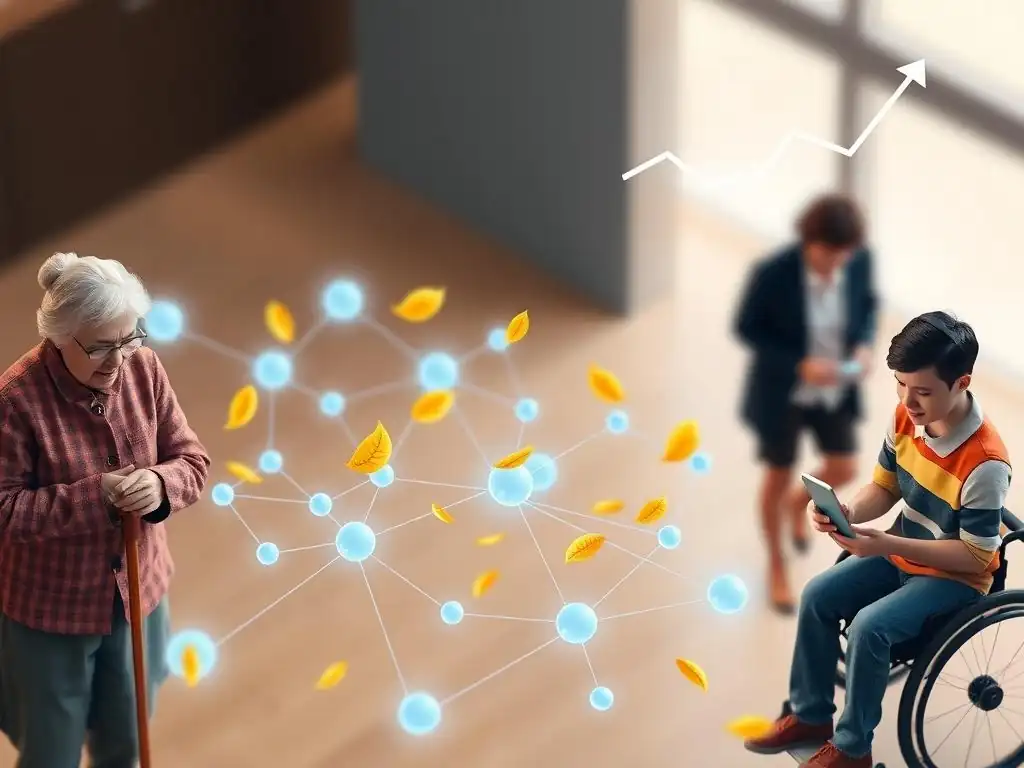
Blockchain for Refugee Aid Distribution in Jordan
The World Food Programme (WFP) has implemented a blockchain-based system called "Building Blocks" in refugee camps in Jordan to distribute food aid. This innovative program utilizes blockchain to provide Syrian refugees with digital identities and facilitate direct cash transfers via iris scans. Instead of relying on traditional paper vouchers or cash distributions, refugees can purchase food at participating stores using their iris scans, with transactions recorded on a private Ethereum blockchain. This system has significantly reduced transaction costs, improved efficiency, and enhanced security in aid distribution.
Building Blocks has demonstrated the potential of blockchain to streamline humanitarian aid and empower beneficiaries. By eliminating intermediaries and manual processes, WFP has reduced transaction fees by over 98% compared to traditional banking methods. The system has also improved transparency and accountability, as all transactions are recorded on the blockchain and auditable by WFP and donors. Furthermore, the use of biometric identification enhances security and prevents fraud, ensuring that aid reaches the intended recipients. The success of Building Blocks in Jordan serves as a compelling real-world example of how blockchain benefits social welfare in complex humanitarian settings.
Blockchain for Land Titling in Georgia
The government of Georgia has partnered with blockchain technology companies to implement a blockchain-based land registry system. Traditional land titling systems in many countries are plagued by inefficiencies, corruption, and disputes over ownership. Georgia's initiative leverages blockchain to create a secure and transparent digital land registry, making land ownership records immutable and easily verifiable. This system aims to reduce fraud, simplify land transactions, and enhance property rights for citizens.
By digitizing and securing land records on a blockchain, Georgia is increasing transparency and reducing the potential for corruption in land administration. The immutability of blockchain ensures the integrity of land ownership data, preventing tampering or fraudulent alterations. The system also streamlines land transactions, making it easier and faster for citizens to buy, sell, or transfer property.
This initiative demonstrates how blockchain can improve governance and enhance social welfare by securing property rights and promoting economic development through a more transparent and efficient land administration system. This case highlights the broader applications of blockchain benefits social welfare beyond direct aid distribution.
Blockchain for Healthcare Benefit Management in Estonia
Estonia, a global leader in digital governance, has explored the use of blockchain for healthcare benefit management. Estonia's e-Health system leverages blockchain to secure patient data, track medical records, and manage healthcare benefits in a transparent and efficient manner. Blockchain is used to ensure the integrity and confidentiality of patient data, while also streamlining administrative processes related to healthcare benefit claims and reimbursements. This initiative aims to improve the efficiency of the healthcare system, reduce administrative costs, and enhance patient privacy and data security.
Estonia's experience demonstrates how blockchain can be integrated into existing digital infrastructure to enhance public services and improve citizen welfare. By leveraging blockchain for healthcare benefit management, Estonia is creating a more secure, efficient, and patient-centric healthcare system. The use of blockchain ensures the integrity and auditability of healthcare data, while also streamlining administrative processes and reducing the potential for fraud or errors.
This example showcases the potential of blockchain to improve the delivery of essential public services and contribute to overall social well-being through enhanced data security and process efficiency. Estonia’s approach underscores how blockchain benefits social welfare by strengthening public service delivery.
Increased Trust and Accountability in Government Programs
Implementing blockchain in social welfare programs fosters increased trust and accountability in government initiatives. The inherent transparency and immutability of blockchain technology provide a verifiable record of all transactions and activities, making it easier for citizens to track how public funds are being used and ensuring that programs are operating as intended. This transparency builds confidence in government institutions and reduces the perception of corruption or mismanagement. By demonstrating responsible stewardship of public resources, blockchain can enhance public trust and strengthen the relationship between governments and citizens.
Furthermore, blockchain promotes accountability by creating an auditable trail of actions and decisions within social welfare programs. This auditability makes it easier to identify and address any irregularities or discrepancies, holding responsible parties accountable for their actions. The immutable nature of blockchain records ensures that data cannot be tampered with or altered, providing a reliable basis for audits and performance evaluations.
This increased accountability not only deters corruption but also encourages efficiency and effectiveness in program implementation, ultimately leading to better outcomes for beneficiaries and a more trustworthy social welfare system. The core benefit is that blockchain benefits social welfare by enhancing trust and accountability.
Reduced Operational Costs and Improved Resource Allocation
Blockchain technology has the potential to significantly reduce operational costs associated with social welfare programs. By automating processes, eliminating intermediaries, and streamlining data management, blockchain can minimize administrative overhead and transaction fees. Smart contracts can automate benefit disbursement, reducing the need for manual processing and bureaucratic delays. Decentralized payment systems can bypass traditional banking infrastructure, lowering transaction costs and improving efficiency. These cost savings can free up resources that can be redirected to directly benefit beneficiaries or expand program reach.
Moreover, blockchain can improve resource allocation by providing better data and insights into program performance and beneficiary needs. Real-time data on benefit disbursement, program utilization, and beneficiary outcomes can be collected and analyzed to optimize resource allocation and improve program effectiveness. This data-driven approach enables governments and program administrators to make informed decisions about resource allocation, ensuring that funds are directed to where they are most needed and have the greatest impact.
By reducing operational costs and improving resource allocation, blockchain can enhance the efficiency and sustainability of social welfare programs, maximizing their impact and reach. This economic advantage is a key way blockchain benefits social welfare.
Empowering Beneficiaries with Greater Control Over Their Data
Blockchain-based social welfare solutions can empower beneficiaries with greater control over their personal data. Self-sovereign digital identities stored on a blockchain give individuals ownership and control over their identity information. Beneficiaries can decide who has access to their data and for what purposes, enhancing privacy and data security. This is particularly important for vulnerable populations who may be at risk of data exploitation or misuse. Empowering beneficiaries with control over their data fosters trust and promotes a more equitable and respectful relationship between social welfare programs and the individuals they serve.
Furthermore, blockchain can facilitate data portability and interoperability, enabling beneficiaries to seamlessly access social welfare services across different programs and agencies. With a blockchain-based digital identity, beneficiaries can avoid repeatedly providing the same information to different government agencies or NGOs. This streamlines access to services and reduces bureaucratic burden for beneficiaries. By empowering beneficiaries with greater control over their data and facilitating data portability, blockchain contributes to a more user-centric and empowering social welfare system that respects individual privacy and promotes digital inclusion. This focus on individual empowerment is another significant way blockchain benefits social welfare.
Fostering Financial Inclusion and Economic Empowerment
Blockchain technology can play a crucial role in fostering financial inclusion and economic empowerment for vulnerable populations through social welfare programs. Decentralized payment systems and digital wallets, enabled by blockchain, can provide access to financial services for unbanked individuals. Beneficiaries can receive and manage social welfare benefits directly through their digital wallets, without needing traditional bank accounts. This expands financial inclusion and provides access to a range of financial services, such as savings, remittances, and micro-loans, empowering individuals to participate more fully in the formal economy.
Moreover, blockchain can facilitate economic empowerment by creating opportunities for beneficiaries to participate in digital economies and access new markets. Digital identities and secure payment systems can enable beneficiaries to engage in e-commerce, access online education and training, and participate in micro-entrepreneurship initiatives. By fostering financial inclusion and economic empowerment, blockchain can help break cycles of poverty and create pathways to sustainable livelihoods for vulnerable populations, transforming social welfare from a safety net to a springboard for economic opportunity. This potential for economic empowerment is a transformative way blockchain benefits social welfare.
Scalability and Interoperability of Blockchain Solutions
Scalability and interoperability are critical challenges to consider when adopting blockchain solutions for social welfare. Many existing blockchain platforms face limitations in transaction throughput and network capacity, which may hinder their ability to handle the large volumes of transactions required for large-scale social welfare programs. As the number of beneficiaries and transactions increases, blockchain networks need to be able to scale efficiently to maintain performance and avoid bottlenecks. Scalability solutions, such as layer-2 protocols and sharding, are being developed to address these limitations, but their maturity and suitability for social welfare applications need to be carefully evaluated.
Interoperability is another important consideration. Social welfare programs often involve multiple stakeholders, including government agencies, NGOs, and private sector partners, who may use different systems and platforms. Blockchain solutions need to be interoperable with existing systems and platforms to ensure seamless data exchange and integration. Lack of interoperability can create data silos and hinder the effectiveness of blockchain-based social welfare initiatives. Standards and protocols for blockchain interoperability are being developed, but achieving seamless integration across diverse ecosystems remains a significant challenge. Addressing scalability and interoperability is crucial for realizing the full potential of blockchain benefits social welfare at scale.
Data Privacy and Security Concerns
Data privacy and security are paramount concerns when implementing blockchain in social welfare, particularly given the sensitive nature of beneficiary data. While blockchain offers enhanced security features, such as cryptography and immutability, it is not inherently private. Public blockchains are transparent and accessible to anyone, raising concerns about the confidentiality of beneficiary data. Private or permissioned blockchains offer greater control over data access, but still require careful consideration of data privacy regulations and best practices. Implementing robust data encryption, access controls, and data minimization strategies is essential to protect beneficiary privacy in blockchain-based social welfare systems.
Furthermore, security vulnerabilities in blockchain platforms and applications need to be addressed to prevent data breaches and cyberattacks. Smart contracts, if not properly coded and audited, can be vulnerable to exploits. Secure key management and robust cybersecurity measures are crucial to protect blockchain-based social welfare systems from malicious actors.
Balancing transparency and security with data privacy requirements is a complex challenge that requires careful planning, implementation, and ongoing monitoring to ensure the responsible and ethical use of blockchain technology in social welfare. Addressing these privacy and security concerns is essential to ensure blockchain truly benefits social welfare without compromising vulnerable populations.
Regulatory Frameworks and Legal Compliance
The regulatory landscape for blockchain technology is still evolving, and the lack of clear regulatory frameworks and legal compliance standards poses a challenge for blockchain adoption in social welfare. Different jurisdictions have varying approaches to regulating blockchain and cryptocurrencies, creating uncertainty and complexity for organizations implementing blockchain-based social welfare programs across borders. Compliance with data protection regulations, financial regulations, and other relevant laws is essential to ensure the legality and legitimacy of blockchain-based social welfare initiatives.
Furthermore, legal frameworks need to be adapted to accommodate the unique characteristics of blockchain technology, such as smart contracts and decentralized governance. Legal recognition of digital identities and blockchain-based records is crucial for their use in social welfare programs. Collaboration between governments, regulators, and blockchain experts is needed to develop clear and supportive regulatory frameworks that foster innovation while ensuring consumer protection and legal compliance. Navigating the evolving regulatory landscape and ensuring legal compliance are critical considerations for the successful and responsible adoption of blockchain benefits social welfare.
Digital Literacy and Access to Technology for Beneficiaries
Digital literacy and access to technology for beneficiaries are crucial prerequisites for the successful implementation of blockchain-based social welfare programs. Blockchain solutions often rely on digital interfaces, such as smartphones and digital wallets, which may be inaccessible or unfamiliar to vulnerable populations with limited digital literacy or access to technology.
Digital inclusion efforts are necessary to ensure that beneficiaries are able to effectively use and benefit from blockchain-based social welfare services. Providing digital literacy training, affordable access to devices and internet connectivity, and user-friendly interfaces are essential to bridge the digital divide and ensure equitable access to blockchain-enabled social welfare.
Furthermore, cultural and linguistic barriers may also need to be addressed to ensure that blockchain solutions are accessible and culturally appropriate for diverse beneficiary populations. User interfaces and educational materials should be available in multiple languages and tailored to the specific needs and contexts of different communities. Addressing digital literacy and access to technology is crucial for ensuring that blockchain benefits social welfare for all beneficiaries, regardless of their digital skills or socioeconomic background. This focus on inclusivity is key to responsible blockchain implementation in social welfare.
Integration with other Emerging Technologies (AI, IoT)
The future of blockchain in social welfare lies in its integration with other emerging technologies, such as Artificial Intelligence (AI) and the Internet of Things (IoT). Combining blockchain with AI can enhance data analysis, automate decision-making, and improve the efficiency and personalization of social welfare programs. AI algorithms can analyze blockchain data to identify beneficiaries in need, predict program outcomes, and optimize resource allocation. AI-powered chatbots can provide personalized support and information to beneficiaries through blockchain-based platforms.
Integration with IoT devices can enable real-time monitoring and verification of social welfare program activities. IoT sensors can track the delivery of food aid, monitor the condition of infrastructure projects, or verify beneficiary participation in training programs, with data recorded securely on the blockchain. This integration of blockchain, AI, and IoT can create smart and responsive social welfare systems that are more efficient, effective, and impactful in addressing social needs. This synergistic approach will amplify how blockchain benefits social welfare through advanced technologies.
The trend towards decentralization is likely to accelerate in the future of social welfare, with the development of decentralized social welfare platforms powered by blockchain. These platforms can operate independently of centralized government agencies or intermediaries, fostering greater transparency, accountability, and resilience. Decentralized autonomous organizations (DAOs) can be used to govern social welfare platforms, enabling community participation and distributed decision-making. Decentralized platforms can also facilitate peer-to-peer aid distribution, empowering individuals to directly support those in need through transparent and secure blockchain-based systems.
Decentralized social welfare platforms can enhance resilience and reduce reliance on centralized authorities, particularly in crisis situations or areas with weak governance. These platforms can also foster greater innovation and experimentation in social welfare service delivery, as they are less constrained by bureaucratic processes and legacy systems. The development of decentralized social welfare platforms represents a significant opportunity to reimagine social safety nets and create more equitable and participatory systems of support. This move towards decentralization is a key future direction for how blockchain benefits social welfare.
The application of blockchain in social welfare is expected to expand beyond current use cases to address new areas of social need. Blockchain can be used to improve access to education, healthcare, and housing for vulnerable populations. Blockchain-based platforms can facilitate secure and verifiable digital credentials for education and skills training, enhancing employability and access to job opportunities. Blockchain can also be used to manage healthcare records, track pharmaceutical supply chains, and facilitate access to telemedicine services in underserved areas. In housing, blockchain can be used for land titling, property management, and transparent allocation of affordable housing units.
Furthermore, blockchain can be applied to address emerging social challenges, such as climate change, inequality, and social exclusion. Blockchain-based carbon credit markets can incentivize sustainable practices and promote environmental conservation. Blockchain can be used to track and verify ethical supply chains, promoting fair labor practices and combating human trafficking. By expanding its applications to new areas of social need, blockchain can contribute to building a more just and sustainable society, demonstrating the broad and evolving ways blockchain benefits social welfare.
Blockchain technology presents a transformative opportunity to revolutionize social welfare systems and build a more equitable and efficient social safety net. By addressing critical challenges related to transparency, efficiency, fraud, and data security, blockchain offers a pathway to enhance the impact and reach of social programs. From securing digital identities and streamlining benefit delivery to tracking supply chains and fostering financial inclusion, the applications of blockchain in social welfare are diverse and far-reaching. While challenges related to scalability, privacy, regulation, and digital literacy need to be addressed, the potential benefits of blockchain for social welfare are undeniable.
Embracing blockchain technology requires a collaborative effort from governments, NGOs, technology providers, and beneficiaries. Pilot projects and real-world implementations are demonstrating the feasibility and effectiveness of blockchain-based social welfare solutions. Continued innovation, research, and policy development are essential to unlock the full potential of blockchain and ensure its responsible and ethical application in social welfare. By embracing blockchain, we can build more transparent, efficient, and equitable social safety nets that effectively serve vulnerable populations and contribute to a more just and prosperous world, realizing the promise of how blockchain benefits social welfare for all.
Frequently Asked Questions
Blockchain's immutable ledger allows for a permanent and auditable record of every transaction, making it difficult to manipulate or falsify records related to benefit distribution. This increased transparency can help prevent fraud and ensure funds are used as intended.
Blockchain can automate benefit disbursement through smart contracts, reducing administrative overhead and delays. It can also streamline identity verification and eligibility checks, leading to faster and more efficient service delivery for recipients.
Yes, the transparent and auditable nature of blockchain makes it harder to divert funds or engage in corrupt practices. Every transaction is recorded on the blockchain, creating a clear trail of accountability that can deter corruption.
Challenges include the cost of implementation, the need for technical expertise, and concerns about data privacy and security. Ensuring access and digital literacy for all beneficiaries is also crucial.
By providing a transparent and verifiable record of all transactions, blockchain can increase public trust in the integrity of social welfare programs. This enhanced accountability can lead to greater public support and participation.
Final Reflection: Embracing Blockchain for a More Equitable Future
The exploration of blockchain's potential to revolutionize social welfare is not merely a theoretical exercise; it's a critical imperative in an era demanding greater transparency and accountability. The challenges of traditional benefit distribution systems – fraud, inefficiency, and lack of trust – are starkly illuminated by the promise of blockchain's immutable ledger and decentralized architecture. This technology offers a pathway to not only streamline processes but also to empower beneficiaries with greater control over their own data and resources.
The ongoing influence of blockchain on the social landscape is undeniable, though still in its nascent stages. Witnessing the potential for this technology to alleviate suffering and promote social justice is deeply inspiring, fueling a desire to see its responsible and ethical implementation. Technology is nothing. What's important is that you have a faith in people, that they're basically good and smart, and if you give them tools, they'll do wonderful things with them.
- Steve Jobs. This quote encapsulates the hope that, with the right tools, we can build a more just and equitable world.
Now, consider how you can contribute to this transformative movement. Reflect on the ways in which you can advocate for the responsible adoption of blockchain technology in social welfare initiatives. Whether it's through supporting research, engaging in policy discussions, or simply spreading awareness, your actions can help pave the way for a future where blockchain truly unlocks its potential to improve the lives of the most vulnerable among us. Let us all strive to build a world where technology serves humanity, ensuring that the blockchain benefits social welfare for generations to come.
Thank you for exploring how blockchain technology can revolutionize social welfare. We hope this article has empowered you with a clearer understanding of its potential to enhance transparency and efficiency in benefit distribution. Now, let's turn that knowledge into action.
Here are a few ways you can contribute:
- Research a specific social welfare program in your community and brainstorm how blockchain could improve its operations. This is your primary action — get thinking and innovating!
- Share this article on social media and start a conversation with your network about the ethical implications and opportunities of blockchain in social welfare.
- Explore other articles to discover more applications of blockchain technology and join our community forum to connect with other enthusiasts.
What are some of the biggest hurdles you foresee in implementing blockchain for social welfare, and what innovative solutions can we collectively develop? Let’s discuss in the comments below!
Leave a Reply