
Blockchain Transparency in Action: RealWorld Examples and Success Stories


Welcome to Blockchain Trends, your definitive source for unraveling the transformative power of blockchain beyond the hype. Are you ready to witness how blockchain is revolutionizing industries and governance? Dive into our latest exploration of blockchain transparency, where we uncover real-world examples that showcase its profound impact. Discover how enhanced accountability and immutability are reshaping sectors and building trust. Intrigued? Let's explore the success stories and challenges together, opening a window into the future of decentralized systems.
Blockchain Transparency in Action: Real-World Examples and Success Stories
- Introduction: Understanding Blockchain Transparency and Its Importance
-
Blockchain Transparency Real-World Examples: Case Studies
- Supply Chain Transparency: Tracking Goods from Origin to Consumer
- Voting Systems: Enhancing Election Integrity with Blockchain
- Healthcare: Securing and Sharing Medical Records with Blockchain
- Financial Services: Improving Transparency in Financial Transactions
- Government Applications: Promoting Open Governance and Public Trust
- Success Stories: Quantifiable Results of Blockchain Transparency
- Addressing the Challenges of Blockchain Transparency
- The Future of Blockchain Transparency: Trends and Predictions
- Conclusion: Embracing Blockchain for a More Transparent Future
-
Frequently Asked Questions
- What are some real-world examples of blockchain transparency outside of cryptocurrencies?
- How does blockchain technology enhance transparency in a way that traditional systems can't?
- What role does blockchain transparency play in the context of Decentralized Finance ( DeFi)?
- Are there any challenges associated with achieving true blockchain transparency in real-world applications?
- How can businesses leverage blockchain transparency to build trust and improve their operations?
- Final Reflection: Embracing Blockchain's Transparent Future
Introduction: Understanding Blockchain Transparency and Its Importance
Defining Blockchain Transparency: Beyond the Hype
Blockchain transparency, at its core, refers to the ability to openly and verifiably inspect the transactions recorded on a blockchain network. Unlike traditional systems where data is often siloed and access-controlled, blockchains offer a shared, immutable ledger where every transaction is cryptographically secured and linked to the previous one.
This inherent design means that once data is recorded on a blockchain, it cannot be altered or deleted, and its history is permanently auditable. While often associated with cryptocurrencies, the concept of blockchain transparency extends far beyond digital currencies, offering profound implications for various industries and sectors seeking to enhance trust and accountability.
However, it's crucial to understand that "transparency" in the blockchain context is nuanced. Public blockchains, like Bitcoin and Ethereum, offer a higher degree of transparency as transaction details are publicly accessible to anyone with an internet connection. In contrast, permissioned or private blockchains restrict access to authorized participants, offering a controlled level of transparency.
Regardless of the type, blockchain transparency offers a significant shift from opaque systems, allowing for greater visibility into processes, data provenance, and operational integrity. This fundamental shift is what underpins the growing interest in applying blockchain technology to solve real-world problems that demand enhanced trust and openness.
Why Transparency Matters: The Benefits of Blockchain in Real-World Applications
Transparency, facilitated by blockchain technology, offers a multitude of benefits across diverse real-world applications. One of the most significant advantages is the enhanced trust it fosters among stakeholders. In supply chains, for instance, consumers can verify the origin and journey of products, building confidence in product authenticity and ethical sourcing. In voting systems, transparent records of ballots can minimize the potential for fraud and increase voter confidence in election integrity. This increased trust is not just a feel-good factor; it can translate directly into tangible benefits like stronger brand reputation, increased customer loyalty, and improved stakeholder relationships.
Beyond trust, blockchain transparency also drives efficiency and reduces costs. By providing a single, shared source of truth, blockchains eliminate the need for intermediaries and reduce the complexities of reconciliation and verification across multiple parties. This streamlining of processes can lead to significant cost savings in areas like financial transactions, supply chain management, and data management.
Furthermore, the immutable nature of blockchain records enhances accountability. Every action is logged and traceable, making it easier to identify responsible parties and resolve disputes. This inherent accountability mechanism is crucial in sectors where regulatory compliance and ethical conduct are paramount, such as healthcare, finance, and government operations.
The Role of Blockchain in Enhancing Accountability
Accountability is intrinsically linked to transparency, and blockchain technology acts as a powerful tool for enhancing it across various sectors. Traditional systems often struggle with accountability due to fragmented data, lack of visibility, and the potential for manipulation or data loss. Blockchain addresses these challenges by creating an immutable and auditable record of all transactions and data exchanges. This means that actions taken within a blockchain-based system are permanently recorded and can be traced back to their origin, fostering a culture of responsibility and deterring unethical behavior.
In practical terms, blockchain-enabled accountability can manifest in numerous ways. Consider pharmaceutical supply chains, where counterfeit drugs pose a significant threat to public health. By tracking medications on a blockchain from manufacturing to dispensing, every step in the supply chain becomes transparent and auditable.
This makes it easier to identify and remove counterfeit products, holding each participant accountable for their role in ensuring drug safety and efficacy. Similarly, in financial services, blockchain can enhance accountability by providing a transparent audit trail of transactions, making it harder to engage in illicit activities like money laundering and fraud. The inherent accountability offered by blockchain not only strengthens operational integrity but also builds greater public confidence in institutions and processes.
Blockchain Transparency Real-World Examples: Case Studies
Supply Chain Transparency: Tracking Goods from Origin to Consumer
Supply chain transparency is rapidly becoming a critical demand from consumers and businesses alike. Consumers are increasingly interested in knowing the origin, ethical sourcing, and journey of the products they purchase, while businesses seek to optimize efficiency, reduce risks, and enhance brand reputation. Blockchain technology offers a powerful solution to achieve end-to-end supply chain visibility by creating a shared, immutable record of product information at each stage of the journey, from raw materials to the final consumer. This enhanced transparency allows for improved tracking, traceability, and accountability throughout the entire supply chain ecosystem.
By leveraging blockchain, companies can record key data points such as product origin, manufacturing dates, certifications, ownership transfers, and shipping information. This data is securely stored on the blockchain and can be accessed by authorized participants, providing a single source of truth that is resistant to manipulation.
This level of transparency not only benefits consumers by empowering them to make informed purchasing decisions but also helps businesses to identify inefficiencies, detect counterfeit products, and respond quickly to disruptions in the supply chain. The adoption of blockchain for supply chain transparency is transforming industries ranging from food and agriculture to fashion and pharmaceuticals, fostering greater trust and efficiency.
Case Study: Provenance and Tuna Tracking
Provenance, a technology platform focused on supply chain transparency, has implemented blockchain solutions to track tuna from the fishing boat to the consumer's plate. The initiative addresses growing concerns about overfishing, illegal fishing practices, and seafood fraud within the tuna industry. By utilizing blockchain, Provenance enables consumers to scan a QR code on a tuna product and access a wealth of information about its journey, including where and when it was caught, the fishing method used, and certifications related to sustainability and fair labor practices.
This real-world application of blockchain transparency has had a significant impact. For instance, in a pilot project, Provenance partnered with a seafood supplier to track tuna caught in the Pacific Ocean. Consumers were able to see the specific vessel that caught their tuna, the date of the catch, and even the fishing community involved.
This level of detail not only builds consumer trust but also empowers responsible fishing practices by creating a direct link between consumers and sustainable sources. Early results from Provenance's tuna tracking initiative have shown a significant increase in consumer engagement and a positive impact on brand perception for participating seafood companies, demonstrating the tangible benefits of blockchain-enabled supply chain transparency.
Improved Traceability and Reduced Counterfeiting
The enhanced traceability offered by blockchain in supply chains directly contributes to a significant reduction in counterfeiting. Traditional supply chains, with their multiple intermediaries and paper-based systems, are vulnerable to fraud and the introduction of counterfeit goods. Blockchain's immutable ledger and ability to track products at each step provide a robust mechanism to verify product authenticity and identify points of origin and ownership. This makes it significantly harder for counterfeiters to introduce fake products into the supply chain unnoticed.
Consider the pharmaceutical industry, where counterfeit drugs pose a serious threat to public health. By implementing blockchain-based tracking systems, pharmaceutical companies can create a verifiable record of every batch of medication, from manufacturing to distribution. This allows regulators, distributors, and even consumers to verify the authenticity of drugs and identify potentially counterfeit products.
Similarly, in the luxury goods industry, blockchain can be used to combat the proliferation of fake designer items. By embedding unique digital identities on products and tracking them on a blockchain, brands can provide consumers with a way to verify the authenticity of their purchases, protecting both brand reputation and consumer trust. The proactive use of blockchain for traceability is emerging as a powerful weapon in the fight against counterfeiting across diverse industries.
Voting Systems: Enhancing Election Integrity with Blockchain
Election integrity is a cornerstone of democratic societies, and blockchain technology is being explored as a potential solution to enhance the transparency and security of voting processes. Traditional voting systems often face challenges related to voter fraud, ballot manipulation, and lack of public trust in the accuracy of results. Blockchain's inherent transparency and immutability offer a compelling approach to address these concerns by creating a verifiable and auditable record of every vote cast.
By utilizing blockchain, voting systems can provide a public and transparent ledger of ballots, making it significantly more difficult to tamper with votes or manipulate election outcomes. While maintaining voter privacy through anonymization techniques, blockchain can offer a level of transparency that is not achievable with traditional paper-based or electronic voting systems. This enhanced transparency can build greater public confidence in the fairness and accuracy of elections, which is crucial for a healthy democracy. The application of blockchain in voting systems is an evolving field, but the potential to strengthen election integrity through transparency is undeniable.
Secure and Transparent Voting Processes
Blockchain technology can contribute to more secure and transparent voting processes in several key ways. Firstly, the immutable nature of the blockchain ledger ensures that once a vote is recorded, it cannot be altered or deleted, preventing ballot stuffing or manipulation after the fact. Secondly, the decentralized nature of blockchain reduces the risk of single points of failure or centralized control, making the system more resistant to hacking or external interference. Thirdly, the cryptographic security inherent in blockchain technology provides a robust mechanism for verifying voter identity and preventing unauthorized voting.
Furthermore, blockchain can enhance transparency by providing a publicly auditable record of all cast votes. While maintaining voter anonymity, the system can allow independent verification of the total number of votes cast and the overall election results. This level of transparency can significantly reduce the potential for perceived or actual fraud, increasing voter confidence in the electoral process. While challenges related to scalability, accessibility, and voter education need to be addressed, blockchain's potential to create more secure and transparent voting systems is attracting increasing attention from electoral authorities and technology innovators.
Case Study: Voatz and Mobile Voting
Voatz is a mobile voting platform that utilizes blockchain technology to enhance the security and accessibility of elections. It aims to make voting more convenient and secure, particularly for groups like military personnel stationed overseas and voters with disabilities who may face barriers to traditional polling places. Voatz employs biometrics and blockchain to verify voter identity and securely record votes, providing a transparent and auditable record of election results.
While Voatz has been used in several smaller-scale elections and pilot programs, including municipal elections and party primaries in the United States, it has also faced scrutiny regarding its security claims and the overall viability of mobile voting. Despite the ongoing debates and security audits, Voatz represents a real-world attempt to apply blockchain to voting and demonstrates the potential to increase voter accessibility and transparency.
The case of Voatz highlights both the promise and the challenges of implementing blockchain-based voting systems, emphasizing the need for rigorous security measures, independent audits, and broad stakeholder consensus before widespread adoption in large-scale elections.
Healthcare: Securing and Sharing Medical Records with Blockchain
The healthcare industry generates vast amounts of sensitive patient data, and ensuring the security, privacy, and interoperability of medical records is paramount. Blockchain technology offers a promising approach to address these challenges by providing a secure, decentralized, and transparent platform for managing and sharing healthcare information. Traditional healthcare data systems are often fragmented, siloed, and vulnerable to data breaches. Blockchain can create a more unified and secure infrastructure for patient data, empowering patients with greater control over their medical records and facilitating seamless data exchange between healthcare providers.
By leveraging blockchain, healthcare providers can create a patient-centric system where individuals have ownership and control over their medical data. Patients can grant permissioned access to their records to doctors, hospitals, and other authorized parties, while maintaining privacy and security. Furthermore, blockchain can enhance interoperability between different healthcare systems, enabling seamless data sharing and reducing administrative burdens. This improved data management can lead to better patient care, reduced medical errors, and increased efficiency within the healthcare ecosystem.
Enhancing Data Privacy and Interoperability
Blockchain technology can significantly enhance both data privacy and interoperability within the healthcare sector. In terms of privacy, blockchain does not store the actual medical records on the ledger itself. Instead, it stores encrypted hashes of the data and access permissions. This means that the sensitive medical information remains off-chain, while the blockchain acts as a secure and auditable index, controlling access and ensuring data integrity. Patients have granular control over who can access their records and for how long, enhancing their privacy rights.
Regarding interoperability, blockchain can act as a bridge between disparate healthcare systems that often struggle to communicate with each other. By establishing a shared, standardized platform for data exchange, blockchain can facilitate seamless data flow between hospitals, clinics, pharmacies, and other healthcare providers. This improved interoperability reduces data silos, eliminates redundant data entry, and allows healthcare professionals to have a more complete and holistic view of patient medical history, leading to better informed diagnoses and treatment decisions. The potential of blockchain to improve data privacy and interoperability is driving significant interest and investment in healthcare applications.
Case Study: MedRec and Patient Data Management
MedRec, developed by MIT Media Lab, is a pioneering blockchain-based system designed for patient-centric medical record management. MedRec aims to empower patients with ownership and control over their medical data while providing a secure and interoperable platform for data sharing among healthcare providers. The system uses blockchain to manage patient identities, track data provenance, and control access permissions, ensuring data privacy and security.
In the MedRec model, patients have a unified view of their medical records across different healthcare providers. They can grant permissioned access to their doctors, researchers, or other authorized parties, allowing for seamless data sharing while maintaining patient privacy. MedRec demonstrates the feasibility of using blockchain to create a patient-controlled and interoperable healthcare data ecosystem. While MedRec is still in development and research phase, it serves as a compelling example of how blockchain technology can revolutionize patient data management and address critical challenges related to privacy, security, and interoperability in healthcare.
Financial Services: Improving Transparency in Financial Transactions
The financial services industry is built on trust, yet traditional financial systems often lack transparency, leading to concerns about illicit activities, market manipulation, and systemic risks. Blockchain technology offers the potential to enhance transparency in financial transactions, improve regulatory compliance, and build greater trust in the financial system. From cross-border payments to securities trading, blockchain's transparent and auditable ledger can bring greater visibility to financial flows and reduce opacity in complex financial operations.
By utilizing blockchain, financial institutions can create transparent audit trails of transactions, making it easier to track funds, verify identities, and detect suspicious activities. This enhanced transparency can strengthen anti-money laundering (AML) efforts, improve Know Your Customer (KYC) compliance, and reduce the risk of financial fraud. Furthermore, blockchain can streamline financial processes, reduce costs, and improve efficiency in areas like payments, trade finance, and securities settlement. The adoption of blockchain in financial services is driven by the need for greater transparency, efficiency, and security in an increasingly complex and interconnected global financial system.
Blockchain for Anti-Money Laundering (AML) and Know Your Customer (KYC) Compliance
Blockchain technology offers significant advantages in enhancing Anti-Money Laundering (AML) and Know Your Customer (KYC) compliance within the financial services sector. Traditional AML and KYC processes are often cumbersome, costly, and inefficient, relying on manual data collection, verification, and sharing across multiple institutions. Blockchain can streamline these processes by creating a shared, secure, and transparent platform for identity verification and transaction monitoring.
For KYC, blockchain can enable the creation of self-sovereign digital identities that individuals control and can selectively share with financial institutions. This reduces redundant KYC checks and improves customer onboarding efficiency. For AML, blockchain's transparent ledger provides a detailed audit trail of transactions, making it easier to track the flow of funds and identify suspicious patterns. By utilizing blockchain-based analytics tools, financial institutions can enhance their ability to detect and prevent money laundering activities. The increased transparency and efficiency offered by blockchain can significantly strengthen AML and KYC compliance, reducing risks and improving regulatory adherence within the financial industry.
Case Study: Ripple and Cross-Border Payments
Ripple is a real-world example of blockchain technology being used to improve transparency and efficiency in cross-border payments. Traditional cross-border payment systems are often slow, expensive, and opaque, involving multiple intermediaries and correspondent banks. Ripple's blockchain-based payment protocol, XRP Ledger, aims to streamline cross-border payments by providing faster, cheaper, and more transparent transactions.
Ripple's network connects banks and payment providers, enabling them to send and receive payments directly and transparently using XRP as a bridge currency. The XRP Ledger provides real-time settlement and visibility into transaction status, reducing settlement times from days to seconds and lowering transaction costs compared to traditional systems.
While XRP's regulatory status and market volatility have been subjects of debate, Ripple's technology demonstrates the potential of blockchain to enhance transparency and efficiency in cross-border payments. Financial institutions around the world are exploring and adopting Ripple's solutions to improve their payment infrastructure and offer faster, more transparent, and cost-effective cross-border payment services to their customers.
Government Applications: Promoting Open Governance and Public Trust
Governments worldwide are exploring the potential of blockchain technology to enhance transparency, efficiency, and public trust in government operations. Traditional government systems often face challenges related to bureaucratic processes, lack of transparency, and susceptibility to corruption. Blockchain can offer solutions to these challenges by creating more open, accountable, and citizen-centric government services. From land registry and identity management to supply chain tracking and voting, blockchain applications in government are diverse and hold the potential to transform public administration and governance.
By leveraging blockchain, governments can create transparent and immutable records of public data, transactions, and processes. This can increase public trust by providing citizens with greater visibility into government operations and reducing opportunities for corruption. Furthermore, blockchain can streamline government services, reduce administrative costs, and improve efficiency in areas like public procurement, social welfare distribution, and citizen identity management. The adoption of blockchain in government is still in its early stages, but the potential to promote open governance and enhance public trust is driving significant interest and pilot projects globally.
Blockchain for Land Registry and Identity Management
Blockchain technology is particularly well-suited for applications like land registry and identity management within government. Traditional land registry systems are often paper-based, inefficient, and prone to fraud and disputes. Blockchain can create a secure, transparent, and immutable digital record of land ownership, simplifying land transactions, reducing disputes, and increasing transparency in land administration. Similarly, in identity management, blockchain can provide a secure and self-sovereign digital identity for citizens, empowering individuals with greater control over their personal data and streamlining access to government services.
For land registry, blockchain can create a tamper-proof record of property ownership, transaction history, and land boundaries. This reduces the risk of fraud, simplifies property transfers, and increases transparency in land markets. For identity management, blockchain can enable citizens to control their digital identities and selectively share their information with government agencies and other service providers. This enhances privacy, reduces identity theft, and streamlines access to government services. Governments in countries like Georgia and Sweden have already implemented blockchain-based land registry systems, demonstrating the real-world feasibility and benefits of these applications.
Case Study: Estonia and e-Residency
Estonia is a global leader in digital governance and has been at the forefront of exploring and implementing blockchain technology in government services. One of Estonia's most notable blockchain initiatives is its e-Residency program, which allows individuals from anywhere in the world to become digital residents of Estonia and access Estonian digital services, including business registration, banking, and online tax filing. Blockchain plays a crucial role in securing and verifying digital identities within the e-Residency program.
Estonia utilizes blockchain to ensure the integrity and security of its digital services and government data. Key government services, including health records, judicial records, and business registry data, are secured using blockchain technology to prevent tampering and ensure data integrity. Estonia's e-Residency program and its broader adoption of blockchain in government serve as a leading case study for other nations looking to leverage blockchain to enhance transparency, efficiency, and citizen-centric governance. Estonia's experience demonstrates the practical benefits of blockchain in building a more transparent and trustworthy digital government.
Success Stories: Quantifiable Results of Blockchain Transparency
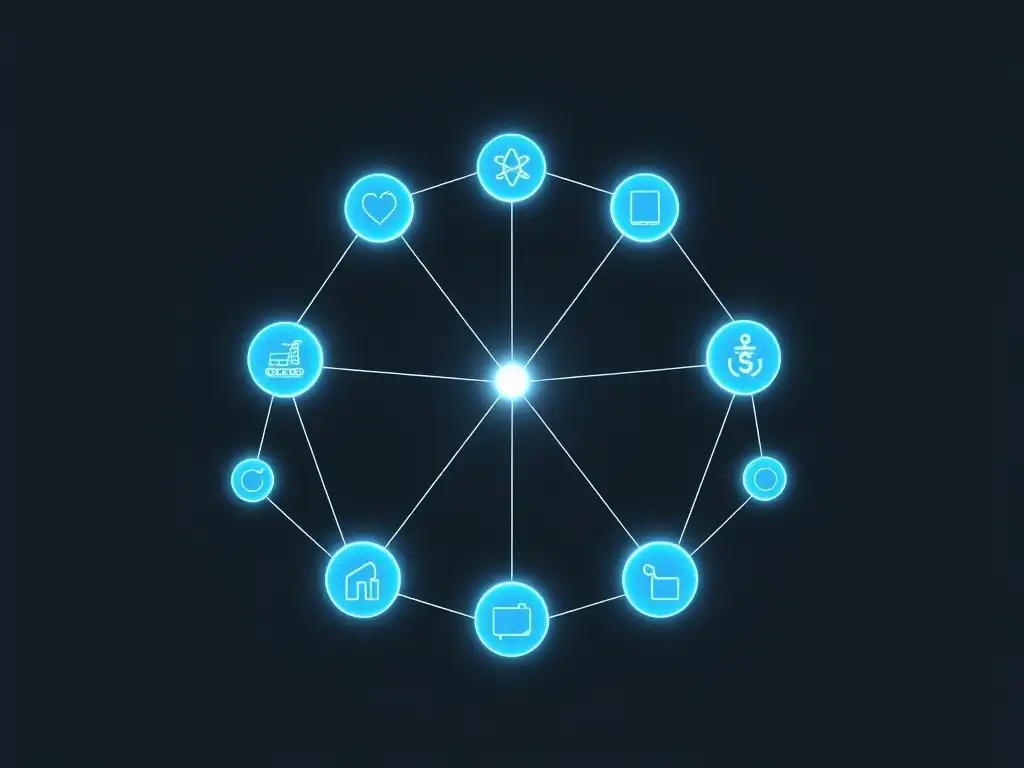
Measuring the Impact: Key Performance Indicators (KPIs) for Blockchain Transparency Initiatives
Quantifying the impact of blockchain transparency initiatives requires defining relevant Key Performance Indicators (KPIs) that reflect the specific goals of each application. For supply chain transparency, KPIs might include metrics like improved product traceability, reduced counterfeiting rates, faster recall times, and increased consumer trust as measured by surveys and brand perception studies. In voting systems, KPIs could focus on voter turnout, reduced incidence of voting irregularities, and increased public confidence in election integrity. For healthcare data management, KPIs might include improved data interoperability, reduced data breaches, and increased patient satisfaction with data access and control.
Selecting appropriate KPIs is crucial for demonstrating the value and ROI of blockchain transparency initiatives. These KPIs should be specific, measurable, achievable, relevant, and time-bound (SMART). Furthermore, it's important to establish baseline metrics before implementing blockchain solutions to accurately measure the changes and improvements achieved. By tracking and analyzing relevant KPIs, organizations can demonstrate the tangible benefits of blockchain transparency and justify investments in these technologies.
Increased Efficiency and Reduced Costs: Data-Driven Evidence
One of the key quantifiable benefits of blockchain transparency is increased efficiency and reduced costs across various applications. In supply chains, for example, studies have shown that blockchain-based tracking systems can significantly reduce administrative overhead associated with manual data entry, paperwork, and reconciliation processes. A report by McKinsey estimated that blockchain could reduce supply chain costs by up to 15% by improving efficiency and reducing fraud. Similarly, in financial services, blockchain-based payment systems like Ripple have demonstrated significant reductions in transaction processing times and costs compared to traditional correspondent banking networks.
Data from real-world implementations is starting to emerge, showcasing these efficiency gains. For instance, in trade finance, blockchain platforms are streamlining letter of credit processes, reducing processing times from weeks to days and cutting associated costs by up to 80%, according to industry reports. In healthcare, blockchain-based data exchange platforms are reducing administrative costs associated with medical record retrieval and sharing, leading to more efficient workflows and improved resource allocation within healthcare systems. These data points, while still evolving, provide tangible evidence of the efficiency gains and cost reductions achievable through blockchain transparency.
Enhanced Trust and Improved Stakeholder Engagement
Beyond efficiency and cost savings, blockchain transparency demonstrably enhances trust and improves stakeholder engagement across various sectors. In consumer-facing applications like food supply chains, blockchain-enabled traceability builds consumer confidence by providing verifiable information about product origin, quality, and ethical sourcing. Studies have shown that consumers are willing to pay a premium for products with transparent supply chains, indicating the tangible value of trust and transparency in the marketplace. For example, a Nielsen study found that 73% of consumers are willing to pay more for sustainable goods, and blockchain can play a key role in verifying sustainability claims.
In government applications, blockchain transparency can improve citizen engagement and trust in public institutions. By providing open and auditable records of government processes and public data, blockchain can foster greater accountability and reduce perceptions of corruption. Estonia's e-Residency program, for example, has attracted over 90,000 e-residents from around the world, demonstrating the appeal of transparent and digitally enabled government services. The increased trust and stakeholder engagement fostered by blockchain transparency translate into stronger brand loyalty, improved customer relationships, and greater public confidence in institutions.
Reduction in Tuna Fraud with Provenance's Blockchain Solution
Provenance's blockchain-based tuna tracking solution provides a compelling example of quantifiable success in reducing fraud through supply chain transparency. Prior to Provenance's implementation, the tuna industry faced significant challenges with seafood fraud, including mislabeling of species, origin, and fishing methods. Studies estimated that seafood fraud costs the global economy billions of dollars annually and undermines consumer trust in seafood products.
Provenance's blockchain solution directly addresses this issue by providing consumers with verifiable information about the tuna they purchase, directly from the source. By tracking tuna from catch to consumer using blockchain, Provenance has enabled seafood suppliers to demonstrate the authenticity and sustainability of their products, reducing the potential for fraud and misrepresentation.
While precise figures on the overall reduction in tuna fraud directly attributable to Provenance's blockchain solution are still being compiled, early data and anecdotal evidence from pilot projects indicate a significant decrease in reported instances of mislabeling and an increase in consumer confidence in the tracked tuna products. This real-world example demonstrates the tangible impact of blockchain transparency in combating fraud and building trust in supply chains.
Addressing the Challenges of Blockchain Transparency
Data Privacy Concerns and GDPR Compliance
While blockchain transparency offers numerous benefits, it also raises important data privacy concerns, particularly in light of regulations like the General Data Protection Regulation (GDPR) in Europe. GDPR emphasizes data minimization, purpose limitation, and the right to be forgotten, which can present challenges for the inherently immutable and transparent nature of public blockchains. Storing personal data directly on a public blockchain can conflict with GDPR principles, requiring careful consideration of data privacy implications when designing blockchain solutions.
To address these concerns, various approaches are being explored. One common strategy is to avoid storing sensitive personal data directly on the blockchain. Instead, blockchain can be used to store encrypted hashes of data or pointers to off-chain data repositories where personal information is stored and managed in compliance with GDPR.
Permissioned or private blockchains, with restricted access and greater control over data, can also offer a more privacy-preserving alternative for certain applications. Furthermore, techniques like zero-knowledge proofs and homomorphic encryption are being developed to enable data processing and verification on blockchain without revealing the underlying sensitive information. Navigating data privacy regulations and implementing privacy-preserving techniques are crucial for the responsible adoption of blockchain transparency.
Scalability Issues and Network Congestion
Scalability remains a significant challenge for many blockchain platforms, particularly public blockchains like Bitcoin and Ethereum. As the number of transactions on a blockchain network increases, transaction processing times can slow down, and transaction fees can rise due to network congestion. This scalability limitation can hinder the widespread adoption of blockchain transparency in applications that require high transaction throughput, such as supply chain tracking for high-volume consumer goods or large-scale financial transactions.
Various solutions are being developed to address blockchain scalability. Layer-2 scaling solutions, such as payment channels and sidechains, aim to offload transaction processing from the main blockchain, improving throughput and reducing fees. Sharding, a technique that divides a blockchain network into smaller, parallel shards, is another promising approach to enhance scalability. Furthermore, advancements in blockchain consensus mechanisms, such as Proof-of-Stake, are designed to be more energy-efficient and scalable than Proof-of-Work used by Bitcoin. Overcoming scalability limitations is essential for unlocking the full potential of blockchain transparency and enabling its application in a wider range of real-world scenarios.
The Need for Standardization and Interoperability
The lack of standardization and interoperability across different blockchain platforms is another significant challenge hindering the widespread adoption of blockchain transparency. Currently, numerous blockchain platforms exist, each with its own protocols, data formats, and governance models. This fragmentation makes it difficult for different blockchain systems to communicate and exchange data seamlessly, limiting the potential for interoperable blockchain solutions.
To address this challenge, industry-wide standardization efforts are crucial. Organizations like the International Organization for Standardization (ISO) and the IEEE Standards Association are working on developing blockchain standards to promote interoperability and compatibility across different platforms. Furthermore, initiatives focused on building blockchain bridges and cross-chain communication protocols are emerging to enable data and asset transfers between different blockchains. Achieving greater standardization and interoperability is essential for realizing the full potential of blockchain transparency and creating interconnected blockchain ecosystems that can facilitate seamless data exchange and collaboration across industries and sectors.
Overcoming Obstacles to Widespread Adoption
Despite the numerous benefits of blockchain transparency, several obstacles still hinder its widespread adoption. Beyond the technical challenges of scalability, privacy, and interoperability, there are also organizational, regulatory, and social barriers to overcome. Many organizations are still hesitant to adopt blockchain due to a lack of understanding, perceived complexity, and concerns about regulatory uncertainty. Regulatory frameworks for blockchain technology are still evolving in many jurisdictions, creating uncertainty and potential compliance challenges for businesses considering blockchain adoption.
Furthermore, achieving widespread adoption of blockchain transparency requires overcoming social and cultural barriers. Building trust in new technologies and changing established business processes can be challenging. Education and awareness initiatives are crucial to demystify blockchain technology, highlight its benefits, and address misconceptions. Collaboration between technology providers, industry stakeholders, regulators, and policymakers is essential to create a supportive ecosystem for blockchain adoption and overcome the remaining obstacles to widespread implementation of blockchain transparency solutions.
The Future of Blockchain Transparency: Trends and Predictions
Emerging Technologies: Combining Blockchain with AI and IoT for Enhanced Transparency
The future of blockchain transparency is likely to be shaped by the convergence of blockchain with other emerging technologies like Artificial Intelligence (AI) and the Internet of Things (IoT). Combining blockchain with AI can enhance data analysis and insights derived from transparent blockchain data, enabling more intelligent and automated decision-making. For example, AI algorithms can be used to analyze blockchain transaction data to detect anomalies, predict risks, and optimize supply chain operations.
Integrating blockchain with IoT can further enhance transparency by providing real-time data feeds from connected devices directly onto the blockchain. This can create even more granular and verifiable data trails for supply chain tracking, environmental monitoring, and asset management. For instance, IoT sensors can track the temperature and humidity of perishable goods throughout the supply chain, recording this data directly onto a blockchain for enhanced transparency and quality assurance. The synergy between blockchain, AI, and IoT has the potential to unlock new levels of transparency, automation, and efficiency across various industries.
The Role of Regulation in Fostering Blockchain Transparency
Regulation will play a crucial role in shaping the future of blockchain transparency. As blockchain technology matures and its adoption expands, governments and regulatory bodies are increasingly focusing on developing appropriate regulatory frameworks to govern blockchain applications. These regulations will need to strike a balance between fostering innovation and mitigating risks related to data privacy, security, and financial stability.
Clear and consistent regulations can provide greater certainty and clarity for businesses considering blockchain adoption, encouraging responsible innovation and investment in blockchain transparency solutions. Regulatory frameworks may address areas such as data privacy compliance for blockchain applications, standards for blockchain interoperability, and guidelines for the use of blockchain in regulated industries like finance and healthcare. Proactive and well-designed regulation can be a catalyst for the widespread adoption of blockchain transparency, ensuring that its benefits are realized while mitigating potential risks.
Beyond its commercial applications, blockchain transparency has the potential to be a powerful catalyst for social impact and ethical business practices. By providing verifiable and auditable records of supply chains, charitable donations, and environmental impact, blockchain can empower consumers to make more informed and ethical choices. For example, blockchain can be used to track the provenance of ethically sourced products, verify fair trade certifications, and ensure transparency in charitable giving.
Blockchain transparency can also contribute to greater social accountability and empower marginalized communities. For instance, blockchain-based land registry systems can secure land rights for vulnerable populations, while transparent supply chains can ensure fair wages and working conditions for laborers in developing countries. As awareness of social and environmental issues grows, blockchain transparency can play an increasingly important role in promoting ethical business practices and driving positive social change.
Conclusion: Embracing Blockchain for a More Transparent Future
Key Takeaways: Lessons Learned from Real-World Implementations
Real-world implementations of blockchain transparency have provided valuable lessons. Firstly, successful blockchain transparency initiatives are often driven by clear business objectives and a focus on solving specific problems, such as combating counterfeiting or enhancing supply chain visibility. Secondly, collaboration and ecosystem participation are crucial for effective blockchain implementation. Blockchain networks often require the participation of multiple stakeholders across an industry or supply chain to achieve network effects and realize the full benefits of transparency.
Thirdly, data privacy and security must be prioritized in blockchain transparency solutions, particularly when dealing with sensitive personal or business information. Privacy-preserving techniques and robust security measures are essential for building trust and ensuring regulatory compliance. Finally, ongoing monitoring, evaluation, and adaptation are crucial for the long-term success of blockchain transparency initiatives. Continuously measuring KPIs, gathering feedback, and adapting solutions to evolving needs and challenges are essential for maximizing the value and impact of blockchain transparency.
The Potential of Blockchain to Transform Industries and Societies
Blockchain transparency has the potential to fundamentally transform industries and societies by fostering greater trust, accountability, and efficiency. From supply chains and financial services to healthcare and government, blockchain's transparent and immutable ledger can bring greater visibility and integrity to critical processes and data flows. This transformation can lead to more efficient operations, reduced costs, improved stakeholder engagement, and increased public trust in institutions and systems.
Blockchain transparency is not just a technological innovation; it represents a paradigm shift towards more open, collaborative, and accountable systems. By empowering individuals with greater access to information and control over their data, blockchain can contribute to a more equitable and transparent future. While challenges remain, the real-world examples and success stories demonstrate the transformative potential of blockchain transparency to create a more trustworthy and efficient world.
Call to Action: Encouraging Further Exploration and Adoption of Blockchain Transparency Solutions
The journey towards a more transparent future powered by blockchain is just beginning. Continued exploration, experimentation, and collaboration are essential to unlock the full potential of blockchain transparency and drive its widespread adoption. Businesses, governments, researchers, and individuals are encouraged to further explore the diverse applications of blockchain transparency, experiment with pilot projects, and collaborate on building robust and scalable solutions.
Investing in education and awareness initiatives to demystify blockchain technology and highlight its benefits is crucial for fostering broader understanding and adoption. Furthermore, active participation in standardization efforts and regulatory discussions is essential to shape a supportive ecosystem for blockchain transparency innovation. By embracing a collaborative and proactive approach, we can collectively harness the power of blockchain transparency to build more trustworthy, efficient, and equitable industries and societies for the future.
Frequently Asked Questions
What are some real-world examples of blockchain transparency outside of cryptocurrencies?
Blockchain is being used to improve supply chain transparency, allowing consumers to track products from origin to delivery. Another example is in digital identity management, providing secure and verifiable credentials.
How does blockchain technology enhance transparency in a way that traditional systems can't?
Blockchain's immutable ledger ensures that all transactions are permanently recorded and auditable. This distributed and decentralized nature makes it difficult to tamper with data, increasing trust.
What role does blockchain transparency play in the context of Decentralized Finance ( DeFi)?
In DeFi, smart contracts are transparently auditable, allowing users to verify the logic and execution of financial agreements. This code-is-law transparency fosters trust in decentralized financial services.
Are there any challenges associated with achieving true blockchain transparency in real-world applications?
While blockchain offers potential, challenges include data privacy concerns and the need for standardized data formats to ensure interoperability. Off-chain data integration can also introduce vulnerabilities.
How can businesses leverage blockchain transparency to build trust and improve their operations?
Businesses can use blockchain to demonstrate ethical sourcing, improve traceability of goods, and provide verifiable credentials to customers. This builds trust and enhances brand reputation.
Final Reflection: Embracing Blockchain's Transparent Future
The exploration of real-world blockchain applications reveals that transparency is no longer a theoretical ideal, but a tangible reality reshaping industries. From supply chain management to voting systems, the examples presented demonstrate the profound impact of verifiable and immutable data on trust and efficiency. This shift marks a fundamental change in how we interact with information and conduct business, moving towards a more accountable and equitable future.
The ongoing influence of blockchain transparency is undeniable, fostering a new era of trust and accountability. Witnessing these applications unfold has reinforced my belief in the power of technology to drive positive change. Transparency is not about exposing everything; it's about providing enough information so that others can make informed decisions.
This quote perfectly encapsulates the essence of blockchain's potential, empowering individuals and organizations alike with the tools to navigate an increasingly complex world.
As we conclude this journey through the landscape of blockchain transparency, I invite you to consider how these principles can be applied within your own sphere of influence. How can you leverage the power of verifiable data to build trust, promote accountability, and foster a more transparent world? The future is not just about technology; it's about the values we embed within it. Let us embrace the potential of blockchain to create a future where information is accessible, verifiable, and empowers us all.
Please provide the article content so I can craft a compelling call to action based on its themes. Once I have the text, I will create an effective CTA that aligns with the message.
Leave a Reply