
Data Integrity in the Digital Age: Blockchain as a Solution for Public Record Preservation

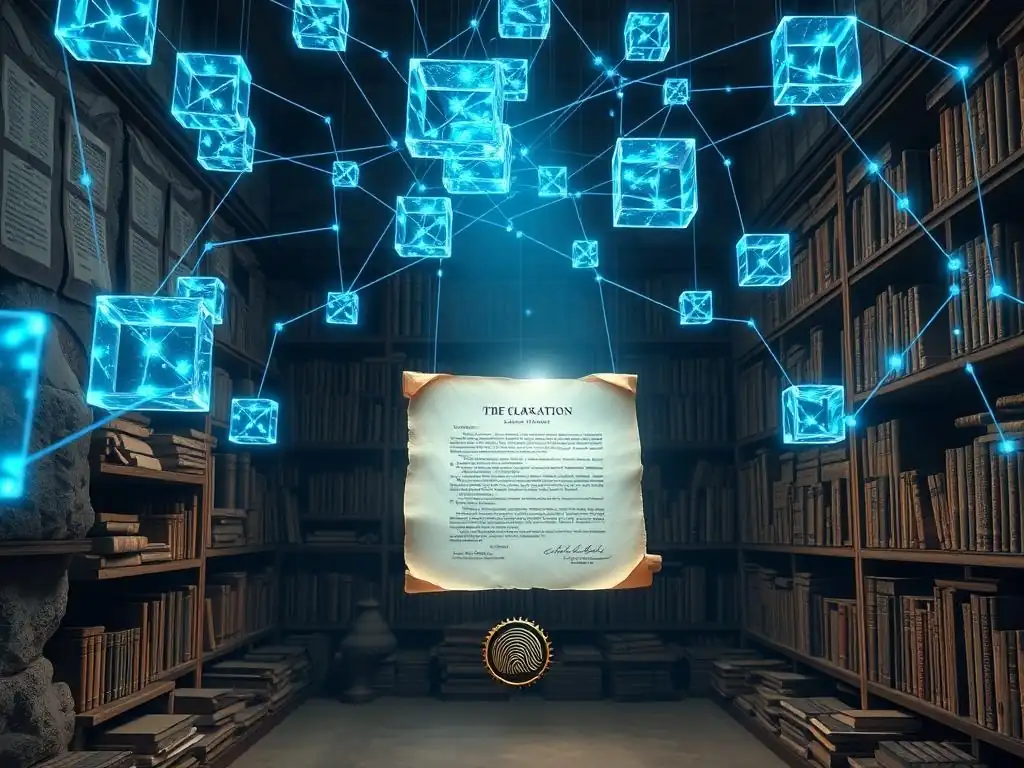
Welcome to Blockchain Trends, your go-to source for understanding the real-world applications of this revolutionary technology. Beyond the hype of cryptocurrencies, blockchain is reshaping industries, governance, and the very fabric of trust.
Are you ready to dive into how this technology is being used to safeguard critical information? This week, we explore blockchain data integrity solutions, focusing on the vital role blockchain plays in ensuring the authenticity and immutability of public records. Discover how this innovative approach is poised to revolutionize data management and transparency in the digital age, and why it's more important than ever. Curious to learn more? Let's begin!
Data Integrity in the Digital Age: Blockchain for Public Record Preservation
- The Growing Need for Reliable Public Record Management
- Blockchain Technology: A Paradigm Shift for Data Integrity
- Blockchain Data Integrity Solutions for Public Records
- Use Cases: Blockchain for Public Records in Action
- Overcoming Challenges in Blockchain Adoption for Public Records
- The Future of Public Record Preservation: Blockchain and Beyond
- Conclusion: Blockchain as a Cornerstone of Data Integrity in Public Governance
-
Frequently Asked Questions
- What exactly are blockchain data integrity solutions and how do they apply to public records?
- How does blockchain ensure the data integrity of public records compared to traditional databases?
- What are some real-world examples of using blockchain for public record preservation?
- What are the potential challenges in implementing blockchain data integrity solutions for public records?
- What is the future outlook for blockchain data integrity solutions in the context of digital record keeping?
- Final Reflection: Securing Truth in a Digital World
- Secure the Future: Start Preserving History Today!
The Growing Need for Reliable Public Record Management
Challenges in Maintaining Data Integrity in Traditional Systems
Traditional systems for managing public records, often centralized and paper-based or relying on legacy digital databases, face significant challenges in ensuring data integrity. These systems are vulnerable to a range of threats, from accidental data corruption due to hardware failures or software glitches, to intentional manipulation by malicious actors. Consider the case of a local municipality using outdated server infrastructure to store property records.
A sudden power surge could lead to data loss or corruption, potentially impacting hundreds of property owners and requiring costly and time-consuming recovery efforts. Furthermore, manual data entry, common in many public sector offices, introduces human error, leading to inaccuracies that can propagate through the system and erode public trust. The lack of real-time audit trails in many traditional systems also makes it difficult to track changes and identify the source of errors or malicious modifications, hindering accountability and transparency.
The reliance on centralized databases also creates single points of failure. If the central server is compromised or experiences downtime, access to critical public records can be completely disrupted, impacting essential government services. For example, a national registry of vital records, if stored in a single data center vulnerable to cyberattacks or natural disasters, could be incapacitated, preventing citizens from accessing birth certificates, marriage licenses, or death certificates when needed.
Moreover, these centralized systems often lack robust version control and backup mechanisms, making data recovery complex and uncertain. The inherent complexities of managing and securing these traditional systems, coupled with increasing volumes of digital information, underscore the urgent need for more resilient and reliable data integrity solutions for public records management.
The Risk of Data Tampering and Loss in Public Records
The risk of data tampering and loss in public records is not merely theoretical; it represents a tangible threat to the foundations of governance and societal trust. Intentional data manipulation, whether for political gain, financial fraud, or personal agendas, can have devastating consequences. Imagine a scenario where land ownership records are altered to favor politically connected individuals or corporations.
This could lead to unjust evictions, property disputes, and a complete breakdown of the rule of law in the affected region. In 2019, a significant data breach at the Ecuadorian national data center exposed the personal information of millions of citizens, highlighting the vulnerability of centralized government databases to cyberattacks and insider threats. Such breaches can not only result in identity theft and financial losses for individuals but also erode public confidence in the government's ability to protect sensitive data.
Data loss, even if unintentional, can be equally damaging. Natural disasters, such as floods or earthquakes, can destroy physical archives, while hardware failures and software errors can lead to the permanent loss of digital records if adequate backup and disaster recovery plans are not in place. The loss of historical records, legal documents, or citizen registries can severely disrupt administrative functions, impede historical research, and undermine the accountability of government institutions.
For instance, the destruction of historical archives due to inadequate preservation measures represents an irreversible loss of societal memory and can hinder future generations' understanding of their past. Therefore, robust data integrity solutions are not just about preventing malicious attacks but also about ensuring the long-term preservation and accessibility of public records against all forms of data loss and corruption.
Why Data Integrity is Crucial for Trust and Governance
Data integrity is the cornerstone of trust and effective governance in the digital age. When citizens can rely on the accuracy and immutability of public records, it fosters confidence in government institutions and the rule of law. Conversely, when data integrity is compromised, public trust erodes, leading to social unrest, political instability, and a decline in civic engagement.
Consider the importance of accurate census data for fair political representation and resource allocation. If census data is manipulated or unreliable, it can lead to skewed electoral districts, unfair distribution of public funds, and ultimately, a sense of disenfranchisement among certain segments of the population. Similarly, the integrity of financial records is paramount for transparent public budgeting and accountability in government spending.
Furthermore, data integrity is essential for effective governance. Government agencies rely on accurate and reliable data to make informed policy decisions, deliver public services efficiently, and ensure accountability. For example, healthcare systems depend on the integrity of patient records to provide appropriate medical care and manage public health crises.
If medical records are inaccurate or tampered with, it can lead to misdiagnosis, ineffective treatments, and even endanger lives. Likewise, law enforcement agencies rely on the integrity of criminal records and evidence databases to ensure justice and maintain public safety. Therefore, investing in robust blockchain data integrity solutions and other measures to safeguard public records is not just a matter of technological advancement; it is a fundamental requirement for building and maintaining a trustworthy and well-functioning government that serves its citizens effectively.
Blockchain Technology: A Paradigm Shift for Data Integrity
How Blockchain Ensures Immutability and Transparency
Blockchain technology offers a paradigm shift in ensuring data integrity by fundamentally altering how information is recorded and verified. Its inherent design principles of immutability and transparency provide robust safeguards against data tampering and unauthorized modifications. Immutability in blockchain is achieved through cryptographic hashing and the distributed nature of the ledger.
Each block of data contains a hash of the previous block, creating a chronological chain that is virtually tamper-proof. Any attempt to alter data in a previous block would require recalculating the hashes of all subsequent blocks, an computationally infeasible task for any single actor due to the distributed consensus mechanism. This cryptographic linkage ensures that once data is recorded on the blockchain, it becomes an indelible part of the record.
Transparency is another key feature of blockchain that enhances data integrity. In most public or permissionless blockchains, all transactions are recorded on a publicly accessible ledger, allowing anyone to view and verify the data.
While the specific content of public records might be permissioned or encrypted for privacy reasons, the record of their existence and any changes made to them can be transparently audited. This transparency fosters accountability and discourages malicious actors from attempting to tamper with data, as any unauthorized modification would be readily detectable by the network.
For instance, in a blockchain-based land registry, any transfer of property ownership would be recorded as a transparent transaction on the ledger, providing an auditable trail of ownership history accessible to relevant stakeholders, thereby significantly reducing the potential for fraudulent land claims and disputes. This combination of immutability and transparency makes blockchain a powerful tool for bolstering data integrity solutions across various sectors, particularly in public record management.
Understanding the Core Concepts: Hashing, Cryptography, and Distributed Ledgers
To fully appreciate how blockchain achieves data integrity, understanding its core concepts – hashing, cryptography, and distributed ledgers – is essential. Hashing is a cryptographic function that takes an input of any size and produces a fixed-size output, the hash. Crucially, even a minor change to the input data results in a drastically different hash.
This property makes hashing ideal for detecting data tampering. In blockchain, each block's hash is calculated based on the data it contains and the hash of the previous block, creating a secure chain of linked blocks. Cryptography, broadly, is the practice and study of techniques for secure communication in the presence of adversaries.
Blockchain utilizes cryptographic techniques like digital signatures to ensure the authenticity and integrity of transactions. Digital signatures verify that a transaction originated from the claimed sender and has not been altered in transit, adding another layer of security to the data recorded on the blockchain.
Distributed ledgers are databases replicated and shared across a network of computers. In a blockchain, the distributed ledger is not controlled by any single entity, but rather maintained by a network of participants. This decentralization is a fundamental aspect of blockchain's security and resilience. Because the ledger is distributed across multiple nodes, there is no single point of failure, and compromising the data would require simultaneously attacking a significant portion of the network, a practically insurmountable challenge.
The consensus mechanism, employed by the network to validate new transactions and blocks, further strengthens data integrity. For example, in Proof-of-Work systems, participants must expend significant computational resources to solve complex cryptographic puzzles to add new blocks to the chain, making it economically prohibitive for malicious actors to manipulate the ledger. These core concepts work in concert to create a robust and secure infrastructure for blockchain data integrity solutions.
Blockchain as a Secure and Verifiable Data Repository
Blockchain technology positions itself as a highly secure and verifiable data repository, particularly well-suited for sensitive public records. Unlike traditional centralized databases that are vulnerable to single points of failure and insider threats, blockchain's decentralized and cryptographically secured nature offers superior protection against data breaches, tampering, and loss.
The distributed nature of blockchain means that even if some nodes in the network are compromised, the integrity of the overall data remains intact as long as a majority of the nodes are honest and operational. This inherent resilience makes blockchain a more robust option for long-term data preservation compared to centralized systems that are susceptible to catastrophic failures.
The cryptographic security underpinning blockchain ensures the confidentiality and integrity of the data stored within it. Using advanced encryption techniques, blockchain can protect sensitive public records from unauthorized access. Furthermore, the immutability of blockchain provides a verifiable audit trail of all data modifications. Every transaction and change is recorded on the ledger with timestamps and digital signatures, creating a complete and auditable history of the data.
This verifiability is crucial for accountability and transparency in public record management. For instance, in a blockchain-based system for managing government contracts, every stage of the contract lifecycle, from initiation to completion, can be recorded and verified on the blockchain, ensuring transparency and reducing the potential for corruption and disputes. Therefore, blockchain's attributes of decentralization, cryptographic security, and verifiability make it an ideal foundation for building secure and reliable blockchain data integrity solutions for public records.
Blockchain Data Integrity Solutions for Public Records
Implementing Blockchain for Public Record Storage and Management
Implementing blockchain for public record storage and management involves a strategic shift from traditional centralized systems to decentralized, distributed ledger technologies. This transition requires careful planning and consideration of various factors, including the type of public records to be managed, the level of accessibility required, and the specific needs of the government agency. One approach is to establish a permissioned blockchain network where access and participation are controlled by authorized entities, such as government agencies and designated stakeholders.
This ensures privacy and regulatory compliance while still leveraging the benefits of blockchain's data integrity features. For example, a consortium blockchain could be established by a group of municipalities to manage shared public records, such as inter-municipal agreements or regional land registries, improving efficiency and transparency across jurisdictions.
The implementation process typically involves several key steps, starting with a thorough assessment of current record management systems and identifying areas where blockchain can provide the most significant improvements. This includes defining the scope of the blockchain application, selecting the appropriate blockchain platform, and developing smart contracts to automate record-keeping processes. Data migration from legacy systems to the blockchain needs to be carefully planned and executed to ensure data accuracy and minimize disruption to existing workflows. Furthermore, developing user-friendly interfaces and providing training to government personnel are crucial for successful adoption and long-term sustainability. Pilot projects and phased rollouts can help to test and refine the blockchain solution before full-scale implementation, mitigating risks and ensuring that the system effectively addresses the specific needs of public record management. By strategically implementing blockchain, governments can create robust blockchain data integrity solutions that enhance the security, transparency, and efficiency of public record management.
Benefits of Using Blockchain for Government Records
The adoption of blockchain technology for government records offers a multitude of benefits, transforming how public information is managed, accessed, and secured. These benefits span across enhanced security, increased transparency, improved efficiency, and reduced costs, ultimately contributing to better governance and increased public trust. From a citizen's perspective, blockchain-based public record systems promise greater assurance that their personal data and government records are secure and tamper-proof.
This enhanced security is particularly critical in an era of increasing cyber threats and data breaches. For government agencies, blockchain offers a more efficient and cost-effective way to manage vast amounts of public records, reducing administrative overhead and streamlining processes. Furthermore, the transparency inherent in blockchain can significantly reduce corruption and improve accountability in government operations.
The verifiable nature of blockchain records provides an immutable audit trail of all transactions and modifications, making it easier to detect and prevent fraud and mismanagement. For example, in public procurement, using blockchain to track bids and contracts can significantly enhance transparency and reduce the risk of corruption by making the entire process auditable and immutable. Moreover, blockchain can facilitate seamless data sharing and interoperability between different government agencies, eliminating data silos and improving inter-agency coordination.
This enhanced data sharing can lead to more efficient service delivery and better-informed policy decisions. Ultimately, the benefits of using blockchain for government records extend beyond technological improvements, contributing to a more trustworthy, efficient, and citizen-centric public sector through robust blockchain data integrity solutions.
Enhanced Security and Reduced Fraud
Enhanced security and reduced fraud are paramount benefits of leveraging blockchain for public records. Traditional centralized systems, with their single points of failure, are inherently vulnerable to cyberattacks and insider threats, making them attractive targets for malicious actors seeking to tamper with or steal sensitive public data. Blockchain's decentralized architecture, coupled with cryptographic security mechanisms, significantly mitigates these risks.
The distribution of data across multiple nodes makes it exponentially harder for attackers to compromise the entire system, as they would need to simultaneously control a majority of the network, a computationally and logistically daunting task. Furthermore, cryptographic hashing and digital signatures ensure data integrity and authenticity, making it virtually impossible to alter records without detection.
The immutability of blockchain records provides a powerful deterrent against fraud. Once data is recorded on the blockchain, it cannot be retroactively changed or deleted, creating a permanent and auditable record of all transactions. This is particularly valuable in areas prone to fraud, such as land registries, identity management, and public procurement.
For instance, by recording property ownership transfers on a blockchain, the risk of fraudulent land claims and double sales is significantly reduced, as the ownership history becomes transparent and verifiable. Similarly, in identity management, blockchain can provide a secure and tamper-proof system for verifying citizen identities, reducing identity theft and fraud. The inherent security features of blockchain and its ability to prevent data tampering make it a powerful tool for building blockchain data integrity solutions that combat fraud and enhance the trustworthiness of public record systems.
Increased Transparency and Public Trust
Increased transparency and public trust are crucial outcomes of implementing blockchain for public records. Traditional public record systems often lack transparency, making it difficult for citizens to access information and hold government accountable. Blockchain, with its inherent transparency features, can revolutionize public record management by making government data more accessible and auditable.
In permissionless or public blockchains, all transactions are recorded on a publicly viewable ledger, allowing anyone to verify the integrity and authenticity of the data. Even in permissioned blockchains, where access to the data itself might be restricted, the record of transactions and changes can be made transparent to authorized stakeholders, fostering greater accountability and openness.
This increased transparency can significantly enhance public trust in government institutions. When citizens have confidence that public records are accurate, accessible, and tamper-proof, it strengthens their belief in the fairness and integrity of government processes. For example, making government budgets and expenditures transparently available on a blockchain can empower citizens to scrutinize public spending and hold officials accountable.
Similarly, in areas like voting systems, blockchain can provide an auditable and transparent record of votes cast, increasing public confidence in the integrity of elections. By promoting transparency and accountability, blockchain-based data integrity solutions can play a vital role in rebuilding and strengthening public trust in government, fostering a more engaged and informed citizenry.
Improved Efficiency and Reduced Costs
Improved efficiency and reduced costs are significant operational advantages of adopting blockchain for public record management. Traditional paper-based systems are notoriously inefficient, requiring manual data entry, physical storage, and time-consuming processes for record retrieval and verification. Digital systems, while improving efficiency to some extent, can still suffer from data silos, lack of interoperability, and complex administrative overhead. Blockchain technology streamlines many of these processes by automating record-keeping, eliminating intermediaries, and improving data sharing. Smart contracts, self-executing agreements coded on the blockchain, can automate routine tasks such as record updates, notifications, and approvals, reducing manual effort and processing times.
The decentralized nature of blockchain can also lead to cost savings by eliminating the need for centralized infrastructure and reducing administrative overhead. By distributing the ledger across a network of participants, governments can reduce their reliance on expensive centralized data centers and IT infrastructure. Furthermore, the enhanced security of blockchain can reduce costs associated with data breaches, fraud prevention, and dispute resolution.
For instance, in land registries, blockchain-based systems can streamline property transfers, reduce title search costs, and minimize disputes related to land ownership. By improving efficiency and reducing operational costs, blockchain data integrity solutions can free up government resources that can be redirected to other essential public services, ultimately benefiting citizens and taxpayers.
Use Cases: Blockchain for Public Records in Action
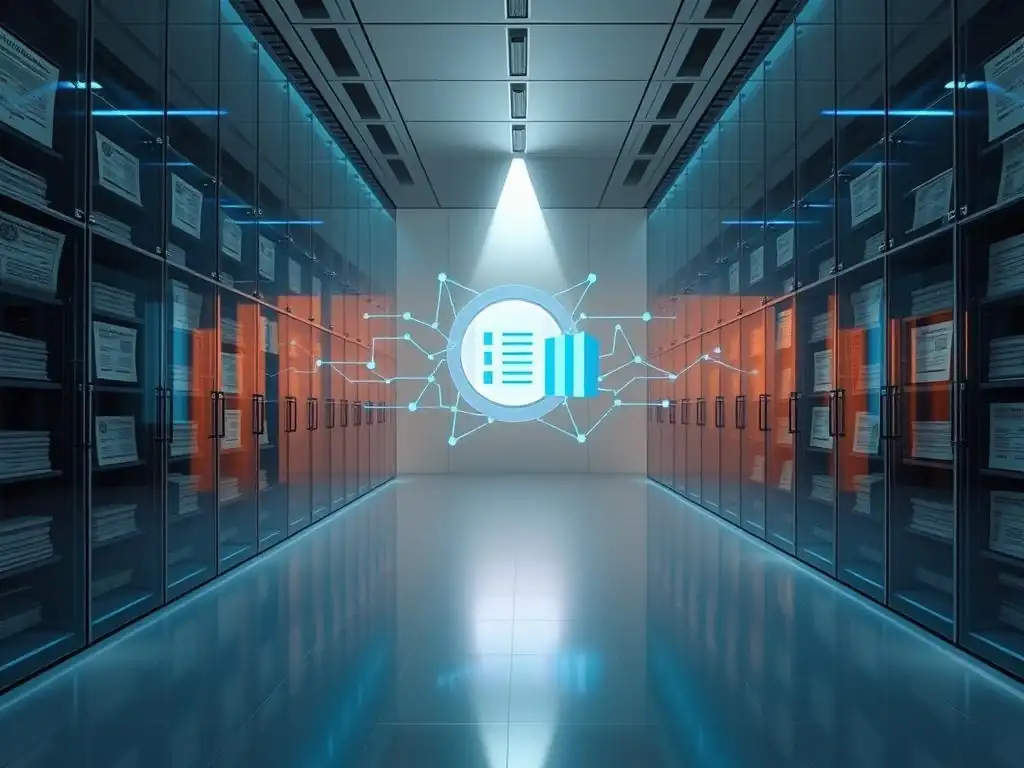
Land Registry: Securing Property Ownership Records
Land registries are a prime example of how blockchain can be effectively applied to secure property ownership records. Traditional land registry systems, often paper-based or relying on outdated digital databases, are susceptible to fraud, errors, and disputes over property ownership. Corruption, inefficient processes, and lack of transparency can undermine the security of land rights and hinder economic development.
Several countries and regions have explored and implemented blockchain-based land registries to address these challenges. For example, Georgia has partnered with Bitfury to pilot a blockchain land registry system, aiming to improve transparency and reduce fraud in property transactions. Similarly, Sweden has been testing a blockchain platform for land registration to streamline the process and enhance security.
These blockchain-based land registry initiatives leverage the technology's immutability and transparency to create a secure and verifiable record of property ownership. Each property transaction, including sales, transfers, and mortgages, is recorded as a transparent and auditable transaction on the blockchain. This creates a permanent and tamper-proof record of ownership history, reducing the risk of fraudulent claims and disputes.
Smart contracts can be used to automate property transfers and streamline the registration process, making it more efficient and less bureaucratic. By implementing blockchain data integrity solutions for land registries, governments can enhance the security of property rights, reduce corruption, and foster economic growth by creating a more transparent and trustworthy land administration system.
Identity Management: Verifying Citizen Identities Securely
Identity management is another critical area where blockchain offers significant potential for enhancing security and data integrity. Traditional identity systems are often fragmented, insecure, and reliant on centralized databases, making them vulnerable to identity theft, fraud, and privacy breaches. Blockchain-based identity management systems offer a decentralized and self-sovereign approach, empowering individuals with greater control over their digital identities and reducing reliance on centralized authorities. Estonia, a digital leader, has explored blockchain for its e-Residency program, offering digital identities to individuals worldwide and leveraging blockchain for secure identity verification.
Blockchain can enable individuals to create and manage their digital identities securely, storing verified credentials on a decentralized ledger. Individuals can control who has access to their identity data and grant permissions selectively, enhancing privacy and data security. Self-sovereign identity (SSI) solutions, often built on blockchain, aim to give individuals complete control over their digital identities, eliminating the need to rely on centralized identity providers.
Blockchain-based identity systems can also improve efficiency and reduce costs by streamlining identity verification processes for government services, online transactions, and various other applications. By implementing blockchain data integrity solutions for identity management, governments can enhance citizen privacy, reduce identity fraud, and create more secure and user-centric digital identity ecosystems.
Voting Systems: Ensuring Transparent and Auditable Elections
Voting systems are a critical pillar of democracy, and ensuring the integrity and transparency of elections is paramount for maintaining public trust. Traditional voting systems, particularly paper-based ones, can be susceptible to fraud, errors, and lack of transparency, leading to disputes and undermining public confidence in electoral outcomes. Blockchain technology has been proposed and explored as a potential solution to enhance the security and transparency of voting systems.
While widespread adoption in national elections is still evolving due to scalability and security considerations, pilot projects and smaller-scale implementations are demonstrating the potential of blockchain in this domain. For instance, Voatz, a mobile voting platform utilizing blockchain, has been used in some local elections and pilot programs to explore the feasibility of blockchain-based voting.
Blockchain can provide an immutable and auditable record of votes cast, enhancing transparency and reducing the potential for voter fraud. Each vote can be recorded as a transaction on the blockchain, creating a permanent and verifiable audit trail. Cryptography can be used to ensure voter anonymity and prevent vote manipulation.
While challenges remain in addressing scalability, security, and accessibility for large-scale national elections, blockchain offers promising blockchain data integrity solutions for specific aspects of the electoral process, such as voter registration, ballot verification, and post-election audits. By leveraging blockchain, electoral systems can become more transparent, secure, and auditable, ultimately strengthening democratic processes and public trust in elections.
Supply Chain Tracking: Enhancing Traceability of Government Assets
Supply chain tracking is another compelling use case for blockchain in the public sector, particularly for enhancing the traceability and accountability of government assets. Governments manage vast and complex supply chains, from pharmaceuticals and medical supplies to infrastructure materials and humanitarian aid. Ensuring the integrity, authenticity, and ethical sourcing of these assets is crucial for efficient public service delivery and preventing fraud and corruption. Blockchain can provide a transparent and immutable record of the provenance and movement of government assets throughout the supply chain, improving accountability and reducing risks.
For example, in pharmaceutical supply chains, blockchain can be used to track drugs from manufacturing to distribution, ensuring authenticity and preventing counterfeit medications from entering the market. This is particularly critical for public health agencies and government procurement of essential medicines. Similarly, in the supply chain of humanitarian aid, blockchain can enhance transparency and accountability in the distribution of resources, ensuring that aid reaches intended recipients and preventing diversion or misuse.
By recording each step of the supply chain on a blockchain, from origin to delivery, governments can create a verifiable and auditable record of asset movement, improving efficiency, reducing fraud, and enhancing public trust in government procurement and distribution processes. These applications highlight the value of blockchain data integrity solutions in enhancing transparency and accountability in government supply chain management.
Overcoming Challenges in Blockchain Adoption for Public Records
Scalability Issues and Potential Solutions
Scalability remains a significant challenge in blockchain adoption for public records, particularly for large-scale applications involving massive datasets and high transaction volumes. Public record systems often handle vast amounts of data and require the ability to process numerous transactions efficiently. Traditional public blockchains, like Bitcoin and Ethereum, have inherent scalability limitations, struggling to handle the transaction throughput required for national-level public record systems.
However, various scalability solutions are being developed and explored to address these challenges. Layer-2 solutions, such as state channels and rollups, aim to increase transaction throughput by processing transactions off-chain and only anchoring the final results on the main blockchain.
Permissioned blockchains, designed for enterprise and government applications, often offer better scalability compared to public blockchains. By restricting network participation to authorized entities, permissioned blockchains can achieve higher transaction speeds and greater efficiency. Furthermore, blockchain sharding, a technique that divides the blockchain into smaller, more manageable shards, is being explored to improve scalability by parallelizing transaction processing.
Data pruning and archiving strategies can also help manage the growing size of blockchain ledgers and improve performance. Choosing the appropriate blockchain architecture, implementing scalability solutions, and optimizing data management practices are crucial for overcoming scalability challenges and enabling the deployment of blockchain data integrity solutions for large-scale public record systems.
Regulatory Compliance and Legal Frameworks
Regulatory compliance and the development of appropriate legal frameworks are essential for the widespread adoption of blockchain in public record management. Public record systems are subject to stringent regulatory requirements related to data privacy, security, accessibility, and legal validity. Blockchain implementations must comply with existing regulations, such as data protection laws (e.g., GDPR), record retention policies, and e-signature regulations.
Furthermore, legal frameworks need to be adapted to recognize the legal validity and enforceability of blockchain-based records and smart contracts. Governments and regulatory bodies are actively engaging in developing guidelines and regulations for blockchain technology, aiming to foster innovation while ensuring legal certainty and protecting public interests.
Interoperability standards are also crucial for regulatory compliance and legal recognition. Ensuring that different blockchain platforms and systems can interoperate seamlessly is essential for cross-jurisdictional data sharing and legal harmonization. Standardization efforts are underway to define common protocols and frameworks for blockchain interoperability, facilitating regulatory compliance and promoting wider adoption. Collaboration between governments, regulatory agencies, legal experts, and blockchain developers is essential to establish clear regulatory guidelines, develop appropriate legal frameworks, and ensure that blockchain data integrity solutions for public records operate within a legally sound and compliant environment.
Addressing Privacy Concerns with Permissioned Blockchains
Addressing privacy concerns is paramount when implementing blockchain for public records, particularly when dealing with sensitive citizen data. While blockchain offers enhanced security and transparency, its inherent immutability and distributed nature can raise privacy concerns if not properly addressed. Public blockchains, with their open and permissionless nature, may not be suitable for storing highly sensitive public records due to data privacy regulations. Permissioned blockchains offer a viable solution to address these privacy concerns. By restricting network participation and controlling access to data, permissioned blockchains can provide a more privacy-preserving environment for managing sensitive public records.
Permissioned blockchains allow governments to control who can view and access specific data on the ledger, ensuring compliance with data privacy regulations. Encryption techniques can be used to further protect sensitive data stored on the blockchain, ensuring confidentiality and preventing unauthorized access. Zero-knowledge proofs and other privacy-enhancing technologies can be integrated into blockchain systems to enable data verification without revealing the underlying data itself.
Data minimization principles should be applied to ensure that only necessary data is stored on the blockchain, reducing the potential privacy risks. Careful consideration of privacy implications, implementation of appropriate privacy-preserving technologies, and adherence to data privacy regulations are crucial for deploying blockchain data integrity solutions that protect citizen privacy while leveraging the benefits of blockchain technology.
Data Governance and Standardization
Robust data governance frameworks and standardization efforts are essential for the successful and sustainable adoption of blockchain for public records. Data governance encompasses the policies, processes, and responsibilities that define how data is managed, secured, and used within an organization or across a network. Establishing clear data governance frameworks for blockchain-based public record systems is crucial for ensuring data quality, integrity, security, and compliance.
These frameworks should address issues such as data ownership, access control, data retention, data privacy, and data security protocols. Defining roles and responsibilities for data management and establishing mechanisms for data auditing and accountability are key components of effective data governance.
Standardization efforts are also critical for interoperability, scalability, and wider adoption of blockchain in public record management. Developing common data standards, protocols, and APIs will facilitate data sharing, system integration, and cross-jurisdictional collaboration. Standardization bodies and industry consortia are working on developing blockchain standards for various applications, including public sector use cases.
Adherence to open standards and best practices will promote interoperability, reduce vendor lock-in, and foster a more robust and sustainable blockchain ecosystem for public records. Strong data governance frameworks and active participation in standardization efforts are essential for ensuring the long-term success and widespread adoption of blockchain data integrity solutions in the public sector.
The Future of Public Record Preservation: Blockchain and Beyond
Integrating Blockchain with Other Emerging Technologies (AI, IoT)
The future of public record preservation lies in the convergence of blockchain with other emerging technologies like Artificial Intelligence (AI) and the Internet of Things (IoT). Integrating blockchain with AI can enhance data analysis, automate data processing, and improve decision-making in public record management. AI algorithms can be used to analyze large datasets stored on blockchain, identify patterns, detect anomalies, and provide valuable insights for policy-making and service delivery.
For example, AI-powered tools can analyze blockchain-based land registry data to identify potential land disputes or detect fraudulent property transactions. Smart contracts, combined with AI, can automate complex workflows and trigger actions based on predefined conditions and data analysis.
The integration of blockchain with IoT can enhance the integrity and security of data collected from connected devices in public infrastructure and citizen services. IoT devices can generate vast amounts of data related to public utilities, transportation systems, and environmental monitoring. Blockchain can provide a secure and tamper-proof platform for storing and managing IoT data, ensuring data integrity and preventing data manipulation.
For instance, in smart city initiatives, IoT sensors can collect data on traffic flow, air quality, and energy consumption, and blockchain can be used to securely record and verify this data, enabling transparent and data-driven urban planning and management. The synergy between blockchain, AI, and IoT holds immense potential for transforming public record preservation and creating more intelligent, efficient, and citizen-centric government services through advanced blockchain data integrity solutions.
The Role of Smart Contracts in Automating Public Services
Smart contracts, self-executing agreements encoded on the blockchain, will play an increasingly significant role in automating public services and streamlining government processes. Smart contracts can automate routine tasks, enforce contractual obligations, and reduce the need for manual intervention in various public sector applications. In public procurement, smart contracts can automate the bidding process, contract execution, and payment disbursement, enhancing transparency and reducing corruption. For example, a smart contract can automatically release payments to contractors upon verification of milestones achieved, ensuring timely and transparent payment processing.
In social welfare programs, smart contracts can automate benefit distribution based on predefined eligibility criteria, ensuring efficient and transparent allocation of resources and reducing administrative overhead. Smart contracts can also be used to automate record updates and data management in various public record systems.
For instance, in a blockchain-based birth registry, a smart contract can automatically issue a digital birth certificate upon registration of a birth event, streamlining the process and reducing paperwork. By automating processes and enforcing rules programmatically, smart contracts can significantly improve the efficiency, transparency, and accountability of public services, leveraging the power of blockchain data integrity solutions to transform government operations.
Interoperability and Cross-Jurisdictional Data Sharing
Interoperability and cross-jurisdictional data sharing are crucial for realizing the full potential of blockchain for public record preservation in a globalized world. Public record systems often need to interact and exchange data across different government agencies, jurisdictions, and even international borders. However, data silos and lack of interoperability between different systems hinder efficient data sharing and collaboration.
Blockchain interoperability solutions aim to address this challenge by enabling seamless data exchange and communication between different blockchain platforms and legacy systems. Cross-chain protocols and interoperability frameworks are being developed to facilitate the transfer of data and assets between different blockchains, enabling cross-jurisdictional data sharing and collaboration.
Standardized APIs and data formats are essential for achieving interoperability and ensuring that different blockchain systems can communicate and exchange data effectively. Collaborative initiatives and international standards bodies are working on developing interoperability standards for blockchain technology, promoting wider adoption and facilitating cross-jurisdictional data sharing in public record management.
For example, in cross-border trade facilitation, blockchain-based systems can enable seamless data exchange between customs agencies, port authorities, and other stakeholders across different countries, streamlining trade processes and improving efficiency. Achieving interoperability and enabling cross-jurisdictional data sharing will unlock new opportunities for collaboration, innovation, and improved public services through interconnected blockchain data integrity solutions.
Conclusion: Blockchain as a Cornerstone of Data Integrity in Public Governance
The Transformative Potential of Blockchain for Public Record Management
Blockchain technology possesses transformative potential for revolutionizing public record management and establishing a new era of data integrity in public governance. By addressing the inherent limitations of traditional centralized systems, blockchain offers a robust and secure foundation for preserving and managing public records in the digital age. Its core features of immutability, transparency, and decentralization provide powerful safeguards against data tampering, loss, and fraud, enhancing the reliability and trustworthiness of public information. From land registries and identity management to voting systems and supply chain tracking, blockchain applications are demonstrating its versatility and effectiveness in various public sector domains.
The adoption of blockchain for public records is not merely a technological upgrade; it represents a fundamental shift towards more transparent, accountable, and citizen-centric governance. By empowering citizens with greater access to public information and enhancing the integrity of government records, blockchain can foster greater public trust and strengthen democratic institutions.
As governments worldwide explore and implement blockchain data integrity solutions, the potential for transforming public record management and building a more trustworthy and efficient public sector is becoming increasingly apparent. The journey towards widespread blockchain adoption in public governance requires addressing challenges related to scalability, regulation, privacy, and data governance, but the long-term benefits of enhanced data integrity and improved public services are compelling and transformative.
Key Benefits and Future Directions
The key benefits of leveraging blockchain for public record management are multifaceted and far-reaching. Enhanced security and reduced fraud are paramount, protecting sensitive public data from cyber threats and malicious manipulation. Increased transparency and public trust are crucial outcomes, fostering greater accountability and citizen engagement. Improved efficiency and reduced costs offer significant operational advantages, streamlining government processes and freeing up resources for other public services. These benefits collectively contribute to more effective, trustworthy, and citizen-centric governance in the digital age.
Looking ahead, the future directions for blockchain in public record preservation are promising and dynamic. Continued innovation in scalability solutions will enable wider adoption for large-scale public record systems. Developing clear regulatory frameworks and legal recognition for blockchain-based records will foster trust and legal certainty.
Addressing privacy concerns through permissioned blockchains and privacy-enhancing technologies will ensure responsible and ethical data management. Integrating blockchain with AI, IoT, and other emerging technologies will unlock new opportunities for intelligent automation and data-driven governance. The ongoing evolution of blockchain technology and its increasing adoption in the public sector signal a future where blockchain data integrity solutions become a cornerstone of public governance, ensuring the long-term preservation and trustworthiness of public records for generations to come.
Frequently Asked Questions
What exactly are blockchain data integrity solutions and how do they apply to public records?
Blockchain data integrity solutions leverage the immutable and transparent nature of blockchain to ensure that public records cannot be tampered with. This provides a verifiable and trustworthy source of information.
How does blockchain ensure the data integrity of public records compared to traditional databases?
Traditional databases are centralized, making them vulnerable to single points of failure and manipulation. Blockchain, being decentralized, distributes the data across multiple nodes, making it significantly more secure and resilient against unauthorized changes.
What are some real-world examples of using blockchain for public record preservation?
Examples include land registry systems that use blockchain to secure property ownership records, preventing fraud and disputes. Supply chain management also uses it to track goods and verify authenticity.
What are the potential challenges in implementing blockchain data integrity solutions for public records?
Challenges include scalability issues, the need for regulatory clarity, and the complexity of integrating blockchain technology with existing systems. Furthermore, public understanding and acceptance is crucial.
What is the future outlook for blockchain data integrity solutions in the context of digital record keeping?
The future looks promising, with increased adoption expected as blockchain technology matures and becomes more accessible. This will lead to greater trust and transparency in various sectors, including government and healthcare, where data security is paramount.
Final Reflection: Securing Truth in a Digital World
The exploration of blockchain as a solution for public record preservation underscores a critical need in our increasingly digital society: unwavering data integrity. As we've seen, the inherent immutability and transparency of blockchain offer a powerful antidote to the vulnerabilities plaguing traditional record-keeping systems, vulnerabilities that can erode trust in institutions and undermine the very foundations of democratic governance. The promise of blockchain data integrity solutions is not merely technological; it's a promise of accountability and enduring truth.
The implications of compromised public records extend far beyond bureaucratic inefficiency; they touch upon the very fabric of our collective memory and societal trust. Witnessing the potential of blockchain to safeguard this vital information has been profoundly inspiring, reinforcing the belief that technology can be a force for positive change. The beauty of blockchain is not just that it can store information, but that it can verify it, making it a powerful tool for building trust in a world increasingly skeptical of institutions.
This quote encapsulates the transformative potential of blockchain in restoring confidence in the digital age.
As we conclude this exploration, I invite you to consider the role you can play in championing data integrity. Reflect on how the principles of transparency and immutability, embodied by blockchain, can be applied in your own life and work. Advocate for the adoption of secure and verifiable systems, and become a voice for truth in a world grappling with misinformation. The future of public record preservation, and indeed, the future of trust itself, depends on our collective commitment to safeguarding the integrity of information.
Secure the Future: Start Preserving History Today!
Thank you for exploring how blockchain can revolutionize public record preservation. You've seen the potential to create a more transparent and tamper-proof system. Are you ready to take action and contribute to this transformation?
Here are some steps you can take right now:
- Identify a local public record that could benefit from blockchain technology and consider launching a pilot project. This is one of the most impactful actions you can take.
- Share this article with your network to raise awareness about how blockchain can strengthen public infrastructure and promote accountability.
- Dive into the technical details by researching existing blockchain solutions designed for data preservation and consider contributing to open-source initiatives.
What public record challenges are you most eager to address with blockchain? Share your thoughts in the comments below!
Leave a Reply