
Decentralized Voting and the Promise of Greater Voter Confidence in Election Results


Welcome to Blockchain Trends, your gateway to understanding the profound impact of blockchain technology. Dive into a world beyond cryptocurrencies and discover its potential in revolutionizing industries and reshaping governance. In this article, we delve into how decentralized voting and blockchain technology are poised to increase blockchain voting confidence increase, promising a future where elections are more transparent and secure. Intrigued by how this transformative technology can rebuild trust in our democratic processes? Explore further and unlock the potential of blockchain in shaping a more equitable and verifiable future.
Decentralized Voting and the Promise of Greater Voter Confidence in Election Results
- Introduction: The Crisis of Confidence in Modern Elections
- Understanding Decentralized Voting Systems
- Blockchain Voting Confidence Increase: How It Works
-
Benefits of Decentralized Voting: Boosting Election Integrity
- Enhanced Transparency: Real-Time Tracking of Votes
- Improved Security: Protection Against Fraud and Manipulation
- Increased Auditability: Verifiable Election Results and Reduced Disputes
- Greater Voter Accessibility: Remote Voting and Reduced Barriers to Participation
- Cost-Effectiveness: Streamlining Election Processes and Reducing Expenses
- Addressing Concerns and Challenges of Blockchain Voting
- Case Studies: Blockchain Voting Implementations Around the World
- The Future of Decentralized Voting: Towards Greater Voter Trust
- Conclusion: Blockchain's Potential to Restore Faith in Elections
-
Frequently Asked Questions
- How can blockchain technology improve voter confidence in election results?
- What are the main challenges to implementing blockchain-based voting systems?
- Does blockchain voting guarantee complete elimination of election fraud?
- How does decentralization contribute to the security of blockchain voting systems?
- What are the current regulatory hurdles facing the adoption of blockchain voting systems?
- Final Reflection: Embracing Trust Through Decentralization
- Empower Your Voice: Shape the Future of Elections!
Introduction: The Crisis of Confidence in Modern Elections
Declining Trust in Electoral Processes: A Global Concern
Across the globe, a noticeable decline in public trust in electoral processes has become a significant concern. Recent elections in various countries have been marred by allegations of irregularities, foreign interference, and voter suppression, fueling skepticism about the integrity of democratic systems. For instance, studies reveal a consistent decrease in voter confidence in election results, with some surveys indicating that in certain democracies, less than half of the population expresses strong faith in the fairness of their elections.
This erosion of trust is not confined to any single region; from the Americas to Europe and Asia, anxieties about election security and transparency are on the rise. This global trend underscores a critical need for innovative solutions to bolster voter confidence and safeguard the foundations of democratic governance.
The proliferation of misinformation and disinformation, particularly on social media platforms, further exacerbates this crisis of confidence. False narratives surrounding election outcomes can rapidly spread, influencing public perception and eroding trust in legitimate results. Furthermore, the increasing sophistication of cyber threats and the potential for malicious actors to target voting infrastructure add another layer of complexity to the challenge of maintaining election integrity. This confluence of factors—declining trust, misinformation, and cyber vulnerabilities—creates a pressing need to explore and implement robust and verifiable voting systems that can withstand scrutiny and restore public faith in the democratic process.
The Need for Enhanced Transparency and Security in Voting Systems
To combat the growing skepticism and ensure the legitimacy of electoral outcomes, enhanced transparency and security in voting systems are paramount. Traditional voting methods, while familiar, often suffer from opacity and vulnerabilities that can be exploited or perceived as exploitable. For example, paper-based systems, although considered secure in some aspects, are susceptible to human error during counting and can be challenging to audit effectively at scale.
Electronic voting machines, while offering speed and efficiency, have raised concerns about software vulnerabilities, lack of audit trails, and the potential for centralized manipulation. These limitations contribute to a lack of transparency, making it difficult for voters to verify the integrity of the process independently.
The demand for greater transparency extends beyond simply observing the vote counting process. Voters increasingly expect to have verifiable assurance that their votes are accurately recorded, securely stored, and counted as intended. This necessitates systems that not only protect against fraud and manipulation but also provide clear and auditable records of every step in the electoral process.
Enhanced security measures must encompass protection against cyberattacks, insider threats, and physical tampering. Ultimately, the goal is to create voting systems that are not only secure in reality but also inspire confidence in voters through demonstrable transparency and verifiable integrity. This is where the potential of blockchain technology and decentralized voting systems comes into focus, offering a novel approach to address these critical needs and potentially increase blockchain voting confidence.
How Blockchain Can Address the Challenges of Election Integrity
Blockchain technology, initially known for its role in cryptocurrencies, offers a compelling solution to address the challenges of election integrity and boost voter confidence. Its fundamental properties – decentralization, immutability, and transparency – are ideally suited to enhance the security and verifiability of voting processes. By leveraging a distributed ledger, blockchain can create a tamper-proof record of every vote cast, making it virtually impossible to alter or delete votes retroactively. This inherent immutability is a key factor in building trust, as it assures voters that their choices are permanently recorded and cannot be manipulated.
Furthermore, the transparent nature of blockchain allows for greater public scrutiny of the electoral process. While maintaining voter anonymity, blockchain can provide a verifiable audit trail of all transactions, enabling independent observers and voters themselves to verify the overall count and ensure that no unauthorized changes have been made. This level of transparency is a significant departure from traditional and even many electronic voting systems, which often lack robust auditability.
By decentralizing control and distributing the voting record across a network, blockchain voting systems reduce reliance on central authorities and mitigate the risk of single points of failure or manipulation. This combination of immutability, transparency, and decentralization positions blockchain as a powerful tool to enhance election integrity and foster greater blockchain voting confidence among the electorate.
Understanding Decentralized Voting Systems
What is Decentralized Voting? A Blockchain-Based Approach
Decentralized voting, at its core, is a voting system that leverages blockchain technology to distribute control and enhance security and transparency. Unlike traditional centralized systems where a single authority manages the entire voting process, decentralized voting distributes the responsibility and data across a network of computers. This distribution is achieved through blockchain, a technology that creates a shared, immutable ledger of transactions. In the context of voting, each vote becomes a transaction recorded on the blockchain, contributing to a transparent and verifiable record of the entire election.
This blockchain-based approach to decentralized voting fundamentally shifts the paradigm of election management. Instead of relying on a central database that could be vulnerable to tampering or single points of failure, the voting data is replicated across numerous nodes in the network. Each node holds a copy of the blockchain, and any attempt to alter the data would require consensus from the majority of the network, making manipulation extremely difficult and computationally infeasible.
This inherent resilience and distributed nature are what define decentralized voting and distinguish it from conventional electronic voting systems. The use of cryptography and consensus mechanisms within the blockchain further strengthens the security and integrity of the voting process, paving the way for increased blockchain voting confidence.
Key Features of Blockchain Voting: Immutability, Transparency, and Auditability
Blockchain voting systems are characterized by three key features that directly address the challenges of modern elections: immutability, transparency, and auditability. Immutability refers to the tamper-proof nature of the blockchain ledger. Once a vote is recorded on the blockchain, it cannot be altered or deleted. This is achieved through cryptographic hashing and a distributed consensus mechanism, ensuring that the historical record of votes remains permanent and verifiable. This feature is crucial for building voter trust, as it assures them that their votes, once cast, are securely recorded and cannot be changed post-election.
Transparency in blockchain voting is achieved through the public and distributed nature of the ledger. While voter identities remain anonymous, the record of each vote cast, along with timestamps and cryptographic signatures, is publicly accessible and verifiable on the blockchain. This allows for open scrutiny of the voting process by independent observers, election officials, and even voters themselves. This level of transparency contrasts sharply with traditional voting systems, where the inner workings are often opaque and difficult to audit independently.
Auditability, a direct consequence of immutability and transparency, is significantly enhanced in blockchain voting. The complete and verifiable record of votes on the blockchain enables comprehensive audits of election results, reducing the potential for disputes and fostering greater confidence in the outcome. These three features – immutability, transparency, and auditability – are cornerstones of blockchain voting and are pivotal in enhancing blockchain voting confidence.
Differentiating Decentralized Voting from Traditional Electronic Voting
While both decentralized voting and traditional electronic voting aim to modernize the voting process, they differ fundamentally in their architecture, security, and transparency. Traditional electronic voting systems often rely on centralized servers and proprietary software, making them vulnerable to single points of failure, hacking, and manipulation by insiders. These systems can be opaque, with limited auditability and often lacking publicly verifiable records of votes. Concerns about software vulnerabilities and the trustworthiness of centralized authorities have contributed to skepticism surrounding traditional electronic voting.
In contrast, decentralized voting, utilizing blockchain, distributes control and data across a network, eliminating reliance on a central authority. The open and distributed nature of blockchain ensures greater transparency and auditability. The cryptographic security inherent in blockchain provides a higher level of protection against tampering and fraud compared to many traditional electronic voting systems.
Furthermore, the immutability of the blockchain ledger offers a permanent and verifiable record of votes, which is often lacking in centralized electronic systems. While traditional electronic voting may offer convenience, decentralized voting prioritizes security, transparency, and voter verifiability, aiming to address the core concerns that undermine blockchain voting confidence in conventional systems. This shift towards decentralization and enhanced transparency is a key differentiator and a significant advantage of blockchain-based voting solutions.
Blockchain Voting Confidence Increase: How It Works
The Architecture of a Blockchain Voting Platform
A typical blockchain voting platform comprises several key components working in concert to ensure secure and transparent elections. At its core is the blockchain itself, serving as the immutable and distributed ledger for recording votes. This blockchain is often permissioned or private for governance reasons, restricting participation in the network to authorized nodes, such as election officials or designated organizations, while still maintaining decentralization within this group.
Smart contracts, self-executing agreements coded on the blockchain, automate various aspects of the voting process, such as voter registration verification, ballot distribution, vote counting, and results tabulation. These smart contracts ensure that the rules of the election are enforced transparently and automatically.
A user interface, accessible through web or mobile applications, provides voters with a secure means to register, authenticate their identity, and cast their ballots. This interface interacts with the blockchain through APIs (Application Programming Interfaces), allowing voters to interact with the voting system without directly engaging with the complexities of blockchain technology. Cryptography plays a crucial role throughout the architecture, ensuring data confidentiality and integrity.
Public-key cryptography is used for voter authentication and encrypted ballot casting, while hash functions and digital signatures secure the blockchain and ensure data immutability. This multi-layered architecture, combining blockchain, smart contracts, user interfaces, and cryptography, forms the foundation of a secure and transparent blockchain voting platform designed to increase blockchain voting confidence.
Secure Voter Registration and Identity Verification on the Blockchain
Secure voter registration and robust identity verification are paramount to the integrity of any voting system, and blockchain offers innovative solutions to enhance these processes. In a blockchain voting system, voter registration can be streamlined and secured by leveraging digital identity solutions and cryptographic techniques. Instead of relying on paper-based registration forms and manual verification, voters can register online using secure digital identity platforms. These platforms can verify voter identities against official databases, such as national ID systems or voter registries, and issue digital credentials that are linked to the voter's identity.
Once registered, a voter's identity can be cryptographically linked to a unique identifier on the blockchain, ensuring that each voter is registered only once and preventing duplicate registrations. This process can utilize zero-knowledge proofs, a cryptographic technique that allows for verification of identity without revealing sensitive personal information on the blockchain, thus maintaining voter privacy.
Biometric authentication, such as fingerprint or facial recognition, can also be integrated into the registration and voting process to further enhance identity verification and prevent fraudulent registrations. By leveraging blockchain and advanced cryptographic techniques, voter registration can become more secure, efficient, and resistant to fraud, contributing significantly to blockchain voting confidence.
Encrypted Ballot Casting and Tamper-Proof Storage
Ensuring the secrecy and integrity of ballots is fundamental to a fair election. Blockchain voting systems employ robust encryption techniques and the inherent immutability of the blockchain to achieve secure ballot casting and tamper-proof storage. When a voter casts their ballot through the voting platform's interface, the ballot is encrypted using public-key cryptography. The voter's ballot is encrypted in such a way that only authorized election officials, holding the corresponding private key (or a set of keys through multi-signature schemes), can decrypt and count the votes after the election is closed. This ensures ballot secrecy throughout the voting process.
Once encrypted, the ballot is recorded as a transaction on the blockchain. Due to the blockchain's immutable nature, these encrypted ballots cannot be altered, deleted, or manipulated once they are recorded. The distributed nature of the blockchain further enhances security, as the ballots are replicated across multiple nodes, making it virtually impossible for malicious actors to tamper with the vote records without detection. The combination of end-to-end encryption and tamper-proof blockchain storage provides a highly secure and verifiable method for ballot casting and storage, significantly bolstering blockchain voting confidence in the integrity of the electoral process.
Benefits of Decentralized Voting: Boosting Election Integrity
Enhanced Transparency: Real-Time Tracking of Votes
Decentralized voting systems offer an unprecedented level of transparency through real-time tracking of votes. Because every vote is recorded as a transaction on the blockchain, and the blockchain is inherently transparent, it becomes possible to monitor the progress of an election in real-time.
While maintaining voter anonymity, the system can provide publicly auditable information about the total number of votes cast, the distribution of votes (potentially aggregated and anonymized to protect individual choices before the election concludes), and the overall progress of voter participation. This real-time visibility is a significant departure from traditional voting systems, where the vote counting process is often opaque and only results are revealed after a considerable delay.
This enhanced transparency can significantly increase blockchain voting confidence. Voters can have assurance that their votes are being recorded and counted as part of the overall tally. Independent observers and election watchdog organizations can also monitor the blockchain to verify the integrity of the process and detect any anomalies or irregularities in real-time.
This level of transparency can deter potential fraud and manipulation attempts, as any unauthorized changes would be immediately visible on the public blockchain. The ability to track votes in real-time, while preserving voter privacy, is a powerful feature of decentralized voting that contributes significantly to its credibility and fosters greater public trust in election outcomes.
Improved Security: Protection Against Fraud and Manipulation
Blockchain voting systems inherently offer improved security against fraud and manipulation compared to traditional voting methods. The decentralized nature of blockchain eliminates single points of failure, making it significantly harder for attackers to compromise the entire system. In traditional centralized systems, a successful attack on a central server could potentially compromise the entire election. However, in a blockchain-based system, attackers would need to compromise a majority of the nodes in the network simultaneously, which is computationally and logistically extremely challenging.
The cryptographic security employed in blockchain, including hashing and digital signatures, further strengthens protection against tampering. Any attempt to alter a recorded vote on the blockchain would require changing the cryptographic hash of that block and all subsequent blocks, which is practically infeasible given current computing power.
Smart contracts, which automate the voting process, are also designed to be tamper-proof and execute according to pre-defined rules, reducing the risk of human error or malicious intervention. These combined security features – decentralization, cryptography, and smart contracts – make blockchain voting systems highly resistant to fraud and manipulation, thereby enhancing blockchain voting confidence and the overall integrity of elections.
Increased Auditability: Verifiable Election Results and Reduced Disputes
The inherent auditability of blockchain voting systems offers a significant advantage in verifying election results and reducing post-election disputes. The complete and immutable record of all votes cast on the blockchain serves as a readily available and verifiable audit trail. Independent auditors, election officials, and even concerned citizens can independently verify the vote count by examining the blockchain data. This process can be automated through software tools that analyze the blockchain and confirm the accuracy of the election results.
This level of auditability is far superior to many traditional voting systems, where audits can be time-consuming, costly, and often rely on manual recounts or inspections of paper ballots or electronic records, which can be prone to errors or manipulation. The verifiable nature of blockchain voting can significantly reduce the potential for post-election disputes and challenges to results, as the audit trail provides objective and irrefutable evidence of the voting process.
In cases where disputes do arise, the blockchain audit trail can provide a definitive basis for resolving them quickly and transparently, further increasing blockchain voting confidence and the legitimacy of election outcomes.
Greater Voter Accessibility: Remote Voting and Reduced Barriers to Participation
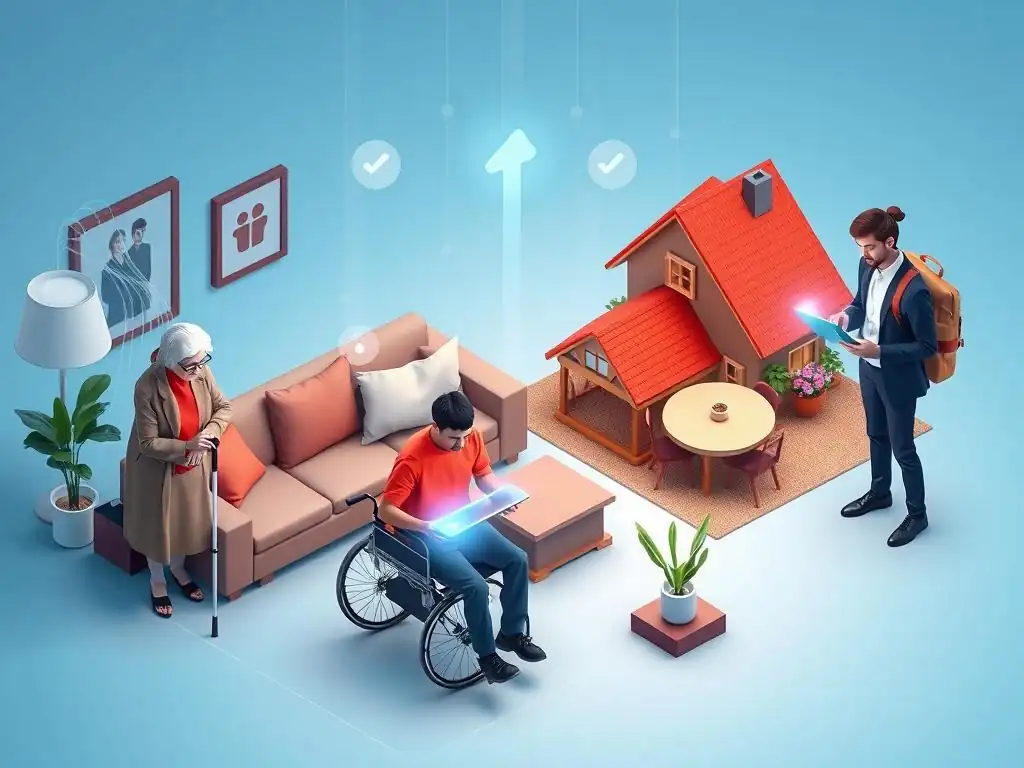
Decentralized voting systems, particularly those leveraging mobile or online platforms, have the potential to significantly increase voter accessibility and reduce barriers to participation. Remote voting, enabled by blockchain technology, can allow voters to cast their ballots from anywhere in the world with an internet connection. This is particularly beneficial for overseas voters, military personnel stationed abroad, voters with disabilities, and those living in remote areas who may face challenges accessing traditional polling stations.
By eliminating the need for physical polling places, blockchain voting can also reduce logistical barriers to participation, such as transportation costs and time constraints. This can lead to increased voter turnout, particularly among traditionally underrepresented groups.
Furthermore, blockchain-based voting platforms can be designed with accessibility features to accommodate voters with disabilities, ensuring that everyone has an equal opportunity to participate in the democratic process. While ensuring secure identity verification for remote voting is crucial, the potential of blockchain to enhance voter accessibility and reduce barriers to participation is a significant benefit that can contribute to a more inclusive and representative democracy.
Cost-Effectiveness: Streamlining Election Processes and Reducing Expenses
While initial development and implementation costs may be involved, blockchain voting systems have the potential to offer long-term cost-effectiveness by streamlining election processes and reducing various expenses associated with traditional elections. The automation of voting processes through smart contracts can reduce the need for manual tasks, such as ballot printing, distribution, and counting, which are labor-intensive and costly in traditional elections. Electronic voter registration and verification can also reduce administrative overhead and improve efficiency compared to paper-based systems.
The reduced need for physical polling places can lead to significant cost savings in terms of rental fees, staffing, and security personnel. Furthermore, the enhanced transparency and auditability of blockchain voting can reduce the costs associated with post-election audits and recounts, which can be expensive and time-consuming in traditional systems. While scalability and security considerations are important, the potential for long-term cost savings, coupled with the benefits of increased security and transparency, makes blockchain voting an attractive option for modernizing election processes and improving resource allocation in democratic governance.
Addressing Concerns and Challenges of Blockchain Voting
Scalability Issues: Handling Large-Scale Elections
One of the primary concerns regarding blockchain voting is scalability, particularly the ability of blockchain networks to handle the massive transaction volume associated with large-scale national elections. Traditional blockchain networks, especially early generations, have faced limitations in transaction processing speed and throughput. If every vote in a national election were to be recorded as a separate transaction on a basic blockchain, the network could become congested, leading to delays and potentially hindering the voting process.
However, advancements in blockchain technology are addressing scalability concerns. Layer-2 solutions, such as state channels and rollups, are being developed to offload transaction processing from the main blockchain, significantly increasing transaction throughput. Consortium or private blockchains, tailored for specific applications like voting, can be designed with optimized consensus mechanisms and network architectures to handle higher transaction volumes. Furthermore, techniques like sharding, which partitions the blockchain into smaller, manageable segments, can also enhance scalability. While scalability remains an ongoing area of development, these emerging solutions offer promising pathways to overcome transaction volume limitations and enable blockchain voting for large-scale elections.
Security Vulnerabilities: Smart Contract Risks and Potential Attacks
Despite the inherent security advantages of blockchain, blockchain voting systems are not entirely immune to security vulnerabilities. Smart contracts, which are crucial components of blockchain voting platforms, can be susceptible to coding errors or vulnerabilities if not rigorously audited and tested. Exploiting flaws in smart contracts could potentially lead to manipulation of the voting process or unauthorized access to voter data. Furthermore, blockchain networks themselves can be targets of denial-of-service attacks or sophisticated cryptographic attacks, although these are generally considered less likely in well-designed and maintained blockchain systems.
To mitigate these security risks, rigorous security audits of smart contracts by independent experts are essential. Formal verification methods can also be employed to mathematically prove the correctness and security of smart contract code. Blockchain voting platforms should be built on robust and well-tested blockchain protocols and incorporate industry best practices for security. Regular security updates and penetration testing are also crucial to identify and address potential vulnerabilities proactively. While no system is completely invulnerable, through careful design, rigorous testing, and ongoing security maintenance, the security risks associated with blockchain voting can be effectively minimized.
Digital Divide and Accessibility: Ensuring Inclusivity for All Voters
The digital divide, referring to unequal access to digital technologies and internet connectivity, poses a significant challenge to the widespread adoption of blockchain voting, particularly in ensuring inclusivity for all voters. If blockchain voting relies solely on online platforms, individuals without internet access or digital literacy skills could be disenfranchised. This is a concern especially in developing countries and among marginalized communities with limited access to technology.
To address the digital divide, hybrid approaches to blockchain voting are being explored. These hybrid models combine online voting options with traditional paper-based voting or in-person voting at assisted voting centers. These centers can provide voters with access to computers, internet connectivity, and assistance from trained personnel to cast their ballots using the blockchain voting system.
Furthermore, efforts to improve digital literacy and expand internet access are crucial to ensure that all citizens can participate in digital voting systems. Accessibility considerations must be paramount in the design of blockchain voting platforms, ensuring that they are user-friendly and inclusive for voters with varying levels of digital literacy and technological access.
The implementation of blockchain voting faces significant challenges related to regulatory frameworks and the need to navigate complex legal and policy considerations. Existing election laws and regulations in many jurisdictions were designed for traditional paper-based or electronic voting systems and may not be readily adaptable to blockchain voting. Legal frameworks need to be updated to address issues such as the legal validity of blockchain-based votes, voter identification and verification in online environments, and the legal status of smart contracts in election processes.
Establishing clear regulatory guidelines for blockchain voting is crucial to provide legal certainty and build public trust. This requires collaboration between technology experts, legal scholars, election officials, and policymakers to develop appropriate regulations that address the unique characteristics of blockchain voting while upholding democratic principles and voter rights. Interoperability and standardization of blockchain voting systems across different jurisdictions are also important considerations for facilitating wider adoption. Navigating the regulatory landscape and establishing supportive legal frameworks are essential steps in realizing the potential of blockchain voting and ensuring its responsible and legitimate implementation.
Case Studies: Blockchain Voting Implementations Around the World
Voatz Pilot Program: Mobile Voting for Overseas and Military Voters
Voatz is a mobile voting platform that has gained attention for its use of blockchain technology and its focus on increasing accessibility for specific voter groups. Notably, Voatz has been piloted in several elections in the United States, primarily targeting overseas and military voters who often face challenges participating in traditional elections due to geographical distance and logistical hurdles. For example, Voatz was used in West Virginia for overseas military personnel in the 2018 midterm elections and in subsequent elections in other states for similar voter groups.
The Voatz platform utilizes biometrics and blockchain to verify voter identity and secure ballot casting through mobile devices. While Voatz has been praised for increasing accessibility and convenience for targeted voter groups, it has also faced scrutiny regarding its security architecture and source code transparency. Independent security audits have raised concerns about potential vulnerabilities in the platform, prompting ongoing debate about its suitability for large-scale public elections. The Voatz pilot program provides valuable real-world experience with blockchain voting in specific use cases, highlighting both the potential benefits and the challenges that need to be addressed for broader adoption.
Follow My Vote: Open Source Blockchain Voting Platform
Follow My Vote is an open-source blockchain voting platform that emphasizes transparency and verifiability as core principles. Unlike proprietary platforms, Follow My Vote aims to make its source code publicly available for scrutiny and audit, promoting trust and allowing for community contributions to enhance security and functionality. The platform is designed to provide end-to-end verifiability, allowing voters to track their ballots through the entire voting process, from casting to counting, while maintaining voter anonymity.
Follow My Vote has conducted demonstrations and pilot projects to showcase its technology and advocate for the adoption of open-source blockchain voting solutions. The platform's commitment to transparency and open-source principles aligns with the broader ethos of blockchain technology and aims to address concerns about the opacity of traditional voting systems and proprietary electronic voting platforms. While Follow My Vote is still in the development and pilot phase, it represents a significant effort to build a transparent and verifiable blockchain voting platform that can enhance blockchain voting confidence and promote democratic participation.
Sierra Leone Election Trial: Limited Use Case and Lessons
In 2018, Sierra Leone conducted a limited trial of blockchain voting during its presidential election, marking one of the first governmental uses of blockchain in a national election context. The trial involved using a blockchain platform to record and audit paper ballots in a single district in Western Area Urban. While the blockchain system was used to track and verify the tallying of votes, it did not replace the traditional paper-based voting process but rather served as a supplementary layer for transparency and auditability.
The Sierra Leone trial provided valuable insights and lessons learned regarding the practical implementation of blockchain in elections, particularly in a developing country context. The trial highlighted the potential of blockchain to enhance transparency and auditability, even in hybrid voting systems that combine digital and paper-based methods.
However, the limited scope of the trial and challenges related to infrastructure and digital literacy in Sierra Leone underscore the need for careful consideration of context-specific factors when implementing blockchain voting solutions. The Sierra Leone experience serves as a case study for understanding both the opportunities and the limitations of blockchain voting in real-world election scenarios and the importance of incremental and context-appropriate implementation strategies.
The Future of Decentralized Voting: Towards Greater Voter Trust
Emerging Trends in Blockchain Voting Technology
The field of blockchain voting technology is rapidly evolving, with several emerging trends shaping its future trajectory. One prominent trend is the increasing focus on enhancing scalability through layer-2 solutions and optimized blockchain architectures, aiming to enable blockchain voting for large-scale elections. Another key trend is the development of more sophisticated cryptographic techniques, such as zero-knowledge proofs and homomorphic encryption, to further enhance voter privacy and security while maintaining verifiability.
Advancements in digital identity solutions are also playing a crucial role in improving voter registration and authentication processes in blockchain voting systems. The integration of biometrics and decentralized identity frameworks is expected to enhance security and user experience. Furthermore, there is growing interest in exploring interoperability and cross-chain compatibility to enable seamless voting across different blockchain platforms and jurisdictions. These emerging trends indicate a continuous drive towards improving the scalability, security, privacy, and usability of blockchain voting technology, paving the way for its wider adoption and increased blockchain voting confidence.
The Role of Governance and Regulation in Fostering Adoption
Governance and regulation are critical enablers for the widespread adoption of blockchain voting. Clear and supportive regulatory frameworks are needed to provide legal certainty and address the unique challenges and opportunities presented by blockchain voting. Governments and regulatory bodies play a crucial role in establishing standards for security, privacy, and interoperability of blockchain voting systems. Collaboration between technology developers, election officials, legal experts, and policymakers is essential to develop effective and balanced regulations that foster innovation while safeguarding democratic principles and voter rights.
Public education and awareness campaigns are also crucial to build trust and understanding of blockchain voting among voters and election stakeholders. Addressing concerns about security, privacy, and accessibility through transparent communication and public engagement is vital for fostering public acceptance and confidence in blockchain voting. Ultimately, a collaborative and multi-stakeholder approach to governance and regulation is essential to create an environment conducive to the responsible and beneficial adoption of blockchain voting technologies.
Potential Impact on Democratic Processes and Citizen Engagement
Decentralized voting has the potential to significantly impact democratic processes and citizen engagement in the long term. By enhancing transparency, security, and accessibility, blockchain voting can contribute to increased voter turnout and a more representative democracy. Greater voter confidence in election results, fostered by the verifiable and auditable nature of blockchain voting, can strengthen the legitimacy of democratic institutions and reduce political polarization.
Blockchain voting can also facilitate new forms of citizen engagement and participation in decision-making processes beyond traditional elections. Decentralized governance models, enabled by blockchain, can empower citizens to participate more directly in policy decisions and community governance. Online voting platforms, secured by blockchain, can make it easier and more convenient for citizens to participate in referendums, public consultations, and other forms of democratic engagement. The long-term impact of blockchain voting extends beyond simply improving election administration; it has the potential to transform democratic processes and foster more active and informed citizen participation in governance.
Overcoming Barriers to Widespread Implementation of Blockchain Voting
Despite its potential benefits, widespread implementation of blockchain voting faces several barriers that need to be overcome. Technical challenges, such as scalability and security vulnerabilities, require ongoing research and development to address effectively. The digital divide and accessibility concerns necessitate inclusive design approaches and hybrid voting models to ensure equitable participation for all voters. Regulatory hurdles and the lack of clear legal frameworks pose significant obstacles to adoption and require proactive engagement with policymakers and legal experts.
Building public trust and overcoming skepticism about new technologies are crucial for fostering wider acceptance of blockchain voting. Transparent communication, public education, and pilot programs with independent audits can help demonstrate the security and reliability of blockchain voting systems and build blockchain voting confidence among the public. Collaboration between technology developers, election officials, researchers, and civil society organizations is essential to address these barriers collectively and pave the way for the responsible and beneficial implementation of blockchain voting.
Conclusion: Blockchain's Potential to Restore Faith in Elections
Summarizing the Benefits of Decentralized Voting for Voter Confidence Increase
Decentralized voting, powered by blockchain technology, offers a compelling suite of benefits that directly address the crisis of confidence in modern elections and promise a significant blockchain voting confidence increase. Its core features of enhanced transparency, improved security, and increased auditability provide verifiable assurance of election integrity, fostering greater trust among voters. Real-time vote tracking, protection against fraud and manipulation, and immutable vote records contribute to a more credible and reliable electoral process. Furthermore, blockchain voting has the potential to increase voter accessibility, reduce barriers to participation, and streamline election processes, leading to greater efficiency and cost-effectiveness.
By addressing the key concerns that undermine voter confidence in traditional voting systems, decentralized voting presents a viable pathway to restore faith in elections and strengthen democratic processes. While challenges related to scalability, security, digital divide, and regulation need to be addressed thoughtfully, the potential benefits of blockchain voting in enhancing election integrity and fostering voter trust are undeniable.
The Path Forward: Collaboration and Innovation for Secure and Transparent Elections
The path forward for realizing the full potential of blockchain voting lies in continued collaboration and innovation across various sectors. Technology developers must focus on addressing scalability and security challenges, developing user-friendly and accessible voting platforms, and promoting open-source solutions. Election officials and policymakers need to proactively engage in developing supportive regulatory frameworks, establishing clear guidelines for implementation, and fostering public education and awareness.
Researchers and academics should continue to conduct independent security audits, evaluate the impact of blockchain voting on voter confidence and participation, and contribute to the ongoing development of best practices. Civil society organizations and voter advocacy groups play a crucial role in promoting transparency, advocating for voter rights, and ensuring equitable access to blockchain voting systems. This collaborative ecosystem, driven by innovation and a shared commitment to secure and transparent elections, is essential for navigating the complexities of blockchain voting implementation and maximizing its benefits for democratic governance.
The Long-Term Vision: A Future Where Elections are Verifiably Fair and Accessible
The long-term vision for decentralized voting is a future where elections are verifiably fair, accessible, and inspire unwavering public confidence. Blockchain technology offers the tools to build voting systems that are transparent by design, inherently secure, and auditable by anyone, empowering voters with greater assurance in the integrity of the democratic process. In this future, voter participation is maximized through increased accessibility and reduced barriers, leading to more representative and inclusive elections.
Post-election disputes and challenges become minimized due to the verifiable nature of blockchain voting, fostering greater political stability and social cohesion. Ultimately, the widespread adoption of decentralized voting can contribute to a more robust and resilient democracy, where citizens have full faith in the fairness and accuracy of their elections and are empowered to actively participate in shaping their governance. This vision of a future where technology strengthens democratic foundations is within reach through continued innovation, collaboration, and a commitment to building secure, transparent, and accessible blockchain voting systems.
Frequently Asked Questions
How can blockchain technology improve voter confidence in election results?
Blockchain offers immutable and transparent records of votes, making it difficult to tamper with election data. This enhanced transparency can significantly boost voter confidence by ensuring verifiable results.
What are the main challenges to implementing blockchain-based voting systems?
Challenges include scalability issues (handling large voter turnout), security vulnerabilities that need rigorous testing, and ensuring accessibility for all voters, regardless of technical expertise.
Does blockchain voting guarantee complete elimination of election fraud?
While blockchain significantly reduces the risk of many types of fraud, it doesn't guarantee complete elimination. Security audits and robust protocols are crucial to mitigate potential vulnerabilities and ensure integrity.
How does decentralization contribute to the security of blockchain voting systems?
Decentralization distributes the control and storage of voting data across multiple nodes, making it extremely difficult for a single entity to manipulate the entire system. This distributed ledger enhances security.
What are the current regulatory hurdles facing the adoption of blockchain voting systems?
Regulatory bodies are still evaluating the implications of blockchain voting, focusing on areas like data privacy, election integrity standards, and establishing legal frameworks for decentralized voting processes.
Final Reflection: Embracing Trust Through Decentralization
The exploration of decentralized voting systems reveals a critical truth: the future of elections hinges on restoring voter confidence. As we've seen, blockchain technology offers a tangible pathway towards achieving this, providing transparency and immutability that traditional systems often lack. The potential for increased participation and reduced fraud is not just theoretical; it's a vital step towards strengthening the very foundation of democratic societies in an era of increasing skepticism.
The impact of decentralized voting extends far beyond simply counting ballots. It touches upon the very essence of civic engagement and the belief that one's voice truly matters. The ability to independently verify the integrity of an election, without relying solely on centralized authorities, is a powerful tool for empowering citizens and fostering trust in the democratic process. Democracy dies in darkness,
as the saying goes, and blockchain offers a light, illuminating the electoral process and making it accessible to all.
Now, more than ever, it's crucial to consider how we can actively contribute to building a more transparent and trustworthy future. Let us not simply be passive observers of technological advancements, but rather, active participants in shaping their implementation. Consider how you can advocate for exploring and implementing decentralized voting solutions in your own communities, fostering a renewed sense of confidence and participation in the democratic process. The future of democracy depends on it.
Empower Your Voice: Shape the Future of Elections!
Thank you for exploring the potential of decentralized voting and its impact on voter confidence. Now, it's time to turn knowledge into action and contribute to a more secure and transparent future for elections.
Here's how you can get involved:
- Research Existing Decentralized Voting Platforms. Explore the landscape of current solutions and understand their strengths and weaknesses to become a better-informed advocate.
- Share Your Thoughts: Spark Discussion on Social Media. Use a designated hashtag to share insights and engage in constructive dialogues with peers and experts.
- Contact Your Local Representatives. Voice your support for exploring and implementing blockchain-based voting solutions to ensure greater security and trust in our democratic processes.
What specific steps can you take today to advocate for a more secure and transparent voting system in your community?
Leave a Reply