
Food Safety and Blockchain: Ensuring Transparent and Traceable Food Supply Chains


Welcome to Blockchain Trends, your go-to resource for understanding the revolutionary power of blockchain technology!
Ever wondered how blockchain can revolutionize industries beyond cryptocurrency? Dive into our latest article where we explore blockchain food supply traceability optimization, uncovering how this innovative technology is shaping a safer, more transparent, and ultimately, more trustworthy food ecosystem. Discover the potential of decentralized systems to transform governance and ensure the integrity of our food sources. Ready to trace your food's journey from farm to fork?
Food Safety and Blockchain: Ensuring Transparent and Traceable Food Supply Chains
- Introduction: The Need for Enhanced Food Supply Chain Traceability
- Understanding Blockchain Technology for Food Traceability
- Benefits of Blockchain Food Supply Traceability Optimization
- Implementing Blockchain for Food Safety: A Step-by-Step Guide
- Real-World Applications of Blockchain in the Food Industry
- Challenges and Considerations for Blockchain Adoption in Food Safety
- The Future of Food Safety and Blockchain: Trends and Predictions
- Conclusion: Embracing Blockchain for a Safer and More Transparent Food System
-
Frequently Asked Questions
- How does blockchain technology improve food safety?
- What are the key benefits of using blockchain for food supply chain traceability?
- What challenges exist in implementing blockchain for food traceability?
- How does blockchain help with Blockchain food supply traceability optimization?
- What role does regulation play in the adoption of blockchain for food safety?
- Final Reflection: Embracing Blockchain for a Safer Tomorrow
- Unveil a Safer Food Future – Starting Now!
Introduction: The Need for Enhanced Food Supply Chain Traceability
The Growing Concerns About Food Safety and Security
Food safety has become an increasingly critical global concern. According to the World Health Organization (WHO), foodborne illnesses affect an estimated 600 million people annually worldwide, resulting in 420,000 deaths. These illnesses, ranging from mild infections to severe conditions like salmonellosis and E. coli infections, not only impact public health but also impose significant economic burdens.
In the United States alone, the Centers for Disease Control and Prevention (CDC) estimates that foodborne diseases cause approximately 48 million illnesses, 128,000 hospitalizations, and 3,000 deaths each year, costing billions in medical expenses and lost productivity. Consumer awareness and anxiety surrounding food safety are also on the rise, fueled by frequent news reports of contamination outbreaks and recalls, demanding greater transparency and accountability from the food industry.
The complexity of modern food supply chains further exacerbates these concerns. Food products often traverse numerous stages, from farms to processing plants, distribution centers, and finally to retail shelves, potentially crossing continents. This intricate journey involves multiple stakeholders, including farmers, processors, distributors, retailers, and regulators.
Each step in this process presents opportunities for contamination, fraud, or inefficiencies. The lack of clear visibility and traceability within these complex networks makes it difficult to quickly identify the source of contamination during outbreaks, leading to wider spread illnesses and larger scale recalls, amplifying both the health and economic impacts. Therefore, enhancing food safety and security requires robust and transparent systems capable of tracking food products through every stage of the supply chain.
The Limitations of Traditional Food Traceability Systems
Traditional food traceability systems, often reliant on paper-based records or fragmented digital databases, present significant limitations in ensuring food safety. Many systems lack interoperability, creating data silos across different stages of the supply chain. This fragmented approach hinders the seamless flow of information, making it challenging to achieve end-to-end visibility. For instance, a study by GS1 US found that while 74% of food companies collect traceability data, only 24% can access it in real-time across their entire supply chain. This delay in information access is critical during foodborne illness outbreaks, where rapid identification and containment are paramount.
Furthermore, traditional systems are often vulnerable to data manipulation and human error. Paper-based records are easily lost, damaged, or altered, while centralized databases, although digital, can be susceptible to hacking or internal fraud. The lack of transparency in these systems also erodes consumer trust.
Consumers are increasingly demanding information about the origin, processing, and journey of their food, which traditional systems often struggle to provide in a readily accessible and verifiable manner. The reactive nature of many traditional systems, often relying on manual processes for tracing products during a crisis, further limits their effectiveness in preventing food safety issues proactively and efficiently managing recalls when they occur.
How Blockchain Technology Can Revolutionize Food Safety
Blockchain technology offers a transformative solution to overcome the limitations of traditional food traceability systems and revolutionize food safety. Its core features – decentralization, immutability, and transparency – provide a foundation for building more secure, efficient, and trustworthy food supply chains. By creating a shared, tamper-proof record of food product journeys from origin to consumption, blockchain enables unprecedented levels of traceability and accountability. This enhanced traceability allows for rapid identification of contamination sources, faster and more targeted recalls, and ultimately, a reduction in foodborne illnesses.
Blockchain's decentralized nature eliminates single points of failure and enhances data security. Information is distributed across multiple participants in the network, making it significantly more difficult to tamper with or alter records. The immutability of blockchain ensures that once data is recorded, it cannot be changed or deleted, providing a verifiable and auditable history of each food product.
Moreover, blockchain's inherent transparency allows authorized stakeholders, including consumers, to access and verify information about the food they consume, fostering greater trust and confidence in the food system. By optimizing blockchain food supply traceability, the industry can move towards a proactive and preventative approach to food safety, rather than a reactive one.
Understanding Blockchain Technology for Food Traceability
What is Blockchain? A Simple Explanation
At its core, a blockchain is a distributed, immutable ledger that records transactions in a secure and transparent manner. Imagine it as a digital record book that is shared across a network of computers. This record book is composed of "blocks," each containing a set of transactions. These blocks are linked together chronologically and cryptographically, forming a "chain." When a new transaction occurs, it is grouped with other transactions into a new block. This block is then verified by multiple participants in the network through a consensus mechanism, ensuring the validity of the transactions within.
Once a block is verified and added to the chain, it becomes extremely difficult to alter or remove, thanks to the cryptographic links and the distributed nature of the ledger. This immutability is a key characteristic of blockchain. Because the ledger is distributed across multiple computers, there is no single point of control or failure. All participants in the network have a copy of the blockchain, ensuring data redundancy and resilience. This decentralized and immutable nature makes blockchain technology exceptionally well-suited for applications requiring high levels of security, transparency, and trust, such as food supply chain traceability optimization.
Key Features of Blockchain Relevant to Food Safety: Immutability and Transparency
Two key features of blockchain technology are particularly relevant to enhancing food safety: immutability and transparency. Immutability, as mentioned earlier, means that once data is recorded on the blockchain, it cannot be altered or deleted. This is crucial for food safety because it creates a permanent and auditable record of each product's journey through the supply chain.
Every step, from farm to consumer, can be recorded and verified, providing an undeniable history of the food's origin, processing, handling, and distribution. If a food safety issue arises, this immutable record becomes invaluable for tracing the source of contamination and identifying affected batches quickly and accurately.
Transparency, in the context of blockchain, refers to the ability of authorized stakeholders to access and view the data recorded on the blockchain. While not all blockchain networks are fully public, even in permissioned blockchains used in supply chains, specific data can be made transparent to relevant parties, such as retailers, regulators, and even consumers. This transparency builds trust and accountability within the food supply chain.
Consumers, for example, can potentially scan a QR code on a food package to access information about its origin, production methods, and certifications, empowering them to make informed purchasing decisions and enhancing confidence in the food they are consuming. This combination of immutability and transparency is fundamental to achieving effective blockchain food supply traceability optimization.
Smart Contracts and Automated Food Safety Compliance
Smart contracts are self-executing contracts with the terms of the agreement directly written into code. These contracts are stored on the blockchain and automatically execute when predefined conditions are met. In the context of food safety, smart contracts can be programmed to automate various compliance and quality control processes throughout the supply chain. For example, a smart contract can be set up to automatically trigger alerts if temperature sensors in a refrigerated truck detect a temperature breach that could compromise food safety.
Furthermore, smart contracts can streamline and automate food safety certifications and audits. Upon successful completion of a food safety inspection and verification of compliance with predefined standards, a smart contract can automatically issue a digital certificate recorded on the blockchain. This eliminates the need for manual paperwork and reduces the risk of fraudulent certifications.
Smart contracts can also facilitate automated payments upon the fulfillment of specific food safety criteria. For instance, a supplier might only receive payment once a smart contract verifies that a shipment of produce has met pre-agreed quality and safety standards upon arrival at a processing facility. By automating these processes, smart contracts can significantly enhance efficiency, reduce human error, and strengthen food safety compliance across the entire supply chain, contributing to overall blockchain food supply traceability optimization.
Benefits of Blockchain Food Supply Traceability Optimization
Enhanced Transparency and Visibility Across the Supply Chain
Implementing blockchain for food supply traceability optimization provides unprecedented transparency and visibility across the entire food supply chain. Unlike traditional systems with fragmented data, blockchain creates a unified, shared ledger accessible to all authorized stakeholders. This allows for end-to-end tracking of food products, from the farm where they are grown or raised, through processing, packaging, distribution, and finally to the retailer. For example, a distributor can easily track the journey of a specific batch of beef, knowing exactly which farm it came from, when it was processed, and under what conditions it was transported.
This enhanced visibility benefits all participants in the supply chain. Producers can demonstrate the quality and origin of their products, processors can track ingredients and ensure compliance, distributors can optimize logistics and manage inventory more effectively, and retailers can provide consumers with detailed product information. Regulators also gain improved oversight and can more efficiently monitor food safety compliance.
In the event of a food safety incident, the ability to quickly trace a product back to its origin significantly reduces response times and minimizes the scope of recalls. This comprehensive visibility is a cornerstone of effective blockchain food supply traceability optimization.
Improved Food Safety and Reduced Risk of Contamination
By enabling faster and more accurate traceability, blockchain significantly improves food safety and reduces the risk of contamination. When a foodborne illness outbreak occurs, blockchain's immutable and transparent record allows for rapid identification of the affected product batch and its precise location within the supply chain. This drastically reduces the time required to trace the contamination source, allowing for quicker and more targeted recalls, minimizing the number of consumers affected. Traditional recalls can take days or even weeks, while blockchain-enabled systems can potentially reduce recall times to hours.
Moreover, blockchain can help prevent contamination proactively. By tracking environmental conditions, such as temperature and humidity during transportation and storage, using IoT sensors integrated with blockchain, potential risks can be identified and addressed before they escalate into food safety incidents. For instance, if temperature fluctuations outside of safe ranges are detected during the transport of frozen seafood, alerts can be automatically triggered, allowing for immediate corrective actions. This proactive monitoring and rapid response capability, facilitated by blockchain food supply traceability optimization, significantly reduces the likelihood of contaminated food reaching consumers.
Increased Efficiency and Reduced Costs in Food Logistics
Blockchain food supply traceability optimization not only enhances safety and transparency but also drives efficiency and cost reductions in food logistics. By streamlining data management and automating processes, blockchain eliminates redundancies and reduces paperwork. The shared, immutable ledger reduces the need for multiple parties to maintain separate records, minimizing administrative overhead and potential data discrepancies. Smart contracts can further automate processes such as payments, certifications, and compliance checks, reducing manual intervention and accelerating transaction times.
Furthermore, improved traceability and visibility contribute to more efficient inventory management and reduced food waste. Retailers can better predict demand and optimize stock levels based on real-time data from the supply chain. Faster and more accurate tracking of product expiration dates helps minimize spoilage and waste.
A study by the World Resources Institute found that roughly one-third of food produced globally is lost or wasted. Blockchain-enabled traceability can play a significant role in reducing this waste by optimizing logistics, improving shelf-life management, and facilitating better communication across the supply chain, leading to substantial cost savings and improved sustainability within the food industry.
Building Consumer Trust Through Traceable Food Origins
In today's market, consumers are increasingly concerned about the origins and authenticity of their food. They want to know where their food comes from, how it was produced, and whether it meets certain ethical or sustainability standards. Blockchain food supply traceability optimization directly addresses this demand by providing consumers with verifiable and transparent information about their food. By scanning a QR code on a product package, consumers can access a wealth of information recorded on the blockchain, including the farm of origin, processing details, certifications, and even transportation history.
This level of transparency builds consumer trust and confidence in food brands and the food system as a whole. Consumers are empowered to make informed purchasing decisions based on verified information, rather than relying solely on marketing claims.
For example, a consumer interested in sustainably sourced seafood can use blockchain to verify that a tuna product is indeed caught using responsible fishing methods and comes from a certified sustainable fishery. This enhanced transparency not only meets consumer demand but also strengthens the relationship between brands and consumers, fostering loyalty and positive brand perception through demonstrable commitment to transparency and traceability.
Strengthening Brand Reputation and Loyalty
Implementing blockchain for food supply traceability optimization provides a powerful tool for strengthening brand reputation and fostering customer loyalty. In an era where food safety scares and ethical sourcing are increasingly scrutinized, brands that demonstrate a commitment to transparency and traceability gain a significant competitive advantage. By adopting blockchain, food companies can proactively showcase their dedication to quality, safety, and responsible sourcing, enhancing their brand image and building trust with consumers.
Consumers are more likely to choose brands that are transparent about their supply chains and can provide verifiable proof of product origin and quality. Positive media coverage and word-of-mouth marketing resulting from blockchain adoption can further enhance brand reputation. Moreover, demonstrating a proactive approach to food safety through blockchain can mitigate the negative impact of potential food safety incidents.
In the event of a recall, a blockchain-enabled system allows for a faster and more targeted response, minimizing the damage to brand reputation and demonstrating responsible crisis management. This proactive and transparent approach to food safety and traceability, facilitated by blockchain, ultimately strengthens brand reputation and cultivates long-term customer loyalty.
Implementing Blockchain for Food Safety: A Step-by-Step Guide
Identifying Key Stakeholders in the Food Supply Chain
Successful implementation of blockchain for food safety requires a collaborative approach involving all key stakeholders in the food supply chain. These stakeholders typically include farmers and producers, who are the originators of the food products; processors and manufacturers, who transform raw materials into finished goods; distributors and logistics providers, who transport products through the supply chain; retailers and restaurants, who sell directly to consumers; consumers themselves, who are the end users of the food products; and regulatory bodies, who oversee food safety and compliance.
Each stakeholder plays a crucial role in the blockchain ecosystem. Farmers, for instance, are responsible for inputting initial data about product origin and farming practices. Processors add information about processing steps and quality control measures. Distributors contribute data on transportation and storage conditions.
Retailers provide information about product location and expiration dates. Consumers benefit from access to transparent product information. Regulatory bodies can leverage blockchain for improved oversight and auditability. Identifying and engaging all relevant stakeholders early in the implementation process is essential for ensuring buy-in, data accuracy, and the overall success of the blockchain food supply traceability optimization initiative.
Defining Data Standards and Interoperability Requirements
For blockchain to effectively enhance food supply traceability, establishing clear data standards and interoperability requirements is crucial. Without standardized data formats and protocols, different systems within the supply chain may not be able to communicate and exchange information seamlessly on the blockchain. This can lead to data silos and hinder the goal of achieving end-to-end traceability. Defining data standards involves specifying the types of data to be recorded at each stage of the supply chain, the format in which data should be captured, and the units of measurement to be used.
Interoperability requirements ensure that different blockchain platforms and existing IT systems can interact with each other. This is particularly important as the food industry often involves a diverse range of technologies and systems across different organizations. Organizations like GS1, with their established standards for product identification and data exchange, can play a key role in developing and promoting industry-wide data standards for blockchain-based food traceability systems. Adopting open standards and protocols promotes interoperability, reduces integration complexities, and facilitates broader adoption of blockchain for food supply traceability optimization across the industry.
Selecting the Right Blockchain Platform for Food Traceability
Choosing the appropriate blockchain platform is a critical step in implementing blockchain for food traceability. Several blockchain platforms are available, each with its own characteristics, strengths, and weaknesses. For food supply chain applications, permissioned blockchains are often preferred over permissionless (public) blockchains due to data privacy and control considerations. Permissioned blockchains, also known as consortium blockchains, allow only authorized participants to access and contribute data to the network. This ensures that sensitive supply chain information is not publicly accessible and that network participation is controlled.
Factors to consider when selecting a blockchain platform include scalability, transaction speed, security, cost, and ease of integration with existing systems. Platforms like Hyperledger Fabric, R3 Corda, and Quorum are popular choices for enterprise blockchain applications, including supply chain traceability. The specific requirements of the food supply chain, such as the volume of transactions, the number of participants, and the sensitivity of data, should guide the platform selection process. A thorough evaluation of different platforms based on these criteria is essential for choosing the right blockchain platform to support effective food supply traceability optimization.
Integrating Blockchain with Existing Food Supply Chain Systems
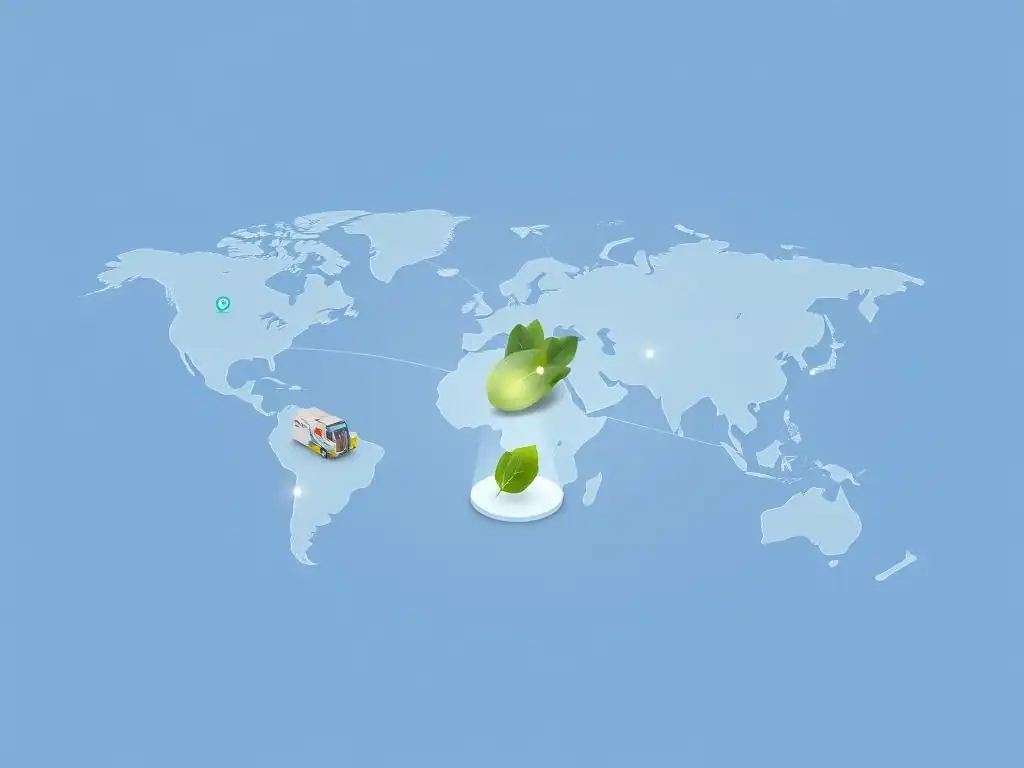
Integrating blockchain with existing food supply chain systems presents both opportunities and challenges. Many food companies already have established IT systems for inventory management, logistics, and quality control. Integrating blockchain seamlessly with these legacy systems is crucial for avoiding disruption and maximizing the benefits of blockchain implementation. This often involves developing Application Programming Interfaces (APIs) to connect blockchain platforms with existing databases and software applications.
Challenges may include data migration, system compatibility issues, and the need for modifications to existing workflows. A phased approach to integration is often recommended, starting with pilot projects to test and refine integration strategies before full-scale deployment. Middleware solutions can also facilitate integration by acting as a bridge between different systems. Careful planning, robust system architecture, and collaboration between IT and supply chain teams are essential for successful integration of blockchain with existing food supply chain systems and achieving effective blockchain food supply traceability optimization.
Training and Education for Food Industry Professionals
Effective implementation of blockchain for food safety requires adequate training and education for food industry professionals at all levels. Blockchain technology is relatively new to many in the food industry, and understanding its concepts, functionalities, and benefits is crucial for successful adoption. Training programs should be tailored to different roles and responsibilities within the supply chain.
Farmers may need training on data entry and using mobile applications to record product information on the blockchain. Processors and distributors may require training on system operation, data management, and blockchain analytics. Retailers may need training on accessing product information for consumers and utilizing blockchain data for inventory management.
Education should also extend to consumers, informing them about the benefits of blockchain traceability and how to access and interpret product information. Training programs should cover topics such as blockchain basics, data privacy and security, system usage, and troubleshooting. Investing in comprehensive training and education ensures that food industry professionals are equipped with the necessary skills and knowledge to effectively utilize blockchain technology and contribute to the success of blockchain food supply traceability optimization initiatives.
Real-World Applications of Blockchain in the Food Industry
Case Study 1: IBM Food Trust - Tracking Mangoes from Farm to Shelf
IBM Food Trust is a blockchain-based platform designed to improve food supply chain transparency and traceability. One compelling case study involves the tracking of mangoes from a farm in Mexico to a supermarket shelf in the United States. In this scenario, each stage of the mango's journey is recorded on the IBM Food Trust blockchain. This includes data from the farm, such as harvest date and location; processing facilities, including packaging and quality checks; transportation providers, logging temperature and transit times; and finally, retailers, recording arrival and shelf placement.
By scanning a QR code on the mango packaging, consumers can access detailed information about the mango's origin, journey, and handling. This provides unprecedented transparency and builds consumer confidence. For supply chain stakeholders, IBM Food Trust offers benefits such as reduced food waste, faster recall times, and improved brand reputation.
In one instance, utilizing IBM Food Trust, a major retailer was able to trace the origin of a food product implicated in a potential food safety issue in seconds, compared to days using traditional methods. This case study demonstrates the practical benefits of blockchain food supply traceability optimization in a real-world food supply chain.
Case Study 2: Walmart - Enhancing Pork Traceability in China
Walmart, a global retail giant, has been a pioneer in adopting blockchain for food traceability, particularly in China, where food safety is a significant concern. Walmart implemented a blockchain-based system to track pork products throughout their supply chain in China. This system tracks pork from farms to Walmart stores, recording information about farm origin, slaughterhouses, processing plants, and distribution centers. Data points captured include farm details, processing dates, testing results, and storage temperatures.
By leveraging blockchain, Walmart aims to enhance pork traceability, improve food safety, and build consumer trust in its pork products in China. Consumers can scan QR codes on pork packages to access information about the origin and journey of the meat. Walmart has reported significant improvements in traceability speed and efficiency using blockchain.
In one test, tracing the origin of pork using traditional methods took days, while with blockchain, it was reduced to seconds. This improved traceability allows for faster response times in case of food safety issues and enhances Walmart's ability to ensure the safety and quality of its pork supply in China, showcasing the impact of blockchain food supply traceability optimization on a large scale.
Case Study 3: Provenance - Improving Tuna Supply Chain Transparency
Provenance is a technology company focused on using blockchain to enhance supply chain transparency, particularly for ethical and sustainable sourcing. They have worked with various food companies to improve traceability in seafood supply chains, including tuna. Provenance's blockchain solution allows for tracking tuna from the point of catch to the consumer, recording information about fishing vessels, fishing methods, catch locations, processing details, and certifications. This system aims to combat illegal, unreported, and unregulated (IUU) fishing and promote sustainable fishing practices.
By providing consumers with transparent information about the origin and sustainability of tuna products, Provenance helps build trust and empowers consumers to make informed choices. Consumers can use a smartphone app to scan product tags and access the blockchain-verified journey of the tuna they are considering purchasing. This transparency helps to differentiate sustainably sourced tuna from less responsibly sourced options and supports efforts to protect ocean resources. Provenance's work demonstrates how blockchain food supply traceability optimization can be used to promote ethical and sustainable practices in the food industry, in addition to enhancing food safety.
Challenges and Considerations for Blockchain Adoption in Food Safety
Data Privacy and Security Concerns in Food Traceability
While blockchain offers enhanced security compared to traditional systems, data privacy and security concerns remain important considerations for blockchain adoption in food traceability. Food supply chains involve sensitive business information, such as supplier details, pricing, and production volumes, which companies may be hesitant to share on a shared ledger. Permissioned blockchains address some of these concerns by controlling access to data and network participation. However, ensuring data privacy within a permissioned blockchain still requires careful design and implementation.
Data encryption, access control mechanisms, and data minimization strategies are crucial for protecting sensitive information on the blockchain. Compliance with data privacy regulations, such as GDPR, is also essential. Food companies need to carefully consider what data is necessary to record on the blockchain for traceability purposes and implement appropriate security measures to protect confidential information. Addressing data privacy and security concerns effectively is vital for building trust and facilitating wider adoption of blockchain for food supply traceability optimization.
Scalability and Performance Limitations of Blockchain Networks
Scalability and performance limitations of some blockchain networks can pose challenges for large-scale adoption in the food industry. Food supply chains can generate vast amounts of data and require high transaction throughput, especially for fast-moving consumer goods. Some blockchain platforms may struggle to handle the volume of transactions and data generated by large, complex food supply chains, leading to slow transaction speeds and increased costs.
While blockchain technology is continuously evolving and scalability solutions are being developed, food companies need to carefully evaluate the scalability and performance capabilities of different blockchain platforms before implementation. Choosing a platform that can handle the expected transaction volume and data load is crucial for ensuring efficient and cost-effective blockchain food supply traceability optimization. Exploring layer-2 scaling solutions and optimizing blockchain network design are also important considerations for addressing scalability challenges.
The Need for Industry-Wide Collaboration and Standardization
Successful blockchain adoption for food safety requires industry-wide collaboration and standardization. For blockchain to achieve its full potential in enhancing food supply chain traceability, different companies, organizations, and stakeholders need to work together to establish common standards and protocols. Lack of interoperability and data standardization can hinder the seamless flow of information across the supply chain and limit the benefits of blockchain implementation.
Industry consortia, standards organizations, and regulatory bodies can play a crucial role in fostering collaboration and developing industry-wide standards for blockchain-based food traceability systems. These standards should address data formats, communication protocols, security requirements, and governance models. Collaborative initiatives and open standards promote interoperability, reduce fragmentation, and facilitate wider adoption of blockchain for food supply traceability optimization across the entire food industry.
Regulatory Hurdles and Compliance Requirements
Navigating regulatory hurdles and compliance requirements is another important consideration for blockchain adoption in food safety. The regulatory landscape for blockchain technology is still evolving, and specific regulations related to blockchain in food supply chains are emerging. Food companies need to ensure that their blockchain implementations comply with relevant food safety regulations, data privacy laws, and other applicable legal frameworks.
Working closely with regulatory bodies and seeking legal counsel is essential for navigating the evolving regulatory landscape. Proactive engagement with regulators can help shape future regulations and ensure that blockchain-based food traceability systems meet compliance requirements. Demonstrating compliance and addressing regulatory concerns is crucial for gaining acceptance and facilitating wider adoption of blockchain for food supply traceability optimization within the regulated food industry.
Overcoming Resistance to Change within the Food Industry
Overcoming resistance to change within the traditional food industry can be a significant challenge for blockchain adoption. The food industry is often characterized by established practices, legacy systems, and a cautious approach to adopting new technologies. Introducing blockchain requires changes to existing workflows, investments in new infrastructure, and training for personnel, which can be met with resistance from some stakeholders.
Addressing resistance to change requires effective communication, education, and demonstration of the benefits of blockchain. Highlighting the tangible advantages of blockchain food supply traceability optimization, such as improved food safety, reduced costs, enhanced brand reputation, and increased efficiency, can help overcome skepticism and build support for adoption. Starting with pilot projects and demonstrating successful use cases can also help build confidence and encourage wider adoption of blockchain within the food industry.
The Future of Food Safety and Blockchain: Trends and Predictions
The Rise of Decentralized Food Supply Chain Management
The future of food safety and blockchain points towards a rise in decentralized food supply chain management. Blockchain technology inherently promotes decentralization by distributing data and control across multiple participants in the network. This decentralization can enhance the resilience and security of food supply chains, reducing reliance on centralized intermediaries and single points of failure. Decentralized systems can be more agile and responsive to disruptions, such as natural disasters or geopolitical events, ensuring greater food security and supply chain continuity.
Blockchain-enabled decentralized platforms can facilitate direct interactions and collaborations between different stakeholders in the food supply chain, such as farmers, processors, and retailers, reducing intermediaries and transaction costs. This shift towards decentralized food supply chain management, facilitated by blockchain, can lead to more efficient, transparent, and resilient food systems, enhancing overall food safety and security.
The Integration of IoT and Blockchain for Real-Time Food Monitoring
The integration of the Internet of Things (IoT) and blockchain is a significant trend shaping the future of food safety. IoT devices, such as sensors and trackers, can collect real-time data on food conditions, including temperature, humidity, location, and handling. This data can be seamlessly integrated with blockchain platforms to provide continuous and verifiable monitoring of food products throughout the supply chain. For example, temperature sensors in refrigerated trucks can transmit data to the blockchain, providing an immutable record of temperature conditions during transportation.
This real-time monitoring enables proactive food safety management, allowing for early detection of potential issues and timely corrective actions. Alerts can be automatically triggered if conditions deviate from pre-defined safety parameters, enabling rapid intervention to prevent spoilage or contamination. The combination of IoT and blockchain provides a powerful tool for enhancing food safety, reducing risks, and improving the overall quality and integrity of the food supply chain, driving further blockchain food supply traceability optimization.
The Potential of AI and Machine Learning to Enhance Food Safety Analysis
Artificial intelligence (AI) and machine learning (ML) are increasingly being integrated with blockchain to enhance food safety analysis and risk management. Blockchain provides a rich dataset of food supply chain information, which can be analyzed using AI and ML algorithms to identify patterns, predict risks, and optimize food safety practices. For example, AI can analyze blockchain data to identify potential contamination hotspots, predict food spoilage based on environmental conditions, and optimize recall strategies.
Machine learning algorithms can be trained to detect anomalies and deviations from normal patterns in food supply chain data, providing early warnings of potential food safety issues. AI-powered analytics can also provide insights into supply chain efficiency, identify areas for improvement, and optimize logistics operations. The synergy of blockchain, AI, and ML offers significant potential to transform food safety analysis, enhance risk management, and drive continuous improvement in food supply chain operations, further optimizing blockchain food supply traceability.
Blockchain-Enabled Food Safety Certification and Auditing
Blockchain technology is poised to revolutionize food safety certification and auditing processes. Traditional certification and auditing processes are often paper-based, time-consuming, and susceptible to fraud. Blockchain can enable digital, tamper-proof food safety certifications and streamline auditing procedures. Smart contracts can automate certification issuance upon verification of compliance with predefined standards, eliminating manual paperwork and reducing administrative overhead.
Blockchain-based audit trails provide a transparent and auditable record of all food safety related activities, making audits more efficient and effective. Regulators and auditors can access blockchain data to verify compliance and track corrective actions in real-time. Blockchain-enabled certification and auditing can enhance trust and transparency in food safety assurance, reduce costs, and improve the overall integrity of food safety certification systems, contributing to broader blockchain food supply traceability optimization.
Conclusion: Embracing Blockchain for a Safer and More Transparent Food System
The Transformative Potential of Blockchain in Food Safety
Blockchain technology possesses transformative potential to revolutionize food safety and create a more transparent and trustworthy food system. By addressing the limitations of traditional traceability systems, blockchain offers a powerful solution for enhancing food supply chain visibility, improving food safety, reducing risks, and building consumer trust. The benefits of blockchain food supply traceability optimization extend across the entire food industry, from producers to consumers and regulators.
From enhancing transparency and visibility to improving food safety and reducing costs, blockchain offers a compelling value proposition for the food industry. Real-world case studies and emerging trends demonstrate the practical applications and future potential of blockchain in transforming food safety practices. Embracing blockchain technology is not just about adopting a new technology; it's about embracing a new paradigm of transparency, accountability, and collaboration in the food system, ultimately leading to safer and more trustworthy food for everyone.
Call to Action: Promoting Blockchain Adoption in the Food Industry
To fully realize the transformative potential of blockchain in food safety, a collective effort is needed to promote its adoption across the food industry. This requires collaboration among food companies, technology providers, regulatory bodies, and consumers. Food companies should explore and pilot blockchain solutions to understand their benefits and identify suitable use cases for their operations. Technology providers should continue to develop user-friendly and scalable blockchain platforms tailored to the needs of the food industry. Regulatory bodies should create supportive regulatory frameworks that encourage innovation and facilitate responsible blockchain adoption.
Consumers can play a role by demanding greater transparency and supporting brands that are committed to blockchain-enabled traceability. Through collective action and a shared commitment to innovation, the food industry can embrace blockchain to build a safer, more transparent, and more resilient food system for the benefit of all. Promoting blockchain adoption is not just a technological imperative; it is a societal responsibility to leverage technology to create a better and safer food future for generations to come.
Frequently Asked Questions
How does blockchain technology improve food safety?
Blockchain provides a transparent and immutable record of the food's journey, from farm to consumer. This allows for rapid identification of contamination sources and faster recalls, improving food safety outcomes.
What are the key benefits of using blockchain for food supply chain traceability?
The primary benefits are enhanced transparency, improved accountability, and increased efficiency in tracking food products. This leads to greater consumer trust and reduced instances of foodborne illnesses.
What challenges exist in implementing blockchain for food traceability?
Challenges include the initial investment costs, the need for industry-wide collaboration, and ensuring data interoperability between different systems. Overcoming these hurdles is crucial for successful implementation.
How does blockchain help with Blockchain food supply traceability optimization?
By creating a single source of truth and automating data sharing, blockchain optimizes traceability processes. This reduces reliance on manual systems and minimizes the risk of errors or fraud.
What role does regulation play in the adoption of blockchain for food safety?
Clear and consistent regulations can encourage wider adoption of blockchain technology in the food industry. This provides a framework for standardization and ensures compliance with food safety standards.
Final Reflection: Embracing Blockchain for a Safer Tomorrow
The preceding exploration of blockchain's potential in food safety underscores a critical truth: transparency and traceability are no longer optional, but essential, components of a resilient food supply chain. The vulnerabilities exposed by opaque systems demand innovative solutions, and blockchain offers a powerful framework for building trust and accountability from farm to fork. The implications extend far beyond mere efficiency; they touch upon public health, consumer confidence, and the very integrity of our global food system.
The journey towards widespread blockchain adoption in food supply chains is undoubtedly complex, yet the potential rewards are immense. Witnessing the evolution of this technology, and its capacity to empower consumers with information and protect them from harm, is truly inspiring. It reminds us that innovation, when guided by ethical considerations, can be a force for positive change. The future of food is traceability. Consumers want to know where their food comes from, how it was produced, and that it is safe to eat.
- Cathy Burns, CEO of the Produce Marketing Association. This quote encapsulates the growing demand for transparency and the pivotal role blockchain can play in meeting that demand.
As we stand at the cusp of a new era in food safety, let us not underestimate the power of informed choices and collective action. Consider how you, as a consumer, can advocate for greater transparency in the food you consume. Explore the companies that are embracing blockchain technology and support their efforts to build a safer, more sustainable food future. The power to shape a more transparent and trustworthy food system lies within each of us.
Unveil a Safer Food Future – Starting Now!
Thanks for exploring how blockchain is revolutionizing food safety! We hope you've gained valuable insights into creating a more transparent and trustworthy food supply chain. Ready to put that knowledge into action? Here's how you can contribute to a safer food future:
- Share this article with your network to raise awareness about the potential of blockchain in food safety. Let's get the conversation flowing!
- Dive deeper! Research blockchain-based food traceability projects currently underway in your local area or industry.
- Consider how you can support or advocate for companies prioritizing transparency through innovative technologies like blockchain.
What are your thoughts on the biggest barriers to adopting blockchain for food safety, and what solutions can you envision? Let's discuss in the comments below!
Leave a Reply