
Government Procurement Revolutionized: Blockchain for Transparent Bidding Processes


Welcome to Blockchain Trends, your compass in the rapidly evolving world of decentralized technology! Dive deep into how blockchain is reshaping industries beyond cryptocurrency. Curious about how governments can leverage blockchain for greater accountability? Explore our latest article on Blockchain Procurement Transparency Bidding Process and discover how this innovative approach is poised to revolutionize public sector efficiency and integrity. Prepare to uncover the future of governance, one block at a time.
Government Procurement Revolutionized: Blockchain for Transparent Bidding Processes
- Introduction: The Need for Transparency in Government Procurement
- Understanding Blockchain's Role in Public Procurement
- Blockchain for Transparent Bidding Processes: A Deep Dive
- Benefits of Blockchain-Based Procurement Transparency
- Use Cases: Blockchain Procurement in Action
- Overcoming Challenges in Implementing Blockchain Procurement
- The Future of Blockchain in Government Procurement
- Conclusion: Embracing Blockchain for a More Transparent and Efficient Government
-
Frequently Asked Questions
- What is blockchain procurement transparency bidding process, and why is it considered revolutionary?
- How does blockchain enhance transparency in government bidding?
- What are the key benefits of using blockchain for procurement beyond transparency?
- What are some potential challenges in implementing blockchain for government procurement?
- How does blockchain support the future of decentralized systems in government procurement?
- Final Reflection: Embracing Transparency Through Blockchain
- Reimagine Government Trust: Embrace Blockchain Transparency!
Introduction: The Need for Transparency in Government Procurement
Addressing Inefficiencies and Corruption in Traditional Procurement
Traditional government procurement processes, often characterized by complex paperwork, manual procedures, and centralized systems, are frequently plagued by inefficiencies and vulnerabilities to corruption. A study by the World Bank estimates that corruption in public procurement can inflate contract costs by 10-25%, diverting significant public funds. These traditional systems often lack transparency, making it difficult to track the bidding process, monitor contract execution, and ensure accountability.
For instance, in many developing nations, opaque tender processes have led to instances where contracts are awarded based on favoritism rather than merit, resulting in substandard infrastructure projects and compromised public services. The lack of a clear audit trail in conventional systems makes it challenging to detect and prevent fraudulent activities, fostering an environment where corruption can thrive and erode public trust.
The consequences of these inefficiencies extend beyond financial losses. Delays in procurement processes can stall critical public projects, impacting essential services like healthcare, education, and infrastructure development. Furthermore, the complexity and opacity of traditional systems often deter smaller businesses and innovative startups from participating in government tenders, limiting competition and potentially hindering economic growth.
Reports from organizations like Transparency International consistently highlight procurement as a high-risk area for corruption globally, emphasizing the urgent need for more transparent and accountable systems. The current reliance on paper-based processes also contributes to environmental concerns and increases administrative burdens for both government agencies and participating businesses.
Blockchain Technology: A Solution for Enhanced Transparency and Accountability
Blockchain technology, with its inherent characteristics of decentralization, immutability, and transparency, presents a compelling solution to address the deep-seated issues within traditional government procurement. Imagine a system where every bid, every contract, and every transaction is recorded on a shared, tamper-proof ledger, accessible to authorized stakeholders. This is the promise of blockchain in procurement.
Unlike conventional centralized databases that can be manipulated or altered without leaving a trace, blockchain's distributed nature ensures that once data is recorded, it cannot be changed or deleted, creating an immutable audit trail. This inherent transparency and auditability are crucial for building trust and accountability in government spending.
Moreover, blockchain's cryptographic security features offer robust protection against fraud and manipulation. Each transaction on the blockchain is cryptographically secured and linked to the previous one, forming a chain of blocks that is incredibly difficult to tamper with. This enhanced security is particularly valuable in procurement, where the risk of collusion, bid rigging, and contract fraud is significant.
By leveraging blockchain, governments can move towards a more open, efficient, and trustworthy procurement ecosystem, fostering fair competition, reducing corruption, and ultimately ensuring that public funds are used effectively for the benefit of citizens. The technology's potential to streamline processes and automate tasks through smart contracts further enhances its appeal as a transformative tool for government procurement.
Understanding Blockchain's Role in Public Procurement
What is Blockchain and How Does it Work?
At its core, blockchain is a distributed, immutable ledger that records transactions across many computers. Think of it as a digital record book that is duplicated and shared across a network of participants. Instead of relying on a single central authority to verify and record transactions, blockchain uses a consensus mechanism where multiple participants validate each transaction before it is added to a "block." These blocks are then chained together cryptographically, creating a chronological and tamper-proof record of all transactions. This decentralized and distributed nature is what gives blockchain its inherent security and transparency.
In the context of government procurement, this means that all relevant information related to bidding processes – from tender announcements to bid submissions, evaluations, and contract awards – can be recorded on a blockchain. Each step in the procurement process becomes a verifiable transaction, transparently recorded and accessible to authorized parties.
The use of cryptography ensures the integrity and authenticity of the data, while the distributed nature of the ledger prevents any single point of failure or manipulation. This fundamental shift from centralized to decentralized record-keeping is key to understanding blockchain's transformative potential in enhancing transparency and trust in public sector operations.
Key Benefits of Blockchain in Government Procurement: Transparency, Security, and Efficiency
Blockchain technology offers a trifecta of benefits that are particularly relevant to government procurement: transparency, security, and efficiency. Transparency is arguably the most significant advantage. By recording procurement data on a publicly auditable blockchain (or a permissioned blockchain accessible to relevant stakeholders), governments can significantly enhance the visibility of bidding processes. This transparency extends to all stages, from the initial tender announcement to the final contract award, reducing information asymmetry and fostering public trust.
Security is another crucial benefit. Blockchain's cryptographic security and immutability make it extremely difficult to tamper with procurement records, minimizing the risk of fraud, bid rigging, and corruption. The distributed nature of the network also enhances resilience against cyberattacks and data breaches.
Furthermore, blockchain can drive significant efficiency gains in government procurement. Smart contracts, self-executing contracts coded on the blockchain, can automate many manual and time-consuming processes, such as bid evaluation, payment disbursement, and contract management. This automation reduces administrative overhead, minimizes delays, and frees up government resources for more strategic tasks. For example, automated bid evaluations based on pre-defined criteria encoded in smart contracts can significantly speed up the tender process and reduce the potential for human bias. The combination of these benefits positions blockchain as a powerful tool for modernizing and improving government procurement systems worldwide.
The Current State of Government Procurement: Challenges and Opportunities
The current state of government procurement globally is characterized by a mix of traditional, often paper-based systems alongside increasing adoption of e-procurement platforms. While e-procurement has brought some improvements in efficiency and accessibility, many challenges persist, particularly in terms of transparency and security. According to a 2020 OECD report on government at a glance, only a fraction of public procurement processes globally are fully digital, highlighting the ongoing reliance on outdated methods. This reliance contributes to inefficiencies, delays, and increased susceptibility to corruption.
Despite the advancements in e-procurement, concerns about data integrity, lack of auditability, and potential for manipulation remain. Many existing e-procurement systems still operate on centralized databases, which are vulnerable to single points of failure and internal manipulation. This is where blockchain presents a significant opportunity.
By integrating blockchain technology into e-procurement platforms, governments can build upon existing digital infrastructure while addressing the critical shortcomings in transparency and security. The opportunity lies in leveraging blockchain to create a new generation of e-procurement systems that are not only efficient but also inherently transparent, secure, and accountable, paving the way for a more trustworthy and effective public sector.
Blockchain for Transparent Bidding Processes: A Deep Dive
How Blockchain Ensures Immutability and Auditability in Bidding
Blockchain's inherent immutability and auditability are transformative for bidding processes. Once a bid is submitted and recorded on the blockchain, it becomes virtually impossible to alter or delete it without detection. This immutability stems from the cryptographic hashing and distributed consensus mechanisms that underpin blockchain technology. Each block of transactions is linked to the previous block through a unique cryptographic hash, creating a chain of blocks that is tamper-proof. Any attempt to alter a transaction in a previous block would require recalculating all subsequent hashes, a computationally infeasible task for malicious actors.
Furthermore, the distributed nature of the blockchain ensures auditability. All transactions are replicated across multiple nodes in the network, creating a shared, transparent record. Authorized stakeholders, such as government auditors, oversight bodies, and even participating bidders (depending on the level of transparency implemented), can access and verify the entire history of the bidding process.
This audit trail provides irrefutable evidence of every action taken, from bid submission timestamps to evaluation criteria and decision justifications. For example, if a question arises about the fairness of a contract award, auditors can readily examine the blockchain record to trace the entire bidding process, ensuring accountability and deterring corrupt practices.
Smart Contracts: Automating and Enforcing Procurement Rules
Smart contracts are self-executing contracts with the terms of the agreement directly written into code. When deployed on a blockchain, these contracts automatically execute predefined actions when specific conditions are met, without the need for intermediaries. In the context of government procurement, smart contracts can revolutionize bidding processes by automating and enforcing procurement rules and regulations in a transparent and impartial manner. For instance, tender eligibility criteria, bid evaluation rules, and payment terms can be encoded into smart contracts.
Consider a scenario where a smart contract is programmed to automatically evaluate bids based on pre-defined criteria such as price, technical specifications, and supplier qualifications. Once the bidding period closes, the smart contract automatically analyzes all submitted bids against these criteria and selects the winning bid based on the pre-programmed rules. This automation eliminates human bias in the evaluation process and ensures that contracts are awarded based on merit and adherence to pre-defined rules.
Moreover, smart contracts can automate payment disbursement upon successful completion of contract milestones, reducing delays and ensuring timely payments to suppliers. By automating key aspects of the procurement cycle, smart contracts enhance efficiency, reduce administrative overhead, and foster greater trust and transparency in government bidding processes.
Real-Time Tracking and Monitoring of the Bidding Process
Blockchain technology enables real-time tracking and monitoring of the entire bidding process, offering unprecedented levels of transparency and accountability. Every stage of the procurement cycle, from tender publication to bid submission, evaluation, contract award, and even contract execution milestones, can be recorded on the blockchain and tracked in real-time. This real-time visibility provides stakeholders with up-to-date information on the progress of procurement processes, fostering greater transparency and enabling proactive monitoring.
For government agencies, real-time tracking facilitates better oversight and management of procurement activities. It allows them to identify potential bottlenecks or delays early on and take corrective actions promptly. For participating bidders, real-time tracking provides assurance that the process is being conducted fairly and transparently. They can monitor the status of their bids and track the overall progress of the tender.
Furthermore, for citizens and oversight bodies, real-time access to procurement data enhances accountability and allows for greater public scrutiny of government spending. Imagine a public dashboard displaying the real-time status of all government tenders, accessible to anyone. This level of transparency can significantly deter corruption and build public trust in government procurement.
Benefits of Blockchain-Based Procurement Transparency
Increased Trust and Reduced Corruption in Government Spending
The most significant benefit of blockchain-based procurement transparency is the potential to increase public trust and drastically reduce corruption in government spending. When bidding processes are transparent and auditable, the opportunities for corrupt practices such as bribery, favoritism, and bid rigging are significantly diminished. The immutability of blockchain records ensures that there is a clear and verifiable audit trail for all procurement activities, making it much harder for corrupt officials to manipulate the system without detection.
Increased transparency fosters accountability. Government agencies are more likely to adhere to ethical standards and follow proper procedures when they know their actions are being recorded and can be scrutinized by the public and oversight bodies. This enhanced accountability can lead to a significant reduction in corruption, saving taxpayers' money and ensuring that public funds are used for their intended purpose.
Studies have shown a direct correlation between transparency in government procurement and reduced corruption levels. By implementing blockchain-based transparent bidding processes, governments can send a strong signal that they are committed to fighting corruption and promoting good governance, ultimately building greater trust with their citizens.
Streamlined Processes and Reduced Administrative Costs
Beyond transparency, blockchain can also streamline government procurement processes and significantly reduce administrative costs. The automation capabilities of smart contracts eliminate many manual tasks associated with traditional procurement, such as paperwork processing, bid evaluation, and contract management. Digitizing and automating these processes reduces the administrative burden on government agencies and frees up staff to focus on more strategic activities.
For example, automated bid submission and evaluation through smart contracts can significantly shorten the tender cycle, reducing delays and accelerating project implementation. Electronic record-keeping on blockchain eliminates the need for cumbersome paper-based archives, saving storage space and reducing administrative overhead. Furthermore, reduced instances of fraud and corruption, resulting from increased transparency, translate into significant cost savings for governments. A more efficient and less corrupt procurement system ensures that public funds are used more effectively, maximizing value for money and contributing to overall economic efficiency.
Improved Supplier Participation and Competition
Transparent and efficient blockchain-based procurement systems can encourage broader supplier participation and foster greater competition in government tenders. The increased transparency and fairness of the bidding process can attract more businesses, including small and medium-sized enterprises (SMEs) and innovative startups, who may have been deterred by the perceived opacity and complexity of traditional systems. When suppliers have confidence that the bidding process is fair and transparent, they are more likely to invest time and resources in preparing and submitting bids.
Increased competition among suppliers leads to better value for money for the government. With more bidders vying for contracts, governments can secure more competitive prices and benefit from a wider range of innovative solutions and offerings. This enhanced competition drives efficiency and innovation in the market, ultimately leading to better quality goods and services for the public sector. Furthermore, by making government procurement more accessible to SMEs and startups, blockchain can contribute to economic growth and job creation, fostering a more inclusive and dynamic business environment.
Enhanced Data Security and Protection Against Fraud
Blockchain technology provides enhanced data security and robust protection against fraud in government procurement. The cryptographic security features of blockchain, coupled with its decentralized and distributed nature, make it extremely difficult for malicious actors to tamper with procurement data or engage in fraudulent activities. Unlike centralized databases, which are vulnerable to single points of failure and cyberattacks, blockchain's distributed ledger is highly resilient and secure.
The immutability of blockchain records ensures that once procurement data is recorded, it cannot be altered or deleted, preventing data manipulation and ensuring the integrity of the audit trail. Smart contracts can further enhance security by automating and enforcing procurement rules, reducing the potential for human error or manipulation. For example, automated bid evaluation based on pre-defined criteria programmed into smart contracts eliminates the possibility of subjective or biased evaluations. By leveraging blockchain's security features, governments can build more robust and fraud-resistant procurement systems, safeguarding public funds and ensuring the integrity of government operations.
Use Cases: Blockchain Procurement in Action
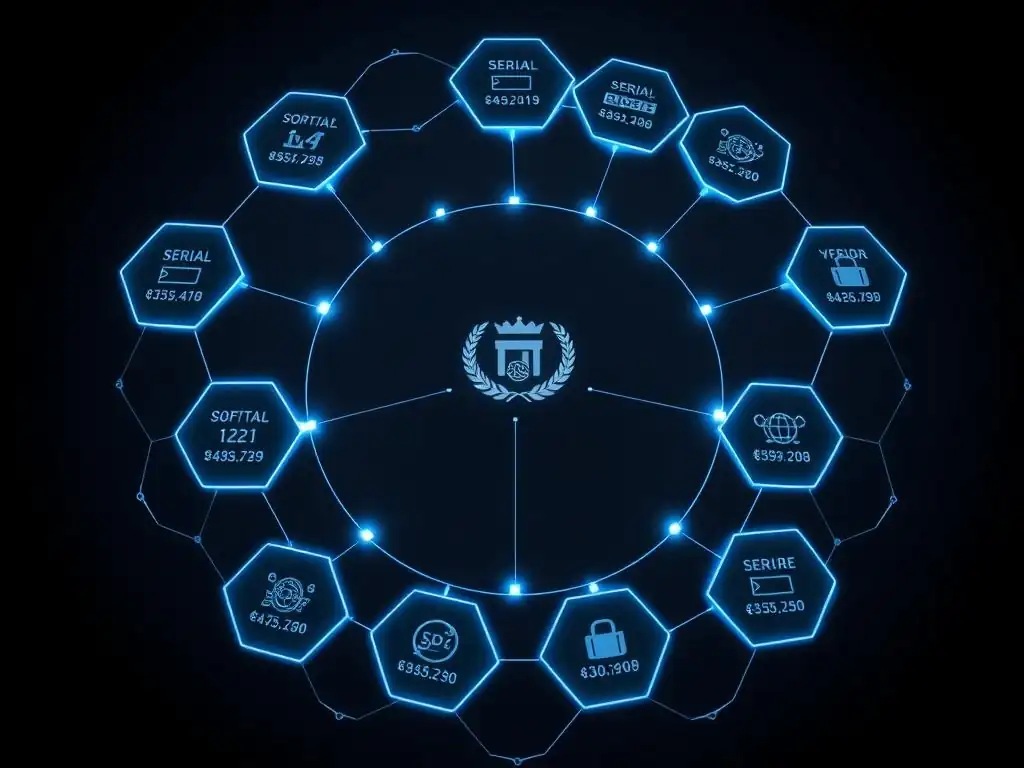
Singapore's GeBIZ Platform: Enhancing Transparency and Efficiency
Singapore's Government Electronic Business (GeBIZ) platform is a pioneering example of e-procurement that has continually sought to enhance transparency and efficiency. While GeBIZ itself is not fully blockchain-based, Singapore has been exploring and piloting blockchain solutions within its public sector, including procurement. GeBIZ already offers a high degree of transparency by publishing tender notices, award details, and contract information online, making it a leading example of e-governance in procurement.
Singapore's focus on digital government and innovation makes it a prime candidate for future blockchain integration in procurement. The country's Smart Nation initiative actively explores and adopts emerging technologies to improve public services.
While specific large-scale blockchain implementations in GeBIZ might be in developmental stages or focused on specific pilot projects, the underlying principles of transparency and efficiency championed by GeBIZ align perfectly with the potential benefits of blockchain. Singapore's commitment to technological innovation suggests a strong likelihood of further exploration and adoption of blockchain to enhance its already advanced e-procurement system, potentially focusing on areas like supplier registration, contract management, and secure data exchange within the procurement ecosystem.
Estonia's E-Residency Program: Streamlining Public Services
Estonia, a global leader in digital governance, has been actively leveraging blockchain technology across various public services, including aspects relevant to procurement. While Estonia's e-Residency program is primarily focused on providing digital identity and access to Estonian services for non-residents, the underlying blockchain infrastructure and principles of transparency and efficiency are directly applicable to government procurement. Estonia's "Once-Only" principle, which aims to reduce bureaucratic burden by requiring citizens to provide data to the government only once, is facilitated by secure and transparent data exchange systems, where blockchain can play a crucial role.
Estonia has explored blockchain for data integrity, security, and transparency in various government processes. While direct, large-scale public procurement blockchain applications in Estonia might be evolving, the nation's overall digital ecosystem, built on principles of transparency and data security using technologies like blockchain, provides a strong foundation for future advancements in procurement.
Estonia's commitment to digital transformation and its proactive adoption of blockchain technologies in other government services highlight its potential to further explore and implement blockchain solutions for transparent and efficient public procurement in the future. The success of Estonia's e-governance initiatives provides valuable lessons and a blueprint for other nations considering blockchain adoption in their public sectors.
Analyzing the Success Factors of Blockchain Procurement Initiatives
Analyzing successful blockchain procurement initiatives, even in their early stages or pilot phases, reveals several key success factors. Firstly, strong government leadership and commitment are crucial. Successful initiatives are often driven by visionary leaders who recognize the transformative potential of blockchain and champion its adoption within government agencies. Secondly, clear objectives and well-defined use cases are essential. Focusing on specific procurement challenges and designing blockchain solutions to address those specific pain points increases the likelihood of success. For example, targeting areas with high corruption risk or inefficient manual processes.
Thirdly, collaboration and stakeholder engagement are vital. Successful initiatives involve close collaboration between government agencies, technology providers, and participating suppliers. Engaging stakeholders early on, addressing their concerns, and ensuring buy-in is crucial for smooth implementation and adoption. Fourthly, gradual and iterative implementation is often preferred.
Starting with pilot projects and scaling up gradually allows for learning, adaptation, and refinement of the blockchain solution based on real-world experience. Finally, focus on user-friendliness and accessibility is important. Blockchain solutions should be designed to be user-friendly for government officials and suppliers, ensuring ease of use and maximizing adoption. By focusing on these success factors, governments can increase the likelihood of successfully implementing blockchain for transparent and efficient procurement.
Overcoming Challenges in Implementing Blockchain Procurement
Scalability and Interoperability Issues
Implementing blockchain for government procurement is not without its challenges. Scalability is a significant concern. Public procurement systems often handle a large volume of transactions, particularly in large economies. Current blockchain technologies may face limitations in processing a very high number of transactions per second, which could become a bottleneck in large-scale procurement systems. Solutions like layer-2 scaling solutions and advancements in blockchain technology are continuously being developed to address these scalability issues.
Interoperability is another challenge. Government agencies often use diverse IT systems, and ensuring interoperability between blockchain-based procurement platforms and existing legacy systems is crucial for seamless integration. Standardization efforts and the development of interoperability protocols are essential to overcome this challenge. Furthermore, interoperability between different blockchain platforms might be necessary if different government agencies or jurisdictions adopt different blockchain solutions. Addressing scalability and interoperability requires careful planning, technology selection, and adherence to open standards to ensure seamless integration and efficient operation of blockchain-based procurement systems.
Regulatory and Legal Frameworks for Blockchain in Government
The lack of clear regulatory and legal frameworks for blockchain technology in government is a significant hurdle to widespread adoption in procurement. Existing procurement laws and regulations were designed for traditional, paper-based systems and may not adequately address the unique characteristics of blockchain-based systems, such as smart contracts, digital signatures, and distributed ledgers. Governments need to develop clear legal frameworks that recognize the validity of blockchain-based procurement processes, define the legal status of smart contracts, and address issues related to data privacy, security, and dispute resolution in a blockchain environment.
These frameworks need to balance the need for innovation with the need for legal certainty and regulatory oversight. Collaborating with legal experts, technology specialists, and industry stakeholders is crucial to develop comprehensive and adaptable regulatory frameworks that foster innovation while ensuring accountability and legal compliance in blockchain-based government procurement. Clear legal guidelines will provide the necessary certainty and confidence for government agencies and suppliers to embrace blockchain technology in procurement.
Addressing Concerns About Data Privacy and Security
While blockchain enhances security in many aspects, concerns about data privacy and security still need to be addressed in the context of government procurement. Depending on the type of blockchain used (public or permissioned), data visibility and access control need to be carefully considered to comply with data privacy regulations like GDPR and ensure confidentiality of sensitive information. While blockchain ensures data integrity and immutability, appropriate measures must be taken to protect personal data and commercially sensitive information.
Solutions like data encryption, access control mechanisms, and zero-knowledge proofs can be implemented to enhance data privacy on blockchain platforms. Governments need to carefully assess the data privacy implications of using blockchain in procurement and implement appropriate safeguards to protect sensitive information. A balanced approach is needed to leverage the transparency and security benefits of blockchain while ensuring compliance with data privacy regulations and maintaining confidentiality where necessary.
The Importance of Education and Training for Government Officials
A critical, often overlooked, challenge is the need for education and training for government officials to effectively implement and manage blockchain-based procurement systems. Blockchain is a relatively new technology, and many government officials may lack the necessary knowledge and skills to understand its potential and navigate its complexities. Investing in comprehensive education and training programs for procurement officers, IT staff, and legal advisors is essential for successful blockchain adoption.
These training programs should cover the fundamentals of blockchain technology, its application in procurement, the operation of blockchain-based procurement platforms, and the relevant legal and regulatory considerations. Building internal capacity within government agencies is crucial to ensure the long-term sustainability and success of blockchain procurement initiatives. Furthermore, ongoing training and upskilling are necessary to keep government officials abreast of the rapidly evolving blockchain landscape and emerging best practices in blockchain procurement.
The Future of Blockchain in Government Procurement
Emerging Trends and Innovations in Blockchain Procurement
The future of blockchain in government procurement is ripe with emerging trends and innovations. Interoperable blockchain platforms are gaining traction, aiming to facilitate seamless data exchange and collaboration across different blockchain networks, addressing the interoperability challenges mentioned earlier. Integration with other technologies like Artificial Intelligence (AI) and the Internet of Things (IoT) is also emerging. AI can enhance bid analysis and fraud detection in blockchain procurement systems, while IoT can provide real-time data on contract execution and supply chain visibility, recorded directly on the blockchain.
Decentralized Identity (DID) solutions are also becoming relevant. DIDs can provide secure and verifiable digital identities for suppliers and government officials, streamlining supplier registration and enhancing trust in the procurement ecosystem. Furthermore, focus on sustainability and ethical procurement is increasing. Blockchain can be used to track the provenance and ethical sourcing of goods and services procured by governments, promoting responsible and sustainable procurement practices. These emerging trends point towards a future where blockchain becomes an integral part of a more intelligent, interconnected, and ethical government procurement landscape.
Potential for Integration with Other Government Services
The potential for integration with other government services is a significant aspect of the future of blockchain in government procurement. Blockchain-based procurement systems can be integrated with other e-governance platforms, such as digital identity systems, land registries, and tax administration systems, creating a more cohesive and efficient digital government ecosystem. For example, integrating blockchain procurement with digital identity systems can streamline supplier verification and KYC (Know Your Customer) processes.
Integration with payment systems can facilitate automated and transparent payment disbursement to suppliers upon contract completion milestones, triggered by smart contracts. Furthermore, integrating procurement data with government budgeting and expenditure tracking systems can provide a comprehensive and transparent view of public finances. This integrated approach can enhance efficiency, reduce data silos, and improve overall government service delivery. Blockchain's interoperability and data integrity features make it well-suited for building interconnected and seamless government service platforms.
Predictions for the Adoption of Blockchain in Public Sector Procurement
Predictions for the adoption of blockchain in public sector procurement are optimistic, albeit with a recognition that widespread adoption will be a gradual process. Early adoption is likely to continue in specific niches and pilot projects, focusing on areas where the benefits of transparency and security are most critical, such as high-value contracts or sectors prone to corruption. As blockchain technology matures, scalability and interoperability challenges are addressed, and regulatory frameworks become clearer, adoption is expected to accelerate.
Within the next 5-10 years, we can expect to see more governments implementing blockchain-based e-procurement platforms, particularly in countries with strong digital government initiatives and a commitment to fighting corruption. Developing nations, in particular, may see significant benefits from leapfrogging traditional systems and adopting blockchain to build transparent and efficient procurement processes from the ground up. While full-scale, nationwide adoption might take longer, the trend is clear: blockchain is poised to play an increasingly important role in shaping the future of government procurement, driving greater transparency, efficiency, and accountability in public spending globally.
Conclusion: Embracing Blockchain for a More Transparent and Efficient Government
Key Takeaways: The Transformative Potential of Blockchain in Procurement
Blockchain technology holds transformative potential for revolutionizing government procurement. Its inherent characteristics of transparency, immutability, and security address critical challenges in traditional procurement systems, particularly inefficiencies and corruption. Blockchain-based bidding processes can enhance transparency by creating immutable audit trails and enabling real-time tracking. Smart contracts automate and enforce procurement rules, streamlining processes and reducing administrative costs. These benefits translate into increased trust, reduced corruption, improved supplier participation, and enhanced data security.
While challenges such as scalability, interoperability, regulatory frameworks, and the need for education exist, ongoing technological advancements and proactive government initiatives are paving the way for wider adoption. Use cases from countries like Singapore and Estonia, although not fully blockchain-based in procurement yet, demonstrate the direction towards leveraging technology for greater transparency and efficiency in public services, setting the stage for future blockchain implementations. The key takeaway is that blockchain offers a powerful toolkit for governments to build more transparent, efficient, and accountable procurement systems, ultimately benefiting citizens and fostering good governance.
Call to Action: Encouraging Government Agencies to Explore Blockchain Solutions
Government agencies worldwide are encouraged to actively explore and pilot blockchain solutions for their procurement processes. Starting with pilot projects focused on specific procurement challenges can provide valuable insights and build internal expertise. Collaboration with technology providers, legal experts, and industry stakeholders is crucial to navigate the complexities of blockchain implementation and develop tailored solutions. Investing in education and training for government officials is essential to build the necessary capacity for successful adoption.
Embracing blockchain technology is not just about adopting a new technology; it is about embracing a paradigm shift towards greater transparency, accountability, and efficiency in government operations. By taking proactive steps to explore and implement blockchain, government agencies can pave the way for a more trustworthy and effective public sector, ensuring that public funds are used responsibly and for the benefit of all citizens. The time to explore the transformative potential of blockchain for government procurement is now, to build a future of more transparent and efficient public services.
Frequently Asked Questions
What is blockchain procurement transparency bidding process, and why is it considered revolutionary?
It's a secure and transparent method of managing government procurement using blockchain technology. It's revolutionary because it aims to reduce corruption and increase trust by making the entire bidding process auditable and immutable.
How does blockchain enhance transparency in government bidding?
Blockchain's inherent immutability creates a permanent, tamper-proof record of all bids and transactions. This ensures that the entire process is easily verifiable and accountable to the public.
What are the key benefits of using blockchain for procurement beyond transparency?
Besides transparency, blockchain can improve efficiency by automating tasks, reduce costs by eliminating intermediaries, and enhance security against fraud and manipulation.
What are some potential challenges in implementing blockchain for government procurement?
Challenges include regulatory hurdles, the need for significant technological infrastructure investment, and the potential for user resistance or lack of understanding of blockchain technology.
How does blockchain support the future of decentralized systems in government procurement?
Blockchain enables a more distributed and collaborative approach to procurement. This fosters greater participation and accountability, moving away from centralized control and towards a more democratized system.
Final Reflection: Embracing Transparency Through Blockchain
The exploration of blockchain's potential to revolutionize government procurement, as detailed in this article, underscores a critical need for enhanced transparency and accountability in public spending. The promise of a tamper-proof, auditable, and decentralized bidding process, powered by blockchain technology, is not merely a technological advancement; it represents a fundamental shift towards building trust and efficiency in how governments allocate resources.
This shift towards blockchain-enabled procurement is already subtly reshaping the landscape of public trust. Witnessing the potential for reduced corruption and increased fairness in bidding processes fuels a renewed sense of optimism. Transparency and accountability are essential for good governance. Blockchain offers a powerful tool to achieve both in public procurement.
This quote encapsulates the core belief that technology can be a catalyst for positive change, fostering a more equitable and just society.
As you reflect on the possibilities presented by blockchain procurement, consider how you can contribute to this transformative movement. Advocate for the adoption of transparent technologies in your own communities. Demand accountability from your elected officials. By embracing the principles of transparency and actively participating in shaping the future of governance, you can help build a world where public resources are managed with integrity and for the benefit of all.
Okay, I'm ready to craft a Call to Action based on the article "Government Procurement Revolutionized: Blockchain for Transparent Bidding Processes" for Blockchain Trends (blockchaintrends.org). Here's the CTA:
Reimagine Government Trust: Embrace Blockchain Transparency!
Thank you for exploring how blockchain is revolutionizing government procurement, making it more transparent and efficient. You've now gained valuable insight into the future of bidding processes. What's next? Take the leap and become a part of this exciting transformation.
- Urge your local representatives to investigate and pilot blockchain solutions for government procurement. This is the most impactful action you can take!
- Share this article with your network on social media and spark a discussion about the benefits of blockchain in public services.
- Explore Blockchain Trends' other articles on governance applications of blockchain to deepen your understanding of this revolutionary technology.
What specific area of government procurement would benefit most from blockchain implementation in your community? Let's discuss your ideas in the comments below!
Leave a Reply