
The LongTerm Vision: Blockchain and the Evolution of Public Record Management

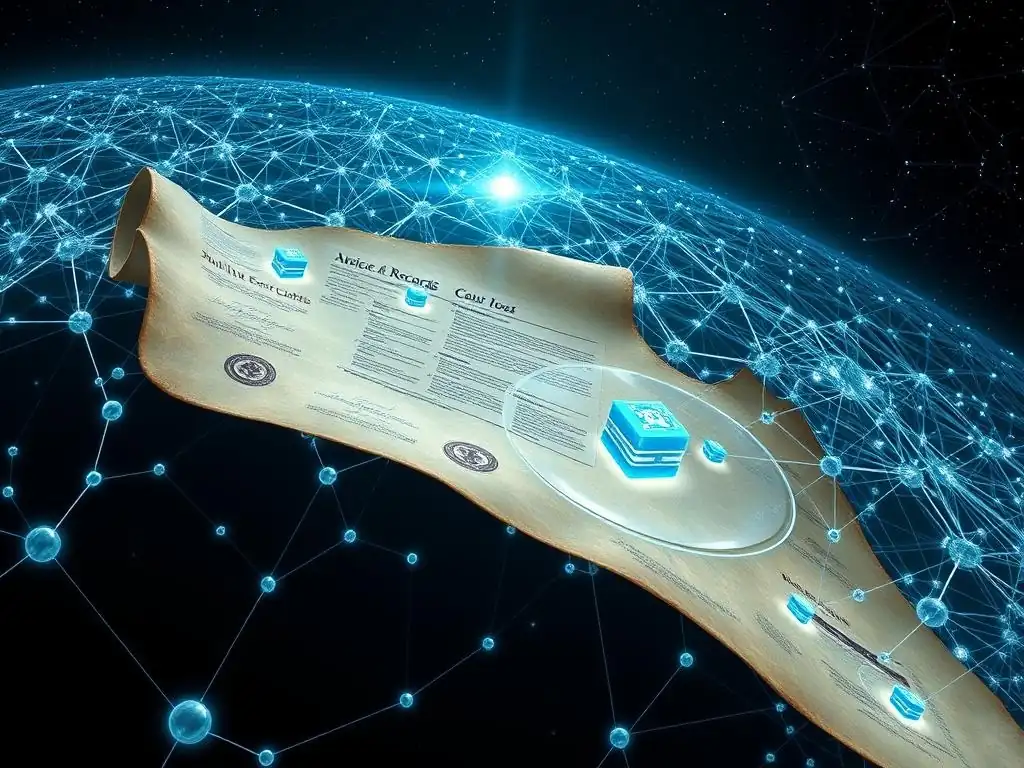
Welcome to Blockchain Trends, your definitive guide to understanding the real-world applications of blockchain technology!
Intrigued by the possibilities beyond cryptocurrency? Then delve into our latest exploration of how blockchain is revolutionizing governance. We're starting with a deep dive into blockchain public record management systems and their potential to reshape transparency and efficiency in government. This is more than just theory; it's about building a more accountable future. Ready to see how?
The Long-Term Vision: Blockchain and the Evolution of Public Record Management
- Introduction: Reimagining Public Records with Blockchain Technology
- Understanding Blockchain Technology for Public Record Systems
-
Benefits of Implementing Blockchain in Public Record Management
- Enhanced Security and Data Integrity: Protecting Sensitive Public Information
- Increased Transparency and Accountability: Fostering Trust in Government Institutions
- Streamlined Processes and Reduced Costs: Improving Efficiency in Public Record Management
- Improved Accessibility and Citizen Engagement: Empowering Citizens with Information
-
Use Cases: Blockchain Applications in Public Record Management
- Land Registry and Property Records: Ensuring Accuracy and Preventing Fraud
- Identity Management and Authentication: Secure and Reliable Identification Systems
- Vital Records (Birth Certificates, Marriage Licenses): Protecting and Verifying Important Life Events
- Government Contracts and Procurement: Promoting Transparency and Accountability in Public Spending
-
Overcoming Challenges and Considerations for Blockchain Adoption in Public Records
- Scalability and Performance: Addressing the Demands of Large-Scale Public Record Systems
- Regulatory Compliance and Legal Frameworks: Navigating the Legal Landscape of Blockchain Technology
- Data Privacy and Confidentiality: Protecting Sensitive Information in a Decentralized Environment
- Interoperability and Integration: Connecting Blockchain Systems with Existing Infrastructure
-
The Future of Blockchain in Public Record Management: A Vision for Tomorrow
- The Rise of Decentralized Public Services: Transforming Government Operations
- Smart Contracts and Automated Governance: Enabling Self-Executing Agreements for Public Records
- The Role of Blockchain in Building Trust and Transparency in Government
- The Convergence of Blockchain with AI and IoT for Enhanced Public Record Management
- Conclusion: Embracing Blockchain for a More Secure and Transparent Future of Public Records
-
Frequently Asked Questions
- How can blockchain technology improve the accuracy of public records?
- What are the potential benefits of using blockchain for accessing public records?
- How does blockchain contribute to the security of public record management systems?
- What role does regulation play in the adoption of blockchain-based public record management?
- Beyond cryptocurrencies, what other practical applications of blockchain are relevant to public record management?
- Final Reflection: Embracing Transparency and Trust
- Ignite the Future: Secure Public Records with Blockchain!
Introduction: Reimagining Public Records with Blockchain Technology
In an era defined by digital transformation, the mechanisms by which we manage and interact with public records are undergoing a profound shift. Traditionally reliant on paper-based systems and centralized databases, public record management is now poised for a revolution, driven by the innovative capabilities of blockchain technology.
This article delves into the long-term vision of how blockchain public record management systems can reshape governance, enhance transparency, and empower citizens by creating more secure, efficient, and accessible public record infrastructures. We will explore the challenges of current systems, the transformative potential of blockchain, and the practical applications that are set to redefine the landscape of public record keeping.
The Current State of Public Record Management: Challenges and Inefficiencies
Current public record management systems, in many parts of the world, grapple with significant challenges. A primary concern is security. Centralized databases, the backbone of most existing systems, are vulnerable to cyberattacks, data breaches, and internal manipulation. For instance, in 2015, the US Office of Personnel Management suffered a massive data breach, exposing the sensitive records of over 21 million individuals, highlighting the inherent risks of centralized digital repositories. Beyond security, inefficiency plagues many systems.
Paper-based processes lead to delays, increased administrative costs, and difficulties in information retrieval. Citizens often face bureaucratic hurdles and protracted wait times to access public information, hindering transparency and accountability. Consider the process of property registration in some developing nations, where it can take months, even years, due to archaic systems, creating opportunities for corruption and hindering economic development. These inefficiencies not only frustrate citizens but also impose a considerable burden on government resources.
Moreover, the lack of transparency in many public record systems erodes public trust. Opaque processes and limited accessibility fuel suspicion and make it difficult for citizens to hold government accountable. Information silos across different government agencies further complicate matters, hindering data sharing and collaborative governance.
Imagine a scenario where accessing a complete history of a government contract requires navigating multiple departments, each with its own disparate system, creating a complex and often frustrating experience for researchers, journalists, and the public at large. These systemic issues underscore the urgent need for more robust, transparent, and efficient solutions for managing public records, setting the stage for the exploration of blockchain technology as a viable alternative.
Blockchain's Potential to Revolutionize Public Records: Enhanced Security and Transparency
Blockchain technology offers a paradigm shift in how public records can be managed, addressing many of the critical shortcomings of current systems. Its inherent characteristics – decentralization, immutability, and transparency – provide a foundation for building more secure and trustworthy public record infrastructures. Decentralization, by distributing data across a network of computers, eliminates single points of failure, making systems far more resilient to attacks and data loss compared to centralized databases.
Immutability ensures that once a record is added to the blockchain, it cannot be altered or deleted, guaranteeing data integrity and preventing tampering. This is crucial for maintaining the authenticity and reliability of public records over time.
Transparency is another cornerstone of blockchain's transformative potential. Every transaction or record update on a public blockchain is visible to all participants in the network, fostering openness and accountability. This inherent transparency can significantly reduce corruption and build public trust in government institutions. For example, in land registry, placing property records on a blockchain could make ownership history publicly verifiable, drastically reducing land disputes and fraudulent claims.
Furthermore, blockchain can streamline processes through automation and disintermediation. Smart contracts, self-executing agreements coded on the blockchain, can automate workflows, reduce manual intervention, and enhance efficiency in various public record management functions, from issuing licenses to managing government contracts. By leveraging these core features, blockchain promises to revolutionize public record management, paving the way for more secure, transparent, and efficient governance.
Understanding Blockchain Technology for Public Record Systems
What is Blockchain and How Does it Work?
At its core, blockchain is a distributed, immutable ledger that records transactions across many computers. Imagine it as a digital record book that is duplicated and shared across a vast network. Each "block" in the chain contains a set of transactions, and these blocks are linked together chronologically and cryptographically, forming a "chain." When a new transaction is initiated, it is broadcast to the network, verified by multiple participants (nodes) through a consensus mechanism, and then grouped into a new block.
This block is then added to the existing chain, and the transaction becomes permanently recorded. The cryptographic hashing ensures that each block is linked to the previous one, creating a tamper-proof record. Any attempt to alter a block would require changing all subsequent blocks, which is computationally infeasible, making the blockchain incredibly secure.
The decentralized nature of blockchain is crucial. Unlike traditional databases that are centrally controlled, blockchain operates across a distributed network. This means there is no single point of control or failure, enhancing resilience and security. The consensus mechanism, which varies depending on the blockchain type, ensures that all participants agree on the validity of transactions before they are added to the chain.
This collective validation process eliminates the need for a central authority to verify each transaction, fostering trust and transparency among participants. Think of it like a shared Google Doc, but instead of being hosted by Google, it's distributed across thousands of computers, and every edit is verified and permanently recorded, making it virtually impossible to tamper with the history of changes. This fundamental architecture of blockchain provides a robust and secure foundation for managing sensitive public records.
Key Features of Blockchain Relevant to Public Records: Immutability, Decentralization, and Auditability
Three key features of blockchain technology are particularly relevant and transformative for public record management: immutability, decentralization, and auditability. Immutability, as previously mentioned, means that once data is recorded on a blockchain, it cannot be altered or deleted. This is achieved through cryptographic hashing and the chained structure of blocks. For public records, immutability ensures the long-term integrity and reliability of information. Consider birth certificates or property titles; placing them on a blockchain guarantees their authenticity and prevents fraudulent modifications, providing citizens with verifiable and trustworthy official documents.
Decentralization is another critical feature. By distributing data across a network, blockchain eliminates the vulnerabilities associated with centralized systems. In public record management, decentralization reduces the risk of single points of failure, cyberattacks, and internal corruption. It also promotes greater transparency and citizen empowerment by distributing control over data management. Imagine a decentralized land registry where no single entity controls the records, but rather a network of stakeholders, including government agencies and citizen representatives, collectively maintain the integrity of the system. This distributed control fosters trust and reduces the potential for manipulation.
Auditability is the third key feature. Every transaction on a public blockchain is transparently recorded and auditable. This allows for easy verification of records and tracking of changes over time. For public record systems, auditability enhances accountability and transparency.
Citizens and oversight bodies can easily verify the history of records, ensuring that government actions are transparent and compliant with regulations. For example, in government procurement, recording contract details and payment transactions on a blockchain provides a fully auditable trail, making it easier to detect and prevent corruption and ensuring that public funds are spent responsibly. These three features combined make blockchain a powerful tool for transforming public record management, creating systems that are more secure, transparent, and trustworthy.
Defining Blockchain Public Record Management Systems: A Secure and Transparent Approach
Blockchain public record management systems represent a paradigm shift from traditional, often centralized and opaque, approaches. These systems leverage blockchain technology to create secure, transparent, and efficient infrastructures for managing and accessing public information. A blockchain public record management system is essentially a system built on blockchain technology specifically designed to store, manage, and provide access to government records and public documents. It utilizes the core features of blockchain – decentralization, immutability, and transparency – to enhance the integrity, security, and accessibility of public records.
Unlike conventional systems that rely on centralized databases and manual processes, blockchain-based systems distribute records across a network, making them more resilient and secure. The immutable nature of blockchain ensures that records are tamper-proof and auditable, fostering trust in the authenticity and reliability of public information. Furthermore, blockchain public record management systems can streamline processes, reduce bureaucratic inefficiencies, and improve citizen access to public information.
For instance, citizens could potentially access and verify their birth certificates, property titles, or marriage licenses directly from a blockchain-based system, eliminating the need for intermediaries and lengthy bureaucratic procedures. By embracing blockchain, governments can move towards a more secure, transparent, and citizen-centric approach to public record management, fostering greater trust and efficiency in public services.
Benefits of Implementing Blockchain in Public Record Management
Enhanced Security and Data Integrity: Protecting Sensitive Public Information
One of the most compelling benefits of implementing blockchain in public record management is enhanced security and data integrity. Traditional centralized systems are vulnerable to single points of failure and cyberattacks, as highlighted by numerous data breaches in government agencies worldwide. Blockchain's decentralized and cryptographic nature offers a significantly more robust security model.
Data distributed across a network is far less susceptible to single points of failure, and cryptographic hashing ensures that any attempt to tamper with records is immediately detectable and practically impossible to execute successfully. This is particularly critical for protecting sensitive public information, such as citizen identification details, financial records, and legal documents.
Consider the security of land registries. In many countries, land records are vulnerable to fraud and manipulation, leading to costly disputes and undermining property rights. By storing land titles on a blockchain, governments can create a tamper-proof and transparent record, significantly reducing the risk of fraudulent claims and ensuring the integrity of property ownership data.
Furthermore, blockchain's immutability ensures that historical records are preserved accurately over time, preventing accidental or malicious alterations. For example, archiving historical legislative records on a blockchain would guarantee their long-term preservation and authenticity, safeguarding valuable historical data for future generations. By leveraging blockchain's security features, governments can build public record management systems that are far more resilient, secure, and trustworthy, protecting sensitive information and ensuring data integrity for the benefit of citizens and institutions alike.
Increased Transparency and Accountability: Fostering Trust in Government Institutions
Increased transparency and accountability are paramount benefits of adopting blockchain for public record management. Traditional systems often lack transparency, making it difficult for citizens to understand government processes and hold institutions accountable. Blockchain's inherent transparency, where every transaction is recorded on a public ledger, can revolutionize public accountability. By making public records and government actions more transparent, blockchain can foster greater trust between citizens and government institutions. Citizens can directly verify the authenticity of public records and track the history of changes, empowering them to hold government accountable for its actions.
For instance, in government procurement processes, blockchain can bring unprecedented transparency. Recording contract details, bids, and payment transactions on a blockchain provides a publicly auditable trail of government spending. This transparency can significantly reduce corruption and ensure that public funds are used responsibly and efficiently. Furthermore, blockchain can facilitate greater citizen participation in governance.
By making public information more accessible and verifiable, blockchain empowers citizens to engage more actively in policy discussions and decision-making processes. Imagine a scenario where citizens can easily access and verify the details of local government projects, ensuring that public funds are being used effectively and in accordance with community needs. This enhanced transparency and accountability, enabled by blockchain, can significantly strengthen democratic governance and foster greater public trust in government institutions.
Streamlined Processes and Reduced Costs: Improving Efficiency in Public Record Management
Beyond security and transparency, blockchain offers significant potential for streamlining processes and reducing costs in public record management. Traditional systems often involve cumbersome manual processes, paper-based workflows, and bureaucratic inefficiencies, leading to delays, errors, and increased administrative expenses. Blockchain technology can automate many of these processes, reduce paperwork, and enhance operational efficiency. Smart contracts, self-executing agreements coded on the blockchain, can automate workflows and eliminate the need for manual intervention in various public record management tasks.
For example, in issuing licenses and permits, smart contracts can automate the verification process and trigger the issuance of documents upon fulfillment of predefined conditions. This can significantly reduce processing times and administrative overhead. Furthermore, blockchain can reduce the need for intermediaries and redundant processes.
In inter-agency data sharing, for instance, blockchain can facilitate secure and efficient data exchange without the need for complex integration efforts or centralized data hubs. This streamlined data sharing can improve coordination between government departments and enhance the efficiency of public service delivery.
By automating processes, reducing paperwork, and eliminating redundancies, blockchain can significantly lower administrative costs and improve the overall efficiency of public record management, freeing up government resources for other critical public services. Estimates suggest that implementing blockchain solutions in government services could lead to substantial cost savings, potentially in the range of 20-50% in certain areas, by reducing administrative overhead and improving operational efficiency.
Improved Accessibility and Citizen Engagement: Empowering Citizens with Information
Improved accessibility and citizen engagement are crucial benefits of implementing blockchain in public record management. Traditional systems often suffer from limited accessibility, requiring citizens to navigate complex bureaucratic procedures and physical locations to access public information. Blockchain technology can democratize access to public records, making them more readily available to citizens online, anytime, and anywhere. By providing citizens with direct and easy access to public information, blockchain empowers them to be more informed and engaged participants in governance.
Imagine a citizen needing to access their birth certificate or property title. In a blockchain-based system, they could potentially access and verify these documents online through a secure portal, eliminating the need to visit government offices and wait in long queues. This improved accessibility saves citizens time and effort and reduces bureaucratic hurdles. Furthermore, blockchain can facilitate greater citizen participation in government decision-making processes.
By providing easy access to public records and government data, blockchain empowers citizens to be more informed about policy issues and participate more effectively in public consultations and civic engagement initiatives. For example, making government budget information or project details readily accessible on a blockchain can empower citizens to monitor government spending and hold officials accountable. By enhancing accessibility and promoting citizen engagement, blockchain can foster a more participatory and citizen-centric model of governance, strengthening democracy and empowering individuals with information.
Use Cases: Blockchain Applications in Public Record Management

Land Registry and Property Records: Ensuring Accuracy and Preventing Fraud
Land registry and property records are prime candidates for blockchain application in public record management. Traditional land registry systems in many parts of the world are plagued by inefficiencies, inaccuracies, and vulnerabilities to fraud. These issues can lead to costly land disputes, hinder economic development, and undermine property rights. Blockchain technology offers a powerful solution by creating a secure, transparent, and immutable record of land ownership. By recording land titles and property transactions on a blockchain, governments can ensure the accuracy and integrity of land records, preventing fraudulent claims and reducing land disputes.
For example, countries like Georgia and Sweden have been piloting or implementing blockchain-based land registry systems. In Georgia, the government partnered with blockchain technology companies to register land titles on a blockchain, aiming to improve efficiency and reduce corruption in land administration. The immutability of blockchain ensures that land titles cannot be tampered with, providing a secure and reliable record of ownership.
The transparency of the blockchain also makes it easier to verify ownership history and track property transactions, reducing the potential for fraudulent activities. Furthermore, blockchain can streamline the process of property registration and transfer, reducing bureaucratic delays and costs.
By leveraging blockchain, governments can create more efficient, transparent, and secure land registry systems, fostering greater trust in property rights and promoting economic stability. Estimates suggest that blockchain-based land registries could reduce land disputes by up to 80% in some regions, significantly improving legal certainty and fostering investment in property markets.
Identity Management and Authentication: Secure and Reliable Identification Systems
Identity management and authentication are critical aspects of public record management, and blockchain offers innovative solutions to enhance security and reliability in this domain. Traditional identity systems often rely on centralized databases and physical documents, which are vulnerable to fraud, theft, and data breaches. Blockchain-based identity systems can provide citizens with self-sovereign identities, empowering them to control their own digital identities and securely manage their personal information.
In a blockchain identity system, individuals can own and control their identity data, stored in a decentralized and encrypted manner. They can selectively share their identity information with verified entities, such as government agencies or service providers, without relying on centralized intermediaries.
For example, Estonia's e-Residency program utilizes blockchain technology to provide digital identities to individuals worldwide, enabling them to access Estonian e-services and conduct business online. Blockchain-based identity systems can enhance security by reducing the risk of identity theft and fraud. The decentralized nature of blockchain makes it more difficult for malicious actors to compromise identity data, and cryptographic techniques ensure the integrity and authenticity of identity credentials.
Furthermore, blockchain can streamline authentication processes, making it easier for citizens to access government services and conduct online transactions securely. By empowering individuals with self-sovereign identities and enhancing the security and reliability of authentication systems, blockchain can significantly improve identity management in the public sector and beyond. Studies indicate that blockchain-based identity solutions could reduce identity fraud by up to 90% in certain applications, leading to significant cost savings and improved security for both individuals and organizations.
Vital Records (Birth Certificates, Marriage Licenses): Protecting and Verifying Important Life Events
Vital records, such as birth certificates, marriage licenses, and death certificates, are fundamental public records that document significant life events. Traditional systems for managing vital records are often paper-based, inefficient, and vulnerable to loss, damage, and fraud. Blockchain technology provides a secure and immutable platform for managing and verifying vital records, ensuring their authenticity and accessibility for citizens. By recording vital records on a blockchain, governments can create a tamper-proof and transparent record of these important life events, reducing the risk of fraud and ensuring the long-term preservation of these critical documents.
For instance, several jurisdictions are exploring or piloting blockchain applications for vital records management. In Cook County, Illinois, a pilot project explored using blockchain to record birth certificates, aiming to improve security and streamline the process of accessing and verifying these documents.
Blockchain's immutability ensures that vital records cannot be altered or forged, providing a high level of assurance regarding their authenticity. The transparency of the blockchain also makes it easier to verify the validity of vital records, reducing the risk of fraudulent documents being used for identity theft or other illicit purposes.
Furthermore, blockchain can simplify the process of accessing and sharing vital records, making it easier for citizens to obtain certified copies and for authorized entities to verify their authenticity. By leveraging blockchain for vital records management, governments can enhance the security, integrity, and accessibility of these essential public records, ensuring that citizens have reliable and trustworthy documentation of their vital life events.
Government Contracts and Procurement: Promoting Transparency and Accountability in Public Spending
Government contracts and procurement processes are areas where blockchain can significantly enhance transparency and accountability in public spending. Traditional procurement systems often lack transparency, creating opportunities for corruption, inefficiency, and unfair practices. Blockchain technology offers a platform to record and track government contracts and procurement transactions in a transparent and auditable manner, promoting accountability and reducing the risk of corruption. By recording contract details, bids, and payment information on a blockchain, governments can create a publicly verifiable record of procurement processes, making it easier to monitor government spending and ensure that public funds are used responsibly.
For example, the Ukrainian government has experimented with using blockchain for e-procurement, aiming to increase transparency and reduce corruption in public procurement processes. Blockchain's immutability ensures that contract records cannot be altered retroactively, providing a reliable and verifiable audit trail of procurement activities. The transparency of the blockchain allows citizens, journalists, and oversight bodies to monitor government procurement processes, identify potential irregularities, and hold officials accountable.
Furthermore, smart contracts can automate certain aspects of the procurement process, such as bid evaluation and payment disbursement, reducing manual intervention and enhancing efficiency. By leveraging blockchain for government contracts and procurement, governments can foster greater transparency, accountability, and efficiency in public spending, building public trust and ensuring that taxpayer money is used effectively and ethically. Studies suggest that blockchain-based e-procurement systems can reduce procurement costs by up to 15% and significantly decrease instances of corruption and fraud in government contracting.
Overcoming Challenges and Considerations for Blockchain Adoption in Public Records
Scalability and Performance: Addressing the Demands of Large-Scale Public Record Systems
Scalability and performance are critical considerations for blockchain adoption in public record management, especially when dealing with large-scale systems that need to handle vast amounts of data and high transaction volumes. Public record systems often involve millions or even billions of records and require the capacity to process numerous queries and updates efficiently. Traditional blockchain technologies, particularly public blockchains, can face scalability limitations, potentially impacting their performance when deployed for large-scale public record applications. However, various solutions and advancements are emerging to address these scalability challenges.
Layer-2 solutions, such as state channels and rollups, are designed to improve the scalability of blockchain networks by processing transactions off-chain and only anchoring the final results on the main blockchain. These solutions can significantly increase transaction throughput and reduce latency. Furthermore, private or permissioned blockchains offer greater control over network parameters and consensus mechanisms, allowing for optimization for specific performance requirements of public record systems.
Consortium blockchains, where a group of organizations collectively govern the network, can also provide a balance between decentralization and performance. Technological advancements in blockchain protocols, such as sharding and improved consensus algorithms, are also continuously enhancing the scalability and performance of blockchain networks.
For large-scale public record systems, a hybrid approach combining different blockchain solutions and optimization techniques may be necessary to achieve the required scalability and performance levels. Pilot projects and real-world implementations are crucial for testing and validating the scalability and performance of blockchain solutions in public record management environments and identifying the most effective approaches for different use cases.
Regulatory compliance and legal frameworks are essential considerations for the widespread adoption of blockchain technology in public record management. Existing legal frameworks and regulations may not fully accommodate blockchain-based systems, and clear legal frameworks are needed to address issues such as data privacy, data governance, legal validity of blockchain records, and cross-border data transfer. Governments and regulatory bodies need to develop clear and comprehensive legal frameworks that provide legal certainty and support the adoption of blockchain in public record management while ensuring compliance with relevant laws and regulations.
Data privacy regulations, such as GDPR and CCPA, are particularly relevant for blockchain applications in public records that involve personal data. Compliance with these regulations requires careful consideration of data storage, data access, and data processing practices in blockchain systems. Solutions such as private blockchains, pseudonymization, and zero-knowledge proofs can help address data privacy concerns in blockchain applications.
Legal frameworks also need to address the legal validity and admissibility of blockchain-based records as evidence in legal proceedings. Establishing clear legal standards for the authenticity and integrity of blockchain records is crucial for ensuring their legal recognition and acceptance.
Furthermore, cross-border data transfer regulations need to be considered when public record systems involve international data flows. Collaboration between governments, regulatory bodies, and blockchain experts is essential to develop appropriate legal frameworks that foster innovation and responsible adoption of blockchain technology in public record management, ensuring compliance with legal requirements and protecting citizen rights.
Data Privacy and Confidentiality: Protecting Sensitive Information in a Decentralized Environment
Data privacy and confidentiality are paramount concerns when implementing blockchain in public record management, especially when dealing with sensitive personal information. While blockchain offers enhanced security and transparency, it is crucial to address potential privacy risks associated with storing and processing sensitive data in a decentralized and potentially transparent environment. Techniques and approaches are needed to protect data privacy and ensure confidentiality in blockchain-based public record systems.
Private or permissioned blockchains offer greater control over data access and visibility, limiting access to authorized participants and enhancing data privacy. Encryption techniques, such as homomorphic encryption and secure multi-party computation, can enable data processing and analysis on blockchain without revealing the underlying data, preserving confidentiality. Zero-knowledge proofs allow for verifying the validity of data without disclosing the data itself, providing a powerful tool for privacy-preserving data sharing and verification.
Differential privacy techniques can add noise to data to protect individual privacy while still enabling aggregate analysis and insights. Furthermore, data minimization principles, data anonymization, and pseudonymization techniques can be applied to reduce the risk of re-identification and protect personal data in blockchain systems.
Designing blockchain-based public record systems with privacy by design principles is crucial, incorporating privacy-enhancing technologies and practices from the outset to ensure data privacy and confidentiality are adequately protected. Regular privacy audits and assessments are also essential to monitor and maintain data privacy in blockchain-based public record management systems over time.
Interoperability and Integration: Connecting Blockchain Systems with Existing Infrastructure
Interoperability and integration are critical challenges for the successful adoption of blockchain in public record management. Public record systems often involve complex and interconnected infrastructures, including legacy systems, databases, and applications. Seamless integration of blockchain-based systems with existing infrastructure is essential to ensure smooth data flow, avoid data silos, and maximize the benefits of blockchain technology. Interoperability between different blockchain platforms and systems is also crucial to enable data sharing and collaboration across different government agencies and jurisdictions.
Standardization efforts are essential to promote interoperability in blockchain technology. Developing common data standards, communication protocols, and APIs can facilitate seamless integration between different blockchain systems and with existing infrastructure. Middleware solutions and integration platforms can act as bridges between blockchain systems and legacy systems, enabling data exchange and interoperability. API gateways and data connectors can provide standardized interfaces for accessing data and functionalities across different systems.
Furthermore, open-source blockchain platforms and interoperability frameworks can foster collaboration and accelerate the development of interoperable blockchain solutions for public record management. Adopting a modular and service-oriented architecture can also facilitate integration and interoperability, allowing for incremental adoption of blockchain components and integration with existing systems. Addressing interoperability and integration challenges is crucial for realizing the full potential of blockchain in transforming public record management and building interconnected and efficient public service ecosystems.
The Future of Blockchain in Public Record Management: A Vision for Tomorrow
The Rise of Decentralized Public Services: Transforming Government Operations
The future of blockchain in public record management points towards the rise of decentralized public services, fundamentally transforming government operations and citizen interactions. Blockchain technology can enable the creation of decentralized and distributed public service infrastructures, moving away from traditional centralized models. Decentralized public services offer greater resilience, security, transparency, and efficiency compared to centralized systems. Imagine a future where citizens interact with government services through decentralized platforms, accessing public records, applying for permits, and participating in civic engagement initiatives in a secure and transparent manner, without relying on centralized intermediaries.
Blockchain-based identity systems can empower citizens with self-sovereign identities, enabling them to access a range of decentralized public services using their digital identities. Decentralized data storage and management solutions can ensure the security and integrity of public records, making them more resilient to cyberattacks and data breaches. Smart contracts can automate government processes and workflows, streamlining service delivery and reducing administrative overhead.
Decentralized governance mechanisms can enhance citizen participation in decision-making processes, fostering more inclusive and democratic governance. The shift towards decentralized public services can lead to more citizen-centric, efficient, and trustworthy government operations, empowering citizens and building greater trust in public institutions. This vision of decentralized public services represents a significant evolution in government operations, leveraging blockchain technology to create more responsive, transparent, and citizen-empowering public service ecosystems.
Smart Contracts and Automated Governance: Enabling Self-Executing Agreements for Public Records
Smart contracts, self-executing agreements coded on the blockchain, are poised to play a transformative role in the future of public record management and automated governance. Smart contracts can automate various processes related to public records, from record creation and verification to access control and updates, reducing manual intervention and enhancing efficiency. In public record management, smart contracts can be used to automate the issuance of licenses and permits, the transfer of property titles, the verification of vital records, and the enforcement of contractual agreements related to government services.
For example, smart contracts can automate the process of property title transfer, automatically updating land registry records upon fulfillment of predefined conditions, such as payment and legal approvals. Smart contracts can also automate the verification of digital signatures and timestamps on public records, ensuring their authenticity and integrity.
Furthermore, smart contracts can facilitate automated access control to public records, granting access to authorized individuals or entities based on predefined rules and conditions. In the realm of automated governance, smart contracts can be used to automate the execution of government policies and regulations, ensuring consistent and transparent enforcement.
Imagine a future where government regulations are codified as smart contracts, automatically triggered and enforced based on predefined events and conditions, leading to more efficient and transparent governance processes. Smart contracts have the potential to revolutionize public record management and governance, enabling automated, efficient, and transparent processes, reducing bureaucratic overhead, and enhancing the reliability and integrity of public services.
The Role of Blockchain in Building Trust and Transparency in Government
Blockchain technology has a profound role to play in building trust and transparency in government institutions, addressing a growing concern in many societies worldwide. Declining public trust in government is a significant challenge, and blockchain's inherent transparency and immutability offer a powerful solution to restore and enhance public confidence. By making government processes and public records more transparent and verifiable, blockchain can foster greater accountability and build trust between citizens and government. The transparency of blockchain allows citizens to directly verify government actions and public records, reducing opacity and fostering openness.
For example, recording government budgets and expenditures on a blockchain can provide citizens with real-time visibility into public spending, enhancing accountability and reducing the potential for corruption. Making legislative records and voting history publicly accessible on a blockchain can promote transparency in legislative processes and increase citizen engagement in democratic governance. Furthermore, blockchain's immutability ensures the integrity of public records, preventing tampering and building trust in the authenticity and reliability of government information.
By leveraging blockchain to enhance transparency and accountability, governments can rebuild public trust, strengthen democratic institutions, and foster a more positive and collaborative relationship with citizens. The increased trust and transparency enabled by blockchain can lead to greater citizen engagement, improved governance outcomes, and a more resilient and democratic society.
The Convergence of Blockchain with AI and IoT for Enhanced Public Record Management
The future of public record management is likely to witness a convergence of blockchain technology with other transformative technologies like Artificial Intelligence (AI) and the Internet of Things (IoT), creating synergistic solutions for enhanced efficiency, intelligence, and automation. The integration of blockchain with AI and IoT can unlock new capabilities and possibilities for public record management, leading to more intelligent, proactive, and citizen-centric public services. AI can enhance blockchain-based public record systems by providing advanced analytics, automated data processing, and intelligent decision-making capabilities.
For example, AI algorithms can be used to analyze large datasets of public records stored on a blockchain to identify trends, patterns, and anomalies, providing valuable insights for policy-making and public service improvement. AI can also automate the classification and indexing of public records, making it easier for citizens and government officials to search and retrieve information.
The integration of blockchain with IoT can enable secure and tamper-proof data collection from IoT devices and sensors, which can be used to update and enrich public records in real-time. For instance, IoT sensors can be used to monitor environmental conditions and automatically update environmental records on a blockchain, ensuring data accuracy and transparency.
The convergence of blockchain, AI, and IoT has the potential to create smart and interconnected public record management ecosystems, leading to more efficient, intelligent, and responsive public services that better serve the needs of citizens and communities. This technological convergence represents a significant step towards a future of data-driven and intelligent governance, leveraging the strengths of each technology to create transformative solutions for public record management and beyond.
Conclusion: Embracing Blockchain for a More Secure and Transparent Future of Public Records
The Transformative Power of Blockchain in Public Record Systems
Blockchain technology holds immense transformative power for the evolution of public record management. Its inherent features of decentralization, immutability, and transparency address critical challenges faced by traditional systems, offering solutions for enhanced security, data integrity, transparency, efficiency, and citizen engagement. From securing land registries and vital records to streamlining government procurement and empowering citizen identity management, the use cases for blockchain in public record management are vast and impactful. While challenges related to scalability, regulation, privacy, and interoperability need to be addressed, ongoing advancements and collaborative efforts are paving the way for wider adoption and successful implementation of blockchain in the public sector.
The long-term vision for blockchain in public record management is one of decentralized, transparent, and citizen-centric public services. The rise of decentralized public services, automated governance through smart contracts, and the convergence of blockchain with AI and IoT represent a future where government operations are more efficient, trustworthy, and responsive to the needs of citizens.
Embracing blockchain technology for public record management is not just about technological innovation; it is about building a more secure, transparent, and accountable future for governance, fostering greater trust between citizens and government institutions, and empowering individuals with information and control over their interactions with the public sector. The transformative power of blockchain in public record systems is undeniable, and its continued development and adoption will shape the future of governance for years to come.
Call to Action: Encouraging Collaboration and Innovation in Blockchain for Public Governance
The journey towards realizing the full potential of blockchain in public record management requires continued collaboration and innovation across various stakeholders. Governments, technology providers, researchers, and civil society organizations must work together to address the challenges, explore new use cases, and develop best practices for blockchain adoption in public governance. Encouraging pilot projects and real-world implementations is crucial for testing and validating blockchain solutions in different public record domains and gathering practical insights. Fostering open dialogue and knowledge sharing among stakeholders can accelerate innovation and promote the responsible and ethical development of blockchain applications for public good.
Investing in research and development is essential to advance blockchain technology and address scalability, privacy, and interoperability challenges. Developing clear regulatory frameworks and legal standards is crucial for providing legal certainty and fostering a conducive environment for blockchain innovation in the public sector. Educating policymakers, government officials, and the public about the benefits and implications of blockchain technology is vital for promoting informed decision-making and wider adoption.
By embracing collaboration, fostering innovation, and addressing the challenges proactively, we can unlock the transformative power of blockchain to create more secure, transparent, and citizen-centric public record systems and build a more trustworthy and efficient future for public governance. The time for action is now, to collectively shape the future of blockchain in public governance and realize its immense potential for the benefit of society.
Frequently Asked Questions
How can blockchain technology improve the accuracy of public records?
Blockchain's immutable ledger ensures that once a record is added, it cannot be altered or deleted, guaranteeing a higher degree of accuracy and reducing the risk of data tampering. This creates a permanent and verifiable audit trail.
What are the potential benefits of using blockchain for accessing public records?
Blockchain can enhance accessibility through decentralized systems, allowing authorized users to access public records quickly and efficiently from anywhere in the world. This improves transparency and reduces bureaucratic hurdles.
How does blockchain contribute to the security of public record management systems?
Blockchain utilizes cryptographic techniques to secure data, making it significantly more resistant to unauthorized access and cyberattacks. The distributed nature of the ledger also minimizes the risk of a single point of failure.
What role does regulation play in the adoption of blockchain-based public record management?
Clear and consistent regulations are crucial for fostering trust and encouraging the widespread adoption of blockchain technology in public record management. Defined legal frameworks are needed to address issues like data privacy and liability.
Beyond cryptocurrencies, what other practical applications of blockchain are relevant to public record management?
Beyond cryptocurrencies, blockchain enables smart contracts for automated record validation, supply chain management for tracking document origins, and digital identity solutions for secure authentication of users accessing the system.
Final Reflection: Embracing Transparency and Trust
The exploration of blockchain's potential in revolutionizing public record management underscores a critical need for enhanced transparency and accountability in our societal structures. The promise of immutable, verifiable records offers not just efficiency gains, but a fundamental shift towards building trust between citizens and their governments. This isn't merely a technological upgrade; it's a paradigm shift in how we perceive and interact with the very foundations of our civic life.
The impact of blockchain on public record management extends far beyond simple data storage. It empowers individuals with greater control over their own information and fosters a more democratic and transparent system. This evolution is not without its challenges, requiring careful consideration of privacy, scalability, and regulatory frameworks. However, the potential benefits are undeniable. The blockchain is not only a technology, but a philosophy. It's about decentralization, transparency, and trust.
As we stand at the cusp of this technological revolution, let us not simply adopt blockchain as another tool, but embrace it as a catalyst for positive change. Consider how you can advocate for the responsible implementation of blockchain in your own community, fostering a future where public records are truly accessible, secure, and reflective of the collective will. The future of governance is being written now, and your voice matters in shaping its narrative.
Ignite the Future: Secure Public Records with Blockchain!
Thank you for exploring the potential of blockchain to transform public record management. You've gained insights into how this technology can improve security, transparency, and efficiency. Now, it's your turn to take action.
- Lead the way: Consider implementing blockchain-based record management in your local government or organization.: Your leadership can drive meaningful change.
- Share this article with colleagues and friends who are interested in secure and transparent governance. Let’s keep the conversation going!
- Research open-source blockchain platforms tailored for public sector applications. You may find valuable tools already available.
What is the first step you will take today to bring the benefits of blockchain to public record management?
Leave a Reply