
The Potential of Decentralized Voting to Combat Voter Suppression


Welcome to Blockchain Trends, your guide to understanding the revolutionary force of blockchain technology. Beyond the headlines about cryptocurrencies lies a world of innovation. Are you ready to discover how blockchain can reshape governance itself? Dive into our latest article and uncover the decentralized voting security benefits that are poised to combat voter suppression and build a more transparent future. Let's explore the possibilities together!
The Potential of Decentralized Voting to Combat Voter Suppression
- Understanding Voter Suppression: A Threat to Democratic Processes
- Decentralized Voting Systems: A Blockchain-Based Solution
- Decentralized Voting Security Benefits: Addressing Vulnerabilities
- Combating Voter Suppression with Decentralized Voting: A Practical Approach
- Real-World Applications and Case Studies of Decentralized Voting
- Addressing Concerns and Challenges of Decentralized Voting Adoption
- The Future of Decentralized Voting: Transforming Democratic Governance
-
Frequently Asked Questions
- What are the main security benefits of using decentralized voting systems?
- How can decentralized voting help combat voter suppression?
- What are some examples of enterprise applications for blockchain technology beyond voting?
- What is the role of regulation in the development and adoption of decentralized voting systems?
- What is the future outlook for decentralized voting and its impact on democratic processes?
- Final Reflection: Empowering Democracy Through Secure Decentralization
- Reimagine Democracy: Take Action Now!
Understanding Voter Suppression: A Threat to Democratic Processes
The History and Tactics of Voter Suppression in the United States
Voter suppression in the United States is a long-standing issue, deeply rooted in the nation's history. Following the Civil War and the passage of the 15th Amendment granting Black men the right to vote, Southern states enacted a series of laws and practices designed to disenfranchise African American voters. These tactics, often referred to as Jim Crow laws, included poll taxes, which required voters to pay a fee to vote, a significant barrier for poor populations.
Literacy tests, ostensibly designed to ensure voter competency, were administered unfairly, with complex passages given to Black voters while simpler ones were provided to white voters, or no test at all. Grandfather clauses exempted white voters from literacy tests if their ancestors had voted before the Civil War, effectively excluding Black voters.
Beyond these legal mechanisms, intimidation and violence were also employed to deter minority voting. Groups like the Ku Klux Klan used threats and acts of terror to prevent Black citizens from exercising their newly gained rights. While overt forms of voter suppression diminished with the Civil Rights Movement and the passage of the Voting Rights Act of 1965, subtler tactics have emerged in recent decades.
These include stricter voter ID laws, which disproportionately affect minority and low-income voters who are less likely to possess required identification. Reductions in early voting days and polling place closures, often in minority-heavy districts, create longer lines and make voting more difficult. Purging voter rolls based on infrequent voting or minor discrepancies can also lead to eligible voters being removed from the rolls without their knowledge.
The Impact of Voter Suppression on Minority Voters
The impact of voter suppression tactics disproportionately falls on minority voters, particularly African Americans, Hispanics, and Native Americans. Studies consistently show that these groups are more likely to be affected by voter ID laws, as they are less likely to have government-issued photo identification. For example, a 2014 Government Accountability Office (GAO) report found that strict voter ID laws reduced turnout more among young, Black, and newly registered voters.
Similarly, the closure of polling places, especially in rural and minority-majority areas, creates significant obstacles. Longer travel distances and increased wait times at remaining polling locations can deter voters who have limited transportation options or inflexible work schedules.
Furthermore, restrictive voter registration rules, such as "use it or lose it" policies that purge voters for infrequent voting, can disproportionately impact minority communities and those who move more frequently. These policies often lead to eligible voters being purged from the rolls without adequate notice, disenfranchising them without their awareness until they attempt to vote.
The cumulative effect of these various suppression tactics is a significant barrier to political participation for minority groups, undermining the principle of equal representation and contributing to disparities in political power and policy outcomes. The Brennan Center for Justice has documented numerous instances where voter suppression tactics have demonstrably reduced minority voter turnout, influencing election results and hindering the democratic process.
Current Challenges in Ensuring Fair and Accessible Elections
Despite legal advancements, ensuring fair and accessible elections in the United States continues to face numerous challenges in the 21st century. Misinformation and disinformation campaigns, often spread through social media, pose a significant threat to voter confidence and can discourage participation. False claims about voter fraud, amplified by partisan actors, erode trust in the integrity of the electoral process and can be used to justify restrictive voting measures.
Accessibility for voters with disabilities remains a persistent concern. Many polling places are not fully compliant with the Americans with Disabilities Act (ADA), lacking ramps, accessible voting machines, or trained poll workers to assist voters with disabilities.
Furthermore, the increasing polarization of election administration has led to partisan disputes over voting rules and procedures. Legislative efforts to enact stricter voting laws are often framed as measures to enhance election security, but critics argue they are thinly veiled attempts to suppress turnout among specific demographics. The COVID-19 pandemic highlighted the need for adaptable and resilient election systems.
While mail-in voting and early voting options expanded in many states to facilitate safe voting, these measures faced political opposition and legal challenges in some areas. Ensuring fair and accessible elections requires ongoing vigilance, proactive measures to combat voter suppression, and continuous efforts to modernize and improve election administration in a non-partisan manner.
Decentralized Voting Systems: A Blockchain-Based Solution
What is Decentralized Voting and How Does it Work?
Decentralized voting systems leverage blockchain technology to create a more secure, transparent, and auditable voting process. Unlike traditional voting systems that rely on centralized authorities and paper-based processes, decentralized voting distributes control and verification across a network. At its core, decentralized voting utilizes a distributed ledger, the blockchain, to record and store votes. Each vote is encrypted and added as a block to the chain, forming a permanent and tamper-proof record. This distributed nature eliminates the single points of failure inherent in centralized systems, making it significantly harder for malicious actors to manipulate election outcomes.
The process typically begins with voter registration, which can be integrated with existing identity verification systems or utilize digital identity solutions. Once registered, voters receive unique digital credentials, often managed through a secure mobile application or web interface. When voting, individuals cast their ballots electronically, and these votes are broadcast to the blockchain network. Cryptography plays a crucial role in ensuring vote anonymity and integrity.
Zero-knowledge proofs and other cryptographic techniques can be employed to verify that a vote is valid without revealing the voter's identity or their specific choices. The network of nodes participating in the blockchain consensus mechanism validates each transaction (vote) before it is added to the ledger. This consensus process, which can involve various algorithms like Proof-of-Stake or Proof-of-Authority, ensures that no single entity can alter or tamper with the recorded votes.
Key Features of Decentralized Voting Platforms: Transparency, Security, and Auditability
Decentralized voting platforms offer several key features that address critical vulnerabilities in traditional election systems, notably enhancing transparency, security, and auditability. Transparency is significantly improved as the blockchain ledger is publicly accessible and auditable. While individual votes are encrypted to protect voter privacy, the overall record of votes cast and their validation process is transparently recorded on the blockchain. This allows independent observers, election officials, and even the public to verify the integrity of the vote count without needing to trust a central authority implicitly. This inherent transparency is a core decentralized voting security benefit.
Security is fortified through the cryptographic protection of votes and the distributed nature of the blockchain. Tampering with votes becomes exponentially more difficult compared to centralized systems, as it would require compromising a vast network of nodes and breaking robust cryptographic algorithms. The immutability of the blockchain ensures that once a vote is recorded, it cannot be altered retroactively, providing a permanent and verifiable record of the election. Auditability is significantly enhanced as every vote is recorded on the blockchain with a timestamp and cryptographic hash.
This creates a complete and auditable trail of all election-related transactions. In case of disputes or recounts, election officials and auditors can easily trace and validate votes, ensuring accountability and building confidence in the accuracy of election results. These features collectively contribute to the decentralized voting security benefits, making the system more resistant to fraud and manipulation.
Decentralized Voting Security Benefits: Addressing Vulnerabilities
Enhanced Security Measures: Preventing Fraud and Manipulation
Decentralized voting systems offer enhanced security measures that directly address common vulnerabilities in traditional election processes, significantly reducing the risk of fraud and manipulation. One of the primary decentralized voting security benefits is the prevention of double voting. Using blockchain technology, each registered voter can be assigned a unique, non-transferable digital identity.
Once a vote is cast and recorded on the blockchain, that digital identity is marked as having voted, preventing any further votes from being cast by the same individual. This eliminates the possibility of individuals voting multiple times, a concern in both mail-in and in-person voting scenarios in traditional systems.
Furthermore, the cryptographic nature of blockchain protects against ballot stuffing and vote alteration. Each vote is encrypted before being added to the blockchain, making it unreadable to unauthorized parties. The consensus mechanism inherent in blockchain technology ensures that any attempt to tamper with recorded votes would be immediately detected and rejected by the network.
This distributed validation process makes it virtually impossible for a single entity or small group to manipulate the vote count without compromising a vast majority of the network, a computationally and logistically infeasible task in a well-designed and robust decentralized voting system. These security features are critical decentralized voting security benefits that surpass the vulnerabilities present in paper-based or centrally managed electronic voting systems.
Increased Transparency: Verifying Election Results with Blockchain Technology
Increased transparency is a cornerstone of decentralized voting security benefits, offering a significant improvement over the often opaque nature of traditional election systems. Blockchain technology provides a publicly auditable ledger of all votes cast. While individual voter identities remain protected through encryption and anonymization techniques, the aggregated data and the entire voting process are transparently recorded on the blockchain. This allows independent third parties, election observers, and even the public to verify the total number of votes cast, the validation of each vote, and the overall election results without relying solely on the assurances of central election authorities.
This transparency fosters greater trust in the electoral process. In traditional systems, concerns about potential tampering or errors in vote counting can be difficult to address due to the lack of independent verification mechanisms. With decentralized voting, the blockchain ledger serves as an immutable and publicly verifiable record, enabling anyone to audit the election process and confirm the accuracy of the results.
For example, cryptographic hash functions linked to each block in the blockchain ensure data integrity. Any alteration to a single vote would change the hash, making it immediately apparent to anyone auditing the chain. This level of transparency, a key decentralized voting security benefit, helps to mitigate suspicions of fraud and enhance public confidence in the legitimacy of election outcomes.
Improved Auditability: Tracking and Validating Votes in Real-Time
Improved auditability is another significant decentralized voting security benefit offered by blockchain-based systems. Traditional auditing processes for elections can be time-consuming, labor-intensive, and often rely on manual recounts of paper ballots or audits of centralized electronic systems. Decentralized voting, in contrast, provides a real-time, digital audit trail of every vote cast and processed. Each transaction on the blockchain is timestamped and cryptographically linked to the previous block, creating an immutable and easily verifiable record of the entire voting process from start to finish.
This enhanced auditability allows for faster and more efficient recounts or investigations in case of disputed election results or allegations of irregularities. Auditors can readily access the blockchain ledger to trace the path of individual votes, verify their validity, and confirm the accuracy of the final tally. The cryptographic hashes associated with each block ensure the integrity of the data, making it easy to detect any unauthorized modifications.
Furthermore, the distributed nature of the blockchain means that audit logs are not stored in a single, vulnerable location but are replicated across the network, enhancing resilience and preventing data loss. This real-time auditability, a crucial decentralized voting security benefit, significantly strengthens the accountability and verifiability of elections, making them more resistant to errors and fraud.
Combating Voter Suppression with Decentralized Voting: A Practical Approach
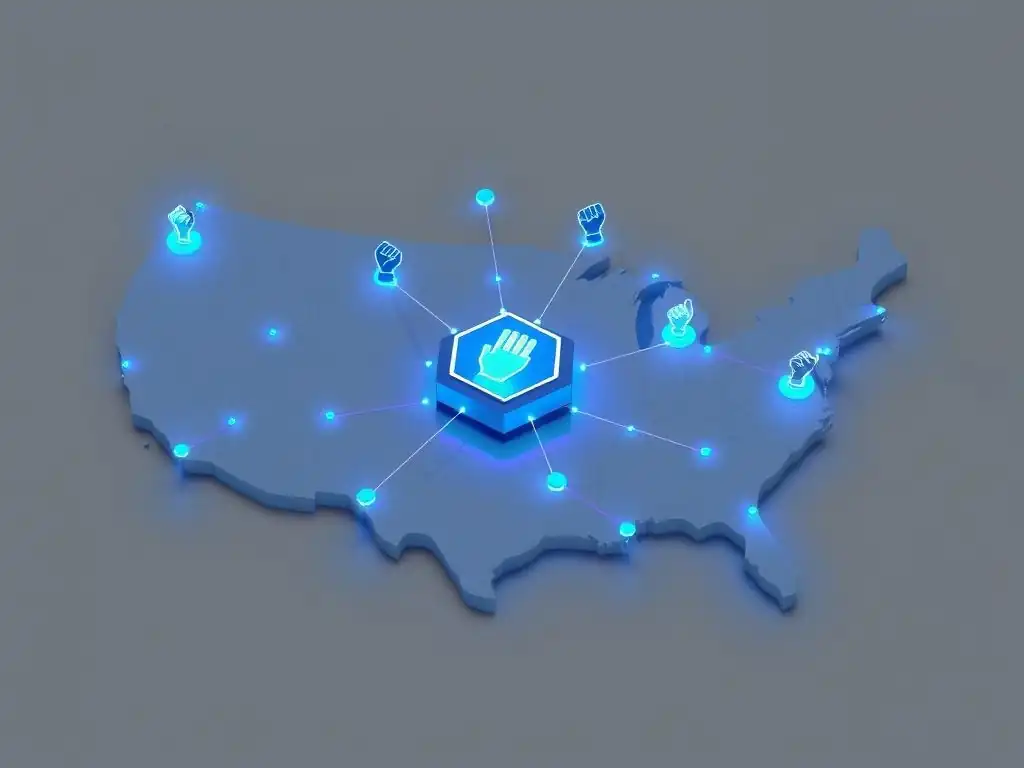
Reducing Barriers to Voting: Expanding Access for Marginalized Communities
Decentralized voting systems offer a practical approach to combating voter suppression by significantly reducing barriers to voting, particularly for marginalized communities. Traditional voting methods often require voters to physically travel to designated polling places, which can be challenging for individuals with disabilities, those living in rural areas with limited transportation, or voters with inflexible work schedules. Decentralized voting, especially when implemented through mobile or online platforms, can expand access by allowing voters to cast their ballots from anywhere with an internet connection. This is a significant step towards making elections more accessible and inclusive.
For voters with disabilities, decentralized voting can eliminate physical barriers associated with polling places that may lack accessibility features. For individuals living in remote or rural areas, it removes the obstacle of long travel distances to polling locations, which can be particularly burdensome in areas with limited public transportation. For working-class voters, it offers the flexibility to vote outside of traditional polling hours, accommodating inflexible work schedules and reducing the need to take time off work to vote.
By expanding access to voting, decentralized systems can empower marginalized communities, increase voter turnout, and ensure that more voices are heard in democratic processes. This increased accessibility is a direct way in which decentralized voting combats voter suppression and promotes more equitable participation.
Enhancing Voter Confidence: Building Trust in the Electoral System
Enhancing voter confidence is a crucial benefit of decentralized voting, particularly in an era where trust in electoral systems is increasingly challenged. The transparency and security features inherent in blockchain technology can significantly contribute to building trust in the integrity of elections. In traditional systems, voters often rely on the assurances of election officials and the perceived security of paper ballots or centralized electronic voting machines. However, concerns about potential manipulation, errors, or lack of transparency can erode voter confidence, especially in closely contested elections.
Decentralized voting addresses these concerns by providing verifiable transparency and enhanced security. The publicly auditable blockchain ledger allows voters and independent observers to verify the vote count and the integrity of the election process. The cryptographic security measures and distributed nature of the system make it significantly more resistant to fraud and manipulation compared to centralized systems.
By demonstrating a commitment to transparency and security, decentralized voting can reassure voters that their votes are accurately counted and that the electoral process is fair and trustworthy. This increased voter confidence is essential for a healthy democracy, encouraging participation and strengthening the legitimacy of election outcomes.
Streamlining the Voting Process: Improving Efficiency and Reducing Errors
Decentralized voting systems have the potential to streamline the voting process, improving efficiency and reducing errors compared to traditional methods. Paper-based voting systems are inherently labor-intensive and prone to human error at multiple stages, from ballot printing and distribution to manual counting and tabulation. Centralized electronic voting systems can improve efficiency but introduce security vulnerabilities and concerns about transparency. Decentralized voting offers a digital solution that combines efficiency with enhanced security and transparency.
Electronic vote casting in decentralized systems can significantly reduce the time and resources required for manual processes like ballot printing, distribution, and counting. Vote tabulation can be automated and completed much faster, providing quicker election results. The digital nature of the system also minimizes the risk of human errors associated with manual processes, such as miscounting ballots or data entry mistakes.
Furthermore, decentralized systems can potentially reduce administrative costs associated with managing paper ballots, physical polling locations, and large numbers of poll workers. By streamlining the voting process and reducing errors, decentralized voting can make elections more efficient, cost-effective, and reliable, contributing to a more robust and trustworthy electoral system.
Real-World Applications and Case Studies of Decentralized Voting
Voatz Pilot Program: Implementing Decentralized Voting in West Virginia
One notable real-world application of decentralized voting is the pilot program implemented in West Virginia using the Voatz platform. Starting in 2018, West Virginia allowed overseas military personnel and, in some instances, voters with disabilities to vote in state and federal elections using the Voatz mobile voting app.
This initiative was driven by the desire to improve accessibility for military voters stationed abroad who often face challenges in receiving and returning absentee ballots through traditional mail. Voatz utilized blockchain technology to secure and verify votes cast through the mobile app, aiming to provide a more convenient and secure voting option for these specific voter groups.
The Voatz pilot program in West Virginia represented one of the most significant real-world deployments of blockchain-based voting in a governmental election context in the United States. It allowed eligible voters to register, receive ballots, and cast their votes securely from their smartphones, regardless of their location. Proponents highlighted the increased accessibility and convenience for military voters as key benefits of the program. The implementation in West Virginia provided valuable insights into the practicalities and challenges of deploying decentralized voting technology in a real election environment, generating both interest and scrutiny within the election administration and cybersecurity communities.
Addressing Challenges and Lessons Learned from the Voatz Implementation
Despite the initial promise and perceived benefits, the Voatz pilot program in West Virginia and other implementations faced significant scrutiny and raised important security concerns. Independent cybersecurity experts identified vulnerabilities in the Voatz platform's security architecture, raising questions about its resistance to potential attacks and manipulation. Concerns were raised regarding the platform's proprietary nature, lack of full transparency in its code and security protocols, and the potential for coercion or manipulation of voters using mobile devices.
These critiques highlighted crucial lessons learned from early decentralized voting implementations. Transparency in the system's code and security measures is paramount to building trust and allowing for independent security audits. Ensuring end-to-end verifiability, where voters can independently confirm that their vote was accurately recorded and counted, is essential for robust security and voter confidence.
Furthermore, addressing concerns about accessibility for all voters, including those with limited digital literacy or access to smartphones, is critical for equitable implementation. The Voatz experience underscored the importance of rigorous security testing, open-source development, and careful consideration of accessibility and usability in the design and deployment of decentralized voting systems.
Examining the Impact of Mobile Voting on Voter Turnout and Accessibility
The potential impact of mobile voting, a key application of decentralized voting technology, on voter turnout and accessibility is a subject of ongoing research and debate. Proponents argue that mobile voting can significantly increase turnout, particularly among demographics that face barriers to traditional voting methods, such as younger voters, voters with disabilities, and overseas voters. The convenience of voting from anywhere with a smartphone could reduce the time and effort required to participate in elections, potentially engaging more citizens in the democratic process.
Early data from pilot programs and studies suggest mixed results. While some studies have indicated a potential increase in turnout among specific voter groups using mobile voting, others have shown less conclusive effects. The actual impact on voter turnout likely depends on various factors, including the specific design of the mobile voting system, the target voter demographics, and the overall election context.
Furthermore, accessibility considerations are crucial. While mobile voting can enhance accessibility for some, it may create new barriers for voters who lack smartphones, internet access, or digital literacy skills. A balanced approach is needed to ensure that decentralized voting technologies are implemented in a way that maximizes accessibility and turnout without exacerbating existing inequalities or introducing new forms of disenfranchisement.
Addressing Concerns and Challenges of Decentralized Voting Adoption
Scalability and Performance: Ensuring the System Can Handle Large-Scale Elections
Scalability and performance are critical challenges for the widespread adoption of decentralized voting systems, especially for large-scale national elections. Blockchain technology, while offering enhanced security and transparency, can face limitations in transaction throughput and processing speed compared to centralized databases. Handling the massive volume of votes in a national election, potentially millions or even hundreds of millions of transactions within a limited timeframe, requires robust scalability and performance capabilities.
Ensuring that a decentralized voting system can handle peak voting periods without experiencing delays, slowdowns, or system failures is crucial for a smooth and reliable election process. Ongoing research and development efforts are focused on improving the scalability of blockchain technologies, exploring solutions like sharding, layer-2 scaling solutions, and optimized consensus mechanisms. Furthermore, system architecture and infrastructure design play a vital role in achieving scalability.
Choosing appropriate blockchain platforms, optimizing network infrastructure, and implementing efficient vote processing mechanisms are essential considerations for deploying decentralized voting systems in large-scale elections. Addressing scalability concerns is paramount to demonstrating the feasibility of decentralized voting for national-level implementation.
Security Vulnerabilities and Mitigation Strategies: Protecting Against Cyberattacks
While decentralized voting offers enhanced security features, it is not immune to security vulnerabilities and potential cyberattacks. Like any digital system, decentralized voting platforms can be targets for malicious actors seeking to disrupt elections or manipulate results. Potential security threats include denial-of-service attacks, attempts to compromise voter credentials, and vulnerabilities in the software code or cryptographic protocols used in the system. Addressing these security vulnerabilities requires a proactive and comprehensive approach, implementing robust mitigation strategies at various levels of the system.
Security audits by independent cybersecurity experts are crucial for identifying and addressing potential vulnerabilities in the system's design and code. Employing strong encryption algorithms, secure key management practices, and multi-factor authentication can protect voter credentials and sensitive data. Implementing robust intrusion detection and prevention systems, as well as incident response plans, can help mitigate the impact of cyberattacks.
Furthermore, ongoing monitoring and security updates are essential to adapt to evolving threats and maintain the security integrity of the decentralized voting system over time. A layered security approach, combining technological safeguards with robust operational procedures and continuous vigilance, is necessary to protect decentralized voting systems against cyberattacks and ensure election security.
User Adoption and Education: Bridging the Digital Divide and Promoting Accessibility
User adoption and education are significant challenges for the successful implementation of decentralized voting, particularly in bridging the digital divide and ensuring accessibility for all voters. Decentralized voting systems, especially those utilizing mobile or online platforms, require a certain level of digital literacy and access to technology. However, significant portions of the population, particularly older adults, low-income individuals, and those in rural areas, may lack the necessary digital skills or access to smartphones and reliable internet connectivity. Addressing this digital divide is crucial to ensure that decentralized voting does not inadvertently disenfranchise segments of the population.
User-friendly system design, intuitive interfaces, and multilingual support are essential for promoting user adoption. Comprehensive voter education programs are needed to familiarize voters with the new voting process, address any concerns or misconceptions, and provide training on how to use the decentralized voting system effectively and securely.
Furthermore, alternative access methods may be necessary to accommodate voters who lack digital access or skills, such as providing assistance at designated voting centers or offering paper ballot options for those who prefer them. A thoughtful and inclusive approach to user adoption and education is crucial to ensure that decentralized voting is accessible and equitable for all eligible voters, regardless of their digital literacy or technological access.
The Future of Decentralized Voting: Transforming Democratic Governance
Regulatory Frameworks and Legal Considerations for Decentralized Voting
The future of decentralized voting hinges on the development of appropriate regulatory frameworks and addressing legal considerations. Current election laws and regulations are primarily designed for traditional paper-based or centralized electronic voting systems. Implementing decentralized voting requires adapting existing legal frameworks or creating new regulations to address the unique characteristics of blockchain-based voting systems. Issues such as voter registration and authentication, vote verification and auditing, data privacy and security, and legal liability need to be carefully considered and addressed in regulatory frameworks.
Establishing clear legal standards for the security, transparency, and auditability of decentralized voting systems is essential for building trust and ensuring accountability. Defining the roles and responsibilities of election authorities, technology providers, and voters in a decentralized voting environment is crucial for legal clarity and enforceability. Furthermore, addressing cross-jurisdictional legal issues and ensuring interoperability between different decentralized voting systems may be necessary for broader adoption. Collaboration between policymakers, election administrators, cybersecurity experts, and technology developers is essential to create robust and adaptable regulatory frameworks that facilitate the responsible and secure implementation of decentralized voting.
The Role of Blockchain in Building More Secure and Inclusive Elections
Blockchain technology has a significant role to play in building more secure and inclusive elections in the future. The inherent decentralized voting security benefits of blockchain, including enhanced security, transparency, and auditability, can address critical vulnerabilities in traditional election systems and enhance voter confidence. By leveraging blockchain, elections can become more resistant to fraud, manipulation, and errors, strengthening the integrity of the democratic process. Furthermore, decentralized voting has the potential to improve accessibility and inclusivity, reducing barriers to voting for marginalized communities and expanding participation in elections.
Beyond security and accessibility, blockchain can also enable new forms of digital identity management and voter verification, streamlining voter registration and reducing administrative burdens. Smart contracts, self-executing agreements coded on the blockchain, can automate certain aspects of the election process, such as vote counting and results tabulation, further enhancing efficiency and reducing the potential for human error. As blockchain technology continues to evolve and mature, its potential to transform elections and enhance democratic governance is substantial.
The Potential of Decentralized Voting to Enhance Civic Engagement and Participation
Decentralized voting holds significant potential to enhance civic engagement and participation in democratic processes. By making voting more accessible, convenient, and transparent, decentralized systems can encourage greater voter turnout and participation, particularly among younger generations and historically underrepresented groups. The ease of mobile or online voting can reduce the barriers associated with traditional polling place voting, making it simpler for citizens to exercise their right to vote. Increased transparency and auditability can build trust in the electoral system, reassuring voters that their votes are accurately counted and that elections are fair and legitimate.
Beyond voting itself, blockchain technology can also be used to enhance other aspects of civic engagement, such as online forums for political discussions, secure platforms for citizen petitions, and transparent systems for tracking government spending and policy implementation. By empowering citizens with greater control, transparency, and accessibility in democratic processes, decentralized technologies can foster a more engaged and participatory citizenry, strengthening the foundations of democratic governance and promoting more inclusive and representative political systems.
Frequently Asked Questions
What are the main security benefits of using decentralized voting systems?
Decentralized voting systems leverage blockchain technology to create a transparent and immutable record of votes, making it significantly harder to tamper with or alter results compared to traditional systems. This enhances election integrity.
How can decentralized voting help combat voter suppression?
Decentralized systems can increase accessibility by allowing voters to cast ballots remotely from any location with internet access, potentially overcoming obstacles like restrictive ID laws or limited polling locations that disproportionately affect certain demographics.
What are some examples of enterprise applications for blockchain technology beyond voting?
Beyond voting, blockchain finds applications in supply chain management for tracking goods, healthcare for securing patient data, and financial services for streamlining transactions and reducing fraud.
What is the role of regulation in the development and adoption of decentralized voting systems?
Appropriate regulation is crucial to establishing trust and standards for decentralized voting. It must address issues like voter authentication, data privacy, and auditability while fostering innovation and preventing misuse.
What is the future outlook for decentralized voting and its impact on democratic processes?
The future of decentralized voting hinges on addressing scalability and security concerns, improving user experience, and fostering public trust. Widespread adoption could lead to more secure, transparent, and accessible elections globally.
Final Reflection: Empowering Democracy Through Secure Decentralization
The exploration of decentralized voting systems reveals not just a technological innovation, but a powerful tool in the ongoing fight for equitable access to democracy. The promise of enhanced security and accessibility offered by decentralized voting directly confronts the insidious reality of voter suppression, offering a pathway towards a more inclusive and representative political landscape. The potential to mitigate fraud and increase voter turnout, as discussed throughout this article, highlights the urgent need to explore and implement these innovative solutions.
The impact of voter suppression resonates deeply within our society, eroding trust in democratic institutions and silencing marginalized voices. Witnessing the potential of decentralized voting to counteract these injustices fuels a profound sense of hope and responsibility. This technology isn't just about lines of code; it's about empowering individuals and ensuring that every voice is heard. As the great Nelson Mandela once said: For to be free is not merely to cast off one's chains, but to live in a way that respects and enhances the freedom of others.
Decentralized voting, with its inherent security and transparency, offers a concrete step towards realizing this vision of shared freedom.
Now, consider the implications of this technology in your own community. How can you advocate for the exploration and implementation of decentralized voting systems? What conversations can you initiate to raise awareness about the potential of these systems to combat voter suppression and strengthen our democracy? The future of fair and accessible elections rests not just on technological advancements, but on our collective commitment to ensuring that every citizen has the opportunity to participate fully in shaping our shared future. Let us embrace the potential of decentralized voting to build a more just and equitable society for all.
Reimagine Democracy: Take Action Now!
Thank you for exploring how decentralized voting can reshape our elections and empower every voice. You've gained valuable insight into blockchain's potential to combat voter suppression and build a more equitable future. Now, it's time to turn that knowledge into action.
Here's how you can contribute to the movement:
- Advocate for change: Reach out to your local representatives and encourage them to explore and support decentralized voting solutions to increase voter access and security. Your voice can make a difference.
- Share this article with friends and family: Help spread awareness and inspire discussions about the benefits of blockchain-based voting. Education is essential for adoption!
- Dive deeper: Learn about existing decentralized voting initiatives and look for ways to get involved in their development and implementation. Imagine helping shape the future of democracy!
Are you ready to promote secure and accessible elections? What steps will you take this week to support decentralized voting in your community?
Leave a Reply