
Secure and Transparent Elections: Unpacking Decentralized Voting Solutions


Welcome to Blockchain Trends, your compass in the rapidly evolving world of decentralized technologies!
Are you ready to unravel the future of secure and transparent elections? Dive in to explore how decentralized voting solutions are poised to revolutionize governance. This article delves into the immense benefits of leveraging blockchain for electoral processes, moving beyond hype to provide a clear understanding of its potential. Discover the innovative ways blockchain is being implemented to enhance security, transparency, and voter participation, and consider the questions that remain as we approach a more decentralized future.
- Decentralized Voting Solutions Benefits: A Detailed Look
-
Frequently Asked Questions
- What are the primary benefits of using decentralized voting solutions?
- How does blockchain technology ensure voter identity and prevent double voting in decentralized voting systems?
- What are some potential challenges in implementing decentralized voting solutions on a large scale?
- Beyond security, what other advantages do decentralized voting solutions offer to election administrators?
- What is the role of regulation in the development and adoption of decentralized voting solutions?
- Final Reflection: Embracing the Future of Democracy
- Unleash the Power of Your Vote!
Decentralized Voting Solutions Benefits: A Detailed Look
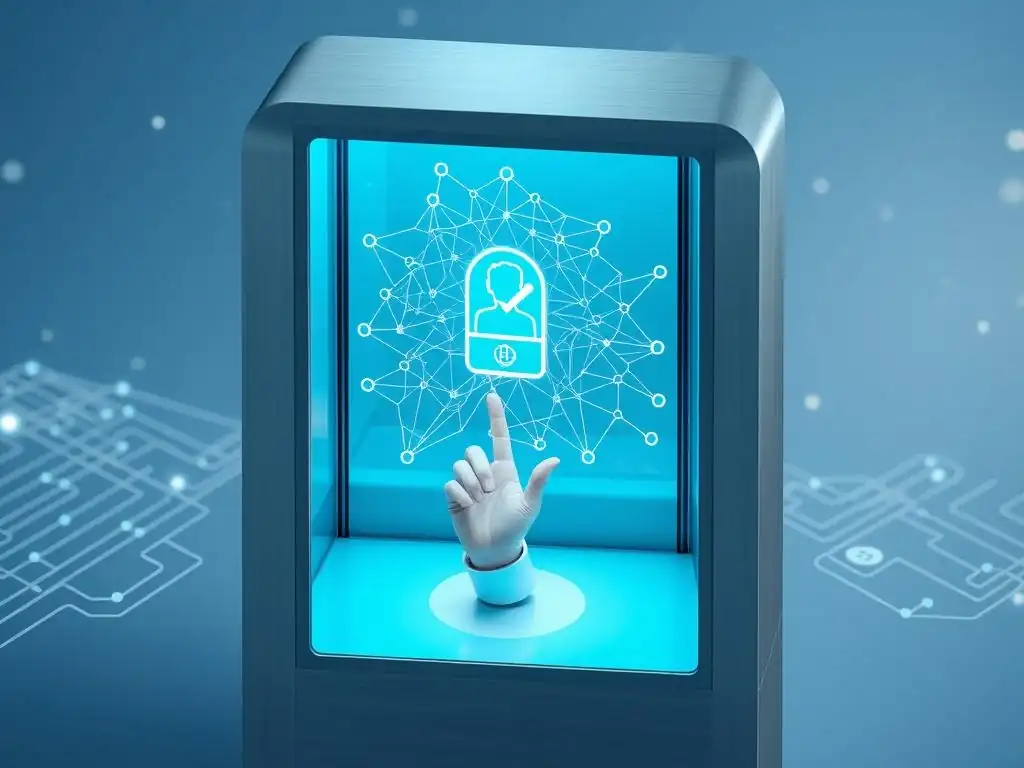
Increased Transparency in Elections
Decentralized voting solutions, leveraging blockchain technology, inherently boost transparency within electoral processes. Traditional voting systems often operate as black boxes, where the inner workings of vote counting and tabulation are opaque to the average citizen. This lack of visibility can breed distrust and skepticism, even in well-functioning democracies.
In contrast, blockchain's fundamental nature as a distributed and immutable ledger provides an unprecedented level of auditability. Every vote, once recorded on the blockchain, becomes publicly verifiable, allowing anyone to track the process from casting to final tally. This transparency extends to various stages of the election, including voter registration verification, ballot casting confirmation, and the aggregation of results.
For instance, consider a hypothetical scenario where election observers or even concerned citizens could independently verify the total number of votes cast for each candidate by querying the blockchain. This level of access to electoral data, without compromising individual voter privacy, significantly reduces the potential for manipulation and enhances public confidence in the integrity of election outcomes.
Imagine citizens accessing a dashboard that displays real-time, aggregated voting data, secured by cryptographic proofs. This radical transparency fosters trust by eliminating the need to solely rely on centralized authorities for election verification, shifting the paradigm towards a more open and accountable electoral framework.
Enhanced Security Against Voter Fraud
One of the most compelling benefits of decentralized voting solutions is the enhanced security they offer against various forms of voter fraud. Traditional systems, especially those relying on paper ballots or centralized databases, are vulnerable to tampering, ballot stuffing, and manipulation of vote counts. Decentralized voting, secured by blockchain, significantly mitigates these risks through cryptographic security and distributed consensus mechanisms.
Each transaction, representing a vote, is cryptographically signed and linked to the previous one, creating an immutable chain of records. This immutability means that once a vote is recorded on the blockchain, it cannot be altered or deleted without detection, making large-scale vote manipulation exceedingly difficult and computationally infeasible.
Furthermore, decentralized systems can incorporate mechanisms to prevent common types of voter fraud, such as double voting. By leveraging digital identities and cryptographic techniques, the system can ensure that each eligible voter casts only one vote. For example, zero-knowledge proofs can be employed to verify voter eligibility without revealing their identity, further enhancing both security and privacy.
Consider the potential for using multi-signature schemes where multiple independent entities must validate a transaction for it to be included on the blockchain, adding layers of security against malicious actors attempting to compromise the system. This multi-layered security architecture of decentralized voting offers a significant upgrade over the often vulnerable infrastructure of conventional electoral systems.
Improved Accessibility and Voter Turnout
Decentralized voting solutions hold the potential to dramatically improve accessibility to elections and, consequently, voter turnout, particularly for disenfranchised or geographically dispersed populations. Traditional voting methods often require in-person attendance at designated polling stations, which can be a significant barrier for individuals with disabilities, those living in remote areas, overseas citizens, or those with mobility constraints. Online or mobile voting platforms built on decentralized technologies can overcome these geographical and physical limitations, allowing eligible voters to participate in elections from anywhere with an internet connection.
For example, imagine a blockchain-based mobile voting application designed for citizens living abroad. Such a system could leverage secure digital identities and cryptographic verification to enable these voters to cast their ballots remotely, securely, and conveniently, without the need for postal ballots or physical presence at embassies. Studies have indicated that increased convenience and accessibility are strong drivers of voter turnout.
While precise figures on the impact of decentralized voting on turnout are still emerging, the potential to enfranchise a larger segment of the population and simplify the voting process is a significant advantage. By reducing logistical hurdles and offering more flexible voting options, decentralized solutions can contribute to a more inclusive and representative democratic process.
Cost Reduction in Election Administration
While the initial development and implementation of decentralized voting solutions may involve upfront costs, in the long term, they offer the potential for substantial cost reduction in election administration. Traditional election processes are resource-intensive, involving significant expenditures on printing and distributing paper ballots, managing physical polling stations, hiring and training poll workers, and manually counting votes. Decentralized voting systems can automate many of these processes, leading to significant savings in both time and resources.
Consider the elimination of paper ballots in a fully digital decentralized voting system. This alone would drastically reduce printing, transportation, and storage costs associated with traditional elections. Furthermore, the automation of vote counting and tabulation through smart contracts on the blockchain can significantly reduce the need for manual counting, which is a time-consuming and error-prone process.
While the costs associated with maintaining the blockchain infrastructure and ensuring cybersecurity must be factored in, the potential for streamlined operations, reduced manual labor, and minimized logistical complexity positions decentralized voting as a cost-effective alternative to traditional election administration in the long run. Early estimates from pilot projects suggest potential cost savings ranging from 20% to 50% in specific areas of election administration, although more comprehensive real-world data is needed to fully quantify these benefits.
Frequently Asked Questions
What are the primary benefits of using decentralized voting solutions?
Decentralized voting solutions offer enhanced transparency and security compared to traditional systems. They achieve this by leveraging blockchain's immutable ledger and cryptographic techniques, reducing the risk of fraud and manipulation. This also improves auditability.
How does blockchain technology ensure voter identity and prevent double voting in decentralized voting systems?
Blockchain voting often uses digital identities and cryptographic keys to verify voters. Techniques like zero-knowledge proofs can further enhance privacy while preventing multiple votes from the same individual, ensuring ballot integrity.
What are some potential challenges in implementing decentralized voting solutions on a large scale?
Scalability and user adoption are significant hurdles. Ensuring accessibility for voters with limited technological literacy and addressing concerns about data privacy are also key challenges to overcome.
Beyond security, what other advantages do decentralized voting solutions offer to election administrators?
Decentralized voting systems can significantly reduce administrative costs associated with traditional elections. Automation through smart contracts can streamline processes like vote counting and result dissemination, leading to greater efficiency.
What is the role of regulation in the development and adoption of decentralized voting solutions?
Clear and well-defined regulations are crucial for building public trust in decentralized voting. Regulatory frameworks should address issues like data security, voter privacy, and the legal validity of blockchain-based votes.
Final Reflection: Embracing the Future of Democracy
The exploration of decentralized voting solutions underscores a critical need in our modern world: trust and accessibility in democratic processes. As we've seen, the potential benefits of these technologies extend far beyond mere convenience, offering a pathway to more secure, transparent, and inclusive elections. The urgency of addressing vulnerabilities in existing systems, coupled with the promise of enhanced voter participation, makes this conversation profoundly relevant today.
The journey toward decentralized voting is not just a technological one; it's a cultural shift. It requires us to re-evaluate our assumptions about security, transparency, and the very nature of democratic participation. The potential to empower marginalized communities and foster greater civic engagement is immense. Democracy is not a spectator sport. It's a participatory event. If we don't participate, it becomes a dictatorship.
- Michael Moore. This quote highlights the importance of ensuring everyone can participate in democracy, and decentralized voting solutions can help achieve that.
As we stand at the cusp of a new era in democratic governance, I invite you to consider the role you can play in shaping this future. Reflect on the principles of security, transparency, and accessibility that underpin these solutions. How can you advocate for the responsible development and implementation of decentralized voting technologies in your community? The future of democracy is not predetermined; it is a future we build together, one secure and transparent vote at a time.
Unleash the Power of Your Vote!
Thank you for exploring the potential of decentralized voting with us! You've now gained valuable insight into how blockchain technology can revolutionize election security and transparency. Ready to be part of the change?
Here's how you can get involved:
- Become a Champion of Decentralized Voting: Start a conversation in your community about the benefits and possibilities of using blockchain for elections. Share this article and others on our site!
- Explore the open-source voting platforms discussed and consider contributing to their development.
- Brainstorm creative ways blockchain could address other societal challenges beyond elections.
What innovative solutions can you envision using blockchain to build a more trustworthy future? Share your ideas in the comments below!
Leave a Reply