
SSI Explained: How Blockchain Enables UserCentric Digital Identity Management


Welcome to Blockchain Trends, your guide to understanding the revolutionary power of blockchain beyond the hype. Dive into cutting-edge applications, from decentralized finance to enterprise solutions, and navigate the evolving regulatory landscape. Are you ready to discover how blockchain is reshaping control over personal data? This article explores a crucial piece of the puzzle: blockchain usercentric digital identity. Learn how Self-Sovereign Identity (SSI) is empowering individuals and shaping the future of online interactions. Intrigued? Keep reading to unlock the potential of decentralized identity management.
SSI Explained: How Blockchain Enables User-Centric Digital Identity Management
- Introduction: The Need for User-Centric Digital Identity
- What is Self-Sovereign Identity (SSI)?
- Blockchain Technology and Decentralized Identity
- User-Centric Digital Identity: Putting Individuals in Control
- Key Features of Blockchain-Based SSI Solutions
- Use Cases for Blockchain User-Centric Digital Identity
- Overcoming Challenges in Blockchain SSI Adoption
- The Future of Digital Identity with Blockchain
- Conclusion: Embracing Blockchain for User-Centric Identity Management
-
Frequently Asked Questions
- What is Self-Sovereign Identity (SSI) and how is it related to blockchain?
- How does blockchain enable a user-centric digital identity as opposed to traditional identity management?
- What are the key benefits of using blockchain for user-centric digital identity management, as highlighted in the context of Self-Sovereign Identity?
- Beyond cryptocurrencies, what are some potential enterprise applications of blockchain-based user-centric digital identity solutions?
- What are some of the regulatory considerations surrounding the implementation of blockchain-based user-centric digital identity systems, particularly in relation to data privacy?
- Final Reflection: Embracing User-Centric Control
- Unlock Your Digital Identity Potential!
Introduction: The Need for User-Centric Digital Identity
The Current Limitations of Traditional Identity Management Systems
Traditional identity management methods often rely on centralized databases, which lead to significant vulnerabilities. Such systems are prone to data breaches, unauthorized access, and misuse by third parties due to the single point of failure. For example, several high-profile data breaches have demonstrated how centralized repositories can be compromised, resulting in the exposure of millions of personal records and a loss of public trust.
Centralized identity systems also limit the control users have over their own data. Users typically have little say in how their information is stored or used, leaving them vulnerable to intrusion and exploitation by both criminals and misuse from within the managing organizations. These limitations have sparked the search for more resilient, privacy-focused solutions in the digital identity space.
Understanding Self-Sovereign Identity (SSI) and its Importance
Self-Sovereign Identity (SSI) is an emerging paradigm that empowers users by granting them full ownership and control over their identity data. Rather than being reliant on a centralized authority, SSI enables individuals to manage their credentials through decentralized frameworks, leveraging cryptographic proofs and blockchain technology. This model fosters trust and enhances security by eliminating single points of failure in the identity verification process.
The adoption of SSI is increasingly critical in a digital world that demands both privacy and efficiency. By allowing users to selectively share their credentials only when necessary, SSI minimizes the risks associated with data overexposure. Additionally, the trust built on verifiable interactions offers a pathway to more secure digital ecosystems, addressing both consumer concerns and regulatory requirements in sectors ranging from finance to healthcare.
Blockchain's Role in Revolutionizing Digital Identity
Blockchain technology plays a pivotal role in the evolution of digital identity management by introducing decentralization and immutability. The distributed ledger system ensures that identity records remain tamper-proof, transparent, and secure against unauthorized modifications. This technology brings an unprecedented level of integrity to identity data, mitigating the risks associated with traditional databases.
Moreover, blockchain's decentralized nature fosters a collaborative environment where users, businesses, and regulators can interact on an equal footing. By removing intermediaries, blockchain empowers individuals, reduces maintenance costs, and opens avenues for innovation in identity verification. The integration of blockchain usercentric digital identity solutions is already being explored by various industries, indicating a promising shift towards more secure and user-empowered identity management.
What is Self-Sovereign Identity (SSI)?
Defining Self-Sovereign Identity: Key Principles
Self-Sovereign Identity (SSI) is built on the principle that individuals should be the ultimate custodians of their identity data. This approach is grounded in concepts of decentralization, privacy, and data minimization. Key principles of SSI include user control, consent-based data sharing, and secure verifiability. In this ecosystem, each user manages a set of digital credentials that are backed by cryptographic proofs, ensuring authenticity without exposing the underlying data.
SSI’s core tenets promote trust and accountability in digital interactions. By using blockchain-based mechanisms, the identity records are decentralized and immutable, significantly reducing the risks associated with centralized storage. Additionally, SSI frameworks encourage interoperability with standardized protocols, paving the way for seamless integration across diverse digital services and organizational structures, further emphasizing the practical application of blockchain usercentric digital identity frameworks.
How SSI Differs from Federated and Centralized Identity
Unlike centralized identity systems, where a single authority governs user data, SSI distributes trust across a decentralized network. Federated identity systems rely on trusted third-party intermediaries to verify and manage identity attributes, whereas SSI grants users the authority to issue and control their claims directly. This difference radically shifts the dynamics of identity management by prioritizing privacy and reducing systemic vulnerabilities.
SSI also diverges from traditional federated models by eliminating reliance on a central repository. In federated systems, breaches or mismanagement by the central authority can lead to significant exposure of personal data. In contrast, SSI minimizes such risks by leveraging blockchain’s cryptographic security and decentralized architecture, ensuring that each identity record remains under the rigorous control of its owner. This decentralized approach enhances user confidence and aligns with the growing demand for blockchain usercentric digital identity solutions.
The Benefits of SSI for Individuals and Organizations
The benefits of SSI extend across both individual users and organizations. For individuals, SSI provides the ability to maintain and share only the necessary elements of their digital identity, reducing privacy risks and increasing control over personal data. This model eliminates the need for repetitive identity verification processes, thereby streamlining everyday digital interactions.
Organizations also stand to gain significantly from SSI by reducing overhead associated with identity verification and compliance. With SSI, businesses can leverage verifiable credentials to instantly validate user identities, leading to enhanced security, reduced fraud, and improved customer trust. These benefits underscore the transformative potential of blockchain usercentric digital identity systems in establishing secure, efficient, and scalable identity management practices.
Blockchain Technology and Decentralized Identity
The Core Components of a Blockchain-Based SSI System
A blockchain-based SSI system consists of several critical components that work in tandem to secure and manage digital identities. At the forefront, decentralized identifiers (DIDs) serve as the unique references for each digital identity, while public and private key pairs ensure secure authentication. This framework also incorporates verifiable credentials, which are cryptographically signed data assertions that can be independently validated without revealing the entire dataset.
In addition, smart contracts and distributed ledger technology (DLT) underpin the automation and transparency of transactions within an SSI system. These components work together to create a trustless network in which each transaction is recorded immutably. This decentralized structure eliminates intermediary risks, thereby reinforcing the notion of blockchain usercentric digital identity as a reliable and innovative solution for modern identity management challenges.
How Blockchain Enhances Security and Privacy in Digital Identity
Blockchain enhances security by utilizing consensus mechanisms that ensure all transactions are verified and permanently recorded. This tamper-proof characteristic is central to preventing unauthorized modifications, making blockchain a robust platform for managing sensitive identity data. The use of cryptographic techniques further bolsters data security, ensuring that only the rightful owner can access or share their digital credentials.
Privacy is also significantly improved through the blockchain approach. By allowing selective disclosure, blockchain-based SSI systems ensure that only necessary information is shared during transactions. This granular control over data exposure not only minimizes the potential for misuse but also complies with increasing regulatory demands for privacy and data protection. The fusion of decentralized security measures with enhanced privacy practices positions blockchain usercentric digital identity systems as an ideal choice for future identity management.
Exploring Distributed Ledger Technology (DLT) for SSI
Distributed Ledger Technology (DLT) forms the backbone of blockchain-based SSI systems. DLT ensures that identity data is replicated across numerous network nodes, providing redundancy and resilience against cyber-attacks. Each node participates in verifying transactions, contributing to a transparent and secure system where data integrity is maintained without the need for centralized oversight.
DLT also facilitates real-time updates and reconciliation of identity data, which is crucial for maintaining up-to-date and accurate digital identities. This dynamic environment supports advanced features such as automated identity verification, audit trails, and regulatory compliance tracking. By leveraging DLT, the blockchain usercentric digital identity ecosystem is equipped to meet the sophisticated demands of modern digital interactions while ensuring security and privacy.
User-Centric Digital Identity: Putting Individuals in Control
Giving Users Ownership and Control Over Their Data
Empowering users with complete control over their digital identity is at the heart of SSI. This approach ensures that individuals, rather than centralized authorities, manage their own identity information. By maintaining private keys and managing digital credentials, users gain the ability to decide when, how, and with whom to share their data, thus reinforcing their autonomy in the digital realm.
This user-centric approach also enables encrypted data exchanges where only the necessary pieces of information are revealed for specific transactions. Such granular control minimizes the risk of data exposure and misuse, addressing common concerns related to privacy breaches. In practice, blockchain usercentric digital identity enables a more balanced power dynamic in identity management, fostering trust and accountability between users and service providers.
Reducing Reliance on Centralized Identity Providers
Centralized identity providers are increasingly seen as single points of failure. The shift towards decentralization reduces the inherent risks associated with data breaches and unauthorized access in these systems. By distributing identity records across a blockchain network, SSI minimizes the vulnerabilities that are commonplace in traditional models. This transformation not only enhances security but also builds confidence amongst users willing to adopt new identity management methods.
Moreover, decentralizing identity management ensures that no single party can monopolize user data, promoting transparency and fairness. In a blockchain-based ecosystem, the absence of a central authority mitigates the risk of data manipulation or exploitation. This paradigm shift is essential for creating resilient systems that cater to the evolving demands of digital security and privacy in today's interconnected world.
Improving Data Portability and Interoperability with SSI
Data portability and interoperability are cornerstone benefits of SSI. With blockchain-based identity solutions, individuals can seamlessly use their credentials across various platforms and services without the need for multiple registrations. This streamlined process not only improves user convenience but also reduces the administrative burden on organizations trying to verify identities.
Interoperability is achieved through standardized protocols and shared data formats, enabling different SSI systems to communicate efficiently. By following industry standards, cross-border and cross-platform identity verification becomes more feasible, ultimately creating a cohesive digital identity landscape. Blockchain usercentric digital identity systems, by supporting these functionalities, pave the way for a more connected and efficient digital ecosystem that benefits both users and service providers.
Key Features of Blockchain-Based SSI Solutions
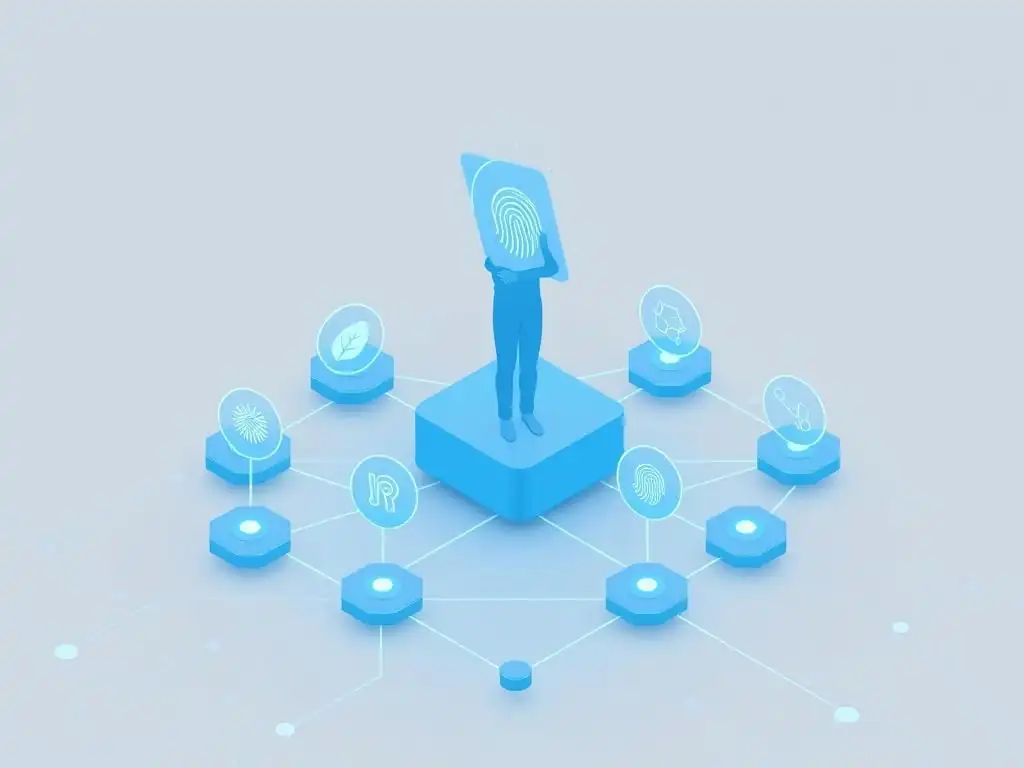
Decentralized Identifiers (DIDs): The Foundation of SSI
Decentralized Identifiers (DIDs) are a cornerstone of blockchain-based SSI systems. These unique identifiers allow individuals to create, manage, and share digital identities without relying on centralized registries. Unlike traditional identifiers, DIDs are generated and controlled by the users themselves, ensuring that personal data remains secure and self-managed. This decentralized approach is fundamental in establishing trust and security in digital interactions.
DIDs are designed to be interoperable across various systems, which is essential for realizing a universal digital identity framework. The adoption of DIDs supports seamless data exchange and helps maintain consistency across platforms while upholding privacy. With blockchain usercentric digital identity at its core, DIDs empower individuals to assert ownership of their identity, transforming the way digital identity is conceived and utilized across industries.
Verifiable Credentials: Secure and Tamper-Proof Identity Claims
Verifiable credentials represent another critical innovation in SSI solutions. They are digital attestations issued by trusted sources that can be cryptographically verified, ensuring that an individual’s identity claims are both secure and tamper-proof. These credentials eliminate the need for physical documents and reduce the risks of forgery and impersonation by leveraging blockchain’s immutable ledger.
The process of issuing, storing, and verifying these credentials is automated through smart contracts, which streamline the validation process while preserving user privacy. Real-world applications of verifiable credentials can be seen in educational certifications, professional licensing, and government-issued IDs. By incorporating verifiable credentials into blockchain usercentric digital identity systems, organizations can significantly reduce fraud while enhancing the reliability of digital identity verification.
Digital Wallets: Managing and Sharing Identity Information
Digital wallets serve as secure repositories for storing and managing identity credentials in SSI frameworks. These wallets allow users to securely store their DIDs, verifiable credentials, and other sensitive identity data on a blockchain. Through encryption and secure key management practices, digital wallets ensure that only authorized parties can access the stored information, providing a robust defense against unauthorized access.
Furthermore, digital wallets facilitate seamless sharing of identity data during transactions. For instance, during online onboarding or KYC procedures, users can choose to share specific credentials without exposing their full identity profile. This selective sharing mechanism not only enhances personal privacy but also speeds up processes that traditionally relied on time-consuming manual checks. The integration of digital wallets into blockchain usercentric digital identity frameworks exemplifies how technological innovation can simplify and secure identity management for individuals and businesses alike.
Use Cases for Blockchain User-Centric Digital Identity
SSI in Healthcare: Securely Sharing Medical Records
In the healthcare sector, SSI is revolutionizing how medical records are managed and shared. SSI enables patients to maintain control over their sensitive health data, ensuring that only authorized healthcare providers access critical information. This not only improves the accuracy and speed of medical services but also enhances patient trust by ensuring that data is secured on an immutable blockchain.
Real-life implementations of blockchain usercentric digital identity in healthcare have demonstrated significant improvements in patient privacy and data integrity. For example, pilot projects in several countries have successfully used SSI to exchange medical records between hospitals and insurance companies, reducing administrative burdens while ensuring compliance with strict health data protection regulations.
SSI in Supply Chain: Verifying Product Authenticity and Provenance
Supply chain management greatly benefits from the use of SSI by increasing transparency and authenticity verification. With blockchain-based SSI, each product can be linked to a decentralized identifier, allowing for secure tracking of its origin and journey. This level of traceability helps to combat counterfeit goods and enforce quality control standards across the supply chain.
The proven application of blockchain usercentric digital identity in supply chains is evident in sectors such as luxury goods, food safety, and pharmaceuticals. Companies are now able to verify the authenticity of products in real time, thereby safeguarding brand reputation and boosting consumer confidence in the marketplace.
SSI in Government: Streamlining Citizen Services and Identity Verification
Government services have a unique opportunity to benefit from SSI by streamlining identity verification and reducing bureaucratic inefficiencies. By adopting blockchain-based digital identity systems, governments can enable citizens to access services such as voting, licensing, and social welfare through a secure, user-managed platform. This transparency and ease of access ultimately lead to enhanced public trust and more efficient governance.
Several municipalities have already piloted SSI solutions to expedite administrative processes while maintaining high levels of security. These initiatives are paving the way for broader adoption of blockchain usercentric digital identity models in public services, facilitating a more inclusive and responsive governance framework that meets the demands of the digital age.
SSI in Decentralized Finance (DeFi): KYC/AML Compliance
The decentralized finance sector is rapidly embracing SSI to streamline KYC (Know Your Customer) and AML (Anti-Money Laundering) processes. SSI allows users to share verified identity data with DeFi platforms, thereby simplifying regulatory compliance while preserving user privacy. This is particularly crucial in a landscape where regulatory requirements are evolving rapidly, and traditional methods often inhibit innovation.
Real-world implementations in DeFi have shown that utilizing blockchain usercentric digital identity for KYC/AML processes not only reduces onboarding times but also minimizes the risk of fraud. By automating identity verification through verifiable credentials and digital wallets, DeFi protocols are enhancing security while meeting stringent regulatory requirements, which is essential for the sustainable growth of decentralized financial ecosystems.
Overcoming Challenges in Blockchain SSI Adoption
Scalability and Performance Considerations for SSI on Blockchain
One of the primary challenges in implementing blockchain-based SSI systems is ensuring scalability and maintaining high performance amid increasing user adoption. As identity transactions multiply, the underlying blockchain infrastructure must accommodate higher throughput without compromising security or speed. Solutions such as off-chain processing and layer-two protocols are being explored to address these concerns, ensuring that the system can scale while maintaining efficiency.
Detailed case studies from early adopters indicate that combining on-chain security with off-chain processing can significantly enhance transaction speeds and reduce network congestion. By refining these techniques, the blockchain usercentric digital identity ecosystem can prove resilient even under heavy load, effectively supporting a global user base and complex regulatory environments.
Interoperability and Standards for Widespread SSI Adoption
Interoperability remains a key factor for the successful implementation of SSI systems. Standardizing protocols, data formats, and interface specifications is essential to ensure that various SSI platforms can communicate seamlessly. This standardization encourages collaboration among industry players and simplifies the integration of blockchain usercentric digital identity solutions into pre-existing infrastructures.
Several international bodies and technology alliances are currently working towards adopting common standards that will enhance cross-platform and cross-border interoperability. Real-world initiatives, such as the work led by the Decentralized Identity Foundation (DIF), provide practical examples of how standardized protocols can facilitate a smooth transition towards global acceptance of SSI frameworks.
Regulatory and Legal Frameworks for Decentralized Identity
Establishing clear regulatory and legal frameworks is crucial for the adoption of blockchain-based SSI. Governments and regulatory agencies globally are recognizing the need to create policies that protect user privacy, ensure data security, and clarify liability in digital transactions. Crafting legislation that both fosters innovation and protects consumers is a delicate balance that must be achieved for SSI to thrive.
Multiple regions have already begun implementing pilot programs and regulatory sandboxes to test the viability of decentralized identity frameworks. By fostering an environment where experimentation is encouraged within defined legal boundaries, there is significant momentum towards mainstream adoption of blockchain usercentric digital identity technologies. These evolving policies will likely serve as the backbone for a more secure and trustworthy digital identity ecosystem.
The Future of Digital Identity with Blockchain
Trends and Innovations in Blockchain-Based SSI
The future of digital identity is being reshaped by continuous innovations in blockchain technology and SSI frameworks. Emerging trends such as the convergence of artificial intelligence and decentralized identity promise to further enhance security, reduce fraud, and offer personalized user experiences. As advanced cryptographic techniques and smart contract capabilities evolve, the potential for more resilient and adaptable digital identity ecosystems is greatly expanding.
Notably, initiatives in major tech hubs around the world are experimenting with hybrid models that integrate SSI with biometric verification and machine learning algorithms. These efforts aim to provide layered security mechanisms, ensuring that digital identities are not only secure but also user-friendly and adaptable to emerging threats. The progressive adoption of blockchain usercentric digital identity solutions across diverse sectors illustrates a growing trust in decentralization as the future of identity management.
The Impact of SSI on Privacy, Security, and Trust
SSI represents a transformative shift in preserving privacy and building trust within digital interactions. By granting users complete control over their data, SSI fosters an environment where security and privacy are prioritized. This decentralization minimizes the risk of mass data breaches and reinforces trust between consumers and providers, addressing long-standing vulnerabilities associated with traditional systems.
Real-world examples, particularly in finance and healthcare, have shown that the safeguarded integrity of identity data leads to higher compliance with privacy regulations and increased user confidence. As organizations witness the benefits of reduced fraud and improved operational efficiencies, the adoption of blockchain usercentric digital identity systems is expected to rise, fundamentally reshaping the landscape of digital trust and security for generations to come.
Future Predictions for SSI and Blockchain in Digital Identity
Looking ahead, the adoption of blockchain-based SSI systems is poised to become a critical component of global digital infrastructure. Analysts predict that within the next decade, SSI could become the standard for digital identity, with widespread use in both public and private sectors. The convergence of regulatory support, technological innovation, and growing user awareness is expected to accelerate this transformation.
As countries worldwide embrace digital transformation, the continuous evolution of standards and protocols will propel blockchain usercentric digital identity into a central role. Forecasts suggest that the integration of SSI will not only reduce operational costs and bolster security but also facilitate new business models in a digital economy that values transparency, resilience, and individual empowerment.
Conclusion: Embracing Blockchain for User-Centric Identity Management
The Transformative Potential of SSI for a More Secure and Private Digital Future
Self-Sovereign Identity is reshaping the landscape of digital identity management by returning control to the users. The integration of blockchain technology ensures that identity records remain secure, immutable, and accessible only to their rightful owners. This revolutionary approach mitigates the risks associated with centralized data storage and opens new avenues for secure and efficient digital interactions, marking a significant step forward in privacy and security.
The transformative potential of blockchain usercentric digital identity is evident in its capacity to blend robust security measures with enhanced user autonomy. These innovations not only protect sensitive personal data but also empower individuals to participate confidently in an increasingly digital world, paving the way for a more secure and private future.
Moving Towards a User-Centric Digital Identity Ecosystem
The evolution towards a user-centric digital identity ecosystem is a natural progression in today's interconnected landscape. By leveraging the strengths of blockchain technology, SSI promotes interoperability, reduces dependency on centralized authorities, and ultimately provides a more balanced approach to data management. This movement toward decentralization is essential for building trust, simplifying regulatory compliance, and fostering innovation across industries.
As organizations and governments progressively adopt blockchain usercentric digital identity solutions, the digital identity ecosystem will become more secure and user-friendly. The continued evolution of SSI frameworks offers a roadmap for a future where privacy, security, and individual empowerment are at the forefront of digital interactions—ushering in an era where identities are managed on the terms of the user, not centralized entities.
Frequently Asked Questions
SSI empowers individuals with complete control over their digital identity, unlike traditional systems. Blockchain provides a decentralized and immutable ledger to secure and verify identity credentials.
How does blockchain enable a user-centric digital identity as opposed to traditional identity management?
Traditional systems rely on centralized authorities to manage identity, creating vulnerabilities and data silos. Blockchain allows users to directly manage and share their verifiable credentials, reducing reliance on intermediaries.
What are the key benefits of using blockchain for user-centric digital identity management, as highlighted in the context of Self-Sovereign Identity?
The benefits include increased privacy, enhanced security against identity theft, and greater control over personal data. It also fosters interoperability and reduces reliance on single points of failure.
Beyond cryptocurrencies, what are some potential enterprise applications of blockchain-based user-centric digital identity solutions?
Enterprises can leverage it for secure supply chain management, streamlined employee onboarding, and improved customer relationship management through verified data. It can also enhance regulatory compliance.
What are some of the regulatory considerations surrounding the implementation of blockchain-based user-centric digital identity systems, particularly in relation to data privacy?
Regulations like GDPR emphasize data minimization and user consent, which align well with SSI principles. However, compliance requires careful design and implementation to ensure data protection and transparency.
Final Reflection: Embracing User-Centric Control
The promise of user-centric digital identity is no longer a futuristic concept, but a tangible possibility being shaped by the transformative power of blockchain technology. As we've explored in this article, Self-Sovereign Identity (SSI) offers a paradigm shift, moving away from centralized control and empowering individuals with unprecedented autonomy over their personal data. This shift is particularly relevant today, as concerns about data privacy and security reach an all-time high, demanding innovative solutions that prioritize user agency.
The impact of SSI extends far beyond mere convenience; it represents a fundamental change in how we interact with the digital world. The ability to control our own identities, to selectively disclose information, and to participate in secure and verifiable transactions, is not just a technological advancement, but a cornerstone of a more equitable and trustworthy digital society. Identity is the new perimeter of security,
a sentiment that underscores the urgency of adopting user-centric approaches to digital identity management.
As we look to the future, let us embrace the potential of blockchain and SSI to build a more secure, transparent, and user-centric digital landscape. Consider how you can advocate for and adopt these technologies in your own life, demanding greater control over your digital identity and contributing to a future where individuals, not institutions, are at the heart of the digital ecosystem.
Unlock Your Digital Identity Potential!
Thank you for exploring the transformative power of self-sovereign identity and its blockchain foundation. We hope you now feel empowered to take control of your digital footprint. Are you ready to step into a future where you own your data?
Here's how you can get started:
- Begin your journey with self-sovereign identity by researching available wallets and choosing one that suits your needs. This will be your gateway to decentralized identity.
- Explore the ecosystem: Investigate projects and initiatives that leverage self-sovereign identity within your industry. See how these solutions can enhance data management and security.
- Share your insights: Contribute to the conversation by sharing this article with your network and encouraging discussions about the future of digital identity. You might also consider sharing your thoughts on relevant online forums.
What's the first step you'll take to explore the possibilities of self-sovereign identity for yourself or your organization? Share your plans in the comments below!
Leave a Reply