
Supply Chain Transparency: Tracking Products Authenticity with Blockchain Identity Verification

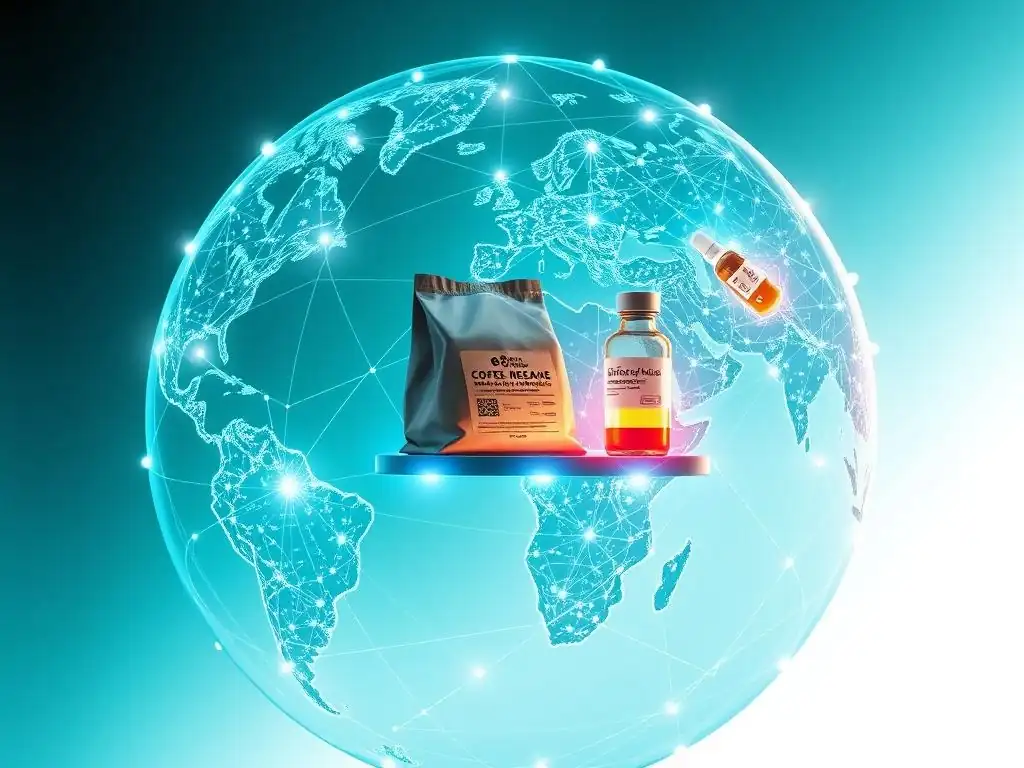
Welcome to Blockchain Trends, your compass in the rapidly evolving world of decentralized technologies. Beyond the hype, blockchain is revolutionizing industries, and we're here to explore its real-world applications. This week, we delve into a critical area: supply chain transparency. How can blockchain ensure product authenticity and combat counterfeiting? Discover the power of blockchain supply chain authentication keywords in our latest article and unlock the secrets to building trust in global commerce. Are you ready to trace the journey of your products from origin to consumer? Let's begin!
Supply Chain Transparency: Tracking Product Authenticity with Blockchain Identity Verification
- Introduction: The Need for Authenticity in Modern Supply Chains
- Blockchain for Digital Identity: A Solution for Supply Chain Authentication
- Blockchain Supply Chain Authentication: A Step-by-Step Process
- Benefits of Blockchain-Based Supply Chain Authentication
- Use Cases: Real-World Examples of Blockchain Supply Chain Authentication
- Challenges and Considerations for Implementing Blockchain Supply Chain Solutions
- The Future of Blockchain in Supply Chain Management
- Conclusion: Blockchain as a Catalyst for Transparent and Authentic Supply Chains
-
Frequently Asked Questions
- How does blockchain enhance supply chain transparency?
- What role does identity verification play in blockchain-based supply chains?
- Can blockchain help combat counterfeit products in the supply chain?
- What are the benefits of using blockchain for supply chain authentication?
- How does blockchain address the issue of data security in supply chains?
- Final Reflection: Embracing Trust in a Blockchain-Verified Future
- Unveil the Future of Trust: Secure Your Supply Chain Now!
Introduction: The Need for Authenticity in Modern Supply Chains
The Growing Problem of Counterfeit Products in Global Supply Chains
The global trade in counterfeit goods has reached staggering proportions, posing a significant threat to economies, businesses, and consumers alike. According to a 2021 report by the Organisation for Economic Co-operation and Development (OECD) and the European Union Intellectual Property Office (EUIPO), international trade in counterfeit and pirated products amounted to as much as \$464 billion in 2019, representing 2.5% of world trade.
This illicit market encompasses a vast array of products, from pharmaceuticals and electronics to luxury goods and food, infiltrating legitimate supply chains and deceiving consumers. The rise of e-commerce has further exacerbated the issue, providing counterfeiters with easier access to global markets and consumers, making it increasingly challenging to distinguish genuine products from fakes.
The impact of counterfeit products extends far beyond financial losses. In the pharmaceutical industry, for instance, fake medications can have devastating health consequences, leading to ineffective treatments and even fatalities. Counterfeit electronics can pose safety hazards due to substandard components and manufacturing processes. Brands suffer reputational damage when consumers unknowingly purchase counterfeit goods, eroding trust and loyalty. Furthermore, the counterfeit industry often funds organized crime and illicit activities, contributing to broader societal problems. The need for robust solutions to combat counterfeiting and ensure product authenticity in global supply chains is more critical than ever.
Why Supply Chain Transparency is Crucial for Businesses and Consumers
In today's interconnected world, supply chains are increasingly complex and opaque, often spanning multiple countries and involving numerous intermediaries. This complexity, while enabling efficiency and globalization, also creates vulnerabilities that can be exploited by counterfeiters and bad actors. Lack of transparency within supply chains makes it difficult to track products from origin to consumer, hindering efforts to verify authenticity and identify points of vulnerability. This opacity not only facilitates the infiltration of counterfeit goods but also obscures unethical labor practices, environmental damage, and other detrimental activities within the supply chain.
For businesses, supply chain transparency is paramount for protecting brand integrity, ensuring product quality, and mitigating risks. Consumers are increasingly demanding to know the origin and journey of the products they purchase, seeking assurance about product authenticity, ethical sourcing, and sustainability. Surveys indicate a growing consumer preference for brands that demonstrate transparency and traceability.
For example, a 2020 study by Label Insight found that 94% of consumers prioritize transparency from the brands they buy. Transparent supply chains can foster trust between businesses and consumers, enhance brand reputation, and build long-term loyalty. Moreover, increased visibility into supply chain operations allows businesses to identify inefficiencies, optimize processes, and improve overall supply chain resilience.
Blockchain for Digital Identity: A Solution for Supply Chain Authentication
Understanding Blockchain Identity and its Role in Product Verification
Blockchain technology, initially popularized by cryptocurrencies, offers a revolutionary approach to digital identity and data management that can be effectively leveraged for supply chain authentication. At its core, blockchain is a distributed, immutable ledger that records transactions across a network of computers. Each transaction, or "block," is cryptographically linked to the previous one, forming a chain that is virtually tamper-proof. This inherent security and transparency make blockchain an ideal platform for creating and managing digital identities for products, assets, and even organizations within a supply chain.
In the context of product verification, blockchain identity refers to the creation of a unique digital representation of a product on the blockchain. This digital identity can encompass a wide range of information, including product origin, manufacturing details, ownership history, certifications, and more. By assigning a unique digital identity to each product and recording its journey through the supply chain on a blockchain, it becomes possible to track and verify its authenticity at every stage.
This system provides a secure and auditable record of a product's provenance, making it extremely difficult for counterfeiters to introduce fake goods into the supply chain and claim they are genuine. The immutability of blockchain ensures that once information is recorded, it cannot be altered or deleted, providing a high degree of trust and reliability in the verification process.
How Blockchain Enhances Supply Chain Visibility and Traceability
Blockchain technology significantly enhances supply chain visibility and traceability by providing a shared, transparent, and immutable record of all transactions and movements of goods. Traditional supply chains often rely on disparate systems and paper-based records, creating information silos and hindering end-to-end visibility. Blockchain overcomes these limitations by creating a single source of truth that is accessible to all authorized participants in the supply chain network. This shared ledger enables real-time tracking of products as they move from raw material sourcing to manufacturing, distribution, and finally, to the end consumer.
For example, consider the journey of a pharmaceutical product. Using blockchain, each stage of the process, from the sourcing of active pharmaceutical ingredients (APIs) to manufacturing, packaging, and distribution, can be recorded on the blockchain. This might include details such as the origin of APIs, batch numbers, manufacturing dates, temperature logs during transportation, and custody transfers between different stakeholders.
All participants in the supply chain, from manufacturers and distributors to retailers and even consumers, can access this information, providing unprecedented visibility into the product's journey. This enhanced traceability not only helps in verifying product authenticity but also facilitates faster recall processes in case of defects or contamination, improves inventory management, and optimizes logistics. The ability to trace a product's entire lifecycle on a blockchain empowers businesses to build more resilient and responsive supply chains.
Blockchain Supply Chain Authentication: A Step-by-Step Process
Creating a Digital Identity for Products Using Blockchain Technology
The foundation of blockchain supply chain authentication lies in creating a unique digital identity for each product. This process typically involves assigning a unique identifier to each item, which could be a serial number, a QR code, or an RFID tag linked to a blockchain record. When a product is manufactured, key information about it is recorded on the blockchain and linked to this unique identifier.
This information can include details such as product specifications, origin of materials, manufacturing date and location, batch number, and certifications. This initial recording establishes the product's digital identity and provenance on the immutable blockchain ledger.
For instance, in the case of luxury handbags, a manufacturer could embed an NFC (Near Field Communication) chip or a QR code into each bag. Upon creation, the handbag's unique serial number, materials used (e.g., type of leather, hardware origin), craftsmanship details, and date of manufacture are recorded on the blockchain and linked to the NFC chip or QR code. This digital identity acts as a verifiable certificate of authenticity for the product.
The process of creating a digital identity should be secure and tamper-proof to prevent counterfeiting from the outset. Cryptographic techniques are employed to ensure the integrity and authenticity of the data recorded on the blockchain.
Recording Product Information and Ownership Changes on the Blockchain
Once a digital identity is established for a product, the blockchain system is used to record all subsequent events and ownership changes throughout its journey in the supply chain. Every time the product changes hands or undergoes a significant process, such as quality checks, customs clearance, or distribution to a retailer, a transaction is recorded on the blockchain. These transactions are time-stamped and cryptographically signed, ensuring their authenticity and immutability. This continuous recording of events creates a comprehensive and auditable history of the product's lifecycle.
Consider the example of coffee beans. As the beans move from the farm to the roaster, distributor, and finally to a café, each transfer of ownership and processing step is recorded on the blockchain. This could include information about the farm of origin, harvesting date, processing method, roasting profile, and packaging details.
Each participant in the supply chain – farmers, processors, distributors, and retailers – can update the blockchain record with relevant information as the beans move through their respective stages. This creates a transparent and verifiable chain of custody, allowing consumers to trace their coffee back to its origin and verify its ethical sourcing and quality.
Verifying Product Authenticity at Each Stage of the Supply Chain
The power of blockchain for supply chain authentication lies in its ability to enable easy and reliable verification of product authenticity at any point in the supply chain. By accessing the blockchain record associated with a product's unique identifier (e.g., scanning a QR code or NFC chip), stakeholders can instantly verify its provenance, history, and authenticity. This verification process can be performed by anyone with authorized access to the blockchain network, including businesses, customs officials, retailers, and consumers.
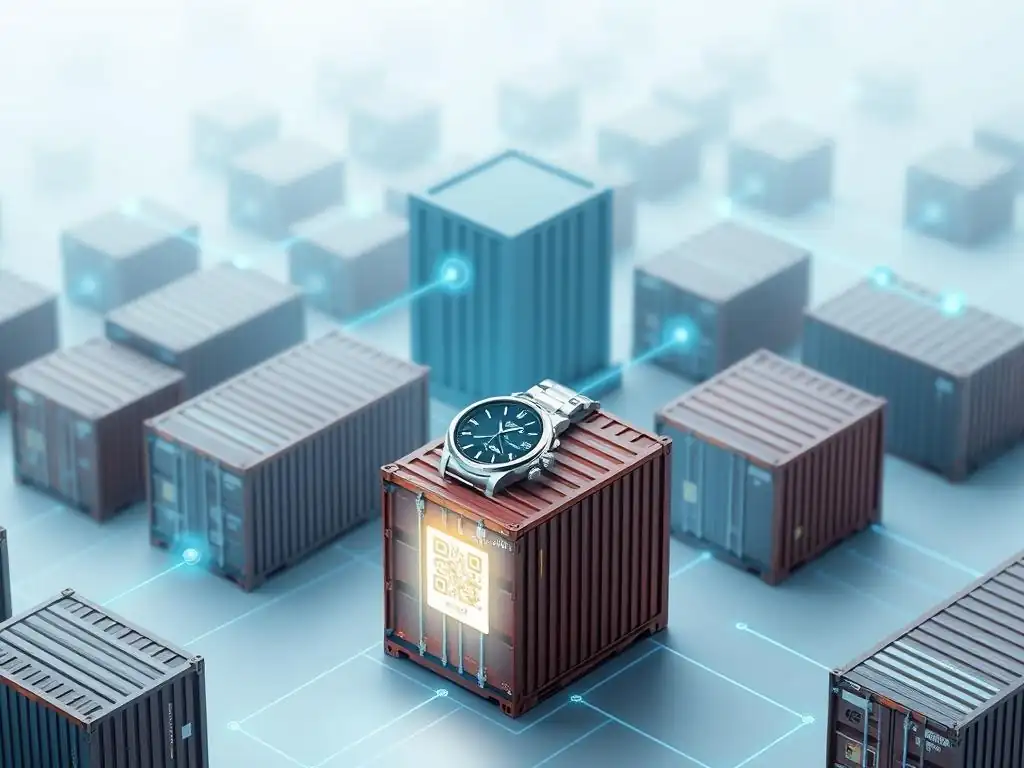
For example, a customs officer inspecting a shipment of electronics can scan the QR code on a product's packaging and instantly access its blockchain record. This record will provide information about the product's manufacturer, origin, components, and intended destination, allowing the officer to quickly verify its legitimacy and prevent the entry of counterfeit goods. Similarly, a consumer purchasing a luxury watch can scan the NFC chip embedded in the watch to verify its authenticity and ensure they are buying a genuine product.
This on-demand verification capability empowers stakeholders to combat counterfeiting proactively and build trust in the supply chain. Blockchain-based verification provides a much more robust and reliable method of authentication compared to traditional methods that are often susceptible to fraud and manipulation.
Benefits of Blockchain-Based Supply Chain Authentication
Enhanced Product Authenticity and Reduced Counterfeiting
The most significant benefit of blockchain supply chain authentication is the enhanced ability to verify product authenticity and drastically reduce counterfeiting. By creating an immutable and transparent record of a product's journey, blockchain makes it extremely difficult for counterfeiters to introduce fake goods into the supply chain and pass them off as genuine. The digital identity and verifiable history associated with each product on the blockchain act as a powerful deterrent against counterfeiting, as any attempt to tamper with or falsify the record would be immediately detectable.
Real-world examples demonstrate the effectiveness of blockchain in combating counterfeiting. Everledger, a company using blockchain to track diamonds, reports a significant reduction in fraud and theft in the diamond industry. By creating a digital fingerprint for each diamond and recording its provenance on the blockchain, Everledger has made it much harder to sell or trade conflict diamonds or stolen gems.
Similarly, pharmaceutical companies are exploring blockchain to track medications and combat the proliferation of counterfeit drugs, which pose a serious threat to public health. The inherent security and transparency of blockchain provide a robust defense against counterfeiting across various industries, protecting both businesses and consumers.
Improved Supply Chain Efficiency and Reduced Costs
Beyond authentication, blockchain can also significantly improve supply chain efficiency and reduce operational costs. By streamlining processes, automating data sharing, and eliminating intermediaries, blockchain can optimize various aspects of supply chain management. The transparency and real-time visibility provided by blockchain enable better inventory management, reduced delays, and faster dispute resolution. Smart contracts, self-executing contracts coded on the blockchain, can automate transactions and processes, further enhancing efficiency and reducing manual errors.
For instance, in international trade, blockchain can simplify and expedite customs clearance processes. Traditionally, customs procedures involve significant paperwork, delays, and multiple intermediaries. By digitizing trade documents and using blockchain to share information securely and transparently between customs authorities, shippers, and other stakeholders, customs clearance can be significantly accelerated, reducing delays and costs. Maersk and IBM's TradeLens platform, a blockchain-based shipping solution, aims to streamline global trade by digitizing supply chain processes and improving information sharing, resulting in significant time and cost savings for shippers and logistics providers.
Increased Consumer Trust and Brand Reputation
In an era where consumers are increasingly conscious of product origins and ethical sourcing, blockchain-based supply chain authentication can significantly enhance consumer trust and brand reputation. The ability to transparently track a product's journey and verify its authenticity empowers consumers to make informed purchasing decisions and builds confidence in the brands they choose. Brands that embrace blockchain for supply chain transparency signal their commitment to authenticity, quality, and ethical practices, fostering stronger relationships with consumers.
Studies have shown that consumers are willing to pay a premium for products with verifiable origins and ethical sourcing. A Nielsen study found that 66% of global consumers are willing to pay more for sustainable brands. Blockchain can provide the verifiable proof that consumers demand, allowing brands to differentiate themselves in the market and build a loyal customer base. For example, Provenance, a platform using blockchain to track the provenance of food and consumer goods, helps brands communicate their sustainability and ethical sourcing stories to consumers, enhancing brand trust and transparency.
Data Security and Immutability in Supply Chain Management
Blockchain's inherent security features and immutability provide a robust solution for data security in supply chain management. Traditional supply chain systems often rely on centralized databases, which are vulnerable to cyberattacks and data breaches. Blockchain's decentralized and distributed nature makes it much more resistant to hacking and manipulation. The cryptographic techniques used in blockchain ensure the integrity and confidentiality of data, protecting sensitive supply chain information from unauthorized access and tampering. Furthermore, the immutability of blockchain records ensures that once data is recorded, it cannot be altered or deleted, providing a permanent and auditable trail of supply chain events.
This enhanced data security is particularly crucial in industries dealing with sensitive information, such as pharmaceuticals and food. In the pharmaceutical industry, protecting patient data and ensuring the integrity of drug supply chain data is paramount. Blockchain can provide a secure and auditable platform for managing sensitive pharmaceutical data, complying with regulatory requirements and safeguarding patient privacy. Similarly, in the food industry, blockchain can enhance food safety and traceability by providing a secure and transparent record of food products from farm to fork, protecting consumers from foodborne illnesses and fraudulent products.
Use Cases: Real-World Examples of Blockchain Supply Chain Authentication
Tracking Pharmaceuticals and Preventing Counterfeit Drugs
The pharmaceutical industry faces a significant challenge from counterfeit drugs, which pose a serious threat to public health. Blockchain technology is being actively explored and implemented to track pharmaceuticals and prevent counterfeit drugs from entering the supply chain. By recording the origin, manufacturing details, batch numbers, and distribution history of medications on a blockchain, pharmaceutical companies and regulatory agencies can create a secure and transparent system for verifying drug authenticity and tracking products throughout the supply chain.
For example, the MediLedger Network, a consortium of pharmaceutical companies and technology providers, is developing blockchain solutions for drug supply chain traceability and verification. Their pilot programs have demonstrated the potential of blockchain to track prescription drugs from manufacturer to pharmacy, improving supply chain security and combating counterfeiting.
GS1, a global standards organization, is also promoting the use of blockchain to enhance pharmaceutical traceability and comply with regulations like the Drug Supply Chain Security Act (DSCSA) in the United States, which mandates the traceability of prescription drugs. These initiatives highlight the growing adoption of blockchain for pharmaceutical supply chain authentication to protect patients and ensure the integrity of the drug supply.
Verifying the Origin and Authenticity of Luxury Goods
The luxury goods industry is heavily impacted by counterfeiting, with fake luxury items costing brands billions of dollars annually and damaging brand reputation. Blockchain technology offers a powerful solution to verify the origin and authenticity of luxury goods, protecting both brands and consumers. By creating digital identities for luxury items and recording their provenance and ownership history on a blockchain, brands can provide verifiable proof of authenticity to consumers and combat the trade in counterfeit goods.
Companies like Arianee are using blockchain to create digital passports for luxury products, allowing brands to provide consumers with verifiable certificates of authenticity and track ownership throughout the product lifecycle. These digital passports can be accessed by consumers through QR codes or NFC chips embedded in luxury items, enabling instant verification of authenticity.
Luxury watch brands, fashion houses, and jewelry companies are increasingly adopting blockchain solutions to protect their brands from counterfeiting and enhance consumer trust. For instance, LVMH, a luxury conglomerate, has launched Aura, a blockchain platform for luxury goods authentication, used by brands like Louis Vuitton and Dior to track their products and provide verifiable proof of authenticity.
Ensuring Ethical Sourcing and Fair Trade Practices in the Food Industry
Consumers are increasingly demanding ethically sourced and fair trade products, particularly in the food industry. Blockchain technology can play a crucial role in ensuring ethical sourcing and fair trade practices by providing transparency and traceability throughout the food supply chain. By recording the origin of food products, farming practices, labor conditions, and certifications on a blockchain, consumers can verify the ethical and sustainable claims made by food brands and make informed purchasing decisions.
For example, Fairtrade International is exploring blockchain to enhance the traceability of fair trade coffee and cocoa, ensuring that farmers receive fair prices and that products meet fair trade standards. Blockchain can provide consumers with greater visibility into the journey of their food, from farm to table, allowing them to support brands committed to ethical and sustainable practices.
Companies like Farmer Connect are using blockchain to connect coffee consumers directly with farmers, providing transparency about coffee origins and empowering farmers through direct trade. These initiatives demonstrate the potential of blockchain to promote ethical sourcing and fair trade practices in the food industry, benefiting both consumers and producers.
De Beers: Tracking Diamonds from Mine to Retail
De Beers, a leading diamond company, is using blockchain technology to track diamonds from mine to retail, ensuring their provenance and combating the trade in conflict diamonds. Their blockchain platform, Tracr, creates a digital record for each diamond, tracking its journey from the mine through cutting, polishing, and distribution to retailers. This provides consumers with assurance that their diamonds are ethically sourced and conflict-free.
Tracr assigns a unique Global Diamond ID to each diamond, recording its characteristics and provenance on the blockchain. This information is accessible to authorized participants in the diamond supply chain, providing transparency and traceability throughout the diamond's journey. De Beers' initiative is a significant step towards enhancing transparency and ethical sourcing in the diamond industry, demonstrating the practical application of blockchain for supply chain authentication in the luxury goods sector. By leveraging blockchain, De Beers aims to build greater trust and confidence in the diamond industry and combat the trade in illicit diamonds.
Walmart: Tracking Produce from Farm to Store
Walmart, one of the world's largest retailers, is leveraging blockchain technology to track produce from farm to store, improving food safety and supply chain efficiency. Their blockchain-based food traceability system allows them to track the origin and journey of produce items like mangoes and pork, providing real-time visibility into the supply chain and enabling faster response times in case of food safety issues.
Walmart's system uses IBM Food Trust, a blockchain platform, to record data about produce at each stage of the supply chain, from farms to packing facilities, distribution centers, and stores. This data includes information about farm location, harvest dates, processing details, and shipping information. By scanning a QR code on a package of produce, Walmart can quickly trace it back to its origin, enabling rapid identification and removal of potentially contaminated products in case of a food safety incident.
Walmart's adoption of blockchain for produce traceability demonstrates the technology's potential to enhance food safety and improve supply chain efficiency in the retail sector. They report that blockchain has reduced the time it takes to trace a package of mangoes from days to seconds, significantly improving their ability to respond to food safety concerns.
Challenges and Considerations for Implementing Blockchain Supply Chain Solutions
Scalability and Interoperability of Blockchain Networks
While blockchain offers significant benefits for supply chain authentication, scalability and interoperability remain key challenges for widespread adoption. Public blockchains, like Bitcoin and Ethereum, can face scalability limitations in handling the high transaction volumes required for large-scale supply chains. Private and consortium blockchains offer better scalability but may lack interoperability, making it difficult to integrate different blockchain networks and share data seamlessly across diverse supply chains.
Addressing scalability requires ongoing technological advancements in blockchain platforms, such as layer-2 scaling solutions and sharding. Interoperability can be improved through the development of standardized protocols and APIs that enable different blockchain networks to communicate and exchange data. Industry collaborations and standardization efforts are crucial to overcome these challenges and ensure that blockchain solutions can effectively support global supply chains. Organizations like the Blockchain in Transport Alliance (BiTA) are working to develop standards and promote interoperability in blockchain for supply chain applications.
Data Privacy and Compliance with Regulations
Implementing blockchain in supply chains raises important considerations regarding data privacy and compliance with regulations like GDPR (General Data Protection Regulation) and CCPA (California Consumer Privacy Act). While blockchain enhances transparency, it also necessitates careful management of sensitive data to ensure compliance with privacy laws. Organizations must consider what data is stored on the blockchain, who has access to it, and how to protect personal and confidential information.
Solutions to address data privacy concerns include using permissioned or private blockchains, implementing data encryption, and utilizing zero-knowledge proofs to verify information without revealing the underlying data. Compliance with regulations requires careful planning and implementation of blockchain solutions, ensuring that data privacy is prioritized and that systems are designed to meet legal requirements. Companies need to work closely with legal experts and data privacy professionals to navigate the regulatory landscape and implement blockchain solutions responsibly.
The Cost of Implementing and Maintaining Blockchain Systems
The cost of implementing and maintaining blockchain systems can be a significant barrier to entry, particularly for smaller businesses. Developing and deploying blockchain solutions requires specialized expertise, infrastructure investments, and ongoing maintenance costs. The cost of blockchain implementation can vary depending on the complexity of the solution, the choice of blockchain platform, and the scale of deployment.
While the initial investment can be substantial, the long-term benefits of blockchain, such as reduced counterfeiting, improved efficiency, and enhanced transparency, can outweigh the costs. Furthermore, the cost of blockchain solutions is expected to decrease over time as the technology matures and becomes more accessible. Cloud-based blockchain platforms and Blockchain-as-a-Service (BaaS) offerings can also help reduce the upfront investment and operational costs for businesses adopting blockchain. Organizations should carefully evaluate the costs and benefits of blockchain implementation and consider a phased approach to adoption to manage expenses effectively.
Overcoming Resistance to Change in Traditional Supply Chains
Traditional supply chains are often characterized by established processes, legacy systems, and resistance to change. Implementing blockchain solutions requires a shift in mindset and a willingness to adopt new technologies and ways of working. Overcoming resistance to change from stakeholders across the supply chain can be a significant challenge. Educating stakeholders about the benefits of blockchain and demonstrating its value through pilot projects and case studies is crucial to fostering adoption.
Collaboration and communication are essential to address concerns and build consensus among supply chain partners. Change management strategies should be implemented to support the transition to blockchain-based systems, providing training and support to stakeholders to adapt to new processes and technologies. Highlighting the long-term advantages of blockchain, such as improved efficiency, reduced risks, and enhanced competitiveness, can help overcome resistance and encourage broader adoption across the supply chain ecosystem.
The Future of Blockchain in Supply Chain Management
Emerging Trends in Blockchain Identity and Authentication
The field of blockchain identity and authentication is constantly evolving, with emerging trends shaping the future of supply chain management. One key trend is the increasing use of decentralized identifiers (DIDs) and verifiable credentials (VCs) for digital identity management. DIDs provide individuals and organizations with greater control over their digital identities, while VCs enable the secure and verifiable exchange of credentials and attestations. These technologies are enhancing the security, privacy, and interoperability of blockchain-based identity solutions.
Another trend is the growing adoption of zero-knowledge proofs (ZKPs) in supply chain authentication. ZKPs allow for the verification of information without revealing the underlying data, enhancing data privacy and security. For example, ZKPs can be used to verify product certifications or compliance without disclosing sensitive business information. These emerging trends are driving innovation in blockchain identity and authentication, paving the way for more robust, secure, and privacy-preserving supply chain solutions.
The Role of IoT and AI in Enhancing Blockchain Supply Chains
The integration of Internet of Things (IoT) devices and Artificial Intelligence (AI) with blockchain is further enhancing the capabilities of blockchain supply chains. IoT sensors can provide real-time data on product location, condition, and environmental factors, which can be recorded on the blockchain, enhancing traceability and visibility. AI algorithms can analyze blockchain data to identify patterns, predict risks, and optimize supply chain processes.
For example, IoT sensors can monitor temperature and humidity conditions during the transportation of temperature-sensitive goods, such as pharmaceuticals and food, and automatically trigger alerts if conditions deviate from acceptable ranges. AI can analyze blockchain data to predict demand fluctuations, optimize inventory levels, and identify potential disruptions in the supply chain. The synergy between blockchain, IoT, and AI is creating smarter, more efficient, and more resilient supply chains. This integration is enabling proactive supply chain management and data-driven decision-making.
Increased Adoption of Consortium Blockchains for Supply Chains
Consortium blockchains, which are permissioned blockchains governed by a group of organizations, are gaining traction for supply chain applications. Consortium blockchains offer a balance between the transparency of public blockchains and the privacy and control of private blockchains. They provide a collaborative platform for supply chain partners to share data and transact securely, without relying on a single centralized entity.
Industry consortia are forming around blockchain supply chain initiatives, bringing together businesses from various sectors to develop and deploy blockchain solutions. Examples include the TradeLens platform for shipping and the MediLedger Network for pharmaceuticals. Consortium blockchains facilitate collaboration and data sharing among supply chain participants, enabling the development of industry-wide solutions and standards. This trend towards consortium blockchains is driving the practical adoption of blockchain in complex and multi-stakeholder supply chains.
Integration of Sustainability Metrics into Blockchain Tracking
Sustainability is becoming an increasingly important consideration for businesses and consumers. Blockchain technology can be used to integrate sustainability metrics into supply chain tracking, enabling businesses to demonstrate their environmental and social responsibility. Blockchain can record data related to carbon emissions, water usage, waste generation, and ethical labor practices throughout the supply chain, providing verifiable proof of sustainability claims.
Consumers are increasingly seeking sustainable products and are willing to support brands that prioritize environmental and social responsibility. Blockchain can provide the transparency and traceability needed to build trust in sustainability claims and empower consumers to make informed purchasing decisions. For example, blockchain can be used to track the journey of sustainably sourced materials, verify fair labor practices in manufacturing, and measure the carbon footprint of products. The integration of sustainability metrics into blockchain tracking is aligning supply chain transparency with broader environmental and social goals.
Conclusion: Blockchain as a Catalyst for Transparent and Authentic Supply Chains
Recap of the Key Benefits of Blockchain Supply Chain Authentication
Blockchain technology offers a transformative solution for enhancing supply chain transparency and product authenticity. By creating immutable digital identities for products and recording their journey on a shared, secure ledger, blockchain provides a robust defense against counterfeiting, improves supply chain efficiency, increases consumer trust, and enhances data security. The use of blockchain for supply chain authentication is being adopted across various industries, from pharmaceuticals and luxury goods to food and diamonds, demonstrating its versatility and effectiveness.
The benefits of blockchain supply chain authentication extend beyond just preventing counterfeiting. It enables businesses to build more resilient and responsive supply chains, optimize operations, and improve brand reputation. For consumers, blockchain provides greater transparency and assurance about the authenticity and ethical sourcing of the products they purchase, empowering them to make informed choices. The real-world use cases and emerging trends highlight the significant potential of blockchain to revolutionize supply chain management and create more transparent and trustworthy global trade networks.
Call to Action: Embracing Blockchain for a More Secure and Transparent Future
The challenges of counterfeit products and opaque supply chains demand innovative solutions. Blockchain technology offers a powerful tool to address these challenges and build a more secure and transparent future for global trade. Businesses, governments, and consumers all have a role to play in embracing blockchain and unlocking its transformative potential for supply chain management. By investing in blockchain solutions, collaborating on industry standards, and promoting adoption, we can collectively create supply chains that are more authentic, efficient, sustainable, and trustworthy.
The journey towards fully transparent and blockchain-enabled supply chains is ongoing. However, the potential benefits are immense, promising a future where consumers can confidently purchase genuine products, businesses can protect their brands and optimize operations, and global trade becomes more ethical and sustainable. Embracing blockchain for supply chain authentication is not just a technological upgrade; it is a strategic imperative for building a more secure, transparent, and trustworthy future for global commerce.
Frequently Asked Questions
How does blockchain enhance supply chain transparency?
Blockchain provides a shared, immutable ledger that records every transaction and movement of a product. This allows for real-time tracking and verification across the entire supply chain, increasing trust and accountability.
What role does identity verification play in blockchain-based supply chains?
Identity verification ensures that all participants in the supply chain are who they claim to be. This adds a layer of security, preventing counterfeit products and ensuring authenticity throughout the process.
Can blockchain help combat counterfeit products in the supply chain?
Yes, blockchain's immutable record makes it difficult to introduce counterfeit goods. Each product can be assigned a unique identifier, allowing consumers and businesses to verify its origin and authenticity.
What are the benefits of using blockchain for supply chain authentication?
Benefits include improved traceability, reduced fraud, increased efficiency, and enhanced consumer trust. Blockchain provides a secure and transparent system for managing product data.
How does blockchain address the issue of data security in supply chains?
Blockchain utilizes cryptographic techniques to secure data and prevent unauthorized access or modification. This ensures the integrity of the supply chain information and protects against data breaches.
Final Reflection: Embracing Trust in a Blockchain-Verified Future
The journey of a product from origin to consumer is often shrouded in mystery, a complex web of transactions and handoffs where authenticity can easily be compromised. Blockchain supply chain authentication offers a powerful solution, not just to combat counterfeiting, but to build a future where trust and transparency are the cornerstones of commerce. The ability to definitively trace a product's history, verified by an immutable blockchain, is no longer a futuristic ideal, but a tangible reality reshaping industries today.
This exploration into blockchain's potential has profoundly underscored the importance of verifiable truth in a world increasingly saturated with misinformation. The ability to confidently know the provenance of the goods we consume, from the food we eat to the medications we rely on, is not merely a convenience, but a fundamental right. Trust is the glue of society. Without it, we are adrift.
- Francis Fukuyama. This quote resonates deeply when considering the potential of blockchain to restore trust in our supply chains, fostering a more ethical and sustainable global economy.
As we stand at the cusp of this technological revolution, let us not be passive observers. Consider the products you consume daily. Ask yourself: do you truly know their origins? Demand transparency from the companies you support. Explore how blockchain technology can empower you to make informed choices and contribute to a future where authenticity reigns supreme. The power to shape a more trustworthy world lies within each of us.
Unveil the Future of Trust: Secure Your Supply Chain Now!
Thank you for exploring the world of blockchain and supply chain transparency. We hope you now have a clearer understanding of how blockchain identity verification can revolutionize product authenticity. Are you ready to put this knowledge into practice?
Here are a few steps you can take today:
- Identify a key product in your supply chain and consider how blockchain-based tracking could improve its authenticity and traceability.
- Explore additional articles and resources to deepen your understanding of blockchain applications across various industries.
- Share this article with colleagues and initiate a discussion about how blockchain can transform your company's supply chain management.
What innovative strategies do you envision for using blockchain to prevent counterfeiting and build consumer trust in your industry? Share your thoughts in the comments below!
Leave a Reply