
Tokenization and Transparency: Enhancing Asset Accountability with Blockchain

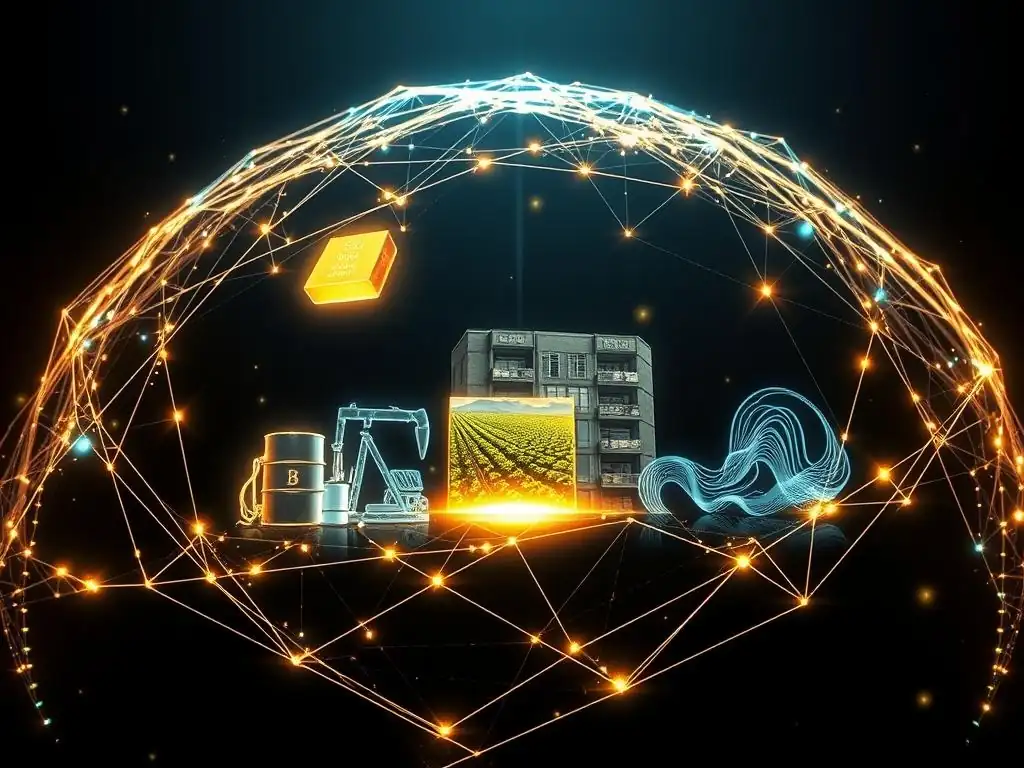
Welcome to Blockchain Trends, your guide to navigating the evolving landscape of decentralized technologies! Are you ready to unlock the hidden potential of blockchain beyond cryptocurrencies? Dive into our latest article, "Tokenization and Transparency: Enhancing Asset Accountability with Blockchain," to explore the compelling blockchain asset tokenization benefits and discover how it's revolutionizing governance and transparency in the digital age. Curious about how this technology is reshaping industries? Read on to find out!
Tokenization and Transparency: Enhancing Asset Accountability with Blockchain
- Introduction: The Rise of Blockchain Asset Tokenization for Enhanced Accountability
- Blockchain Asset Tokenization Benefits: A Deep Dive
- Enhancing Asset Accountability: The Role of Blockchain
- Overcoming Challenges in Blockchain Asset Tokenization
- The Future of Asset Accountability with Blockchain Tokenization
- Conclusion: Embracing Blockchain for a More Transparent and Accountable Future
-
Frequently Asked Questions
- What are the primary benefits of blockchain asset tokenization?
- How does blockchain enhance asset accountability through tokenization?
- Beyond cryptocurrencies, what other assets can be tokenized using blockchain?
- What role does regulation play in the adoption of blockchain asset tokenization?
- How does decentralization contribute to the benefits of blockchain asset tokenization?
- Final Reflection: Embracing the Tokenized Future
- Unlock Asset Accountability: Start Tokenizing!
Introduction: The Rise of Blockchain Asset Tokenization for Enhanced Accountability
Understanding the Growing Need for Asset Transparency in Modern Markets
In today's interconnected global economy, the demand for asset transparency has surged dramatically. Investors, consumers, and regulators are increasingly scrutinizing the origins, ownership, and transfer of assets. This heightened scrutiny is fueled by a growing awareness of risks associated with opaque systems, including fraud, inefficiencies, and a lack of trust.
Consider the complexity of modern supply chains, where products often traverse multiple countries and jurisdictions before reaching the end consumer. Opacity in these chains can mask unethical labor practices, environmental damage, or the circulation of counterfeit goods.
For instance, the fashion industry, with its intricate global networks, has faced mounting pressure to demonstrate transparency regarding its sourcing and production processes, especially after numerous scandals related to sweatshops and unsustainable practices came to light. Furthermore, the increasing sophistication of financial markets and the rise of global investment portfolios necessitate clear and verifiable records of asset ownership to mitigate risks and ensure market integrity.
The traditional methods of asset management, often reliant on centralized intermediaries and paper-based systems, are struggling to meet these demands for transparency. These systems are often fragmented, prone to errors, and lack the real-time visibility required in fast-paced global markets. The 2008 financial crisis exposed the fragility of opaque financial instruments and the catastrophic consequences of a lack of transparency in asset-backed securities.
This event underscored the urgent need for more transparent and accountable systems. Modern markets require solutions that can provide verifiable, immutable, and readily accessible information about assets, their history, and their ownership, paving the way for enhanced trust and efficiency.
How Blockchain Technology is Revolutionizing Asset Management
Blockchain technology, with its inherent characteristics of decentralization, immutability, and transparency, is emerging as a powerful tool to revolutionize asset management and address the critical need for enhanced accountability. Unlike traditional centralized databases, blockchain operates as a distributed ledger, meaning data is replicated across multiple computers in a network. This distributed nature eliminates single points of failure and control, making the system more resilient and resistant to manipulation.
Every transaction or update on a blockchain is cryptographically secured and permanently recorded in blocks that are linked together chronologically, forming a chain. This immutability ensures that once information is recorded, it cannot be altered or deleted, providing an auditable and verifiable history of asset ownership and transfers.
The inherent transparency of many blockchains, particularly public and permissionless networks, allows participants to view transaction data and verify asset provenance. While the specifics of transactions may be pseudonymized, the record of ownership and transfers is publicly accessible and verifiable. This level of transparency fosters trust among participants, reduces information asymmetry, and simplifies regulatory oversight.
For example, in the realm of supply chain management, blockchain can be used to track goods from origin to consumer, providing verifiable proof of origin, ethical sourcing, and product authenticity. By leveraging blockchain's capabilities, asset management can transition from opaque, fragmented systems to more transparent, secure, and efficient models, fostering greater accountability and trust across industries. This shift towards blockchain-based solutions is not just about technological advancement; it's about building a more reliable and trustworthy foundation for global commerce and finance.
Blockchain Asset Tokenization Benefits: A Deep Dive
Defining Blockchain Asset Tokenization: What it Is and How It Works
Blockchain asset tokenization is the process of representing real-world assets, both tangible and intangible, as digital tokens on a blockchain. Think of it as creating a digital representation of ownership rights to an asset. This asset could be anything from real estate, commodities like gold or oil, company equity, art, intellectual property, or even carbon credits. Each token represents a specific unit of the underlying asset and is recorded on the blockchain, providing a transparent and immutable record of ownership. This process transforms traditionally illiquid and cumbersome assets into easily divisible, transferable, and programmable digital units.
The tokenization process typically involves several key steps. First, the asset needs to be legally defined and valued. This often involves due diligence and legal frameworks to establish clear ownership and rights associated with the asset. Next, a smart contract is created on the chosen blockchain network.
This smart contract defines the rules governing the tokens, including their supply, transfer mechanisms, and any associated rights or obligations. Following the smart contract deployment, the tokens are minted, meaning they are created and issued on the blockchain. These tokens are then distributed to represent ownership of the underlying asset, often through initial token offerings or private placements.
Once tokenized, assets can be traded, managed, and utilized within the blockchain ecosystem, leveraging the inherent benefits of blockchain technology. For example, a company might tokenize its real estate holdings, issuing tokens that represent fractional ownership in a building. These tokens can then be traded on secondary markets, offering investors access to real estate investments with increased liquidity and lower transaction costs.
Key Benefits of Tokenizing Assets on a Blockchain
Tokenizing assets on a blockchain unlocks a multitude of benefits, fundamentally transforming how assets are managed, traded, and accessed. These benefits span across increased liquidity, enhanced transparency, streamlined operations, and improved accessibility for a broader range of investors. By leveraging the inherent advantages of blockchain technology, tokenization addresses many of the inefficiencies and limitations inherent in traditional asset management systems. The following sections delve into some of the most significant benefits, demonstrating how blockchain asset tokenization is reshaping the landscape of asset ownership and management.
Increased Liquidity through Fractional Ownership
One of the most compelling benefits of blockchain asset tokenization is the significant increase in liquidity, particularly for traditionally illiquid assets such as real estate, fine art, or private equity. Tokenization enables fractional ownership, allowing large, indivisible assets to be broken down into smaller, more affordable units represented by tokens. For instance, a multi-million dollar commercial building, which would typically be accessible only to institutional investors or high-net-worth individuals, can be tokenized and offered as fractional ownership to a wider pool of investors.
Imagine a luxury apartment building in New York City being tokenized into 10,000 tokens, each representing a fraction of ownership. Individual investors can then purchase a few tokens, gaining exposure to the real estate market with a significantly lower capital outlay than required for direct property ownership.
This fractionalization drastically reduces the barrier to entry for investors, democratizing access to asset classes that were previously out of reach for many. Furthermore, these tokens can be easily traded on secondary markets, creating a liquid market for assets that were once difficult to buy or sell quickly. In traditional real estate markets, selling a property can be a lengthy and complex process, often taking months to complete.
However, tokenized real estate, traded on blockchain-based exchanges, can be bought and sold much faster, often within minutes, significantly enhancing liquidity and providing investors with greater flexibility and control over their investments. This increased liquidity not only benefits investors but also asset owners, who can access capital more efficiently and unlock value that was previously tied up in illiquid assets.
Enhanced Transparency and Auditability of Asset Ownership
Blockchain asset tokenization dramatically enhances transparency and auditability of asset ownership and transactions. Every token transaction, including creation, transfer, and ownership changes, is recorded on the immutable blockchain ledger. This provides a permanent, verifiable, and auditable record of the asset's history and current ownership.
Unlike traditional systems that often rely on paper-based records and centralized registries, which can be prone to errors, fraud, or manipulation, blockchain provides a single source of truth that is accessible to authorized participants. Consider the art market, where provenance and authenticity are paramount concerns. Tokenizing artwork on a blockchain allows for a transparent and auditable record of its ownership history, exhibitions, and appraisals, significantly reducing the risk of fraud and counterfeit art.
The transparency extends beyond just ownership. Smart contracts, which often govern tokenized assets, can be programmed to automatically enforce rules and regulations related to asset management and compliance. For example, smart contracts can automate dividend distributions to token holders or enforce voting rights based on token ownership.
This programmatic transparency reduces the need for intermediaries, minimizes disputes, and increases trust among stakeholders. Regulators also benefit from this enhanced transparency, as blockchain provides a clear and auditable trail of transactions, simplifying compliance monitoring and reducing the potential for illicit activities. The inherent transparency and auditability of blockchain-based tokenization build a foundation of trust and accountability that is often lacking in traditional asset management systems.
Streamlined Asset Management and Reduced Operational Costs
Tokenization streamlines asset management processes and significantly reduces operational costs associated with traditional asset administration. By digitizing asset ownership and automating many manual processes through smart contracts, tokenization eliminates the need for numerous intermediaries, paperwork, and time-consuming procedures. Consider the process of issuing and managing securities in traditional financial markets. It involves a complex web of brokers, custodians, clearinghouses, and transfer agents, each adding costs and inefficiencies to the system. Tokenized securities, on the other hand, can be issued and managed directly on a blockchain, bypassing many of these intermediaries and significantly reducing administrative overhead.
Smart contracts automate many functions, such as dividend distribution, compliance checks, and reporting, reducing the need for manual intervention and minimizing the risk of human error. For example, in real estate management, rent collection, lease agreements, and maintenance requests can be automated through smart contracts connected to tokenized property ownership. This automation not only reduces operational costs but also increases efficiency and speed.
Furthermore, the reduced reliance on intermediaries translates to lower transaction fees and faster settlement times. Tokenized assets can be traded and settled almost instantaneously, compared to the days or even weeks it can take for traditional asset settlements. This streamlined asset management and cost reduction make tokenization an attractive solution for both asset owners and investors, driving greater efficiency and accessibility in asset markets.
Improved Accessibility for Investors: Democratizing Asset Ownership
Blockchain asset tokenization democratizes asset ownership by significantly improving accessibility for a wider range of investors, including retail investors. Traditionally, investing in certain asset classes, such as real estate, private equity, or fine art, has been largely limited to institutional investors and high-net-worth individuals due to high minimum investment thresholds, complex procedures, and regulatory barriers. Tokenization, with its fractional ownership capabilities and reduced administrative overhead, lowers these barriers to entry, making these asset classes accessible to a broader audience.
For instance, investing in commercial real estate often requires substantial capital and navigating complex legal and administrative processes. However, with tokenized real estate, individuals can invest smaller amounts, even starting with a few tokens, gaining exposure to the real estate market with a fraction of the traditional investment.
The increased accessibility is not just about lower investment amounts. Tokenization can also simplify the investment process, making it more user-friendly and transparent. Blockchain-based platforms for tokenized assets often provide user-friendly interfaces, streamlined KYC (Know Your Customer) and AML (Anti-Money Laundering) processes, and transparent information about the assets.
This ease of access and transparency empowers retail investors to participate in markets that were previously inaccessible, diversifying their portfolios and potentially generating higher returns. Furthermore, the global nature of blockchain technology can facilitate cross-border investments, allowing investors from different countries to access and trade tokenized assets more easily, further democratizing investment opportunities on a global scale.
Enhancing Asset Accountability: The Role of Blockchain
Immutability and Traceability: Core Principles for Accountability
Immutability and traceability are core principles of blockchain technology that are fundamental to enhancing asset accountability. Immutability, in the context of blockchain, means that once data is recorded on the ledger, it cannot be altered or deleted. This is achieved through cryptographic hashing and consensus mechanisms that ensure the integrity of the blockchain. Every block in the chain contains a hash of the previous block, creating a tamper-proof chain of records.
This immutability provides a permanent and verifiable record of asset ownership, transactions, and any associated data, establishing a strong foundation for accountability. Consider the supply chain for pharmaceuticals. Using blockchain, each step in the supply chain, from manufacturing to distribution, can be recorded immutably. This ensures that if a batch of counterfeit drugs is detected, the origin and point of entry into the legitimate supply chain can be traced back accurately and without alteration of records.
Traceability complements immutability by enabling the complete history of an asset's ownership and transactions to be tracked transparently. Because every transaction is recorded on the blockchain and linked to previous transactions, it is possible to follow the lineage of an asset from its creation to its current ownership. This traceability is crucial for verifying provenance, combating counterfeiting, and ensuring ethical sourcing.
In the diamond industry, for example, blockchain-based systems are being used to track diamonds from mine to market, providing verifiable proof of origin and ensuring that diamonds are not "blood diamonds" or conflict diamonds. The combination of immutability and traceability provided by blockchain establishes a robust framework for asset accountability, fostering trust and transparency across various industries and applications.
Smart Contracts: Automating Compliance and Ensuring Transparency
Smart contracts play a crucial role in enhancing asset accountability by automating compliance and ensuring transparency in asset management. Smart contracts are self-executing contracts with the terms of the agreement directly written into code. These contracts automatically execute predetermined actions when specific conditions are met, eliminating the need for intermediaries and reducing the risk of human error or manipulation.
In the context of tokenized assets, smart contracts can automate various processes related to asset ownership, management, and compliance, ensuring accountability and transparency. For instance, in tokenized real estate, a smart contract can automatically distribute rental income to token holders based on their fractional ownership, as defined in the contract code.
Smart contracts can also enforce regulatory compliance automatically. For example, in securities token offerings (STOs), smart contracts can be programmed to restrict token transfers to verified investors who meet specific KYC/AML requirements. This automated compliance reduces the burden on issuers and ensures adherence to regulatory frameworks.
Furthermore, smart contracts are transparent by nature, as their code is publicly auditable on the blockchain. This transparency allows stakeholders to verify the terms of the contract and the logic behind automated actions, fostering trust and accountability. By automating processes and enforcing rules transparently, smart contracts significantly enhance asset accountability and reduce the potential for fraud or non-compliance in blockchain-based asset management systems.
Real-World Examples of Blockchain-Based Asset Accountability Systems
Supply Chain Tracking: Verifying Ethical Sourcing of Coffee Beans
Blockchain technology is being actively deployed to enhance accountability in supply chains, particularly in verifying ethical sourcing. Consider the coffee industry, where consumers are increasingly demanding ethically sourced and sustainably produced coffee beans. Companies like Farmer Connect are using blockchain to track coffee beans from farm to cup, providing consumers with transparent information about the origin, processing, and journey of their coffee. Imagine scanning a QR code on a bag of coffee beans and accessing a blockchain-based platform that reveals the farmer who grew the beans, the cooperative they belong to, the date of harvest, and the roasting facility.
This level of transparency allows consumers to make informed purchasing decisions, supporting ethical and sustainable practices. For coffee producers, blockchain provides a mechanism to showcase their commitment to ethical sourcing and potentially command premium prices for their products.
Beyond ethical sourcing, blockchain can also be used to verify the authenticity of coffee beans and prevent the entry of counterfeit or low-quality beans into the supply chain. By providing immutable and transparent records of each step in the supply chain, blockchain empowers both consumers and producers, fostering greater accountability and trust within the coffee industry and promoting more sustainable and ethical practices.
Real Estate Tokenization: Streamlining Property Ownership Transfers
Real estate tokenization is demonstrating its potential to streamline property ownership transfers and enhance accountability in the real estate market. Traditional real estate transactions are often cumbersome, involving numerous intermediaries, extensive paperwork, and lengthy processing times. Tokenizing real estate simplifies these processes by representing property ownership as digital tokens on a blockchain.
Platforms like RealT are tokenizing real estate properties, allowing investors to buy and sell fractional ownership in properties with increased ease and efficiency. Imagine buying a fraction of a rental property in Detroit, Michigan, through a tokenized platform. The transaction can be completed online, with ownership transferred almost instantly and recorded immutably on the blockchain.
Smart contracts automate many aspects of property management, such as rent distribution and voting rights for token holders. This reduces the need for intermediaries and increases transparency in property ownership and management. Furthermore, tokenization can facilitate cross-border real estate investments, making it easier for investors from different countries to participate in global real estate markets. By streamlining property ownership transfers, reducing transaction costs, and increasing transparency, real estate tokenization enhances accountability and efficiency in the real estate industry, making property investment more accessible and liquid.
Carbon Credit Tokenization: Ensuring Accurate Measurement and Trading of Offsets
Carbon credit tokenization is emerging as a critical tool for ensuring accurate measurement and transparent trading of carbon offsets, enhancing accountability in environmental sustainability efforts. Carbon credits represent a reduction in greenhouse gas emissions, and their trading is intended to incentivize emission reductions and mitigate climate change. However, the traditional carbon credit market has faced challenges related to double counting, fraud, and a lack of transparency. Blockchain technology offers a solution by providing a transparent and immutable ledger for tracking and trading carbon credits.
Platforms like Toucan Protocol are tokenizing carbon credits, bringing transparency and efficiency to the carbon offset market. Imagine a company purchasing tokenized carbon credits to offset their emissions. The transaction is recorded on the blockchain, ensuring that the credit is not double-counted and providing verifiable proof of offset.
Tokenization can also improve the accuracy of carbon credit measurement by integrating with IoT (Internet of Things) devices and sensors that can directly measure emission reductions and automatically register them on the blockchain. Smart contracts can automate the verification and issuance of carbon credits based on predefined criteria, further enhancing transparency and accountability. By providing a transparent and auditable system for carbon credit trading, blockchain tokenization helps to build trust in the carbon offset market, ensuring that offsets are genuine and contribute effectively to climate change mitigation efforts, enhancing accountability in the pursuit of environmental sustainability.
Overcoming Challenges in Blockchain Asset Tokenization
Regulatory Considerations and Compliance Requirements
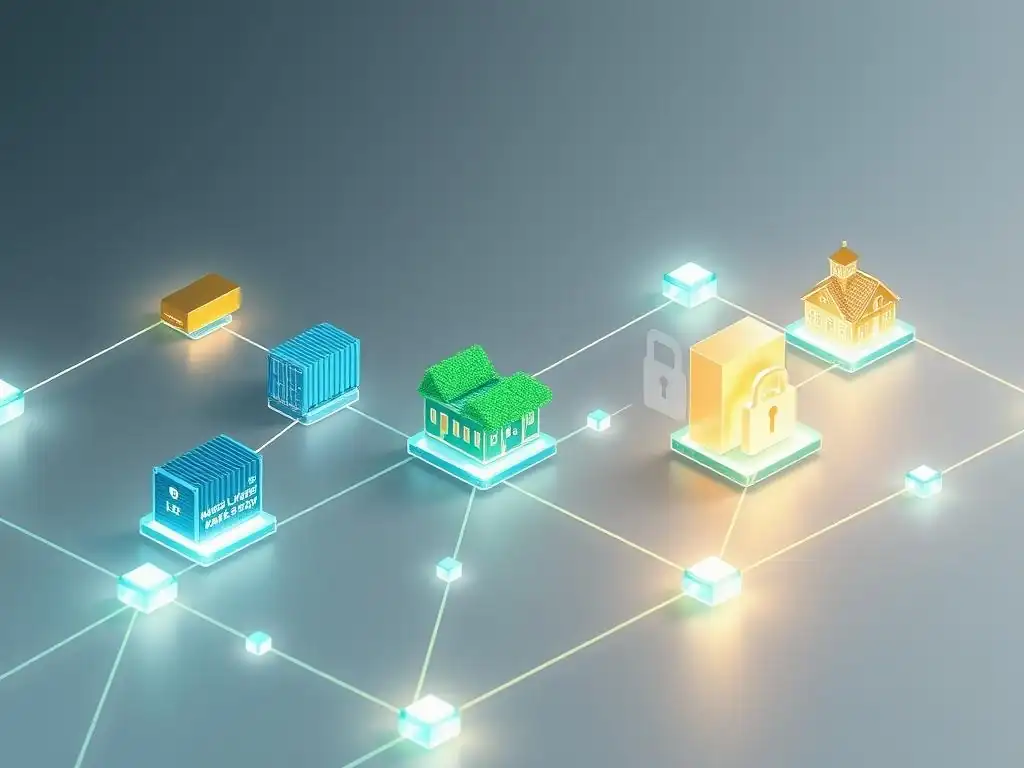
Despite the numerous benefits, blockchain asset tokenization faces significant regulatory considerations and compliance requirements that must be addressed for widespread adoption. The regulatory landscape for tokenized assets is still evolving globally, with varying approaches and levels of clarity across jurisdictions. Different countries and regions have different classifications for tokens, ranging from securities to commodities to utility tokens, each with its own set of regulations.
For example, in the United States, the Securities and Exchange Commission (SEC) has taken the position that many tokens, particularly those that represent investment contracts, are securities and therefore subject to securities laws. This means that issuers of security tokens must comply with registration requirements or qualify for exemptions, and trading platforms for security tokens must register as exchanges or broker-dealers.
Compliance with KYC/AML regulations is also crucial for tokenized assets. Platforms and issuers must implement robust KYC/AML procedures to verify the identity of participants and prevent illicit activities such as money laundering and terrorist financing. Navigating these complex and evolving regulatory frameworks requires careful legal analysis and proactive engagement with regulators. The lack of global harmonization in regulations creates challenges for cross-border tokenization projects and requires businesses to adapt their strategies to different jurisdictions. Addressing these regulatory uncertainties and establishing clear and consistent regulatory frameworks are essential for fostering trust and enabling the sustainable growth of blockchain asset tokenization.
Security Risks and Mitigation Strategies in Tokenization
Security risks are a critical concern in blockchain asset tokenization, as the value represented by tokens makes them attractive targets for cyberattacks and fraud. While blockchain technology itself is inherently secure, vulnerabilities can arise at various levels, including smart contract code, wallet security, and exchange platforms. Smart contract vulnerabilities, if exploited, can lead to the theft or loss of tokenized assets.
For example, poorly written smart contract code may contain bugs or loopholes that hackers can exploit to drain funds from token contracts. Rigorous auditing of smart contract code by independent security experts is crucial to identify and mitigate these vulnerabilities before deployment.
Wallet security is another significant area of concern. If private keys to wallets holding tokenized assets are compromised, the assets can be stolen. Users must adopt strong security practices, such as using hardware wallets, enabling two-factor authentication, and carefully managing their private keys.
Exchange platforms that facilitate the trading of tokenized assets are also vulnerable to hacking and security breaches. Exchanges must implement robust security measures, including cold storage of assets, regular security audits, and intrusion detection systems, to protect user funds. Mitigating security risks in tokenization requires a multi-faceted approach, encompassing secure coding practices, robust wallet security measures, and stringent security protocols for exchange platforms, ensuring the safety and integrity of tokenized assets.
Scalability and Interoperability Challenges for Widespread Adoption
Scalability and interoperability are significant challenges that need to be overcome for the widespread adoption of blockchain asset tokenization. Scalability refers to the ability of a blockchain network to handle a large volume of transactions without compromising speed or efficiency. Many existing blockchain platforms face scalability limitations, which can result in slow transaction processing times and high transaction fees when network activity increases.
For tokenization to become mainstream, blockchain platforms need to scale to handle the potentially massive volume of tokenized asset transactions in global markets. Layer-2 scaling solutions, such as rollups and sidechains, are being developed to address scalability limitations and increase transaction throughput on blockchain networks.
Interoperability refers to the ability of different blockchain networks to communicate and interact with each other seamlessly. Currently, many blockchain networks operate in silos, making it difficult to transfer tokenized assets or exchange information between different platforms. Lack of interoperability can fragment the tokenized asset market and hinder widespread adoption.
Developing interoperability standards and technologies is crucial to enable seamless interaction between different blockchain networks, creating a more interconnected and efficient ecosystem for tokenized assets. Initiatives such as cross-chain bridges and interoperability protocols are being developed to address this challenge and foster greater interoperability in the blockchain space, paving the way for broader adoption of tokenized assets.
The Future of Asset Accountability with Blockchain Tokenization
Emerging Trends in Tokenized Assets and Blockchain Governance
The landscape of tokenized assets is rapidly evolving, with several emerging trends shaping the future of asset accountability and blockchain governance. One prominent trend is the diversification of tokenized assets beyond traditional financial assets. We are seeing increasing tokenization of real-world assets such as commodities, art, collectibles, and even intellectual property.
This expansion is driven by the recognition of tokenization's benefits in enhancing liquidity, transparency, and accessibility across a wider range of asset classes. Another emerging trend is the development of more sophisticated smart contracts that incorporate complex rules and functionalities for asset management and governance. These advancements enable more intricate tokenized asset structures and automated compliance mechanisms.
Blockchain governance is also becoming increasingly important in the tokenized asset space. Decentralized autonomous organizations (DAOs) are emerging as a governance model for managing tokenized assets and communities. DAOs utilize smart contracts to automate governance processes, allowing token holders to participate in decision-making and shape the future of tokenized asset projects.
Furthermore, the development of industry standards for tokenization and blockchain interoperability is gaining momentum. Standardization efforts are crucial for fostering interoperability between different platforms and ensuring the seamless integration of tokenized assets into existing financial systems. These emerging trends point towards a future where tokenized assets become increasingly mainstream, driven by innovation in asset diversification, smart contract capabilities, and decentralized governance models.
Potential Impact on Traditional Financial Systems and Asset Management Practices
Blockchain tokenization has the potential to significantly impact traditional financial systems and asset management practices, disrupting established models and creating new opportunities. Tokenization can streamline many processes in traditional finance, reducing reliance on intermediaries, lowering transaction costs, and increasing efficiency. For example, tokenized securities can simplify securities issuance, trading, and settlement, potentially challenging the traditional role of stock exchanges and clearinghouses.
Asset management practices are also likely to be transformed by tokenization. Fractional ownership of assets through tokens can democratize investment opportunities, allowing a broader range of investors to access asset classes previously reserved for institutional investors or high-net-worth individuals.
Tokenization can also enhance portfolio diversification by enabling investors to easily access and trade a wider range of asset classes, including alternative assets like real estate, art, and commodities. Furthermore, the transparency and auditability provided by blockchain can improve risk management and regulatory compliance in financial systems.
Regulators can leverage blockchain's transparency to monitor market activity and enforce compliance more effectively. While tokenization is not expected to completely replace traditional financial systems overnight, its potential to enhance efficiency, transparency, and accessibility suggests a significant and transformative impact on the future of finance and asset management, potentially leading to a more decentralized and inclusive financial ecosystem.
The Role of Standardization in Fostering Interoperability and Adoption
Standardization plays a critical role in fostering interoperability and driving wider adoption of blockchain asset tokenization. Lack of standardization can lead to fragmentation, hindering interoperability between different platforms and creating barriers to adoption. Standardized protocols, data formats, and smart contract interfaces are essential for ensuring seamless communication and interaction between different tokenization platforms and blockchain networks.
For example, standardized token formats and metadata schemas can facilitate the exchange of tokenized assets across different exchanges and wallets. Standardized smart contract interfaces can enable developers to build applications that can interact with tokenized assets across different platforms without requiring custom integrations for each platform.
Industry-wide standardization efforts, involving collaboration between technology providers, financial institutions, regulators, and industry bodies, are crucial for establishing common standards and promoting interoperability. Organizations like the International Organization for Standardization (ISO) and industry consortia are working on developing standards for blockchain and tokenization. Standardization can reduce development costs, simplify regulatory compliance, and enhance user experience, ultimately accelerating the adoption of blockchain asset tokenization. By promoting interoperability and reducing fragmentation, standardization is a key enabler for realizing the full potential of tokenization and integrating tokenized assets seamlessly into the broader financial and commercial ecosystem.
Conclusion: Embracing Blockchain for a More Transparent and Accountable Future
Key Takeaways on the Benefits of Blockchain Asset Tokenization
Blockchain asset tokenization offers a transformative approach to enhancing asset accountability by leveraging the inherent transparency, immutability, and security of blockchain technology. Key takeaways regarding the benefits of tokenization include increased liquidity through fractional ownership, enhanced transparency and auditability of asset ownership, streamlined asset management and reduced operational costs, and improved accessibility for investors, democratizing asset ownership.
These benefits collectively contribute to a more efficient, transparent, and inclusive asset management ecosystem. Tokenization has the potential to revolutionize various industries, from finance and real estate to supply chain management and environmental sustainability, by creating more accountable and trustworthy systems for asset ownership and management.
By digitizing assets and automating processes through smart contracts, tokenization addresses many of the inefficiencies and limitations of traditional asset management systems. The real-world examples discussed, from supply chain tracking of coffee beans to real estate and carbon credit tokenization, illustrate the practical applications and tangible benefits of blockchain-based asset accountability. While challenges remain, particularly in regulatory clarity, security, and scalability, the potential of blockchain asset tokenization to create a more transparent and accountable future is undeniable.
The Path Forward for Implementing Blockchain-Based Asset Accountability Solutions
The path forward for implementing blockchain-based asset accountability solutions requires a collaborative and multi-faceted approach involving technology innovation, regulatory engagement, and industry adoption. Continued technological innovation is essential to address scalability and interoperability challenges, improve security, and develop user-friendly platforms for tokenized assets. Proactive engagement with regulators is crucial to establish clear and consistent regulatory frameworks that foster innovation while ensuring investor protection and market integrity. Industry adoption requires education, awareness building, and demonstration of the tangible benefits of tokenization to encourage businesses and organizations to embrace blockchain-based asset accountability solutions.
Collaboration between technology providers, financial institutions, regulators, and industry stakeholders is key to driving standardization efforts and building a robust and interoperable ecosystem for tokenized assets. Focusing on real-world use cases and demonstrating the practical value of tokenization in addressing specific accountability challenges will be crucial for driving adoption and realizing the full potential of blockchain technology in creating a more transparent and accountable future for asset management and beyond.
Embracing blockchain for asset tokenization is not just about adopting a new technology; it's about embracing a paradigm shift towards greater transparency, accountability, and trust in the way we manage and interact with assets in the digital age.
Frequently Asked Questions
What are the primary benefits of blockchain asset tokenization?
Tokenization unlocks liquidity for previously illiquid assets, enables fractional ownership, and increases transparency in asset management and transfer.
How does blockchain enhance asset accountability through tokenization?
Blockchain provides an immutable ledger, ensuring a tamper-proof record of asset ownership, transactions, and related data. This increases trust and reduces fraud.
Beyond cryptocurrencies, what other assets can be tokenized using blockchain?
A wide range of assets, including real estate, artwork, intellectual property, and supply chain commodities, can be represented as tokens on a blockchain.
What role does regulation play in the adoption of blockchain asset tokenization?
Clear and consistent regulatory frameworks are crucial for fostering investor confidence and promoting the responsible growth of the tokenized asset market.
How does decentralization contribute to the benefits of blockchain asset tokenization?
Decentralization reduces reliance on intermediaries, lowers transaction costs, and increases accessibility to a wider range of investors.
Final Reflection: Embracing the Tokenized Future
The journey through the landscape of blockchain asset tokenization reveals a powerful truth: enhanced transparency and accountability are no longer futuristic ideals, but tangible realities. The potential to revolutionize asset management, from streamlining processes to democratizing access, is not just theoretical; it's actively reshaping industries and redefining how we perceive ownership.
The impact of this technology extends far beyond mere efficiency gains. It touches upon fundamental questions of trust and accessibility, influencing the very fabric of our economic interactions. Witnessing the evolution of tokenization has been a profound experience, highlighting the power of technology to foster greater equity and transparency in traditionally opaque systems. The blockchain is not only a technology but a philosophy, a new way of thinking about trust, transparency, and accountability.
This quote encapsulates the transformative potential at the heart of blockchain asset tokenization.
As we stand at the cusp of this tokenized future, let us not merely observe, but actively participate in shaping its trajectory. Consider how you can leverage the principles of transparency and accountability, whether in your personal investments, professional endeavors, or community initiatives. Embrace the potential of blockchain asset tokenization to build a more equitable and trustworthy world, one token at a time.
Unlock Asset Accountability: Start Tokenizing!
Thank you for exploring the world of blockchain and tokenization with us. We hope you've gained valuable insights into how this technology can transform asset management. Now, it's time to put that knowledge into practice.
Here are some steps you can take today:
- Research suitable tokenization platforms for your specific assets. Explore your options and see what solutions are available.
- Share this article with a colleague or friend who could benefit from understanding how blockchain enhances asset transparency. Help us spread the word!
- Contribute your ideas and experiences in the comments section. Your input helps build a stronger community.
What is the first step you'll take to explore the potential of tokenization for your assets? We'd love to hear your plans!
Leave a Reply