
The Transformative Power of Decentralized Voting: Beyond Elections, Towards Decentralized Governance


Welcome to Blockchain Trends, your compass in the rapidly evolving landscape of decentralized technology.
Intrigued by the possibilities beyond cryptocurrency? Dive in to explore how blockchain is reshaping industries, from finance to governance. This week, we delve into the decentralized voting system benefits, uncovering its potential to revolutionize decision-making processes far beyond traditional elections. Curious how this technology can foster greater transparency and trust? Let's unravel the intricacies together.
- Introduction: Redefining Governance with Blockchain-Based Voting
- Decentralized Voting System Benefits: A Deep Dive
-
Frequently Asked Questions
- What are the key benefits of a decentralized voting system compared to traditional methods?
- How does blockchain technology contribute to the security of a decentralized voting system?
- Beyond elections, where else can decentralized voting systems be applied?
- What are some of the regulatory challenges facing the implementation of decentralized voting systems?
- What are some of the future trends to watch for in the development of decentralized voting systems?
- Final Reflection: Embracing the Future of Democratic Participation
- Unleash Your Voice: Shape the Future of Decentralized Governance!
Introduction: Redefining Governance with Blockchain-Based Voting
The Evolution of Voting: From Traditional Methods to Digital Solutions
Voting, the cornerstone of democratic societies and organizational decision-making, has undergone a significant evolution throughout history. Traditional methods, often reliant on paper ballots and manual counting, have been the standard for centuries. These systems, while familiar, are increasingly challenged by issues of accessibility, security, and efficiency in our increasingly digital world. The advent of digital solutions, including electronic voting machines and online voting platforms, represented an initial step towards modernization, aiming to streamline the voting process and improve voter turnout. However, these early digital systems often retained centralized control, raising concerns about transparency and potential vulnerabilities to manipulation.
The limitations of both traditional and early digital voting methods have paved the way for a more radical transformation: decentralized voting systems. These systems leverage blockchain technology to address the core weaknesses of their predecessors, promising a new era of secure, transparent, and accessible voting processes.
From ancient Athenian assemblies using pebbles to cast votes, to the complex logistical operations of modern national elections, the quest for a fair and efficient voting mechanism has been continuous. Decentralized voting systems represent the latest and potentially most impactful chapter in this ongoing evolution, holding the promise to fundamentally reshape how decisions are made across diverse sectors.
Understanding Decentralized Voting Systems: A Paradigm Shift
Decentralized voting systems represent a paradigm shift in how we conceive of and implement voting processes. Unlike traditional or centralized digital systems, decentralized voting leverages the power of distributed ledger technology, primarily blockchain, to distribute control and enhance transparency. In essence, a decentralized voting system operates without a single central authority managing the process.
Instead, the voting data and process logic are distributed across a network of computers, making it significantly more resistant to single points of failure or manipulation. This fundamental shift in architecture offers a range of potential benefits, addressing many of the shortcomings inherent in older voting methodologies.
The core concept revolves around utilizing blockchain's inherent characteristics: immutability, transparency, and security. Every vote cast in a decentralized system is recorded as a transaction on the blockchain, creating an auditable and permanent record. This transparency is crucial, as all participants can verify the integrity of the voting process without relying on a central intermediary. Furthermore, cryptographic techniques ensure voter anonymity and prevent tampering with cast votes. This combination of features marks a significant departure from traditional systems, promising a more trustworthy and resilient framework for decision-making in various contexts, from national elections to corporate governance and community initiatives.
Decentralized Voting System Benefits: A Deep Dive
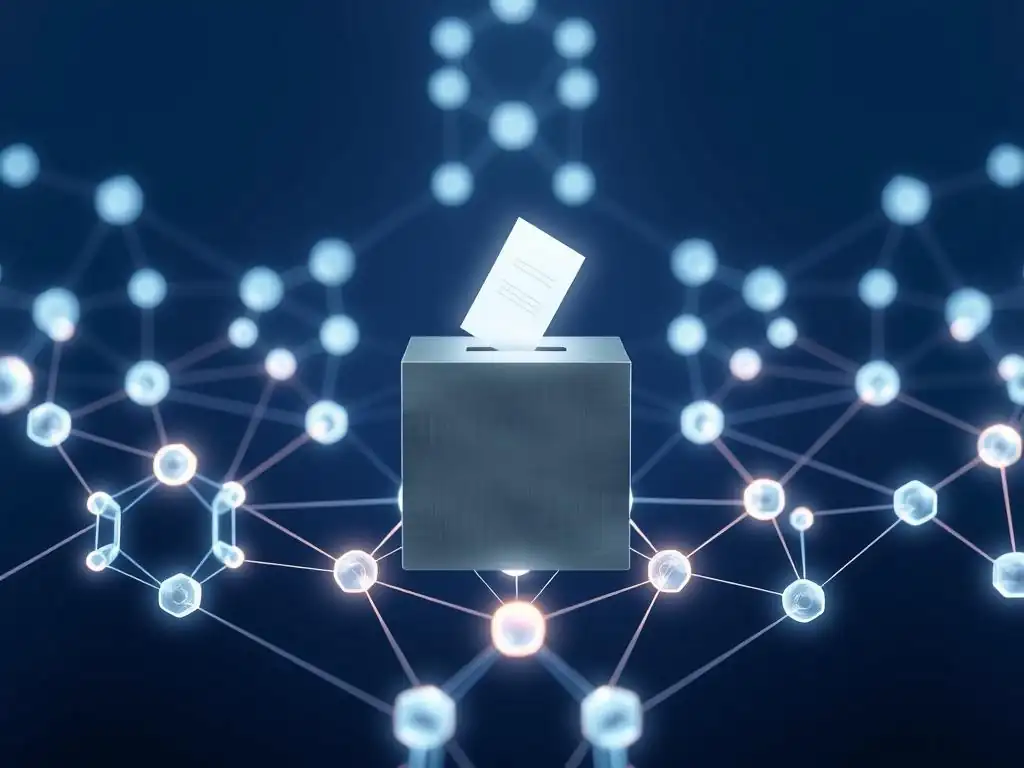
Enhanced Security and Transparency in Voting Processes
One of the most significant decentralized voting system benefits is the enhanced security and transparency they offer compared to traditional voting methods. Traditional paper-based systems, while familiar, are vulnerable to various security breaches, including ballot box stuffing, tampering with physical ballots, and miscounting. Even digital centralized systems, while offering some improvements, are susceptible to cyberattacks targeting central servers or databases, potentially compromising voter data or altering vote counts. In contrast, decentralized voting systems, built on blockchain, inherit the robust security features of the technology itself.
The inherent transparency of blockchain is also a crucial decentralized voting system benefit. Every transaction, including each vote cast, is recorded on the public ledger, making it auditable and verifiable by anyone. This eliminates the "black box" nature of some traditional and even centralized digital systems, where the inner workings of the vote counting process may be opaque.
For instance, in a traditional election, verifying the accuracy of the count often relies on recounts and audits, which can be time-consuming and costly. With decentralized voting, cryptographic proofs and publicly auditable records provide a continuous and transparent verification mechanism, fostering greater trust and confidence in the integrity of the electoral process.
Reduced Risk of Voter Fraud and Manipulation
Another key decentralized voting system benefit is the significantly reduced risk of voter fraud and manipulation. Traditional voting systems, particularly those relying on paper ballots, are susceptible to various forms of fraud, such as double voting, ballot stuffing, and voter impersonation. While safeguards exist, they often rely on manual processes and are not foolproof. Centralized digital systems, while mitigating some of these risks, can still be vulnerable to large-scale cyberattacks aimed at manipulating vote counts or voter registration databases.
Decentralized voting systems, leveraging blockchain's immutability and cryptographic security, drastically minimize these risks. The distributed nature of the ledger makes it exceedingly difficult for malicious actors to tamper with vote records, as they would need to compromise a vast network of nodes simultaneously – a computationally prohibitive task.
Furthermore, cryptographic techniques like zero-knowledge proofs can be employed to ensure voter anonymity while still verifying voter eligibility and preventing double voting. For example, blockchain-based identity solutions can be integrated to ensure that only verified and eligible voters can participate, and that each voter can only cast one vote, thus effectively mitigating many traditional forms of voter fraud.
Increased Voter Turnout and Engagement through Accessibility
Increased voter turnout and engagement are further compelling decentralized voting system benefits. Traditional voting methods often present logistical hurdles that can deter participation, particularly for marginalized communities, individuals with disabilities, or those living in remote areas. Polling stations may be inconveniently located, registration processes can be cumbersome, and accessibility for voters with disabilities may be limited. These barriers contribute to lower voter turnout, especially in local and regional elections.
Decentralized voting systems, particularly those utilizing mobile or web-based interfaces, offer the potential to significantly enhance accessibility and convenience. Voters can participate from anywhere with an internet connection, eliminating the need to travel to physical polling stations. This increased accessibility can be especially impactful for younger generations, who are digitally native and may find traditional voting methods less appealing.
Moreover, user-friendly interfaces and educational resources integrated into decentralized voting platforms can further enhance engagement and empower voters to participate more actively in decision-making processes. Studies on online voting in Estonia, for example, have shown a correlation between digital voting options and increased voter participation, suggesting the potential of decentralized systems to replicate and amplify these positive effects.
Cost-Effectiveness: Lowering the Expenses Associated with Traditional Elections
Cost-effectiveness is another significant decentralized voting system benefit, particularly in the long run. Traditional elections are expensive undertakings, involving substantial costs associated with printing and distributing ballots, setting up and staffing polling stations, manual vote counting, and post-election audits. These costs can be particularly burdensome for smaller organizations or jurisdictions with limited resources. Centralized digital voting systems can offer some cost savings, but they still require significant investment in hardware, software, and ongoing maintenance.
Decentralized voting systems, while requiring initial investment in development and infrastructure, have the potential to significantly lower the long-term costs of voting processes. By automating many manual tasks, such as vote counting and tabulation, and reducing the need for physical infrastructure like polling stations, decentralized systems can streamline operations and reduce administrative overhead. Furthermore, the inherent transparency and auditability of blockchain can reduce the need for costly recounts and audits, further contributing to cost savings.
For instance, consider the cost of printing and distributing millions of paper ballots in a national election versus the relatively lower operational costs of maintaining a decentralized voting platform once it is established. While initial setup costs may be higher, the long-term operational efficiency and reduced administrative burden can translate into significant cost savings for organizations and governments adopting decentralized voting solutions.
Frequently Asked Questions
What are the key benefits of a decentralized voting system compared to traditional methods?
Decentralized voting systems offer enhanced transparency and security through the use of blockchain technology. This minimizes the risk of fraud and manipulation, while ensuring greater auditability.
How does blockchain technology contribute to the security of a decentralized voting system?
Blockchain's immutable ledger makes it exceptionally difficult to alter or tamper with votes. Each vote is recorded as a transaction on the blockchain, creating a permanent and auditable record.
Beyond elections, where else can decentralized voting systems be applied?
Decentralized voting can be used in corporate governance, allowing shareholders to vote on important decisions. It can also be used in community organizations for decision-making processes.
What are some of the regulatory challenges facing the implementation of decentralized voting systems?
Currently, there is a lack of clear regulatory frameworks for decentralized voting. This uncertainty can hinder adoption and raise concerns about legal validity and accountability.
What are some of the future trends to watch for in the development of decentralized voting systems?
Expect to see advancements in user-friendly interfaces and improved scalability solutions. Furthermore, there will be an increase in research focused on privacy-preserving voting techniques.
Final Reflection: Embracing the Future of Democratic Participation
The exploration of decentralized voting systems reveals more than just a technological advancement; it unveils a fundamental shift in how we perceive and engage with governance. The potential for increased transparency, security, and accessibility in elections, as highlighted throughout this article, directly addresses the growing distrust in traditional institutions and the urgent need for more inclusive democratic processes. This isn't merely about casting ballots; it's about empowering citizens and fostering a more participatory society.
The ripple effects of decentralized voting extend far beyond the ballot box, influencing the very fabric of our social and political landscape. The promise of greater individual agency and the dismantling of centralized power structures resonate deeply with the desire for a more equitable and just world. This technology offers a pathway to reclaim ownership of our collective decision-making processes. Democracy must be something more than two wolves and a sheep voting on what to have for dinner.
- James Bovard. This quote underscores the necessity of safeguarding individual rights and ensuring that every voice is heard, a principle that decentralized voting strives to uphold.
As we stand at the cusp of this transformative era, I invite you to consider the role you can play in shaping the future of governance. Reflect on the potential of decentralized voting to empower your community, amplify marginalized voices, and build a more resilient and representative democracy. Embrace the challenge of understanding and advocating for these innovative solutions, and let us collectively strive towards a future where every citizen has a meaningful stake in the decisions that shape their lives.
Unleash Your Voice: Shape the Future of Decentralized Governance!
Thank you for exploring the potential of decentralized voting with us! We hope this article has illuminated the transformative power of blockchain technology to revolutionize not just elections, but governance itself. Now it's time to take action and become a part of this exciting evolution.
Here’s how you can get involved:
- Dive into the Code: Explore existing decentralized voting platforms and contribute to open-source projects. Your insights can help refine the technology and ensure wider accessibility.
- Join the Conversation: Engage with online communities and forums dedicated to decentralized governance. Share your ideas, learn from others, and help shape the future of this technology.
- Spread the Word: Educate your friends, family, and colleagues about the benefits of decentralized voting and how it can empower communities.
What innovative use case for decentralized voting excites you the most? Share your thoughts in the comments below!
Leave a Reply