
Avalanche Subnets and Metaverse Interoperability: Customizing Chains for Virtual Experiences

Welcome to Blockchain Trends, your gateway to understanding the future of decentralized technology! Are you ready to delve into the fascinating intersection of blockchain and the metaverse? Explore how Avalanche subnets are revolutionizing virtual experiences, enabling unprecedented levels of customization and interoperability. Discover the possibilities and challenges of building a truly interconnected metaverse in our in-depth article on Avalanche subnets metaverse interoperability. Intrigued? Read on to unlock the potential!
- Avalanche Subnets and Metaverse Interoperability: Customizing Chains for Virtual Experiences
- Understanding Metaverse Interoperability Challenges
- How Avalanche Subnets Enable Metaverse Interoperability
- Use Cases: Avalanche Subnets Powering Metaverse Experiences
- Technical Deep Dive: Deploying and Customizing Avalanche Subnets for Metaverse
- The Future of Avalanche Subnets and Metaverse Interoperability
- Conclusion: Avalanche Subnets – A Key to Unlocking the Metaverse Potential
-
Frequently Asked Questions
- What are Avalanche subnets, and why are they important for the metaverse?
- How does the concept of "metaverse interoperability" relate to Avalanche subnets?
- Can Avalanche subnets help address the scalability challenges often faced by metaverse platforms?
- What types of metaverse applications are particularly well-suited for Avalanche subnets?
- What are some potential regulatory considerations related to using Avalanche subnets for metaverse applications?
- Final Reflection: Building Bridges in the Metaverse
- Unleash Your Metaverse Vision!
Avalanche Subnets and Metaverse Interoperability: Customizing Chains for Virtual Experiences
The Growing Need for Interoperability in Metaverse Ecosystems
The metaverse, envisioned as a network of interconnected, immersive digital worlds, is rapidly evolving from a futuristic concept to a tangible reality. However, the current landscape is fragmented, with various platforms operating in silos. Users often find themselves confined to specific metaverse environments, unable to seamlessly transfer their digital assets, identities, or experiences across different virtual worlds.
This lack of interoperability hinders the true potential of the metaverse, limiting user freedom and creating walled gardens reminiscent of the early internet before web standards emerged. For the metaverse to truly flourish and become a unified, open, and user-centric space, interoperability is not just desirable, but absolutely essential.
Imagine a user acquiring a unique digital artwork in one metaverse platform, but being unable to display or trade it in another platform they frequent. Or consider the frustration of building a virtual identity and reputation within a specific game, only to have it completely isolated from social or commerce-focused metaverses. These scenarios highlight the critical need for interoperability solutions that can bridge the gaps between disparate metaverse ecosystems. Interoperability promises to unlock a more fluid and dynamic metaverse experience, allowing users to carry their digital lives with them across different platforms, fostering innovation, and driving wider adoption.
What are Avalanche Subnets? A Deep Dive
Avalanche is a revolutionary open-source platform for launching decentralized applications and enterprise blockchain deployments in one interoperable, highly scalable ecosystem. At its core, Avalanche distinguishes itself through its innovative subnet architecture. Subnets, short for Subnetworks, are essentially custom blockchains within the Avalanche network. Think of Avalanche as a platform of platforms, where each subnet operates as an independent blockchain tailored to specific needs and use cases, while still benefiting from the overall security and interoperability of the Avalanche primary network.
Unlike monolithic blockchain architectures, subnets offer unparalleled flexibility and customization. Developers can define their own virtual machines (VMs), consensus mechanisms, tokenomics, and governance structures within their subnets. This allows for the creation of blockchains perfectly optimized for particular applications, whether it be DeFi, gaming, supply chain management, or, crucially, metaverse environments. Each subnet operates independently in terms of transaction processing and network congestion, ensuring that the performance of one application does not impact others on the Avalanche network. This modularity is a key differentiator, making Avalanche uniquely suited for handling the diverse and demanding requirements of the burgeoning metaverse.
Why Avalanche Subnets are Ideal for Metaverse Applications
The unique architecture of Avalanche subnets positions them as a particularly compelling solution for the specific demands of metaverse applications. Metaverse environments require blockchains that can handle a massive volume of transactions with extremely low latency. Imagine thousands, or even millions, of users simultaneously interacting within a virtual world, buying and selling virtual assets, participating in events, and engaging in various activities. Traditional blockchains often struggle to cope with such high throughput and low latency demands, leading to network congestion and poor user experiences.
Avalanche subnets address these challenges head-on by offering dedicated blockchain infrastructure for metaverse projects. Each metaverse application can deploy its own subnet, ensuring it has the resources and performance it needs without being constrained by the activity of other applications on the network. Furthermore, the customization capabilities of subnets allow metaverse developers to fine-tune their blockchain environment for optimal performance.
They can select consensus mechanisms that prioritize speed, adjust block times, and implement features specifically tailored to the needs of their virtual world. This level of control and optimization is crucial for delivering the seamless and immersive experiences that metaverse users expect.
Understanding Metaverse Interoperability Challenges
Limitations of Existing Blockchain Solutions for Metaverse Environments
While blockchain technology offers immense potential for powering metaverse ecosystems, existing blockchain solutions often present limitations when it comes to achieving true metaverse interoperability. Many early blockchain platforms, designed primarily for cryptocurrency transactions, lack the scalability and customization necessary to support the complex and diverse requirements of interconnected virtual worlds. For instance, public blockchains with global consensus mechanisms, while secure and decentralized, can become congested when faced with high transaction volumes, leading to slow confirmation times and increased costs.
Furthermore, the lack of inherent interoperability between different blockchain networks creates significant barriers to seamless metaverse experiences. Assets and data locked within one blockchain ecosystem are often difficult or impossible to transfer to another. This fragmentation hinders the creation of a unified metaverse where users can freely move between platforms and utilize their digital possessions across different virtual worlds. While cross-chain bridges offer some solutions, they can be complex to implement, introduce security considerations, and may not fully address the underlying architectural limitations of existing blockchain solutions for metaverse interoperability.
The Problem of Scalability in Metaverse Platforms
Scalability is arguably the most critical challenge facing metaverse platforms aiming for mass adoption. Metaverse environments, by their very nature, are envisioned to host vast numbers of users concurrently interacting within rich, dynamic virtual worlds. This necessitates blockchain infrastructure capable of handling an unprecedented volume of transactions, ranging from simple asset transfers to complex smart contract interactions governing in-world events and economies. Traditional blockchain architectures, often limited by their consensus mechanisms and network bandwidth, struggle to scale to meet these demands.
Consider a popular metaverse platform hosting a large-scale virtual concert. Thousands, potentially millions, of users might simultaneously attempt to purchase virtual tickets, merchandise, or interact with in-world elements. If the underlying blockchain cannot handle this surge in activity, users may experience slow transaction confirmations, failed transactions, or even network outages. This directly translates to a degraded user experience and can significantly hinder the growth and adoption of the metaverse platform. Solutions that address scalability effectively are therefore paramount to realizing the full potential of metaverse environments and ensuring they can accommodate a growing user base.
High Transaction Fees and Slow Confirmation Times: Barriers to Metaverse Adoption
High transaction fees and slow confirmation times are significant barriers to mainstream metaverse adoption, directly impacting user experience and discouraging participation. On congested blockchain networks, transaction fees can spike dramatically, especially during periods of high activity within a metaverse platform. Imagine a user wanting to purchase a virtual item for a few dollars, only to be faced with a transaction fee that is several times higher. Such exorbitant fees make microtransactions, which are likely to be common in metaverse economies, economically unviable and frustrating for users.
Similarly, slow transaction confirmation times disrupt the fluidity and immediacy expected in immersive metaverse experiences. Users want to seamlessly acquire virtual assets, participate in in-world events, and engage in activities without waiting extended periods for transactions to process. Long confirmation times can break the sense of immersion and lead to a clunky, unresponsive user experience. For the metaverse to become truly mainstream, it is essential to address these issues by leveraging blockchain solutions that offer both low transaction fees and fast confirmation times, ensuring a smooth and cost-effective user experience.
How Avalanche Subnets Enable Metaverse Interoperability
Building Custom Blockchains for Specific Metaverse Use Cases
Avalanche subnets provide a powerful framework for overcoming the interoperability challenges in the metaverse by enabling the creation of custom blockchains specifically tailored to individual metaverse use cases. Instead of forcing all metaverse applications to operate on a single, general-purpose blockchain, subnets allow developers to build dedicated blockchains optimized for their specific virtual world or platform. This customization extends to various aspects of the blockchain, including the virtual machine, consensus mechanism, data structures, and governance rules.
For example, a metaverse focused on gaming might prioritize high transaction throughput and low latency, opting for a consensus mechanism optimized for speed and implementing game-specific smart contracts for asset management and gameplay logic. Conversely, a metaverse focused on virtual real estate might prioritize security and immutability, choosing a more robust consensus mechanism and implementing features for secure NFT ownership and land registry. This ability to tailor the blockchain infrastructure to the specific needs of each metaverse use case is a key advantage of Avalanche subnets, paving the way for a more diverse and specialized metaverse ecosystem.
Achieving High Throughput and Low Latency with Avalanche Subnets
Avalanche subnets are architected to deliver the high throughput and low latency essential for seamless metaverse experiences. Because each subnet operates as an independent blockchain, it is not constrained by the transaction volume or network congestion of other applications on the Avalanche network. This inherent isolation allows subnets to achieve significantly higher transaction processing speeds compared to shared blockchain environments. Furthermore, subnet developers have the flexibility to choose consensus mechanisms optimized for speed, such as probabilistic or leader-based consensus algorithms, further enhancing throughput and reducing latency.
This focus on performance is crucial for metaverse applications that require real-time interactions and high transaction volumes. Imagine a fast-paced action game within the metaverse. Every player action, every item acquisition, and every in-game event generates transactions. Avalanche subnets can handle this constant stream of transactions with minimal delay, ensuring a responsive and immersive gaming experience. This capability extends beyond gaming to other metaverse use cases, such as virtual events, social interactions, and commerce, all of which benefit from the high performance offered by Avalanche subnets.
Enhanced Security and Privacy for Metaverse Assets and Interactions
Avalanche subnets not only enhance performance but also provide robust security and privacy features crucial for protecting metaverse assets and user interactions. While subnets operate independently, they can still leverage the security of the Avalanche primary network. Subnet validators can be required to also validate the primary network, inheriting its robust security guarantees. This provides a strong foundation of security for subnet-based metaverse applications without sacrificing performance or customization.
Furthermore, subnets offer enhanced privacy options. Developers can implement privacy-preserving technologies within their subnets to protect user data and transaction details. For instance, they could utilize zero-knowledge proofs or other cryptographic techniques to ensure that sensitive information remains confidential within the metaverse environment. This is particularly important for metaverse applications dealing with personal data, financial transactions, or sensitive virtual assets. The combination of robust security and customizable privacy features makes Avalanche subnets a secure and trustworthy platform for building the next generation of metaverse experiences.
Use Cases: Avalanche Subnets Powering Metaverse Experiences
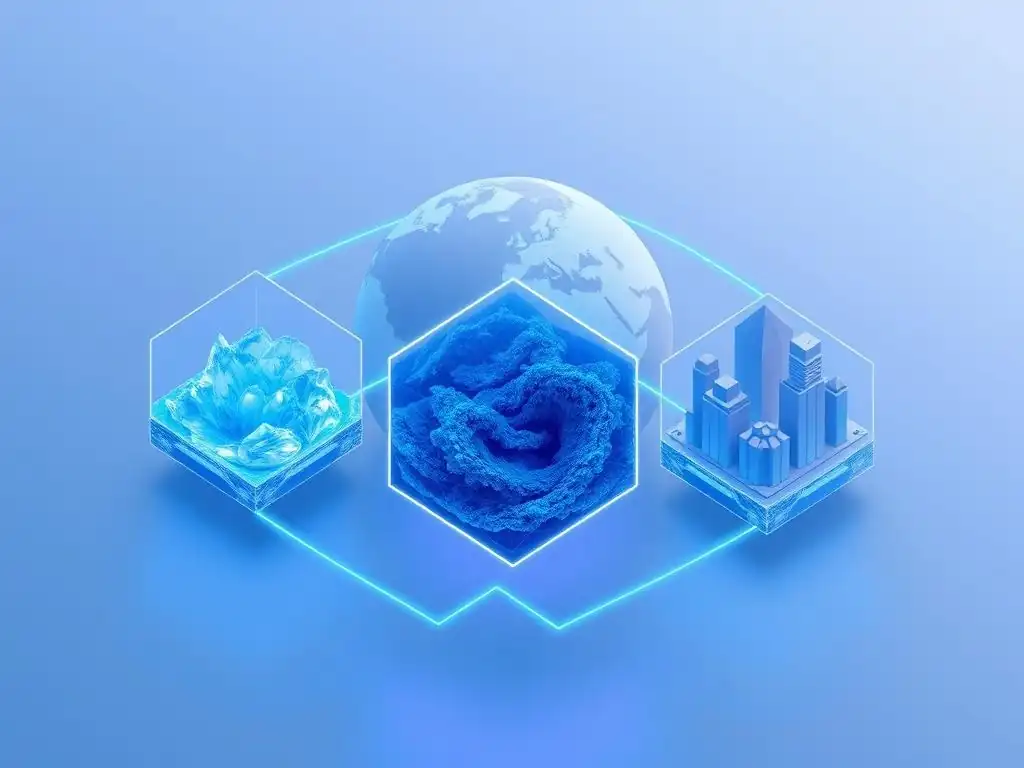
A Metaverse Gaming Platform Leveraging Avalanche Subnets for Enhanced Performance
Imagine a massively multiplayer online role-playing game (MMORPG) metaverse where thousands of players explore vast virtual worlds, engage in quests, and trade in-game assets. Such a platform demands a highly scalable and performant blockchain infrastructure to handle the immense volume of in-game transactions and player interactions. An Avalanche subnet provides the ideal solution, allowing the gaming platform to operate its own dedicated blockchain tailored specifically for its needs.
Customized Game Logic and Asset Management Using Smart Contracts
Within this gaming subnet, developers can deploy custom smart contracts to manage all aspects of the game's logic and asset ownership. These smart contracts can govern in-game economies, handle the creation and trading of non-fungible tokens (NFTs) representing virtual items, and enforce game rules and mechanics. Because the subnet is dedicated to the gaming platform, these smart contracts can be optimized for game-specific performance, ensuring fast execution and low latency. For example, smart contracts could efficiently manage the distribution of rewards, track player progress, and facilitate secure peer-to-peer trading of in-game items, all within the dedicated subnet environment.
Scalable Infrastructure to Support High Player Volumes and Concurrent Interactions
The Avalanche subnet provides the scalable infrastructure necessary to support a massive influx of players and concurrent interactions within the metaverse game. As the game grows in popularity and player base, the subnet can easily scale to accommodate the increased transaction volume and network traffic. This scalability ensures that players experience smooth gameplay, fast transaction confirmations for in-game purchases and trades, and minimal lag, even during peak player activity. The subnet's dedicated resources prevent network congestion from affecting the gaming experience, providing a consistently high-quality and immersive environment for all players.
A Virtual Real Estate Marketplace on an Avalanche Subnet for Seamless Transactions
Consider a metaverse focused on virtual real estate, where users can buy, sell, and trade virtual land parcels represented as NFTs. Such a marketplace requires a secure and efficient blockchain to facilitate seamless and transparent land transactions. An Avalanche subnet can be deployed to create a dedicated blockchain specifically for this virtual real estate marketplace, ensuring optimal performance and security for land ownership and trading.
Facilitating Secure and Efficient Land Transactions with NFT Ownership
Within this virtual real estate subnet, NFTs representing virtual land parcels are securely managed and traded. Smart contracts deployed on the subnet automate the process of land transactions, ensuring transparency and immutability of ownership records. When a user purchases a virtual plot of land, the ownership is transferred via a smart contract transaction and permanently recorded on the subnet's blockchain. This eliminates the need for intermediaries and reduces the risk of fraud or disputes, creating a secure and efficient marketplace for virtual real estate.
Enabling Interoperability with Other Metaverse Platforms Through Cross-Chain Bridges
To enhance the value and utility of virtual land assets, the virtual real estate subnet can be connected to other metaverse platforms through cross-chain bridges. These bridges allow users to seamlessly transfer their virtual land NFTs between different metaverse environments that also utilize Avalanche or other compatible blockchains. For example, a user could purchase virtual land in the real estate metaverse and then potentially display or utilize that land within another interconnected social metaverse or gaming platform. This interoperability expands the potential use cases for virtual land and creates a more interconnected and dynamic metaverse ecosystem.
Envision a social metaverse where users have true ownership and control over their digital identities, data, and content. An Avalanche subnet can serve as the foundation for such a decentralized social metaverse, empowering users and fostering a more open and user-centric virtual world. By leveraging blockchain technology, this social metaverse can break away from centralized platforms and put users at the center of the experience.
User-Owned Identities and Data Secured by Blockchain Technology
In this decentralized social metaverse subnet, user identities are represented as self-sovereign identities secured by blockchain technology. Users control their own private keys and have full ownership of their digital identities and associated data. This eliminates the need to rely on centralized platforms to manage user accounts and personal information. User data, such as social connections, preferences, and content, can be stored in a decentralized and secure manner, giving users greater control over their digital footprint within the metaverse.
Incentivizing Content Creation and Engagement with Native Tokens
To foster a vibrant and engaging social metaverse, the subnet can utilize native tokens to incentivize content creation and user participation. Users can earn tokens by creating and sharing content, participating in community events, and contributing to the metaverse ecosystem. These tokens can be used within the metaverse to access premium features, purchase virtual items, or even participate in governance decisions. This tokenized economy aligns the incentives of users and the metaverse platform, creating a sustainable and user-driven ecosystem where content creators and active participants are directly rewarded for their contributions.
Technical Deep Dive: Deploying and Customizing Avalanche Subnets for Metaverse
Setting Up an Avalanche Subnet: A Step-by-Step Guide
Deploying an Avalanche subnet for a metaverse project involves a straightforward yet powerful process. The first step is to define the specific requirements of the metaverse application, such as desired transaction throughput, latency, security level, and privacy features. Based on these requirements, developers can then configure the subnet parameters, including choosing a suitable consensus mechanism, defining the virtual machine (e.g., EVM or a custom VM), and setting up the network configuration. Avalanche provides comprehensive documentation and tools to guide developers through this configuration process.
Once the subnet parameters are defined, the next step involves setting up the validator nodes that will secure and operate the subnet. These validators can be run by the metaverse project team or by independent node operators. Avalanche allows for flexible validator sets, enabling projects to tailor the security and decentralization level of their subnets.
After setting up the validator nodes and configuring the network, the subnet can be launched on the Avalanche platform. This process typically involves using Avalanche's command-line interface or APIs to deploy the subnet configuration and initiate the network. Once launched, the subnet operates as an independent blockchain, ready to host the metaverse application and its associated smart contracts and assets.
Customizing Consensus Mechanisms for Metaverse Requirements
A key advantage of Avalanche subnets is the ability to customize the consensus mechanism to precisely match the needs of the metaverse application. For metaverse environments requiring ultra-fast transaction speeds and low latency, developers can choose consensus mechanisms optimized for performance, such as Snowman++ or other variations of probabilistic or leader-based consensus. These mechanisms can achieve significantly faster block finality compared to traditional Nakamoto consensus, which is crucial for real-time interactions within the metaverse.
Alternatively, for metaverse applications prioritizing security and robustness, developers can opt for more Byzantine Fault Tolerant (BFT) consensus mechanisms or customize existing mechanisms to enhance security properties. Avalanche's modular architecture allows for a wide range of consensus mechanism options, providing developers with the flexibility to strike the right balance between performance, security, and decentralization for their specific metaverse use case. Furthermore, developers with specialized consensus requirements can even implement entirely custom consensus mechanisms tailored to their unique metaverse application needs, further demonstrating the power and flexibility of Avalanche subnets.
Integrating Cross-Chain Bridges for Asset Transfer
To enable interoperability and asset transfer between metaverse subnets and other blockchain networks, integrating cross-chain bridges is essential. Avalanche supports the development and deployment of various types of cross-chain bridges, allowing for seamless communication and asset movement between subnets and external chains. These bridges can be designed to facilitate the transfer of fungible tokens, NFTs, and even arbitrary data between different blockchain ecosystems.
For example, a metaverse subnet could implement a bridge to the Avalanche primary network (P-Chain) to allow users to easily transfer AVAX tokens or other assets in and out of the metaverse environment. Similarly, bridges can be established to other popular blockchains like Ethereum or Bitcoin, enabling users to bring assets from these ecosystems into the metaverse and vice versa.
The specific type of bridge implemented will depend on the interoperability requirements of the metaverse application and the target blockchain networks. Avalanche's robust bridging infrastructure and developer tools simplify the process of building and deploying secure and efficient cross-chain bridges, unlocking greater interoperability and asset fluidity within the metaverse ecosystem.
The Future of Avalanche Subnets and Metaverse Interoperability
Potential for Mass Adoption of Blockchain-Based Metaverse Experiences
The combination of Avalanche subnets and their inherent support for metaverse interoperability holds immense potential for driving the mass adoption of blockchain-based metaverse experiences. By addressing key challenges such as scalability, performance, and interoperability, Avalanche subnets pave the way for creating metaverse environments that are not only technically robust but also user-friendly and engaging for a broad audience. As metaverse platforms built on Avalanche subnets mature and demonstrate their capabilities, they are likely to attract a growing number of users seeking immersive, decentralized, and interoperable virtual worlds.
The ability to customize subnets for specific metaverse use cases further enhances the potential for mass adoption. Different types of metaverse experiences, from gaming and social interactions to virtual commerce and education, can be optimized for their unique requirements using subnet technology. This specialization and optimization will lead to richer, more tailored metaverse experiences that cater to diverse user preferences and needs, accelerating the overall adoption of blockchain-powered metaverses.
The Role of Avalanche in Shaping the Metaverse Landscape
Avalanche is poised to play a pivotal role in shaping the future landscape of the metaverse. Its subnet architecture provides a crucial foundation for building interoperable and scalable metaverse platforms, directly addressing some of the most significant roadblocks to widespread metaverse adoption. As more metaverse projects choose to build on Avalanche subnets, the network effect will strengthen, creating a vibrant ecosystem of interconnected virtual worlds and applications.
Avalanche's commitment to innovation and its active developer community further solidify its position as a leading platform for metaverse development. Ongoing advancements in subnet technology, cross-chain bridging, and metaverse-specific tools and libraries will continue to empower developers and drive innovation in the metaverse space. By fostering a collaborative and open ecosystem, Avalanche is actively contributing to the evolution of the metaverse from a fragmented collection of silos to a truly interconnected and interoperable digital realm.
Advancements in Subnet Technology: Dynamic Subnets and Enhanced Interoperability
The future of Avalanche subnets and metaverse interoperability is likely to be shaped by ongoing advancements in subnet technology, particularly the development of dynamic subnets and enhanced interoperability features. Dynamic subnets, for example, could automatically scale their resources based on real-time demand within the metaverse, further optimizing performance and resource utilization. This dynamic scaling would be particularly beneficial for metaverse environments experiencing fluctuating user activity and transaction volumes.
Furthermore, advancements in cross-chain bridging technology will continue to enhance interoperability between Avalanche subnets and other blockchain networks. More efficient, secure, and user-friendly bridging solutions will facilitate seamless asset transfers and data exchange across different metaverse platforms, creating a more unified and interconnected metaverse experience. Innovations such as zero-knowledge bridges and optimistic bridges could further enhance the speed and security of cross-chain interactions, paving the way for a truly interoperable metaverse ecosystem powered by Avalanche subnets.
Conclusion: Avalanche Subnets – A Key to Unlocking the Metaverse Potential
Recap of the Benefits of Avalanche Subnets for Metaverse Interoperability
Avalanche subnets offer a compelling solution for realizing the full potential of metaverse interoperability. Their customizable nature allows for the creation of blockchains tailored to specific metaverse use cases, ensuring optimal performance, scalability, and security. Subnets address the limitations of existing blockchain solutions by providing dedicated infrastructure, high throughput, low latency, and enhanced privacy features crucial for immersive metaverse experiences. Use cases spanning gaming, virtual real estate, and social metaverses demonstrate the versatility and power of Avalanche subnets in powering diverse virtual worlds.
Technically, Avalanche subnets simplify deployment and customization, offering developers the tools to fine-tune consensus mechanisms and integrate cross-chain bridges for seamless asset transfer. These capabilities are essential for building interoperable metaverse environments where users can move freely between platforms and utilize their digital assets across different virtual worlds.
Embracing a Decentralized and Interoperable Metaverse Future
Avalanche subnets are not just a technological solution; they represent a paradigm shift towards a decentralized and interoperable metaverse future. By empowering developers to build custom blockchains optimized for metaverse applications, Avalanche is fostering an ecosystem where virtual worlds are interconnected, user-centric, and truly open. Embracing this decentralized and interoperable vision is crucial for unlocking the transformative potential of the metaverse and creating a digital future where users are empowered and virtual experiences are seamless and boundless.
Frequently Asked Questions
What are Avalanche subnets, and why are they important for the metaverse?
Avalanche subnets are customizable blockchains within the Avalanche network. They're important for the metaverse because they allow developers to create chains specifically tailored for virtual experiences, optimizing performance and cost.
How does the concept of "metaverse interoperability" relate to Avalanche subnets?
Avalanche subnets facilitate metaverse interoperability by enabling different virtual worlds to communicate and share assets seamlessly. This allows for a more unified and connected metaverse experience.
Can Avalanche subnets help address the scalability challenges often faced by metaverse platforms?
Yes, Avalanche subnets can significantly improve scalability. Each subnet can handle its own transactions, reducing congestion on the main Avalanche chain and allowing for higher throughput and faster processing within the metaverse.
What types of metaverse applications are particularly well-suited for Avalanche subnets?
Applications that require high transaction speeds, low latency, and custom privacy settings are ideal. This includes virtual gaming, digital art marketplaces, and decentralized social platforms within the metaverse.
Regulatory considerations may include compliance with data privacy laws, anti-money laundering (AML) regulations, and the legal classification of virtual assets and transactions occurring within subnet-powered metaverse environments.
Final Reflection: Building Bridges in the Metaverse
The exploration of Avalanche subnets for metaverse interoperability reveals a groundbreaking approach to crafting bespoke virtual experiences. Today, as the metaverse continues to evolve from a nascent concept to a tangible reality, the need for scalable, customizable, and interconnected virtual worlds is more critical than ever. Avalanche's subnet architecture offers a compelling solution, empowering creators to build unique environments while fostering seamless interaction between them.
This journey into custom blockchains has profoundly influenced the way we perceive the future of digital interaction. The potential for personalized, high-performance metaverse experiences, powered by Avalanche subnets, is not just a technological advancement; it's a shift in how we imagine and build digital communities. The metaverse is not just a place, it's a time. It's the next chapter of the internet, and it's being written now.
This quote encapsulates the urgency and importance of developing robust and interoperable infrastructures like those enabled by Avalanche.
As we stand on the cusp of this new digital frontier, let us consider the power we hold to shape the metaverse into a vibrant and inclusive space. Embrace the possibilities offered by Avalanche subnets and other innovative technologies. What role will you play in building the interconnected metaverse of tomorrow?
Okay, I'm ready to craft a Call to Action (CTA) for the end of a web article titled "Avalanche Subnets and Metaverse Interoperability: Customizing Chains for Virtual Experiences" for the website Blockchain Trends (blockchaintrends.org). Here's the CTA:
Unleash Your Metaverse Vision!
Thank you for exploring how Avalanche subnets are revolutionizing metaverse interoperability! You've now gained insights into customizing blockchains for immersive virtual experiences. Ready to take the next step?
Here are some actionable ways to bring your metaverse vision to life:
- Dive into Avalanche's Subnet Documentation: Begin crafting your custom blockchain today! This hands-on experience is crucial for understanding the potential of subnet technology.
- Explore Existing Metaverse Projects on Avalanche: Discover how others are already utilizing this powerful technology and gain inspiration for your own ventures.
- Share This Article With Fellow Metaverse Enthusiasts: Let's build a community of innovators pushing the boundaries of virtual experiences!
What specific metaverse use case are you most excited to explore with Avalanche subnets? Share your ideas in the comments below!
Leave a Reply