
Avatars in the Decentralized Metaverse: Identity and SelfExpression in Web3

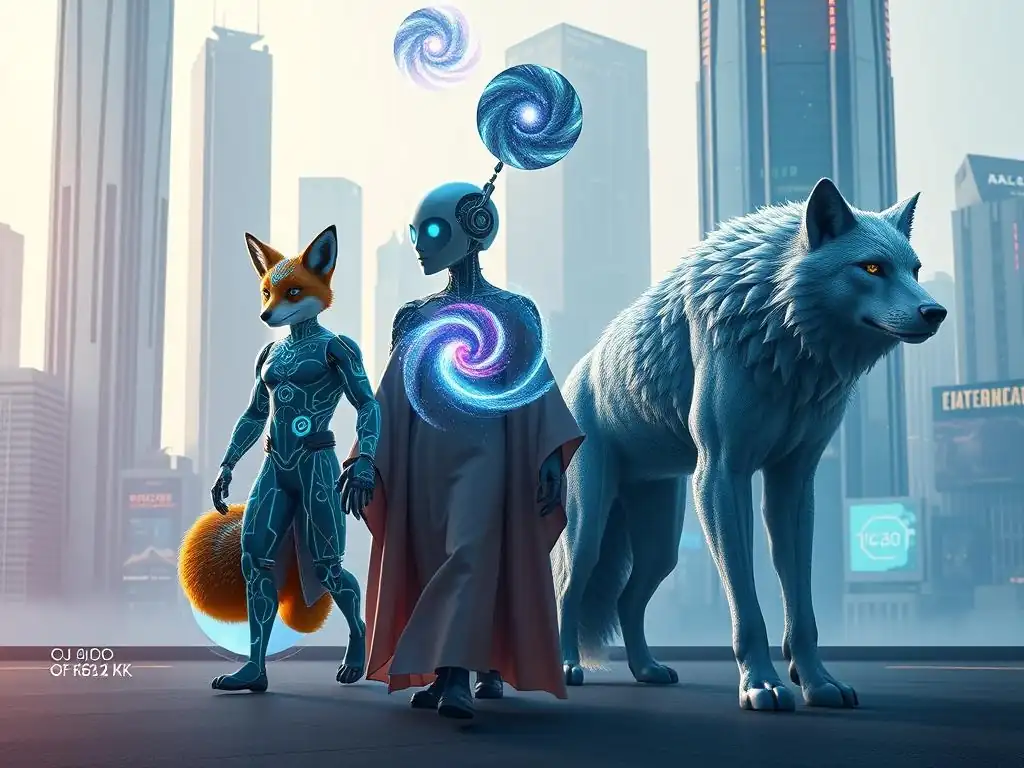
Welcome to Blockchain Trends, your compass navigating the ever-evolving landscape of blockchain technology! Beyond the hype of cryptocurrencies, blockchain is reshaping industries and redefining the internet itself. Curious about how you can express yourself in the decentralized metaverse? Dive into our latest article exploring Web3 avatar identity creation and discover how blockchain is empowering users to craft unique digital personas. Uncover the potential of self-expression and ownership in the metaverse - the future of identity is here.
Avatars in the Decentralized Metaverse: Identity and Self-Expression in Web3
- Introduction: The Rise of Web3 Avatars and Digital Identity
- Web3 Avatar Identity Creation: Exploring the Options
- Self-Expression and Personalization in the Decentralized Metaverse
- The Significance of Avatar Identity in Web3 Communities
- Challenges and Considerations for Web3 Avatar Identity
- The Future of Avatars in the Decentralized Metaverse
- Conclusion: Embracing the Power of Web3 Avatars
-
Frequently Asked Questions
- What is the role of Web3 avatar identity creation in the decentralized metaverse?
- How does blockchain technology enhance avatar identity creation in Web3?
- What are the key benefits of using Web3 avatars compared to traditional online avatars?
- What are some of the challenges associated with creating and managing Web3 avatar identities?
- How might regulations impact the future of Web3 avatar identity creation and use?
- Final Reflection: Embracing Digital Selfhood
- Shape Your Metaverse Identity: Start Exploring Now!
Introduction: The Rise of Web3 Avatars and Digital Identity
Understanding the Metaverse's Need for Unique Avatars
The metaverse, especially in its decentralized Web3 iteration, is rapidly evolving from a nascent concept to a tangible digital frontier. Within these immersive virtual worlds, avatars are not mere graphical representations; they are fundamental to user experience, acting as digital embodiments of identity and agency.
Unlike traditional online platforms where profiles are often limited to static images and text, the metaverse demands dynamic, customizable avatars that can navigate, interact, and participate in a multitude of virtual activities. This need for unique avatars stems from the desire for self-expression in these digital realms, mirroring our inherent human need to differentiate ourselves and communicate our individuality within social spaces, be they physical or virtual.
The decentralized nature of Web3 amplifies this need for unique avatars. In centralized platforms, user identities are often tied to platform-specific accounts and controlled by a central entity. Web3, on the other hand, champions user ownership and control over digital assets and identities.
Avatars within this paradigm become portable digital identities, capable of traversing different metaverse platforms and applications while maintaining a consistent and recognizable representation of the user. This portability and persistence of identity are crucial for fostering a sense of ownership and presence in the metaverse, making unique avatars indispensable for meaningful engagement and interaction in these emerging digital ecosystems.
The Evolution of Digital Identity in the Web3 Space
The concept of digital identity has undergone significant transformations alongside the evolution of the internet. In Web1, digital identity was rudimentary, often limited to usernames and basic profiles on forums and early websites. Web2 saw the rise of social media and centralized platforms, where identity became more complex, tied to platform-specific profiles and often curated for social validation. However, these identities remained under the control of centralized corporations, raising concerns about data privacy and user autonomy.
Web3 represents a paradigm shift in digital identity. Blockchain technology and decentralized principles are enabling the creation of self-sovereign identities, putting users back in control of their digital representations. Web3 avatar identity creation is a crucial component of this evolution. Instead of being confined to pre-set templates or platform-specific limitations, users are empowered to craft unique avatars that truly reflect their desired digital persona. This evolution is driven by the desire for greater agency and self-expression in the digital sphere, moving away from platform-dependent identities towards user-owned and portable digital representations that are fundamental to the Web3 ethos.
Web3 Avatar Identity Creation: Exploring the Options
Decentralized Avatar Platforms: A Comparison
The burgeoning Web3 space is witnessing the emergence of various decentralized avatar platforms, each offering unique approaches to avatar identity creation and management. Platforms like Ready Player Me stand out for their interoperability, allowing users to create avatars that can be used across thousands of integrated applications and games. They offer a wide range of customization options and focus on user-generated content within their ecosystem.
Another notable platform is Genies, which partners with celebrities to create official avatar collections and tools for users to express themselves through digital fashion and accessories. Genies emphasizes a more stylized and social-media focused approach to avatar creation.
Furthermore, projects like Decentraland and The Sandbox, prominent metaverse platforms themselves, offer built-in avatar systems that are native to their respective virtual worlds. Decentraland provides a highly customizable avatar editor, allowing users to create diverse and expressive avatars that are directly integrated into its metaverse. The Sandbox, with its voxel-based aesthetics, offers a different style of avatar creation, emphasizing block-based building and customization. Comparing these platforms reveals a spectrum of options, from cross-platform interoperable avatars to metaverse-specific identities, catering to diverse user needs and preferences in the evolving Web3 landscape.
Tools and Technologies for Building Your Web3 Avatar
Creating a Web3 avatar involves leveraging a range of tools and technologies, reflecting the diverse and evolving nature of the decentralized metaverse. Character creation software, such as Blender and Unreal Engine, are increasingly used to design highly detailed and customized 3D avatars. These professional-grade tools offer granular control over every aspect of avatar design, from facial features and body proportions to clothing and accessories. While requiring technical expertise, they empower users to create truly unique and sophisticated digital representations.
For users seeking more accessible options, numerous no-code and low-code avatar creation platforms are emerging. Websites and applications like Avatarmaker and Bitmoji provide user-friendly interfaces and pre-designed templates, allowing for quick and easy avatar generation. These platforms often utilize AI-powered features to personalize avatars based on user inputs, such as selfies or descriptive prompts.
Furthermore, blockchain technology itself plays a crucial role in Web3 avatar identity creation. NFTs (Non-Fungible Tokens) are increasingly used to represent avatar ownership and uniqueness, enabling users to securely manage and trade their digital identities across different platforms and marketplaces. This combination of advanced design software, user-friendly platforms, and blockchain-based ownership is democratizing Web3 avatar identity creation, making it accessible to a wider audience.
Integrating Avatars Across Different Metaverse Platforms
A key challenge and opportunity in the Web3 metaverse is avatar interoperability – the ability to seamlessly use the same avatar across different virtual worlds and applications. While the concept of a truly universal avatar is still under development, significant progress is being made in integrating avatars across various platforms. Projects like Ready Player Me are pioneering cross-platform avatar compatibility by partnering with numerous metaverse platforms, games, and applications. By creating an avatar on Ready Player Me, users can utilize it in platforms ranging from VRChat to Somnium Space, demonstrating a growing trend towards avatar portability.
However, achieving seamless avatar integration across all metaverse platforms remains complex. Technical challenges related to differing graphics engines, avatar formats, and platform-specific requirements need to be addressed. Standardization efforts are crucial to facilitate interoperability.
Initiatives like the Metaverse Standards Forum are working to establish common protocols and guidelines for avatar representation and exchange. Furthermore, blockchain-based identity solutions are being explored to enable users to manage their avatar identities and permissions across different platforms in a decentralized and secure manner. Overcoming these challenges and fostering greater avatar interoperability is essential for realizing the full potential of a connected and open Web3 metaverse.
Self-Expression and Personalization in the Decentralized Metaverse
Customizing Your Web3 Avatar: Beyond Basic Features
Web3 avatar customization transcends basic features like hair color and clothing choices, delving into deeper levels of self-expression and personalization. Beyond aesthetic modifications, users can imbue their avatars with unique traits that reflect their personality, interests, and even digital achievements. For instance, in platforms like Decentraland, users can equip their avatars with wearable NFTs representing virtual land ownership or participation in specific events, visually showcasing their metaverse activity and status.
Furthermore, advanced customization options are emerging, allowing for nuanced expressions and animations. Facial rigging and motion capture technologies enable avatars to mirror real-time user emotions and movements, enhancing the sense of presence and communication in virtual interactions. Customizable emotes and gestures provide additional layers of non-verbal communication, allowing users to express a wider range of emotions and intentions through their avatars. This move beyond basic features towards richer customization reflects the growing importance of avatars as dynamic and expressive representations of digital identity in the Web3 metaverse.
Avatar as a Representation of Personal Values and Interests
In the decentralized metaverse, avatars are evolving into powerful mediums for expressing personal values and interests, extending beyond mere aesthetic preferences. Users are increasingly leveraging avatar customization to align their digital representation with their real-world beliefs and passions. For example, individuals passionate about environmental sustainability might choose avatars with nature-inspired designs or virtual accessories promoting eco-conscious messages. Similarly, those supporting specific social causes can incorporate symbols or imagery into their avatars that reflect their advocacy.
This intentional use of avatars to communicate values and interests contributes to the formation of communities and shared identities within the metaverse. By visually signaling their affiliations and beliefs through their avatars, users can connect with like-minded individuals, fostering a sense of belonging and shared purpose in these virtual spaces. The avatar, therefore, becomes not just a digital representation, but a banner for personal values and a catalyst for community building within the Web3 ecosystem.
The Role of NFTs in Avatar Customization and Ownership
NFTs (Non-Fungible Tokens) are revolutionizing avatar customization and ownership in the Web3 metaverse, introducing provable scarcity, unique digital assets, and user control. NFTs are used to represent unique avatar components, such as clothing, accessories, hairstyles, and even entire avatar skins. This allows creators and brands to release limited-edition digital collectibles that users can acquire and use to personalize their avatars, creating a market for digital fashion and avatar enhancements.
Ownership of avatar NFTs is recorded on the blockchain, providing users with verifiable proof of ownership and control over their digital assets. This contrasts sharply with traditional gaming and virtual world platforms where in-game items are typically controlled by the platform provider. NFT-based avatar customization empowers users to truly own their digital identities and assets, enabling them to trade, sell, or transfer their avatar components freely across different platforms that support the relevant NFT standards. This shift towards NFT-based avatar ownership is a cornerstone of the decentralized metaverse, fostering user agency and a creator economy around digital identity.
The Significance of Avatar Identity in Web3 Communities
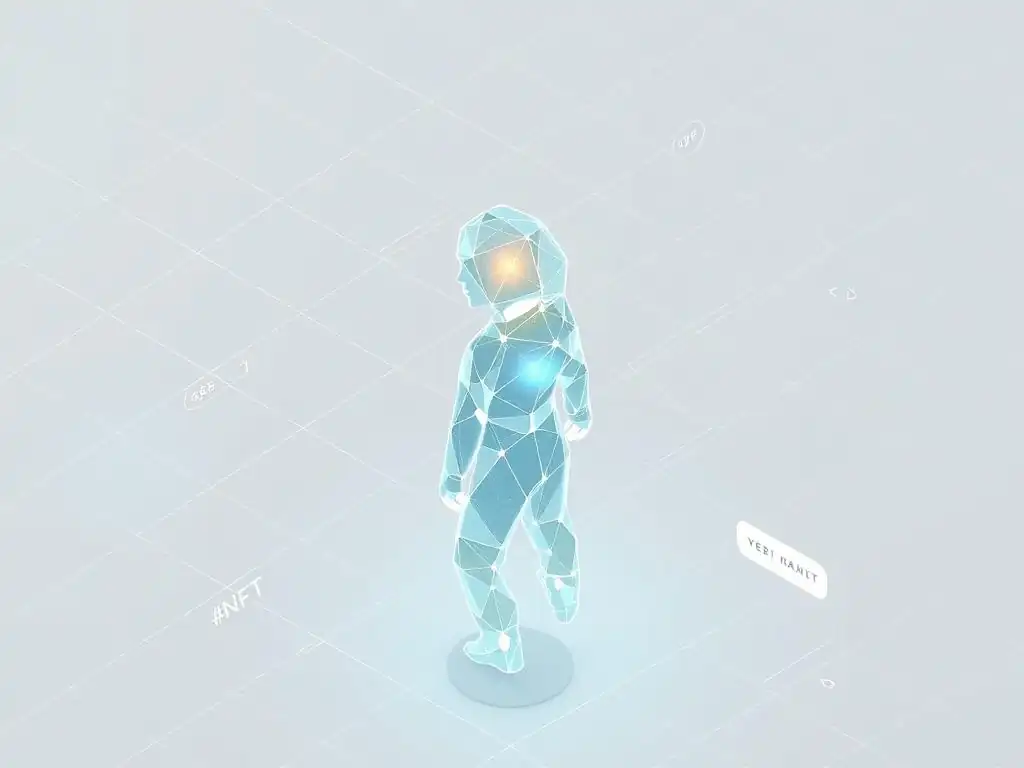
Building Relationships and Trust Through Avatars
Avatars play a crucial role in building relationships and trust within Web3 communities. In the absence of physical presence, avatars become the primary visual representation of individuals, shaping initial impressions and influencing social interactions. A well-crafted and consistent avatar can contribute to building a recognizable and trustworthy digital persona, facilitating the formation of online relationships and collaborations within decentralized communities.
Furthermore, avatars in Web3 often incorporate elements of digital scarcity and provenance through NFTs, adding another layer to trust-building. Owning and displaying rare or unique avatar components can signal status, expertise, or membership within specific communities, creating shared visual cues that enhance social cohesion. Over time, consistent interactions and positive contributions associated with a particular avatar build reputation and trust within the community, solidifying the avatar's role as a cornerstone of digital identity and social capital in the Web3 space.
Avatar-Based Governance and Decision-Making in DAOs
Decentralized Autonomous Organizations (DAOs) are increasingly utilizing avatars as integral components of governance and decision-making processes. In many DAOs, membership and voting rights are tied to NFTs, which can be directly linked to user avatars. This allows for avatar-based governance, where individuals participate in DAO proposals and votes through their digital representations in the metaverse or associated platforms.
This approach to governance can enhance transparency and inclusivity within DAOs. By associating voting power with avatars, DAOs can create a more visually engaging and user-friendly interface for participation. Furthermore, avatar-based governance can foster a stronger sense of community ownership and accountability, as individuals are directly represented and actively involved in shaping the direction of the DAO through their digital identities. The integration of avatars into DAO governance represents a novel approach to decentralized decision-making, leveraging digital identity to empower community participation and enhance organizational effectiveness.
Avatars are fundamentally transforming social interaction within virtual worlds, creating new forms of communication, expression, and community building. In immersive metaverse environments, avatars are not merely static representations; they are dynamic agents capable of movement, gesture, and nuanced expression, enabling richer and more engaging social interactions compared to traditional online platforms.
The ability to customize avatars and express individuality fosters a sense of presence and immersion, leading to more meaningful social connections. Virtual events, concerts, and social gatherings in platforms like Decentraland and The Sandbox demonstrate the power of avatars to facilitate shared experiences and community building in the metaverse. Furthermore, the anonymity afforded by avatars can encourage greater openness and experimentation in social interactions, potentially breaking down social barriers and fostering more inclusive and diverse virtual communities. As metaverse technologies evolve, avatars will continue to shape and redefine the landscape of social interaction in virtual worlds.
Challenges and Considerations for Web3 Avatar Identity
Security and Privacy Concerns with Digital Avatars
While Web3 avatars offer exciting possibilities for self-expression and digital identity, they also raise significant security and privacy concerns. As avatars become more integral to our digital lives and potentially linked to real-world identities, protecting them from unauthorized access and manipulation becomes paramount. Hacking or theft of an avatar could lead to identity theft, financial loss, and reputational damage within metaverse communities.
Furthermore, privacy concerns arise from the potential collection and use of data associated with avatars. Platforms and applications may collect data on avatar usage, interactions, and even biometric information if advanced avatar technologies are employed. Ensuring data privacy and user control over avatar-related information is crucial for fostering trust and responsible development in the Web3 metaverse. Implementing robust security measures, promoting data minimization, and empowering users with control over their avatar data are essential steps to mitigate these risks.
Interoperability and Standardization of Avatar Formats
Achieving true avatar interoperability across the diverse Web3 metaverse landscape presents a significant challenge. Currently, different platforms and applications often utilize proprietary avatar formats and standards, hindering seamless avatar portability. This fragmentation limits user experience and prevents the realization of a truly open and interconnected metaverse where avatars can freely traverse different virtual worlds.
Standardization of avatar formats and protocols is crucial to address this challenge. Initiatives like the Metaverse Standards Forum are working to establish common guidelines and interoperability standards for avatars and other metaverse components. Adopting open and widely supported standards would enable developers to create avatars that can be easily integrated across different platforms, fostering greater interoperability and user freedom. Overcoming the technical and collaborative hurdles to achieve avatar standardization is essential for the long-term growth and usability of the Web3 metaverse.
Legal and Ethical Implications of Avatar Representation
The increasing sophistication and pervasiveness of Web3 avatars raise complex legal and ethical implications. As avatars become more realistic and capable of representing individuals in various virtual contexts, questions arise regarding liability for avatar actions, ownership of avatar identities, and the potential for misrepresentation or impersonation. For example, determining legal responsibility for actions taken by an avatar in a virtual world, particularly in decentralized and autonomous environments, requires careful consideration.
Ethical considerations also emerge concerning avatar representation and identity. Issues such as avatar bias, representation of marginalized groups, and the potential for avatars to perpetuate harmful stereotypes need to be addressed. Furthermore, the blurring lines between real and virtual identities through avatars raise questions about the psychological and social impacts of living and interacting through digital representations. Navigating these legal and ethical complexities requires ongoing dialogue, collaboration, and the development of responsible guidelines for avatar use and governance in the Web3 metaverse.
The Future of Avatars in the Decentralized Metaverse
Emerging Trends in Avatar Technology and Design
The future of avatars in the decentralized metaverse is poised for significant advancements in technology and design, driven by innovation in areas like artificial intelligence, virtual reality, and blockchain. AI-powered avatar creation tools are becoming increasingly sophisticated, enabling users to generate highly personalized and realistic avatars based on facial scans, text prompts, or even genetic information. This could democratize avatar creation, making it easier for anyone to create a compelling digital representation.
Furthermore, advancements in virtual reality (VR) and augmented reality (AR) are blurring the lines between physical and digital selves, potentially leading to more immersive and integrated avatar experiences. "Mirror avatars" that precisely replicate real-world appearances and movements are becoming more feasible, offering new possibilities for self-expression and virtual presence. Blockchain technology will continue to play a crucial role in securing avatar ownership, enhancing interoperability, and enabling new forms of avatar customization and monetization through NFTs and decentralized marketplaces. These emerging trends suggest a future where avatars are more personalized, realistic, and seamlessly integrated into our digital and physical lives.
The Metaverse Avatar as a Gateway to New Opportunities
The metaverse avatar is rapidly evolving beyond a simple digital representation into a gateway to new opportunities in the Web3 space. As metaverse platforms mature and expand, avatars will become increasingly central to accessing virtual experiences, participating in digital economies, and building online communities. Avatars will serve as passports to different metaverse worlds, enabling users to explore virtual environments, attend events, and interact with others across diverse platforms.
Furthermore, avatars are becoming key components of the burgeoning metaverse economy. Digital fashion, avatar customization NFTs, and avatar-based services are creating new income streams for creators and users alike. Avatars can also function as digital resumes or portfolios, showcasing skills, achievements, and experiences within the metaverse. As the Web3 metaverse expands, the avatar will become an increasingly valuable asset and a gateway to a wide range of social, economic, and creative opportunities in the digital realm.
Advancements in AI-Powered Avatar Creation and Personalization
Artificial intelligence (AI) is poised to revolutionize avatar creation and personalization, making it more accessible, intuitive, and deeply tailored to individual preferences. AI-powered tools are already emerging that can generate realistic 3D avatars from 2D photos or text descriptions, significantly simplifying the avatar creation process for non-technical users. These tools utilize machine learning algorithms to analyze facial features, body proportions, and stylistic preferences, creating personalized avatars with remarkable accuracy.
Beyond basic creation, AI is also enabling advanced avatar personalization. AI can analyze user behavior, preferences, and social interactions within the metaverse to dynamically adjust avatar appearance, expressions, and even personality traits. This could lead to avatars that evolve and adapt alongside their users, becoming truly dynamic and personalized digital representations.
Furthermore, AI-powered avatars could potentially assist users in virtual tasks, provide personalized recommendations, and even act as digital companions within the metaverse, blurring the lines between avatar and AI agent. These advancements in AI-driven avatar technology promise to unlock new levels of personalization and functionality in the Web3 metaverse.
Conclusion: Embracing the Power of Web3 Avatars
The Transformative Potential of Decentralized Identity
Web3 avatars represent a transformative shift in the concept of digital identity, moving away from centralized, platform-dependent profiles towards decentralized, user-owned representations. This shift is driven by the underlying principles of blockchain technology and the Web3 ethos of user empowerment and data sovereignty. Decentralized avatar identity has the potential to revolutionize how we interact online, granting users greater control over their digital personas and enabling seamless portability across different virtual environments.
This transformative potential extends beyond individual users, impacting online communities and digital economies. Decentralized identity can foster greater trust, transparency, and accountability within online interactions. It can also unlock new economic opportunities by enabling users to monetize their digital identities and assets in decentralized marketplaces. Embracing decentralized identity through Web3 avatars is crucial for building a more open, user-centric, and equitable digital future.
Empowering Users Through Self-Expression and Control
The rise of Web3 avatars empowers users with unprecedented levels of self-expression and control over their digital identities. Unlike traditional online platforms where avatars are often limited and constrained, Web3 avatars offer vast customization options, allowing users to create digital representations that truly reflect their individuality, values, and interests. This enhanced self-expression fosters a greater sense of presence and agency within virtual worlds, enriching the metaverse experience.
Furthermore, Web3 avatars, often underpinned by NFT technology, grant users true ownership and control over their digital identities and associated assets. This ownership empowers users to manage their digital personas, transfer them across platforms, and participate in the emerging metaverse economy on their own terms. By embracing the power of Web3 avatars, we are embracing a future where users are at the center of their digital experiences, empowered to express themselves freely and control their digital destinies.
Frequently Asked Questions
What is the role of Web3 avatar identity creation in the decentralized metaverse?
Web3 avatar identity creation allows users to have unique and verifiable digital identities within the metaverse. This fosters self-expression and ownership, as these avatars are often tied to blockchain-based assets. It moves away from centralized control of identity.
How does blockchain technology enhance avatar identity creation in Web3?
Blockchain ensures transparency and immutability for avatar ownership and attributes. Users can truly own their digital identities and assets associated with their avatars, without relying on a central authority. This allows for verifiable authenticity.
What are the key benefits of using Web3 avatars compared to traditional online avatars?
Web3 avatars offer ownership, portability, and interoperability. Unlike traditional avatars tied to specific platforms, Web3 avatars can be used across multiple decentralized applications and metaverses, creating a unified digital identity.
What are some of the challenges associated with creating and managing Web3 avatar identities?
Challenges include scalability, security vulnerabilities, and user experience. Ensuring the security of private keys and making the creation process accessible to non-technical users are crucial for widespread adoption.
How might regulations impact the future of Web3 avatar identity creation and use?
Regulations surrounding data privacy and digital ownership could significantly influence the development and adoption of Web3 avatars. Clear guidelines are needed to balance innovation with user protection and compliance, while maintaining the decentralized ethos.
Final Reflection: Embracing Digital Selfhood
The journey through the decentralized metaverse reveals a profound truth: Web3 avatar identity creation is not merely about crafting a digital representation, but about forging a new frontier of self-expression and ownership. As we've explored the diverse avenues for avatar creation and the power they hold within decentralized spaces, it becomes clear that these digital embodiments are increasingly intertwined with our real-world identities and aspirations. The ability to control and curate our online presence, free from centralized constraints, marks a significant shift in how we interact with the digital world.
This burgeoning landscape has undeniably influenced the cultural and social fabric of the internet, fostering a sense of community and belonging around shared digital identities. The freedom to express ourselves authentically, unburdened by societal expectations or corporate control, is a powerful force driving innovation and connection in the metaverse. The best and most beautiful things in the world cannot be seen or even touched - they must be felt with the heart.
- Helen Keller. This quote resonates deeply within the context of Web3 avatars, as they allow us to express the intangible aspects of ourselves, fostering genuine connections based on shared values and passions.
As you navigate the evolving world of Web3, consider the power you hold in shaping your digital self. Embrace the opportunity to craft an avatar that truly reflects your unique identity, values, and aspirations. Let your digital presence be a testament to your individuality and a beacon for connection within the decentralized metaverse. The future of identity is being written now, and you have the power to contribute to its narrative.
Shape Your Metaverse Identity: Start Exploring Now!
Thank you for exploring the world of avatars in the decentralized metaverse. We hope you've gained a better understanding of how digital representations are shaping identity and self-expression in Web3. Now, it's time to take your knowledge and turn it into action!
Here are some steps to help you embrace your digital identity:
- Create a unique avatar on a decentralized platform such as Decentraland or The Sandbox and start exploring the possibilities. This is your first step into the metaverse!
- Research different avatar creation tools and platforms, comparing their features and communities to find the one that best fits your style.
- Share your vision by designing a concept of an avatar that embodies your ideal self in the metaverse, and share it with the community.
What kind of digital world do you want to build with your avatar? Share your thoughts in the comments below!
Leave a Reply