
Blockchain Governance and Metaverse Identity Management: Secure and Portable Avatars


Welcome to Blockchain Trends, your gateway to understanding the revolutionary impact of blockchain technology.
Are you ready to dive into the future of digital identity? In this article, we explore the critical importance of Blockchain avatar security standards within the metaverse, highlighting how robust governance and innovative solutions are paving the way for secure and portable avatars. Discover how these standards can protect your digital self and reshape the landscape of decentralized identity. Intrigued? Keep reading to unlock the potential of blockchain in shaping a safer and more empowering metaverse experience.
Blockchain Governance and Metaverse Identity Management: Secure and Portable Avatars
- Introduction: The Convergence of Blockchain, Metaverse, and Avatar Identity
- The Challenges of Current Metaverse Identity Systems
- Blockchain-Based Solutions for Metaverse Avatar Identity
- Blockchain Avatar Security Standards: Defining the Future of Digital Identity
- Blockchain Governance Models for Metaverse Avatars
- Use Cases: Secure and Portable Avatars in Action
- Implementing Blockchain Avatar Security Standards: A Technical Overview
- The Future of Blockchain and Metaverse Identity Management
- Conclusion: Empowering Users with Secure and Portable Metaverse Avatars
-
Frequently Asked Questions
- How does blockchain technology enhance the security of metaverse avatars?
- What are the benefits of portable avatars in the metaverse, and how does blockchain enable this?
- What are "Blockchain Avatar Security Standards," and why are they important?
- How does blockchain governance play a role in managing metaverse identities and avatars?
- What are the potential challenges and regulatory considerations surrounding blockchain-based avatar identity management?
- Final Reflection: Securing Identities in the Metaverse Frontier
- Unveil Your Metaverse Identity!
Introduction: The Convergence of Blockchain, Metaverse, and Avatar Identity
Understanding the Growing Importance of Metaverse Avatars
The metaverse, envisioned as an immersive and interconnected digital world, is rapidly evolving from a futuristic concept to a tangible reality. Within these virtual spaces, avatars are not merely graphical representations of users; they are becoming increasingly central to our digital identities, social interactions, and economic activities. As individuals spend more time and resources in metaverse environments, the significance of avatars as digital embodiments of self is amplified.
Consider the growing market for avatar customization and digital fashion, projected to reach billions of dollars in the coming years. This burgeoning economy underscores the value users place on their virtual representations and the necessity for robust systems to manage and protect these digital identities.
The rise of metaverse platforms like Decentraland, The Sandbox, and Roblox, each boasting millions of active users, further highlights the mainstream adoption of avatars. These platforms are not just for gaming anymore; they are becoming spaces for education, commerce, social gatherings, and even professional collaborations. For instance, virtual concerts within the metaverse have attracted audiences comparable to real-world events, demonstrating the power of avatars in creating engaging and immersive experiences. As the metaverse expands, the avatar becomes the primary interface through which individuals navigate, interact, and transact, making its security and portability paramount.
The Need for Secure and Portable Digital Identities in Virtual Worlds
The increasing reliance on metaverse avatars necessitates a fundamental shift in how digital identities are managed. Current systems often rely on platform-specific accounts, leading to fragmented identities and a lack of user control. Imagine having different avatars and digital assets locked within each metaverse platform, unable to move freely between these virtual worlds. This lack of interoperability not only limits user experience but also raises significant security and ownership concerns. Users need secure and portable digital identities that they control, allowing them to seamlessly navigate across different metaverse platforms without compromising their data or virtual assets.
The demand for portability stems from the desire for a consistent and unified digital presence. Users invest time, effort, and often real money in customizing their avatars and acquiring digital assets associated with them. If these investments are tied to a single platform, users risk losing everything if the platform shuts down or changes its policies.
Furthermore, the lack of security in current centralized avatar systems exposes users to risks like identity theft, fraud, and unauthorized access to their virtual assets. A secure and portable digital identity system is not just a convenience; it is a fundamental requirement for building a trustworthy and user-centric metaverse.
Blockchain's Role in Establishing Trust and Governance in the Metaverse
Blockchain technology offers a compelling solution to the challenges of metaverse identity management by providing a decentralized, secure, and transparent infrastructure. Its inherent properties, such as immutability and cryptographic security, make it ideal for establishing trust and governance in virtual worlds where digital identities and assets hold real value. By leveraging blockchain, we can move away from centralized systems vulnerable to single points of failure and towards a more distributed and resilient approach to identity management.
Blockchain's role extends beyond just security; it also enables new models of governance and ownership within the metaverse. Decentralized governance mechanisms, like Decentralized Autonomous Organizations (DAOs), can empower metaverse users to participate in decision-making processes related to platform development, content moderation, and even avatar identity standards. Furthermore, blockchain-based Non-Fungible Tokens (NFTs) can represent avatar identities and associated digital assets, granting users verifiable ownership and control. This shift towards decentralized governance and user empowerment is crucial for fostering a more equitable and democratic metaverse ecosystem.
The Challenges of Current Metaverse Identity Systems
Centralized Avatar Management and Data Privacy Concerns
Current metaverse platforms predominantly rely on centralized systems for avatar management, which poses significant data privacy and security concerns. In these systems, user data, including avatar customizations, associated digital assets, and personal information, is typically stored and controlled by the platform provider. This centralization creates a single point of failure, making user data vulnerable to breaches, hacks, and misuse by the platform operator or malicious actors. Recent data breaches in centralized online platforms, exposing the personal information of millions of users, serve as stark reminders of the risks associated with centralized data storage.
Furthermore, centralized control over avatar data raises concerns about user privacy and autonomy. Platforms may collect and analyze user data associated with their avatars for various purposes, including targeted advertising and platform analytics, often without explicit user consent or transparency. Users have limited control over how their data is used and may be subject to platform-specific terms of service that can change without notice. This lack of transparency and user control undermines trust in metaverse platforms and highlights the need for decentralized alternatives that prioritize user privacy and data sovereignty.
Lack of Interoperability Between Metaverse Platforms
A major impediment to the seamless metaverse experience is the lack of interoperability between different platforms. Currently, avatars and digital assets created or acquired in one metaverse platform are generally not transferable or usable in another. This siloed approach fragments the metaverse landscape and limits user mobility and experience. Imagine purchasing a unique digital outfit for your avatar in one game and being unable to use it in another virtual world, despite both being part of the broader metaverse ecosystem. This lack of interoperability creates friction for users and hinders the development of a truly interconnected metaverse.
This lack of interoperability also stifles innovation and competition. Platform providers are incentivized to create walled gardens to lock users into their ecosystems, hindering the emergence of open and collaborative metaverse environments. Users are forced to rebuild their digital identities and asset collections from scratch when switching between platforms, creating a significant barrier to entry and limiting the potential for user-driven content creation and cross-platform interactions. Addressing this interoperability challenge is crucial for realizing the full potential of the metaverse as a unified and open digital realm.
The Risk of Identity Theft and Fraud in Virtual Environments
The increasing economic value associated with metaverse avatars and digital assets makes them attractive targets for identity theft and fraud. In current centralized systems, vulnerabilities in platform security and account management can be exploited by malicious actors to steal avatars, digital assets, and personal information.
Phishing attacks, account hijacking, and social engineering are common threats in online environments, and these risks are amplified in the metaverse where virtual identities are becoming increasingly intertwined with real-world value. Reports of users losing valuable NFTs and digital assets due to security breaches are becoming more frequent, highlighting the urgent need for robust security measures.
The anonymity afforded by some metaverse platforms can also exacerbate the risk of fraud and malicious activities. Without strong identity verification and security protocols, it becomes easier for bad actors to create fake avatars, impersonate legitimate users, and engage in scams or illicit activities. The lack of clear regulations and enforcement mechanisms in the metaverse further complicates the issue of identity theft and fraud. Establishing secure and verifiable avatar identities is not just about protecting individual users; it is also about building a safe and trustworthy metaverse environment for everyone.
Blockchain-Based Solutions for Metaverse Avatar Identity
Decentralized Identity (DID) and Self-Sovereign Identity (SSI) for Avatars
Decentralized Identity (DID) and Self-Sovereign Identity (SSI) offer a paradigm shift in how avatar identities can be managed in the metaverse. These blockchain-based approaches empower users with complete control over their digital identities, allowing them to create, own, and manage their avatar identities independently of any central authority or platform provider. With DID and SSI, users can generate cryptographic keys and identifiers that are stored on a blockchain, providing a secure and verifiable foundation for their digital identities. The World Wide Web Consortium (W3C) has established standards for DIDs, promoting interoperability and wider adoption across different platforms and applications.
SSI goes a step further by emphasizing user sovereignty and data minimization. Users are not only in control of their identities but also decide what information to share and with whom. Instead of relying on centralized identity providers, users can selectively disclose verifiable credentials associated with their DID, proving aspects of their identity without revealing unnecessary personal information.
This approach enhances privacy and security while enabling seamless interactions within the metaverse. Imagine an avatar needing to prove age for accessing age-restricted content; with SSI, they can present a verifiable credential confirming their age without revealing their birthdate or other personal details.
Exploring the Benefits of NFT Avatars: Ownership and Portability
Non-Fungible Tokens (NFTs) provide a powerful mechanism for representing avatar identities and associated digital assets as unique, verifiable, and portable digital collectibles. By minting avatars as NFTs on a blockchain, users gain provable ownership and control over their virtual representations. This ownership is transparently recorded on the blockchain, making it immutable and publicly verifiable.
The NFT standard ensures that each avatar is unique and cannot be duplicated or counterfeited, establishing scarcity and value in the digital realm. The success of NFT art and collectibles markets, reaching billions of dollars in trading volume, demonstrates the user demand for digital ownership and verifiable scarcity.
NFT avatars also unlock portability and interoperability across different metaverse platforms that support the same NFT standards. Users can potentially transfer their NFT avatars between different virtual worlds, maintaining a consistent digital identity and asset collection across various metaverse experiences. This portability is crucial for building an open and interconnected metaverse where users are not locked into specific platforms. Projects like Ready Player Me are working towards creating cross-platform avatar systems using NFTs, aiming to enhance avatar portability and user experience across the metaverse.
Smart Contracts for Governance and Access Control of Avatar Data
Smart contracts, self-executing agreements written in code and deployed on a blockchain, can be used to implement sophisticated governance and access control mechanisms for avatar data. These contracts can define rules and conditions for accessing, modifying, and transferring avatar information and associated digital assets. For instance, smart contracts can be used to manage permissions for accessing specific avatar attributes, such as appearance, skills, or virtual possessions. This granular control over data access enhances privacy and security, allowing users to share information selectively and with trusted parties.
Smart contracts can also automate governance processes related to avatar identities. For example, they can enforce rules for avatar creation, customization, and usage within a metaverse platform. Smart contracts can also facilitate decentralized dispute resolution mechanisms in case of conflicts related to avatar ownership or identity. By encoding governance rules into smart contracts, metaverse platforms can ensure transparency, fairness, and consistency in avatar management, fostering trust and user confidence.
Blockchain Avatar Security Standards: Defining the Future of Digital Identity
Establishing Industry-Wide Standards for Avatar Security
To ensure widespread adoption and interoperability of secure blockchain avatar systems, the establishment of industry-wide security standards is crucial. These standards should define best practices for developing, deploying, and managing blockchain-based avatar identities, addressing key aspects such as data security, privacy, interoperability, and user experience. Industry consortia, standards organizations like the Metaverse Standards Forum, and blockchain technology communities are increasingly recognizing the need for such standards and are beginning to collaborate on developing them.
These standards should encompass various aspects of avatar security, including cryptographic key management, secure storage of avatar data, protocols for identity verification and authentication, and mechanisms for preventing identity theft and fraud. They should also consider the diverse range of metaverse platforms and use cases, ensuring that the standards are flexible and adaptable to different environments. Furthermore, these standards should be developed through open and collaborative processes, involving stakeholders from across the metaverse ecosystem, including platform providers, developers, users, and security experts.
Key Considerations for Secure Blockchain Avatar Development
Developing secure blockchain avatar systems requires careful consideration of several key factors. Firstly, robust cryptographic key management is paramount. Users must have secure and user-friendly ways to generate, store, and manage their private keys, which are essential for controlling their DID and avatar identity. Solutions like hardware wallets and secure multi-party computation (MPC) can enhance key security and mitigate risks of key compromise.
Secondly, secure smart contract development is crucial. Smart contracts governing avatar identities and data access must be rigorously audited and tested to prevent vulnerabilities that could be exploited by malicious actors. Common smart contract vulnerabilities, such as reentrancy attacks and integer overflows, must be carefully addressed during the development process. Utilizing formal verification methods and security audits by reputable firms can significantly enhance the security of smart contracts.
Thirdly, privacy-preserving technologies should be integrated into blockchain avatar systems. Zero-knowledge proofs (ZKPs) and other privacy-enhancing techniques can allow users to prove aspects of their identity without revealing sensitive personal information. This is particularly important in the metaverse where users may interact with a wide range of parties and applications.
Addressing Regulatory Compliance in Metaverse Identity Management
As the metaverse evolves and becomes more integrated with real-world economies and societies, regulatory compliance in metaverse identity management will become increasingly important. Existing regulations related to data privacy, such as GDPR and CCPA, and regulations related to digital identity verification, such as KYC/AML, may apply to metaverse avatars and digital identities. Blockchain avatar systems must be designed to comply with these evolving regulatory frameworks.
This includes implementing mechanisms for data privacy and consent management, ensuring user data is processed in accordance with applicable regulations. It also involves considering the legal implications of avatar ownership and digital asset rights, particularly in relation to NFTs and intellectual property. Furthermore, as the metaverse transcends national borders, international cooperation and harmonization of regulations will be necessary to ensure a consistent and legally compliant metaverse environment. Engaging with legal experts and regulatory bodies is crucial for developers and platform providers to navigate the evolving regulatory landscape of metaverse identity management.
Blockchain Governance Models for Metaverse Avatars
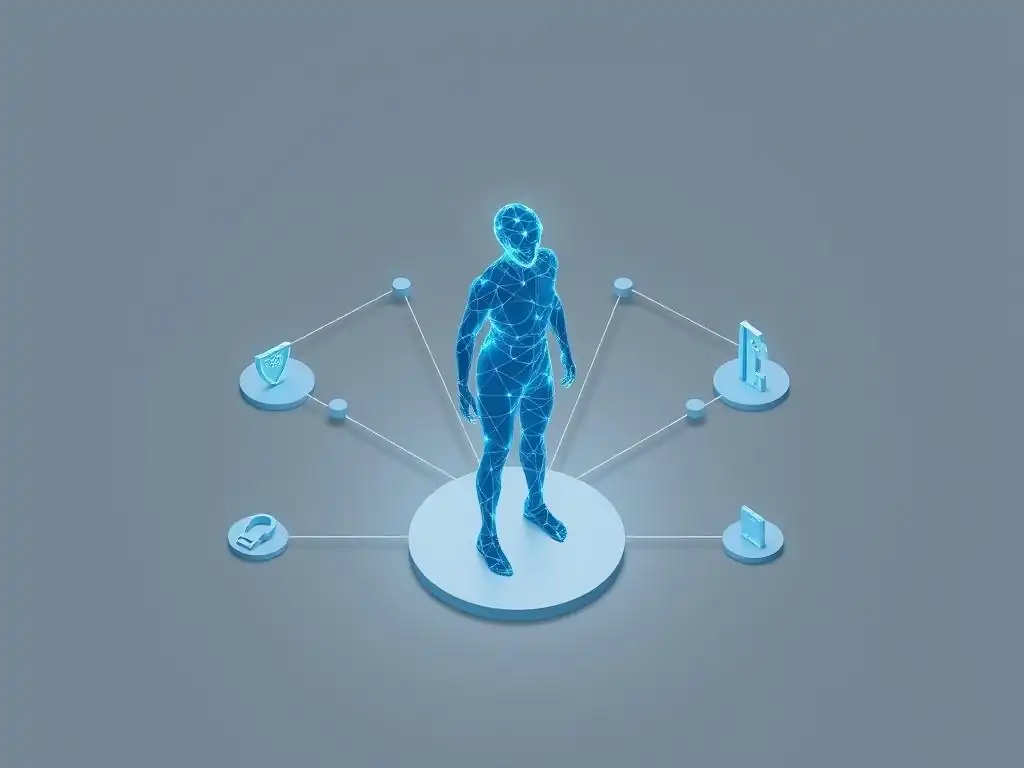
Decentralized Autonomous Organizations (DAOs) and Avatar Governance
Decentralized Autonomous Organizations (DAOs) offer a novel approach to governing metaverse avatars and related ecosystems. DAOs are community-led entities that operate based on rules encoded in smart contracts, enabling decentralized decision-making and resource allocation. In the context of metaverse avatars, DAOs can be used to govern aspects such as avatar feature development, security standards, and dispute resolution processes. DAO members, often avatar holders or platform users, can participate in governance proposals and voting, ensuring community-driven decision-making.
DAOs can foster greater transparency and user participation in metaverse governance compared to traditional centralized models. All governance rules and decisions are recorded on the blockchain, making them publicly auditable and verifiable. This transparency builds trust and accountability within the metaverse community. Furthermore, DAOs can empower users to shape the future of their avatars and the metaverse environments they inhabit, fostering a sense of ownership and collective responsibility. Examples of DAOs emerging in the NFT and metaverse space demonstrate the growing interest in decentralized governance models.
Community-Driven Development and Decision-Making for Avatar Features
Blockchain governance models can facilitate community-driven development and decision-making for avatar features and functionalities. Instead of relying solely on platform providers to dictate avatar evolution, users can actively participate in proposing, developing, and voting on new features and improvements. This collaborative approach can lead to more user-centric and innovative avatar experiences, reflecting the diverse needs and preferences of the metaverse community.
Community-driven development can be facilitated through online forums, voting platforms integrated with DAOs, and open-source development initiatives. Users can submit proposals for new avatar customization options, functionalities, or interoperability features. These proposals can then be discussed, refined, and voted upon by the community. Resources and funding for development can be allocated through DAO governance mechanisms, ensuring that community priorities are reflected in avatar evolution. This participatory approach not only enhances user engagement but also fosters a sense of co-creation and ownership within the metaverse.
Ensuring Fairness and Transparency in Avatar Creation and Usage
Blockchain governance can play a crucial role in ensuring fairness and transparency in avatar creation and usage within the metaverse. Smart contracts can be used to enforce rules related to avatar creation, preventing unfair advantages or discriminatory practices. For example, smart contracts can regulate the distribution of rare avatar traits or limit the creation of certain avatar types to ensure diversity and inclusivity.
Transparency in avatar usage can also be enhanced through blockchain governance. Smart contracts can track avatar interactions and activities within the metaverse, providing auditable records of user behavior and transactions. This transparency can help to prevent malicious activities, resolve disputes, and ensure fair play within virtual environments. Furthermore, transparent governance processes can build user confidence and trust in the fairness and integrity of the metaverse ecosystem, promoting wider adoption and participation.
Use Cases: Secure and Portable Avatars in Action
Metaverse Gaming and Virtual Reality Experiences
Secure and portable avatars are transformative for metaverse gaming and virtual reality (VR) experiences. Imagine using the same avatar, customized with earned rewards and unique digital assets, across multiple games and VR worlds. This interoperability enhances player identity and investment in their virtual characters, fostering deeper engagement and a sense of progression across different gaming experiences. Players can build a consistent digital persona that transcends individual games, creating a more unified and immersive gaming metaverse.
Blockchain-based avatars can also enhance security and prevent fraud in metaverse gaming. NFT avatars provide verifiable ownership of in-game assets, protecting players from losing their digital collectibles due to account hacks or platform issues. Smart contracts can automate in-game transactions and reward distribution, ensuring fairness and transparency in gaming economies. Furthermore, decentralized identity systems can enhance player privacy and security, reducing the risk of data breaches and identity theft in online gaming environments.
Digital Commerce and E-commerce with Avatar Representation
Secure and portable avatars are poised to revolutionize digital commerce and e-commerce within the metaverse. Avatars can serve as digital representatives of users in virtual stores, marketplaces, and online shopping experiences. Portable avatars allow users to carry their established digital identities and preferences across different e-commerce platforms, creating a more personalized and seamless shopping experience. Imagine using your metaverse avatar to try on virtual clothes, interact with virtual shop assistants, and make purchases in various online stores, all with a consistent digital identity.
Blockchain-based avatars can enhance security and trust in metaverse commerce. Verifiable avatar identities can help to combat fraud and impersonation in online transactions. NFT avatars can represent ownership of digital goods purchased in the metaverse, ensuring verifiable ownership and provenance. Smart contracts can automate payment processing and escrow services, enhancing security and efficiency in metaverse e-commerce. This can foster greater trust and adoption of digital commerce within virtual worlds.
Secure and portable avatars are fundamental for fostering social interaction and community building in the metaverse. Avatars are the primary means of social interaction in virtual worlds, enabling users to connect, communicate, and build relationships with others. Portable avatars allow users to maintain a consistent social identity across different metaverse platforms and communities, strengthening social connections and fostering a sense of belonging. Imagine attending virtual social events, collaborating on projects, and building friendships with users across different metaverse platforms, all while maintaining a unified digital persona.
Blockchain-based avatars can enhance privacy and security in metaverse social interactions. Decentralized identity systems allow users to control what information they share with others, enhancing privacy in online social interactions. Verifiable avatar identities can help to combat impersonation and harassment in virtual communities. DAOs can facilitate community governance and moderation in metaverse social spaces, ensuring a safe and inclusive environment for all users. This can foster stronger and more vibrant social communities within the metaverse.
Implementing Blockchain Avatar Security Standards: A Technical Overview
Selecting a Suitable Blockchain: Performance, Scalability, and Cost
Choosing the right blockchain platform is crucial for implementing secure and scalable blockchain avatar systems. Factors to consider include blockchain performance (transaction speed and throughput), scalability (ability to handle a large number of users and transactions), and cost (transaction fees and development costs). Different blockchain platforms offer varying trade-offs in these areas. For example, Ethereum is a widely adopted platform with a large developer community, but it can face scalability challenges and higher transaction fees. Layer-2 scaling solutions on Ethereum, like Polygon or Optimism, can improve performance and reduce costs.
Alternative blockchains, such as Solana, Avalanche, and Flow, offer higher transaction speeds and lower fees, making them potentially suitable for metaverse applications requiring high throughput and low latency. Private or consortium blockchains may be considered for specific use cases requiring greater control over data privacy and access. The choice of blockchain platform should be based on a careful assessment of the specific requirements of the avatar system, including the expected scale of user adoption, transaction volume, and security needs.
Designing Secure Smart Contracts: Avoiding Common Vulnerabilities
Developing secure smart contracts for blockchain avatars is paramount to prevent vulnerabilities and ensure the integrity of the system. Smart contract developers must be aware of common vulnerabilities, such as reentrancy attacks, integer overflows, and access control issues. Rigorous security audits by experienced smart contract auditors are essential to identify and mitigate potential vulnerabilities before deployment. Following secure coding practices, using formal verification methods, and implementing robust testing procedures are crucial steps in ensuring smart contract security.
Smart contracts should be designed with modularity and upgradability in mind. This allows for easier maintenance, bug fixes, and feature updates without requiring complete redeployment of the entire system. Using well-established smart contract libraries and frameworks can also reduce the risk of introducing vulnerabilities. Furthermore, implementing robust access control mechanisms and rate limiting can help to prevent denial-of-service attacks and unauthorized access to avatar data and functionalities.
Integrating DID/SSI: User Experience and Key Management
Integrating Decentralized Identity (DID) and Self-Sovereign Identity (SSI) principles into blockchain avatar systems requires careful consideration of user experience and key management. Users need intuitive and user-friendly tools to create, manage, and use their DIDs and verifiable credentials. Complex cryptographic operations should be abstracted away from the user, providing a seamless and accessible experience. Wallet applications and browser extensions can play a crucial role in simplifying DID management and user interactions.
Secure key management is essential for DID/SSI adoption. Users must have secure and convenient ways to store and protect their private keys. Hardware wallets offer the highest level of security by storing keys offline, but they may be less convenient for frequent metaverse interactions. Software wallets and browser extensions can provide a more user-friendly experience but may require additional security measures, such as strong password protection and multi-factor authentication. Exploring user-friendly key management solutions, such as social recovery mechanisms and MPC-based wallets, can enhance both security and user experience.
Enabling NFT Functionality: Metadata Standards and Interoperability
Enabling NFT functionality for blockchain avatars requires adherence to NFT metadata standards and considerations for interoperability across different metaverse platforms. NFT metadata standards, such as ERC-721 and ERC-1155, define the structure and format of NFT metadata, which includes information about the avatar's attributes, visual representation, and associated digital assets. Using standardized metadata formats ensures that NFT avatars can be recognized and interpreted correctly by different metaverse platforms and marketplaces.
Interoperability of NFT avatars across different platforms requires agreement on common NFT standards and metadata schemas. Industry collaborations and standardization efforts, such as the Metaverse Standards Forum, are crucial for promoting interoperability and enabling seamless avatar portability. Platform providers should adopt open and standardized NFT protocols to ensure that users can freely move their NFT avatars between different virtual worlds. Furthermore, defining clear guidelines for NFT avatar metadata, including visual representation formats and attribute definitions, can enhance interoperability and user experience across the metaverse.
The Future of Blockchain and Metaverse Identity Management
Predictions for the Evolution of Avatar Technology
The future of avatar technology is poised for significant advancements, driven by innovations in blockchain, artificial intelligence (AI), and virtual reality. We can anticipate more realistic and expressive avatars, powered by AI-driven animation and personalization. Avatars will likely become increasingly integrated with our real-world identities, blurring the lines between physical and digital selves. The development of advanced avatar customization tools will allow users to create highly personalized and unique virtual representations.
Furthermore, we can expect to see the emergence of "living avatars" that evolve and adapt over time, reflecting user experiences and interactions within the metaverse. AI-powered avatars may even be capable of learning and acting autonomously, representing users in virtual worlds even when they are not actively engaged. The convergence of avatar technology with augmented reality (AR) could lead to avatars seamlessly blending into our physical environments, creating new forms of mixed-reality experiences.
The Potential Impact of Blockchain on Metaverse Governance
Blockchain technology is expected to have a profound impact on metaverse governance, fostering more decentralized, transparent, and user-centric virtual worlds. Decentralized governance models, such as DAOs, will likely become increasingly prevalent, empowering metaverse users to participate in decision-making processes and shape the future of virtual environments. Blockchain-based voting mechanisms and transparent governance protocols will enhance accountability and trust within metaverse communities.
Blockchain can also enable new forms of digital ownership and economic models within the metaverse. NFTs will likely play a central role in representing digital assets and virtual real estate, creating new opportunities for digital commerce and creator economies. Smart contracts can automate governance processes and enforce rules fairly and transparently, fostering a more equitable and democratic metaverse ecosystem. The shift towards blockchain-based governance is crucial for realizing the vision of an open, interoperable, and user-owned metaverse.
Towards a More Secure, Interoperable, and User-Centric Metaverse Experience
The ultimate goal of blockchain and metaverse identity management is to create a more secure, interoperable, and user-centric metaverse experience. By leveraging blockchain technology, we can address the limitations of current centralized systems and empower users with greater control over their digital identities, assets, and metaverse experiences. Decentralized identity solutions, NFT avatars, and blockchain governance models are key building blocks for realizing this vision.
Interoperability remains a critical challenge, requiring industry-wide collaboration and standardization efforts. Open and standardized protocols for avatar identities, digital assets, and metaverse platforms are essential for enabling seamless user experiences across different virtual worlds. Focusing on user experience and privacy is paramount to ensure widespread adoption and user trust in blockchain-based metaverse solutions. By prioritizing security, interoperability, and user-centric design, we can pave the way for a more open, inclusive, and empowering metaverse future.
Conclusion: Empowering Users with Secure and Portable Metaverse Avatars
Reaffirming the Importance of Blockchain Avatar Security Standards
The establishment and adoption of blockchain avatar security standards are of paramount importance for the future of the metaverse. As avatars become increasingly central to our digital lives, ensuring their security, portability, and user control is crucial for building a trustworthy and user-centric virtual world. Blockchain technology offers a robust and decentralized infrastructure for achieving these goals, providing solutions for secure identity management, verifiable ownership, and transparent governance.
Blockchain avatar security standards are not just technical specifications; they represent a commitment to user empowerment, data privacy, and a more equitable metaverse ecosystem. These standards will pave the way for interoperable avatar systems, enabling users to seamlessly navigate across different virtual worlds with a consistent and secure digital identity. By prioritizing security and user control, we can unlock the full potential of metaverse avatars as powerful tools for self-expression, social interaction, and economic participation in the digital age.
Call to Action: Embracing Decentralized Identity for a Better Metaverse Future
The time for embracing decentralized identity for metaverse avatars is now. Developers, platform providers, standards organizations, and metaverse users must collaborate to develop and adopt robust blockchain avatar security standards. This collaborative effort is essential for building a metaverse that is not only immersive and engaging but also secure, private, and user-owned.
Let us champion the principles of decentralized identity and self-sovereign identity, empowering users with control over their digital representations and data. By embracing blockchain technology and prioritizing security standards, we can collectively build a better metaverse future – one where users are at the center, with secure and portable avatars as their trusted digital embodiments. The future of the metaverse hinges on our collective commitment to building a secure, interoperable, and user-centric digital realm, and blockchain avatar security standards are a cornerstone of this vision.
Frequently Asked Questions
How does blockchain technology enhance the security of metaverse avatars?
Blockchain provides immutable records of avatar ownership and attributes. This makes it extremely difficult for malicious actors to duplicate or steal an avatar's identity. Decentralized systems add another layer of security and transparency.
What are the benefits of portable avatars in the metaverse, and how does blockchain enable this?
Portable avatars allow users to seamlessly move their digital identity between different metaverse platforms. Blockchain enables this by creating a unified and verifiable identity layer, independent of any single platform. It ensures consistent avatar representation across environments.
What are "Blockchain Avatar Security Standards," and why are they important?
These standards define technical specifications and best practices for securing avatars using blockchain. They are crucial for fostering trust and interoperability within the metaverse. They help create a safer and more reliable user experience.
How does blockchain governance play a role in managing metaverse identities and avatars?
Blockchain governance allows the community to participate in the decision-making processes related to avatar identity management. This includes defining rules for avatar creation, ownership, and dispute resolution. It ensures a fair and transparent system.
What are the potential challenges and regulatory considerations surrounding blockchain-based avatar identity management?
Challenges include scalability, privacy concerns, and the need for standardized protocols. Regulatory considerations involve data protection laws, anti-money laundering (AML) compliance, and intellectual property rights within the metaverse. These need careful consideration.
Final Reflection: Securing Identities in the Metaverse Frontier
The exploration of blockchain governance and metaverse identity management, culminating in the discussion of blockchain avatar security standards, is not merely a theoretical exercise. It is a critical imperative in a world rapidly embracing decentralized digital realities. The potential for secure and portable avatars, governed by transparent and immutable blockchain technology, represents a paradigm shift in how we interact, transact, and ultimately, exist within these emerging virtual spaces. The stakes are high, demanding a proactive and collaborative approach to establishing robust security frameworks.
This journey into the intricacies of blockchain and the metaverse has underscored the profound impact these technologies are having on our cultural and social landscape. The ability to own and control our digital identities, free from centralized control, is a fundamental right that must be protected as we navigate this new frontier. The best way to predict the future is to create it.
- Peter Drucker. This quote resonates deeply, reminding us that the future of metaverse identity, and its security, is not predetermined but rather shaped by the choices we make today.
As you step back from this exploration, consider the role you can play in shaping a more secure and equitable metaverse. Reflect on the importance of advocating for open standards, supporting decentralized governance models, and demanding transparency from the platforms that will define our digital future. The power to build a metaverse where identity is truly sovereign lies within each of us. Embrace that power, and let us collectively forge a future where digital identities are not only secure but also empowering.
Unveil Your Metaverse Identity!
Thank you for exploring the fascinating world of blockchain governance and digital identity management. You've gained valuable insights into securing and controlling your online self. Are you ready to take charge of your avatar and help shape the future of the metaverse?
Here's how to get started:
- Learn about decentralized identity (DID) solutions. Discover different DID frameworks and see how they can give you ownership and control over your digital identity.
- Share your thoughts! Start a conversation on social media about the importance of secure avatar management and tag us @BlockchainTrendsOrg
- Try creating your own portable avatar using available tools. This is the best way to truly understand the potential of decentralized identity!
What actions are you taking today to protect your identity in the metaverse? Share your strategies in the comments below!
Leave a Reply