
Blockchain for Metaverse Security: Protecting Virtual Assets and Identities from Threats


Welcome to Blockchain Trends, your guide to navigating the evolving landscape of blockchain technology beyond the hype.
Ever wondered how blockchain can secure the metaverse? Dive into our latest article, " Blockchain for Metaverse Security: Protecting Virtual Assets and Identities from Threats," where we explore cutting-edge Blockchain metaverse security solutions and their crucial role in safeguarding virtual worlds. Discover how this technology is poised to revolutionize digital asset protection and identity management in the metaverse. Read on to unlock the potential of decentralized security in this immersive new frontier!
Blockchain for Metaverse Security: Protecting Virtual Assets and Identities from Threats
- Introduction: The Growing Need for Security in the Metaverse
- Understanding the Vulnerabilities of the Metaverse
- Blockchain-Based Solutions for Metaverse Security
- Implementing Blockchain Metaverse Security Solutions: Practical Considerations
- Case Studies: Blockchain Successfully Securing Metaverse Environments
- The Future of Blockchain in Metaverse Security
- Conclusion: Securing the Metaverse for a Sustainable Future
-
Frequently Asked Questions
- What are the primary security challenges facing metaverse platforms currently?
- How can blockchain technology enhance the security of digital identities in the metaverse?
- What role can NFTs play in securing virtual assets within the metaverse ecosystem?
- How does the decentralized nature of blockchain contribute to a more secure metaverse environment?
- What are some key considerations for implementing blockchain metaverse security solutions to ensure user trust and adoption?
- Final Reflection: Securing the Metaverse's Future
- Fortify Your Metaverse Future!
Introduction: The Growing Need for Security in the Metaverse
The Metaverse: A New Frontier for Digital Interaction and Commerce
The metaverse represents a paradigm shift in how humans interact with technology and each other. It envisions persistent, shared, 3D virtual worlds where users can socialize, work, play games, conduct commerce, and even attend events, all through digital avatars.
Early estimations from firms like Bloomberg Intelligence suggest the metaverse market could reach \$800 billion by 2024, and potentially \$1.5 trillion by 2030, indicating a massive influx of users and economic activity into these digital realms. This burgeoning digital frontier promises immersive experiences and new economic opportunities, blurring the lines between the physical and digital worlds, and creating a space where digital assets and identities hold significant value.
The allure of the metaverse lies in its potential to create richer, more engaging online experiences. Imagine attending a virtual concert with friends from around the globe, collaborating on a 3D design project with colleagues in a shared virtual workspace, or purchasing and trading digital art pieces as easily as physical goods. This evolution, however, brings forth a critical need for robust security measures.
As we increasingly spend time and resources in these virtual environments, the protection of our digital identities, assets, and data becomes paramount. The metaverse is not just a game; it's becoming a new layer of reality where security is as crucial as it is in the physical world.
Emerging Security Challenges in the Metaverse Landscape
The rapid expansion of the metaverse introduces a complex array of security challenges that are distinct from traditional internet security concerns. Firstly, the very nature of immersive virtual worlds, with their emphasis on avatars and persistent identities, creates significant identity security risks. Impersonation, avatar hijacking, and the theft of digital identities could lead to financial losses, reputational damage, and social disruption within metaverse platforms.
Secondly, the burgeoning economy within metaverses, fueled by NFTs and virtual assets, attracts malicious actors seeking to exploit vulnerabilities for financial gain. Theft of NFTs, virtual land, and in-game assets are already emerging as significant threats, with reports of NFT thefts reaching millions of dollars in value.
Furthermore, the collection and processing of vast amounts of user data within metaverse platforms raise serious privacy concerns. From biometric data used for avatar customization to behavioral data tracking user interactions, the metaverse generates a treasure trove of personal information. Data breaches and unauthorized access to this sensitive data could have severe consequences for users.
Finally, the often centralized nature of current metaverse platforms presents a single point of failure. Centralized control can lead to censorship, manipulation, and platform-wide vulnerabilities that could compromise the security and integrity of the entire virtual world. Addressing these multifaceted security challenges is crucial for fostering trust and enabling the sustainable growth of the metaverse.
Why Blockchain Metaverse Security Solutions are Essential
Blockchain technology, with its inherent security features, offers a compelling solution to address the unique security challenges of the metaverse. Its decentralized nature, cryptographic security, and immutability provide a robust foundation for building secure and trustworthy metaverse environments. Unlike traditional centralized systems, blockchain eliminates single points of failure and reduces the risk of manipulation or censorship. The use of cryptography ensures the integrity and confidentiality of data and transactions within the metaverse. Moreover, the immutable nature of blockchain records provides an auditable and transparent history of ownership and actions, crucial for resolving disputes and establishing trust in virtual interactions.
Specifically, blockchain technology provides the tools for creating decentralized identity solutions, securing digital assets through NFTs, enabling secure and transparent transactions via smart contracts, and enhancing data privacy through decentralized storage. By leveraging these capabilities, blockchain metaverse security solutions can mitigate the risks of identity theft, asset theft, data breaches, and centralized control.
The adoption of blockchain-based security measures is not just an optional enhancement; it is becoming a fundamental requirement for building metaverses that are safe, secure, and trustworthy for users, paving the way for widespread adoption and the realization of the metaverse's full potential. The integration of blockchain technology is therefore not just about technological advancement, but about building a foundation of trust that is essential for the long-term viability and success of the metaverse.
Understanding the Vulnerabilities of the Metaverse
Identity Theft and Impersonation Risks in Virtual Worlds
Identity theft and impersonation in the metaverse represent a significant threat due to the reliance on digital avatars as representations of individuals. Unlike the physical world where identity verification often involves visual cues and physical documents, the metaverse primarily depends on digital credentials and avatar appearances. This reliance creates opportunities for malicious actors to create fake avatars that closely resemble legitimate users, or even to hijack existing user accounts. A report by cybersecurity firm Kaspersky highlighted a 200% increase in phishing attacks targeting metaverse users in 2022, demonstrating the growing prevalence of identity-related threats.
The consequences of identity theft in the metaverse can be far-reaching. Imagine a scenario where a malicious actor impersonates a well-known artist in a virtual art gallery, selling counterfeit NFTs or damaging the artist's reputation. Or consider the implications of impersonation in a virtual workplace, where a threat actor could gain access to sensitive company information or disrupt operations by posing as an employee.
Furthermore, the emotional impact of identity theft in a space designed for social interaction can be profound, eroding trust and creating a sense of insecurity within metaverse communities. Robust identity verification and management systems are therefore crucial to mitigate these risks and ensure that users can trust the identities they encounter in virtual worlds.
Asset Security: Protecting NFTs and Virtual Property
The metaverse economy is increasingly driven by Non-Fungible Tokens (NFTs) and virtual property, representing ownership of digital assets ranging from virtual land and avatars to digital art and collectibles. These assets, often valued at significant sums, become prime targets for theft and fraud. OpenSea, a major NFT marketplace, reported over \$1.7 million in NFT thefts in just the first few months of 2022, illustrating the scale of the problem. The vulnerabilities arise from various sources, including phishing scams targeting NFT wallets, exploits in smart contracts governing NFT marketplaces, and inadequate security measures on user devices and accounts.
Protecting NFTs and virtual property in the metaverse requires a multi-layered approach. Firstly, secure storage of private keys associated with NFT wallets is paramount. Users need to adopt best practices for password management and consider using hardware wallets for enhanced security. Secondly, smart contracts governing NFT transactions must be rigorously audited to identify and eliminate vulnerabilities.
Thirdly, metaverse platforms and marketplaces need to implement robust security measures, including multi-factor authentication and fraud detection systems. The development and adoption of blockchain-based solutions for asset ownership and provenance, such as NFT standards with enhanced security features, are also critical for building a secure and trustworthy metaverse economy. The security of these digital assets is not just about financial protection; it's about ensuring the integrity and viability of the metaverse as a thriving digital economy.
Data Breaches and Privacy Concerns in Metaverse Platforms
Metaverse platforms collect and process vast amounts of user data, including personal information, biometric data, interaction patterns, and transaction history. This data is essential for personalizing experiences, powering metaverse functionalities, and enabling targeted advertising. However, the sheer volume and sensitivity of this data make metaverse platforms attractive targets for data breaches and raise significant privacy concerns.
A study by the Identity Theft Resource Center found that data breaches increased by 42% in 2021, highlighting the growing risk of cyberattacks and data exposure across digital platforms. In the metaverse, a data breach could expose not only personal information but also sensitive biometric data used for avatar creation and potentially even behavioral data reflecting user habits and preferences within virtual worlds.
The privacy implications extend beyond data breaches. The centralized nature of many metaverse platforms raises concerns about data control and user autonomy. Users may have limited visibility into how their data is collected, used, and shared. Furthermore, the potential for persistent tracking and surveillance within metaverse environments raises ethical questions about privacy and freedom of expression.
Addressing these privacy concerns requires a shift towards privacy-preserving technologies and decentralized data management solutions. Blockchain-based solutions, such as decentralized identity and decentralized data storage, offer promising avenues for enhancing user privacy and data sovereignty in the metaverse. The development of privacy-focused metaverse platforms and the implementation of robust data protection policies are crucial for building user trust and fostering responsible innovation in this emerging space.
Centralized Control and the Risk of Manipulation
Many existing metaverse platforms operate under centralized control, meaning a single entity or corporation has significant power over the platform's infrastructure, content, and governance. While centralized control can offer advantages in terms of platform development and content curation, it also introduces risks of censorship, manipulation, and single points of failure. If a centralized entity decides to alter the rules of the metaverse, censor content, or even shut down the platform, users have limited recourse.
This lack of user control and the potential for arbitrary actions can undermine trust and hinder the development of a truly open and decentralized metaverse. Examples of centralized platforms facing criticism for content moderation policies and platform governance are prevalent across the current internet landscape, and these concerns are amplified in the more immersive and persistent environments of the metaverse.
Moreover, centralized control creates a single point of vulnerability for security breaches. If a centralized server is compromised, the entire metaverse platform and all user data could be at risk. This contrasts with decentralized systems, where data and control are distributed across a network, making them more resilient to attacks and censorship.
Blockchain technology offers a pathway towards decentralized metaverse platforms, where governance, data ownership, and control are distributed among users. Decentralized Autonomous Organizations (DAOs) built on blockchain can provide frameworks for community-driven governance and decision-making within metaverses, reducing the risks associated with centralized control and fostering a more democratic and user-centric virtual world. The shift towards decentralization is not just a technical preference; it is a fundamental step towards building a metaverse that is truly open, secure, and empowering for its users.
Blockchain-Based Solutions for Metaverse Security
Decentralized Identity Management (DID) for Secure Avatars
Decentralized Identity Management (DID) offers a revolutionary approach to securing avatars and digital identities in the metaverse. Traditional identity systems rely on centralized authorities to issue and verify credentials, creating vulnerabilities and limiting user control. DID, in contrast, empowers users to control their own identities.
It leverages blockchain technology to create self-sovereign identities, where individuals own and manage their digital credentials without relying on intermediaries. According to a report by the World Economic Forum, DID has the potential to unlock \$3 trillion in value by 2030 by reducing fraud and improving efficiency in identity verification processes across various sectors, including the metaverse.
How DID Enhances User Authentication
DID enhances user authentication in the metaverse by shifting from password-based systems to cryptographic verification. Each user possesses a unique DID, a cryptographic identifier stored on a blockchain. This DID is linked to a set of verifiable credentials, such as avatar attributes, skills, or reputation, issued by trusted entities.
When a user wants to access a metaverse platform or service, they can cryptographically prove their identity and credentials using their DID, without revealing sensitive personal information to the platform. This method, often using zero-knowledge proofs, ensures privacy and reduces the risk of phishing and credential theft. Furthermore, DID can enable seamless cross-platform authentication, allowing users to use the same identity across different metaverses and applications, simplifying the user experience and enhancing security.
Benefits of Self-Sovereign Identity in the Metaverse
Self-sovereign identity, enabled by DID, offers numerous benefits for metaverse users and platforms. Firstly, it enhances user privacy by minimizing data sharing and giving individuals control over their personal information. Users decide what information to share and with whom, reducing the risk of data breaches and privacy violations. Secondly, it improves security by eliminating single points of failure associated with centralized identity providers.
Decentralized identities are more resistant to hacking and censorship. Thirdly, it fosters interoperability across different metaverses. Users can seamlessly move their identities and reputations between platforms that support DID standards, creating a more connected and user-centric metaverse ecosystem. Finally, DID empowers users with greater autonomy and control over their digital lives, aligning with the core principles of decentralization and user empowerment that underpin the vision of an open and equitable metaverse.
NFT-Based Asset Protection: Ensuring Ownership and Provenance
Non-Fungible Tokens (NFTs) are a cornerstone of blockchain metaverse security solutions for asset protection. NFTs, recorded on a blockchain, provide verifiable and immutable proof of ownership for digital assets. This technology is particularly crucial in the metaverse, where virtual assets like land, avatars, collectibles, and in-game items hold significant value.
The unique and indivisible nature of NFTs ensures that each digital asset is verifiably unique and that ownership can be easily tracked and transferred on the blockchain. The NFT market reached a peak trading volume of \$25 billion in 2021, demonstrating the rapid adoption and economic significance of NFTs in the digital asset space.
Securing Virtual Land and Digital Collectibles with NFTs
NFTs provide a robust mechanism for securing ownership of virtual land and digital collectibles in the metaverse. Virtual land, represented as NFTs, allows users to own and control parcels of digital space within metaverse platforms like Decentraland and The Sandbox. Ownership of these virtual land NFTs is recorded on the blockchain, providing immutable proof of ownership and enabling secure trading and transfer.
Similarly, digital collectibles, such as avatars, virtual fashion items, and digital art, can be tokenized as NFTs, ensuring their authenticity and provenance. This NFT-based ownership system creates a transparent and secure market for virtual assets, fostering trust and enabling the development of a thriving metaverse economy based on verifiable digital scarcity and ownership.
Combatting Counterfeiting and Piracy in the Metaverse
NFTs play a vital role in combating counterfeiting and piracy of digital assets within the metaverse. By representing digital assets as unique NFTs on a blockchain, creators can establish verifiable provenance and authenticity. Each NFT contains metadata that can include information about the creator, creation date, and history of ownership, providing an auditable trail of provenance.
This makes it significantly more difficult to counterfeit or pirate digital assets, as any attempt to create a fake NFT would not be verifiable against the original NFT recorded on the blockchain. Brands and creators can use NFTs to protect their intellectual property in the metaverse, ensuring that users are purchasing authentic digital goods and fostering a more secure and trustworthy digital marketplace. This capability is crucial for protecting creators' rights and building a sustainable digital economy within metaverse environments.
Smart Contracts for Secure Transactions and Agreements
Smart contracts are self-executing contracts with the terms of the agreement directly written into code. Deployed on a blockchain, smart contracts automatically execute when predefined conditions are met, ensuring transparency, security, and automation in metaverse transactions and agreements. They eliminate the need for intermediaries and reduce the risk of fraud or manipulation in virtual commerce. The total value locked in Decentralized Finance (DeFi) protocols, which heavily rely on smart contracts, exceeded \$100 billion in 2021, demonstrating the growing adoption and reliability of smart contracts for financial transactions.
Automating Trust and Transparency in Virtual Commerce
Smart contracts automate trust and transparency in virtual commerce within the metaverse. For example, when purchasing a virtual item using a smart contract, the payment is automatically released to the seller only when the item is successfully transferred to the buyer's digital wallet. This eliminates the risk of non-payment or non-delivery, creating a more secure and trustworthy trading environment.
Smart contracts can also be used to automate royalties for creators of digital assets. Every time an NFT is resold, the smart contract can automatically distribute a percentage of the sale price to the original creator, ensuring fair compensation and incentivizing content creation within the metaverse. This automation of trust through smart contracts is fundamental for building a robust and efficient metaverse economy.
Escrow Services and Dispute Resolution via Smart Contracts
Smart contracts can facilitate escrow services and dispute resolution in the metaverse, enhancing security and fairness in virtual transactions. In escrow services, funds are held in a smart contract until both parties fulfill their obligations. For example, in a virtual land transaction, the buyer's funds can be held in escrow until the seller transfers ownership of the virtual land NFT. Once the transfer is confirmed on the blockchain, the smart contract automatically releases the funds to the seller.
For dispute resolution, smart contracts can be designed to incorporate mechanisms for mediation or arbitration. In case of a dispute, a designated oracle or dispute resolution service can provide input to the smart contract, which then executes the agreed-upon resolution based on predefined rules. This use of smart contracts for escrow and dispute resolution enhances security, reduces transaction costs, and fosters a more trustworthy environment for virtual commerce in the metaverse.
Blockchain Data Storage for Enhanced Privacy
Blockchain technology, beyond its role in securing identities and assets, also offers solutions for enhancing data privacy in the metaverse through decentralized data storage. Traditional centralized data storage systems are vulnerable to data breaches and offer limited user control over personal data. Decentralized storage solutions, leveraging blockchain and distributed ledger technologies, distribute data across a network of nodes, making it more resilient to attacks and censorship.
Furthermore, decentralized storage can empower users with greater control over their data and enhance privacy through encryption and data sovereignty mechanisms. The decentralized storage market is projected to grow significantly, with estimations reaching billions of dollars in the coming years, indicating the increasing demand for secure and privacy-preserving data storage solutions.
Protecting User Data with Decentralized Storage Solutions
Decentralized storage solutions enhance user data protection in the metaverse by distributing data across a network, making it significantly harder for malicious actors to access or compromise user information. Unlike centralized databases, where a single point of failure can expose vast amounts of data, decentralized storage systems distribute data fragments across multiple nodes, requiring attackers to compromise a significant portion of the network to access meaningful information.
Furthermore, decentralized storage often incorporates encryption, ensuring that user data is protected even if individual nodes are compromised. This distributed and encrypted approach to data storage provides a more secure and privacy-preserving alternative to centralized data storage systems, crucial for protecting sensitive user data within metaverse environments.
Addressing Data Sovereignty Concerns in the Metaverse
Decentralized data storage addresses data sovereignty concerns in the metaverse by empowering users with greater control over their data and where it is stored. In centralized platforms, user data is often stored and processed in specific jurisdictions, subject to the laws and regulations of those regions. Decentralized storage solutions can enable users to choose where their data is stored and processed, giving them greater control over data sovereignty and compliance with relevant privacy regulations.
Furthermore, decentralized storage can facilitate data ownership and data portability. Users can have verifiable control over their data and the ability to move their data between different metaverse platforms and applications, fostering data autonomy and reducing vendor lock-in. This focus on data sovereignty and user control is essential for building a metaverse that respects user privacy and empowers individuals in the digital age.
Implementing Blockchain Metaverse Security Solutions: Practical Considerations
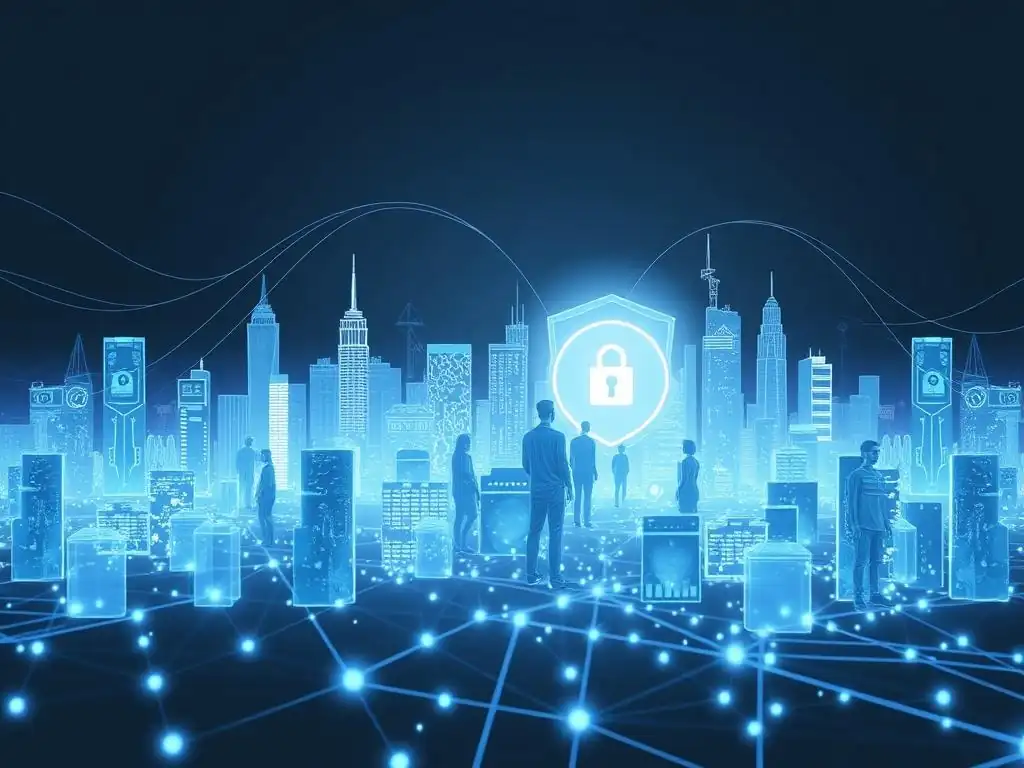
Choosing the Right Blockchain Platform for Metaverse Applications
Selecting the appropriate blockchain platform is a critical step in implementing blockchain metaverse security solutions. Different blockchain platforms offer varying characteristics in terms of scalability, throughput, security features, and development ecosystems. For metaverse applications requiring high transaction volumes and low latency, scalability and throughput are paramount considerations. Ethereum, while being a popular platform for NFTs and decentralized applications, faces scalability challenges. Layer-2 solutions and alternative Layer-1 blockchains are emerging to address these limitations. Security features, such as consensus mechanisms and cryptographic algorithms, are also crucial for ensuring the robustness and trustworthiness of the chosen platform.
Evaluating Scalability, Throughput, and Security Features
When evaluating blockchain platforms for metaverse applications, scalability, throughput, and security features must be carefully considered. Scalability refers to the platform's ability to handle increasing transaction volumes and user activity without compromising performance. Throughput measures the number of transactions the platform can process per second. Platforms like Solana and Polygon are designed for higher throughput compared to traditional blockchains like Ethereum Layer-1.
Security features encompass the consensus mechanism, such as Proof-of-Stake or Proof-of-Work, and the cryptographic algorithms used to secure transactions and data. Platforms like Cardano and Polkadot prioritize security and formal verification in their platform design. The choice of platform depends on the specific security and performance requirements of the metaverse application, balancing scalability and security considerations.
Exploring Layer-2 Solutions for Enhanced Performance
Layer-2 solutions offer a promising approach to enhance the performance of blockchain platforms for metaverse applications. Layer-2 solutions are built on top of existing Layer-1 blockchains, like Ethereum, to offload transaction processing and improve scalability and throughput. Examples of Layer-2 solutions include rollups, sidechains, and state channels.
Optimistic rollups and zk-rollups, for instance, bundle multiple transactions off-chain and submit a summary of transactions to the Layer-1 blockchain, significantly increasing throughput. Sidechains are independent blockchains that run parallel to the main chain and can handle specific types of transactions, improving scalability and customization. Exploring and integrating Layer-2 solutions can be crucial for metaverse platforms seeking to achieve high performance without compromising the security and decentralization benefits of blockchain technology.
Integrating Blockchain with Existing Metaverse Infrastructure
Integrating blockchain metaverse security solutions with existing metaverse infrastructure presents both opportunities and challenges. Many current metaverse platforms are built on centralized architectures. Introducing blockchain elements, such as DID, NFTs, and smart contracts, requires careful planning and integration strategies. Retrofitting blockchain security features into existing centralized systems can be complex and may require significant architectural changes.
However, a phased approach, starting with integrating specific blockchain solutions like NFT-based asset ownership, can be a viable strategy. Developing interoperability standards and APIs is crucial for seamless integration between blockchain-based security solutions and existing metaverse platforms. The transition towards a more blockchain-integrated metaverse infrastructure is a gradual process that requires collaboration between metaverse developers and blockchain technology providers.
Regulatory Landscape and Compliance Considerations
The regulatory landscape surrounding blockchain and metaverse technologies is still evolving, and compliance considerations are becoming increasingly important for metaverse platforms implementing blockchain security solutions. Regulations related to data privacy, digital assets, and virtual economies are being developed in various jurisdictions. For example, GDPR in Europe and CCPA in California impose strict requirements on data privacy and user consent.
Regulations concerning NFTs and virtual currencies are also emerging, particularly regarding anti-money laundering (AML) and Know Your Customer (KYC) compliance. Metaverse platforms need to carefully navigate this evolving regulatory landscape and ensure compliance with applicable laws and regulations when implementing blockchain metaverse security solutions. Engaging with legal experts and staying informed about regulatory developments are crucial steps for responsible and compliant metaverse development.
Case Studies: Blockchain Successfully Securing Metaverse Environments
Decentralized Identity Management in Decentraland
Decentraland, a decentralized virtual world built on the Ethereum blockchain, exemplifies the successful implementation of Decentralized Identity Management (DID) for secure avatars. Decentraland users control their avatars and digital identities through cryptocurrency wallets, which act as their DID. Ownership of avatars and virtual land is represented by NFTs, secured on the Ethereum blockchain.
This blockchain-based identity system provides users with self-sovereignty over their digital identities and assets within Decentraland. Users can authenticate their identity and prove ownership of their virtual assets using their private keys associated with their wallets, without relying on centralized authorities for identity verification. Decentraland's implementation of DID showcases the practical application of blockchain technology in securing identities and empowering users in a metaverse environment.
NFT-Based Land Ownership in The Sandbox
The Sandbox, another popular metaverse platform, effectively utilizes NFTs for securing land ownership and virtual assets. Virtual land in The Sandbox is represented as LAND NFTs, which users can purchase, own, and develop. These LAND NFTs are secured on the Ethereum blockchain, providing verifiable and immutable proof of ownership.
The Sandbox marketplace facilitates the trading and transfer of LAND NFTs, creating a transparent and secure market for virtual real estate. Users can also create and monetize their own in-game assets as NFTs, further leveraging blockchain technology for asset ownership and monetization within the metaverse. The Sandbox's NFT-based land ownership system demonstrates the practical benefits of blockchain in creating a secure and user-owned virtual land economy within a metaverse platform.
Secure Marketplace Transactions in Somnium Space
Somnium Space, a metaverse platform focused on virtual land ownership and social experiences, leverages blockchain for secure marketplace transactions. Somnium Space utilizes NFTs for representing virtual land parcels and in-world assets. Transactions within the Somnium Space marketplace, including the purchase and sale of LAND NFTs and other digital assets, are conducted on the Ethereum blockchain, ensuring transparency and security.
Smart contracts are used to automate and secure transactions, providing escrow services and ensuring fair exchange between buyers and sellers. Somnium Space's integration of blockchain for marketplace transactions showcases the practical application of smart contracts and NFTs in creating a secure and trustworthy virtual economy within a metaverse environment, fostering user confidence and enabling seamless virtual commerce.
The Future of Blockchain in Metaverse Security
Emerging Trends in Blockchain-Based Security Technologies
The future of blockchain in metaverse security is characterized by several emerging trends. Zero-knowledge proofs (ZKPs) are gaining traction for enhancing privacy in metaverse interactions and transactions. ZKPs allow users to prove the validity of information without revealing the information itself, enabling privacy-preserving authentication and data sharing.
Interoperability solutions, such as cross-chain bridges and blockchain communication protocols, are becoming increasingly important for enabling seamless interactions and asset transfers across different metaverses and blockchain platforms. Verifiable Credentials (VCs), building upon DID standards, are emerging as a standardized format for representing and verifying digital credentials in a privacy-preserving manner, facilitating secure and interoperable identity management across metaverses. These emerging trends point towards a future of more secure, private, and interoperable blockchain metaverse security solutions.
The Role of AI and Machine Learning in Enhancing Metaverse Security
Artificial Intelligence (AI) and Machine Learning (ML) are poised to play an increasingly significant role in enhancing blockchain metaverse security. AI-powered threat detection systems can analyze metaverse activity in real-time to identify and mitigate security threats, such as fraudulent transactions, identity theft attempts, and malicious avatars. ML algorithms can be used to analyze user behavior patterns and detect anomalies, flagging potentially suspicious activities.
AI can also enhance identity verification processes, improving the accuracy and efficiency of biometric authentication and fraud prevention measures. The integration of AI and ML with blockchain security solutions promises to create more proactive and adaptive security systems for the metaverse, enhancing user safety and platform integrity.
The Potential for Interoperable Blockchain Solutions Across Metaverses
The potential for interoperable blockchain solutions across metaverses is crucial for realizing the vision of a truly interconnected and open metaverse. Currently, many metaverses operate in silos, with limited interoperability between platforms. Interoperable blockchain solutions, such as cross-chain bridges and standardized protocols for DID and NFTs, can enable seamless asset transfers, identity portability, and cross-platform interactions between different metaverses.
This interoperability will enhance user experience, reduce fragmentation, and foster a more unified and interconnected metaverse ecosystem. Initiatives focused on developing open standards and protocols for blockchain interoperability are essential for unlocking the full potential of blockchain metaverse security solutions and creating a more open and user-centric metaverse future.
Conclusion: Securing the Metaverse for a Sustainable Future
Blockchain: A Foundation for Trust and Security in Virtual Worlds
Blockchain technology is emerging as a foundational pillar for building trust and security in virtual worlds. Its decentralized nature, cryptographic security, and immutability provide a robust framework for addressing the unique security challenges of the metaverse. From securing digital identities with DID to protecting virtual assets with NFTs and enabling secure transactions with smart contracts, blockchain offers a comprehensive suite of tools for building secure and trustworthy metaverse environments.
By embracing blockchain metaverse security solutions, developers and platforms can create virtual worlds where users can interact, transact, and create with confidence, fostering a more secure and sustainable metaverse future. The adoption of blockchain is not just about technological advancement; it's about building the essential foundation of trust upon which the metaverse can thrive.
Embracing Blockchain Metaverse Security Solutions for Widespread Adoption
Embracing blockchain metaverse security solutions is crucial for achieving widespread adoption and realizing the transformative potential of the metaverse. Security concerns remain a significant barrier to mainstream metaverse adoption. By proactively implementing robust blockchain-based security measures, metaverse platforms can build user trust, mitigate risks, and create safer and more welcoming virtual environments.
This will pave the way for increased user participation, economic activity, and innovation within the metaverse. The future of the metaverse hinges on building secure and trustworthy virtual worlds, and blockchain technology provides the essential tools to achieve this vision, ensuring a sustainable and thriving metaverse for all.
Frequently Asked Questions
What are the primary security challenges facing metaverse platforms currently?
The metaverse faces significant security risks, including identity theft, asset vulnerabilities, and data privacy breaches. These challenges stem from the need for robust authentication and secure storage of virtual assets.
How can blockchain technology enhance the security of digital identities in the metaverse?
Blockchain offers decentralized identity management, allowing users to control their data and reducing reliance on centralized authorities. This helps prevent identity fraud and enhances user privacy.
What role can NFTs play in securing virtual assets within the metaverse ecosystem?
NFTs provide a secure and verifiable method for ownership tracking of virtual assets. Their immutability on the blockchain helps prevent asset duplication and fraudulent transactions.
How does the decentralized nature of blockchain contribute to a more secure metaverse environment?
Decentralization eliminates single points of failure, making the metaverse more resistant to cyberattacks and data breaches. This distributed architecture enhances overall system resilience and trust.
What are some key considerations for implementing blockchain metaverse security solutions to ensure user trust and adoption?
User-friendly interfaces, transparent data governance, and compliance with regulations are crucial for fostering trust. Scalability and interoperability are also important for widespread adoption of blockchain solutions.
Final Reflection: Securing the Metaverse's Future
The exploration of blockchain's role in securing the metaverse is not merely a theoretical exercise; it's a critical imperative for the nascent digital frontier. As we've seen, the vulnerabilities inherent in centralized systems pose significant risks to virtual assets and identities, making robust blockchain metaverse security solutions essential for fostering trust and widespread adoption. The future of the metaverse hinges on our ability to safeguard its inhabitants and their digital possessions.
The promise of a truly immersive and decentralized metaverse is deeply intertwined with the security measures we implement today. Witnessing the rapid evolution of both the metaverse and the threats it faces underscores the urgent need for innovative solutions. This isn't just about protecting digital wallets; it's about preserving the integrity of virtual identities and ensuring a fair and equitable digital landscape. Security is always seen as too expensive until you don't have it.
This quote perfectly encapsulates the proactive approach required to build a secure metaverse foundation.
As you navigate the evolving landscape of the metaverse, consider the power you hold to shape its future. Reflect on the principles of decentralization, transparency, and immutability that blockchain offers. Embrace the responsibility to advocate for and implement robust blockchain metaverse security solutions. Let us collectively build a metaverse where innovation thrives, and digital assets and identities are protected, fostering a truly secure and empowering virtual world for all.
Fortify Your Metaverse Future!
Thank you for exploring the crucial role of blockchain in securing the metaverse. You've gained valuable insights into safeguarding your digital assets and identity in this emerging virtual world. Now, it's time to take action and contribute to creating a more secure metaverse environment for everyone.
Here are a few ways to get started:
- Immediately review and update the security settings on your metaverse accounts. This is the most effective step you can take right now to enhance your personal security.
- Delve deeper:Research different blockchain-based security solutions designed for the metaverse and select the ones that best fit your needs.
- Share your newfound knowledge: Discuss these security strategies with friends, colleagues, and your favorite metaverse communities to promote collective awareness and protection.
Ready to champion a safer metaverse? Share your thoughts and initial steps toward securing your virtual experience in the comments below!
Leave a Reply