
How to Buy Land in Decentralized Metaverses: A StepbyStep Guide


Welcome to Blockchain Trends, your compass in the rapidly evolving world of decentralized technologies! Ready to stake your claim in the digital frontier? Dive into our comprehensive guide on buying land in the metaverse, and discover how to navigate the exciting, yet complex, landscape of virtual real estate. Uncover the secrets to securing your piece of the metaverse and learn how decentralized systems are shaping the future of ownership. Intrigued? The journey to becoming a metaverse landowner starts now!
How to Buy Land in Decentralized Metaverses: A Step-by-Step Guide
- Introduction: Navigating the Decentralized Metaverse Land Rush
- Step 1: Researching Decentralized Metaverse Platforms for Land Acquisition
- Step 2: Setting Up Your Digital Wallet for Metaverse Transactions
- Step 3: Connecting Your Wallet to the Metaverse Platform
- Step 4: Exploring Available Land Parcels and Identifying Opportunities
- Step 5: Making an Offer and Purchasing Land in the Metaverse
- Step 6: Managing and Developing Your Metaverse Land
- Step 7: Understanding Legal and Tax Implications of Metaverse Land Ownership
- Conclusion: Investing in the Future of Decentralized Virtual Worlds
-
Frequently Asked Questions
- How is buying land in a metaverse different from buying physical land?
- What are the primary metaverses where I can purchase land?
- What cryptocurrency do I need to buy land in a decentralized metaverse?
- What are the potential benefits of owning land in a decentralized metaverse?
- What are the risks associated with investing in metaverse land?
- Final Reflection: Navigating the Digital Frontier
- Unearth Your Metaverse Empire Today!
Understanding the Appeal of Metaverse Land Ownership
The concept of owning land in a virtual world, especially a decentralized metaverse, has rapidly moved from science fiction to a tangible investment opportunity. This appeal stems from several factors, mirroring the motivations behind physical real estate ownership but with a digital twist. Owning metaverse land offers a sense of digital proprietorship and control within these burgeoning virtual environments.
Just as in the physical world, scarcity plays a significant role; land in most metaverses is finite, creating inherent value and driving demand as user populations grow and these digital realms expand their functionality. Beyond mere ownership, metaverse land offers the potential for creative expression, community building, and importantly, monetization through various virtual activities and developments.
Furthermore, the allure of metaverse land ownership is deeply intertwined with the broader vision of the metaverse as the next iteration of the internet. Early adopters envision these virtual spaces becoming integral parts of our daily lives, serving as hubs for social interaction, entertainment, commerce, and even work.
Owning land in these nascent digital worlds is seen as a strategic investment, positioning individuals and businesses at the forefront of this technological evolution. The potential for capital appreciation, rental income from virtual properties, and the development of unique digital experiences on owned land are all driving the current rush to acquire metaverse real estate.
Why Decentralized Metaverses Offer Unique Opportunities
Decentralized metaverses distinguish themselves significantly from their centralized counterparts by leveraging blockchain technology to grant users true ownership and control over their digital assets, including land. In centralized platforms, while users might "own" virtual items, ultimate control often resides with the platform operator, who can alter terms of service, modify assets, or even shut down the platform entirely, potentially erasing user investments. Decentralized metaverses, built on blockchain, utilize NFTs (Non-Fungible Tokens) to represent land parcels, ensuring verifiable and immutable ownership recorded on a public ledger. This fundamental shift in ownership paradigm is a core differentiator.
This decentralization fosters greater user autonomy and reduces the risks associated with centralized control. Owners of land NFTs in decentralized metaverses have the freedom to develop, monetize, and transfer their land as they see fit, without the need for permission from a central authority. Smart contracts govern land transactions, ensuring transparency and security.
Moreover, many decentralized metaverse platforms are governed by their communities, often through DAOs (Decentralized Autonomous Organizations), giving land owners a voice in the platform's future development and direction. This democratic and user-centric approach offers a stark contrast to the top-down control often seen in centralized virtual worlds, making decentralized metaverses particularly attractive for those seeking genuine digital ownership and investment opportunities with long-term sustainability.
Step 1: Researching Decentralized Metaverse Platforms for Land Acquisition
Identifying Popular Decentralized Metaverse Worlds (Decentraland, The Sandbox, Somnium Space)
When venturing into buying land in decentralized metaverses, it's crucial to first identify the prominent platforms currently driving the market. Decentraland, The Sandbox, and Somnium Space are frequently cited as leading examples, each offering unique features and communities. Decentraland, for instance, is known for its open, browser-based world and strong emphasis on community-driven content and events. It operates on the Ethereum blockchain and utilizes MANA as its native cryptocurrency.
The Sandbox, on the other hand, focuses on user-generated content creation and gaming experiences, appealing to creators and players alike. It also operates on Ethereum and uses SAND as its primary token. Somnium Space stands out with its immersive VR-compatible experience and emphasis on realistic land parcels and customizable environments, leveraging Ethereum and its own CUBE token.
Beyond these giants, other noteworthy decentralized metaverses are emerging, each with its own distinct focus. Platforms like CryptoVoxels, while visually simpler, have cultivated a strong community around digital art and galleries. Others are specializing in specific niches, such as virtual real estate development or business-focused environments. Exploring these diverse options is paramount. Each platform has its own ecosystem, community, and development trajectory, which directly impacts the value and potential of land within it. Prospective buyers should delve into the specifics of each metaverse to determine which best aligns with their investment goals and interests.
Evaluating Platform Features: Governance, Community, and Development Tools
A thorough evaluation of a decentralized metaverse platform goes beyond just its popularity. Key features such as governance models, community engagement, and the availability of development tools are crucial indicators of long-term viability and land value appreciation. Governance models determine how decisions are made within the metaverse.
Platforms with decentralized governance, often through DAOs and token-based voting, empower land owners to participate in shaping the platform's future. This participatory structure can be a significant advantage, ensuring the metaverse evolves in alignment with the community's interests rather than centralized dictates. Conversely, platforms with opaque or centralized governance might pose risks to long-term user autonomy and asset value.
Community is the lifeblood of any metaverse. A vibrant and active community signifies a healthy ecosystem with ongoing development, events, and user interaction. Strong communities contribute to network effects, attracting more users and increasing the demand for land. Indicators of a thriving community include active forums, social media presence, regular virtual events, and collaborations.
Finally, the development tools provided by a platform directly impact the utility and potential of metaverse land. User-friendly and robust tools for building experiences, creating content, and integrating functionalities are essential for land owners to realize the full potential of their virtual real estate. Platforms offering intuitive SDKs (Software Development Kits), scripting languages, and asset libraries empower users to develop engaging experiences and drive value to their land parcels.
Analyzing Land Value and Potential ROI in Different Metaverses
Analyzing land value and potential Return on Investment (ROI) in decentralized metaverses requires a multi-faceted approach, considering both platform-specific factors and broader market trends. Land value within a metaverse is not static; it's influenced by factors analogous to physical real estate, such as location, size, proximity to popular areas, and utility. Parcels located near popular districts, virtual event spaces, or marketplaces often command higher prices due to increased foot traffic and visibility.
Larger land parcels offer more development potential and can be priced accordingly. Analyzing the historical price data for land within a specific metaverse is crucial, though past performance is not indicative of future results. However, observing price trends, transaction volumes, and demand fluctuations can provide insights into market sentiment and potential growth trajectories.
Beyond location and size, the utility of land within a metaverse significantly impacts its value. Land in metaverses with robust development tools and active economies offers greater potential for monetization through virtual businesses, rentals, advertising, or content creation. Platforms with strong communities and high user engagement are also likely to see greater demand for land, driving up prices.
Furthermore, the overall adoption and growth of the metaverse sector, coupled with the specific platform's development roadmap and partnerships, play a significant role in determining long-term ROI. Comparing land prices and market capitalization across different metaverses, while considering their respective user bases, activity levels, and development potential, can help identify undervalued opportunities and inform strategic investment decisions in the decentralized metaverse land market.
Step 2: Setting Up Your Digital Wallet for Metaverse Transactions
Choosing a Compatible Cryptocurrency Wallet (MetaMask, Ledger)
To participate in the decentralized metaverse land market, setting up a compatible cryptocurrency wallet is a foundational step. These wallets serve as your digital passport and financial instrument within these virtual worlds, enabling you to store cryptocurrencies, NFTs, and interact with decentralized applications (dApps). For most decentralized metaverse platforms, MetaMask is a widely recommended and user-friendly browser extension and mobile wallet.
MetaMask seamlessly integrates with web browsers and allows you to interact with Ethereum-based platforms and tokens like ETH, MANA, and SAND, which are commonly used for metaverse transactions. Its ease of use and broad compatibility make it a popular choice for both beginners and experienced users.
For enhanced security, especially when dealing with significant cryptocurrency holdings, hardware wallets like Ledger offer an extra layer of protection. Ledger devices store your private keys offline, safeguarding them from online threats and vulnerabilities. While slightly more complex to set up than software wallets like MetaMask, Ledger provides superior security for long-term storage and high-value transactions.
Most hardware wallets, including Ledger, are compatible with MetaMask, allowing you to combine the security of cold storage with the convenience of a software interface for interacting with metaverse platforms. Choosing between a software or hardware wallet, or a combination of both, depends on your security preferences and the scale of your metaverse land investments.
Funding Your Wallet with Cryptocurrency (ETH, SAND, MANA, ATLAS)
Once you have chosen and set up your cryptocurrency wallet, the next step is to fund it with the appropriate cryptocurrencies required for metaverse land transactions. The specific cryptocurrencies accepted will depend on the metaverse platform you are targeting. For platforms built on Ethereum, like Decentraland and The Sandbox, Ether (ETH) is essential as it's used for transaction fees (gas) and often accepted for land purchases.
In addition to ETH, many metaverse platforms have their own native tokens, such as MANA for Decentraland and SAND for The Sandbox. Acquiring these platform-specific tokens is usually necessary for purchasing land and participating in the platform's economy. Other metaverses might utilize different cryptocurrencies, like ATLAS in Star Atlas, a metaverse focused on space exploration and gaming.
Funding your wallet typically involves purchasing cryptocurrencies from a centralized exchange like Coinbase, Binance, or Kraken, or a decentralized exchange (DEX) like Uniswap or SushiSwap. You can buy cryptocurrencies using fiat currency (USD, EUR, etc.) or by trading other cryptocurrencies. After purchasing the necessary cryptocurrencies, you will need to transfer them from the exchange to your newly created cryptocurrency wallet address. Ensure you are sending the correct cryptocurrency to the correct wallet address and network (e.g., Ethereum Mainnet for ETH, MANA, SAND). Double-checking the address and network before initiating the transfer is crucial to avoid losing funds.
Understanding Gas Fees and Transaction Costs in Decentralized Networks
Navigating the world of decentralized metaverses also requires understanding gas fees and transaction costs, particularly on blockchain networks like Ethereum. Gas fees are essentially transaction fees paid to miners or validators on a blockchain network to process and confirm transactions. These fees fluctuate based on network congestion; when the network is busy, gas fees tend to be higher, and vice versa.
For Ethereum-based metaverses, gas fees are paid in ETH and are incurred for various actions, including transferring cryptocurrencies, buying NFTs (land parcels), and interacting with smart contracts. Understanding gas fees is crucial for budgeting your metaverse land purchases and activities.
Transaction costs in decentralized networks are not limited to just gas fees. Some metaverse platforms or marketplaces might also charge platform fees or commission on land transactions. These fees can vary and should be considered when evaluating the overall cost of buying land in a particular metaverse. Tools like gas trackers can help you monitor current gas prices and estimate transaction costs before initiating a purchase.
Strategically timing your transactions during periods of lower network congestion can help minimize gas fees. Furthermore, exploring layer-2 scaling solutions for Ethereum, if supported by the metaverse platform, can potentially reduce gas costs. Being mindful of gas fees and transaction costs is essential for optimizing your spending and maximizing your investment in decentralized metaverse land.
Step 3: Connecting Your Wallet to the Metaverse Platform
Linking Your Wallet to the Chosen Metaverse Marketplace
Once your digital wallet is funded and ready, the next step is to connect it to the marketplace of your chosen decentralized metaverse platform. This connection is what allows you to interact with the metaverse ecosystem, browse available land parcels, and conduct transactions. The process of linking your wallet is generally straightforward and involves using the platform's website or application. Typically, you'll find a "Connect Wallet" button or option on the marketplace interface. Clicking this button will initiate a request for wallet connection.
Upon clicking "Connect Wallet," your chosen wallet (e.g., MetaMask) will prompt you to authorize the connection to the metaverse platform. Review the connection request carefully to ensure it's from the legitimate metaverse platform website and grant permission. Once authorized, your wallet address will be linked to your metaverse account, allowing you to access your cryptocurrency balance and NFTs directly through the platform interface.
This connection is secure and relies on cryptographic signatures, ensuring that only you can authorize transactions from your wallet. It's crucial to only connect your wallet to trusted and verified metaverse platforms to protect your digital assets from phishing scams and malicious websites.
Navigating the user interface (UI) of a decentralized metaverse platform's marketplace is essential for effectively finding and purchasing land. Each platform has its own unique UI and navigation structure, but common elements include land maps, search filters, and parcel information displays. Land maps visually represent the metaverse world, often divided into grids or parcels, allowing you to browse available land and identify locations of interest. These maps typically display land ownership status, price information, and sometimes even visual representations of developed parcels.
Search filters are invaluable for narrowing down land options based on specific criteria. You can typically filter by price range, parcel size, location coordinates, or proximity to specific districts or landmarks. Understanding how to effectively use these filters is key to efficiently finding land parcels that meet your investment objectives.
Clicking on a specific land parcel on the map usually brings up detailed information about it, including its size, coordinates, ownership history, price, and potentially any existing developments or attributes. Familiarizing yourself with the platform's UI, exploring different map views, and practicing with search filters will significantly enhance your ability to navigate the metaverse land market and identify promising investment opportunities.
Ensuring Wallet Security and Best Practices
Maintaining wallet security is paramount when participating in decentralized metaverse transactions. Your cryptocurrency wallet holds the keys to your digital assets, including metaverse land NFTs, making it a prime target for malicious actors. Implementing robust security practices is crucial to protect your investments.
One fundamental best practice is to store your wallet's seed phrase (recovery phrase) securely offline. This seed phrase is the master key to your wallet, and if compromised, your entire wallet can be accessed by someone else. Never store your seed phrase digitally on your computer or phone; instead, write it down on paper and store it in a secure, physical location.
Enable two-factor authentication (2FA) wherever possible for your cryptocurrency exchange accounts and wallet access. 2FA adds an extra layer of security beyond just a password, requiring a verification code from your phone or authenticator app. Be cautious of phishing attempts, which often come in the form of emails or messages that look legitimate but are designed to steal your login credentials or seed phrase.
Always verify the website address and sender information before entering any sensitive details. Regularly update your wallet software and browser extensions to patch any security vulnerabilities. By diligently following these security best practices, you can significantly reduce the risks associated with managing your cryptocurrency wallet and participating in decentralized metaverse transactions.
Step 4: Exploring Available Land Parcels and Identifying Opportunities
Using Metaverse Land Maps and Search Filters
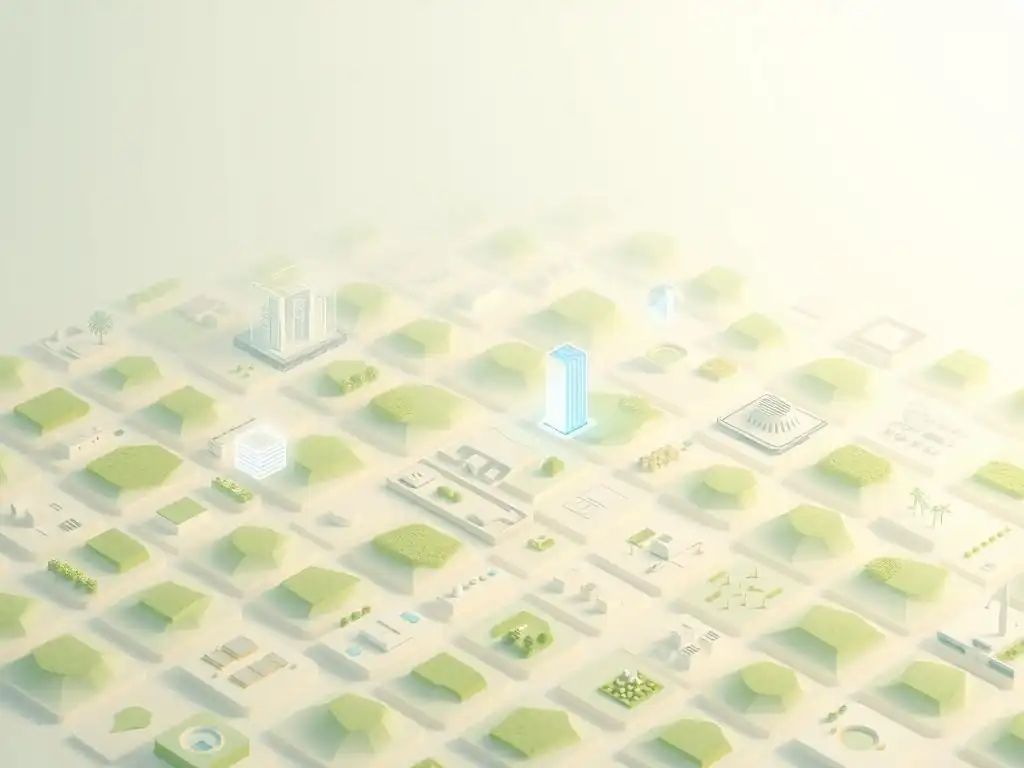
Effectively navigating metaverse land maps and utilizing search filters are essential skills for identifying promising land parcels for purchase. Metaverse platforms typically provide interactive land maps that visualize the virtual world and display available land for sale. These maps often use color-coding to differentiate between owned and unowned land, or land listed for sale. Familiarize yourself with the map's controls, such as zooming, panning, and searching for specific coordinates. Understanding how to interpret the map is the first step in exploring land opportunities.
Search filters are powerful tools for narrowing down your land search based on specific criteria. Common filters include price range, land size, location coordinates, district names, and sometimes even proximity to specific features or landmarks within the metaverse. For example, you might filter for land parcels within a certain price range and located near a popular virtual district known for its high foot traffic or commercial activity.
Experiment with different filter combinations to refine your search and identify land parcels that align with your investment goals and budget. Saving your search filters can also be helpful for monitoring new listings that match your criteria.
Analyzing Land Location, Size, and Proximity to Key Areas
When evaluating individual land parcels in a metaverse, analyzing location, size, and proximity to key areas is crucial for assessing their potential value and utility. Location within a metaverse is analogous to physical real estate; parcels in prime locations, such as central districts, near virtual event venues, or along high-traffic pathways, are generally more valuable due to increased visibility and accessibility. Examine the land map to understand the surrounding areas and identify nearby points of interest. Proximity to popular districts, marketplaces, entertainment hubs, or even virtual transportation hubs can significantly enhance a land parcel's attractiveness.
Land size is another important factor to consider. Larger parcels offer more development potential and flexibility. Depending on your intended use case, a larger parcel might be necessary for building a virtual store, event space, or complex. However, larger parcels often come with a higher price tag.
Consider the size requirements for your intended use and balance them with your budget. Proximity to key areas is not just about distance but also about accessibility and visibility. Parcels located on corners, intersections, or along main roads within the metaverse often benefit from increased exposure and foot traffic, making them potentially more valuable for commercial or advertising purposes.
Considering Potential Use Cases for Your Metaverse Land (Virtual Store, Event Space, Gallery, Residential Property)
Before purchasing metaverse land, it's beneficial to consider potential use cases for the property. Defining your intended use will help guide your land selection process and inform your investment strategy. Metaverse land can be utilized for a wide range of purposes, mirroring both physical and uniquely digital applications. One common use case is establishing a virtual store or business. Metaverse land can host virtual storefronts, showrooms, or marketplaces where businesses can sell digital or even physical goods and services to metaverse users.
Another popular use case is creating event spaces or entertainment venues. Metaverse land can be transformed into virtual concert halls, conference centers, galleries, or amusement parks, hosting events, gatherings, and entertainment experiences for the metaverse community. For artists and creators, metaverse land offers opportunities to build virtual galleries or studios to showcase and sell digital art, NFTs, or other creative works.
Residential properties are also emerging in metaverses, allowing users to build virtual homes or social spaces for personal use or community building. Considering these diverse use cases and aligning them with your interests and investment goals will help you make informed decisions when buying metaverse land and maximize its potential value.
Step 5: Making an Offer and Purchasing Land in the Metaverse
Understanding Different Land Sale Mechanisms (Auctions, Direct Purchases)
Purchasing land in decentralized metaverses typically involves different sale mechanisms, primarily auctions and direct purchases. Understanding these mechanisms is essential for navigating the land buying process effectively. Auctions are a common method for selling highly sought-after land parcels or newly released land in a metaverse.
In an auction, prospective buyers place bids on a land parcel, and the highest bidder at the end of the auction period wins the land. Auctions can be competitive, especially for prime locations, and require strategic bidding to secure the desired land without overpaying. Different auction formats exist, such as English auctions (highest bid wins) or Dutch auctions (price starts high and decreases), so familiarize yourself with the specific auction format used by the metaverse platform.
Direct purchases, also known as fixed-price sales or marketplace listings, offer a more straightforward buying process. Land owners or the metaverse platform itself list land parcels for sale at a set price. Buyers can directly purchase these parcels at the listed price without engaging in an auction.
Direct purchases provide price certainty and can be faster than auctions, but the availability of desirable land parcels at fixed prices might be limited, especially in popular metaverses. Some platforms also offer a combination of sale mechanisms, with auctions for premium land and direct purchases for other parcels. Being aware of the available sale mechanisms and their implications will help you strategize your land buying approach.
Placing a Bid or Making an Offer on a Desired Land Parcel
The process of placing a bid in an auction or making an offer for a direct purchase varies slightly depending on the metaverse platform's marketplace interface. In an auction, once you have identified a land parcel you wish to bid on, you will typically navigate to the parcel's auction page. This page will display the current highest bid, the auction end time, and the bidding increment. To place a bid, you will enter your desired bid amount, ensuring it meets or exceeds the minimum bid increment.
Confirm your bid through your connected cryptocurrency wallet. You may need to authorize multiple transactions, including bid placement and potentially gas fee payments. Monitor the auction closely and be prepared to increase your bid if outbid by others.
For direct purchases, after selecting a land parcel listed for sale at a fixed price, you will typically find a "Buy Now" or similar button. Clicking this button will initiate the purchase process. Review the purchase details, including the land parcel information, price, and any applicable fees.
Confirm the purchase through your connected cryptocurrency wallet, authorizing the transaction and paying the required cryptocurrency amount. Ensure you have sufficient funds in your wallet to cover the purchase price and gas fees. After confirming the transaction, the metaverse platform will process the purchase, and the land NFT will be transferred to your wallet upon successful transaction confirmation on the blockchain.
Confirming the Transaction and Paying with Cryptocurrency
The final step in buying metaverse land is confirming the transaction and paying with cryptocurrency. Regardless of whether you are participating in an auction or making a direct purchase, all transactions in decentralized metaverses are typically executed on a blockchain, such as Ethereum. After placing a bid or initiating a purchase, your connected cryptocurrency wallet will prompt you to authorize the transaction. Review the transaction details carefully, including the amount of cryptocurrency being transferred, the recipient address (usually the metaverse platform's smart contract), and the estimated gas fees. Confirm the transaction within your wallet to proceed.
Once you confirm the transaction, it is broadcast to the blockchain network for processing and verification. Transaction confirmation times can vary depending on network congestion and gas fees paid. You can usually track the transaction status using a blockchain explorer by entering the transaction hash provided by your wallet or the metaverse platform.
Upon successful confirmation on the blockchain, the land NFT representing your purchased land parcel is transferred to your cryptocurrency wallet address, signifying ownership. The metaverse platform's interface will typically update to reflect your land ownership. It's essential to retain a record of the transaction hash and your wallet address for future reference and ownership verification.
Step 6: Managing and Developing Your Metaverse Land
Claiming Ownership and Transferring Land to Your Wallet
After successfully purchasing metaverse land, the immediate next step is to ensure you have properly claimed ownership and that the land NFT is securely transferred to your cryptocurrency wallet. In most decentralized metaverses, land ownership is represented by NFTs, which are unique digital assets stored on the blockchain. Once a land purchase transaction is confirmed, the metaverse platform typically initiates the NFT transfer process. This process might be automatic, or you might need to manually claim the NFT through your platform account or dashboard. Check the platform's documentation or support resources for specific instructions on claiming ownership.
Verify that the land NFT has been successfully transferred to your cryptocurrency wallet by checking your wallet's NFT section or using a blockchain explorer to view your wallet address's NFT holdings. The NFT should represent the specific land parcel you purchased, identified by its coordinates or unique ID within the metaverse. Storing the land NFT in your cryptocurrency wallet ensures you have full control and ownership of the digital asset.
For enhanced security, consider transferring the land NFT to a hardware wallet for long-term storage, especially if it represents a significant investment. Properly claiming ownership and securing your land NFT in your wallet is crucial for protecting your metaverse real estate investment.
Exploring Land Development Options and Tools
Owning metaverse land opens up a range of development options and opportunities to create experiences and generate value. Decentralized metaverse platforms typically provide various tools and resources for land owners to develop and customize their virtual properties. These tools might include built-in editors, scripting languages, SDKs (Software Development Kits), and asset libraries. Explore the development tools available on your chosen metaverse platform to understand the possibilities for building on your land. Simple developments might involve placing pre-made assets, creating basic structures, or customizing the visual appearance of your parcel.
More advanced development options can include creating interactive experiences, building games, designing virtual stores, hosting events, or integrating functionalities using scripting or SDKs. Some platforms offer drag-and-drop builders for users with limited coding experience, while others cater to developers with more sophisticated tools for creating complex and customized experiences. Consider your technical skills and development goals when exploring land development options.
Utilize the platform's documentation, tutorials, and community forums to learn about available tools and best practices for developing on your metaverse land. Experiment with different development approaches to discover creative ways to enhance your virtual property and attract users.
Participating in the Metaverse Community and Governance
Beyond individual land ownership and development, actively participating in the metaverse community and governance is crucial for maximizing the long-term value and potential of your metaverse land investment. Decentralized metaverses thrive on their communities, and active participation can contribute to the platform's growth and evolution. Engage with other land owners, creators, and users through platform forums, social media channels, and in-world events. Building connections within the community can lead to collaborations, partnerships, and valuable insights into the metaverse ecosystem.
Many decentralized metaverses are governed by their communities, often through DAOs (Decentralized Autonomous Organizations) and token-based voting. Land owners, as stakeholders in the metaverse, often have the opportunity to participate in governance decisions that shape the platform's future direction. Stay informed about governance proposals, community initiatives, and platform updates. Participate in voting processes and contribute your voice to shape the metaverse's development. Active community participation not only benefits the metaverse as a whole but also enhances the value and utility of your land by contributing to a thriving and evolving virtual environment.
Step 7: Understanding Legal and Tax Implications of Metaverse Land Ownership
The regulatory landscape surrounding virtual real estate, including metaverse land, is still in its nascent stages and rapidly evolving. Governments and regulatory bodies worldwide are beginning to grapple with the legal and jurisdictional implications of digital assets and virtual worlds. Currently, there is no globally unified regulatory framework for metaverse land ownership. Legal classifications, property rights, and enforcement mechanisms are still being defined and debated. Navigating this evolving landscape requires awareness and caution.
Different jurisdictions may adopt varying approaches to regulating virtual assets and metaverse activities. Some regions may classify metaverse land as intangible property, while others might consider it a novel asset class requiring specific regulations. Legal issues related to ownership disputes, intellectual property rights within the metaverse, and cross-border transactions are complex and require careful consideration.
As the metaverse sector matures, regulatory frameworks are expected to become more defined and potentially more stringent. Staying informed about regulatory developments in your jurisdiction and the jurisdictions where the metaverse platforms you are involved in are based is crucial for navigating the legal aspects of metaverse land ownership.
Consulting with Legal and Tax Professionals
Given the evolving regulatory landscape and the complexities of digital asset ownership, consulting with legal and tax professionals is highly recommended for individuals and businesses investing in metaverse land. Legal professionals specializing in digital assets and virtual property can provide guidance on ownership rights, contract law, and regulatory compliance within the metaverse context. They can help you understand the legal implications of your metaverse land investments and advise on structuring your ownership and activities to minimize legal risks.
Tax professionals with expertise in cryptocurrency and digital asset taxation are equally important. Tax implications of metaverse land ownership, including capital gains taxes, property taxes (if applicable), and income taxes from metaverse activities, can be complex and vary depending on your jurisdiction's tax laws. Consulting with a tax advisor can help you understand your tax obligations, optimize your tax strategy, and ensure compliance with relevant tax regulations. Seeking professional legal and tax advice is a prudent step for navigating the complexities of metaverse land ownership and ensuring long-term financial and legal security.
Staying Updated on Metaverse Land Laws and Regulations
The legal and regulatory environment surrounding metaverse land is dynamic and subject to change. Staying updated on the latest developments in metaverse land laws and regulations is an ongoing responsibility for land owners and investors. Follow industry news, regulatory announcements, and legal publications that cover the metaverse and digital asset space. Participate in industry forums and communities to stay informed about emerging legal trends and challenges. Engage with legal and tax professionals periodically to review your metaverse land holdings and ensure your strategies remain compliant with evolving regulations.
Proactive monitoring of the regulatory landscape will help you anticipate potential changes and adapt your approach to metaverse land ownership accordingly. Staying informed about legal and regulatory developments is not only about compliance but also about identifying opportunities and mitigating risks in this nascent and rapidly evolving sector. As the metaverse ecosystem matures, a proactive and informed approach to legal and regulatory matters will be increasingly crucial for long-term success in metaverse land investment and development.
Conclusion: Investing in the Future of Decentralized Virtual Worlds
The Long-Term Potential of Metaverse Land Ownership
Investing in metaverse land, particularly in decentralized virtual worlds, represents a bet on the long-term potential of the metaverse as the next evolution of the internet and digital interaction. While still in its early stages, the metaverse holds transformative potential across various sectors, from entertainment and social interaction to commerce and work.
Decentralized metaverses, with their emphasis on user ownership and community governance, offer a compelling vision of a more open, user-centric, and economically empowering digital future. Land within these virtual worlds serves as a foundational asset, analogous to physical real estate in the physical world, providing a base for building experiences, communities, and economies.
The long-term value proposition of metaverse land stems from several factors, including increasing user adoption, expanding metaverse functionalities, and the potential for interoperability between different virtual worlds. As metaverse technologies mature and become more accessible, user populations are expected to grow, driving demand for virtual land and experiences.
The development of new use cases for metaverse land, such as virtual businesses, immersive entertainment, and decentralized applications, will further enhance its utility and value. While the metaverse landscape is still evolving and carries inherent risks, the potential for long-term growth and value appreciation in decentralized metaverse land remains significant for those with a long-term investment horizon.
Tips for Successful Metaverse Land Investment
Successful metaverse land investment requires a strategic and informed approach. Thorough research is paramount. Understand the different decentralized metaverse platforms, their communities, governance models, and development tools. Analyze land value trends, market dynamics, and potential ROI for different metaverses before making investment decisions. Diversification is also crucial.
Don't put all your investment capital into a single metaverse or a single land parcel. Spread your investments across different platforms and land types to mitigate risks. Consider your investment goals and risk tolerance. Metaverse land investment is inherently speculative and carries risks, so invest only what you can afford to lose and align your investments with your overall financial strategy.
Focus on long-term value creation rather than short-term speculation. Identify metaverses with strong communities, robust development ecosystems, and clear roadmaps for future growth. Consider the utility and potential use cases of land parcels when making purchasing decisions. Actively participate in the metaverse community and governance to stay informed and contribute to the platform's success. Stay updated on the evolving regulatory landscape and seek professional legal and tax advice to navigate the complexities of metaverse land ownership. By adopting a strategic, informed, and long-term approach, you can increase your chances of successful metaverse land investment.
The Evolving Landscape of Decentralized Metaverses
The landscape of decentralized metaverses is constantly evolving, characterized by rapid technological advancements, emerging trends, and ongoing development. New metaverse platforms are continuously launching, each with unique features and approaches. Interoperability between different metaverses is a growing focus, aiming to create seamless transitions and asset portability across virtual worlds. The integration of virtual reality (VR) and augmented reality (AR) technologies is enhancing immersion and user experiences within metaverses. Decentralized finance (DeFi) and NFTs are becoming increasingly integrated into metaverse economies, enabling new forms of monetization and ownership.
The metaverse sector is also witnessing growing interest from major brands and businesses, driving adoption and mainstream awareness. As the technology matures and user adoption expands, the decentralized metaverse landscape is expected to become even more diverse, interconnected, and integrated into our daily lives.
Staying adaptable, continuously learning, and actively engaging with the metaverse community are essential for navigating this evolving landscape and capitalizing on the opportunities presented by the future of decentralized virtual worlds. The journey into metaverse land ownership is an ongoing exploration into a new frontier of digital interaction and investment, promising to reshape how we live, work, and connect in the digital age.
Frequently Asked Questions
How is buying land in a metaverse different from buying physical land?
Buying metaverse land involves acquiring a non-fungible token (NFT) representing ownership in a virtual world. Unlike physical land, it exists solely in the digital realm and is governed by the blockchain.
What are the primary metaverses where I can purchase land?
Popular options include Decentraland, The Sandbox, and Somnium Space. Each platform offers unique features, ecosystems, and land ownership mechanics utilizing their respective cryptocurrencies.
What cryptocurrency do I need to buy land in a decentralized metaverse?
The required cryptocurrency varies by platform. Decentraland uses MANA, The Sandbox uses SAND, and Somnium Space uses CUBE. You'll typically need a crypto wallet to hold and use these.
What are the potential benefits of owning land in a decentralized metaverse?
Land ownership can provide opportunities for virtual real estate development, hosting events, creating experiences, and generating revenue through digital assets and interactions.
What are the risks associated with investing in metaverse land?
The metaverse is still evolving, presenting risks like market volatility, unclear regulations, and the potential for platform failure. Thorough research and understanding are crucial before investing.
The exploration of buying land in decentralized metaverses is no longer a futuristic fantasy, but a tangible reality shaping the future of digital ownership and community. This guide provides a crucial roadmap for navigating this nascent landscape, highlighting the importance of informed decision-making and understanding the underlying technologies that empower these virtual worlds.
The allure of owning digital land stems from its potential to redefine social interaction, economic opportunity, and creative expression. The ability to build, create, and monetize within these decentralized spaces represents a paradigm shift in how we interact with technology and each other. The metaverse is coming, and it will affect every product, company, and person that exists.
- Matthew Ball, Metaverse Expert. This quote encapsulates the profound impact these virtual worlds are poised to have on our lives, making understanding their intricacies more vital than ever.
As you embark on your journey into the metaverse, remember that knowledge is your most valuable asset. Embrace the learning process, explore different platforms, and connect with the communities that are shaping these digital frontiers. The future of the metaverse is being written now, and your participation can help shape a more inclusive, innovative, and empowering digital world for all.
Okay, here's a CTA designed for the end of the article "How to Buy Land in Decentralized Metaverses: A Step-by-Step Guide" published on Blockchain Trends (blockchaintrends.org):
Unearth Your Metaverse Empire Today!
Thank you for exploring the world of metaverse land ownership with us. We hope you now have a solid understanding of the process and are excited about the possibilities. Ready to take the next step?
Here are a few things you can do right now:
- Dive Deeper: Start researching available plots of land in your preferred metaverse. Explore virtual worlds like Decentraland, The Sandbox, or Somnium Space and identify potential investment opportunities.: This is the critical step to begin building your metaverse presence.
- Expand your knowledge: Explore the different metaverse platforms and their communities.
- Share this guide: Spread the knowledge by sharing this guide with fellow crypto enthusiasts or potential metaverse entrepreneurs who might find it valuable.
So, which metaverse platform sparks your interest the most, and what kind of virtual experience are you dreaming of creating on your newly acquired land? Let's discuss in the comments below!
Leave a Reply