
The Creator Economy in an Interoperable Metaverse: Empowered by Blockchain

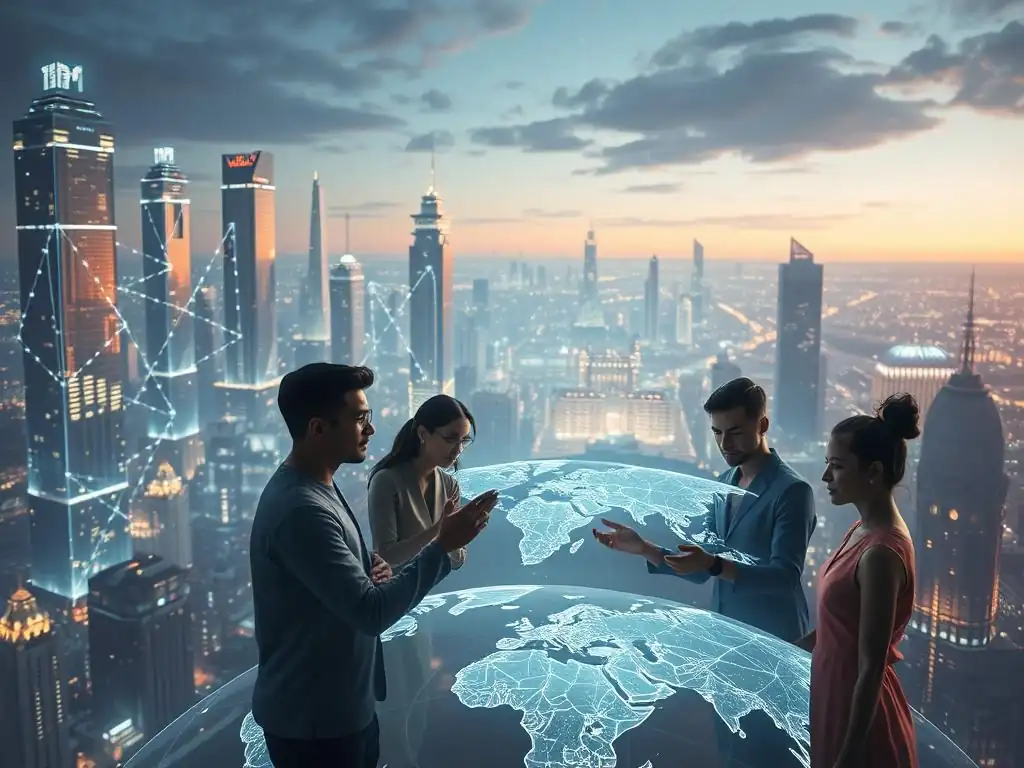
Welcome to Blockchain Trends, your guide to unraveling the vast potential of blockchain technology! Dive deep into a world beyond cryptocurrencies, where decentralized finance, enterprise solutions, and evolving regulations are reshaping industries. Today, we're exploring the exciting realm of the blockchain-powered creator economy opportunities, uncovering how this technology is revolutionizing the way creators connect, monetize, and thrive in the metaverse. Ready to discover how blockchain is empowering creators and shaping the future of digital ownership?
The Creator Economy in an Interoperable Metaverse: Empowered by Blockchain
- Introduction: Unlocking Blockchain-Powered Creator Economy Opportunities in the Metaverse
-
Frequently Asked Questions
- How does blockchain technology empower creators in the metaverse?
- What are some specific examples of blockchain-powered creator economy opportunities in the metaverse?
- How does interoperability enhance the creator economy within the metaverse?
- What role does DeFi play in the blockchain-powered creator economy?
- What are the potential regulatory challenges facing the blockchain-powered creator economy?
- Final Reflection: Embracing the Decentralized Future
- Ignite Your Metaverse Creation Journey!
Introduction: Unlocking Blockchain-Powered Creator Economy Opportunities in the Metaverse
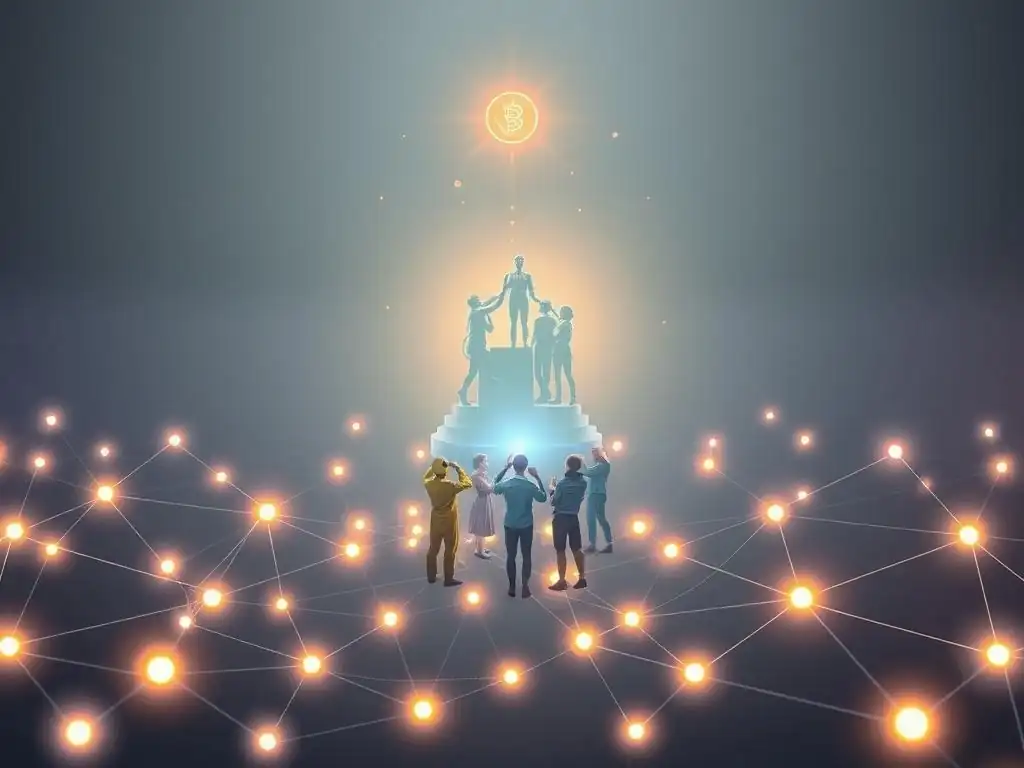
The Rise of the Creator Economy and its Limitations
The creator economy has experienced explosive growth, fueled by platforms like YouTube, Instagram, TikTok, and Patreon. Millions of individuals now earn a living, or supplement their income, by creating and sharing content online. From independent musicians and visual artists to educators and writers, the creator economy encompasses a vast spectrum of talents and niches. This burgeoning sector has democratized content creation and distribution, allowing individuals to bypass traditional gatekeepers and connect directly with audiences worldwide. Estimates suggest that the creator economy is valued at over \$100 billion, reflecting its significant economic impact and societal influence.
However, the current creator economy is not without its limitations. Creators often face challenges related to platform dependency, revenue sharing models that heavily favor platforms, lack of control over content distribution, and difficulties in establishing direct relationships with their audience. For instance, platform algorithms can drastically alter content visibility and monetization potential, leaving creators vulnerable to policy changes and platform whims.
Furthermore, creators frequently grapple with intellectual property rights issues and the complexities of managing payments across various platforms and currencies. These limitations highlight the need for more equitable and creator-centric models, paving the way for exploring blockchain-powered creator economy opportunities.
The Metaverse: A New Frontier for Creators
The metaverse represents a paradigm shift in how we interact with digital content and each other. Envisioned as persistent, shared, 3D virtual worlds, the metaverse promises immersive experiences that blend social interaction, entertainment, commerce, and even work. Early examples, such as virtual reality platforms like VRChat and gaming worlds like Fortnite Creative, offer glimpses into the potential of these digital realms. Industry analysts predict the metaverse market could reach trillions of dollars in the coming years, driven by advancements in VR/AR technologies, increased internet speeds, and growing user adoption.
For creators, the metaverse presents a vast and largely uncharted territory brimming with potential. It expands the canvas for creative expression beyond traditional 2D screens, enabling artists to build immersive experiences, design virtual goods, host interactive events, and engage with audiences in entirely new ways.
Imagine musicians performing live concerts in virtual venues, architects designing and selling virtual real estate, or educators creating interactive learning environments within the metaverse. This new frontier offers creators unprecedented opportunities to innovate, monetize their skills, and build deeper, more engaging communities around their work, driving the demand for blockchain-powered creator economy opportunities within these virtual worlds.
Defining Interoperability in the Context of the Metaverse and Blockchain
Interoperability, in the context of the metaverse and blockchain, refers to the ability of different virtual worlds, platforms, and blockchain networks to seamlessly interact and exchange data, assets, and identities. Imagine a creator who builds a digital artwork in one metaverse platform being able to easily transfer and showcase or sell that artwork in another metaverse environment, without needing to recreate it or face compatibility issues. This concept extends beyond just digital assets to encompass user identities, social connections, and even virtual currencies.
Blockchain technology plays a crucial role in enabling metaverse interoperability. By providing a decentralized and transparent ledger for digital assets and identities, blockchain can facilitate secure and verifiable cross-platform interactions. For example, Non-Fungible Tokens (NFTs) can represent unique digital items and ensure their ownership is recognized across different metaverse platforms that support the same blockchain standard.
Similarly, decentralized identity solutions can allow users to maintain a single, portable digital identity that can be used across various metaverse environments, eliminating the need to create separate accounts and profiles for each platform. This interoperability is not just a technical feature; it is fundamental to unlocking the full potential of the blockchain-powered creator economy by fostering a more open, connected, and creator-centric metaverse.
Frequently Asked Questions
How does blockchain technology empower creators in the metaverse?
Blockchain provides creators with ownership and control over their digital assets through NFTs, enabling them to directly monetize their work and bypass traditional intermediaries. This fosters a more equitable and transparent creator ecosystem.
What are some specific examples of blockchain-powered creator economy opportunities in the metaverse?
Creators can leverage blockchain to create and sell unique digital collectibles, implement decentralized autonomous organizations (DAOs) for community governance, and build tokenized incentive systems to reward engagement.
How does interoperability enhance the creator economy within the metaverse?
Interoperability allows creators to seamlessly transfer their assets and content across different metaverse platforms, expanding their reach and enabling them to monetize their creations in multiple virtual environments.
What role does DeFi play in the blockchain-powered creator economy?
DeFi platforms offer creators new avenues for funding through crowdfunding and token sales, as well as providing tools for managing and distributing their earnings in a decentralized and transparent manner.
What are the potential regulatory challenges facing the blockchain-powered creator economy?
Regulatory uncertainties surrounding NFTs, digital assets, and DAOs could hinder the growth and adoption of blockchain-based creator platforms. Clear and consistent regulations are needed to foster innovation and protect users.
Final Reflection: Embracing the Decentralized Future
The exploration of the blockchain-powered creator economy within an interoperable metaverse reveals a landscape ripe with unprecedented opportunities for creators and consumers alike. This isn't just a technological shift; it's a fundamental reimagining of how value is created, distributed, and owned, moving away from centralized platforms towards decentralized ecosystems where creators retain control and reap the rewards of their ingenuity.
The rise of this new paradigm profoundly impacts the cultural and social landscape, fostering a sense of genuine ownership and community participation that was previously unattainable. It's about empowering individuals to build their own worlds and economies, free from the constraints of traditional gatekeepers. The future of the creator economy is not about building bigger platforms, but about building better protocols.
This quote encapsulates the essence of the shift: from centralized control to decentralized collaboration, where the power resides in the hands of the creators and their communities.
Now, as we stand at the cusp of this decentralized future, I invite you to reflect on your own role in shaping this new reality. How can you leverage the power of blockchain and the metaverse to create, connect, and contribute to a more equitable and empowering digital world? Embrace the opportunities, explore the possibilities, and become an active participant in building the blockchain-powered creator economy of tomorrow.
Ignite Your Metaverse Creation Journey!
Thank you for exploring the exciting possibilities of the creator economy within the interoperable metaverse, powered by blockchain technology. We hope you now feel inspired to take your first steps toward building and thriving in this innovative landscape. Are you ready to turn your ideas into reality?
Here are a few ways to get started:
- Begin creating: Start designing your first digital asset or experience within a metaverse platform. This is the most impactful step you can take today!
- Explore the options: Research different interoperable metaverse platforms and their blockchain technologies. Which ecosystem aligns best with your creative vision?
- Join the community: Share your thoughts, questions, and ideas about the future of the creator economy and interoperable metaverses with fellow enthusiasts.
What is the most innovative concept you’re eager to bring to life in the metaverse, and which platform will you choose to begin your creative journey?
Leave a Reply