
Decentralized Identity in the Metaverse: Owning Your Digital Self


Welcome to Blockchain Trends, your compass in the ever-evolving world of decentralized innovation. Are you ready to unlock the secrets of blockchain's true power beyond digital currencies? This month, we delve into a groundbreaking convergence: Blockchain identity metaverse ownership. Discover how decentralized identity is revolutionizing the metaverse, empowering users to truly own their digital selves and assets. Intrigued? The future of digital ownership starts here—read on to explore the transformative potential!
- Blockchain Identity: Reclaiming Ownership in the Metaverse
-
Frequently Asked Questions
- How does blockchain technology enable decentralized identity in the metaverse?
- What are the key benefits of using a decentralized identity system in the metaverse?
- How does blockchain identity impact metaverse ownership?
- What are some potential regulatory challenges surrounding blockchain identity in the metaverse?
- How does the concept of "Blockchain identity metaverse ownership" impact the future of decentralized systems?
- Final Reflection: Embracing Digital Sovereignty
- Unleash Your Metaverse Identity!
Blockchain Identity: Reclaiming Ownership in the Metaverse
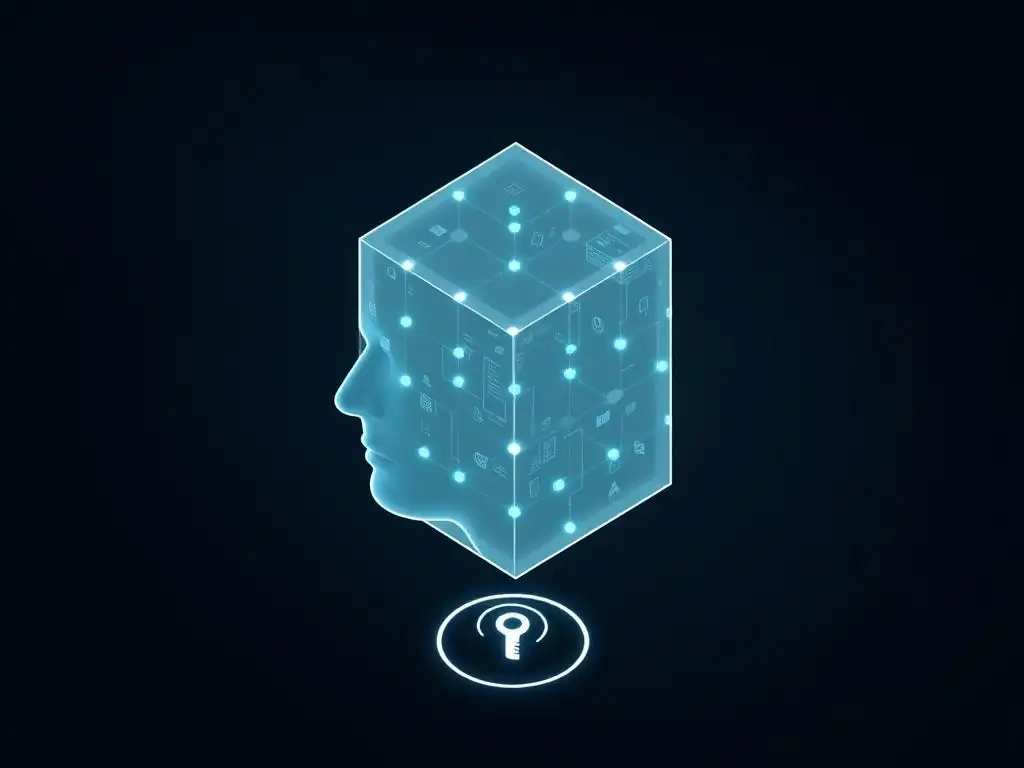
Understanding Decentralized Identity (DID) and its Significance
Decentralized Identity (DID) represents a paradigm shift in how individuals manage and control their digital identities, particularly within emerging digital realms like the metaverse. Unlike traditional identity systems where personal data is centrally stored and controlled by institutions, DID empowers users with self-sovereignty over their identity information. This is achieved through cryptographic keys and blockchain technology, enabling individuals to create, own, and manage their digital identities independently, without reliance on intermediaries. This approach is crucial for fostering trust and security in decentralized environments, allowing users to interact, transact, and engage within the metaverse with verifiable and portable digital credentials.
The significance of DID in the metaverse is multifaceted. Firstly, it directly addresses the growing concerns around data privacy and security in increasingly interconnected digital spaces. By giving individuals control over their identity data, DID reduces the risks associated with centralized data breaches and surveillance.
Secondly, it promotes user autonomy and agency, allowing individuals to decide what information they share, with whom, and for what purpose. This is particularly relevant in the metaverse, where users are expected to create persistent digital representations of themselves and engage in various social and economic activities. Finally, DID lays the foundation for a more open and interoperable metaverse, enabling seamless identity verification and data exchange across different virtual platforms and applications.
The Current State of Digital Identity in Virtual Worlds
Currently, digital identity within virtual worlds and online platforms largely operates under a centralized model. Users typically create accounts and profiles managed by platform providers, who control access to user data and identity information. This system, while familiar, presents several limitations, especially as we move towards more immersive and interconnected metaverse experiences. For instance, in popular gaming platforms like Fortnite or Roblox, user identities are tied to these specific ecosystems. Avatars, in-game assets, and achievements are often locked within these platforms, lacking portability and true user ownership.
This centralized approach creates silos of digital identity, hindering interoperability and user control. Imagine a scenario where a user's avatar and digital assets, painstakingly earned or purchased in one virtual world, cannot be seamlessly transferred or utilized in another. This lack of portability fragments the user experience and limits the potential for a truly interconnected metaverse.
Furthermore, centralized identity systems are vulnerable to single points of failure and data breaches, potentially exposing vast amounts of user information. The need for a more user-centric and decentralized approach to digital identity in virtual worlds is becoming increasingly apparent to address these limitations and pave the way for a more open and empowering metaverse.
Frequently Asked Questions
How does blockchain technology enable decentralized identity in the metaverse?
Blockchain provides a secure and transparent ledger to store and verify identity credentials, allowing individuals to control their digital identities without relying on central authorities. This enables self-sovereign identity within the metaverse ecosystem.
What are the key benefits of using a decentralized identity system in the metaverse?
Decentralized identity offers several advantages, including enhanced privacy and security, reduced risk of data breaches, and greater control over personal information. Furthermore, it fosters interoperability across different metaverse platforms.
How does blockchain identity impact metaverse ownership?
Blockchain identity facilitates verifiable ownership of digital assets within the metaverse, such as virtual land, avatars, and in-game items. This ensures provenance and authenticity, which are critical for establishing trust and value in virtual economies.
What are some potential regulatory challenges surrounding blockchain identity in the metaverse?
Regulatory challenges include defining legal frameworks for digital identities, addressing issues of data privacy and security, and establishing cross-border interoperability for identity verification. These are new issues for regulators.
How does the concept of "Blockchain identity metaverse ownership" impact the future of decentralized systems?
"Blockchain identity metaverse ownership" represents a significant step towards true decentralization, empowering individuals to own and control their digital lives. This could lead to new forms of governance and economic activity within decentralized systems, fostering innovation and collaboration.
Final Reflection: Embracing Digital Sovereignty
The journey through decentralized identity in the metaverse reveals a profound truth: the future of digital interaction hinges on individual ownership and control. What began as a technological concept is rapidly evolving into a fundamental human right, empowering individuals to shape their digital narratives and participate in virtual worlds with unprecedented autonomy. This shift is not merely about convenience; it's about reclaiming agency in an increasingly digital world.
The impact of decentralized identity extends far beyond the confines of the metaverse. It's reshaping how we think about data privacy, security, and the very nature of identity itself. This exploration has reinforced my belief that true digital freedom lies in the ability to curate and control our own digital footprint. Identity is no longer just what you tell people you are, it's what you prove to them you are.
This quote perfectly encapsulates the power of blockchain-based identity solutions to provide verifiable and trustworthy credentials in the metaverse and beyond.
As we stand on the cusp of a new era of digital interaction, I invite you to reflect on your own digital identity. How much control do you truly have over your data? How can you leverage decentralized solutions to protect your privacy and participate more meaningfully in the metaverse? The power to shape your digital self is within your reach. Embrace it, explore it, and help build a future where digital sovereignty is not just a possibility, but a reality for all.
Unleash Your Metaverse Identity!
Thank you for exploring the future of digital ownership with us. We hope you now have a clearer understanding of how decentralized identity can transform your experience in the Metaverse. Are you ready to take control?
Start your journey today:
- Claim your first decentralized identity using a blockchain-based platform. This is the foundation of owning your digital self.
- Explore various Metaverse platforms and communities that support decentralized identities, enabling you to move effortlessly between virtual worlds.
- Share this article with friends and colleagues interested in Web3 and digital sovereignty — together, we can build a more empowered Metaverse.
What steps will you take this week to secure your digital identity in the Metaverse? Share your thoughts in the comments below!
Leave a Reply