
Decentralized Metaverses and the Future of Work: Remote Collaboration in Virtual Worlds

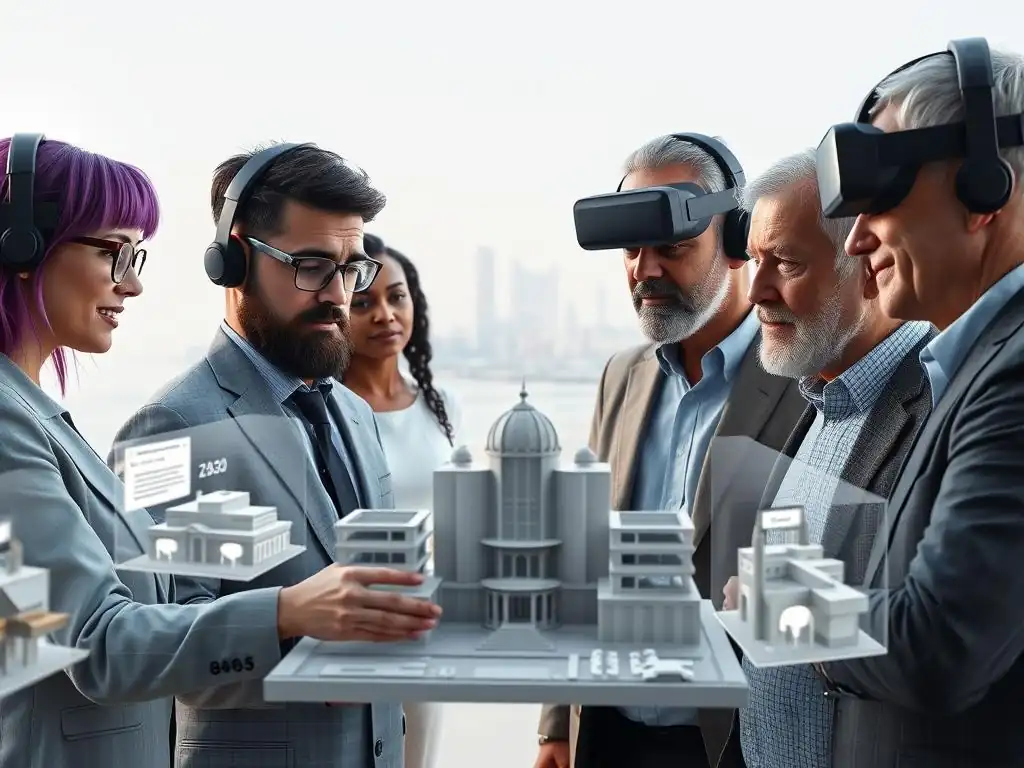
Welcome to Blockchain Trends, your compass in the rapidly evolving world of decentralized technologies. Are you ready to explore how blockchain is reshaping industries beyond just cryptocurrencies? In this article, we delve into a fascinating intersection: the rise of blockchain metaverse remote collaboration jobs. Discover how virtual worlds powered by blockchain are creating unprecedented opportunities for remote work and shaping the future of how we connect and collaborate. Intrigued? Read on to unlock the potential of decentralized metaverses and their impact on the job market.
Decentralized Metaverses and the Future of Work: Remote Collaboration in Virtual Worlds
- Introduction: The Convergence of Blockchain, Metaverse, and the Changing Nature of Work
- Understanding the Decentralized Metaverse
- The Rise of Remote Collaboration in Virtual Environments
- Blockchain Metaverse Remote Collaboration Jobs: New Opportunities
- Case Studies: Companies and Projects Leveraging Decentralized Metaverses for Remote Work
- Challenges and Considerations for Remote Work in Decentralized Metaverses
- The Future of Work: Decentralized Metaverses as the Next Frontier
- Conclusion: Embracing the Potential of Blockchain Metaverse Remote Collaboration Jobs
-
Frequently Asked Questions
- How is blockchain technology enabling decentralized metaverses?
- What are some examples of "Blockchain metaverse remote collaboration jobs" that are emerging?
- How does blockchain contribute to the security and trust in metaverse remote collaboration?
- What are the regulatory challenges surrounding blockchain-based metaverses and remote work?
- What is the potential impact of decentralized metaverses on the future of work and remote collaboration?
- Final Reflection: Embracing the Decentralized Frontier
- Reimagine Your Workday: Step into the Metaverse!
Introduction: The Convergence of Blockchain, Metaverse, and the Changing Nature of Work
The way we work is undergoing a profound transformation. Driven by technological advancements and a shift in societal priorities, remote work has become increasingly prevalent. Simultaneously, the metaverse, a concept once relegated to science fiction, is rapidly evolving into a tangible reality.
At the heart of this convergence lies blockchain technology, offering the potential to build decentralized metaverses that redefine how we collaborate, interact, and conduct business in virtual spaces. This article explores the exciting intersection of blockchain, the metaverse, and the future of work, focusing on the emerging landscape of remote collaboration in decentralized virtual worlds and the burgeoning opportunities for blockchain metaverse remote collaboration jobs.
Understanding the Decentralized Metaverse
What is a Decentralized Metaverse? Key Characteristics
A decentralized metaverse represents a significant departure from centralized virtual platforms. Unlike traditional virtual worlds controlled by single entities, a decentralized metaverse leverages blockchain technology to distribute ownership, governance, and control among its users. Key characteristics define this paradigm shift. Firstly, user ownership of assets is paramount. Through Non-Fungible Tokens (NFTs), users truly own their digital land, avatars, and in-world items, granting them control and portability across different metaverse experiences.
Secondly, decentralized governance models, often implemented through Decentralized Autonomous Organizations (DAOs), empower communities to participate in decision-making processes, shaping the metaverse's evolution. Finally, interoperability is a core tenet. Decentralized metaverses aim to break down silos, allowing for seamless transitions between different virtual worlds and platforms, creating a more unified and open metaverse ecosystem. This contrasts sharply with centralized platforms where users are locked into a specific ecosystem and subject to its rules and limitations.
Decentralization fundamentally changes the power dynamics within virtual worlds. In platforms like Second Life or early iterations of virtual reality social spaces, users were essentially tenants in a landlord's digital realm. Decentralized metaverses, built on blockchain, aim to return digital sovereignty to individuals.
Imagine a virtual world where your digital identity, reputation, and creations are not tied to a single corporation but are controlled by you, secured by cryptographic principles. This shift towards user empowerment is a driving force behind the growing interest in decentralized metaverse platforms. The promise is a more equitable, transparent, and user-centric virtual experience, fostering innovation and new forms of digital economies based on user-generated content and community-driven development.
Core Technologies Powering Decentralized Metaverses
Several core technologies work in concert to bring decentralized metaverses to life. Blockchain technology, undoubtedly, is the foundational layer. It provides the secure, transparent, and immutable ledger necessary for tracking ownership of digital assets (NFTs) and facilitating decentralized governance. Different blockchains are being utilized, from Ethereum, known for its smart contract capabilities, to newer, faster, and more scalable blockchains like Solana or Polygon, each with its own strengths and trade-offs.
Non-Fungible Tokens (NFTs) are crucial for representing unique digital assets within the metaverse. They enable verifiable ownership of virtual land, avatars, in-game items, and even digital art, creating digital scarcity and value. Decentralized Autonomous Organizations (DAOs) are emerging as the preferred governance model for many decentralized metaverse projects.
DAOs are community-led entities governed by rules encoded in smart contracts, allowing for transparent and democratic decision-making regarding the metaverse's development, treasury management, and future direction. Furthermore, technologies like InterPlanetary File System (IPFS) offer decentralized storage solutions for metaverse content, ensuring data resilience and reducing reliance on centralized servers. Lastly, advancements in virtual reality (VR), augmented reality (AR), and extended reality (XR) technologies are essential for creating immersive and engaging user experiences within these decentralized virtual worlds, bridging the gap between the physical and digital realms and enhancing the potential for remote collaboration.
The Rise of Remote Collaboration in Virtual Environments
The Evolution of Remote Work: From Video Calls to Immersive Experiences
Remote work has undergone a significant evolution, propelled by technological advancements and changing work paradigms. Initially, remote collaboration was primarily facilitated by basic tools like email and phone calls. The advent of the internet and broadband connectivity brought about a shift to more sophisticated tools such as instant messaging and video conferencing platforms like Zoom and Microsoft Teams. These platforms became instrumental in enabling remote meetings and maintaining team communication, especially during the global pandemic.
However, these tools, while effective for basic communication, often lack the sense of presence and shared experience crucial for fostering strong team cohesion and creativity. This is where the potential of immersive virtual environments comes into play. The metaverse represents the next stage in the evolution of remote work, moving beyond two-dimensional video calls towards three-dimensional, interactive, and shared virtual spaces.
The transition from video calls to immersive metaverse experiences marks a paradigm shift in remote collaboration. Video conferencing, while convenient, can feel transactional and impersonal. Metaverses offer the potential to recreate the nuances of in-person interaction in a digital setting.
Imagine attending a virtual team meeting in a beautifully designed virtual office, interacting with colleagues' avatars, collaborating on projects using shared virtual whiteboards, and even participating in virtual team-building activities in a simulated environment. This level of immersion can significantly enhance engagement, communication, and team dynamics in remote settings. Early adopters are already experimenting with virtual reality meeting platforms and collaborative workspaces within existing metaverse environments, demonstrating the potential for increased productivity, enhanced creativity, and a stronger sense of community among remote teams.
Benefits of Remote Collaboration in Decentralized Metaverses
Decentralized metaverses offer a unique set of benefits for remote collaboration, extending beyond the advantages of traditional virtual environments. Firstly, enhanced sense of presence and social interaction is a key advantage. Avatars and immersive 3D environments can create a stronger feeling of "being there" compared to flat video screens, leading to more natural and engaging interactions between remote team members. Secondly, increased creativity and innovation can be fostered through shared virtual workspaces.
Decentralized metaverses can provide collaborative tools and environments that mimic physical brainstorming sessions, design studios, or project rooms, stimulating creativity and facilitating the free flow of ideas. Thirdly, global talent pool access is significantly expanded. Decentralized metaverses are inherently global and accessible, allowing companies to tap into a wider range of talent, irrespective of geographical location, and build diverse and international teams. Furthermore, reduced operational costs associated with physical office spaces can be substantial.
Companies can significantly decrease their overhead by transitioning to remote-first models leveraging decentralized metaverse workspaces. Finally, increased employee autonomy and flexibility are inherent to decentralized metaverse environments. Employees can potentially work from anywhere in the world, set their own schedules (within team agreements), and have greater control over their digital work environment, leading to increased job satisfaction and work-life balance. These benefits collectively position decentralized metaverses as a powerful platform for the future of remote work and blockchain metaverse remote collaboration jobs.
Blockchain Metaverse Remote Collaboration Jobs: New Opportunities
Emerging Job Roles in Decentralized Virtual Worlds
The rise of decentralized metaverses is creating a wave of new job opportunities centered around building, maintaining, and populating these virtual worlds. One prominent category is Metaverse Developers, who are crucial for building the underlying infrastructure, smart contracts, and decentralized applications (dApps) that power these platforms. Proficiency in blockchain technologies, programming languages like Solidity or Rust, and game development engines like Unity or Unreal Engine are highly sought after. NFT Artists and Creators are in demand to design and create digital assets – avatars, virtual land designs, wearables, and in-world objects – that populate the metaverse and drive the digital economy.
Skills in 3D modeling, digital art, and understanding of NFT marketplaces are essential. Metaverse Architects and Designers are needed to conceptualize and build virtual spaces, from virtual offices and event venues to interactive experiences and immersive environments. Expertise in spatial design, user experience (UX), and 3D modeling software is key. Community Managers and Metaverse Guides play a vital role in fostering vibrant and engaging communities within decentralized metaverses.
They manage community forums, organize virtual events, provide user support, and ensure a positive and inclusive user experience. Strong communication, community building, and problem-solving skills are essential. Beyond these core roles, we are also seeing the emergence of Metaverse Economists and Strategists who analyze the digital economies within metaverses, advise on tokenomics, and develop business strategies for companies entering these virtual worlds. Finally, Legal and Regulatory Experts specializing in digital law, intellectual property in virtual environments, and blockchain regulations are becoming increasingly important to navigate the complex legal landscape of decentralized metaverses.
Skills and Qualifications for Remote Work in Decentralized Metaverses
To thrive in blockchain metaverse remote collaboration jobs, a blend of technical and soft skills is essential. Technical proficiency in blockchain technologies, including understanding of different blockchains, smart contracts, and NFTs, is increasingly important for many roles. For developer and technical roles, programming skills in languages like Solidity, Rust, JavaScript, or Python are often required, along with experience with game development engines or 3D modeling software. Digital literacy and comfort with virtual environments are fundamental.
Navigating virtual worlds, using metaverse platforms, and being comfortable with VR/AR technologies are becoming baseline skills. Beyond technical skills, strong communication and collaboration skills are paramount for remote work in any context, and even more so in immersive virtual environments where nuanced communication and clear articulation are vital. Adaptability and problem-solving skills are crucial in the rapidly evolving metaverse space. The technology is constantly changing, and the ability to learn quickly, adapt to new tools and platforms, and solve problems independently is highly valued.
Creativity and innovation are highly sought after, particularly in roles related to content creation, design, and metaverse development. The metaverse is a new frontier, and individuals who can think outside the box and contribute innovative ideas will be in high demand. Finally, understanding of decentralized principles and web3 technologies is beneficial, as it aligns with the core ethos of decentralized metaverses and demonstrates a commitment to the underlying philosophy of user empowerment and community-driven development.
Case Studies: Companies and Projects Leveraging Decentralized Metaverses for Remote Work
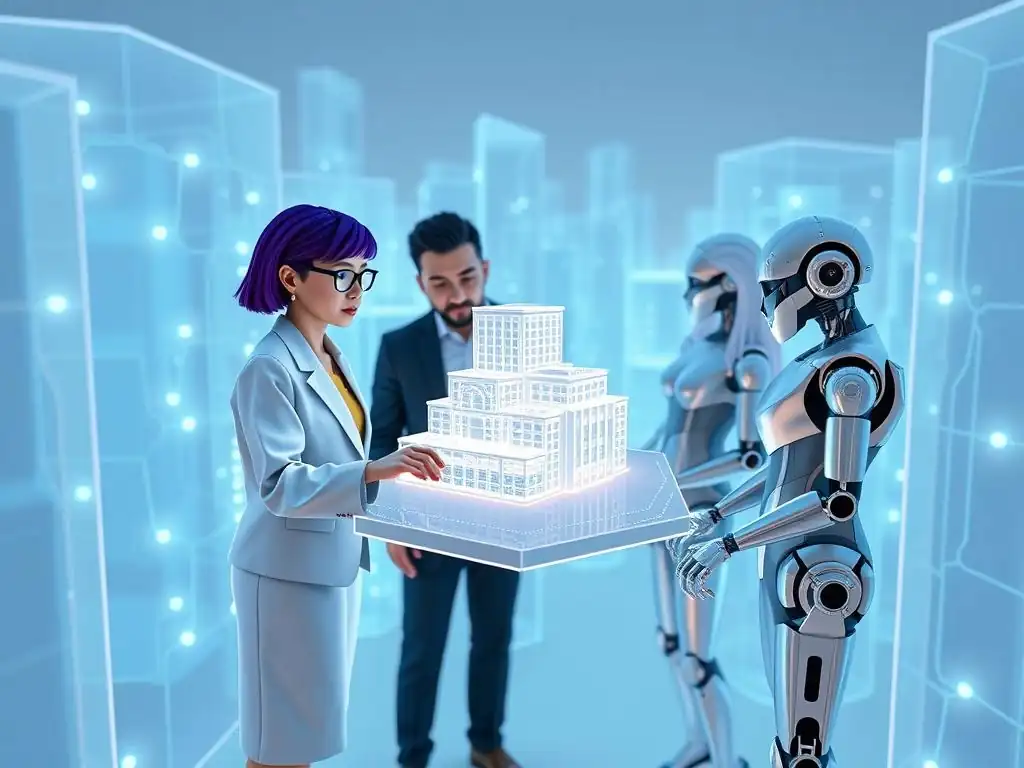
While still in its early stages, several companies and projects are already exploring and leveraging decentralized metaverses for remote work and collaboration. Decentraland, a popular decentralized metaverse platform built on Ethereum, has seen companies establish virtual offices and host virtual events within its world. For example, crypto companies and blockchain-focused organizations have set up virtual headquarters in Decentraland to facilitate remote team meetings, host product launches, and engage with their communities.
The Sandbox, another leading decentralized metaverse platform, has also attracted businesses looking to create immersive brand experiences and virtual workspaces. Companies are experimenting with virtual retail spaces, interactive training simulations, and collaborative design environments within The Sandbox. Metaverse Group, a virtual real estate company, is actively developing and leasing virtual land in various decentralized metaverses, including Decentraland and Somnium Space, specifically targeting businesses seeking to establish a virtual presence for remote work and customer engagement.
Artsy, a leading online art marketplace, has utilized Decentraland to host virtual art exhibitions and auctions, demonstrating the potential for decentralized metaverses to facilitate remote events and reach a global audience. These early examples, while still evolving, showcase the growing interest and practical applications of decentralized metaverses for remote collaboration and highlight the emerging trend of blockchain metaverse remote collaboration jobs. As these platforms mature and become more sophisticated, we can expect to see wider adoption and more diverse use cases across various industries.
Challenges and Considerations for Remote Work in Decentralized Metaverses
Security and Privacy Concerns
While decentralized metaverses offer numerous advantages, several challenges and considerations need to be addressed for widespread adoption for remote work. Security and privacy concerns are paramount. Decentralized platforms, while aiming for greater user control, can also present unique security vulnerabilities if not properly implemented and managed.
Smart contract vulnerabilities, potential for phishing attacks targeting crypto wallets, and the security of user-owned digital assets are critical considerations. Data privacy within decentralized metaverses is another area of concern. While blockchain itself offers transparency, the data collected and processed within metaverse applications needs to be handled responsibly and in compliance with privacy regulations like GDPR or CCPA.
Ensuring user data privacy in decentralized environments, where data is often distributed across multiple nodes, requires careful architectural design and robust security protocols. Furthermore, identity management and verification in decentralized metaverses need to be addressed to prevent impersonation and ensure secure access to virtual workspaces and sensitive data.
Scalability and Performance Limitations
Scalability and performance limitations currently pose a challenge for many decentralized metaverse platforms. Blockchains, while secure, can sometimes suffer from scalability issues, leading to slower transaction speeds and higher gas fees, especially during periods of high network activity. This can impact the responsiveness and user experience within metaverse environments, particularly for applications requiring real-time interaction and high graphical fidelity.
Rendering complex 3D environments and supporting a large number of concurrent users within a decentralized metaverse requires significant computational resources and efficient network infrastructure. Optimizing blockchain technology and metaverse platforms for scalability and performance is crucial for enabling seamless and lag-free remote collaboration experiences. Ongoing research and development in blockchain scaling solutions, layer-2 technologies, and optimized metaverse architectures are essential to overcome these limitations and support the widespread adoption of decentralized metaverses for remote work.
Regulatory and Legal Uncertainties
Regulatory and legal uncertainties surrounding decentralized metaverses are significant considerations. The legal status of digital assets like NFTs, the jurisdiction and enforcement of laws within virtual worlds, and the regulatory framework for decentralized autonomous organizations (DAOs) are still evolving and often unclear. Intellectual property rights within metaverses, data ownership, and user liability for actions within virtual environments require clear legal frameworks to provide certainty and protect users and businesses operating in these spaces.
Cross-border legal issues are also relevant, as decentralized metaverses are inherently global and transcend geographical boundaries. The lack of clear regulations can create uncertainty for businesses considering adopting decentralized metaverses for remote work and can potentially hinder investment and innovation in this space. Collaboration between regulators, legal experts, and metaverse developers is needed to establish clear and appropriate legal frameworks that foster innovation while addressing potential risks and protecting users' rights.
Accessibility and Digital Divide
Finally, accessibility and the digital divide are important ethical considerations for the widespread adoption of decentralized metaverses for remote work. Access to the necessary technology, including high-speed internet, computers, and potentially VR/AR headsets, is not universally available. This digital divide could exacerbate existing inequalities and exclude certain populations from participating in the emerging opportunities of blockchain metaverse remote collaboration jobs. Furthermore, the user interfaces and user experiences of some current metaverse platforms can be complex and require a certain level of technical proficiency, potentially creating barriers for less tech-savvy users. Ensuring accessibility and inclusivity is crucial to prevent decentralized metaverses from becoming exclusive spaces and to ensure that the benefits of this technology are available to everyone, regardless of their technical skills or socioeconomic background. Efforts to improve accessibility, develop user-friendly interfaces, and promote digital literacy are essential to bridge the digital divide and foster a more inclusive metaverse future.
The Future of Work: Decentralized Metaverses as the Next Frontier
Predictions for the Growth of Remote Collaboration in Virtual Worlds
The future of work is increasingly intertwined with virtual environments, and decentralized metaverses are poised to play a significant role in this evolution. Predictions indicate substantial growth in the metaverse market. Industry reports suggest the metaverse market could reach trillions of dollars in value within the next decade.
As metaverse technologies mature and become more accessible, we can expect to see a significant increase in the adoption of virtual environments for remote collaboration. The trend towards remote and hybrid work models, accelerated by recent global events, is likely to further fuel this growth. Companies are increasingly recognizing the benefits of remote work, including access to a wider talent pool, reduced operational costs, and increased employee flexibility.
Decentralized metaverses, with their immersive and collaborative capabilities, offer a compelling next step in the evolution of remote work, moving beyond basic video conferencing to create more engaging and productive virtual workspaces. The demand for blockchain metaverse remote collaboration jobs is expected to grow exponentially as more businesses and organizations explore the potential of these virtual worlds.
Implications for the Future of Work and Society
The widespread adoption of decentralized metaverses for remote work has profound implications for the future of work and society as a whole. Geographical barriers to employment could become increasingly irrelevant. Individuals will be able to access job opportunities and collaborate with teams globally, regardless of their physical location, leading to a more fluid and interconnected global workforce. The nature of work itself may evolve.
New job roles and industries will emerge within the metaverse, requiring new skills and expertise, as highlighted by the emerging blockchain metaverse remote collaboration jobs. Decentralization could empower workers by providing them with greater control over their digital work environment, digital assets, and potentially even workplace governance through DAOs. However, societal implications also need careful consideration. The potential impact on social interaction and human connection needs to be monitored, ensuring that virtual interactions complement, rather than replace, real-world social connections.
Ethical considerations regarding data privacy, digital identity, and accessibility must be addressed proactively to ensure a fair and equitable metaverse future. Furthermore, the economic impact of the metaverse on traditional industries and employment sectors needs to be analyzed and managed to facilitate a smooth transition to this new era of work. Ultimately, the successful integration of decentralized metaverses into the future of work will require a holistic approach that considers both the technological advancements and the broader societal and ethical implications.
Conclusion: Embracing the Potential of Blockchain Metaverse Remote Collaboration Jobs
Decentralized metaverses represent a transformative shift in how we interact with technology and each other, particularly in the context of work. The convergence of blockchain, metaverse technologies, and the evolving nature of work is creating exciting new opportunities for remote collaboration and giving rise to a new category of blockchain metaverse remote collaboration jobs. While challenges related to security, scalability, regulation, and accessibility need to be addressed, the potential benefits of decentralized metaverses for remote work – enhanced collaboration, increased creativity, global talent access, and user empowerment – are undeniable.
As these technologies mature and become more widely adopted, embracing the potential of blockchain metaverse remote collaboration jobs will be crucial for individuals and businesses looking to thrive in the evolving landscape of the future of work. The journey into decentralized virtual worlds is just beginning, and the possibilities for remote collaboration and innovation are vast and largely untapped.
Frequently Asked Questions
How is blockchain technology enabling decentralized metaverses?
Blockchain provides the underlying infrastructure for decentralized metaverses by enabling ownership of digital assets through NFTs and ensuring transparent and secure transactions within the virtual world.
What are some examples of "Blockchain metaverse remote collaboration jobs" that are emerging?
Emerging jobs include virtual world architects, NFT creators and managers, and DeFi specialists who design and manage financial systems within the metaverse. These jobs leverage blockchain for security and ownership.
How does blockchain contribute to the security and trust in metaverse remote collaboration?
Blockchain's immutable ledger ensures that all interactions and transactions are recorded securely and transparently, reducing the risk of fraud and building trust among remote collaborators in the metaverse.
What are the regulatory challenges surrounding blockchain-based metaverses and remote work?
Regulatory challenges include data privacy concerns, intellectual property rights, and cross-border jurisdiction issues related to transactions and activities occurring within the decentralized metaverse.
What is the potential impact of decentralized metaverses on the future of work and remote collaboration?
Decentralized metaverses could revolutionize remote collaboration by offering more immersive and engaging experiences, new economic opportunities through play-to-earn models, and greater control over digital assets for workers.
Final Reflection: Embracing the Decentralized Frontier
The exploration of decentralized metaverses as a future workspace isn't just a futuristic fantasy; it's a rapidly approaching reality. The convergence of blockchain technology, immersive virtual worlds, and the evolving landscape of remote work is poised to revolutionize how we collaborate and create value. This article has highlighted the potential of these decentralized spaces to foster innovation, enhance productivity, and offer unprecedented flexibility in the job market, a shift that demands our immediate attention and understanding.
The impact of decentralized metaverses extends far beyond mere technological advancement; it's reshaping our understanding of community, ownership, and the very nature of work itself. Witnessing the burgeoning interest in blockchain metaverse remote collaboration jobs underscores a fundamental desire for greater autonomy and control over our professional lives. The future of work is not a place, it's a space where people can connect, collaborate, and create, regardless of their physical location.
This quote encapsulates the transformative potential of these virtual environments to democratize access to opportunities and empower individuals to shape their own destinies.
As we stand on the cusp of this decentralized revolution, I urge you to consider the implications of this shift for your own career and community. How can you leverage the power of blockchain and virtual worlds to enhance your skills, connect with like-minded individuals, and contribute to the creation of a more equitable and fulfilling future of work? Embrace the challenge, explore the possibilities, and become an active participant in shaping the decentralized metaverse – the future is being built, and your contribution matters.
Reimagine Your Workday: Step into the Metaverse!
Thank you for exploring the exciting potential of decentralized metaverses for the future of work. We hope you now have a clearer understanding of how virtual worlds can revolutionize remote collaboration. Now, let's turn that knowledge into action!
Here are a few ways to dive into this innovative space:
- Experience a decentralized metaverse firsthand. Choose a platform like Decentraland or Somnium Space, create your avatar, and explore a virtual workspace. This hands-on approach will give you a real sense of the possibilities.
- Investigate emerging models of governance within the metaverse, such as decentralized autonomous organizations. Consider how these structures could influence traditional workplace dynamics.
- Share this article with your colleagues and initiate a discussion on how your team might utilize the metaverse to enhance collaboration. You could even hold brainstorming sessions within a virtual environment.
What's one unexpected way the metaverse could impact your current workflow? Share your thoughts in the comments below!
Leave a Reply