
Exploring the Art Scene in Decentralized Metaverses: Virtual Galleries and Exhibitions

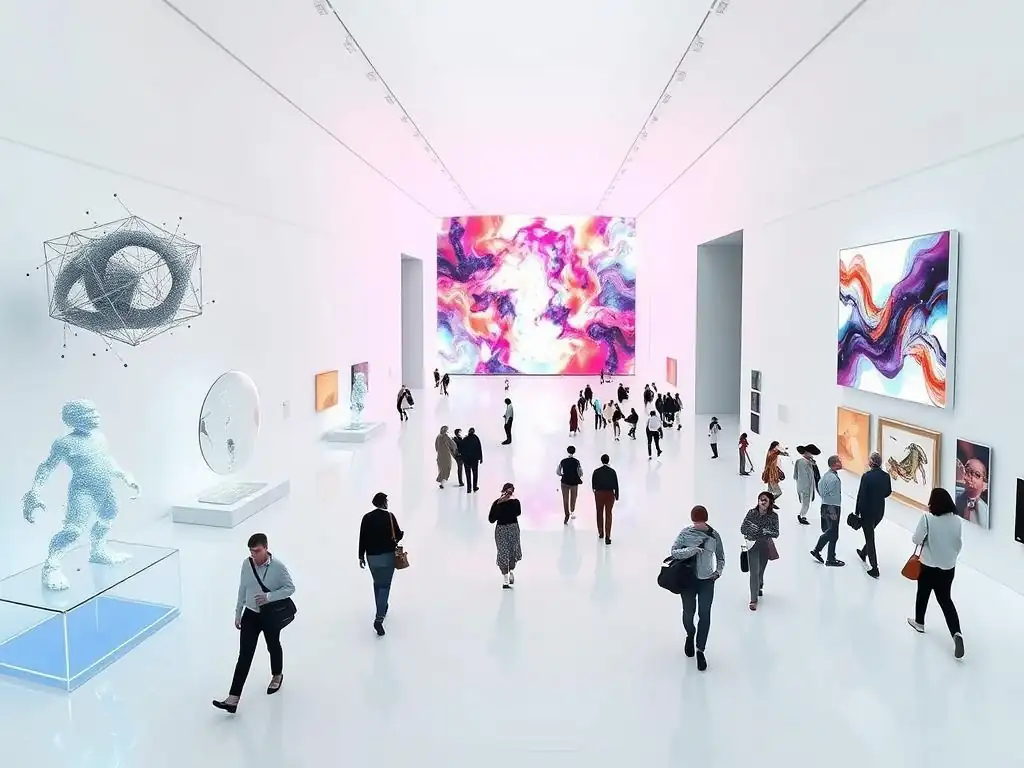
Welcome to Blockchain Trends, your guide to navigating the revolutionary world of blockchain technology!
Beyond the hype of cryptocurrencies, we delve into the real-world applications and transformative potential of decentralized systems. Are you ready to explore the burgeoning art scene within virtual worlds? This month, we're diving deep into the fascinating intersection of blockchain and art with a special focus on decentralized metaverse art galleries. What does it mean for artists, collectors, and the future of art itself? Let's unravel the mysteries and possibilities together.
- Understanding the Rise of Decentralized Metaverse Art Galleries
-
Frequently Asked Questions
- What are decentralized metaverse art galleries, and how do they differ from traditional galleries?
- How does blockchain technology contribute to the security and authenticity of artwork displayed in decentralized metaverse galleries?
- What are some benefits for artists exhibiting in decentralized metaverse art galleries compared to traditional galleries?
- What are the current regulatory challenges surrounding the sale of digital art in decentralized metaverse galleries?
- What is the future outlook for decentralized metaverse art galleries and their impact on the art world?
- Final Reflection: Embracing the Digital Canvas
- Unleash Your Inner Metaverse Art Aficionado!
Understanding the Rise of Decentralized Metaverse Art Galleries
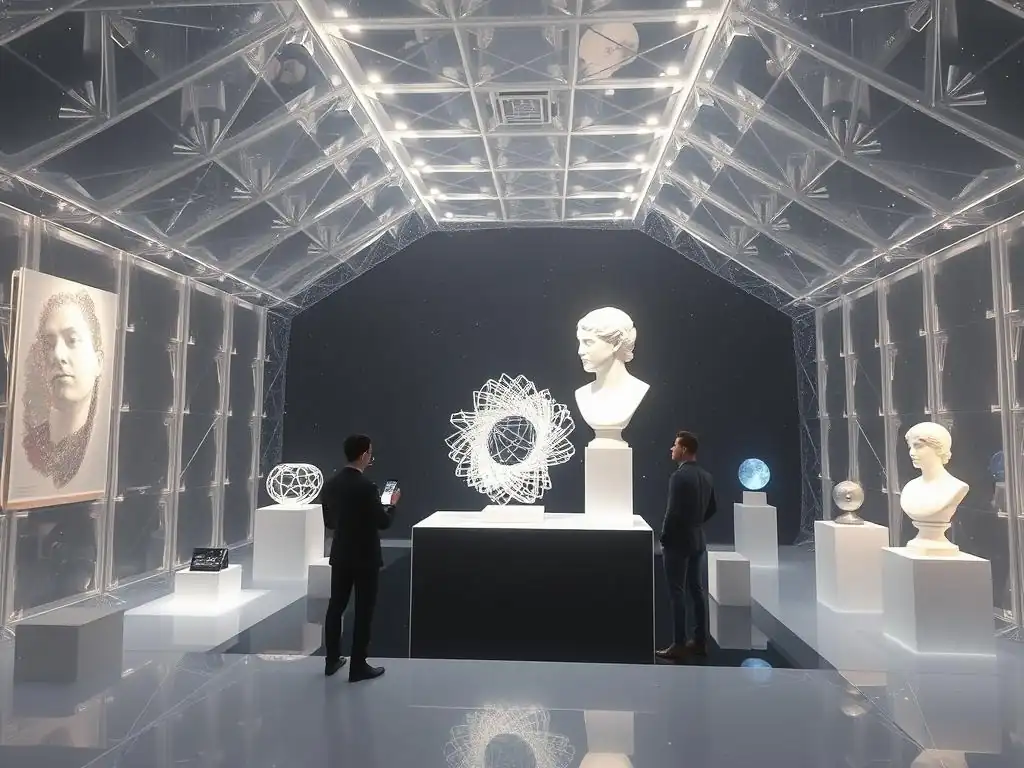
What is a Decentralized Metaverse? A Blockchain-Based Virtual World
A decentralized metaverse represents a paradigm shift from traditional, centralized virtual worlds. Unlike platforms controlled by single entities, a decentralized metaverse leverages blockchain technology to distribute ownership, governance, and control among its users. This foundational principle of decentralization means that no single corporation or individual holds absolute power over the virtual environment, its assets, or its rules. Instead, users collectively contribute to and benefit from the ecosystem, fostering a more democratic and user-centric experience. This shift towards decentralization is crucial in addressing concerns about data privacy, censorship, and platform monopolies prevalent in Web2 virtual environments.
At its core, a decentralized metaverse operates on a blockchain network, typically Ethereum or similar platforms that support smart contracts. This blockchain infrastructure allows for the creation and management of unique digital assets, primarily in the form of Non-Fungible Tokens (NFTs). These NFTs represent ownership of virtual land, avatars, in-world items, and, most importantly for our focus, digital art.
The use of blockchain ensures transparency and immutability of ownership records, allowing for verifiable scarcity and provenance of digital assets. This technological framework provides the bedrock for creating decentralized metaverse art galleries, where artists can directly connect with collectors and control the distribution and monetization of their work in a virtual world governed by community consensus rather than corporate dictates.
The Appeal of Art in Decentralized Virtual Environments
The appeal of art flourishing within decentralized virtual environments is multifaceted, attracting both artists and collectors to explore new frontiers of creative expression and ownership. For artists, decentralized metaverse art galleries offer unprecedented opportunities to break free from the constraints of the traditional art world. They can bypass gatekeepers such as galleries and auction houses, directly reaching a global audience and retaining a larger share of the revenue from their creations. The virtual nature of these environments also allows for experimentation with entirely new art forms, pushing the boundaries of digital art beyond static images or videos.
Collectors are equally drawn to the decentralized metaverse art scene for several compelling reasons. Firstly, the use of NFTs provides verifiable digital ownership, addressing a long-standing challenge in the digital art space. Collectors can confidently acquire and showcase digital artworks knowing their authenticity and provenance are securely recorded on the blockchain.
Secondly, metaverse art galleries offer immersive and interactive experiences for art appreciation. Unlike passive online viewing, virtual galleries allow collectors to explore artworks in 3D spaces, engage with other art enthusiasts, and even interact with the art itself in innovative ways. This creates a more engaging and social art collecting experience, mirroring aspects of physical art galleries but with the added benefits of global accessibility and digital innovation.
Key Features of Decentralized Metaverse Art Platforms
Decentralized metaverse art platforms are distinguished by a set of key features that differentiate them from traditional online art platforms and centralized virtual worlds. A core element is the integration of Non-Fungible Tokens (NFTs). NFTs are not merely representations of art; they are the digital assets themselves, representing provable ownership and authenticity. These platforms facilitate the minting, buying, and selling of art NFTs, often directly connecting artists with collectors without intermediaries. This direct interaction fosters a more transparent and equitable art market.
Another defining feature is the emphasis on virtual galleries and exhibition spaces. Decentralized metaverse platforms provide tools and environments for artists and curators to create immersive virtual galleries to showcase digital art. These galleries can range from simple virtual rooms to elaborate architectural designs, offering a dynamic and engaging way to experience art.
Furthermore, community governance and user ownership are paramount. Many decentralized metaverse platforms are governed by Decentralized Autonomous Organizations (DAOs), granting users voting rights and influence over platform development and policies. Land ownership within these metaverses, also often represented as NFTs, empowers users to build and customize their own virtual spaces, including galleries, further contributing to the decentralized and user-driven nature of these art ecosystems.
Frequently Asked Questions
What are decentralized metaverse art galleries, and how do they differ from traditional galleries?
Decentralized metaverse art galleries are virtual spaces built on blockchain technology, enabling artists to showcase and sell their work within metaverse environments. Unlike traditional galleries, they offer ownership transparency and direct artist-collector interaction, bypassing intermediaries.
How does blockchain technology contribute to the security and authenticity of artwork displayed in decentralized metaverse galleries?
Blockchain provides immutable records of artwork ownership and provenance, ensuring verifiable authenticity and preventing counterfeiting. NFTs (Non-Fungible Tokens) are commonly used to represent digital artwork, securing its uniqueness and ownership.
What are some benefits for artists exhibiting in decentralized metaverse art galleries compared to traditional galleries?
Artists gain greater control over their work and sales, reducing reliance on gatekeepers. They can also access a global audience and receive direct payment for their creations, potentially increasing revenue.
What are the current regulatory challenges surrounding the sale of digital art in decentralized metaverse galleries?
Regulatory frameworks are still evolving, leading to uncertainties regarding copyright protection, taxation, and money laundering. Clearer guidelines are needed to ensure the sustainable growth of the decentralized art market.
What is the future outlook for decentralized metaverse art galleries and their impact on the art world?
Decentralized metaverse art galleries are poised to revolutionize the art world, offering new avenues for artists and collectors. They will likely foster greater accessibility and democratization of the art market, reshaping how art is created, displayed, and valued.
Final Reflection: Embracing the Digital Canvas
The exploration of decentralized metaverse art galleries reveals more than just a technological advancement; it signifies a fundamental shift in how art is created, consumed, and valued. This nascent ecosystem, built on blockchain technology, empowers artists and collectors alike, offering unprecedented levels of autonomy and transparency. The implications extend far beyond the digital realm, challenging traditional art market structures and democratizing access to artistic expression.
The rise of these virtual galleries has profoundly influenced the cultural landscape, fostering a new generation of digital artists and collectors. Witnessing this evolution firsthand has been incredibly inspiring, highlighting the power of technology to break down barriers and connect people through art. Art washes away from the soul the dust of everyday life.
- Pablo Picasso. This quote resonates deeply as we observe how these decentralized spaces are providing a sanctuary for creativity, a place where artists can experiment and connect with audiences without the constraints of the physical world.
As we stand at the cusp of this digital renaissance, I invite you to reflect on the potential of decentralized metaverse art galleries. Consider how you can engage with this evolving landscape, whether as an artist, a collector, or simply a curious observer. Embrace the opportunity to explore new forms of artistic expression, support emerging creators, and contribute to a future where art is truly accessible to all. The digital canvas awaits your contribution.
Unleash Your Inner Metaverse Art Aficionado!
Thank you for diving into the exciting world of art in decentralized metaverses! We hope you've found inspiration and a newfound appreciation for the virtual galleries and exhibitions reshaping the art landscape. Now, it's time to take your exploration to the next level:
- Become a Curator Yourself: Start building your own virtual gallery in a metaverse like Decentraland or Cryptovoxels! Experiment with different layouts and showcase your favorite digital art.
- Share Your Discoveries: Create a thread on your favorite social media platform showcasing your top 3 metaverse art finds, using the hashtag #BlockchainTrendsArt.
- Attend a Virtual Opening: Check out upcoming metaverse art exhibitions in your favorite virtual world (hint: look for announcements on dedicated Discord servers!) and leave a thoughtful comment for the artist.
What's the most surprising piece of art you've discovered in the metaverse, and how has it challenged your perception of art itself? Share your thoughts in the comments below!
Leave a Reply