
Investing in the Decentralized Metaverse: Opportunities and Risks

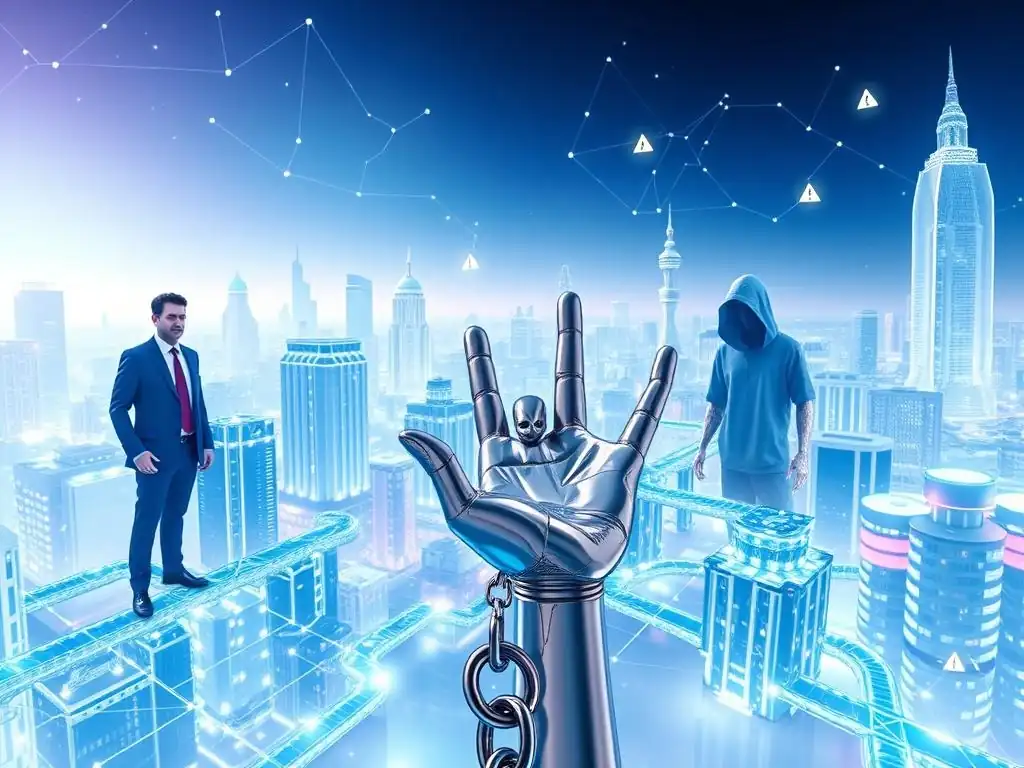
Welcome to Blockchain Trends, your gateway to understanding the revolutionary world of blockchain technology beyond its popular association with cryptocurrencies. Here, we delve into the intricate landscape of DeFi, enterprise applications, and regulatory frameworks shaping the future of decentralized systems. Today, we invite you to explore our featured article on “Investing in the Decentralized Metaverse: Opportunities and Risks.” Uncover the exciting potential and hidden pitfalls of decentralized metaverse investment, and learn how to navigate this evolving frontier. Join us on this journey and discover what lies ahead in the realm of blockchain innovation!
Investing in the Decentralized Metaverse: Opportunities and Risks
- The Allure of Decentralized Metaverse Investments
- Unveiling the Opportunities: Potential Returns in Decentralized Virtual Worlds
-
Navigating the Risks: Decentralized Metaverse Investment Risks and Challenges
- Understanding Decentralized Metaverse Investment Risks
- Regulatory Uncertainty Surrounding Decentralized Virtual Worlds
- Technology and Scalability Challenges in Decentralized Environments
- Market Volatility and Illiquidity in Metaverse Assets
- Security Concerns and Smart Contract Vulnerabilities in Decentralized Metaverses
- Assessing Decentralized Metaverse Platforms: Key Considerations
- Strategies for Managing Decentralized Metaverse Investment Risks
- Case Studies: Analyzing Specific Decentralized Metaverse Platforms
- The Future of Decentralized Metaverse Investment: Trends and Predictions
- Conclusion: Making Informed Decisions About Decentralized Metaverse Investments
-
Frequently Asked Questions
- What are the primary investment opportunities in the decentralized metaverse?
- What are the major Decentralized metaverse investment risks investors should be aware of?
- How does investing in the decentralized metaverse differ from traditional real estate investment?
- What role does blockchain technology play in mitigating risks within the decentralized metaverse?
- What are some key indicators to look for when evaluating the long-term viability of a decentralized metaverse project?
- Final Reflection: Navigating the Untamed Frontier
- Unveil Your Metaverse Investment Potential
The Allure of Decentralized Metaverse Investments
Understanding the Decentralized Metaverse Landscape
The decentralized metaverse represents a paradigm shift from centralized virtual worlds, offering users greater autonomy and ownership. Unlike platforms controlled by corporations, decentralized metaverses leverage blockchain technology to distribute power and control among participants. This means that assets within these virtual worlds, such as land, avatars, and items, are typically represented as NFTs (Non-Fungible Tokens) on a blockchain, granting users true digital ownership.
This ownership is not merely about possessing in-game items; it extends to governance rights in some platforms, allowing users to participate in decision-making processes that shape the future of the metaverse itself. Platforms like Decentraland and The Sandbox exemplify this model, where users can buy, sell, and develop virtual land, creating and monetizing experiences independently.
The core distinction of a decentralized metaverse lies in its open and permissionless nature. Built on blockchain networks, these metaverses are designed to be interoperable and transparent. This contrasts sharply with centralized platforms where user data and digital assets are controlled by a single entity, and interoperability is limited.
Decentralized metaverses aim to create a more democratic and user-centric virtual experience, fostering communities and economies driven by the users themselves. This shift towards decentralization is attracting significant attention from investors who see the potential for a more equitable and innovative digital future, moving away from the walled gardens of traditional tech giants.
Why Invest in Decentralized Metaverses? Exploring the Potential
Investing in decentralized metaverses presents a unique opportunity to participate in the nascent stages of a potentially transformative technology. The allure stems from the promise of high growth potential, mirroring the early days of the internet or cryptocurrency itself. Decentralized metaverses are not just about gaming; they are evolving into platforms for social interaction, commerce, education, and even work.
This broad applicability suggests a vast total addressable market as virtual worlds become increasingly integrated into our daily lives. Early investors are betting on the idea that these platforms will become fundamental infrastructure for the digital economy, similar to how the internet evolved from a niche technology to a global necessity.
Furthermore, the decentralized nature itself is a significant draw for many investors. The promise of user ownership, governance rights, and transparent systems aligns with the broader ethos of Web3 and blockchain technology. This resonates particularly with a generation of users who are increasingly skeptical of centralized control and data exploitation. Investing in decentralized metaverses is not just about financial returns; it's also about supporting a vision of a more open, equitable, and user-owned digital future. This ideological alignment, combined with the potential for significant financial upside, is driving substantial investment into this emerging sector.
Unveiling the Opportunities: Potential Returns in Decentralized Virtual Worlds
Early Adoption Advantage: Capitalizing on Emerging Metaverse Platforms
The decentralized metaverse space is still in its early innings, presenting a significant early adoption advantage for investors. Similar to investing in internet companies in the 1990s or Bitcoin in its early years, entering the decentralized metaverse market now offers the potential for exponential returns as the sector matures. Platforms like Decentraland and The Sandbox, while already established, are continuously evolving and expanding their functionalities.
Newer platforms are also emerging, each with unique features and target audiences, creating a dynamic and rapidly growing ecosystem. Investing in these platforms early allows for the possibility of significant appreciation in asset value as user adoption and platform functionalities expand.
Consider the growth trajectory of the internet. Early investors who recognized its potential reaped massive rewards as it became a ubiquitous global infrastructure. The decentralized metaverse is poised for a similar, though potentially faster, growth trajectory, fueled by advancements in blockchain technology, virtual reality, and augmented reality.
Early adopters in the metaverse space are positioning themselves to benefit from the network effects and first-mover advantages that often accrue to those who enter emerging markets at their inception. This early entry point allows investors to acquire digital assets, such as virtual land or platform tokens, at potentially lower valuations before mainstream adoption drives prices upwards.
Diversification Opportunities within the Decentralized Metaverse Ecosystem
The decentralized metaverse ecosystem offers diverse investment avenues beyond just virtual land or platform tokens. Within these virtual worlds, a burgeoning economy is taking shape, creating opportunities across various sectors. Investors can diversify their metaverse portfolio by exploring investments in NFTs representing virtual art, fashion, collectibles, and in-game items. These digital assets are gaining traction as stores of value and speculative investments, attracting collectors and enthusiasts alike. Furthermore, the metaverse is fostering new types of businesses and services, such as virtual event organizers, metaverse real estate developers, and digital asset marketplaces, presenting further diversification opportunities.
The interconnected nature of the decentralized metaverse also allows for diversification across different platforms and technologies. While platforms like Decentraland and The Sandbox are prominent, numerous other decentralized metaverse projects are under development, each with its own unique focus and technological stack. Diversifying across multiple platforms can mitigate platform-specific risks and expose investors to a broader range of technological innovations and community dynamics.
This diversification strategy is crucial in a nascent and rapidly evolving market where no single platform is guaranteed to dominate in the long term. By spreading investments across various metaverse assets and platforms, investors can reduce their overall risk exposure while maximizing their potential for participating in the growth of the entire decentralized metaverse ecosystem.
The Role of NFTs and Digital Assets in Metaverse Investments
NFTs and other digital assets are the foundational building blocks of decentralized metaverse investments. NFTs provide verifiable proof of ownership for digital items within these virtual worlds, enabling true digital scarcity and value. This ownership is crucial for creating a functioning digital economy where users can confidently buy, sell, and trade virtual assets. Investing in metaverse NFTs can encompass a wide range of digital items, from virtual land parcels and avatars to in-game items and digital art. The value of these NFTs is often driven by their rarity, utility within the metaverse platform, and perceived cultural significance.
Beyond NFTs, platform-specific tokens also play a vital role in metaverse investments. These tokens often serve as the native currency within a metaverse, used for transactions, governance, and rewarding users. Investing in these tokens provides exposure to the overall growth and adoption of the respective metaverse platform. For example, MANA is the native token of Decentraland, and SAND is the token of The Sandbox.
The value of these tokens is typically tied to the platform's activity, user base, and the demand for in-world transactions. Understanding the tokenomics and utility of these digital assets is crucial for making informed decentralized metaverse investment decisions. The interplay between NFTs and platform tokens creates a complex but potentially highly rewarding investment landscape within the decentralized metaverse.
Understanding Decentralized Metaverse Investment Risks
Investing in the decentralized metaverse, while offering significant potential, is also fraught with risks, particularly decentralized metaverse investment risks. These risks are magnified by the nascent stage of the technology and the speculative nature of digital assets. One primary risk is the inherent volatility of the cryptocurrency market, which directly impacts the value of metaverse tokens and NFTs. Significant price swings are common, and investments can lose substantial value quickly. Furthermore, the decentralized nature itself introduces risks related to governance, security, and the potential for unforeseen vulnerabilities in smart contracts and blockchain infrastructure.
Another critical aspect of decentralized metaverse investment risks is the lack of established regulatory frameworks. The legal status of digital assets and metaverse platforms is still evolving, creating uncertainty and potential legal challenges. Governments worldwide are grappling with how to regulate this new space, and changes in regulations could significantly impact the value and viability of metaverse investments. Investors must be prepared for potential regulatory shifts that could affect their holdings and the overall market. Understanding and mitigating these multifaceted risks is paramount for anyone considering investing in the decentralized metaverse.
Regulatory Uncertainty Surrounding Decentralized Virtual Worlds
The regulatory landscape surrounding decentralized virtual worlds is largely undefined and evolving rapidly. Governments and regulatory bodies globally are still grappling with how to classify and regulate metaverse platforms, NFTs, and cryptocurrencies. This regulatory uncertainty is a significant decentralized metaverse investment risk. Different jurisdictions may adopt varying approaches, leading to fragmented regulations and compliance challenges for metaverse platforms and investors. For instance, the classification of NFTs as securities or commodities remains debated, with implications for taxation and investor protection.
The lack of clear regulations can create ambiguity regarding legal rights and responsibilities within the metaverse. Issues such as intellectual property rights, data privacy, and consumer protection in virtual worlds are complex and require new regulatory frameworks. Changes in regulations, such as stricter KYC/AML requirements or restrictions on cryptocurrency transactions, could significantly impact the accessibility and value of decentralized metaverse investments.
Investors need to monitor regulatory developments closely and be prepared for potential shifts that could alter the investment landscape. This regulatory ambiguity adds a layer of complexity and risk to decentralized metaverse investments that traditional markets do not typically face.
Technology and Scalability Challenges in Decentralized Environments
Decentralized metaverses rely on blockchain technology, which, while innovative, still faces technological and scalability challenges. Current blockchain networks often struggle to handle the high transaction volumes and complex interactions required for a seamless and immersive metaverse experience. Scalability limitations can lead to slow transaction speeds, high gas fees, and network congestion, hindering user experience and platform adoption. This poses a significant decentralized metaverse investment risk as it can impact the usability and attractiveness of these platforms.
Furthermore, the underlying technologies of decentralized metaverses are constantly evolving. New blockchain protocols, scaling solutions, and rendering technologies are emerging, but their long-term viability and interoperability are not yet fully established. Technological failures, security breaches in underlying infrastructure, or the emergence of superior competing technologies could render existing metaverse platforms and investments obsolete. Investors need to be aware of the rapidly changing technological landscape and the potential for technological obsolescence, which is a key aspect of decentralized metaverse investment risks. Continuous technological advancements are necessary to overcome these challenges and realize the full potential of decentralized virtual worlds.
Market Volatility and Illiquidity in Metaverse Assets
The decentralized metaverse market is characterized by high volatility and relative illiquidity, contributing significantly to decentralized metaverse investment risks. The value of metaverse tokens and NFTs can fluctuate dramatically in short periods, influenced by market sentiment, hype cycles, and broader cryptocurrency market trends. These assets are often considered speculative, and their prices can be subject to rapid booms and busts. Investors must be prepared for significant price swings and the potential for substantial losses.
Liquidity can also be a concern, especially for less established metaverse platforms or niche NFTs. Selling metaverse assets quickly at desired prices may not always be possible, particularly during market downturns. The market depth for many metaverse assets is still limited compared to traditional financial markets, making it harder to execute large trades without impacting prices. This illiquidity further amplifies the decentralized metaverse investment risks, as investors may find it challenging to exit their positions promptly if needed. Understanding and accepting this inherent volatility and potential illiquidity is crucial before investing in decentralized metaverse assets.
Security Concerns and Smart Contract Vulnerabilities in Decentralized Metaverses
Security concerns and smart contract vulnerabilities are critical decentralized metaverse investment risks. Decentralized metaverses rely heavily on smart contracts to govern asset ownership, transactions, and platform functionalities. However, smart contracts, while designed to be secure, are still susceptible to coding errors and vulnerabilities. Exploits of smart contract vulnerabilities can lead to significant financial losses for users and investors, including theft of digital assets or manipulation of platform mechanisms. Several high-profile incidents in the DeFi space, which shares technological underpinnings with decentralized metaverses, have demonstrated the real-world impact of smart contract vulnerabilities.
Furthermore, the decentralized nature of these platforms does not inherently guarantee security. While blockchain technology is generally secure, individual user accounts and wallets can still be vulnerable to hacking, phishing attacks, and social engineering. The lack of centralized intermediaries also means that users are solely responsible for securing their digital assets.
Lost private keys or compromised wallets can result in the permanent loss of investments. Investors must prioritize security best practices and understand the inherent security risks associated with decentralized metaverse platforms and assets. Regular security audits of smart contracts and robust security measures for user accounts are essential to mitigate these risks.
Assessing Decentralized Metaverse Platforms: Key Considerations
Evaluating the Technology and Infrastructure of Metaverse Projects
When assessing decentralized metaverse platforms for investment, a thorough evaluation of their underlying technology and infrastructure is crucial. This involves examining the blockchain technology they utilize, their scalability solutions, and the robustness of their virtual world engine. Platforms built on more established and secure blockchains, like Ethereum or Polygon, may offer greater reliability compared to those using newer or less tested chains. Scalability is a critical factor, as the platform's ability to handle a growing number of users and complex interactions will directly impact its long-term viability and user experience.
The quality of the virtual world engine is also paramount. Factors such as rendering capabilities, graphics fidelity, and the platform's ability to support immersive experiences are important considerations. Platforms with more advanced technology and infrastructure are likely to attract and retain users, which in turn can drive asset value appreciation. Furthermore, the platform's commitment to ongoing technological development and upgrades should be assessed, as continuous innovation is necessary to remain competitive in this rapidly evolving space. A deep dive into the technical architecture and roadmap of a metaverse project is essential for making informed investment decisions.
Community Engagement and Governance in Decentralized Worlds
Community engagement and governance are vital indicators of the health and long-term potential of decentralized metaverse platforms. A strong and active community signifies user adoption, platform vibrancy, and potential for organic growth. Metrics such as the number of active users, community forum activity, and social media engagement can provide insights into the platform's community health. Furthermore, understanding the platform's governance model is crucial, as it determines how decisions are made and how users can influence the platform's future direction.
Decentralized governance models, often implemented through DAOs (Decentralized Autonomous Organizations), aim to empower users and distribute decision-making power. Evaluating the effectiveness and inclusivity of the governance model is important. A well-structured governance system can foster a sense of ownership among users and ensure that the platform evolves in a way that benefits the community. Platforms with active and engaged communities and robust governance mechanisms are generally considered more resilient and have a higher likelihood of long-term success. Assessing these community and governance aspects provides valuable qualitative insights into the platform's potential.
Tokenomics and Economic Models of Decentralized Platforms
Understanding the tokenomics and economic models of decentralized metaverse platforms is essential for evaluating their investment potential. Tokenomics refers to the economic incentives and mechanisms built into the platform's token system. Key aspects to consider include the token's utility, supply, distribution, and inflation rate. A well-designed token economy should incentivize user participation, reward platform contributors, and create sustainable economic activity within the metaverse. For instance, some platforms utilize staking mechanisms, where users can earn rewards by holding and locking up their tokens, contributing to network security and token scarcity.
The overall economic model of the platform, including how value is generated and distributed, is also critical. Does the platform primarily rely on land sales, transaction fees, or other revenue streams? Is the economic model sustainable and scalable in the long term? Platforms with transparent and well-defined economic models are generally more attractive to investors. Analyzing the tokenomics and economic models provides insights into the potential for token value appreciation and the long-term sustainability of the platform's economy. A thorough understanding of these economic factors is crucial for informed decentralized metaverse investment decisions.
Developer Activity and Ecosystem Growth within the Metaverse
Developer activity and ecosystem growth are strong indicators of the dynamism and future potential of a decentralized metaverse platform. A thriving developer ecosystem signifies that creators are actively building experiences, applications, and functionalities within the metaverse, enriching the platform and attracting more users. Metrics such as the number of developers building on the platform, the availability of developer tools and resources, and the frequency of new content and updates can indicate the health of the developer ecosystem.
Ecosystem growth extends beyond developer activity to encompass partnerships, integrations, and the expansion of platform functionalities. Are there collaborations with other projects or brands? Is the platform integrating with other blockchain networks or applications? Is the platform expanding its features and use cases beyond its initial scope?
A growing and diverse ecosystem suggests a platform that is evolving and adapting to user needs and market demands. Platforms with strong developer activity and a rapidly expanding ecosystem are generally more likely to experience long-term growth and success. Monitoring these ecosystem metrics provides valuable insights into the platform's future trajectory and investment potential.
Strategies for Managing Decentralized Metaverse Investment Risks
Due Diligence and Research in the Decentralized Metaverse
Thorough due diligence and research are paramount for managing decentralized metaverse investment risks. Given the nascent and rapidly evolving nature of this space, investors must conduct in-depth research before committing capital. This includes understanding the technology, team, tokenomics, community, and roadmap of each metaverse platform under consideration. Whitepapers, project documentation, and community forums are valuable resources for gathering information. Analyzing the platform's strengths, weaknesses, opportunities, and threats (SWOT analysis) can provide a structured framework for evaluating investment potential and risks.
Furthermore, staying updated on the latest developments in the decentralized metaverse space is crucial. Following industry news, attending online events, and engaging with metaverse communities can help investors stay informed about emerging trends, technological advancements, and potential risks. Due diligence should not be a one-time activity but an ongoing process, as the metaverse landscape is constantly changing. In-depth and continuous research is the foundation for making informed investment decisions and mitigating decentralized metaverse investment risks.
Diversification across Multiple Metaverse Platforms and Assets
Diversification is a fundamental risk management strategy for decentralized metaverse investment risks. Spreading investments across multiple metaverse platforms, NFTs, and digital assets can significantly reduce the impact of platform-specific failures or market downturns. Just as in traditional investment portfolios, diversification in the metaverse context means not putting all your eggs in one basket. Investing in a mix of established and emerging metaverse platforms, different types of NFTs (e.g., land, art, collectibles), and platform tokens can create a more balanced and resilient portfolio.
Diversification should also consider different segments within the metaverse ecosystem, such as gaming metaverses, social metaverses, and virtual commerce platforms. This sector-based diversification can further mitigate risks associated with specific metaverse niches. However, it's important to note that diversification does not eliminate risk entirely, especially in a highly correlated market like cryptocurrencies. Nonetheless, a well-diversified metaverse portfolio is generally better positioned to weather market volatility and capture opportunities across different segments of this emerging space, effectively managing decentralized metaverse investment risks.
Risk Management Techniques for Volatile Metaverse Investments
Given the inherent volatility of metaverse assets, implementing robust risk management techniques is essential for protecting investments. Setting clear investment goals and risk tolerance levels is the first step. Determining the percentage of your portfolio allocated to metaverse investments and defining acceptable loss thresholds can help manage emotional decision-making during market fluctuations. Using stop-loss orders, while not always guaranteed to execute at the desired price in volatile markets, can help limit potential losses by automatically selling assets if prices fall below a predetermined level.
Dollar-cost averaging (DCA) is another risk management technique suitable for volatile assets like metaverse tokens. DCA involves investing a fixed amount of money at regular intervals, regardless of price fluctuations. This strategy can help smooth out the average purchase price over time and reduce the risk of investing a lump sum at a market peak. Regularly rebalancing your metaverse portfolio to maintain your desired asset allocation is also important. As some metaverse assets outperform others, rebalancing ensures that your portfolio remains aligned with your risk tolerance and investment strategy, effectively managing decentralized metaverse investment risks.
Secure Storage and Custody of Metaverse Digital Assets
Secure storage and custody of metaverse digital assets are paramount for protecting investments from theft or loss. Since metaverse assets are typically represented as NFTs and cryptocurrencies, securing private keys is crucial. Using hardware wallets, also known as cold wallets, is considered the most secure method for storing digital assets offline, away from internet-connected devices and potential hacking attempts. Software wallets, while more convenient, are generally less secure, especially if the device is compromised. Choosing reputable and secure software wallet providers is essential if opting for this option.
Practicing good security hygiene is also critical. This includes using strong, unique passwords, enabling two-factor authentication (2FA) wherever possible, and being cautious of phishing attempts and social engineering scams. Regularly backing up wallet recovery phrases and storing them securely offline is crucial for recovering assets in case of wallet loss or damage. For larger metaverse investments, considering custodial solutions offered by reputable crypto custodians might be an option, though it introduces counterparty risk. Prioritizing secure storage and custody is a fundamental aspect of managing decentralized metaverse investment risks and safeguarding your digital assets.
Case Studies: Analyzing Specific Decentralized Metaverse Platforms
Analyzing the Success of Decentraland
Decentraland stands out as one of the pioneering and most successful decentralized metaverse platforms. Launched in 2020, it established itself as a leader in the space by offering users true ownership of virtual land and assets represented as NFTs. Its success can be attributed to several factors, including its first-mover advantage, strong community, and robust platform functionalities. Decentraland's open and decentralized nature resonated with users seeking alternatives to centralized virtual worlds. The platform's active marketplace for LAND NFTs and its vibrant ecosystem of user-created experiences have contributed to its sustained growth and popularity.
Analyzing Decentraland's tokenomics reveals a well-designed system that incentivizes user participation and platform development. The MANA token, used for in-world transactions and governance, has seen significant appreciation in value alongside the platform's growth. Decentraland's DAO governance model, allowing MANA holders to vote on platform proposals, has fostered a sense of community ownership and direction. However, Decentraland has also faced challenges, including scalability issues and periods of lower user activity. Despite these challenges, its early success and established position make it a valuable case study for understanding the potential and dynamics of decentralized metaverse platforms.
Learning from the Challenges Faced by Voxels
Voxels, formerly known as Cryptovoxels, provides a contrasting case study to Decentraland, highlighting different approaches and challenges in the decentralized metaverse space. While also offering NFT-based land ownership and user-created experiences, Voxels adopted a different aesthetic and community focus. Voxels initially gained traction for its simpler, voxel-art style and its focus on art and collectibles. However, compared to Decentraland and The Sandbox, Voxels has experienced slower user growth and less mainstream adoption.
Analyzing the challenges faced by Voxels offers valuable lessons for investors and platform developers. One potential factor is its more niche appeal compared to the broader entertainment and social focus of other platforms. While its dedicated community of artists and collectors is strong, its reach may be limited.
Scalability and technological limitations might also have played a role in its growth trajectory. Voxels serves as a reminder that success in the decentralized metaverse space is not guaranteed, and different platform strategies can lead to varying outcomes. Learning from both the successes and challenges of platforms like Voxels and Decentraland is crucial for navigating the complexities of this emerging market.
The Future of Decentralized Metaverse Investment: Trends and Predictions
The Evolution of Metaverse Technology and Infrastructure
The future of decentralized metaverse investment is intrinsically linked to the evolution of metaverse technology and infrastructure. Significant advancements are expected in areas such as blockchain scalability, virtual reality (VR) and augmented reality (AR) technologies, and interoperability standards. Layer-2 scaling solutions for blockchain networks, such as Polygon and Arbitrum, are already improving transaction speeds and reducing fees, making decentralized metaverses more accessible and user-friendly. Further innovations in blockchain technology are likely to address scalability limitations and enhance the performance of metaverse platforms.
VR and AR technologies are also poised to play a transformative role in the metaverse. As VR headsets become more affordable and user-friendly, and AR applications become more integrated into daily life, the immersive experience of metaverses will deepen, driving greater user adoption. Interoperability is another crucial area of development.
Efforts to create open standards and protocols for metaverse platforms to communicate and interact with each other are essential for realizing the vision of a truly interconnected metaverse ecosystem. These technological advancements will shape the future landscape of decentralized metaverse investment, creating new opportunities and potentially mitigating some of the current challenges.
The Growing Adoption of Decentralized Metaverse Platforms
The adoption of decentralized metaverse platforms is expected to grow significantly in the coming years, driven by increasing awareness, technological advancements, and the evolving digital landscape. As younger generations, who are more digitally native and comfortable with virtual interactions, become a larger segment of the user base, the appeal of metaverses is likely to increase. Furthermore, the integration of metaverses into various aspects of daily life, such as entertainment, social interaction, commerce, and work, will further drive adoption.
The increasing interest from major brands and corporations in establishing a presence in the metaverse is another key driver of adoption. Brands are recognizing the metaverse as a new frontier for marketing, customer engagement, and virtual commerce. This corporate adoption will bring more mainstream attention and resources to the metaverse space, accelerating its growth. While the pace of adoption may fluctuate, the overall trend points towards increasing user engagement and integration of decentralized metaverse platforms into the broader digital ecosystem, creating a positive outlook for decentralized metaverse investment.
The Impact of Regulation on the Decentralized Metaverse Investment Landscape
Regulation will undoubtedly have a significant impact on the decentralized metaverse investment landscape. As governments worldwide grapple with how to regulate this emerging space, the regulatory environment will likely become more defined and potentially more stringent. Clearer regulations could provide greater certainty and legitimacy to the metaverse sector, attracting more institutional investors and mainstream adoption. However, overly restrictive regulations could stifle innovation and hinder the growth of decentralized platforms.
The specific nature of regulations will vary across jurisdictions, creating a complex global regulatory landscape. Issues such as taxation of digital assets, KYC/AML compliance for metaverse transactions, and consumer protection in virtual worlds will be key areas of regulatory focus. The impact of regulation on decentralized metaverse investment risks will be multifaceted.
While some regulations may mitigate certain risks, such as fraud and illicit activities, others could introduce new compliance burdens and potentially limit the accessibility or functionality of decentralized platforms. Monitoring regulatory developments and adapting to the evolving legal landscape will be crucial for navigating the future of decentralized metaverse investment.
Conclusion: Making Informed Decisions About Decentralized Metaverse Investments
Balancing Opportunity and Risk in the Emerging Metaverse
Investing in the decentralized metaverse presents a compelling opportunity to participate in a potentially transformative technology. The allure of early adoption, diversification opportunities, and the promise of high growth are undeniable. However, it is crucial to approach decentralized metaverse investment with a balanced perspective, acknowledging and understanding the inherent risks. Decentralized metaverse investment risks are real and multifaceted, encompassing market volatility, regulatory uncertainty, technological challenges, and security concerns.
Successful metaverse investing requires a thorough understanding of both the opportunities and risks. Due diligence, diversification, and robust risk management strategies are essential for navigating this emerging and volatile market. Investors should carefully assess their risk tolerance and investment goals before allocating capital to decentralized metaverse assets. The key to informed decision-making lies in conducting thorough research, staying updated on industry developments, and adopting a long-term perspective.
The Potential for Long-Term Growth in Decentralized Virtual Worlds
Despite the inherent risks and challenges, the decentralized metaverse holds significant potential for long-term growth. As technology continues to evolve, adoption increases, and regulatory frameworks become clearer, the metaverse is poised to become an increasingly integral part of the digital economy and human experience. The vision of user-owned, interoperable virtual worlds, powered by blockchain technology, offers a compelling alternative to centralized platforms and a new frontier for digital innovation.
For investors with a long-term outlook and a willingness to navigate the inherent uncertainties, the decentralized metaverse presents a unique opportunity to participate in the early stages of a potentially transformative technological shift. While decentralized metaverse investment risks should not be underestimated, the potential rewards for those who approach this space with diligence, caution, and a long-term vision are substantial. The future of decentralized virtual worlds is still being written, and informed investment decisions today can position investors to benefit from the long-term growth of this exciting and evolving ecosystem.
Frequently Asked Questions
What are the primary investment opportunities in the decentralized metaverse?
The decentralized metaverse offers opportunities like virtual land ownership, in-game asset acquisition, and investing in companies building metaverse infrastructure. These provide potential for significant returns as the metaverse evolves.
What are the major Decentralized metaverse investment risks investors should be aware of?
Key risks include regulatory uncertainty, market volatility specific to virtual assets, and the potential for scams and fraud within nascent decentralized platforms. Thorough due diligence is crucial.
How does investing in the decentralized metaverse differ from traditional real estate investment?
Unlike physical real estate, virtual land is purely digital, subject to different market dynamics and ownership structures. Liquidity can also be limited, and value depends heavily on platform popularity.
What role does blockchain technology play in mitigating risks within the decentralized metaverse?
Blockchain provides transparency and immutability for asset ownership, helping to verify authenticity and prevent fraud. Smart contracts can automate transactions and enforce agreements, reducing reliance on intermediaries.
What are some key indicators to look for when evaluating the long-term viability of a decentralized metaverse project?
Look for strong community engagement, a robust development roadmap, and clear governance mechanisms. Also, consider the project's scalability and interoperability with other metaverse platforms.
The exploration of the decentralized metaverse, as we've seen, presents a landscape ripe with potential yet fraught with peril. Understanding the inherent risks of decentralized metaverse investment is not merely prudent, but essential for responsible participation in this nascent digital economy. The volatility, regulatory uncertainty, and technological immaturity demand a cautious and informed approach, lest the promise of future riches turn into a costly lesson.
The allure of the decentralized metaverse lies in its potential to democratize ownership and creativity, offering a counterpoint to the centralized control that dominates much of the current internet. This vision, however, is inextricably linked to the challenges of security, scalability, and user adoption. The ongoing evolution of this space necessitates continuous learning and adaptation. The future is already here – it's just not evenly distributed.
- William Gibson. This quote perfectly encapsulates the current state of the decentralized metaverse; its potential is undeniable, but its accessibility and stability remain unevenly distributed.
As you venture forth into this digital frontier, remember that informed decision-making is your greatest asset. Embrace the opportunities that the decentralized metaverse offers, but do so with a clear understanding of the risks involved. Let the insights shared here serve as a compass, guiding you towards responsible and rewarding participation in shaping the future of the internet. Let us all strive to build a decentralized metaverse that is not only innovative but also equitable and secure for all.
Unveil Your Metaverse Investment Potential
Thank you for exploring the exciting world of decentralized metaverse investments! You've gained valuable insights into both the opportunities and risks involved. Are you ready to take the next step and help shape the future of the metaverse?
Here are a few actions you can take right now:
- Develop a personalized risk profile tailored to decentralized metaverse investments—understanding your risk tolerance is essential.
- Research different metaverse platforms and compare their governance models to find the one that aligns best with your goals.
- Join online communities and forums focused on blockchain and metaverse topics to share insights and learn from others.
What is one specific strategy you will implement to mitigate risks when making your first decentralized metaverse investment?
Leave a Reply