
Investing in Metaverse Governance: Blockchain Projects Shaping the Future

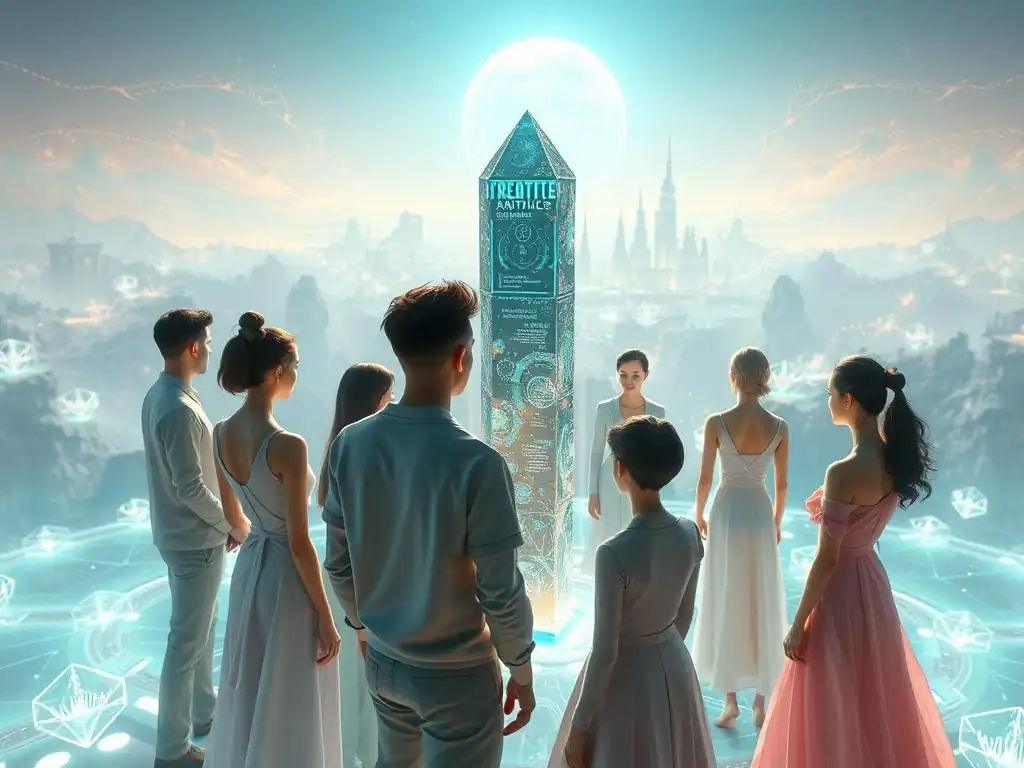
Welcome to Blockchain Trends, your go-to source for dissecting the revolutionary impact of blockchain technology. Forget just cryptocurrencies; we're diving deep into DeFi, enterprise solutions, and the ever-evolving landscape of decentralized systems. Intrigued by the intersection of blockchain and the metaverse? Then you're in the right place. Today, we're exploring the burgeoning field of Blockchain metaverse governance projects future, and how they're poised to reshape digital ownership and decision-making. What opportunities and challenges lie ahead in this exciting frontier? Let's find out...
Investing in Metaverse Governance: Blockchain Projects Shaping the Future
- The Rise of Metaverse Governance and Blockchain Technology
- Key Blockchain Metaverse Governance Projects to Watch
- Tokenomics and Investment Opportunities in Metaverse Governance
- The Future of Blockchain-Based Metaverse Governance
- Investing in the Decentralized Future: Blockchain Projects and Metaverse Governance
-
Frequently Asked Questions
- What is the role of blockchain in metaverse governance?
- What are some examples of blockchain metaverse governance projects?
- How does blockchain enhance security in metaverse governance?
- What is the "future" outlook for blockchain metaverse governance projects?
- How does blockchain metaverse governance affect the "investing" landscape?
- Final Reflection: Shaping Tomorrow's Virtual Worlds
- Unleash Your Metaverse Influence: Shape the Future Today!
The Rise of Metaverse Governance and Blockchain Technology
Understanding Decentralized Governance in Virtual Worlds
The metaverse, envisioned as immersive digital worlds, presents a unique challenge and opportunity for governance. Unlike centralized platforms where decisions are made by a single entity, the ethos of the metaverse leans towards decentralization, mirroring the principles of the blockchain technology that underpins much of its infrastructure. Decentralized governance in virtual worlds aims to empower users, allowing them to participate in the decision-making processes that shape their digital experiences.
This includes voting on platform upgrades, managing virtual land policies, curating content, and even allocating resources within the metaverse ecosystem. The shift towards decentralized governance is driven by the desire for fairer, more transparent, and user-centric virtual environments, moving away from the top-down control prevalent in traditional online spaces.
The concept of digital ownership is central to metaverse governance, and blockchain technology provides the tools to realize this vision. By leveraging blockchain, virtual assets, such as land, avatars, and in-game items, can be represented as Non-Fungible Tokens (NFTs), granting users verifiable ownership and control. This ownership extends to governance rights, often tied to holding specific tokens or NFTs within a metaverse project.
Decentralized Autonomous Organizations (DAOs) are emerging as a popular model for metaverse governance, enabling communities to collectively manage and direct the development of these virtual worlds through transparent and auditable on-chain voting mechanisms. This approach fosters a sense of shared ownership and responsibility, crucial for the long-term sustainability and evolution of the metaverse.
The Importance of Blockchain for Metaverse Governance Security
Security is paramount in the metaverse, especially as it becomes a space for significant economic and social interactions. Blockchain technology offers robust security features that are essential for establishing trust and protecting user assets and governance processes within virtual worlds. The inherent immutability and transparency of blockchain ledgers ensure that governance decisions, token transactions, and ownership records are securely stored and auditable. This drastically reduces the risk of manipulation, fraud, and unauthorized alterations that could undermine the integrity of metaverse governance.
Furthermore, blockchain-based governance systems enhance security through cryptographic mechanisms. Digital signatures and cryptographic hashing ensure the authenticity and integrity of votes and proposals within DAOs. Smart contracts, self-executing agreements coded on the blockchain, automate governance processes and enforce rules transparently and reliably, minimizing the need for intermediaries and reducing the potential for human error or malicious interference.
For instance, proposals for changes in land usage in a metaverse can be voted on by token holders, and if approved, the smart contract automatically updates the land registry, ensuring a secure and tamper-proof governance process. This reliance on cryptographic security and decentralized consensus mechanisms makes blockchain an indispensable technology for building secure and trustworthy metaverse governance frameworks.
Key Blockchain Metaverse Governance Projects to Watch
Decentraland - Decentralized Land Ownership and Management
Decentraland stands as a pioneering example of a blockchain-based metaverse where users have complete ownership and control over their virtual land and creations. Built on the Ethereum blockchain, Decentraland is a decentralized autonomous organization (DAO) governed by its community. Land within Decentraland is represented by non-fungible tokens (NFTs) called LAND, granting owners the freedom to develop, monetize, and govern their digital real estate. This fundamental principle of user ownership and governance sets Decentraland apart as a truly decentralized metaverse project.
Key Features of Decentraland's Governance Model
Decentraland's governance model is primarily driven by its DAO, which manages key aspects of the metaverse, including the LAND smart contracts, the marketplace, and the World Explorer client. MANA holders, the native cryptocurrency of Decentraland, can participate in governance proposals and voting within the DAO. This allows the community to collectively decide on policies related to land auctions, content moderation, infrastructure upgrades, and the allocation of DAO treasury funds.
Proposals are discussed and voted upon using a platform that interfaces directly with the Ethereum blockchain, ensuring transparency and verifiability of the governance process. For example, in 2020, the Decentraland community voted to reduce the LAND transaction fee, demonstrating the direct impact of community governance on the metaverse economy.
Tokenomics and Governance Participation in Decentraland
The MANA token serves dual purposes within Decentraland: as a medium of exchange for virtual goods and services and as a governance token providing voting rights within the DAO. The more MANA a user holds, the greater their voting power in governance proposals. This tokenomic model incentivizes users to invest in and actively participate in the governance of Decentraland.
While this system aims for decentralized control, it's worth noting that token distribution can influence governance power, with larger token holders having a proportionally greater say. However, the open and transparent nature of blockchain governance ensures that all actions are recorded and auditable, fostering accountability and allowing the community to monitor the decision-making processes.
The Sandbox - Community-Driven Content Creation and Curation
The Sandbox is another prominent blockchain metaverse project that emphasizes user-generated content and community-driven governance. It empowers users to create, own, and monetize their gaming experiences and digital assets in a virtual world built on the Ethereum blockchain. Central to The Sandbox's ecosystem is its focus on empowering creators through tools like VoxEdit and Game Maker, enabling them to design NFTs and interactive experiences without requiring coding knowledge. Governance in The Sandbox is designed to gradually decentralize control, placing more power in the hands of its community over time.
How The Sandbox Empowers Metaverse Creators
The Sandbox empowers metaverse creators by providing them with the tools and economic incentives to build and monetize their creations. Users can create voxel-based assets (ASSETS) and gaming experiences (GAMES) using The Sandbox's intuitive tools and then tokenize them as NFTs. These NFTs can be traded on The Sandbox marketplace and other NFT platforms, allowing creators to earn revenue from their digital creations.
Furthermore, The Sandbox Foundation, which supports the ecosystem's growth, allocates SAND tokens (The Sandbox's utility token) to creators through grants and funding programs, further incentivizing content creation and innovation within the metaverse. This creator-centric approach is a key aspect of The Sandbox's decentralized vision, fostering a vibrant and diverse ecosystem driven by user contributions.
Governance Mechanisms for Content Moderation and Funding
Governance within The Sandbox is evolving towards a more decentralized model, with the SAND token playing a central role in future DAO implementation. Currently, content moderation and platform development are managed by The Sandbox team, but plans are in place to transition these responsibilities to the community through a DAO structure.
This future DAO is expected to allow SAND holders to vote on proposals related to content curation policies, LAND sales, feature prioritization, and the allocation of funds from The Sandbox DAO treasury. The transition to a DAO-led governance model aims to ensure that the metaverse evolves in a way that reflects the desires and values of its community, promoting a more democratic and user-driven virtual world.
ENS (Ethereum Name Service) - Decentralized Identity and Reputation Systems
While not a metaverse in itself, the Ethereum Name Service (ENS) is a critical blockchain project that provides decentralized identity and naming infrastructure, which is essential for metaverse governance and user experience. ENS allows users to register human-readable names (like yourname.eth) for their cryptocurrency addresses, websites, and other digital identities. This simplifies interactions within the blockchain ecosystem and is particularly relevant for the metaverse, where users need persistent and easily recognizable identities. ENS itself is governed by a DAO, showcasing a successful example of decentralized governance in the blockchain space.
The Role of Blockchain in Secure Metaverse Identities
In the metaverse, where digital interactions are becoming increasingly important, secure and user-controlled identities are paramount. ENS, built on the Ethereum blockchain, provides a decentralized and secure system for managing digital identities. By associating a human-readable name with a user's blockchain address, ENS simplifies transactions and interactions within the metaverse. Furthermore, because ENS names are NFTs, users have full ownership and control over their digital identities, preventing censorship or unauthorized alterations. This self-sovereign identity is a crucial building block for establishing trust and enabling decentralized governance within metaverse environments.
Governance of Reputation and Trust within ENS
The ENS DAO governs the Ethereum Name Service, managing the protocol's parameters, treasury, and future development. ENS token holders participate in governance by voting on proposals related to protocol upgrades, fee structures, and the allocation of treasury funds. The ENS DAO is a mature example of blockchain-based decentralized governance, demonstrating how a critical piece of blockchain infrastructure can be effectively managed by its community.
The success of ENS governance highlights the potential for DAOs to manage complex systems and ensure the long-term sustainability and evolution of blockchain-based services that are vital for the metaverse ecosystem. The reputation built around ENS names can also contribute to trust and accountability within metaverse interactions, as users can establish a consistent and verifiable digital identity.
Tokenomics and Investment Opportunities in Metaverse Governance

Analyzing the Value Proposition of Governance Tokens
Governance tokens in blockchain metaverse projects represent a novel asset class with a unique value proposition. They not only grant holders a stake in the platform's future direction but also often provide access to exclusive features, early access to content, and the potential to earn rewards through participation in governance processes. The value of these tokens is intrinsically linked to the success and growth of the underlying metaverse project.
As the metaverse ecosystem expands and user adoption increases, the demand for governance tokens is likely to rise, potentially driving up their value. Furthermore, the scarcity of some governance tokens, combined with their utility in decision-making, can create a compelling investment case for those bullish on the future of the metaverse.
The value proposition of governance tokens also stems from the potential for active participation in shaping the metaverse. Holders can directly influence the development roadmap, resource allocation, and policy decisions within the virtual world. This active role in governance can be particularly attractive to users who are deeply invested in the metaverse and want to have a say in its evolution.
Moreover, some governance tokens may accrue value through mechanisms like staking or yield farming, providing additional incentives for holding and participating in the governance ecosystem. Analyzing the tokenomics of each project, including token distribution, utility, and governance mechanisms, is crucial for understanding the long-term value proposition of these assets.
Risks and Rewards of Investing in Blockchain Metaverse Governance Projects
Investing in blockchain metaverse governance projects, like any investment, carries both risks and potential rewards. The metaverse sector is still nascent and rapidly evolving, making it inherently volatile and subject to market fluctuations. The success of metaverse projects depends on various factors, including user adoption, technological advancements, and the overall growth of the blockchain and NFT markets. Investing in governance tokens of projects that fail to gain traction or face technological challenges can lead to significant financial losses. Regulatory uncertainty surrounding cryptocurrencies and metaverse assets also poses a risk to these investments.
However, the potential rewards of investing in successful blockchain metaverse governance projects can be substantial. Early investors in projects that achieve widespread adoption and establish themselves as leading metaverse platforms could see significant appreciation in the value of their governance tokens. The growth of the metaverse market is projected to be exponential in the coming years, presenting a significant opportunity for early investors.
Furthermore, actively participating in governance can provide additional rewards, including access to exclusive opportunities and the ability to influence the direction of promising metaverse projects. A balanced approach, considering both the risks and potential rewards, is essential for navigating the investment landscape of blockchain metaverse governance.
Due Diligence Checklist for Evaluating Metaverse Governance Investments
Before investing in blockchain metaverse governance projects, conducting thorough due diligence is crucial. A comprehensive evaluation should include several key factors. Firstly, understand the project's fundamentals: analyze the project's whitepaper, team, technology, and roadmap. Assess the project's vision, its unique selling proposition, and its potential for long-term growth in the competitive metaverse landscape. Secondly, examine the governance model: understand how the DAO operates, the voting mechanisms, and the distribution of governance power. Evaluate the transparency and fairness of the governance process and the level of community engagement.
Thirdly, analyze the tokenomics: scrutinize the token distribution, token utility, and potential inflationary or deflationary mechanisms. Assess the token's role in governance and its potential for value accrual. Fourthly, research the project's community and partnerships: a strong and active community and strategic partnerships are indicators of a project's health and potential for success.
Finally, consider the market sentiment and competitive landscape: understand the overall market trends for metaverse and NFT assets and assess the project's position relative to its competitors. By systematically evaluating these factors, investors can make more informed decisions and mitigate risks when investing in blockchain metaverse governance projects.
The Future of Blockchain-Based Metaverse Governance
Potential Challenges and Solutions for Decentralized Metaverse Management
Decentralized metaverse governance, while promising, faces several challenges. Scalability is a major concern, as managing governance for large and complex virtual worlds with potentially millions of users requires efficient and scalable blockchain solutions. Ensuring fair and inclusive governance is another challenge. Token-based voting systems can sometimes lead to governance power being concentrated in the hands of a few large token holders, potentially marginalizing smaller users. Combating voter apathy and encouraging active participation in governance processes is also crucial for the health of decentralized metaverse management.
Solutions to these challenges are emerging. Layer-2 scaling solutions on blockchains are being explored to improve the efficiency and scalability of metaverse governance. Innovative governance mechanisms, such as quadratic voting and delegated governance, are being developed to promote fairer and more inclusive decision-making processes. Furthermore, user-friendly governance interfaces and educational initiatives can help increase user engagement and participation. Addressing these challenges proactively is essential for realizing the full potential of decentralized governance in the metaverse and ensuring that these virtual worlds are truly user-centric and democratically managed.
The Impact of Regulation on Blockchain Metaverse Governance Projects
Regulation is poised to significantly impact blockchain metaverse governance projects. As the metaverse grows in scale and economic significance, regulatory bodies worldwide are increasingly focusing on digital assets, NFTs, and decentralized platforms. Regulations related to data privacy, user protection, and financial compliance will likely extend to metaverse environments and governance mechanisms. The uncertainty surrounding future regulations poses a challenge for metaverse projects, as they need to adapt to evolving legal frameworks while maintaining their decentralized ethos.
However, proactive engagement with regulators and the development of self-regulatory frameworks can help mitigate regulatory risks. Blockchain's inherent transparency and auditability can be leveraged to demonstrate compliance and build trust with regulatory bodies. Furthermore, clear and well-defined governance structures can provide a framework for accountability and responsible metaverse management, which can be viewed favorably by regulators. Navigating the evolving regulatory landscape will be crucial for the long-term sustainability and growth of blockchain metaverse governance projects, requiring a balance between decentralization principles and regulatory compliance.
Trends Shaping the Evolution of Metaverse Governance: DAOs and Beyond
The evolution of metaverse governance is being shaped by several key trends, with Decentralized Autonomous Organizations (DAOs) at the forefront. DAOs are becoming increasingly sophisticated, incorporating more complex governance mechanisms and tools for community decision-making. The trend towards progressive decentralization, where projects gradually transition governance control to the community over time, is also gaining momentum. This approach allows projects to mature and build a strong community before fully decentralizing governance.
Beyond DAOs, other governance models are emerging, including decentralized identity solutions and reputation systems, which can play a crucial role in shaping governance within metaverses. The integration of AI and machine learning into governance processes is also being explored to enhance efficiency and automate certain aspects of metaverse management. The future of metaverse governance is likely to be characterized by a diverse range of decentralized models, tailored to the specific needs and characteristics of different virtual worlds, with a continued emphasis on user empowerment and community-driven decision-making.
Investing in the Decentralized Future: Blockchain Projects and Metaverse Governance
Investing in blockchain metaverse governance projects represents a unique opportunity to participate in the creation of decentralized and user-owned digital worlds. These projects are pioneering new models of digital governance, empowering users and communities to shape the future of the metaverse.
While the sector is still in its early stages and carries inherent risks, the potential rewards for early and informed investors are significant. By understanding the intricacies of blockchain governance, conducting thorough due diligence, and staying informed about the evolving landscape, investors can strategically position themselves to benefit from the transformative potential of blockchain-based metaverse governance and contribute to the development of a more decentralized and equitable digital future.
Frequently Asked Questions
What is the role of blockchain in metaverse governance?
Blockchain provides transparency and immutability to metaverse governance, enabling secure voting and decentralized decision-making. This ensures fairness and reduces the risk of manipulation within the virtual world.
What are some examples of blockchain metaverse governance projects?
Many projects utilize DAOs (Decentralized Autonomous Organizations) built on blockchain to allow users to participate in key decision-making processes regarding metaverse development and policies. Examples include projects focused on land ownership and economic models.
How does blockchain enhance security in metaverse governance?
Blockchain's cryptographic security features protect against unauthorized access and alteration of governance records. This ensures the integrity of voting systems and prevents fraudulent activities within the metaverse ecosystem.
What is the "future" outlook for blockchain metaverse governance projects?
The future involves greater integration of blockchain governance into all aspects of the metaverse, leading to more user-controlled and decentralized virtual worlds. Expect to see increased sophistication in DAO structures and voting mechanisms.
How does blockchain metaverse governance affect the "investing" landscape?
Investing in projects with strong blockchain governance frameworks can attract more users and increase the long-term value of metaverse assets. Transparency and community involvement are increasingly important to investors.
Final Reflection: Shaping Tomorrow's Virtual Worlds
The exploration of blockchain metaverse governance projects reveals more than just technological advancements; it illuminates a fundamental shift in how we envision digital ownership and community participation. In a world increasingly intertwined with virtual realities, the principles of decentralization and user empowerment, championed by these projects, are not merely aspirational goals, but essential building blocks for a fair and equitable digital future. The stakes are high, and the potential impact on our social and economic structures is profound.
The rise of decentralized governance within the metaverse is not just a technological trend; it's a cultural revolution. It's about empowering individuals to shape the spaces they inhabit, fostering a sense of belonging and shared responsibility that transcends geographical boundaries. This resonates deeply with the human desire for autonomy and self-determination, and its impact will only grow as the metaverse becomes more integrated into our daily lives. The best way to predict the future is to create it.
- Peter Drucker. This quote encapsulates the spirit of these blockchain metaverse governance projects, actively shaping the future of digital interaction.
As we stand on the cusp of this new era, let us not be passive observers. Let us actively engage with these emerging technologies, understand their implications, and contribute to the development of a metaverse that reflects our shared values. The future of the metaverse is not predetermined; it is being built, brick by digital brick, by those who dare to imagine and create.
Consider how you can contribute to this evolution, whether through participation in governance structures, support for innovative projects, or simply by fostering informed discussions about the ethical and societal implications of this transformative technology. The power to shape the future is in your hands.
Unleash Your Metaverse Influence: Shape the Future Today!
Thank you for exploring the vital role of blockchain in metaverse governance. You've gained valuable insights into the innovative projects shaping this exciting space. Now, it's time to turn that knowledge into action.
Here's how you can get involved:
- Research and consider investing in a metaverse governance project mentioned in this article that aligns with your values.
- Follow leading experts and projects on social media to stay informed about the latest developments in metaverse governance.
- Share this article with your network and start a conversation about the importance of decentralized decision-making in virtual worlds.
Which metaverse governance project excites you the most, and how do you plan to contribute to its growth? Share your thoughts in the comments below!
Leave a Reply