
The Metaverse and Digital Art: Blockchain's Role in Revolutionizing Artistic Expression

Welcome to Blockchain Trends, your compass in the rapidly evolving world of decentralized technology. Dive in and discover how blockchain is reshaping industries beyond just cryptocurrencies. This week, we're exploring a fascinating intersection: the metaverse and digital art. Ever wondered how blockchain revolutionizes digital art creation, providing provenance, scarcity, and entirely new avenues for artistic expression? Uncover the answers and explore the potential of a truly decentralized art world; the possibilities might surprise you!
The Metaverse and Digital Art: Blockchain's Role in Revolutionizing Artistic Expression
- Introduction: How Blockchain is Transforming the Digital Art Landscape
- The Problem: Challenges Faced by Traditional Digital Artists
- Blockchain as the Solution: Empowering Digital Artists in the Metaverse
- Key Benefits of Blockchain for Digital Art
- Blockchain Platforms and Marketplaces for Digital Art in the Metaverse
- Case Studies: Successful Digital Artists Leveraging Blockchain
- The Future of Digital Art and Blockchain Integration
- Overcoming Obstacles to Blockchain Adoption in the Art World
- Conclusion: Blockchain Revolutionizes Digital Art Creation, Ushering in a New Era
-
Frequently Asked Questions
- How does blockchain revolutionize digital art creation in the metaverse?
- What are NFTs and how do they relate to digital art in the metaverse?
- What are the benefits for artists using blockchain in the metaverse?
- How is blockchain impacting the regulation of digital art in the metaverse?
- Beyond ownership, what other blockchain applications are relevant to digital art in the metaverse?
- Final Reflection: The Dawn of Decentralized Creativity
- Unleash Your Inner Digital Artist: Step into the Metaverse!
Introduction: How Blockchain is Transforming the Digital Art Landscape
The Convergence of the Metaverse, Digital Art, and Blockchain Technology
The intersection of the metaverse, digital art, and blockchain technology marks a pivotal moment in the evolution of artistic expression. The metaverse, envisioned as immersive, shared virtual worlds, provides a new canvas for artists to create and display their work. Digital art, inherently suited for these digital realms, finds a powerful ally in blockchain technology.
Blockchain, initially famed for cryptocurrencies, offers a decentralized and transparent infrastructure that is fundamentally reshaping how digital art is created, owned, and valued. This convergence is not merely a technological upgrade; it represents a paradigm shift, fundamentally altering the dynamics of the art world and empowering digital artists in unprecedented ways.
This transformative synergy is fueled by the unique capabilities of each component. The metaverse provides the space and context for digital art to thrive, offering interactive and engaging experiences for audiences. Digital art, in its diverse forms from 3D models to interactive installations, populates these virtual landscapes, enriching the metaverse experience. Blockchain, acting as the underlying infrastructure, provides the crucial elements of provenance, scarcity, and ownership for digital art within the metaverse. It is this combination that is driving a profound transformation, as blockchain revolutionizes digital art creation and consumption.
Understanding the Seismic Shift: Blockchain Revolutionizes Digital Art Creation
The integration of blockchain technology into the digital art world is not a gradual evolution; it is a seismic shift that is rapidly redefining the landscape. Historically, digital art faced significant challenges in terms of establishing authenticity, protecting intellectual property, and ensuring fair compensation for creators. Blockchain technology addresses these fundamental issues head-on, offering solutions that were previously unimaginable. By leveraging blockchain's inherent characteristics of immutability and transparency, artists can now verifiably authenticate their work, establish clear provenance, and directly connect with collectors, bypassing traditional intermediaries.
This revolution extends beyond mere authentication. Blockchain, through Non-Fungible Tokens (NFTs), introduces the concept of digital scarcity, a crucial element that was previously lacking in the digital realm. NFTs allow for the creation of unique digital assets, making digital art collectible and tradable in a manner analogous to physical artworks.
This has unlocked new revenue streams for digital artists and fostered a vibrant new market for digital art. Furthermore, smart contracts, another key feature of blockchain, automate royalty payments and ensure artists receive ongoing compensation for secondary sales, addressing a long-standing grievance in the art world. In essence, blockchain revolutionizes digital art creation by providing the tools for artists to control their work, monetize their creations effectively, and participate in a more equitable and transparent art ecosystem.
The Problem: Challenges Faced by Traditional Digital Artists
Copyright Infringement and Intellectual Property Protection in the Digital Realm
Digital artists have long grappled with the pervasive issue of copyright infringement and the difficulty of protecting their intellectual property in the digital realm. The ease with which digital files can be copied and distributed online has made it exceedingly challenging to control the unauthorized reproduction and dissemination of digital artworks. Traditional copyright mechanisms, while legally established, often prove inadequate in the face of widespread online piracy. Artists frequently find their work copied, shared, and even sold without their consent or compensation, eroding their income and undermining their creative rights.
This problem is exacerbated by the anonymous nature of the internet and the global reach of digital content sharing. Identifying and pursuing infringers across borders can be a costly and complex undertaking, often beyond the resources of individual artists. Furthermore, the sheer volume of online content makes proactive monitoring for copyright violations an almost impossible task.
For instance, a digital artwork might be copied and shared across numerous social media platforms, file-sharing networks, and websites within a matter of hours, leaving the artist struggling to contain the infringement. This lack of effective intellectual property protection has historically hampered the growth and professionalization of the digital art field, as artists struggle to secure their livelihoods in an environment where their creations are easily duplicated and misappropriated.
Lack of Scarcity and Provenance in Digital Art
A fundamental challenge for digital art, prior to blockchain, was the inherent lack of scarcity and verifiable provenance. Unlike physical artworks, which are inherently unique and possess a tangible history, digital files can be endlessly replicated without loss of fidelity. This characteristic made it difficult to establish digital art as collectible assets with intrinsic value. The concept of "original" digital art was nebulous, as any copy was indistinguishable from the source file. Consequently, establishing provenance, the documented history of ownership and authenticity of an artwork, was also problematic for digital creations.
Without scarcity and provenance, digital art struggled to gain recognition and acceptance within the traditional art market. Collectors were hesitant to invest in assets that could be easily duplicated, and the absence of verifiable ownership records made it difficult to trade and value digital artworks. Consider the scenario of a digital artist creating a stunning piece of generative art.
In a pre-blockchain world, this artwork could be copied and shared countless times, diluting its perceived value and making it challenging for the artist to prove its originality or track its ownership history. This lack of scarcity and provenance hindered the development of a robust market for digital art and limited the financial opportunities available to digital artists.
Artists' Limited Control and Monetization Opportunities
Traditional digital art distribution models often placed artists at a disadvantage, limiting their control over their work and restricting their monetization opportunities. Artists typically relied on intermediaries such as galleries, online platforms, and stock image websites to reach audiences and sell their work. These intermediaries often took a significant percentage of sales revenue, leaving artists with a smaller share of the profits. Furthermore, artists frequently lacked control over how their work was displayed, distributed, and resold, diminishing their agency in the art market ecosystem.
For instance, a digital artist might upload their work to a stock image platform, only to receive a small fraction of the revenue generated from licenses sold. In many cases, artists were also excluded from participating in the secondary market for their work, meaning they received no further compensation when their art was resold or appreciated in value.
This lack of control and limited monetization potential discouraged many artists from pursuing digital art professionally and hindered the overall growth of the digital art market. The traditional system often favored intermediaries over creators, creating an imbalance in the art world and limiting the financial sustainability of digital art as a profession.
Blockchain as the Solution: Empowering Digital Artists in the Metaverse
Blockchain's Role in Establishing Authenticity and Provenance
Blockchain technology provides a robust and innovative solution to the long-standing challenges of authenticity and provenance in the digital art world. By leveraging the immutable and transparent nature of blockchain, artists can now permanently record the creation and ownership history of their digital artworks. Each artwork can be registered on the blockchain, creating an unalterable record of its origin, creator, and subsequent transactions. This digital ledger serves as an irrefutable certificate of authenticity, eliminating the ambiguity and uncertainty that previously plagued digital art.
This process typically involves "minting" an NFT for a digital artwork. Minting essentially creates a unique digital token on the blockchain that represents the artwork. This token contains metadata about the artwork, including the artist's identity, creation date, and a cryptographic hash of the artwork file itself.
Because the blockchain is decentralized and tamper-proof, this information is permanently recorded and publicly verifiable. For example, if an artist mints an NFT for a digital painting, the blockchain record will unequivocally establish that artist as the creator and provide a transparent history of all subsequent owners. This blockchain-based system of authentication and provenance significantly enhances trust and confidence in the digital art market, benefiting both artists and collectors.
NFTs: Tokenizing Digital Art for Ownership and Scarcity
Non-Fungible Tokens (NFTs) are the cornerstone of blockchain's revolution in digital art, enabling the tokenization of digital artworks and establishing verifiable ownership and scarcity. Unlike cryptocurrencies, which are fungible (interchangeable), NFTs are unique digital assets that represent ownership of a specific item, in this case, a digital artwork. Each NFT is cryptographically unique and indivisible, making it ideal for representing individual pieces of art and creating digital scarcity. By associating an NFT with a digital artwork, artists can create limited editions, unique pieces, or even fractional ownership of their creations.
The introduction of NFTs has fundamentally changed the perception and value of digital art. By creating verifiable scarcity, NFTs transform digital artworks from infinitely reproducible files into collectible assets with intrinsic value. Collectors can now own provably unique digital artworks, fostering a sense of ownership and exclusivity previously absent in the digital realm.
Consider a digital artist creating a limited edition of 100 NFTs for a particular artwork. Each NFT represents a unique copy of the artwork, and ownership of an NFT grants verifiable ownership of that specific digital asset. This tokenization through NFTs has unlocked new markets for digital art and empowered artists to monetize their work in innovative ways, as seen in the explosive growth of NFT art marketplaces.
Smart Contracts: Automating Royalties and Artist Compensation
Smart contracts, self-executing contracts with the terms of the agreement directly written into code, play a crucial role in automating royalties and ensuring fair and ongoing compensation for digital artists. Embedded within NFTs, smart contracts can automatically execute pre-defined actions when certain conditions are met, such as the resale of an artwork. This capability is particularly significant for artists, as it allows them to programmatically receive a percentage of secondary sales royalties, addressing a long-standing issue in the traditional art market where artists often do not benefit from the appreciation in value of their work after the initial sale.
For example, an artist can create an NFT with a smart contract that stipulates a 10% royalty on all future resales. Whenever the NFT is resold on a compatible marketplace, the smart contract automatically triggers a payment of 10% of the sale price to the original artist's wallet address. This automated royalty system ensures that artists receive ongoing compensation for their creative work, even as their art appreciates in value and changes hands over time.
Smart contracts also enhance transparency and trust in art transactions, as the terms of royalty payments are clearly defined and immutably recorded on the blockchain. This innovation empowers artists to participate in the long-term value creation of their art and fosters a more equitable and sustainable digital art ecosystem.
Key Benefits of Blockchain for Digital Art
Enhanced Security and Transparency in Art Transactions
Blockchain technology significantly enhances the security and transparency of art transactions in the digital realm. Traditional art transactions often involve intermediaries, opaque pricing mechanisms, and potential risks of fraud or forgery. Blockchain, with its decentralized and immutable ledger, provides a more secure and transparent alternative. All transactions involving NFTs are recorded on the blockchain, creating a permanent and publicly auditable history of ownership and provenance. This transparency reduces the risk of fraud and ensures that all parties involved in a transaction have access to the same information.
The cryptographic security of blockchain further enhances the safety of digital art transactions. NFTs are secured by cryptographic keys, making them virtually impossible to counterfeit or tamper with. This robust security framework provides artists and collectors with greater confidence in the integrity and authenticity of digital artworks.
Furthermore, the decentralized nature of blockchain eliminates single points of failure and reduces the risk of censorship or manipulation. For instance, when an NFT artwork is sold, the transaction is recorded on the blockchain, ensuring a secure and transparent transfer of ownership that is verifiable by anyone. This enhanced security and transparency build trust and foster greater participation in the digital art market.
Direct Artist-to-Collector Relationships and Revenue Streams
Blockchain empowers digital artists to establish direct relationships with collectors and unlock new revenue streams, bypassing traditional intermediaries such as galleries and auction houses. NFT marketplaces built on blockchain platforms facilitate direct interaction between artists and collectors, allowing artists to sell their work directly to their audience and retain a larger share of the profits. This disintermediation reduces reliance on traditional gatekeepers and gives artists greater control over their careers and earnings.
By selling NFTs directly to collectors, artists can avoid gallery commissions and platform fees, increasing their revenue per sale. Furthermore, NFTs enable artists to create new forms of digital art and revenue models, such as limited edition drops, dynamic NFTs that evolve over time, or fractional ownership of high-value artworks. Direct artist-to-collector relationships also foster a stronger sense of community and engagement between artists and their fans.
Artists can directly interact with collectors, build personal connections, and cultivate a loyal following. This direct engagement and enhanced revenue potential are transforming the economics of digital art, making it more sustainable and rewarding for creators.
Democratizing Access to the Art Market: Global Reach and Inclusivity
Blockchain technology democratizes access to the art market, offering global reach and greater inclusivity for both artists and collectors. Traditional art markets are often geographically concentrated and exclusive, with limited access for artists and collectors from certain regions or backgrounds. Blockchain-based NFT marketplaces operate globally and are accessible to anyone with an internet connection and a cryptocurrency wallet. This open and decentralized nature of the NFT art market breaks down geographical barriers and allows artists from anywhere in the world to showcase and sell their work to a global audience.
This democratization extends to collectors as well. NFTs make art collecting more accessible to a wider range of individuals, regardless of their location or financial status. The lower entry barriers to the NFT art market compared to traditional art markets allow new collectors to participate and discover emerging artists.
Furthermore, the fractional ownership of NFTs enables collective ownership of high-value artworks, making art investment more inclusive. This increased accessibility and inclusivity are fostering a more diverse and vibrant art market, empowering artists from underrepresented communities and broadening participation in the art world. Blockchain is effectively leveling the playing field and creating a more equitable and globally connected art ecosystem.
Blockchain Platforms and Marketplaces for Digital Art in the Metaverse
Exploring Leading NFT Marketplaces for Digital Art
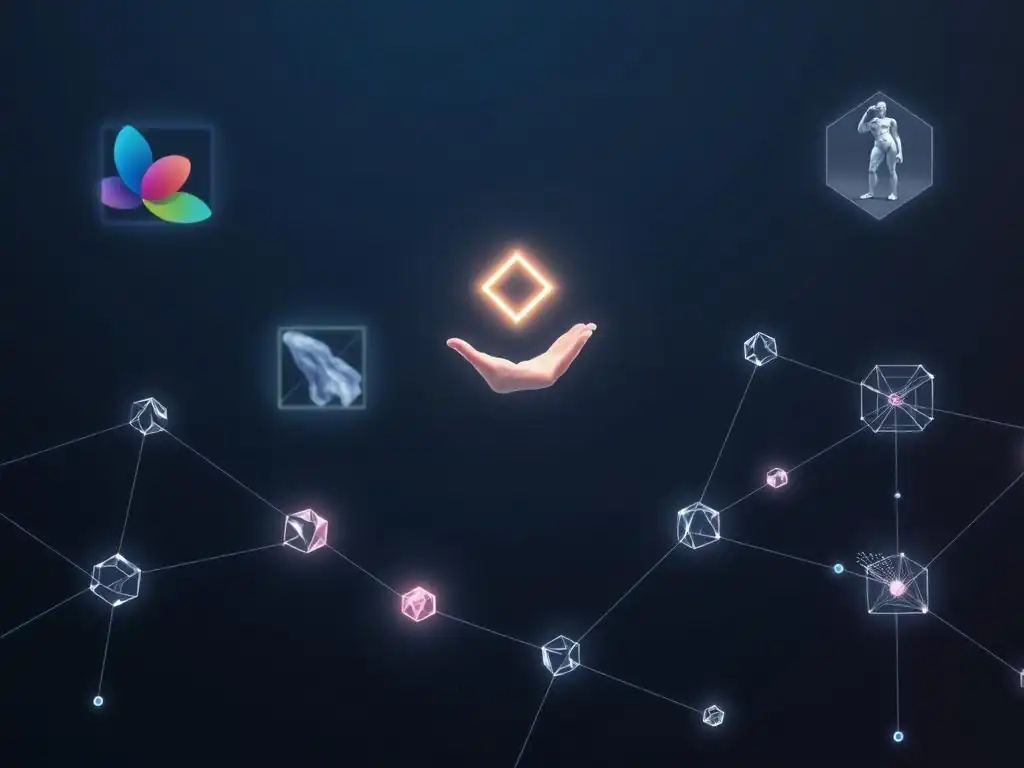
The burgeoning NFT art market is supported by a diverse ecosystem of blockchain platforms and marketplaces, each offering unique features and catering to different segments of the digital art community. These platforms provide the infrastructure for artists to mint, list, and sell their NFTs, and for collectors to discover, purchase, and trade digital artworks. Leading NFT marketplaces vary in terms of their curatorial approach, fee structures, supported blockchains, and community focus. Understanding the characteristics of these different platforms is crucial for artists and collectors navigating the NFT art landscape.
Popular NFT marketplaces include OpenSea, Rarible, SuperRare, Nifty Gateway, Foundation, and KnownOrigin, among others. Each platform has its own strengths and caters to different types of artists and collectors. For instance, some marketplaces focus on curated collections and high-end digital art, while others prioritize open platforms with broader accessibility.
Some platforms specialize in specific art forms, such as generative art or photography, while others offer a wider range of digital art categories. The choice of marketplace can significantly impact an artist's visibility, sales potential, and community engagement. Exploring these diverse platforms is essential for artists to find the best fit for their work and for collectors to discover the art they are most interested in.
OpenSea: Features and Benefits for Artists and Collectors
OpenSea stands as one of the largest and most comprehensive NFT marketplaces, offering a wide range of digital assets, including digital art, collectibles, and virtual world items. Its open and user-friendly platform makes it accessible to both novice and experienced NFT creators and collectors. OpenSea supports multiple blockchains, including Ethereum, Polygon, and Solana, providing flexibility and lower transaction fees compared to Ethereum-only platforms. Its extensive catalog and robust search functionality make it a popular destination for discovering and trading digital art NFTs.
For artists, OpenSea offers a self-service minting process, allowing them to easily create and list their NFTs without requiring platform approval. Artists can set their own prices, royalties, and edition sizes, giving them greater control over their sales. OpenSea also provides tools for artists to manage their NFT collections and track sales performance.
For collectors, OpenSea offers a vast selection of digital art NFTs across various genres and price points. Its user-friendly interface, advanced filtering options, and secure transaction system make it a convenient and reliable platform for buying and selling NFTs. OpenSea's comprehensive features and large user base make it a dominant player in the NFT art market, benefiting both artists and collectors seeking a broad and accessible platform.
Rarible: Unique Approaches to Digital Art Ownership
Rarible distinguishes itself in the NFT marketplace landscape with its focus on community governance and innovative approaches to digital art ownership. Rarible operates as a decentralized autonomous organization (DAO), giving its community of users a voice in platform governance and development. Holders of the RARI token, Rarible's native cryptocurrency, can participate in platform decisions, influencing features, fees, and future direction. This community-driven approach fosters a sense of ownership and collaboration among artists and collectors.
Rarible also pioneers innovative features for digital art ownership, such as "lazy minting" and on-chain royalties. Lazy minting allows artists to list NFTs for sale without incurring upfront minting fees, reducing the financial barrier to entry for creators. NFTs are only minted on the blockchain when a sale occurs, making it more cost-effective for artists, especially those new to NFTs.
Rarible also emphasizes on-chain royalties, ensuring that royalty payments are directly enforced by the smart contract and are not reliant on platform compliance. These unique features, combined with its community-centric approach, position Rarible as a forward-thinking platform that empowers artists and fosters a more decentralized and equitable NFT art ecosystem.
Case Studies: Successful Digital Artists Leveraging Blockchain
Beeple: How NFTs Transformed Their Career
Mike Winkelmann, known professionally as Beeple, is a prime example of how NFTs have profoundly transformed the careers of digital artists. Beeple was already a well-established digital artist known for his "Everydays" project, creating and posting a new digital artwork online every day for over a decade.
However, it was his embrace of NFTs that catapulted him to global fame and unprecedented financial success. In 2021, Beeple's NFT artwork "Everydays: The First 5000 Days" sold at Christie's auction for a staggering $69.3 million, making it one of the most expensive artworks ever sold by a living artist, and a landmark moment for the NFT art market.
This monumental sale not only validated the value of digital art as NFTs but also dramatically elevated Beeple's profile and market value. Following this auction, Beeple continued to release NFT artworks, commanding high prices and attracting a global collector base. His success story demonstrates the transformative potential of NFTs for digital artists, enabling them to reach new audiences, command premium prices for their work, and achieve mainstream recognition. Beeple's journey exemplifies how blockchain revolutionizes digital art creation and empowers artists to achieve levels of success previously unattainable in the traditional art world.
Mad Dog Jones: Innovative Uses of Blockchain in Digital Art
Mad Dog Jones, the pseudonym of Canadian digital artist Micah Dowbak, showcases innovative applications of blockchain technology beyond simple NFT sales, pushing the boundaries of digital art and collector engagement. Known for his cyberpunk-inspired digital artworks, Mad Dog Jones has leveraged NFTs to create dynamic and evolving artworks, interactive experiences, and unique collector perks. His "REPLICATOR" NFT, for instance, is a generative artwork that produces new NFTs over time, creating a continuously evolving digital art piece and a novel form of digital scarcity.
Mad Dog Jones also incorporates interactive elements into his NFTs, allowing collectors to influence the artwork or access exclusive content. He has used NFTs to grant collectors access to virtual events, physical merchandise, and even collaborations on future artworks. This innovative approach to NFTs goes beyond mere digital collectibles, transforming them into dynamic and interactive art experiences.
Mad Dog Jones' work demonstrates the versatility of blockchain for digital art, showcasing how artists can utilize NFTs to create engaging, evolving, and collector-centric art forms. His pioneering use of blockchain illustrates the expanding possibilities for artistic expression and collector engagement in the NFT space.
Analyzing the Impact of Blockchain on Art Valuation and Investment
Blockchain and NFTs have significantly impacted art valuation and investment, introducing new metrics, market dynamics, and investment opportunities within the art world. Traditional art valuation is often subjective and relies on factors such as artist reputation, historical sales data, and market trends. NFT art valuation incorporates these traditional factors but also introduces new considerations specific to the digital realm, such as NFT rarity, edition size, smart contract features, and community engagement. The transparent and publicly accessible nature of blockchain data provides new insights into art market activity and price discovery.
The emergence of NFT art has also opened up new avenues for art investment. NFTs offer fractional ownership, making high-value artworks more accessible to a broader range of investors. The 24/7 trading of NFTs on global marketplaces provides liquidity and price transparency not typically found in traditional art markets. Furthermore, the digital nature of NFTs allows for easier storage, transfer, and portfolio diversification.
While the NFT art market is still relatively nascent and volatile, it has attracted significant investment and is increasingly being recognized as a legitimate asset class. Analyzing the impact of blockchain on art valuation and investment requires understanding both traditional art market principles and the unique characteristics of the NFT ecosystem. Blockchain is introducing a new layer of complexity and opportunity to art investment, reshaping how art is valued, traded, and perceived as an asset.
The Future of Digital Art and Blockchain Integration
Emerging Trends: Generative Art, AI, and Decentralized Autonomous Organizations (DAOs)
The future of digital art and blockchain integration is being shaped by several emerging trends, including generative art, artificial intelligence (AI), and decentralized autonomous organizations (DAOs). Generative art, created using algorithms and computational processes, is finding a natural home in the NFT space. Blockchain's ability to establish provenance and scarcity is particularly well-suited for generative art, where unique outputs can be verifiably linked to specific algorithms and creators.
AI is also playing an increasing role in digital art creation, with artists using AI tools to generate novel artworks and explore new creative possibilities. NFTs provide a mechanism for artists to monetize and authenticate AI-generated art, further blurring the lines between human and machine creativity.
DAOs are emerging as a powerful organizational model within the NFT art world. Art DAOs are decentralized communities that collectively curate, acquire, and manage NFT art collections. DAOs empower artists and collectors to collaborate, share resources, and participate in decentralized art ecosystems. They offer new models for art patronage, community building, and collective ownership of digital art assets. These trends – generative art, AI, and DAOs – are converging to create a dynamic and evolving landscape for digital art and blockchain integration, pushing the boundaries of artistic expression and community participation.
The Metaverse as a Canvas: Expanding Artistic Possibilities
The metaverse is rapidly emerging as a vibrant and expansive canvas for digital art, offering artists unprecedented opportunities to create immersive, interactive, and social art experiences. Within metaverse platforms, digital art can transcend the limitations of traditional screens and physical spaces, becoming integral parts of virtual worlds and interactive environments. Artists can create virtual galleries, immersive installations, and interactive sculptures that engage audiences in new and profound ways. The metaverse provides a space for digital art to become truly experiential and participatory.
NFTs play a crucial role in establishing ownership and value for digital art within the metaverse. NFTs can represent virtual land, avatars, wearables, and in-world objects, including digital artworks displayed within virtual spaces. The integration of NFTs and the metaverse enables a thriving digital art economy within virtual worlds, where artists can create, sell, and showcase their work to a global metaverse audience.
The metaverse is not just a new platform for displaying digital art; it is transforming the very nature of artistic creation, offering artists new tools, mediums, and possibilities for expression. As the metaverse continues to develop, it will undoubtedly become an increasingly important space for digital art and blockchain integration.
Challenges and Opportunities for Blockchain Adoption in the Art World
While blockchain offers immense potential for revolutionizing the art world, its widespread adoption faces certain challenges and presents significant opportunities. Challenges include addressing scalability issues of blockchain networks to handle high volumes of art transactions, managing transaction fees which can fluctuate and become costly, and navigating the evolving regulatory landscape surrounding NFTs and digital assets. Educating traditional art institutions, artists, and collectors about the benefits and intricacies of blockchain technology is also crucial for broader adoption.
Despite these challenges, the opportunities for blockchain in the art world are vast. Blockchain can enhance transparency, provenance, and security in art transactions, build trust among artists and collectors, and democratize access to the art market. NFTs provide new revenue streams for digital artists, empower them to control their work, and foster direct artist-collector relationships.
The metaverse offers a new frontier for digital art creation and exhibition, expanding artistic possibilities and audience engagement. Overcoming the existing challenges and capitalizing on these opportunities will be key to realizing the full transformative potential of blockchain in the art world and ushering in a new era for artistic expression and innovation.
Overcoming Obstacles to Blockchain Adoption in the Art World
Addressing Scalability and Transaction Fees
Scalability and transaction fees are significant obstacles to the widespread adoption of blockchain technology in the art world, particularly for high-volume NFT marketplaces and frequent art transactions. Some blockchain networks, particularly Ethereum, have faced scalability limitations, leading to network congestion and high transaction fees during periods of peak activity. These high fees can make smaller transactions economically unviable and discourage broader participation, especially for emerging artists and new collectors.
Solutions to scalability challenges are being actively developed and implemented. Layer-2 scaling solutions, such as sidechains and rollups, are designed to increase transaction throughput and reduce fees on existing blockchains. Alternative blockchains with higher scalability and lower fees, such as Solana and Polygon, are also gaining traction in the NFT space. Technological advancements in blockchain infrastructure are continuously improving scalability and reducing transaction costs, making blockchain technology more accessible and efficient for art transactions. Addressing scalability and fee issues is crucial for ensuring the long-term viability and mainstream adoption of blockchain in the art world.
Regulatory uncertainties surrounding NFTs and digital assets pose another challenge to blockchain adoption in the art world. The legal and regulatory frameworks for NFTs are still evolving globally, creating ambiguity and potential risks for artists, collectors, and marketplaces. Issues such as intellectual property rights, taxation, and securities regulations in the context of NFTs are still being clarified and debated by legal authorities in different jurisdictions.
Navigating this regulatory landscape requires careful consideration and proactive engagement with legal and policy developments. NFT platforms and artists need to stay informed about evolving regulations and ensure compliance with applicable laws. Industry organizations and advocacy groups are working to engage with regulators and policymakers to promote clear and favorable regulatory frameworks for NFTs. Addressing regulatory uncertainties and establishing clear legal guidelines are essential for fostering a stable and predictable environment for the growth and development of the NFT art market.
Educating Artists and Collectors About Blockchain Technology
A significant obstacle to broader blockchain adoption in the art world is the need for widespread education and understanding of blockchain technology among artists and collectors. Blockchain and NFTs can be complex and unfamiliar concepts for those not already immersed in the technology space. Many traditional artists and collectors may lack the technical knowledge or understanding to effectively engage with NFTs and blockchain-based art platforms. Overcoming this knowledge gap is crucial for fostering wider participation and adoption.
Educational initiatives are essential to demystify blockchain technology and make it more accessible to artists and collectors. Workshops, online resources, tutorials, and educational content are needed to explain the benefits of blockchain for art, how NFTs work, and how to navigate NFT marketplaces. Art institutions, galleries, and industry organizations can play a key role in providing education and guidance to their communities. Bridging the knowledge gap and empowering artists and collectors with the necessary understanding of blockchain technology is critical for unlocking its full potential in the art world and driving mainstream adoption.
Conclusion: Blockchain Revolutionizes Digital Art Creation, Ushering in a New Era
The Enduring Impact of Blockchain on Artistic Expression
Blockchain technology is undeniably revolutionizing digital art creation, leaving an enduring impact on artistic expression and the art world as a whole. By addressing fundamental challenges related to authenticity, provenance, ownership, and monetization, blockchain empowers digital artists in unprecedented ways. NFTs have transformed digital art from infinitely reproducible files into unique, collectible assets, unlocking new markets and revenue streams for creators. Smart contracts automate royalties and ensure fair compensation, while blockchain's transparency and security build trust and confidence in art transactions.
The impact of blockchain extends beyond mere technological upgrades; it represents a fundamental shift in the power dynamics of the art world. Artists are gaining greater control over their work, establishing direct relationships with collectors, and participating in a more equitable and decentralized art ecosystem. Blockchain is fostering innovation, creativity, and inclusivity, opening up new possibilities for artistic expression and audience engagement. The enduring impact of blockchain on artistic expression is profound and transformative, marking a watershed moment in the history of art.
Embracing Decentralization: The Future of Art Ownership and Creativity
The future of art ownership and creativity is inextricably linked to the principles of decentralization, which are at the heart of blockchain technology. Blockchain empowers a decentralized art ecosystem, where power is distributed among artists, collectors, and communities, rather than concentrated in the hands of traditional intermediaries. This decentralization fosters greater transparency, accessibility, and inclusivity in the art world, creating a more level playing field for artists and collectors from diverse backgrounds.
Embracing decentralization in the art world means empowering artists to control their creative output, fostering direct connections between creators and their audiences, and building community-driven art ecosystems. DAOs and decentralized platforms are paving the way for new models of art ownership, patronage, and collective creativity.
As blockchain technology continues to evolve and mature, its decentralized ethos will increasingly shape the future of art, fostering a more vibrant, equitable, and innovative art world for generations to come. The embrace of decentralization is not just a technological trend; it is a cultural and philosophical shift that is reshaping the very foundations of art ownership and creativity.
Frequently Asked Questions
How does blockchain revolutionize digital art creation in the metaverse?
Blockchain provides a system for verifying ownership and authenticity of digital art, creating scarcity and value in the metaverse. This empowers artists to directly connect with collectors and retain control over their creations.
What are NFTs and how do they relate to digital art in the metaverse?
NFTs, or Non-Fungible Tokens, are unique digital assets that represent ownership of digital art. They act as a certificate of authenticity on the blockchain, making digital art collectible and tradable.
What are the benefits for artists using blockchain in the metaverse?
Artists gain greater control over their work, earn fairer compensation through direct sales, and establish provenance and scarcity, increasing the value of their digital art.
How is blockchain impacting the regulation of digital art in the metaverse?
Regulations are still evolving, but blockchain's transparency can aid in tracking ownership and preventing copyright infringement. However, jurisdictional challenges and lack of clear global standards remain a concern.
Beyond ownership, what other blockchain applications are relevant to digital art in the metaverse?
Blockchain enables decentralized art marketplaces, fractional ownership of high-value pieces, and smart contracts that automate royalties and artist compensation, fostering a more equitable art ecosystem.
Okay, here's a final reflection designed to close your article, connect with the reader, and reinforce the key message about how blockchain revolutionizes digital art creation, formatted as requested:
Final Reflection: The Dawn of Decentralized Creativity
The journey through the metaverse and the transformative power of blockchain in digital art reveals a profound truth: the very definition of artistic ownership and expression is being fundamentally reshaped. No longer confined by traditional gatekeepers, artists are empowered to create, distribute, and monetize their work in unprecedented ways, fostering a vibrant and decentralized ecosystem. This shift isn't just a technological advancement; it's a cultural renaissance.
The ongoing impact of blockchain on digital art is undeniable, fostering a sense of community and direct connection between artists and collectors. This revolution resonates deeply, offering a glimpse into a future where creativity is democratized and artists are truly valued for their contributions. Art washes away from the soul the dust of everyday life.
- Pablo Picasso. This quote encapsulates the essence of why this revolution matters; it allows art to flourish, unburdened by the constraints of the past.
As we stand on the cusp of this new era, let us embrace the possibilities that blockchain offers to the world of digital art. Consider how you can support artists directly, explore the metaverse as a canvas for your own creativity, and champion the principles of decentralization and ownership. The future of art is being written now, and your participation can help shape a more vibrant, equitable, and inspiring world for all.
Unleash Your Inner Digital Artist: Step into the Metaverse!
Thank you for exploring the exciting intersection of the Metaverse, digital art, and blockchain technology. We hope this article has shown how blockchain is empowering artists and transforming creative expression. Now, it's time to turn your newfound knowledge into action!
Here’s how you can dive deeper into this revolutionary world:
- Start creating your own digital art and mint it as an NFT. Don’t hesitate to experiment with different styles and platforms. This is the future of art ownership.
- Join Metaverse art communities. Connect with like-minded creators and collectors on platforms such as Decentraland or Cryptovoxels to share your work and learn from others.
- Explore emerging blockchain art platforms beyond the mainstream. Consider checking out projects on less-known blockchains like Tezos or Flow for unique opportunities.
Are you ready to unleash your creativity and become a pioneer in the Metaverse art revolution? What innovative digital art piece will you create first?
Leave a Reply