
The Metaverse and Virtual Events: Blockchain for Secure Ticketing and Immersive Experiences

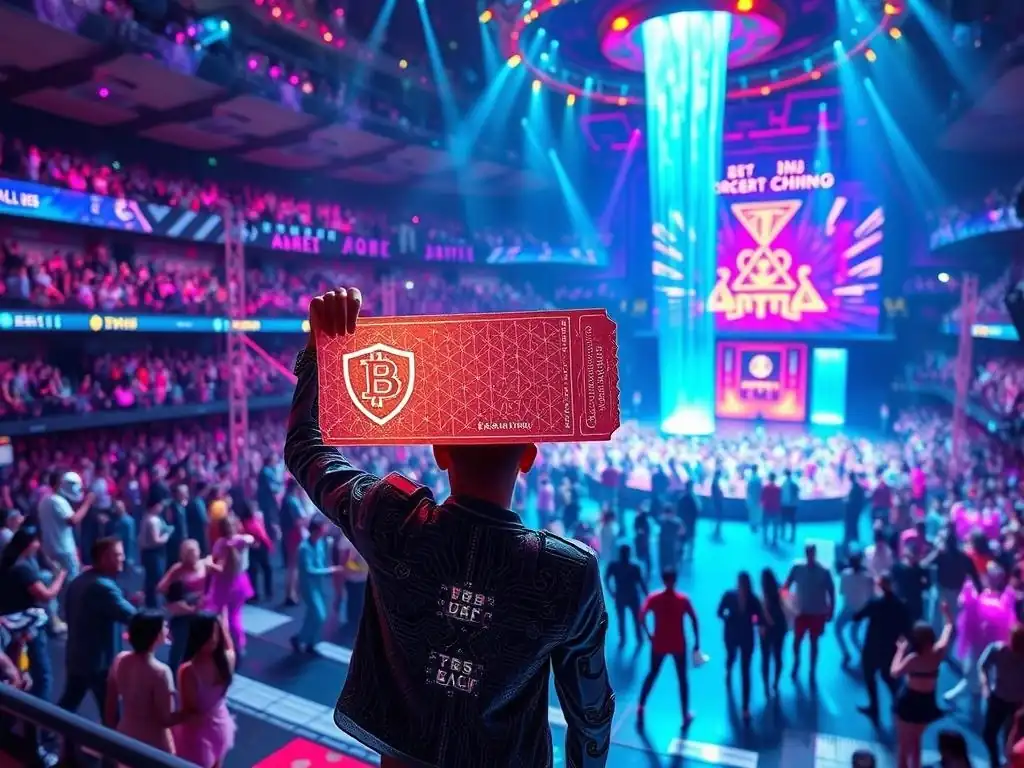
Welcome to Blockchain Trends, your premier source for in-depth analysis of blockchain's evolving landscape.
Are you ready to unlock the potential of blockchain beyond the headlines? Dive in to discover how this revolutionary technology is reshaping industries. This week, we're exploring a fascinating intersection: the metaverse and virtual events. Learn how blockchain secure virtual event tickets are not just combating fraud, but are paving the way for truly immersive and decentralized experiences. Curious to know how? Keep reading to unravel the future of digital engagement!
Virtual Concerts and Blockchain: Secure Ticketing and Enhanced Fan Experiences
- Introduction: The Convergence of Virtual Concerts and Blockchain Technology
- Blockchain's Role in Securing Virtual Concert Tickets
- Immersive Experiences Enhanced by Blockchain in Virtual Concerts
- Benefits of Blockchain-Secured Virtual Concerts
- Use Cases: Blockchain Ticketing in Virtual Concerts
- Challenges and Considerations for Blockchain Implementation
- The Future of Virtual Concerts: Blockchain and Immersive Experiences
- Conclusion: Embracing Blockchain for Secure and Immersive Virtual Concert Experiences
-
Frequently Asked Questions
- How does blockchain technology enhance the security of virtual event tickets in the metaverse?
- What role does NFTs play in blockchain-based virtual event ticketing?
- How can blockchain-based ticketing improve the user experience for attendees of virtual events?
- What are the potential benefits for event organizers who adopt blockchain-based ticketing solutions?
- What are some of the regulatory challenges associated with using blockchain for virtual event ticketing?
- Final Reflection: Embracing Trust in the Virtual Frontier
- Unlock the Metaverse: Design Your First Virtual Event!
Introduction: The Convergence of Virtual Concerts and Blockchain Technology
Exploring the Synergies: Virtual Concerts and Blockchain
The intersection of virtual concerts and blockchain technology represents a significant evolution in the entertainment industry. Virtual concerts, leveraging immersive digital environments, offer artists and fans new ways to connect, transcending geographical limitations and physical venue capacities. Blockchain, with its inherent security, transparency, and decentralized nature, provides the foundational infrastructure to address key challenges and unlock new opportunities within this virtual landscape. This synergy is not just about replicating physical concerts online; it's about creating entirely novel experiences that are enhanced by the unique capabilities of both virtual worlds and blockchain.
The potential benefits are multifaceted, ranging from enhanced ticketing security and fraud prevention to innovative fan engagement mechanisms and new revenue streams for artists and organizers. Blockchain can underpin secure and transparent ticketing systems, ensuring genuine ticket ownership and combating issues like scalping and counterfeiting that plague traditional ticketing models. Furthermore, blockchain-based digital assets like NFTs can revolutionize fan engagement by offering unique collectibles, access passes, and interactive experiences within virtual concerts, fostering a deeper connection between artists and their audience.
The Problem: Scalping and Fraud in Virtual Concert Ticketing
Despite the excitement surrounding virtual concerts, the digital realm is not immune to the problems that plague traditional live events, particularly concerning ticketing. Scalping and fraud remain significant concerns in the virtual concert space. Unscrupulous actors can utilize bots and automated systems to purchase large quantities of virtual event tickets, often for popular artists or events, only to resell them at inflated prices on secondary markets. This practice not only deprives genuine fans of the opportunity to attend concerts at fair prices but also damages the reputation of artists and platforms.
Furthermore, the digital nature of virtual concert tickets makes them susceptible to counterfeiting and unauthorized duplication. Without robust security measures, it becomes challenging to verify the authenticity of a ticket, leading to potential losses for both attendees and organizers. Traditional digital ticketing systems, even those employed by established platforms, can be vulnerable to these issues. The lack of transparency in ticket distribution and resale processes further exacerbates these problems, creating an environment where fraud can flourish and genuine fans are often disadvantaged.
Blockchain's Role in Securing Virtual Concert Tickets
Understanding Blockchain-Based Ticketing Systems for Virtual Concerts
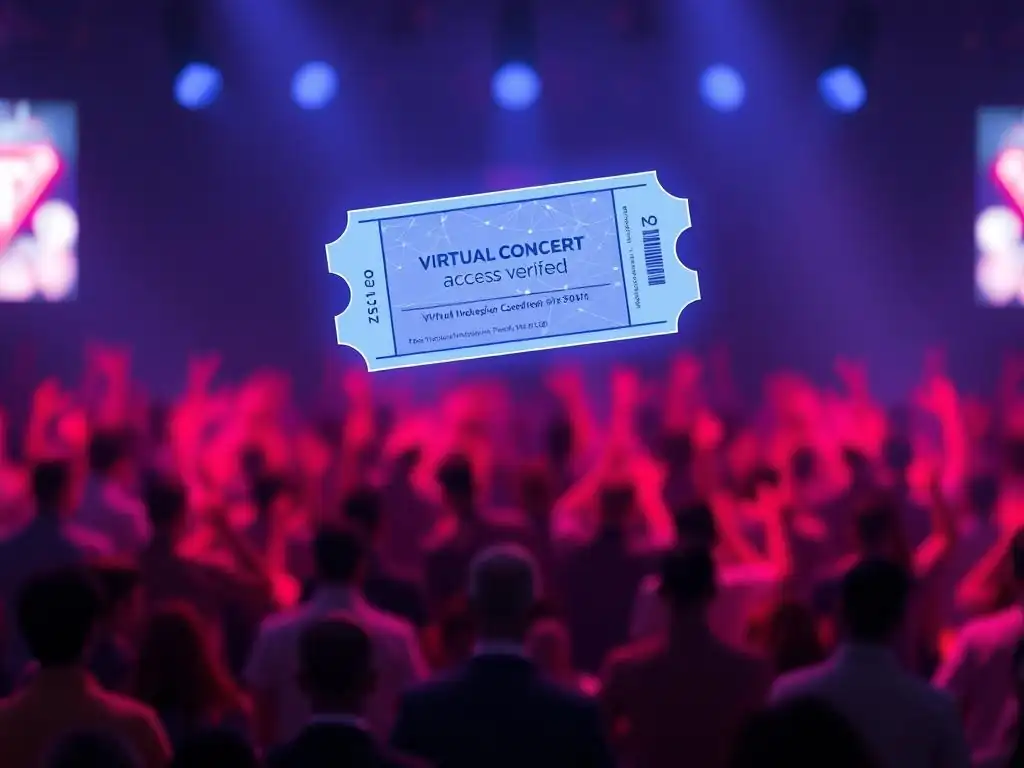
Blockchain technology offers a compelling solution to the challenges of secure ticketing in virtual concerts through its inherent characteristics of decentralization, immutability, and transparency. A blockchain-based ticketing system operates by issuing each virtual concert ticket as a unique, non-fungible token (NFT) on a blockchain network. This NFT serves as a digital certificate of authenticity and ownership, permanently recorded on the blockchain ledger. When a ticket is purchased, the ownership is transferred to the buyer's digital wallet, with the transaction recorded and verifiable by anyone on the network.
This approach fundamentally differs from traditional centralized ticketing systems where tickets are managed by a single entity and prone to manipulation or fraud. Blockchain eliminates the need for intermediaries, providing a direct and transparent link between the ticket issuer (concert organizer) and the ticket holder (attendee). Smart contracts, self-executing agreements coded on the blockchain, can automate the entire ticketing process, from initial sale to resale, ensuring fair pricing and preventing unauthorized duplication.
Enhanced Security: Preventing Fraud and Counterfeiting with Blockchain
The core strength of blockchain in virtual concert ticketing lies in its ability to drastically enhance security and prevent fraud. Because each ticket is represented as a unique NFT on a blockchain, it possesses inherent scarcity and verifiable ownership. The cryptographic nature of blockchain ensures that these digital tickets are virtually impossible to counterfeit or duplicate. Any attempt to alter or tamper with a ticket's information on the blockchain would be immediately detectable and rejected by the network.
Furthermore, blockchain-based ticketing systems can incorporate features to combat scalping. Smart contracts can be programmed to enforce rules regarding ticket resale, such as limiting resale prices or restricting the number of times a ticket can be resold. This level of control is difficult to achieve with traditional ticketing methods. The transparency of the blockchain ledger also allows for real-time tracking of ticket ownership and transfer history, making it easier to identify and prevent fraudulent activities. For example, if a ticket is flagged as stolen or obtained illegally, the blockchain record will reflect this, rendering the ticket invalid.
Transparency and Traceability: Tracking Virtual Concert Ticket Ownership
Transparency and traceability are fundamental advantages of blockchain-based ticketing systems. Every transaction related to a virtual concert ticket, from its initial issuance to any subsequent resales, is recorded permanently and transparently on the blockchain. This creates an immutable audit trail of ticket ownership, accessible to authorized parties, ensuring accountability and reducing the potential for disputes.
For concert organizers, this transparency provides valuable insights into ticket distribution and sales patterns. They can track the journey of each ticket, from the primary sale to the secondary market, gaining a clearer understanding of fan demand and market dynamics. For attendees, the blockchain record provides verifiable proof of ownership, eliminating concerns about ticket authenticity and ensuring their right to access the virtual concert. This level of transparency fosters trust and confidence in the ticketing process, benefiting both organizers and attendees in the virtual concert ecosystem.
Immersive Experiences Enhanced by Blockchain in Virtual Concerts
Blockchain-Powered Digital Assets for Fan Engagement
Beyond secure ticketing, blockchain technology empowers a new era of fan engagement in virtual concerts through digital assets. Non-Fungible Tokens (NFTs) serve as versatile digital assets that can represent a wide range of unique items and experiences within the virtual concert environment. These can include virtual merchandise, backstage passes, exclusive content access, and interactive elements that enhance the overall fan experience.
By utilizing blockchain, artists and concert organizers can create limited-edition digital collectibles that fans can own, trade, and showcase. These digital assets can foster a sense of community and exclusivity, rewarding loyal fans and creating new avenues for interaction beyond simply attending the virtual concert. The ownership of these digital assets can be seamlessly integrated into the virtual concert experience, unlocking special features or granting access to exclusive areas within the virtual environment.
NFTs and Virtual Concert Collectibles: Creating Unique Experiences
NFTs are revolutionizing the way fans interact with virtual concerts by enabling the creation of unique and collectible digital items. Imagine purchasing an NFT that not only grants access to a virtual concert but also includes a limited-edition virtual guitar signed by the artist, a backstage virtual meet-and-greet, or exclusive digital artwork related to the concert. These NFTs become more than just tickets; they transform into valuable digital collectibles that fans can cherish and trade.
The scarcity and verifiable ownership of NFTs make them highly desirable for collectors and fans alike. Artists can release limited-edition NFTs tied to virtual concerts, creating a sense of urgency and exclusivity. These collectibles can range from virtual concert posters and merchandise to unique avatars and virtual items that attendees can use within the concert environment. The resale value of these NFTs can also provide artists and early adopters with new revenue streams, fostering a dynamic and engaging ecosystem around virtual concerts.
Decentralized Autonomous Organizations (DAOs) and Community-Driven Concerts
Decentralized Autonomous Organizations (DAOs) offer an innovative model for community-driven virtual concerts, leveraging blockchain for governance and decision-making. A DAO is essentially a community-led entity with rules encoded on a blockchain, allowing for transparent and democratic decision-making processes. In the context of virtual concerts, DAOs can empower fans to participate in shaping the concert experience.
For example, a DAO could be established to govern a virtual music platform or a specific artist's virtual concert series. Token holders within the DAO could vote on aspects such as setlists, virtual venue designs, or even artist collaborations. This decentralized approach fosters a sense of ownership and community involvement, transforming fans from passive consumers into active participants in the creation and curation of virtual concert experiences. DAOs can also facilitate transparent and equitable distribution of revenue generated from virtual concerts, aligning the incentives of artists, organizers, and fans.
Benefits of Blockchain-Secured Virtual Concerts
Increased Trust and Transparency for Attendees
Blockchain-secured virtual concerts offer attendees a significantly enhanced level of trust and transparency compared to traditional ticketing systems. The immutable and transparent nature of blockchain technology ensures that tickets are genuine and ownership is verifiable. Attendees can have confidence that their tickets are not counterfeit and that their right to access the virtual concert is protected.
The transparency of the blockchain ledger also empowers attendees with greater visibility into the ticketing process. They can track the history of their ticket, verify its authenticity, and understand the terms and conditions associated with it. This increased transparency builds trust between concert organizers and attendees, fostering a more positive and reliable virtual concert experience. In an era where digital fraud is a growing concern, blockchain provides a robust solution to establish trust in virtual ticketing.
Reduced Costs and Improved Efficiency for Concert Organizers
Implementing blockchain for virtual concert ticketing can lead to reduced costs and improved efficiency for concert organizers. By eliminating intermediaries involved in traditional ticketing systems, such as ticketing platforms and resellers, blockchain can streamline the ticketing process and reduce associated fees. Smart contracts automate many aspects of ticketing, from ticket sales to resale management, further enhancing efficiency and reducing administrative overhead.
The reduction in fraud and counterfeiting also translates to cost savings for organizers. Less time and resources need to be spent on combating fraudulent tickets and resolving disputes related to ticket authenticity. Furthermore, the transparency and traceability provided by blockchain can optimize ticket pricing strategies and improve revenue management for virtual concerts. The long-term cost benefits and efficiency gains make blockchain-based ticketing a compelling proposition for concert organizers.
New Revenue Streams and Monetization Opportunities
Blockchain technology unlocks new revenue streams and monetization opportunities for artists and concert organizers within the virtual concert space. NFTs representing virtual concert tickets and collectibles create entirely new avenues for generating revenue beyond traditional ticket sales. Limited-edition NFTs can be sold at premium prices, and artists can earn royalties from secondary market sales of these digital assets.
Furthermore, blockchain enables innovative monetization models such as fractional ownership of virtual concert experiences or access to exclusive content through NFT ownership. DAOs can facilitate community-driven funding and revenue sharing for virtual concerts, aligning the financial incentives of artists, organizers, and fans. These new revenue streams can help artists and the music industry adapt to the evolving digital landscape and thrive in the virtual concert economy.
Use Cases: Blockchain Ticketing in Virtual Concerts
Case Study 1: Kings of Leon NFT Album Release and Virtual Concert
Kings of Leon's 2021 NFT album release and associated virtual concert serve as a pioneering example of blockchain integration in the music industry. The band released their album "When You See Yourself" as an NFT, offering fans a unique and collectible digital version of their music. This NFT release included various tiers, with higher tiers granting access to exclusive content, including a virtual concert experience.
The Kings of Leon NFT drop demonstrated the potential of blockchain to create scarcity and exclusivity around digital music releases and virtual events. The NFTs sold for significant amounts, generating substantial revenue for the band and highlighting the demand for blockchain-based digital collectibles in the music industry. The virtual concert component further showcased how NFTs can be used to gate access to exclusive virtual experiences, enhancing fan engagement and creating new revenue models.
Case Study 2: Grimes' Digital Art Sales and Virtual Performance
Grimes, known for her avant-garde approach to music and technology, has been a prominent early adopter of blockchain and NFTs. She has successfully sold digital art pieces as NFTs, some of which were tied to virtual performances and experiences. In 2021, Grimes sold a collection of digital art NFTs for millions of dollars, demonstrating the significant value that can be generated through blockchain-based digital art and collectibles.
While not exclusively focused on virtual concerts, Grimes' use of NFTs to sell digital art and link them to virtual experiences illustrates the broader potential of blockchain in the entertainment industry. Her success highlights the growing acceptance of NFTs as valuable digital assets and their capacity to create new forms of artistic expression and fan engagement in the digital realm. Her approach has paved the way for other artists to explore similar blockchain-based models for virtual performances and digital art sales.
Analyzing Key Performance Indicators (KPIs) in Blockchain-Enhanced Concerts
Measuring the success of blockchain-enhanced virtual concerts requires tracking relevant Key Performance Indicators (KPIs). Ticket sales volume and revenue generated from primary and secondary NFT ticket markets are crucial indicators of adoption and financial performance. Analyzing the average resale price of NFT tickets can reveal market demand and fan engagement levels. Tracking the number of unique NFT holders provides insights into the reach and community building aspects of blockchain-based ticketing.
Furthermore, monitoring fan engagement metrics within the virtual concert environment, such as attendance duration, interaction levels with digital collectibles, and participation in DAO governance (if applicable), is essential. Collecting data on user satisfaction through surveys and feedback mechanisms provides qualitative insights into the overall fan experience. Analyzing these KPIs allows organizers to assess the effectiveness of blockchain implementation, optimize strategies, and demonstrate the value proposition of blockchain-enhanced virtual concerts to the broader music industry.
Challenges and Considerations for Blockchain Implementation
Scalability Issues and Potential Solutions
Scalability remains a significant challenge for blockchain technology, particularly when considering applications like virtual concert ticketing that may involve a large number of transactions in a short period. Public blockchains, while offering decentralization and security, can face limitations in transaction processing speed and capacity. If a virtual concert attracts a massive audience, the blockchain network may become congested, leading to delays and increased transaction fees.
Potential solutions to scalability challenges include utilizing layer-2 scaling solutions, such as sidechains or rollups, which operate on top of the main blockchain to handle a higher volume of transactions more efficiently. Private or consortium blockchains, while less decentralized, can offer improved scalability for specific use cases like ticketing within a closed ecosystem. Careful selection of the appropriate blockchain infrastructure and scaling solutions is crucial for successful implementation of blockchain-based ticketing for virtual concerts.
Regulatory Landscape and Compliance for Digital Assets
The regulatory landscape surrounding digital assets, including NFTs, is still evolving globally, creating uncertainty and potential compliance challenges for blockchain-based virtual concerts. Regulations related to securities, consumer protection, and taxation of digital assets vary across jurisdictions, requiring careful consideration and legal compliance. Classifying NFTs as securities or collectibles can have significant regulatory implications.
Concert organizers and platforms utilizing blockchain for virtual ticketing need to navigate this complex regulatory environment and ensure compliance with applicable laws. This may involve seeking legal counsel, implementing KYC (Know Your Customer) and AML (Anti-Money Laundering) procedures, and adapting to evolving regulatory frameworks. Clarity and harmonization in the global regulatory landscape for digital assets are crucial for fostering wider adoption of blockchain in the virtual concert industry.
User Adoption and Education in Blockchain Technology
User adoption and education remain critical factors for the widespread success of blockchain-based virtual concerts. While blockchain technology offers numerous benefits, it can be perceived as complex and unfamiliar by the average concert attendee. Many users may not be comfortable with concepts like digital wallets, NFTs, and blockchain transactions. Overcoming this adoption barrier requires user-friendly interfaces and effective educational initiatives.
Platforms offering blockchain-based virtual concert tickets need to prioritize user experience and simplify the onboarding process. Providing clear and concise educational resources, tutorials, and customer support can help users understand and confidently utilize blockchain technology for accessing virtual concerts. Collaborations between the music industry and blockchain educators are essential to bridge the knowledge gap and promote wider user adoption of blockchain in the virtual entertainment space.
The Future of Virtual Concerts: Blockchain and Immersive Experiences
Predictions and Trends: The Evolution of Blockchain-Secured Concerts
The future of virtual concerts is inextricably linked with the continued evolution of blockchain technology. We can anticipate a growing trend towards deeper integration of blockchain into virtual concert platforms, moving beyond just ticketing to encompass a wider range of fan engagement mechanisms and immersive experiences. NFTs will likely become increasingly sophisticated and personalized, offering dynamic content and evolving utility over time.
The metaverse will play a crucial role in shaping the future of virtual concerts, providing richer and more interactive environments for blockchain-enhanced experiences. We may see the emergence of persistent virtual concert venues where fans can gather, socialize, and experience live music in immersive digital worlds, all underpinned by blockchain for secure ownership and verifiable identity. The convergence of metaverse technologies and blockchain will unlock entirely new possibilities for virtual concerts.
The Impact on the Music Industry and Fan Engagement
Blockchain technology has the potential to fundamentally reshape the music industry and the way artists interact with their fans in the virtual realm. By empowering artists with greater control over ticketing, digital assets, and revenue streams, blockchain can foster a more equitable and sustainable ecosystem for musicians. Direct-to-fan models enabled by blockchain can reduce reliance on intermediaries and increase artist earnings.
Fan engagement will become more interactive and personalized through blockchain-based digital collectibles and community-driven platforms. NFTs will foster a deeper connection between artists and fans, creating a sense of ownership and shared experience. DAOs can empower fans to participate in shaping the direction of artists' careers and virtual concert experiences, fostering a more collaborative and community-centric music industry.
The Potential for Decentralized Music Platforms
Blockchain technology paves the way for the emergence of decentralized music platforms that challenge the dominance of centralized streaming services and ticketing giants. Decentralized platforms can offer artists greater autonomy, fairer revenue splits, and direct access to their fan base. Blockchain-based ticketing systems can be integrated into these platforms, providing secure and transparent access to virtual concerts and other live events.
These platforms can leverage DAOs for governance and community ownership, creating a more democratic and artist-centric music ecosystem. Smart contracts can automate royalty distribution and ensure fair compensation for artists and rights holders. The potential for decentralized music platforms to disrupt the traditional music industry and empower artists is significant, and blockchain technology is a key enabler of this transformative shift.
Conclusion: Embracing Blockchain for Secure and Immersive Virtual Concert Experiences
The Transformative Power of Blockchain in the Virtual Concert Space
Blockchain technology possesses transformative power within the virtual concert space, addressing critical challenges related to ticketing security and unlocking new avenues for immersive fan experiences. By providing secure, transparent, and fraud-resistant ticketing solutions, blockchain can restore trust and confidence in virtual concert access. Furthermore, blockchain-based digital assets and decentralized governance models are revolutionizing fan engagement and creating new opportunities for artists and the music industry.
The convergence of virtual concerts and blockchain is not merely a technological upgrade; it represents a paradigm shift in how live music is experienced, distributed, and monetized in the digital age. Blockchain empowers artists to connect directly with their fans, create unique and valuable digital collectibles, and build community-driven ecosystems around their music. The potential for innovation and growth in this space is immense, and early adopters are already demonstrating the transformative impact of blockchain on virtual concerts.
Call to Action: Explore Blockchain solutions for virtual concerts
The benefits of blockchain for virtual concerts are undeniable, ranging from enhanced security and transparency to new revenue streams and immersive fan experiences. Artists, concert organizers, and technology providers are encouraged to explore and embrace blockchain solutions to unlock the full potential of virtual concerts. Investing in research, development, and implementation of blockchain-based ticketing systems and fan engagement platforms is crucial for shaping the future of live music in the digital realm. By embracing this transformative technology, the music industry can create more secure, engaging, and sustainable virtual concert experiences for artists and fans worldwide.
Frequently Asked Questions
How does blockchain technology enhance the security of virtual event tickets in the metaverse?
Blockchain provides immutable and transparent records of ticket ownership, making it virtually impossible to counterfeit or duplicate tickets. This ensures genuine access and reduces fraud associated with virtual events.
What role does NFTs play in blockchain-based virtual event ticketing?
NFTs act as unique digital tokens representing each ticket, stored on the blockchain. This allows for verifiable ownership and the potential for resale on secure marketplaces.
How can blockchain-based ticketing improve the user experience for attendees of virtual events?
Blockchain enables seamless and instant ticket transfers, reducing wait times and streamlining entry to virtual events. It also allows for personalized experiences through ticket-linked digital assets.
What are the potential benefits for event organizers who adopt blockchain-based ticketing solutions?
Organizers gain greater control over ticket distribution and can track attendance more accurately. They can also leverage new revenue streams through secondary market sales and ticket-linked content.
What are some of the regulatory challenges associated with using blockchain for virtual event ticketing?
Regulations surrounding digital assets and NFTs are still evolving, creating uncertainty for event organizers. Compliance with data privacy laws is also crucial when handling attendee information on the blockchain.
Final Reflection: Embracing Trust in the Virtual Frontier
The exploration of the metaverse and virtual events reveals a profound need for secure and verifiable interactions, a need that blockchain technology is uniquely positioned to address. The promise of blockchain secure virtual event tickets isn't just about preventing fraud; it's about building trust and fostering genuine engagement in these burgeoning digital spaces.
The impact of this technology extends far beyond the immediate benefits of secure ticketing. It's about creating a foundation for a more equitable and transparent virtual world, where ownership and authenticity are paramount. As we continue to blur the lines between the physical and digital, the ability to verify identity and ownership becomes increasingly crucial. The future of the metaverse hinges on our ability to create secure and trustworthy environments where individuals can interact and transact with confidence.
Now, as you step back from this exploration of blockchain and virtual events, consider the implications for your own digital interactions. How can you advocate for and embrace technologies that prioritize security and transparency? The future of the metaverse is being shaped today, and your understanding and engagement can help ensure that it's a future built on trust, authenticity, and genuine connection.
Unlock the Metaverse: Design Your First Virtual Event!
Thank you for exploring the possibilities of virtual events and blockchain's role in the metaverse. You've gained valuable insights into secure ticketing and immersive experiences, and now it's time to turn that knowledge into action.
Here's how you can get started:
- Start brainstorming! Think about a simple event you could host in a virtual environment. What unique experience could you offer participants?
- Explore blockchain-based ticketing platforms. Research the current market options and assess their security and ease of use.
- Share this article with a colleague or friend interested in the metaverse. Together, we can build the future of virtual experiences!
What excites you most about blockchain-secured virtual events? Share your thoughts in the comments below!
Leave a Reply